December 04, 2025
Introduction: The Thermal Challenge in Modern Grinding
Large-scale industrial grinding operations are the backbone of numerous sectors, including mining, cement production, ceramics, and advanced materials manufacturing. At the heart of these processes lies a fundamental challenge: the management of heat. The mechanical energy input during size reduction is not perfectly efficient; a significant portion is converted into thermal energy. This generated heat, if not effectively managed, can lead to a cascade of detrimental effects, compromising product quality, equipment integrity, operational safety, and overall economic viability. This article delves into the critical role of cooling systems in mitigating these thermal challenges, exploring their impact on various aspects of grinding operations and highlighting how advanced grinding machinery integrates thermal management into its core design.

1. The Detrimental Effects of Excessive Heat in Grinding
Understanding the consequences of uncontrolled temperature rise is the first step in appreciating the necessity of cooling systems. The primary negative impacts are multifaceted:
- Product Degradation: Many materials are heat-sensitive. Excessive temperatures can cause chemical alterations (e.g., dehydration of gypsum, decomposition of limestone), phase changes, or oxidation. For instance, in the production of fine powders for plastics or food additives, heat can degrade polymers or alter nutritional properties, rendering the product unusable.
- Reduced Grinding Efficiency: Heat can cause material to become more ductile or even melt locally, adhering to grinding media and mill liners—a phenomenon known as “ball coating” or “mill blinding.” This cushioning effect drastically reduces the impact and shear forces, lowering throughput and increasing specific energy consumption (kWh/ton).
- Equipment Stress and Premature Wear: High operating temperatures accelerate the thermal fatigue of critical components such as bearings, gears, and motor windings. Lubricants degrade faster, losing their viscosity and protective properties. This leads to increased friction, accelerated wear of grinding elements (rollers, rings, balls), and a higher frequency of unplanned maintenance shutdowns.
- Safety Hazards: Elevated temperatures increase the risk of fire or explosion, particularly when processing combustible materials like coal, certain metals, or organic powders. Hot surfaces also pose burn risks to personnel.
- Thermal Expansion and Misalignment: Differential expansion of mill components can cause misalignment between the grinding bed, classifier, and drive train, leading to vibration, uneven wear, and potential mechanical failure.
2. Core Strategies and Technologies for Grinding Process Cooling
Effective thermal management in grinding is not a single solution but a system of integrated strategies. These can be broadly categorized into internal and external cooling methods.
2.1 Internal Cooling: Design-Led Thermal Management
This approach focuses on the inherent design of the grinding mill to minimize heat generation and facilitate heat dissipation. Modern equipment excels in this area through several key features:
- Efficient Grinding Mechanics: Mills that utilize a bed-compression principle (like vertical roller mills) or centrifugal roller mills are inherently more energy-efficient than traditional ball mills for many applications. By applying pressure rather than relying solely on impact, they convert more energy into productive size reduction and less into waste heat and noise.
- Optimized Airflow and Ventilation: Most modern grinding systems are air-swept. The large volume of air passing through the grinding zone serves a dual purpose: it transports the finished product to the collection system and acts as a primary cooling medium, carrying away a substantial amount of heat. The design of the air circuit—including inlet temperature control, air volume, and velocity—is a critical cooling parameter.
- Advanced Material and Lubrication Systems: Using wear-resistant alloys for grinding components reduces the friction coefficient, directly lowering heat generation. Furthermore, closed-circuit, forced-feed oil lubrication systems with integrated coolers ensure that bearings and gears operate within a safe temperature window, extending their service life dramatically.
2.2 External Cooling: Auxiliary Systems
When internal measures are insufficient, dedicated external cooling systems are employed:
- Water-Cooled Bearings and Jackets: For high-power mills, critical bearing housings and sometimes the mill shell itself are equipped with water-jacketed cooling. Circulating water absorbs and removes heat from these hotspots.
- Gas Conditioning Towers (for hot gas circuits): In processes like cement raw meal grinding where hot kiln exhaust gases are used for drying, conditioning towers spray water to precisely control the gas temperature before it enters the mill, preventing overheating.
- Product Coolers: Post-grinding, the product itself may be hot. Fluidized bed coolers or rotary drum coolers are used to bring the final powder temperature down to a safe level for storage, packaging, or subsequent processing.
3. The Integral Role of Cooling in High-Performance Grinding Equipment: A Case for Advanced Design
The effectiveness of a cooling strategy is deeply intertwined with the fundamental design of the grinding equipment. Modern mills are engineered with thermal management as a core consideration, not an afterthought. For operators seeking to maximize efficiency and product quality while minimizing downtime, selecting machinery with superior inherent cooling capabilities is paramount.
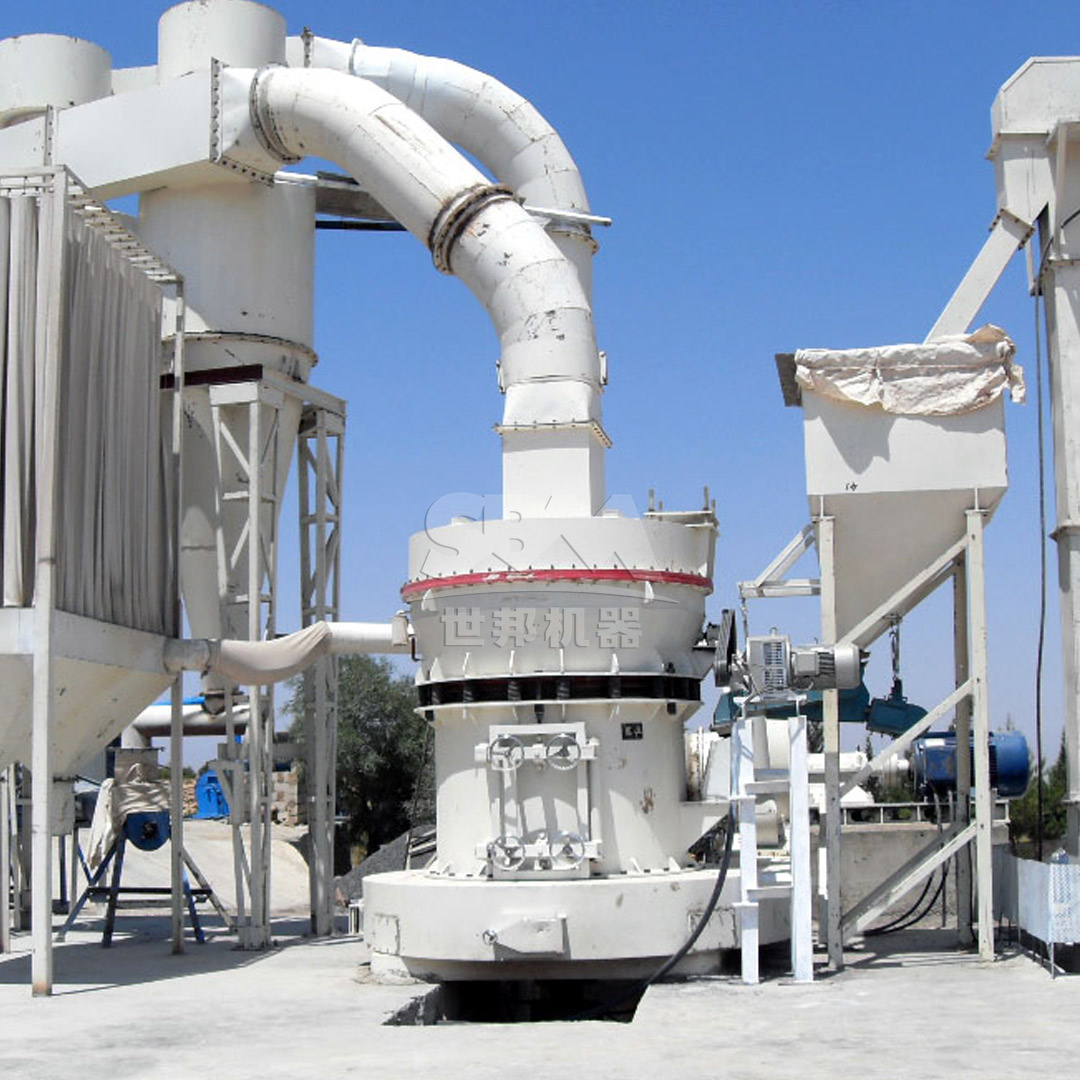
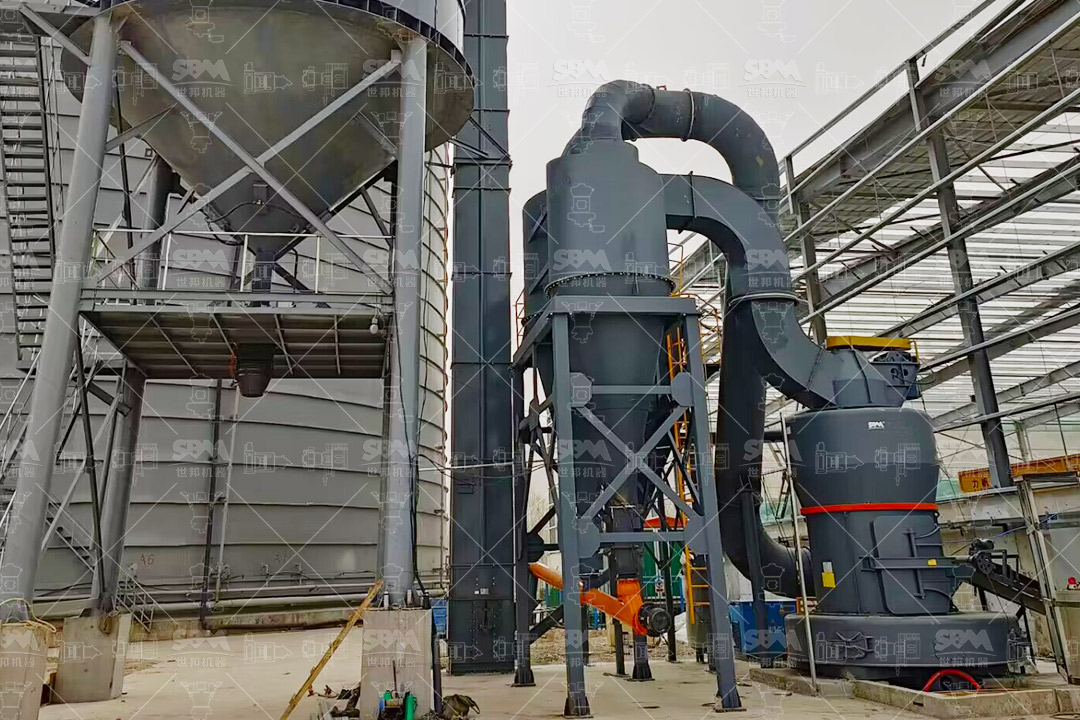
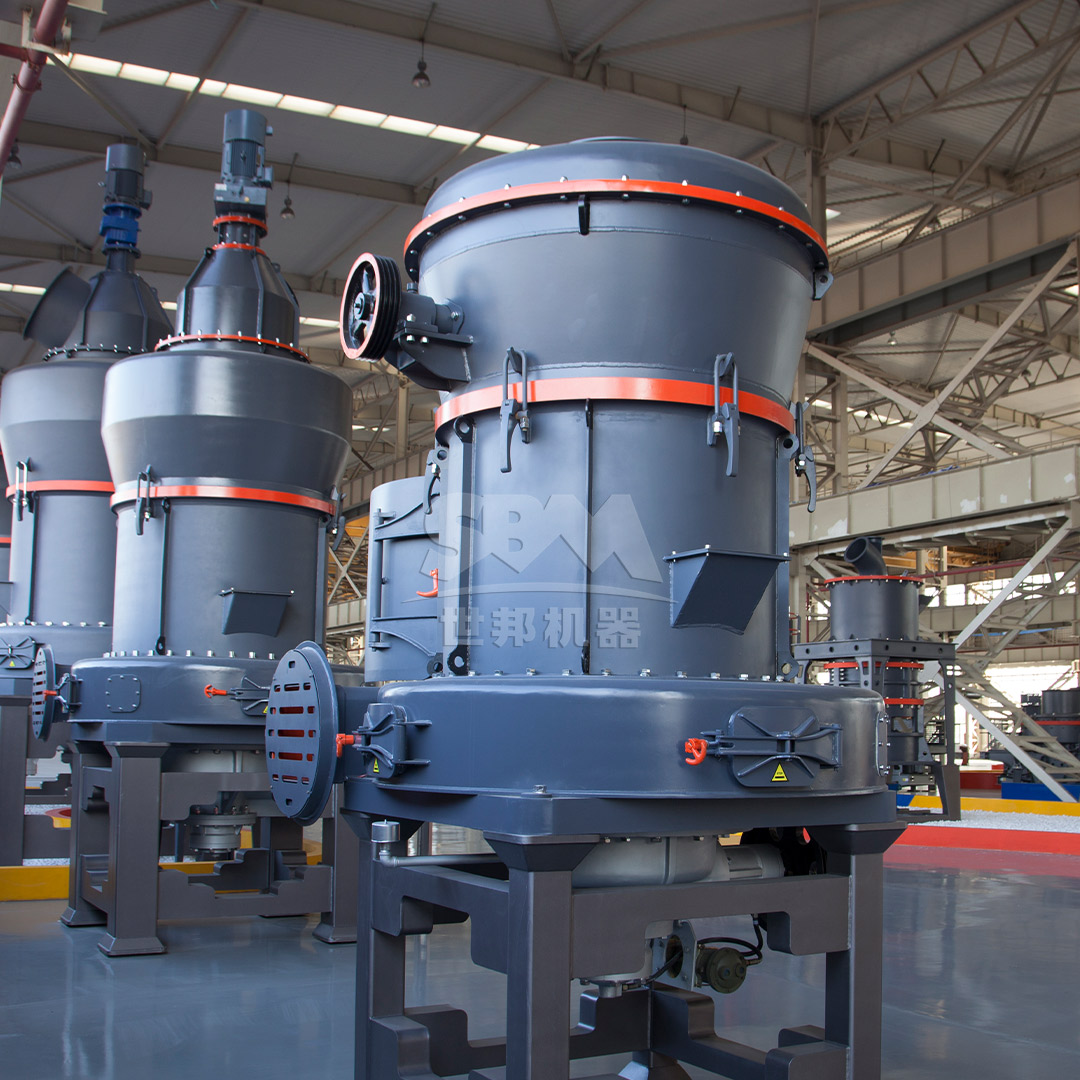
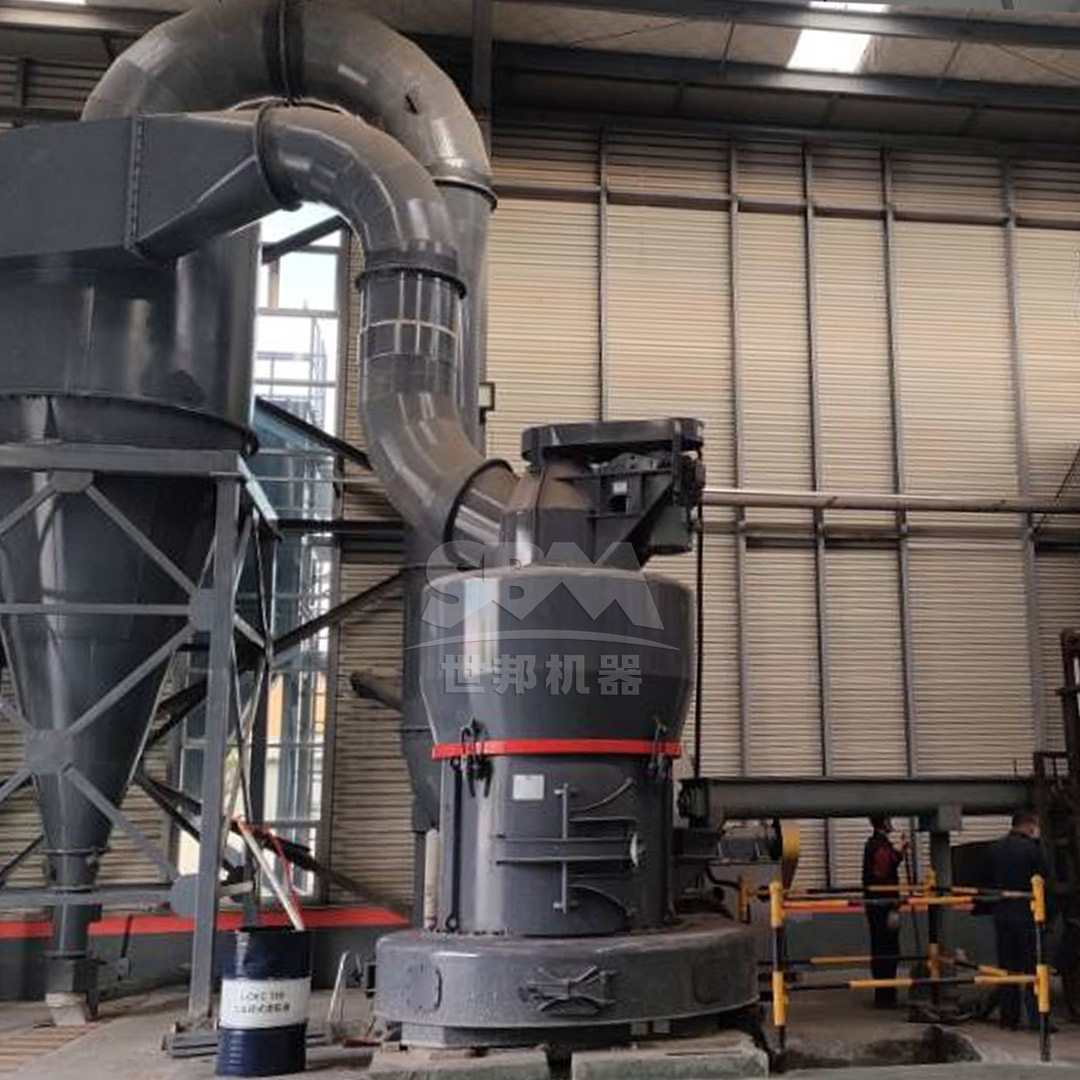
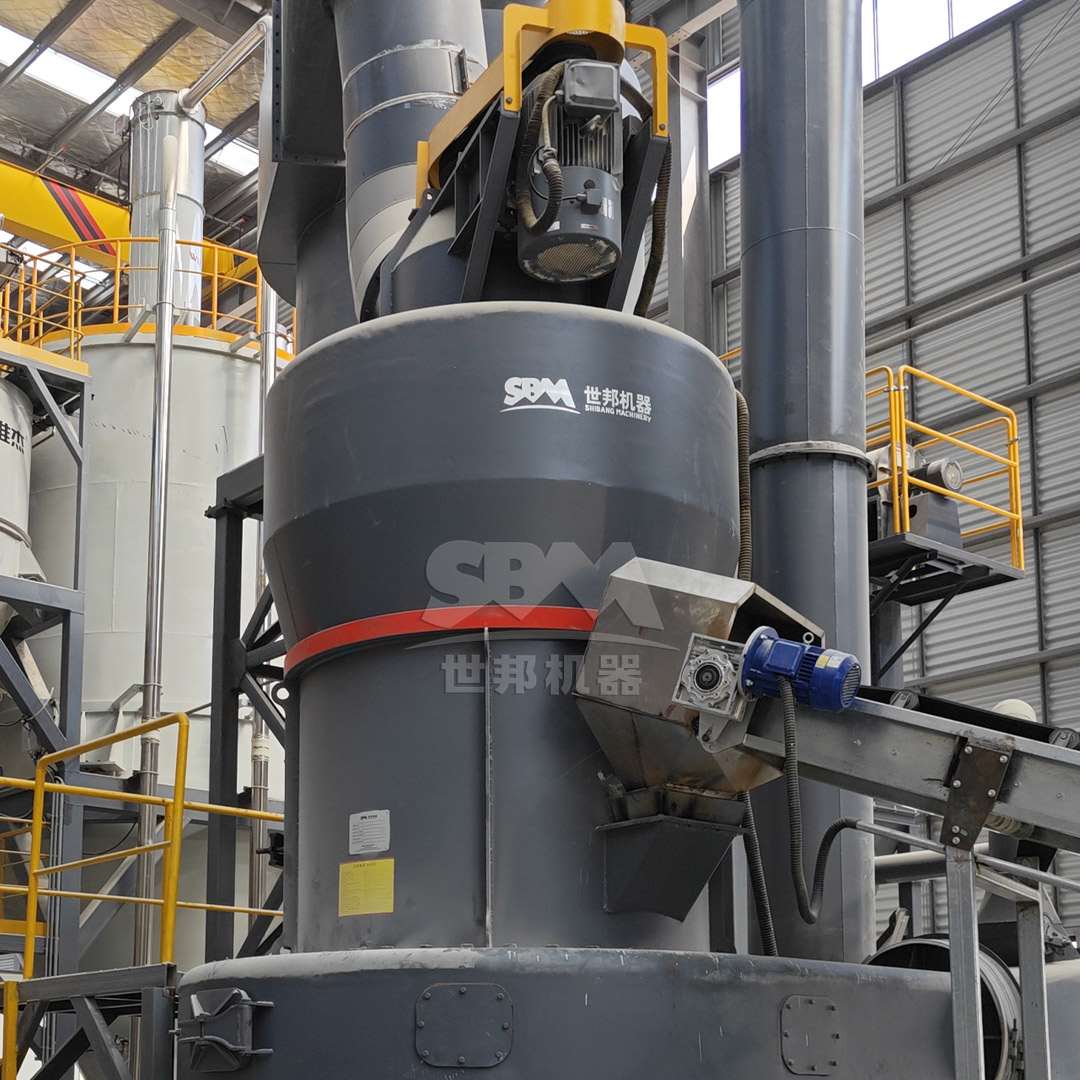
A prime example of such integrated design philosophy is our LM Series Vertical Roller Mill. This mill exemplifies how advanced engineering addresses thermal challenges comprehensively:
- Low-Specific-Energy Grinding: Operating on the principle of material bed compression between rollers and a rotating table, the LM mill achieves size reduction with significantly lower energy consumption compared to traditional ball mills—often 30-40% less. This directly translates to less waste heat generated per ton of product.
- Integrated Air-Swept Drying & Cooling: The mill functions as a highly efficient air-swept system. The grinding zone is continuously ventilated by a large, controlled airflow. This air not only transports and classifies the powder but also acts as a powerful convective cooling stream, efficiently evacuating heat from the grinding bed. The弧形风道 (curved air duct) design minimizes pressure loss, ensuring optimal airflow with lower fan power.
- Intelligent Control Systems: The mill’s expert-level automatic control system continuously monitors key parameters like grinding pressure, differential pressure, and outlet temperature. It dynamically adjusts the feed rate, grinding force, and air volume to maintain the process within the optimal thermal window, preventing overheating before it occurs.
- Robust Component Design: Features like the锥齿轮整体传动 (integral bevel gear transmission) with 98% efficiency minimize power loss as heat in the drive train. The磨辊与磨盘非接触设计 (non-contact design between roller and disc during idle) and special耐磨蜗壳结构 (wear-resistant volute structure) further reduce frictional heat sources.
Selected LM Series Vertical Roller Mill Models with Key Parameters
| Model |
Grinding Disc Diameter (mm) |
Capacity Range (t/h) |
Main Motor Power (kW) |
Key Cooling/Design Feature |
| LM190K |
1900 |
23-68 |
500 |
High-efficiency air-swept system,智能控制 (intelligent control) |
| LM220K |
2200 |
36-105 |
800 |
Large ventilation capacity, low specific energy consumption |
| LM280K |
2800 |
50-170 |
1250 |
Integrated design for massive scale with optimized thermal management |
For ultra-fine grinding applications where heat sensitivity is an even greater concern, our SCM Ultrafine Mill offers a specialized solution. Its design prioritizes precise temperature control for materials down to the 5-micron range:
- Layered Grinding & High Efficiency: The three-ring medium-speed micro-grinding mechanism achieves high fineness with lower relative velocity and friction compared to jet mills, resulting in less heat generation. Its产能为气流磨2倍,能耗降低30% (capacity is twice that of a jet mill with 30% lower energy consumption) is a direct indicator of its thermal efficiency.
- Precise Airflow and Classification: The integrated垂直涡轮分级器 (vertical turbine classifier) and pulse dust collection system create a stable, controllable air circuit. This allows for fine-tuning of the air volume and velocity to match the cooling requirements of specific materials, ensuring that heat is promptly removed from the ultra-fine powder stream.
- Stable Mechanical Design: The无轴承螺杆研磨腔 (bearingless screw grinding chamber) and durable grinding components minimize mechanical sources of heat and vibration, contributing to a cooler, more stable operating environment.
4. Economic and Operational Benefits of Effective Cooling
Investing in a grinding system with superior thermal management delivers a compelling return on investment:
- Extended Equipment Life: Reduced thermal stress on mechanical and electrical components leads to fewer breakdowns, longer intervals between overhauls, and lower lifetime maintenance costs.
- Consistent Product Quality: Maintaining a stable temperature prevents product variations, reduces rejects, and ensures batch-to-batch consistency—critical for high-value additives and chemicals.
- Higher Operational Uptime: Minimizing heat-related stoppages (for cooling, cleaning of coated media, or bearing replacements) increases overall equipment effectiveness (OEE).
- Energy Savings: Efficient grinding mechanics combined with optimized cooling airflow reduce the total system power draw. Preventing material coating also maintains grinding efficiency at its design point.
- Enhanced Safety and Environmental Compliance: Controlled temperatures mitigate fire/explosion risks and help maintain in-plant ambient conditions. Efficient dust collection, integral to the air-cooling circuit, ensures emissions remain within regulatory limits.
Conclusion: Cooling as a Cornerstone of Grinding Excellence
In conclusion, cooling is not merely an auxiliary function in large-scale industrial grinding; it is a fundamental determinant of success. The ability to manage process heat directly influences product integrity, equipment reliability, operational safety, and profitability. As grinding technology advances, the integration of efficient, low-heat-generation mechanics with intelligent, system-wide thermal management has become the standard for high-performance equipment.
For operations aiming to optimize their grinding processes, the choice of mill is pivotal. Solutions like the LM Series Vertical Roller Mill and the SCM Ultrafine Mill demonstrate that through innovative design—embodying principles of energy efficiency, optimized airflow, robust construction, and smart control—effective cooling can be engineered into the very fabric of the grinding process. This holistic approach transforms thermal management from a constant challenge into a reliable, automated advantage, paving the way for more sustainable, productive, and high-quality industrial grinding operations.