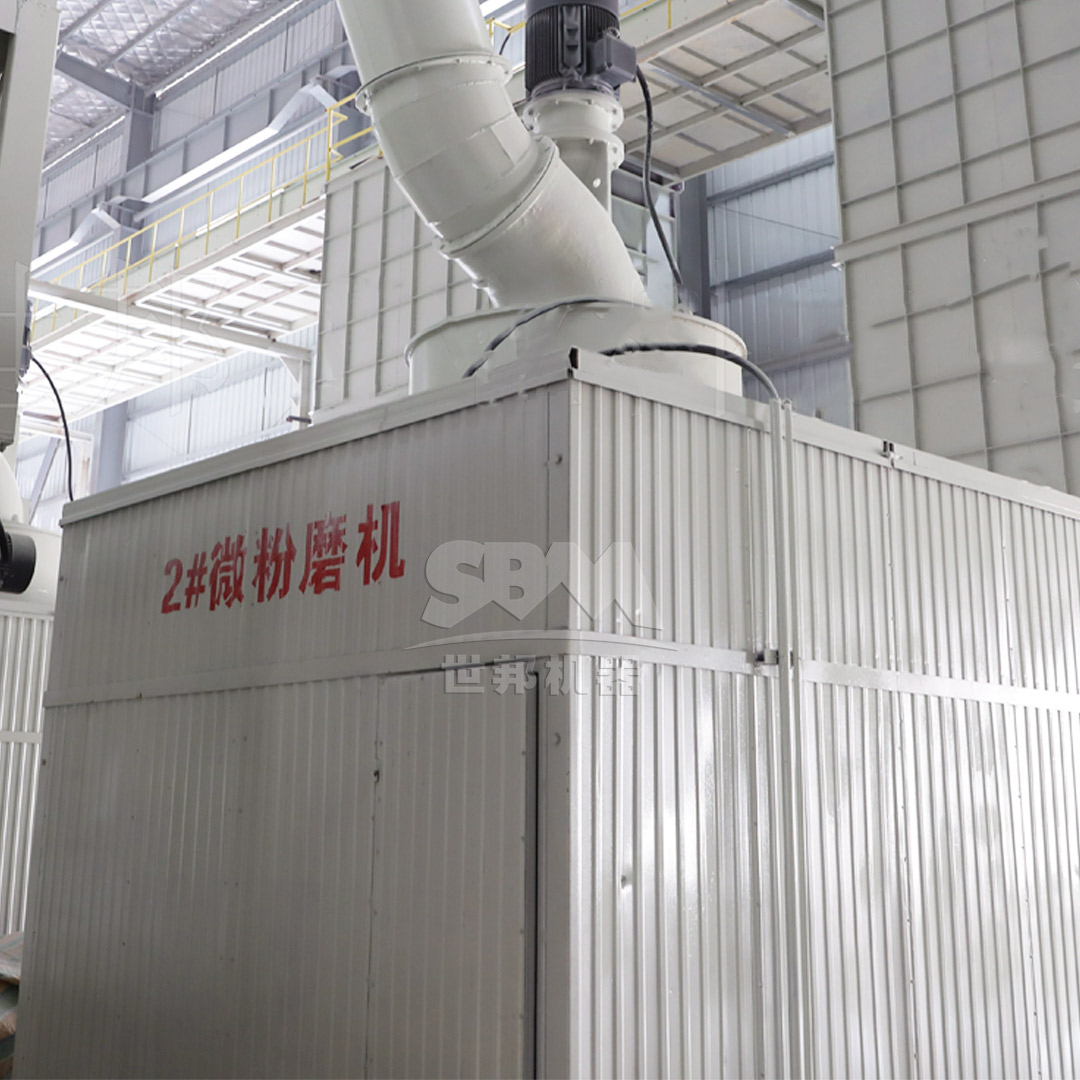
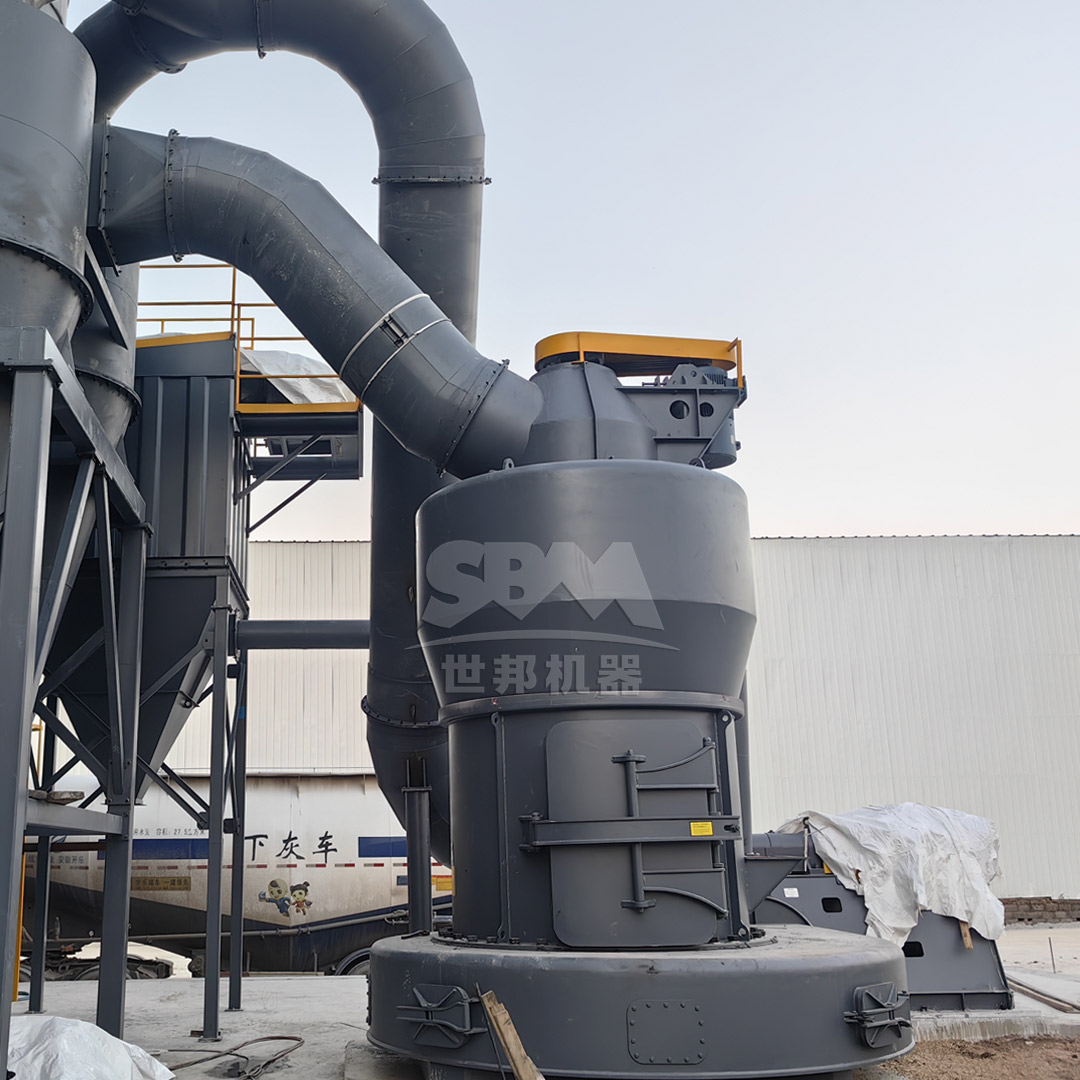
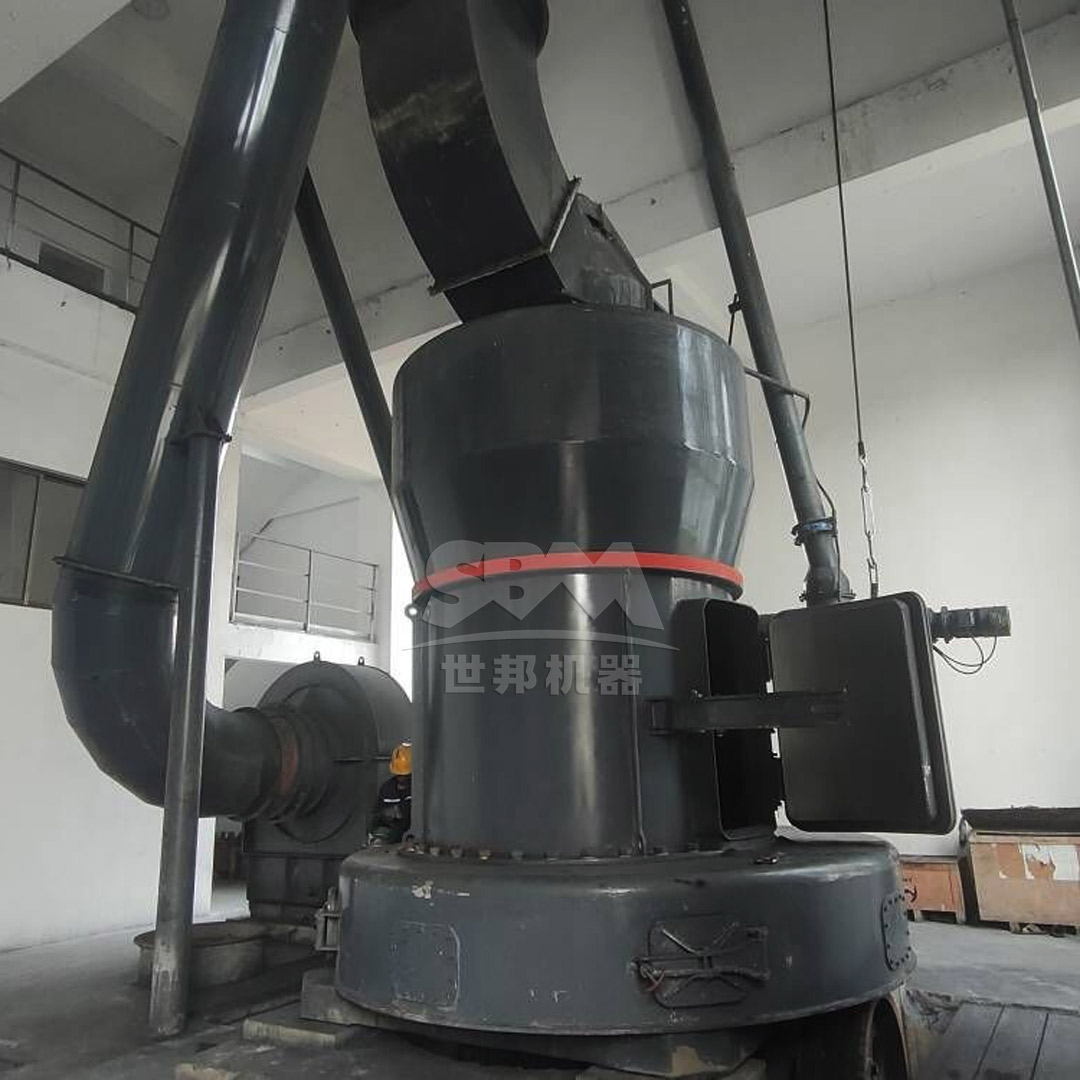
The processing of lightweight materials, such as calcium carbonate, talc, kaolin, fly ash, and various polymers, presents unique challenges in modern industry. Achieving high throughput, precise particle size distribution, and energy efficiency while maintaining product integrity is paramount. Selecting the right grinding equipment is critical to operational success. This article explores five of the most effective grinding machine types for processing lightweight materials, highlighting their principles, advantages, and ideal applications. We will also spotlight a leading solution from our portfolio that excels in this demanding field.
For applications requiring extremely fine powders (typically below 10 microns), such as high-performance fillers, coatings, and advanced ceramics, ultrafine grinding mills are indispensable. These mills go beyond conventional crushing to achieve particle sizes measured in microns and sub-microns.
The core challenge is to apply sufficient energy to fracture particles without generating excessive heat, which can degrade sensitive lightweight materials. Advanced designs utilize principles like fluidized bed jet milling or mechanical grinding with integrated high-precision air classifiers.
A standout example in this category is our SCM Ultrafine Mill. Engineered for precision and efficiency, it is particularly suited for processing soft to medium-hard lightweight materials into superfine powders.
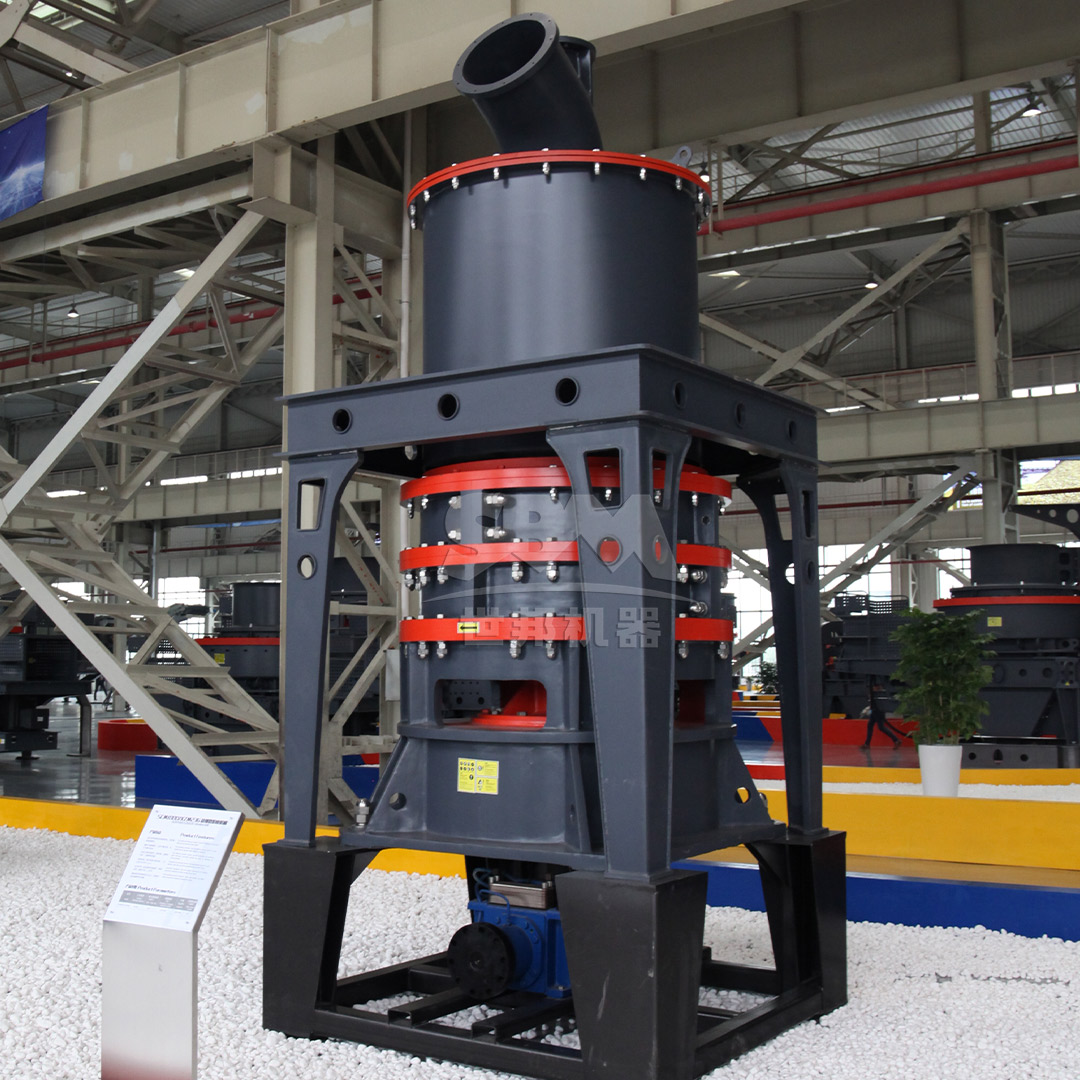
Why the SCM Series Excels for Lightweight Materials:
With models ranging from the SCM800 (0.5-4.5 t/h) to the high-capacity SCM1680 (5.0-25 t/h), this mill series offers a scalable solution for producing premium-grade ultrafine powders from lightweight feed stock ≤20mm in size.
Vertical Roller Mills are renowned for their large-scale processing capabilities and excellent energy efficiency. They are ideal for grinding lightweight materials like slag, fly ash, and limestone to medium fineness (typically 30-325 mesh) at high tonnage rates.
The VRM operates on a bed-grinding principle. Material is fed onto a rotating grinding table and crushed under rollers. Hot gas flowing through the mill dries the material (if needed) and carries the fine particles to a classifier. This integrated drying, grinding, and classifying process within a single unit makes VRMs highly compact and efficient.
Our LM Series Vertical Roller Mill exemplifies this technology. Its集约化设计 (intensive design) integrates multiple functions, reducing footprint by 50% and lowering infrastructure costs by 40%. For lightweight material processing, its low operating cost is a major advantage. The non-contact design between rollers and the grinding table and wear-resistant parts extend service life, while energy consumption is 30-40% lower than traditional ball mill systems. It operates under full negative pressure, ensuring dust emissions remain below 20mg/m³.
Trapezium Mills offer a robust and reliable solution for producing powders in the 30-325 mesh range. They strike an excellent balance between fineness, capacity, and operational cost, making them a popular choice for processing materials like barite, calcite, and feldspar.
These mills feature a unique grinding chamber with curved surfaces and a trapezium-shaped working face. Multiple rollers rotate on a central shaft, pressing against a stationary ring under centrifugal force. The design promotes efficient grinding with relatively low wear.
Our MTW Series Trapezium Mill incorporates several advanced features beneficial for consistent lightweight material processing. Its锥齿轮整体传动 (integral bevel gear transmission) achieves a remarkable 98% transmission efficiency. The弧形风道优化 (curved air duct) minimizes airflow resistance and energy loss. Furthermore, its耐磨蜗壳结构 (wear-resistant volute structure) and防磨损铲刀设计 (wear-resistant shovel design) significantly reduce maintenance frequency and cost, enhancing overall operational uptime.
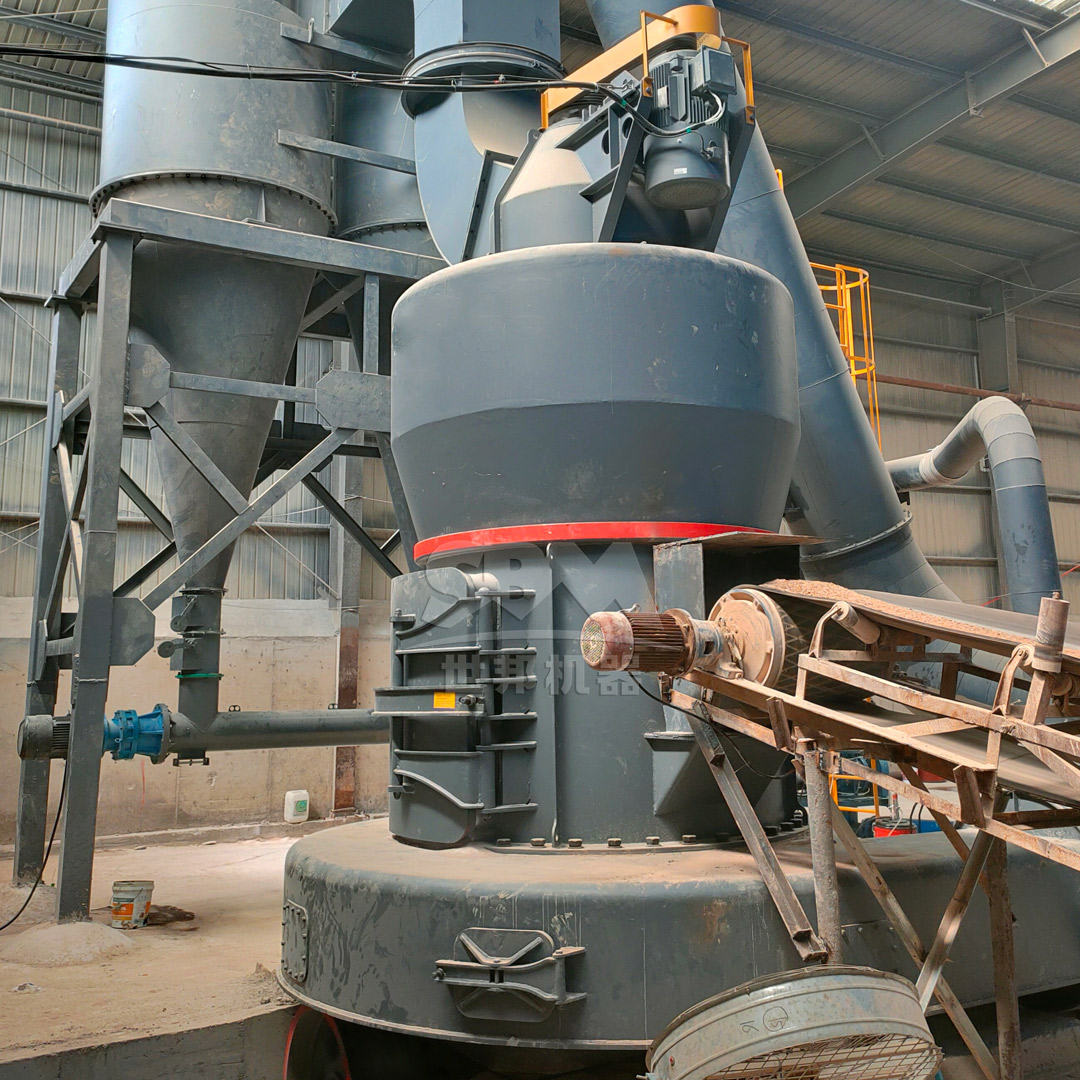
A classic and proven technology, Raymond or Pendulum Roller Mills are widely used for fine grinding of non-flammable and non-explosive materials with Mohs hardness below 7. They are exceptionally reliable for producing powders between 80 and 325 mesh.
The mill’s grinding rollers swing outward due to centrifugal force, pressing against a stationary grinding ring. A blade system feeds and circulates the material. While perhaps less energy-efficient than newer VRMs for very high capacity, their simplicity, durability, and ease of maintenance keep them relevant.
Modern iterations, like our MRN Pendulum Mill, have evolved with features such as稀油润滑系统 (thin oil lubrication systems) for reduced maintenance and高效集粉器 (high-efficiency powder collectors) that lower system resistance. They remain a solid, cost-effective choice for many standard lightweight material grinding applications with capacities ranging from 2.7 to 83 TPH.
Ball Mills are one of the most versatile grinding systems, capable of handling both wet and dry processes across a wide range of feed sizes and product fineness (typically 0.074-0.8mm). They are often used for the secondary grinding of pre-crushed lightweight materials.
Operation involves a rotating cylinder (lined with wear-resistant material) partially filled with grinding media (steel balls). As the cylinder rotates, the balls are lifted and then cascade down, crushing the material by impact and attrition.
The key advantages are their high破碎比 (crushing ratio), which can reach 300:1, and their ability to handle large volumes continuously, with models like the GMQY3685 offering capacities up to 450 t/h. While generally less energy-efficient than roller-based systems for fine grinding, their adaptability and proven reliability for certain process stages, especially in mineral processing circuits involving lightweight ores, ensure their continued use.
Selecting the optimal grinding machine for lightweight materials requires careful consideration of the desired product fineness, required capacity, material characteristics (hardness, moisture, abrasiveness), and total operational cost (energy, wear parts, maintenance).
For the pinnacle of fine and ultrafine powder production, the SCM Ultrafine Mill stands out with its unparalleled precision, energy savings, and product uniformity. For large-scale production of medium-fine powders with superior efficiency, the LM Vertical Roller Mill or the advanced MTW Trapezium Mill offer compelling solutions with their integrated systems and robust designs.
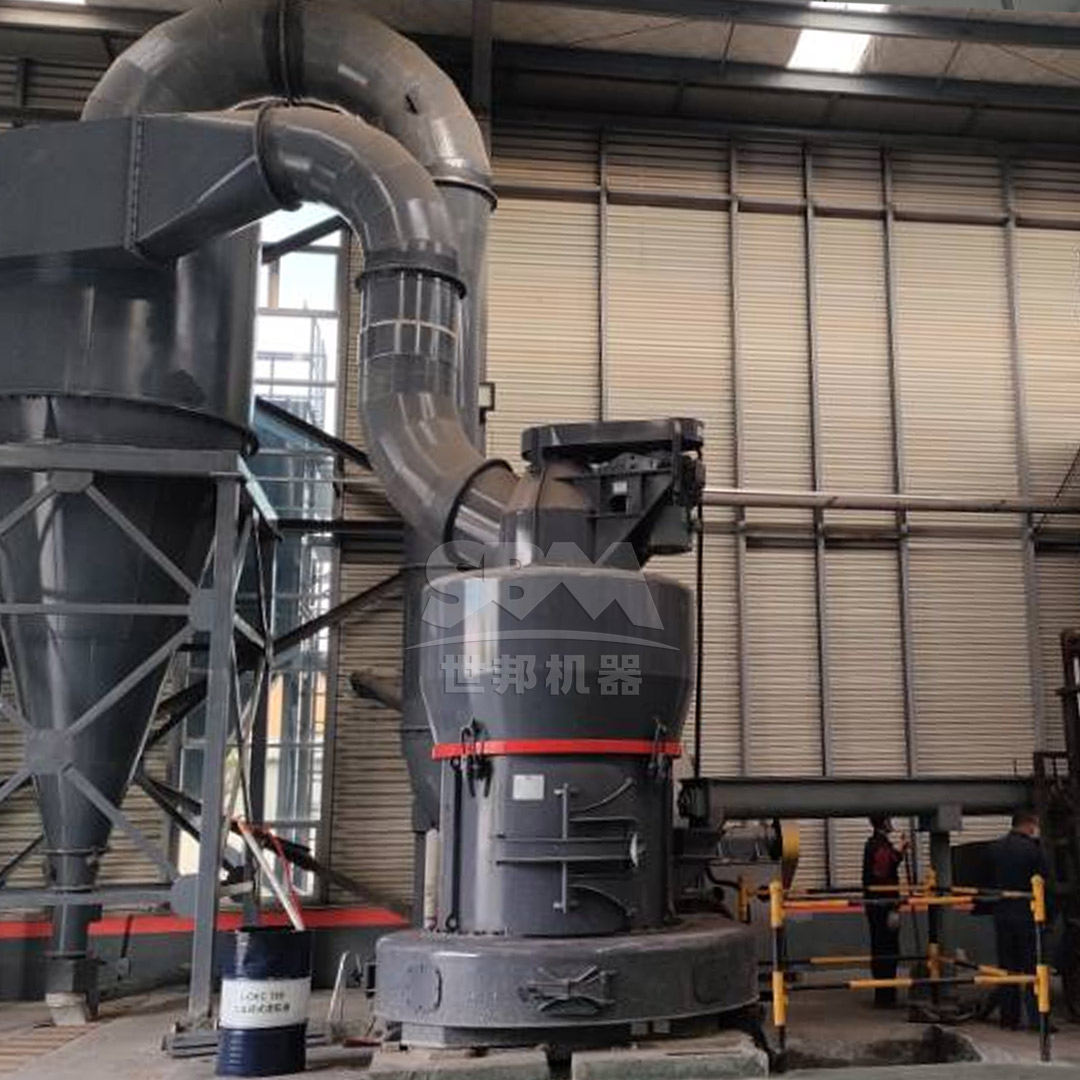
Ultimately, partnering with a supplier that offers a comprehensive range of technologies and deep application expertise is crucial. This ensures you receive not just a machine, but a tailored grinding solution that maximizes the value of your lightweight material processing operations, driving productivity, quality, and profitability.