The mineral processing industry is under constant pressure to enhance productivity, reduce operational costs, and meet increasingly stringent environmental standards. At the heart of this evolution lies grinding technology—a critical stage that significantly influences downstream recovery rates, energy consumption, and overall plant economics. Traditional grinding methods, while reliable, often fall short in efficiency and flexibility for modern, high-throughput operations. This article explores five pivotal technological innovations in grinding that are setting new benchmarks for productivity. By integrating advanced mechanics, intelligent control systems, and sustainable design principles, these innovations are not just incremental improvements but transformative steps towards smarter, more profitable mineral processing.
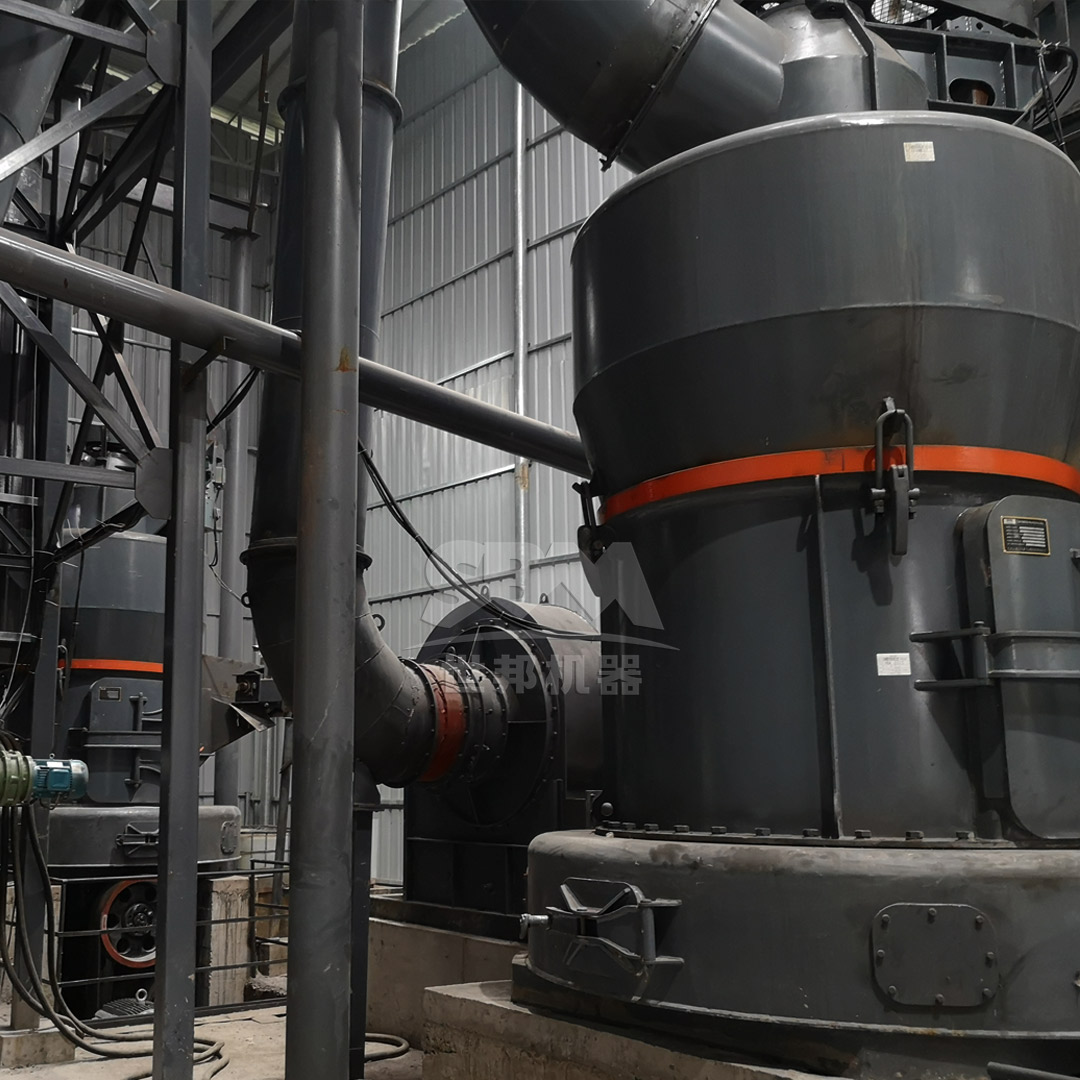
Vertical Roller Mills represent a paradigm shift from horizontal ball mill configurations. Their core innovation lies in utilizing a bed-compression grinding principle rather than impact and attrition alone. Material is ground between a rotating table and rollers under hydraulic pressure. This method offers several productivity advantages:
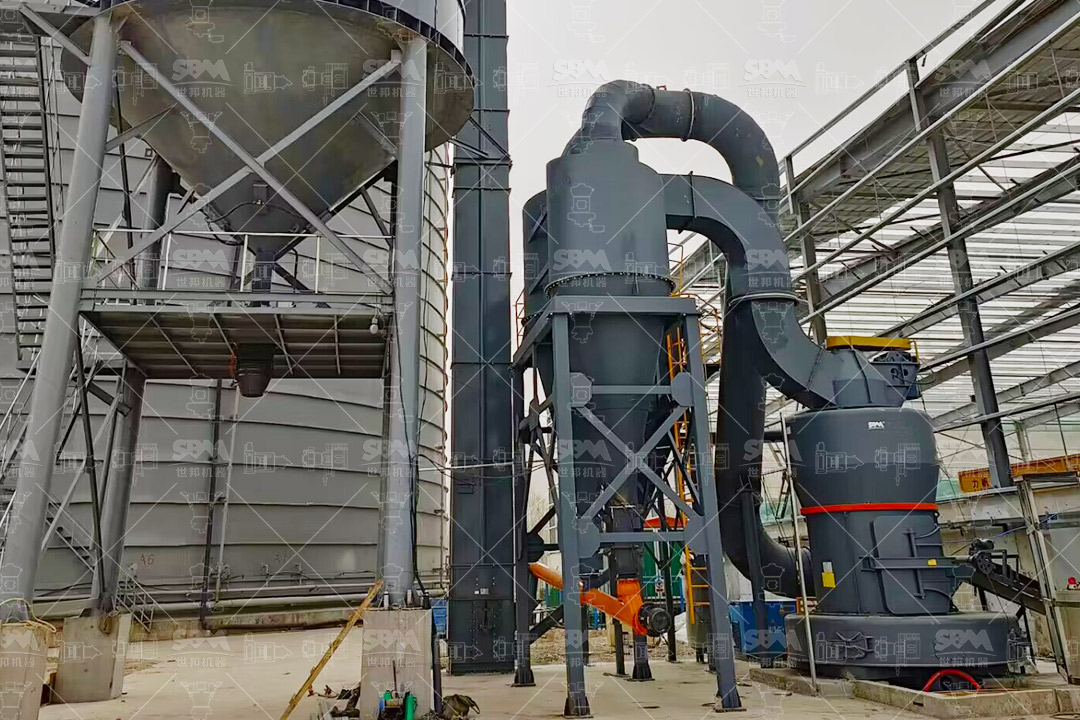
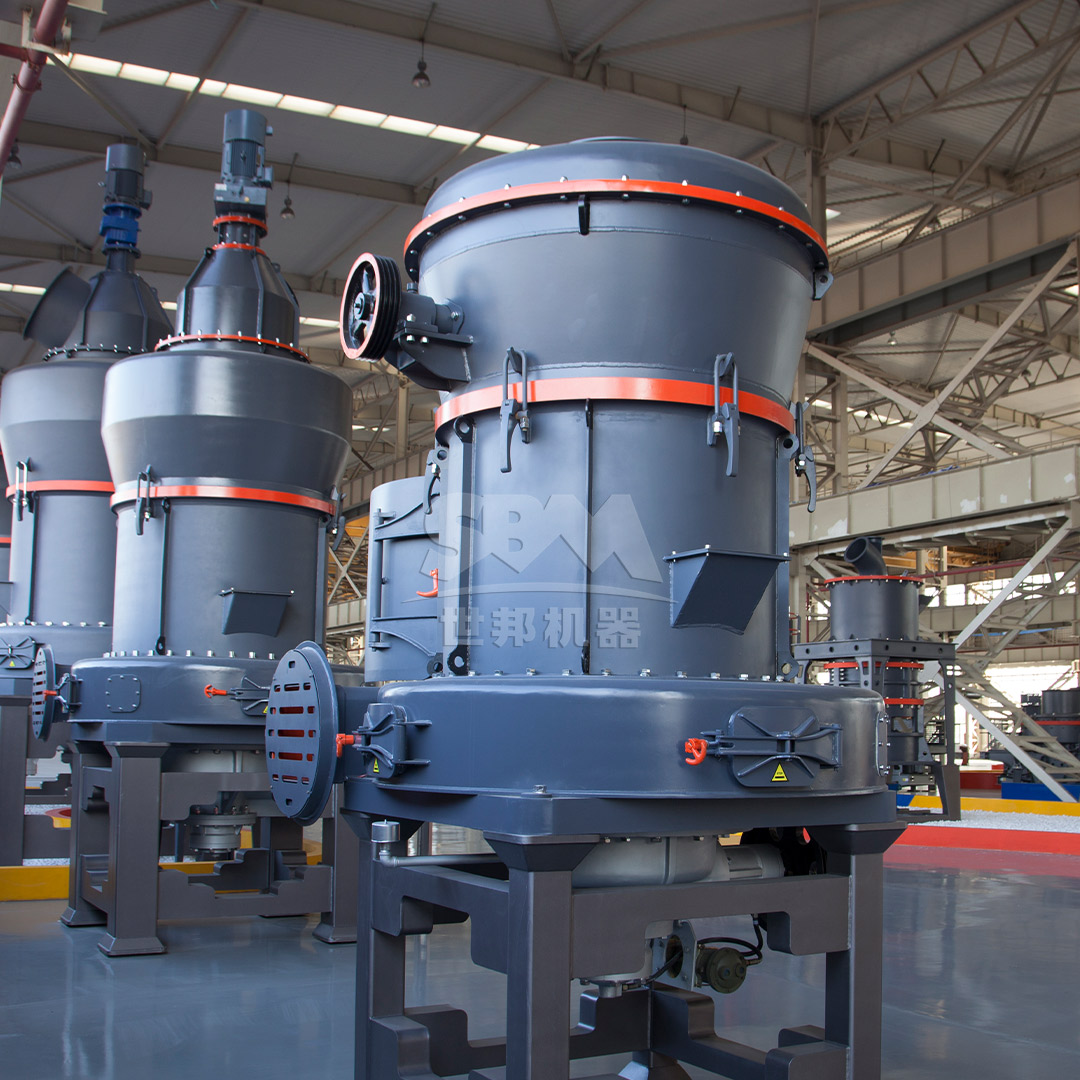
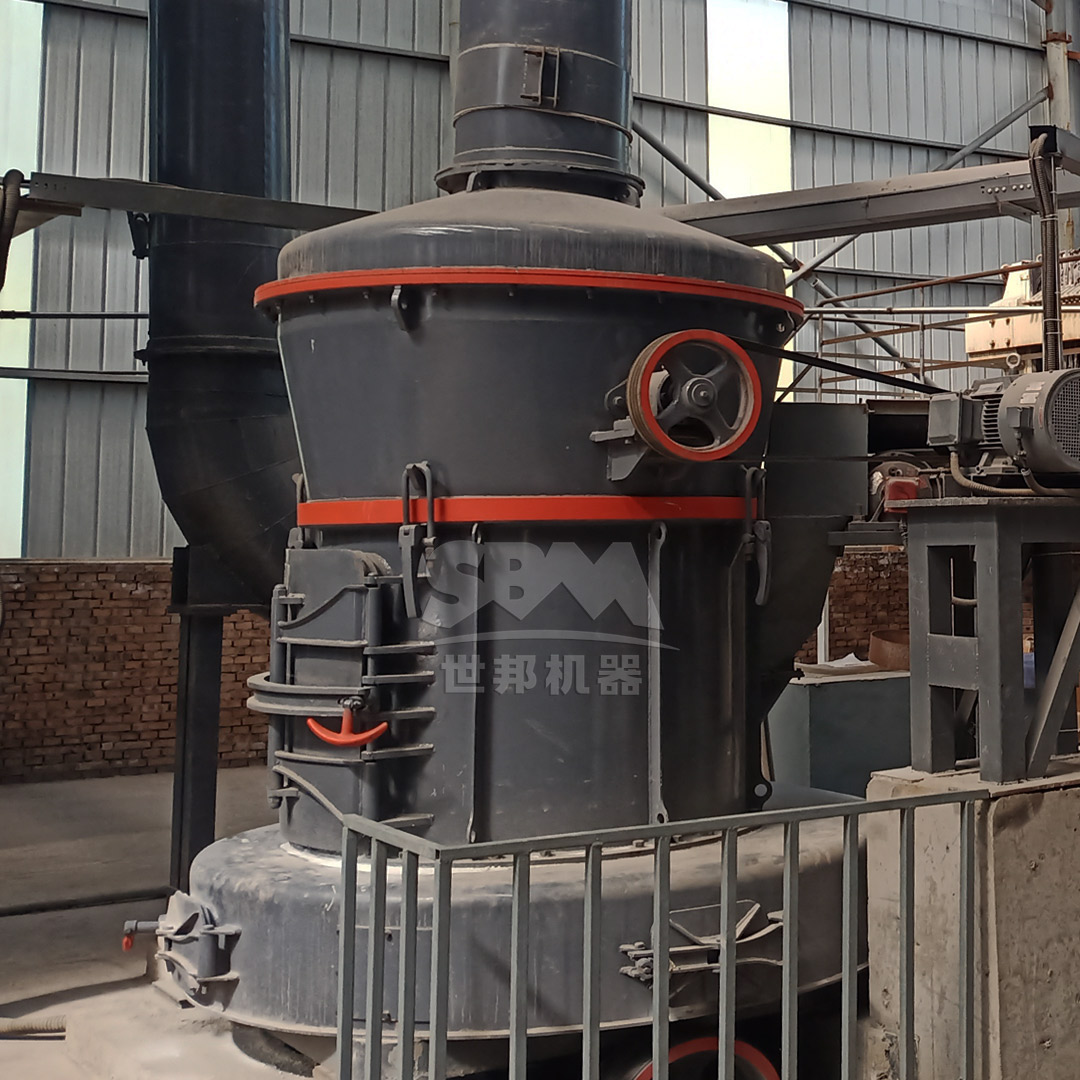
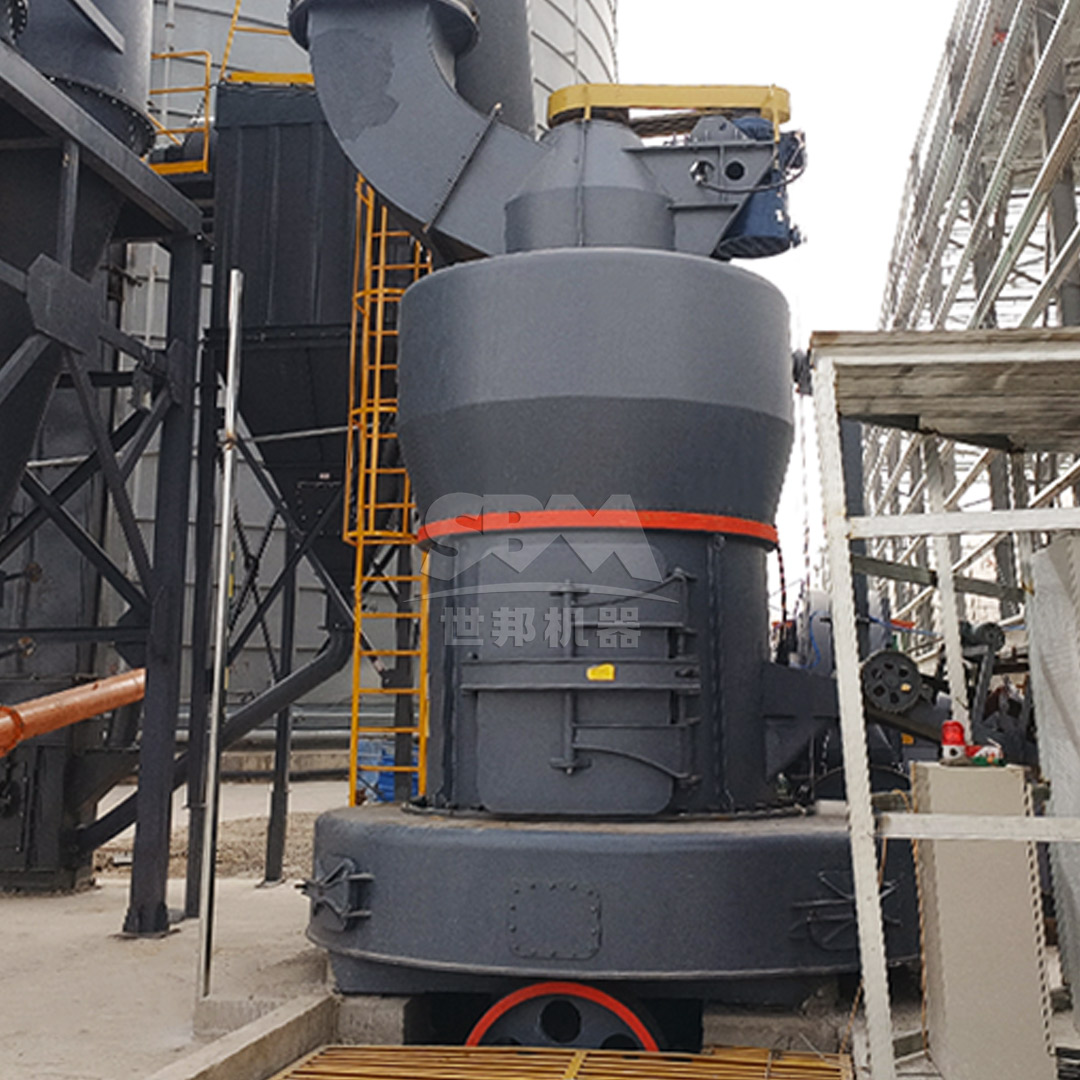
For operations seeking to maximize throughput for medium to fine grinding applications (e.g., 30-325 mesh), our LM Series Vertical Roller Mill stands out. Its集约化设计 integrates crushing, grinding, and classification into a single unit, reducing plant footprint by up to 50%. With能耗较球磨系统降低30-40% and the capability for露天安装, it drastically cuts both capital and operational expenses. The磨辊与磨盘非接触设计 extends wear part life threefold, while the专家级自动控制系统 ensures stable, optimized operation with minimal intervention.
As ore bodies become more complex and the demand for mineral liberation at finer sizes increases, ultrafine grinding (<10 μm) has become crucial. Innovations in this area focus on achieving precise particle size control while managing the high energy costs typically associated with fine grinding.
Our flagship solution in this domain is the SCM Ultrafine Mill. Engineered for outputs ranging from 325 to 2500 mesh (D97 ≤5μm), it addresses the core challenges of ultrafine processing. Its垂直涡轮分级器 enables precise粒度切割, ensuring成品均匀 with no coarse powder contamination. Crucially, it delivers产能为气流磨2倍 while能耗降低30%, making ultrafine production economically viable. The特殊材质辊轮与磨环 and无轴承螺杆研磨腔 design guarantee运行稳定 and extended durability.
Modern grinding circuits are no longer just mechanical systems but data-driven processes. The integration of sensors, advanced process control (APC) software, and machine learning algorithms has revolutionized operational efficiency.
This philosophy of intelligent operation is embedded in our grinding equipment. For instance, the SCM Ultrafine Mill features智能控制 with automatic feedback on成品粒度, while the LM Series Vertical Mill offers实时监控运行参数 through its expert control system, supporting both remote and local operation modes.
Recognizing that no single machine is optimal for all stages of size reduction, a key innovation is the strategic combination of different grinding technologies or the use of highly efficient pre-grinding units.
Our LM-Y Series Vertical Pre-grinding Roller Mill is specifically designed for this hybrid approach. With models like the LM340Y capable of最大循环处理量达800-1000t/h, it can dramatically increase the throughput of existing ball mill circuits. Its料床粉磨原理 ensures低能耗运行, reducing specific电耗 by 30-50%. The液压调节系统 allows for快速更换辊套, minimizing maintenance downtime and making it an ideal,多功能应用 solution for boosting overall plant productivity.
Productivity is no longer measured solely by tons per hour. Sustainable operation with minimal environmental impact is a critical component of modern grinding technology innovation.
Our product lines are engineered with these principles at their core. The MTW Series Trapezium Mill features an弧形风道优化 to reduce energy loss and a耐磨蜗壳结构 for longevity. More notably, our SCM Ultrafine Mill is designed with脉冲除尘效率超国际标准 and隔音室设计 to achieve噪音≤75dB, exemplifying how high productivity can coexist with industry-leading environmental and social responsibility standards.
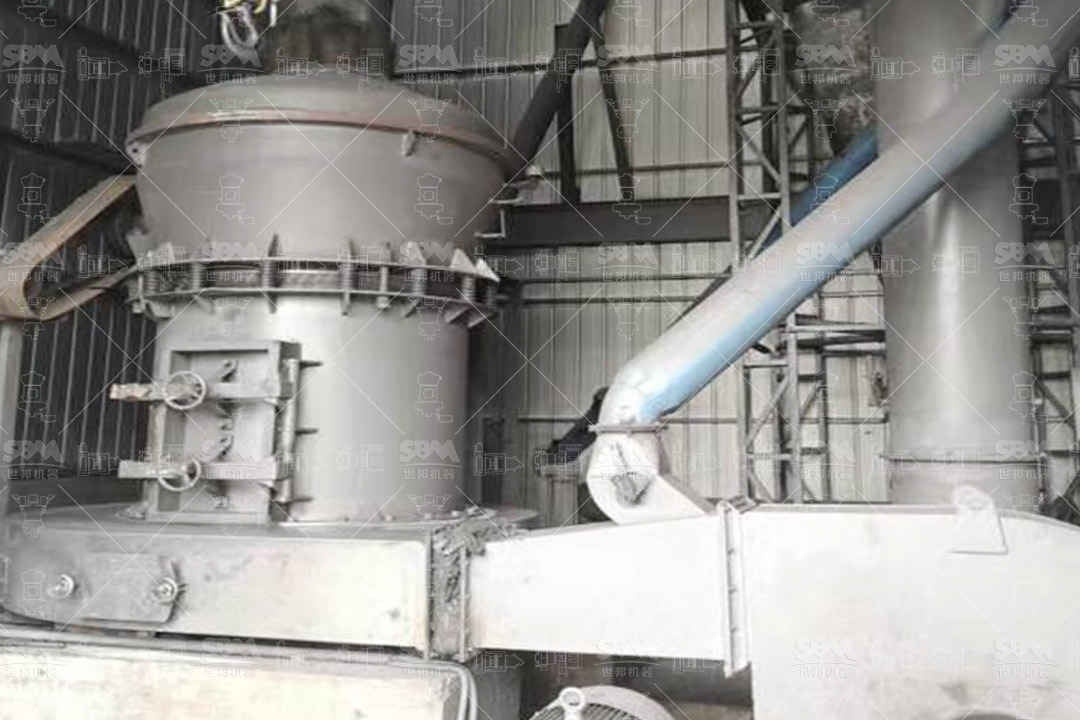
The pursuit of higher productivity in mineral processing is being powerfully driven by these five grinding technology innovations. From the macroscopic efficiency gains of Vertical Roller Mills and intelligent control systems to the microscopic precision of ultrafine grinding and the strategic advantages of hybrid circuits, the landscape is rapidly evolving. Crucially, this evolution is increasingly aligned with the imperative of sustainability. By adopting these advanced technologies—such as our energy-efficient LM Series for large-scale grinding or our precision-engineered SCM Ultrafine Mill for specialized applications—operations can achieve a formidable competitive edge. The future of mineral processing lies in grinding systems that are not only more powerful and precise but also smarter, more adaptable, and inherently designed for responsible resource utilization.