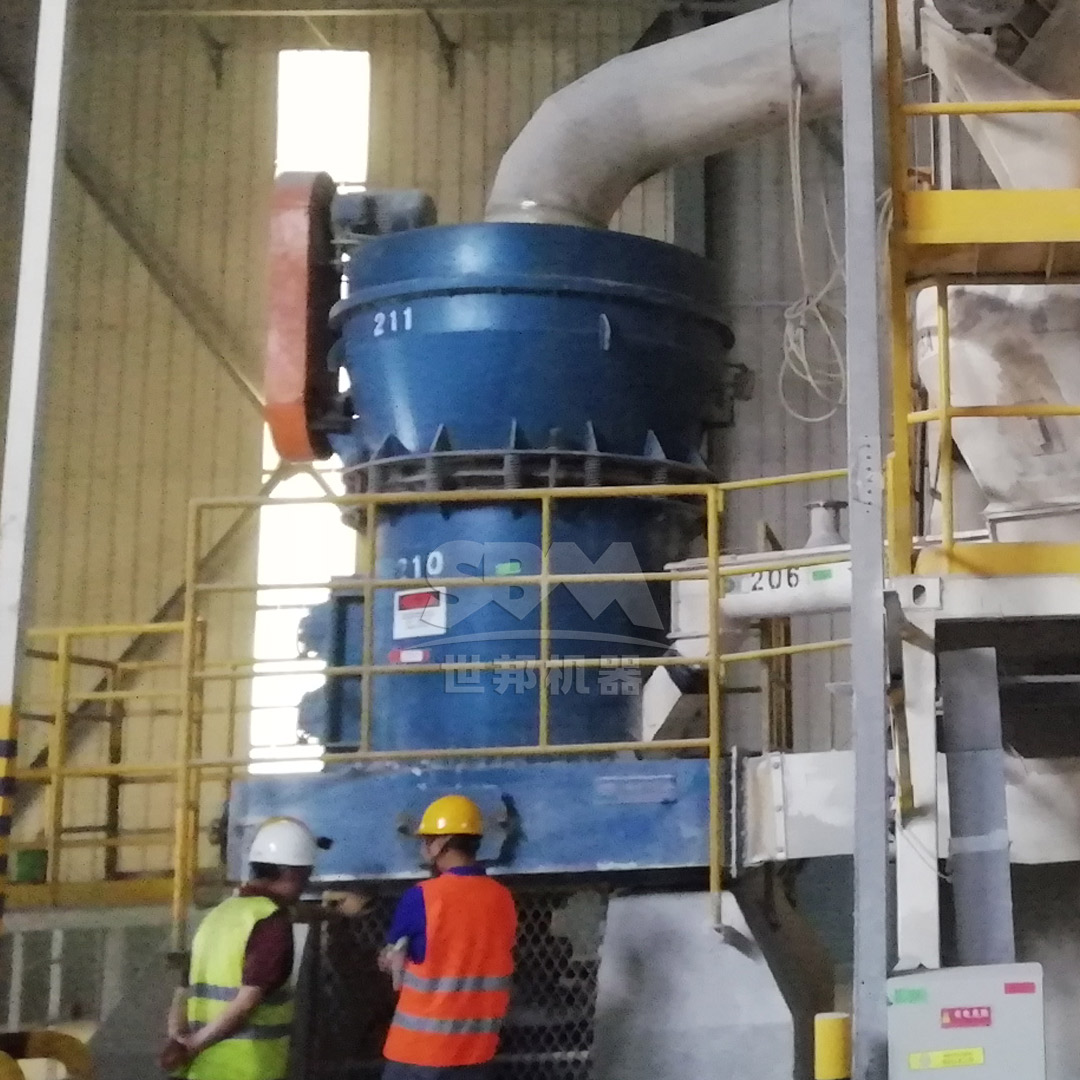
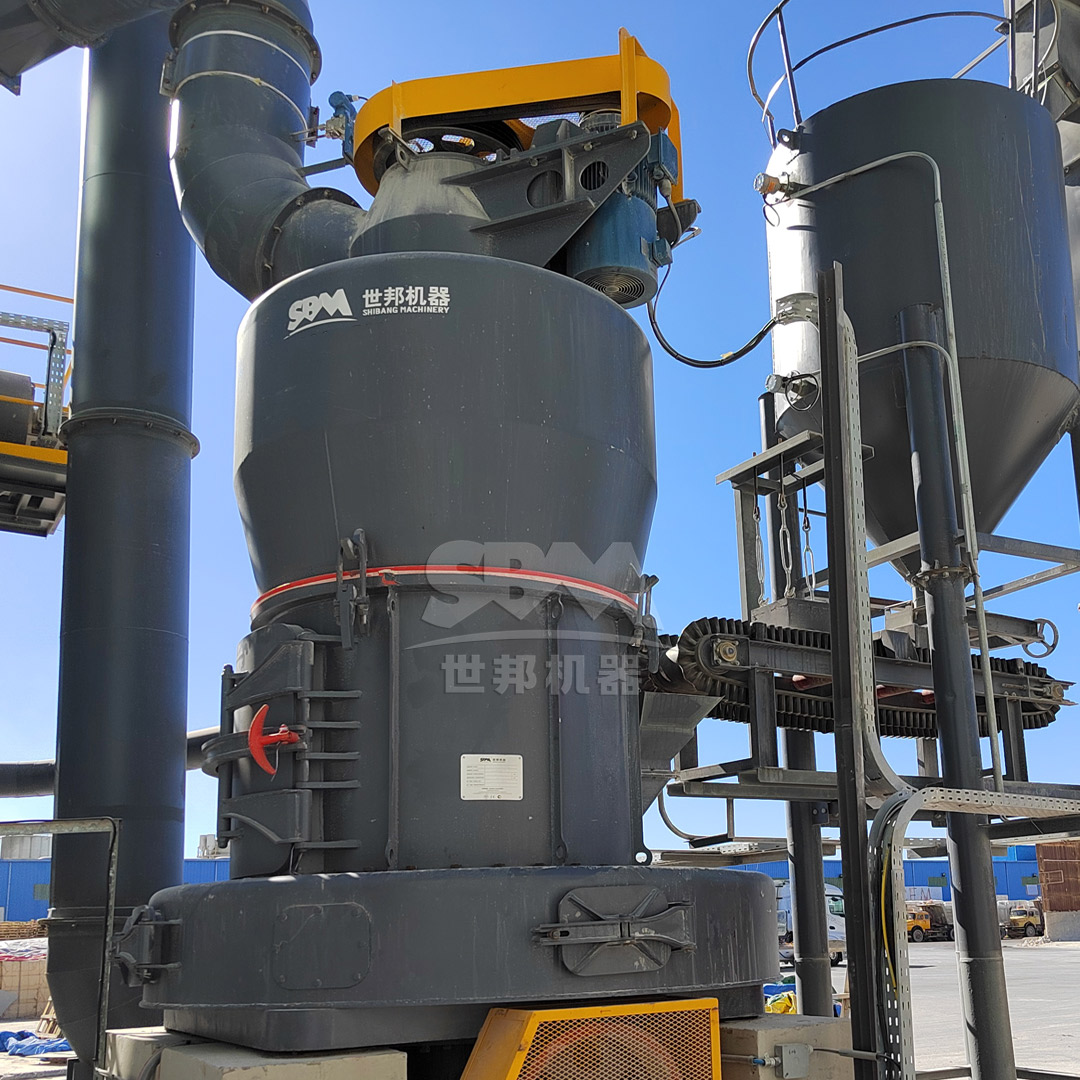
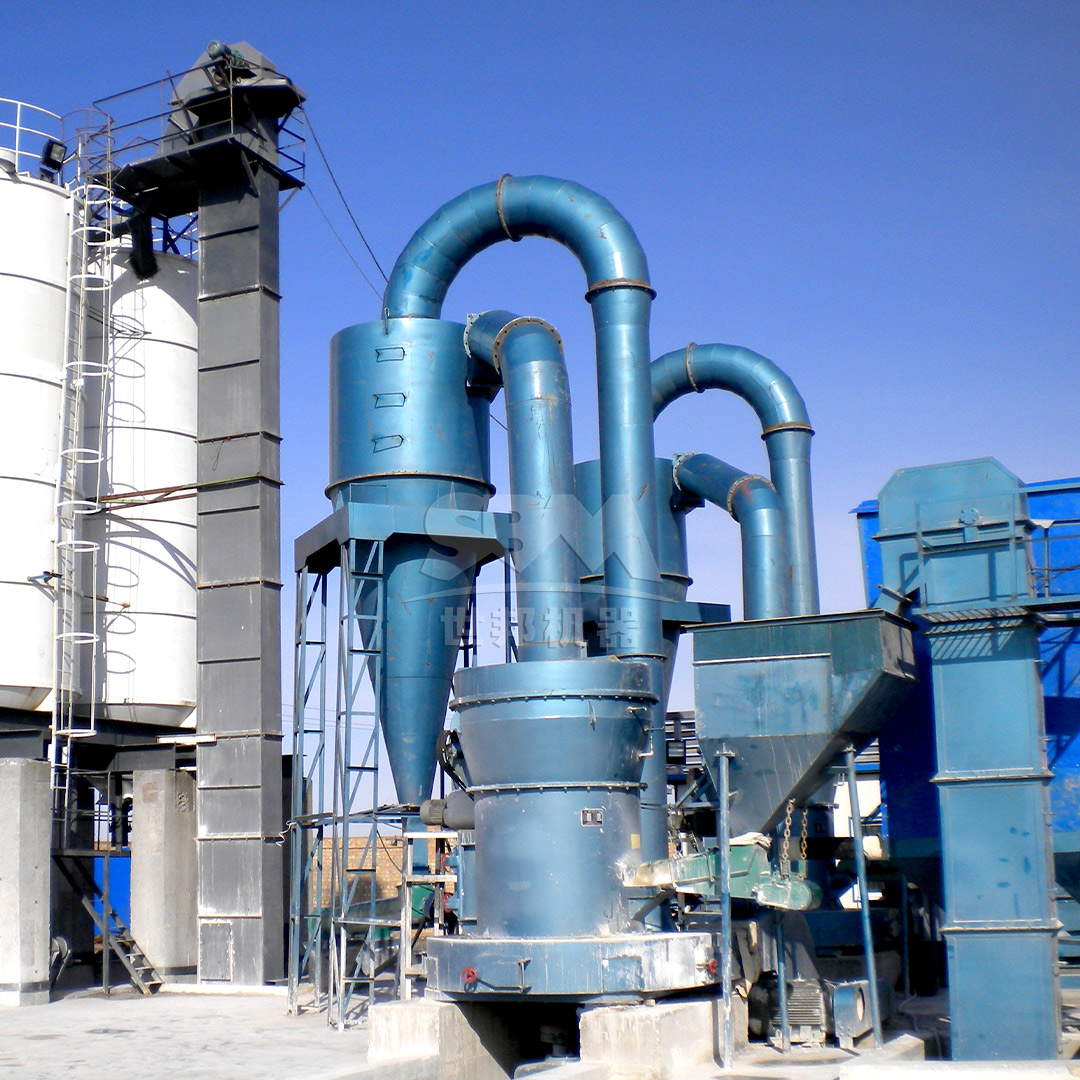
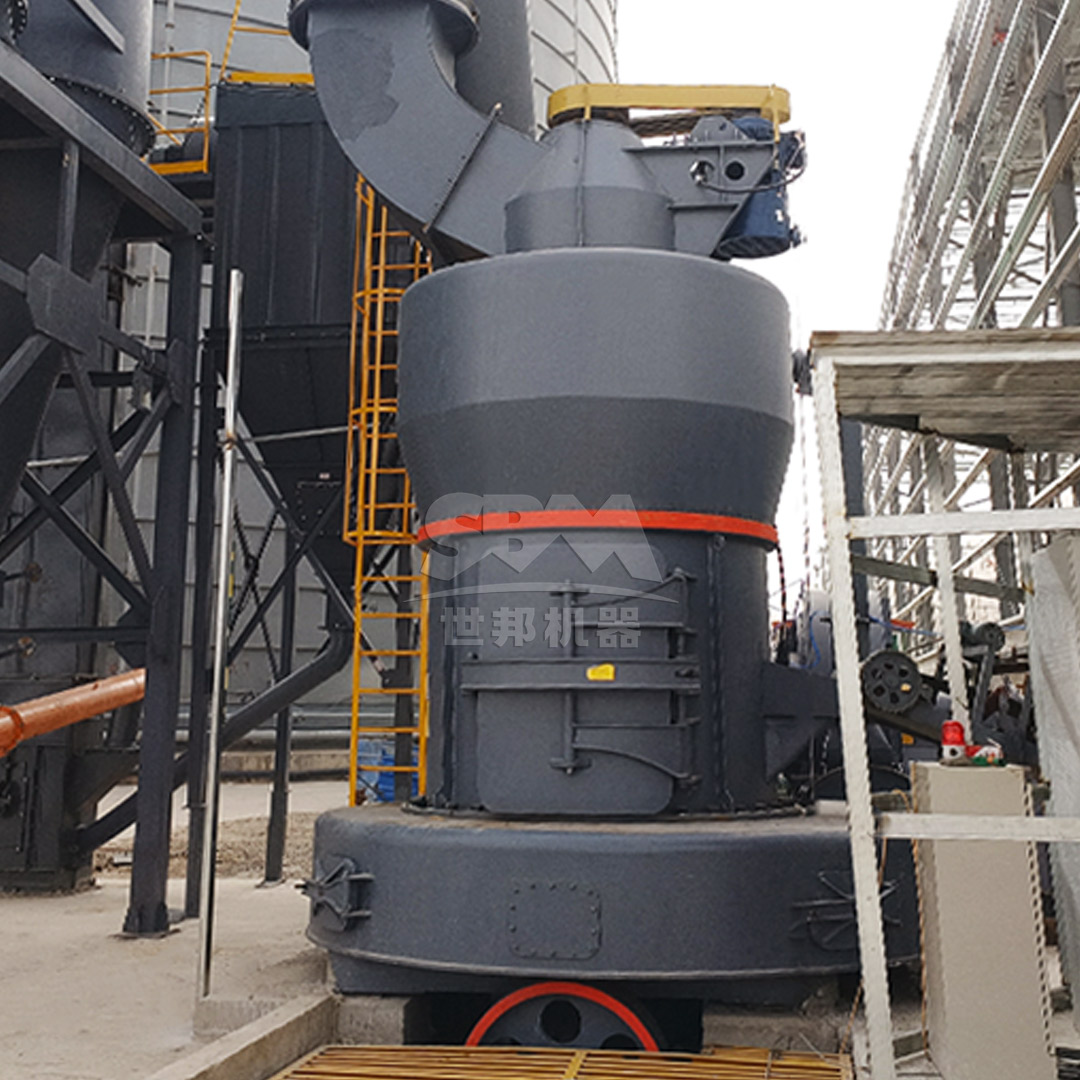
Pendulum mills represent a class of grinding equipment that utilizes suspended grinding elements to achieve efficient size reduction across various materials. These mills operate on the principle of centrifugal force, where grinding rollers swing outward against a stationary grinding ring, creating a powerful crushing action. The versatility of pendulum mills makes them suitable for processing a wide range of materials, from soft minerals to moderately hard substances.
The fundamental working mechanism involves material being fed into the grinding chamber, where it’s crushed between the pendulum-mounted rollers and the grinding ring. A built-in classifier then separates the fine particles from coarse ones, ensuring consistent product quality. This combination of grinding and classification in a single unit makes pendulum mills particularly efficient for many industrial applications.
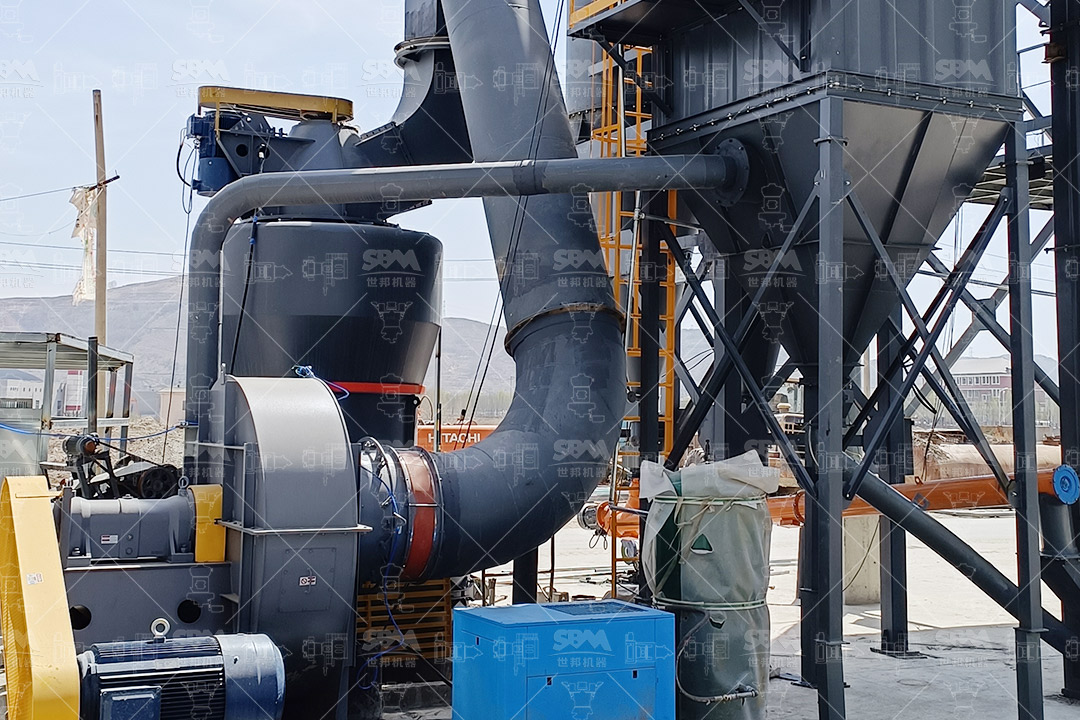
Pendulum mills excel at processing various non-metallic minerals, particularly those with medium to low hardness. Calcium carbonate, both ground (GCC) and precipitated (PCC), represents one of the most common applications. The mills can efficiently reduce limestone to various fineness levels required by different industries, from construction materials to paper coating.
Other processable non-metallic minerals include talc, barite, gypsum, kaolin, feldspar, calcite, and dolomite. These materials typically have Mohs hardness below 6 and respond well to the compression-dominated grinding action of pendulum mills. The ability to control final product fineness makes these mills ideal for producing fillers and extenders for plastics, paints, and rubber industries.
Beyond traditional minerals, pendulum mills effectively process various industrial minerals and chemical compounds. Quartz, silica sand, and other silicon-based materials can be ground to precise specifications for use in glass manufacturing, ceramics, and foundry applications. The mills’ robust construction allows them to handle moderately abrasive materials while maintaining consistent performance.
Chemical compounds such as phosphates, bentonite, and various pigments also process well in pendulum mills. The closed-system design prevents contamination and minimizes dust generation, making these mills suitable for sensitive chemical applications where product purity is paramount.
Selected pendulum mill configurations can process certain agricultural and organic materials, though considerations must be made for material characteristics. Materials with lower melting points or heat sensitivity require special attention to temperature control during grinding. Some pendulum mills incorporate cooling systems or modified air flow patterns to address these challenges.
The Mohs hardness scale provides a useful guideline for determining pendulum mill suitability. Materials with hardness up to 6-7 can typically be processed effectively, though wear parts may require more frequent replacement for harder, more abrasive materials. Modern pendulum mills address this challenge through advanced material selection for grinding components and optimized operational parameters.
For highly abrasive materials, special hardened alloys or ceramic linings can extend component life. The grinding pressure and roller configuration can also be adjusted to balance processing efficiency against wear rates, ensuring economic viability across different material types.
Material moisture content significantly impacts pendulum mill performance. Most pendulum mills operate most effectively with materials having moisture content below 5-8%. Higher moisture levels can lead to material buildup, reduced throughput, and classification challenges. Some advanced pendulum mill designs incorporate integrated drying systems that allow processing of materials with higher initial moisture content.
Flow characteristics, including angle of repose and cohesion, influence material handling within the mill. Free-flowing materials typically process more efficiently, while cohesive materials may require special feeding arrangements or internal modifications to prevent bridging and ensure consistent flow through the grinding zone.
Pendulum mills offer flexible fineness control, typically producing products in the range of 30-325 mesh (600-45μm), with some specialized models capable of achieving finer grinds. The final product specification determines the appropriate mill configuration, including classifier type and speed, grinding element geometry, and operational parameters.
Applications requiring tight particle size distributions benefit from pendulum mills with advanced classification systems. The integration of high-efficiency classifiers allows these mills to produce products with steep particle size distributions, minimizing both oversize and undersize fractions.
For operations requiring robust performance across diverse materials, our MRN Pendulum Mill series offers exceptional capabilities. These mills feature innovative designs that address common challenges in material processing, including wear resistance, energy efficiency, and product quality control.
The MRN series incorporates several technological advancements that enhance its material processing capabilities. The proprietary稀油润滑系统 (oil lubrication system) represents a domestic innovation that reduces maintenance requirements and extends component life. This is particularly valuable when processing abrasive materials that accelerate wear in conventional mills.
Key features of the MRN Pendulum Mill include:
The working principle involves material being ground through centrifugal force created by grinding rollers pressing against the grinding ring. The specially designed shovel plate feeds material into the grinding zone, while the grid-type roller hanger improves ventilation efficiency. This combination results in higher throughput with reduced energy consumption compared to conventional designs.
| Model | Number of Rollers | Roller Diameter (mm) | Grinding Ring Diameter (mm) | Power (kW) | Capacity (t/h) |
|---|---|---|---|---|---|
| MB5X98 | 3-4 | 330 | 1000 | 82.5-92.5 | 2.7-6.5 |
| MB5X298 | 4-6 | 1000-780 | 3000 | 1247-1407 | 48-83 |
Another excellent solution for diverse material processing needs is our MTW Series Trapezium Mill. This European-style grinding mill combines advanced engineering with practical features that enhance its material processing capabilities across various applications.
The MTW series incorporates several proprietary technologies that optimize performance:
With an input size capacity of ≤50mm and output fineness ranging from 30-325 mesh (down to 0.038mm), the MTW series handles a broad spectrum of materials. The throughput ranges from 3-45 tons per hour depending on the specific model and material characteristics.
The working principle involves the main motor driving the grinding rollers to revolve around the central axis while rotating themselves. The shovel throws material into the space between the grinding ring and rollers, forming a material bed that undergoes efficient crushing through compression. The integrated classification system precisely controls final product fineness.
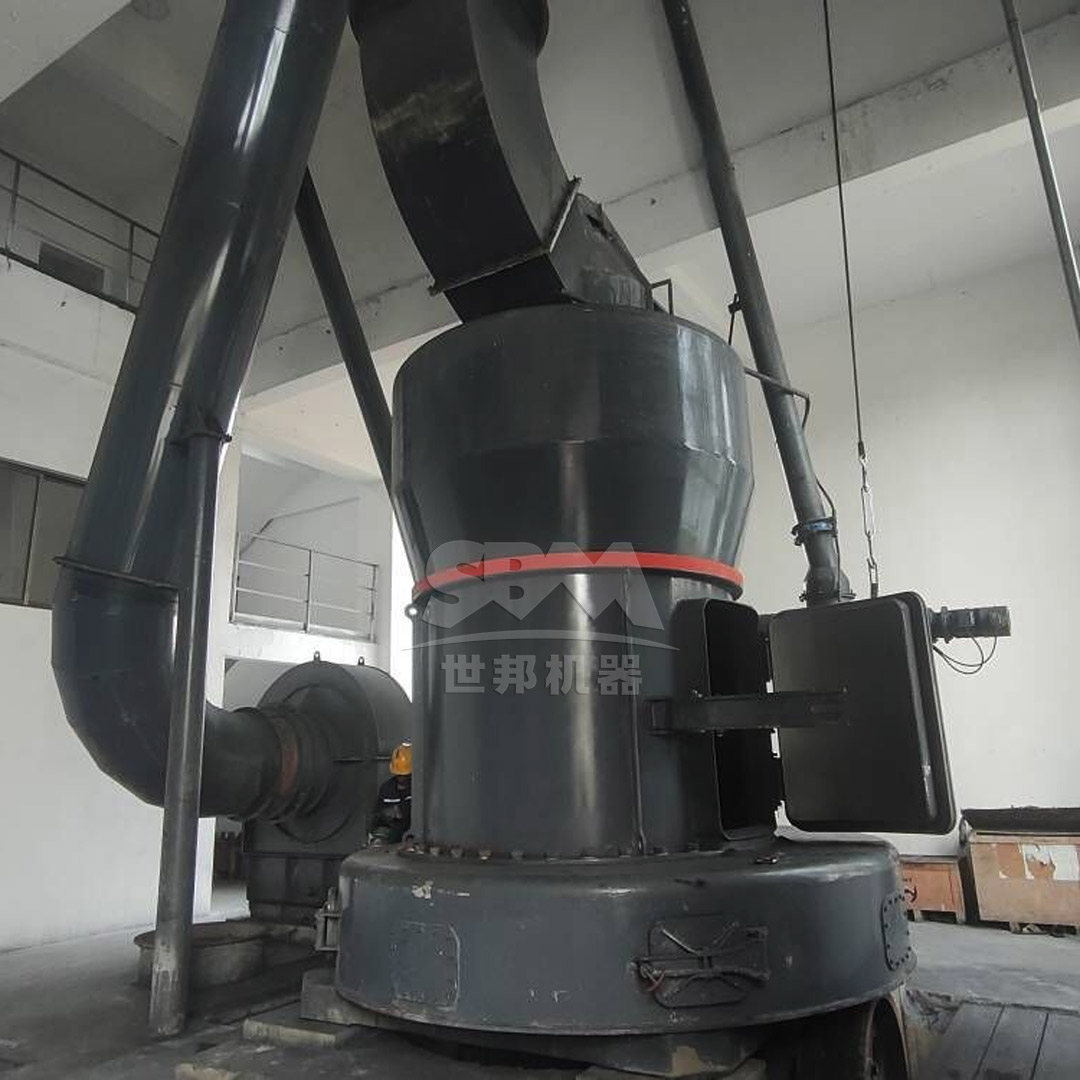
Maximizing pendulum mill efficiency requires careful attention to operational parameters. Grinding pressure, classifier speed, feed rate, and air flow must be balanced according to material characteristics and product requirements. Modern pendulum mills often incorporate automated control systems that optimize these parameters in real-time, ensuring consistent performance despite variations in feed material.
For materials with specific processing challenges, such as temperature sensitivity or tendency toward aggregation, specialized operational strategies may be necessary. These might include modified grinding sequences, adjusted air-to-material ratios, or incorporation of processing aids.
Proper maintenance is essential for sustained pendulum mill performance, particularly when processing abrasive materials. Regular inspection and replacement of wear parts, including grinding rollers, grinding rings, and classifier components, prevent unexpected downtime and maintain product quality.
Advanced pendulum mill designs incorporate features that simplify maintenance operations. Quick-change systems for wear parts, accessible inspection points, and integrated monitoring systems contribute to reduced maintenance time and costs. The use of durable materials in high-wear areas further extends service intervals.
Pendulum mills offer versatile solutions for processing a wide range of materials across numerous industries. Their ability to handle materials with varying hardness, moisture content, and other characteristics makes them valuable assets in mineral processing, chemical production, and other industrial applications.
The advancement of pendulum mill technology, exemplified by our MRN Pendulum Mill and MTW Series Trapezium Mill, continues to expand the boundaries of what these machines can process efficiently. With improved wear resistance, energy efficiency, and control systems, modern pendulum mills deliver enhanced performance across an ever-broadening spectrum of materials.
When selecting a pendulum mill for specific material processing applications, careful consideration of material characteristics, production requirements, and available technologies ensures optimal results. The continued innovation in pendulum mill design promises even greater capabilities and efficiencies in the future.