
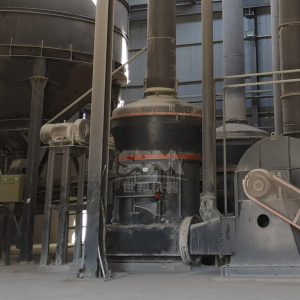
Introduction Gypsum powder, a versatile material widely used in construction, agriculture, and various industrial applications, requires precise processing to achieve desired properties. A 60 mesh (approximately 250 microns) fineness is a common specification for many applications, particularly in construction materials like joint compounds and plasters. Establishing an efficient and reliable 60 mesh gypsum powder production […]
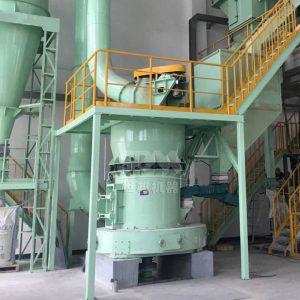
Introduction: The Critical Role of Additive Processing in Modern Tile Manufacturing The decorative wall tile industry is a dynamic sector where aesthetics, durability, and cost-efficiency converge. A key, yet often underappreciated, factor in achieving these goals is the quality and processing of gypsum-based additives. These additives, which can include fillers, binders, and performance enhancers, directly […]
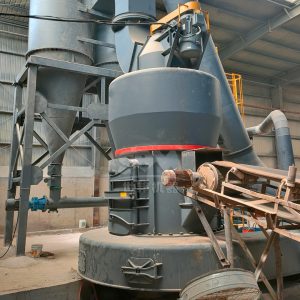
Introduction The production of high-performance floor tiles relies heavily on the quality and consistency of their raw materials. Gypsum, a key additive in many tile formulations, plays a crucial role in setting time control, dimensional stability, and final product strength. The transformation of raw gypsum into a precisely graded, reactive powder requires a sophisticated and […]
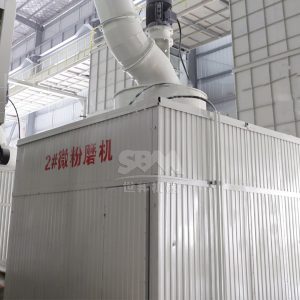
Introduction to Cement Retarder Production Cement retarders, also known as set retarders, are critical chemical admixtures used to delay the initial setting time of concrete. This is essential for large-scale pours, hot weather concreting, and long-distance transportation. The production of high-quality retarders relies heavily on precise raw material processing, particularly the grinding of key components […]
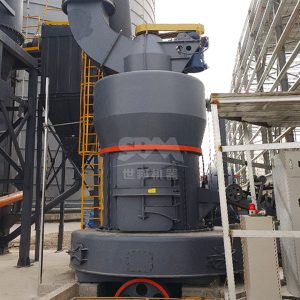
Introduction The production of high-quality marble powder for building materials is a sophisticated process that demands precision, efficiency, and reliability. From aggregates and fillers to architectural coatings and polymer composites, the fineness, particle size distribution, and purity of the powder directly impact the final product’s performance. Selecting the right equipment is paramount to achieving consistent […]
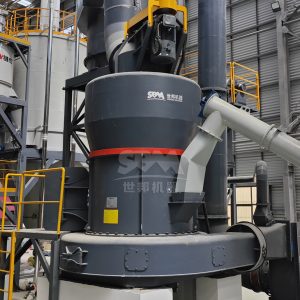
Introduction The production of high-purity, chemically compatible marble powder is a critical process for industries ranging from plastics and paints to pharmaceuticals and food additives. Achieving the stringent specifications for particle size distribution (PSD), whiteness, chemical inertness, and low metallic contamination requires a meticulously designed grinding production line. This article delves into the key components, […]

Introduction The paper industry is a cornerstone of modern communication and packaging, constantly evolving to meet demands for higher quality, improved functionality, and greater sustainability. A critical component in achieving these goals lies in the additives used in paper coating and filling. Among these, finely ground calcium carbonate (GCC) derived from high-purity marble has become […]
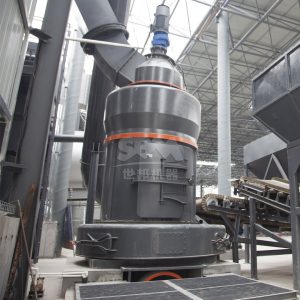
Introduction: The Role of Marble Additives in Rubber Manufacturing The rubber manufacturing industry is a cornerstone of modern technology, producing materials essential for everything from automotive tires and industrial belts to medical devices and consumer goods. A critical factor in achieving the desired properties in rubber products—such as tensile strength, abrasion resistance, tear resistance, and […]
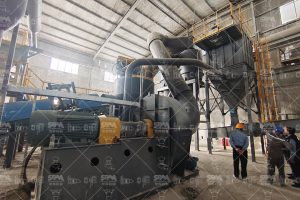
Introduction: The Critical Role of Marble Filler in Modern Plastics The plastics industry is in a constant state of evolution, driven by demands for improved performance, cost-effectiveness, and sustainability. Among the key additives that have revolutionized polymer compounding, calcium carbonate (CaCO3) derived from marble stands out. Marble filler masterbatch, a concentrated mixture of finely ground […]