February 18, 2026
Introduction
The production of high-quality marble powder for building materials is a sophisticated process that demands precision, efficiency, and reliability. From aggregates and fillers to architectural coatings and polymer composites, the fineness, particle size distribution, and purity of the powder directly impact the final product’s performance. Selecting the right equipment is paramount to achieving consistent quality, optimizing energy consumption, and ensuring economic viability. This comprehensive guide outlines the key stages of a modern marble powder production line and provides an in-depth analysis of the core equipment, with a focus on grinding and classification technologies critical for producing material within the desired fineness range (typically from coarse aggregates down to ultrafine powders below 10μm).
Core Process Flow of a Marble Powder Production Line
A typical, well-configured production line follows a logical sequence to transform raw marble blocks into precisely graded powder. The main stages are:
- Primary Crushing: Large marble blocks (0-800mm) are reduced to a manageable size (approx. 0-50mm) using a jaw crusher or impact crusher.
- Intermediate Storage & Feeding: Crushed material is conveyed to a raw material silo, ensuring a steady, buffer-fed supply to the grinding mill.
- Grinding & Classification (The Heart of the Process): This is the most critical stage where size reduction and particle size control occur. The pre-crushed marble is fed into a grinding mill. Simultaneously, a hot air system (from a hot air furnace or other heat source) may be introduced for drying if the material has high moisture. The ground powder is carried by the airflow to an integrated or separate classifier, which separates particles based on size. Oversize particles are rejected and returned to the mill for further grinding, creating a closed-circuit system.
- Product Collection: The classified, fine powder that meets the target specification is collected by high-efficiency cyclone separators and baghouse dust collectors (pulse jet filters).
- Packaging & Storage: The finished powder is conveyed to product silos and finally packaged via automated systems for bulk or bagged distribution.
| Process Stage |
Key Equipment |
Primary Function |
Typical Output Size |
| Primary Crushing |
Jaw Crusher, Hammer Mill |
Coarse size reduction |
0-50mm |
| Grinding |
Vertical Roller Mill, Raymond Mill, Ball Mill |
Fine & ultrafine grinding |
45μm – 2500 mesh |
| Classification |
Dynamic Classifier, Cyclone Separator |
Particle size separation & control |
Specified fineness range |
| Dust Collection |
Pulse Jet Baghouse, Cyclone |
Product recovery & environmental protection |
— |
| Drying (if needed) |
Hot Air Furnace, Heat Exchanger |
Moisture removal |
— |
Critical Equipment Selection for Grinding & Classification
The choice of grinding and classification system is the most significant capital and operational decision. The selection depends primarily on the target fineness, required capacity, moisture content of the feed, and energy efficiency goals.
1. For Coarse to Medium Fineness (600μm – 45μm / 30-325 mesh)
This range is common for fillers in concrete, asphalt, and other construction materials.
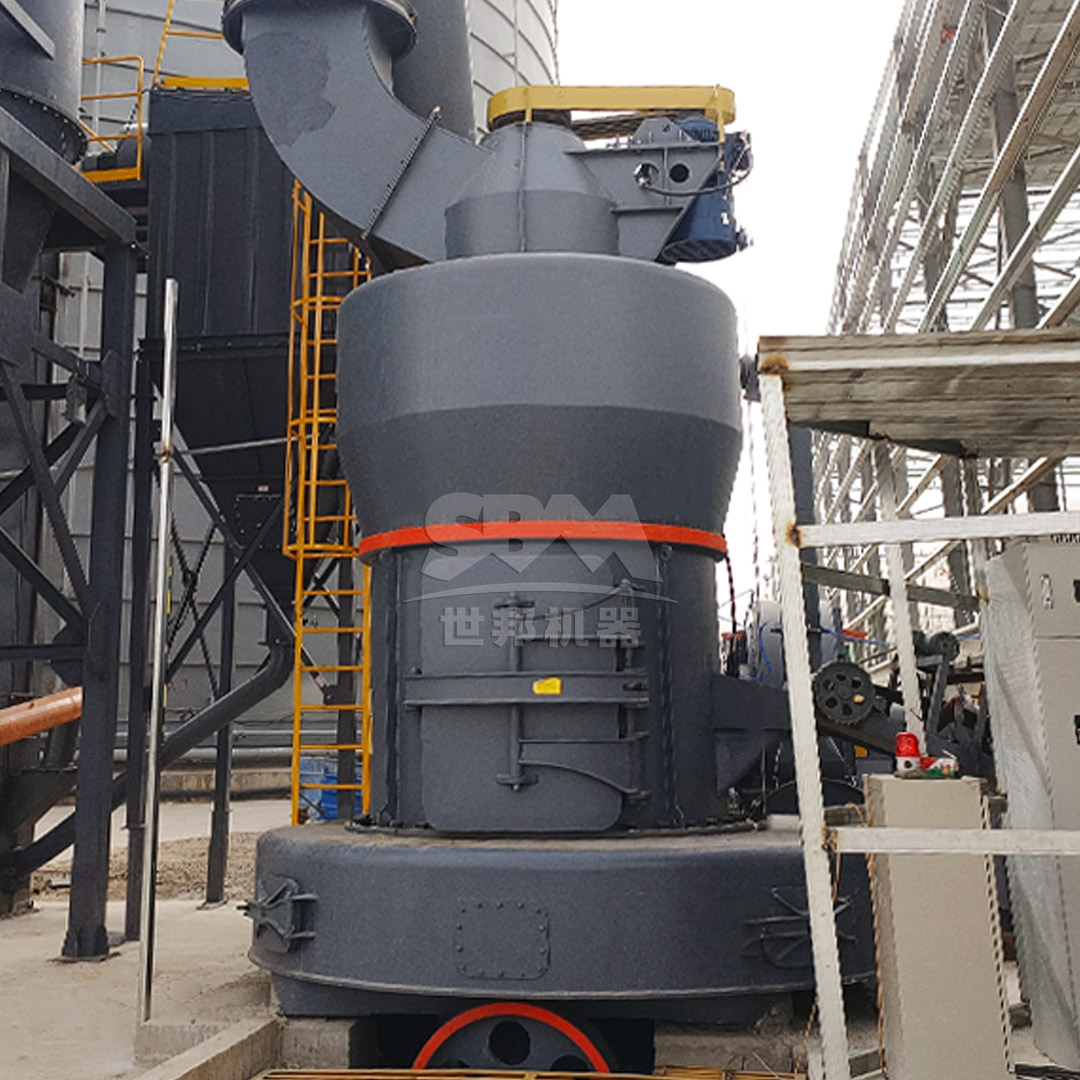
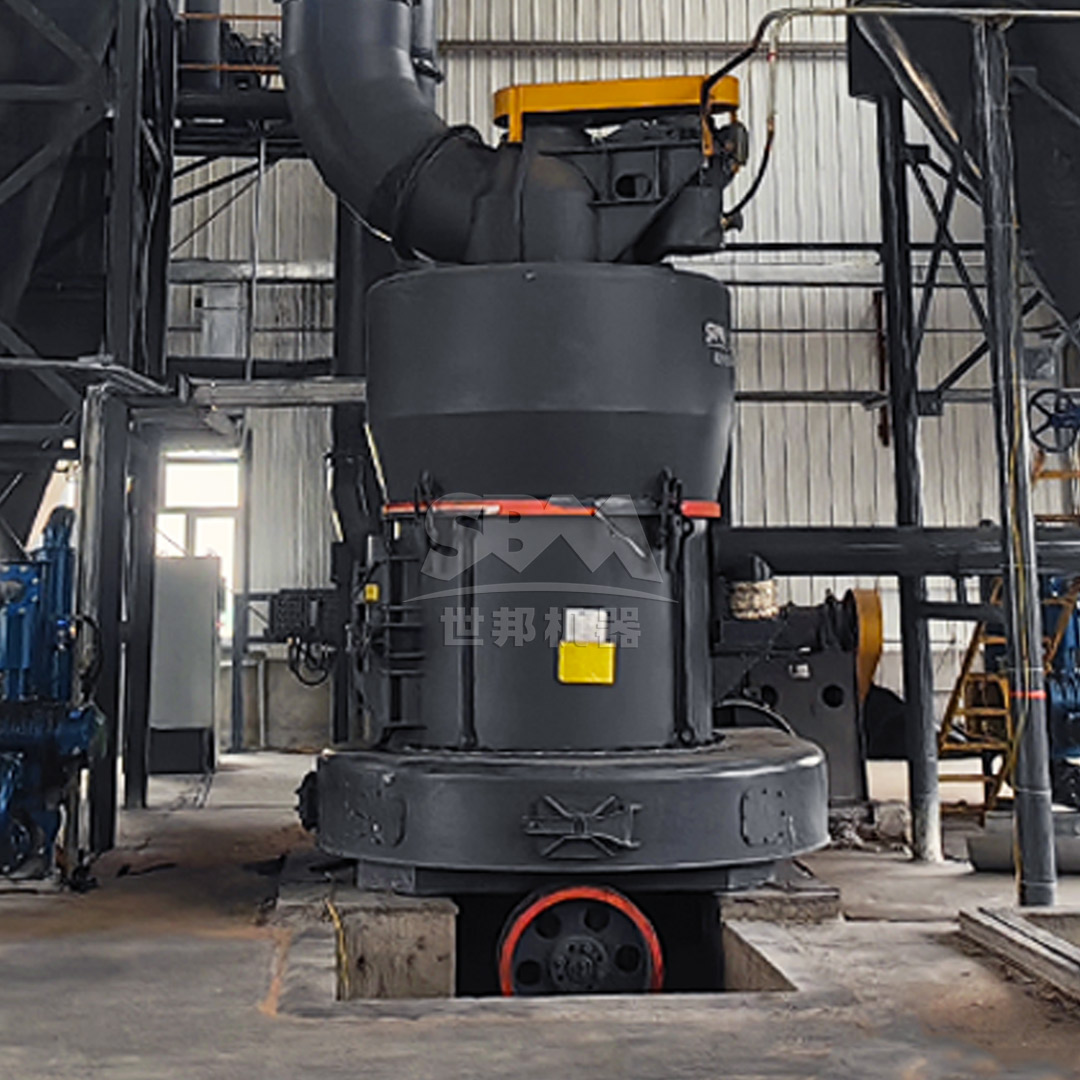
- Recommended Technology: European Trapezium Mill (e.g., MTW Series)
This advanced generation of roller mills is highly suitable for producing marble powder in the 30-325 mesh range. Its curved design, bevel gear integral transmission, and efficient internal classification system offer superior stability and lower wear rates compared to traditional Raymond mills.
- Key Advantages for Marble: The anti-wear shovel design and wear-resistant volute structure are particularly beneficial for processing moderately abrasive materials like marble. The system’s high transmission efficiency (up to 98%) translates directly to lower power consumption per ton of product.
For projects requiring robust, high-capacity production of building-grade filler powder, our MTW Series European Trapezium Mill is an exemplary choice. A model like the MTW215G, with a capacity range of 15-45 t/h and the ability to handle feed sizes up to 50mm, is engineered for large-scale operations. Its optimized arc air duct reduces energy loss, and the patented internal suction oil lubrication system minimizes maintenance downtime, ensuring continuous, cost-effective production.
2. For Fine to Ultrafine Fineness (45μm – 5μm / 325-2500 mesh)
This range is essential for high-value applications such as premium paints, plastics, sealants, and adhesives, where particle size directly affects gloss, strength, and rheology.
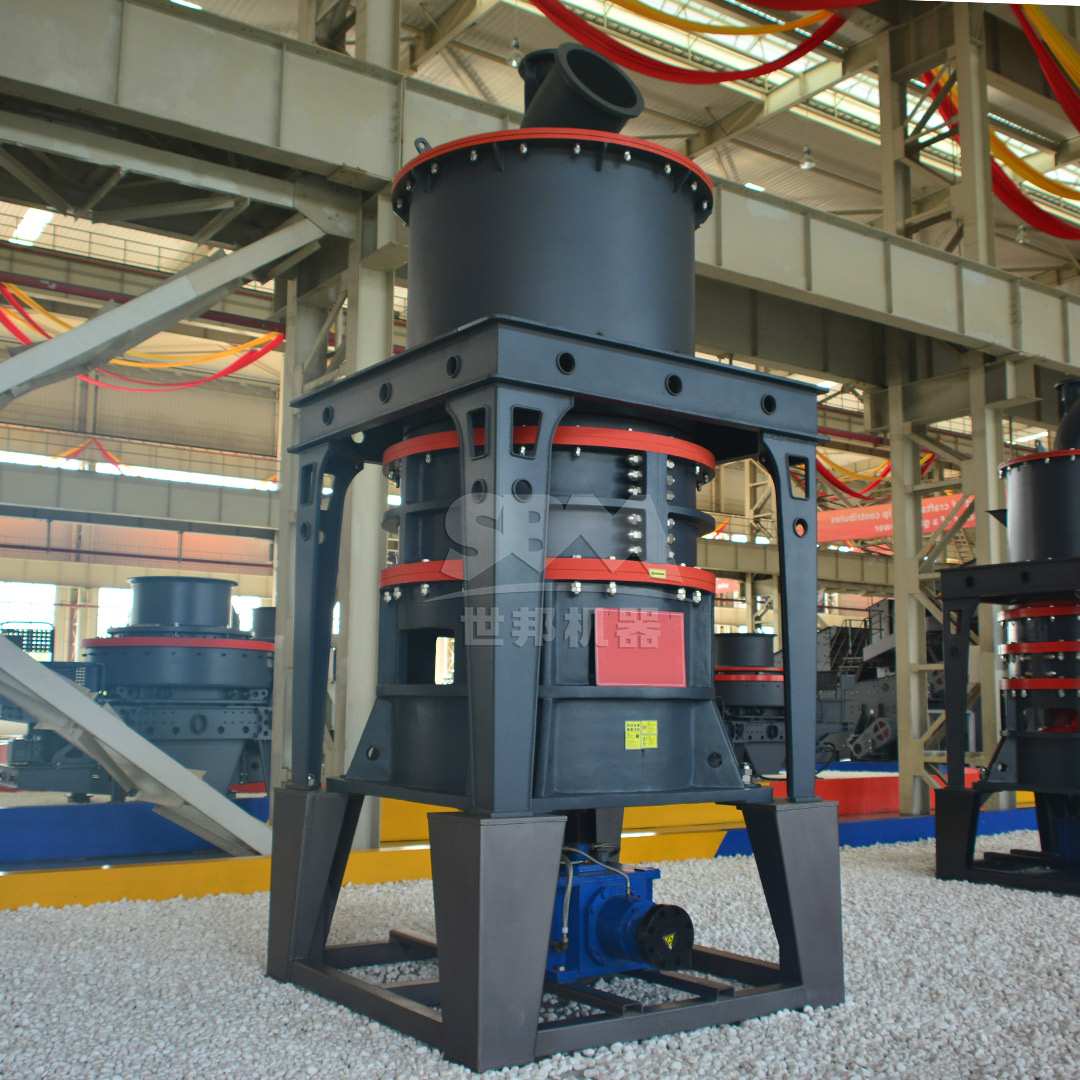
- Recommended Technology: Ultrafine Vertical Roller Mill / Ultrafine Ring Roller Mill
These mills represent the pinnacle of dry grinding technology for ultrafine powders. They integrate grinding, classification, and drying into a single, compact unit.
- Key Advantages for Marble: The bed grinding principle (in vertical mills) or multi-layer grinding ring design (in ring roller mills) applies consistent pressure with minimal metal-to-metal contact, reducing contamination and wear. High-precision turbo classifiers ensure sharp particle size cuts and a narrow distribution, which is critical for high-performance applications.
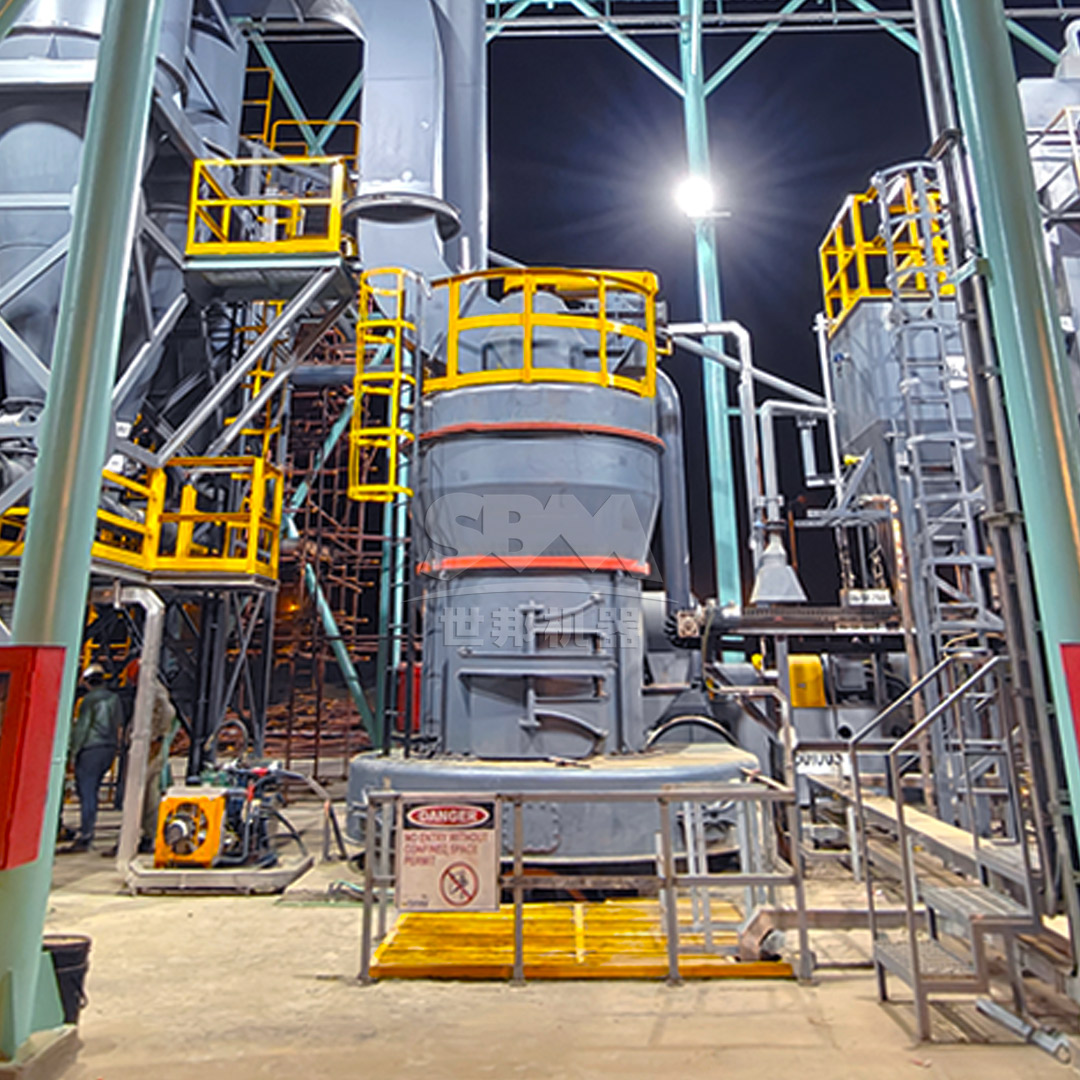
To achieve the finest grades of marble powder with exceptional uniformity, we highly recommend our flagship SCM Series Ultrafine Mill. Engineered for fineness between 325 and 2500 mesh (45-5μm), it incorporates a vertical turbine classifier that guarantees no coarse powder mixing. For a mid-range production setup, the SCM1000 model offers an excellent balance, delivering 1.0-8.5 t/h with a main power of 132kW. Its high-efficiency design provides capacity twice that of some jet mills while consuming 30% less energy, and the special material rollers and rings offer dramatically extended service life when processing marble.
3. For High-Capacity, Integrated Grinding (600μm – 45μm)
For mega-projects or plants seeking the lowest possible operating cost and footprint for producing standard filler grades.
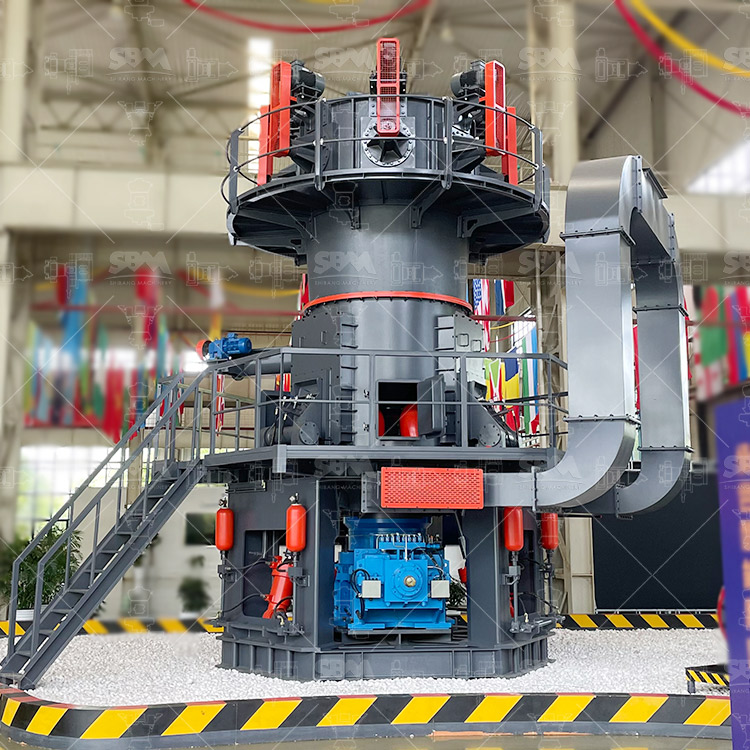
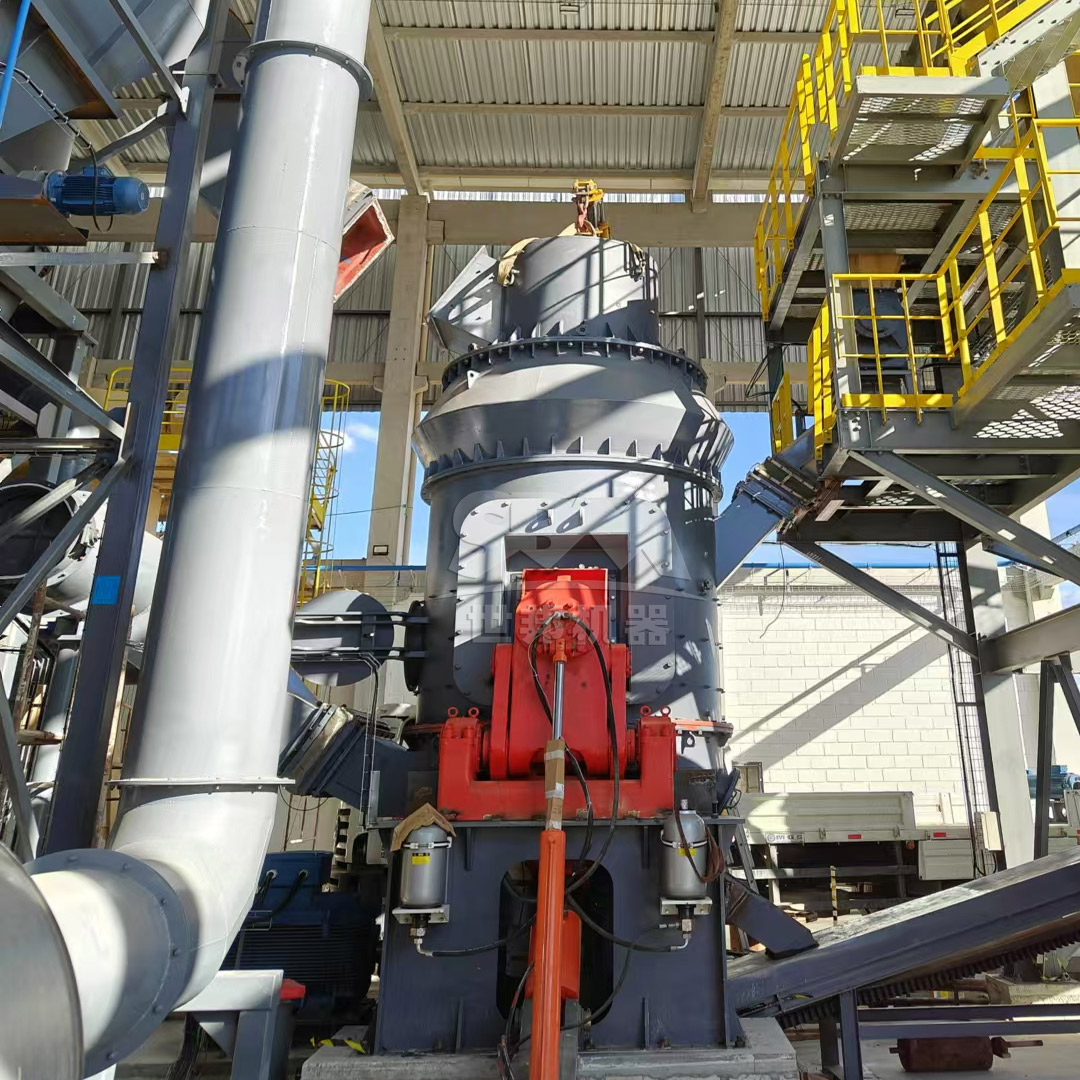
- Recommended Technology: Large Vertical Roller Mill (e.g., LM Series)
Vertical Roller Mills (VRMs) are the industry standard for high-tonnage grinding of brittle materials. They are exceptionally efficient due to their integrated grinding-drying-classification design and low specific energy consumption.
- Key Advantages for Marble: The ability to install the mill outdoors reduces civil engineering costs by up to 40%. The non-contact design between rollers and the grinding table, coupled with a modular roller system, allows for quick maintenance and very low wear rates. Intelligent control systems enable fully automated, stable operation.
Auxiliary & Supporting Equipment
A successful production line relies on perfectly synchronized auxiliary systems.
- Feeding System: Vibrating Feeders or Belt Weigh Feeders ensure a stable and controlled feed rate to the mill, which is crucial for grinding stability and product consistency.
- Drying System: For marble with surface moisture, a hot air furnace (coal, gas, or oil-fired) or a heat exchanger (using waste heat) is integrated. The hot air is blown into the grinding mill, simultaneously drying and conveying the material.
- Dust Collection System: A multi-stage system is mandatory. Primary collection is done via high-efficiency cyclones, followed by a pulse-jet baghouse filter to capture fines, ensuring emissions are well below environmental standards and maximizing product yield.
- Electrical & Control System: A central PLC-based control system automates the entire line, monitoring parameters like temperature, pressure, motor load, and fineness. It optimizes performance and provides early fault detection.
Conclusion
Designing and equipping a building material grade marble powder production line requires a holistic understanding of process engineering and equipment capabilities. The trend is unequivocally towards integrated, intelligent, and energy-efficient grinding systems like advanced Vertical Roller Mills and Ultrafine Ring Roller Mills. The correct selection, exemplified by robust solutions like the MTW Series Mill for standard fillers and the high-precision SCM Series Ultrafine Mill for specialty applications, forms the cornerstone of a profitable and sustainable operation. By prioritizing equipment with low operational costs, high availability, and precise control, producers can ensure they deliver consistent, high-quality marble powder that meets the exacting standards of the modern construction and manufacturing industries.