In the realm of thermal power generation, the efficiency of coal pulverization directly impacts combustion quality, boiler performance, and overall plant economics. As power plants strive to reduce operational costs and meet stringent emission standards, optimizing coal milling equipment has become a critical focus. This article explores the key technologies driving performance enhancements in modern coal pulverization systems, with a particular emphasis on advanced mill designs that offer superior energy efficiency, reliability, and product quality. We will delve into the working principles, technical innovations, and practical benefits of next-generation grinding equipment designed to meet the demanding requirements of today’s thermal power industry.
Coal pulverization is a fundamental process in thermal power plants, where raw coal is ground into a fine powder to facilitate efficient combustion. The quality of pulverized coal, characterized by its fineness and uniformity, significantly influences burner performance, flame stability, and the reduction of unburned carbon in ash. Inefficient grinding leads to higher energy consumption, increased wear on equipment, and greater emissions of pollutants such as NOx and SOx. Therefore, selecting and optimizing the right pulverization technology is paramount for achieving both economic and environmental goals.
The evolution of coal mill technology has been driven by the need for higher efficiency, better reliability, and lower environmental impact. Several key innovations have been integrated into modern mills.
One of the most critical components of a coal mill is its classifier. Advanced vertical turbine classifiers, for instance, allow for precise particle size cutting, ensuring that no coarse particles mix into the final product. This precision enhances combustion efficiency and reduces slagging in the boiler. Technologies that enable multi-stage adjustment of the classifier’s rotational speed allow operators to fine-tune the fineness of the coal powder in real-time, adapting to different coal types and boiler loads.
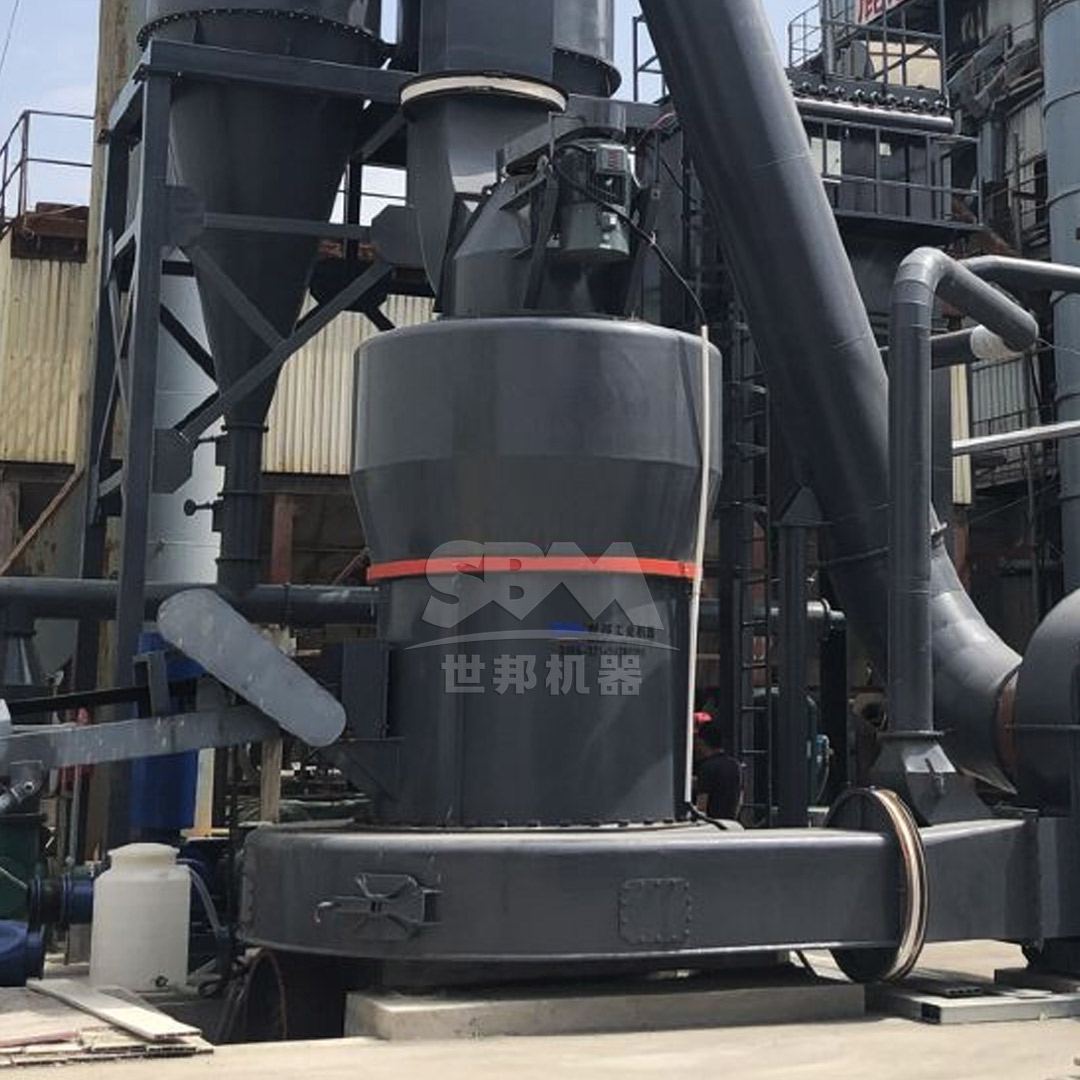
Modern coal mills are equipped with intelligent control systems that utilize sensors and algorithms to monitor key parameters such as material bed thickness, grinding pressure, and motor current. These systems can automatically adjust feed rates, classifier speed, and grinding pressure to maintain optimal operating conditions. This reduces manual intervention, stabilizes product quality, and significantly lowers energy consumption. Expert-level control systems can even predict maintenance needs, further enhancing plant reliability.
Wear and tear are inevitable in any grinding process. However, the use of special alloy materials for rollers and grinding rings can extend their service life several times compared to conventional materials. Combined shovel blade designs, which reduce maintenance costs and improve material distribution, are another innovation. In some designs, non-contact arrangements between rollers and the grinding table minimize direct metal-to-metal wear, drastically increasing the lifespan of critical components.
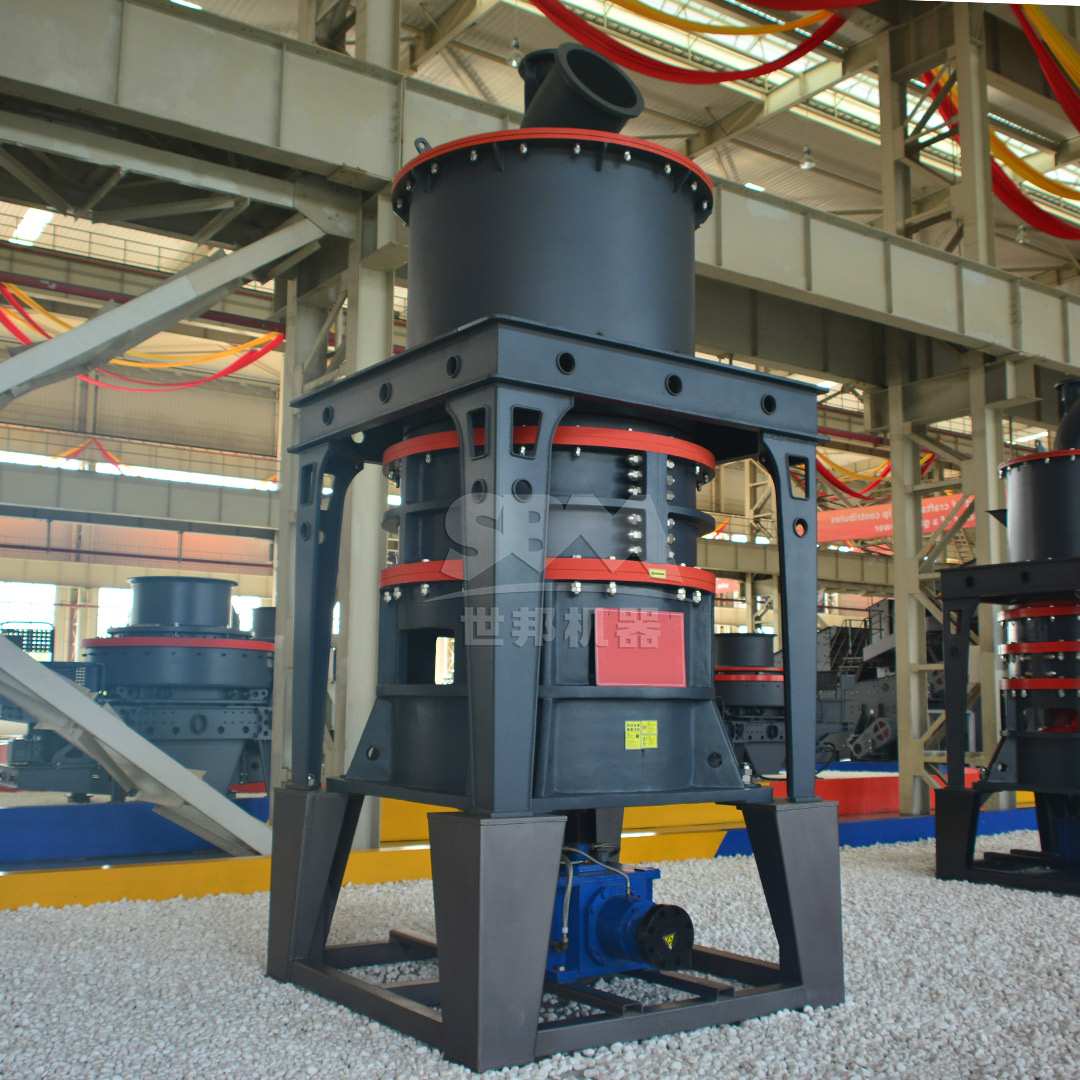
For applications requiring exceptionally fine coal powder, such as in direct injection systems or for petcoke grinding, the SCM Series Ultrafine Mill stands out. This mill is designed to produce an output fineness ranging from 325 to 2500 mesh (45-5 μm), which is ideal for maximizing combustion reactivity. With an input size of ≤20mm, it offers a capacity of 0.5 to 25 ton/h. Its key advantages include a capacity that is 2x that of jet mills, with 30% lower energy consumption. The intelligent control system provides automatic finished product granularity feedback, ensuring consistent quality. The durable design, featuring special material rollers and rings, ensures stable operation and extended service life.
| Model | Capacity (t/h) | Main Power (kW) | Feed Size (mm) | Fineness (mesh) |
|---|---|---|---|---|
| SCM800 | 0.5-4.5 | 75 | 0-20 | 325-2500 |
| SCM900 | 0.8-6.5 | 90 | 0-20 | 325-2500 |
| SCM1000 | 1.0-8.5 | 132 | 0-20 | 325-2500 |
| SCM1250 | 2.5-14 | 185 | 0-20 | 325-2500 |
| SCM1680 | 5.0-25 | 315 | 0-20 | 325-2500 |
For thermal plants looking to achieve the utmost in grinding fineness for specialized coal blends or alternative fuels, the SCM Series represents a significant technological leap, offering both efficiency and precision.
For standard coal pulverization applications requiring a fineness of 30-325 mesh (600-45 μm) and higher capacities, the MTW Series European Trapezium Mill is a robust and versatile solution. Capable of handling an input size of up to 50mm and achieving capacities from 3 to 45 ton/h, this mill is designed for durability and high throughput. Its technical advantages include an anti-wear shovel design with combined shovel blades that reduce maintenance costs, and an optimized arc air duct that reduces airflow energy loss, improving transmission efficiency. The integral bevel gear drive boasts a transmission efficiency of up to 98%, saving space and reducing installation costs. The wear-resistant volute structure further reduces maintenance costs by 30%.
| Model | Capacity (t/h) | Main Power (kW) | Feed Size (mm) | Fineness (mesh) |
|---|---|---|---|---|
| MTW110 | 3-9 | 55 | <30 | 10-325 |
| MTW138Z | 6-17 | 90 | <35 | 10-325 |
| MTW175G | 9.5-25 | 160 | <40 | 10-325 |
| MTW215G | 15-45 | 280 | <50 | 10-325 |
The MTW series is a workhorse for many thermal power plants, balancing high capacity with low operating costs and proven reliability.
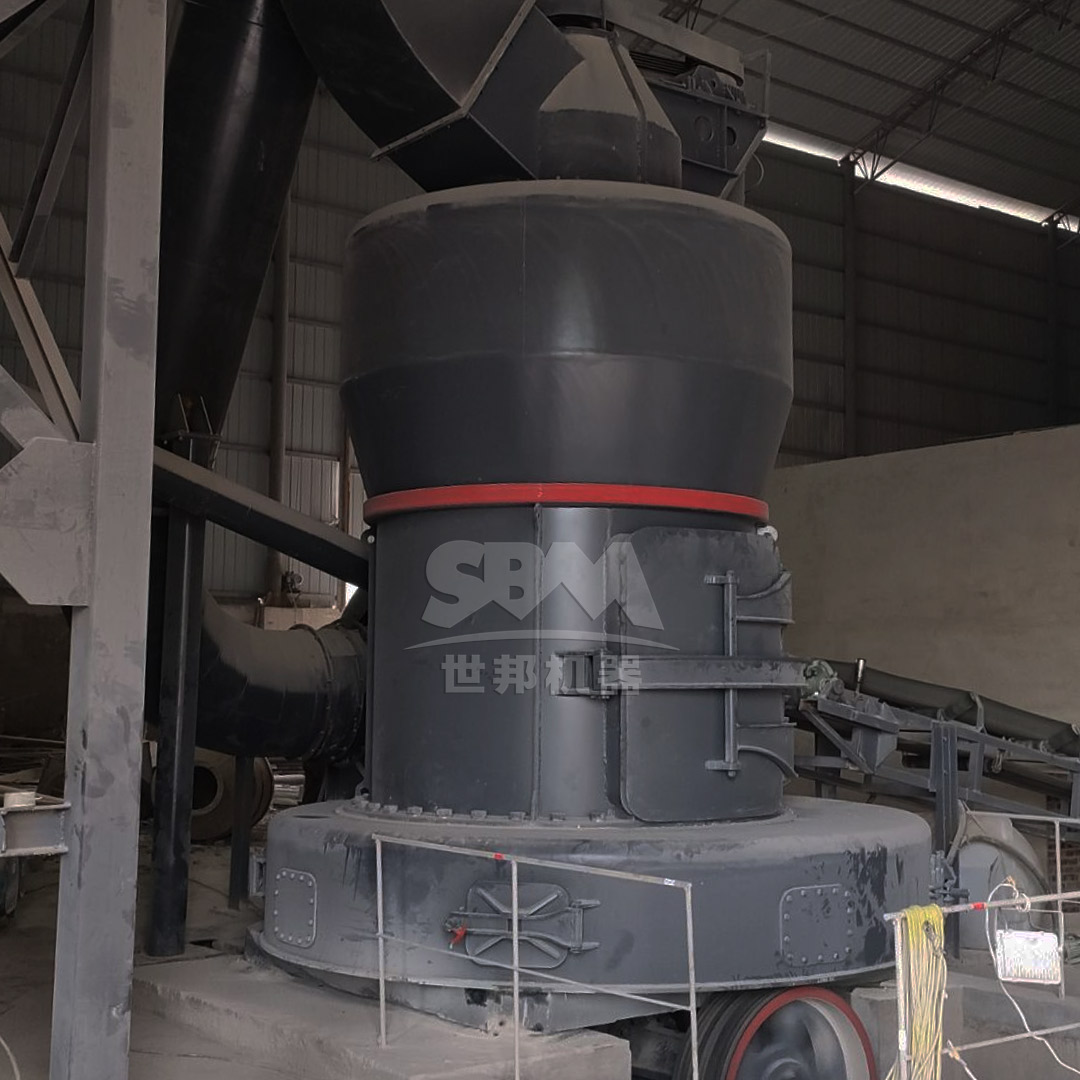
Beyond the mill itself, system-level enhancements contribute significantly to overall performance. The integration of automated feeding systems, pulse dust collectors with efficiency that exceeds international standards, and soundproof enclosures to keep noise levels low are all critical. For example, advanced pulse dust collectors are essential for maintaining eco-friendly operations in coal-fired plants. Furthermore, the use of hot air circulation energy-saving systems in vertical roller mills can drastically reduce the energy required for drying coal during the grinding process, offering another layer of optimization.
Modern coal mills are designed with environmental compliance in mind. Fully sealed negative pressure operation prevents dust leakage. Soundproof room designs ensure that noise levels remain within acceptable limits, protecting plant personnel and complying with occupational safety regulations. These features are not just add-ons but are integral to the mill’s design philosophy, ensuring that high performance does not come at the cost of the environment or worker safety.
Optimizing coal pulverization equipment is a continuous journey toward higher efficiency, greater reliability, and reduced environmental impact. By adopting advanced technologies such as intelligent control systems, high-precision classifiers, and durable wear components, thermal power plants can achieve significant performance enhancements. Equipment like the SCM Series Ultrafine Mill and the MTW Series European Trapezium Mill represent the cutting edge of this technology, offering tailored solutions for a range of grinding needs. Investing in such modern, well-designed equipment is a strategic decision that yields long-term dividends through lower operating costs, improved combustion efficiency, and a smaller environmental footprint.