In the industrial energy sector, the production of high-quality coal powder for fuel use is a critical process. Coal powder, or pulverized coal, is widely used in power plants, cement kilns, steel furnaces, and industrial boilers due to its high combustion efficiency and stable thermal output. However, the efficiency of coal powder combustion directly depends on its fineness, uniformity, and moisture content. Choosing the right coal powder production equipment is therefore essential for optimizing fuel consumption, reducing operational costs, and meeting environmental emission standards.
This article provides a comprehensive guide on how to select the appropriate coal powder grinding equipment. We will analyze key selection factors including material properties, desired fineness, production capacity, energy consumption, and maintenance requirements. Additionally, we will introduce advanced milling solutions that meet the rigorous demands of modern industrial fuel preparation.
Before selecting any grinding equipment, it is crucial to understand the physical and chemical properties of the coal to be processed. The choice of mill depends heavily on these characteristics:
Choosing the correct mill involves balancing several parameters. Below are the most critical factors to evaluate:
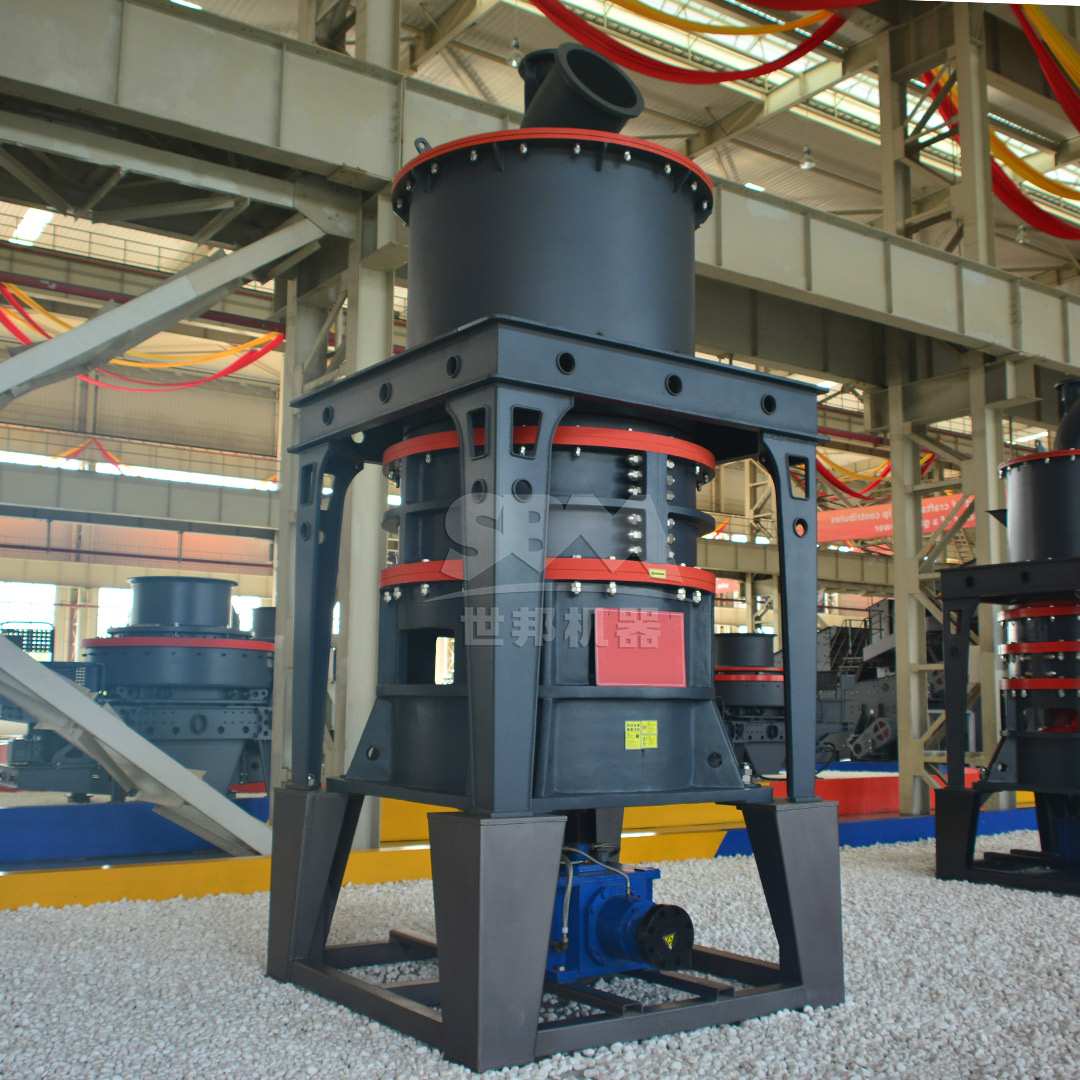
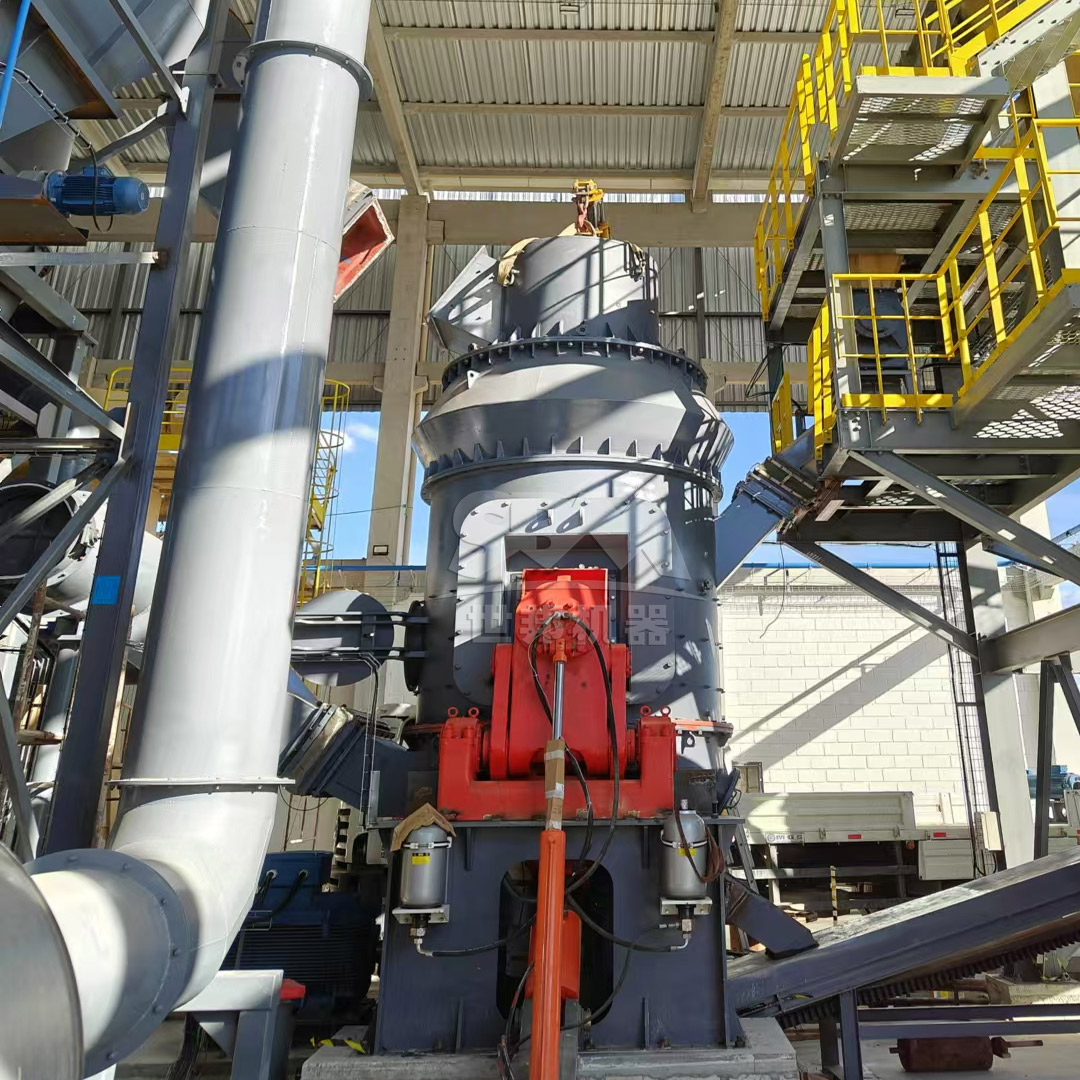
The required fineness of the coal powder is the primary technical driver. For utility boilers, a fineness of 75-80% passing 200 mesh is standard. For advanced applications like blast furnace injection, a fineness of 95% passing 200 mesh (325 mesh) may be required. Mills with high-precision classifiers, such as the LUM Ultrafine Vertical Roller Mill or the SCM Series Ultrafine Mill, offer excellent control over particle size distribution.
Your required throughput, measured in tons per hour (tph), will determine the model size. Small-scale operations may need 3-10 tph, while large power plants may require 50-250 tph. Mills like the LM Series Vertical Roller Mill offer a wide capacity range from 3 to 250 t/h, making them suitable for both small and large installations.
Energy consumption is a major cost factor in coal grinding. Ball mills, while reliable, can consume 30-40% more energy than modern vertical roller mills. High-efficiency mills with intelligent control systems can significantly reduce electricity costs over the life of the equipment.
If your coal has high moisture content (above 15%), it is advisable to choose a mill with an integrated drying system. The LM Series Vertical Roller Mill features a hot air circulation system that simultaneously dries and grinds the material, reducing the need for a separate dryer.
Coal is abrasive, and wear parts such as grinding rollers, rings, and liners will require periodic replacement. Equipment with durable wear parts, such as the special material rollers in the SCM Series Ultrafine Mill or the combined shovel blades in the MTW Series European Trapezium Mill, offer extended service life and reduced maintenance downtime.
| Factor | Consideration | Recommended Feature |
|---|---|---|
| Fineness | 200 mesh (74μm) vs. 325 mesh (45μm) | High-precision classifier |
| Capacity | 3 t/h vs. 250 t/h | Scalable modular design |
| Energy Cost | High electricity prices | Low kWh/t rating (e.g., VRM vs. Ball Mill) |
| Moisture | Above 15% moisture | Integrated hot air drying |
| Wear Life | Hard coal (anthracite) | Special alloy rollers and liners |
Vertical roller mills have become the standard for modern coal grinding due to their high efficiency, low energy consumption, and ability to integrate drying, grinding, and classification into one unit. The material is ground between a rotating table and stationary or hydraulic-pressed rollers.
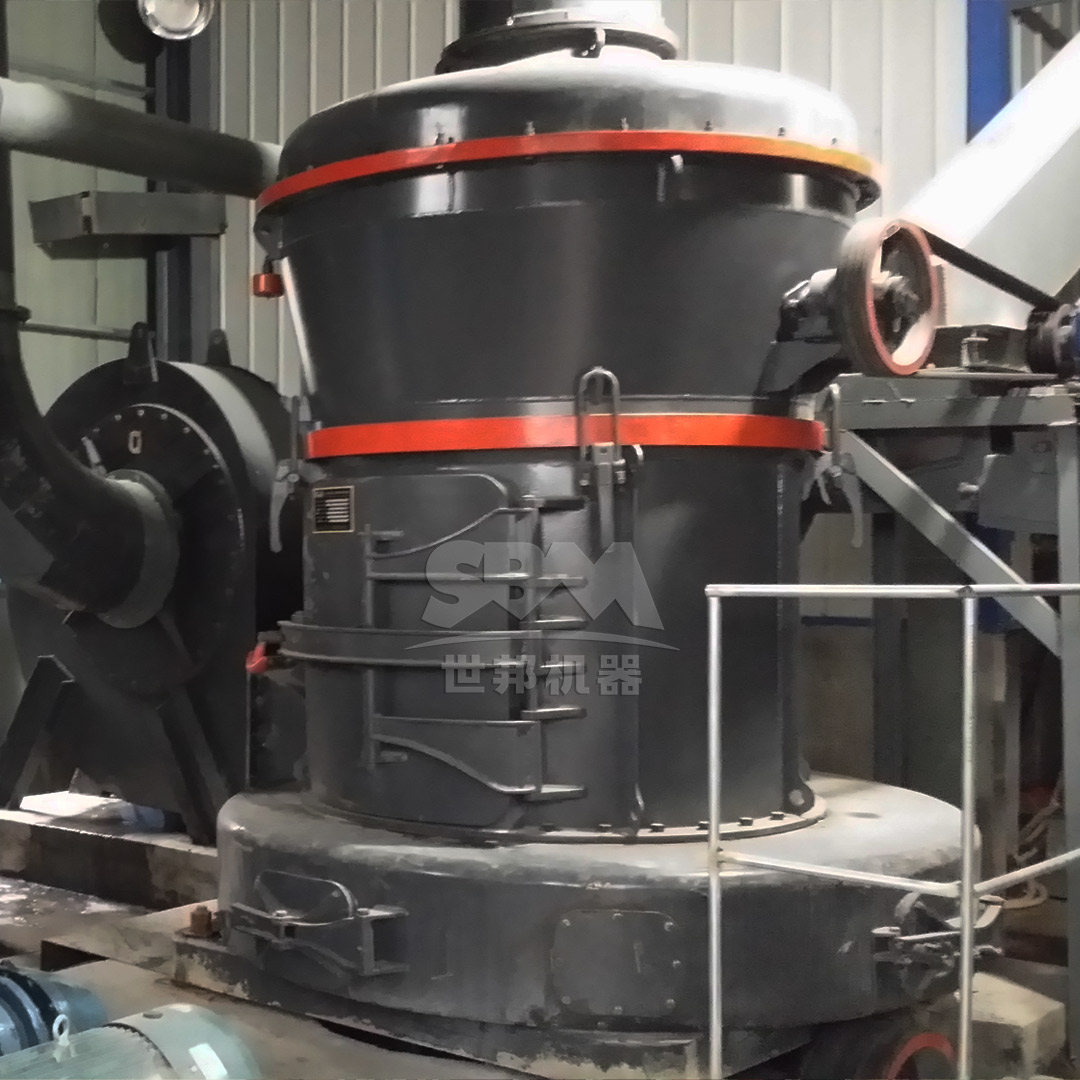
Recommended Product: For large-scale coal powder production for power plants and industrial boilers, we strongly recommend the LM Series Vertical Roller Mill (Coal Mill Series). With models like the LM80M to LM280M specifically designed for pulverized coal, these mills offer capacities from 3 to 90 t/h, a fineness range of 5-20% (R0.08mm), and an integrated hot air system. The non-contact design of the rollers and table increases wear part life by 3x compared to traditional mills.
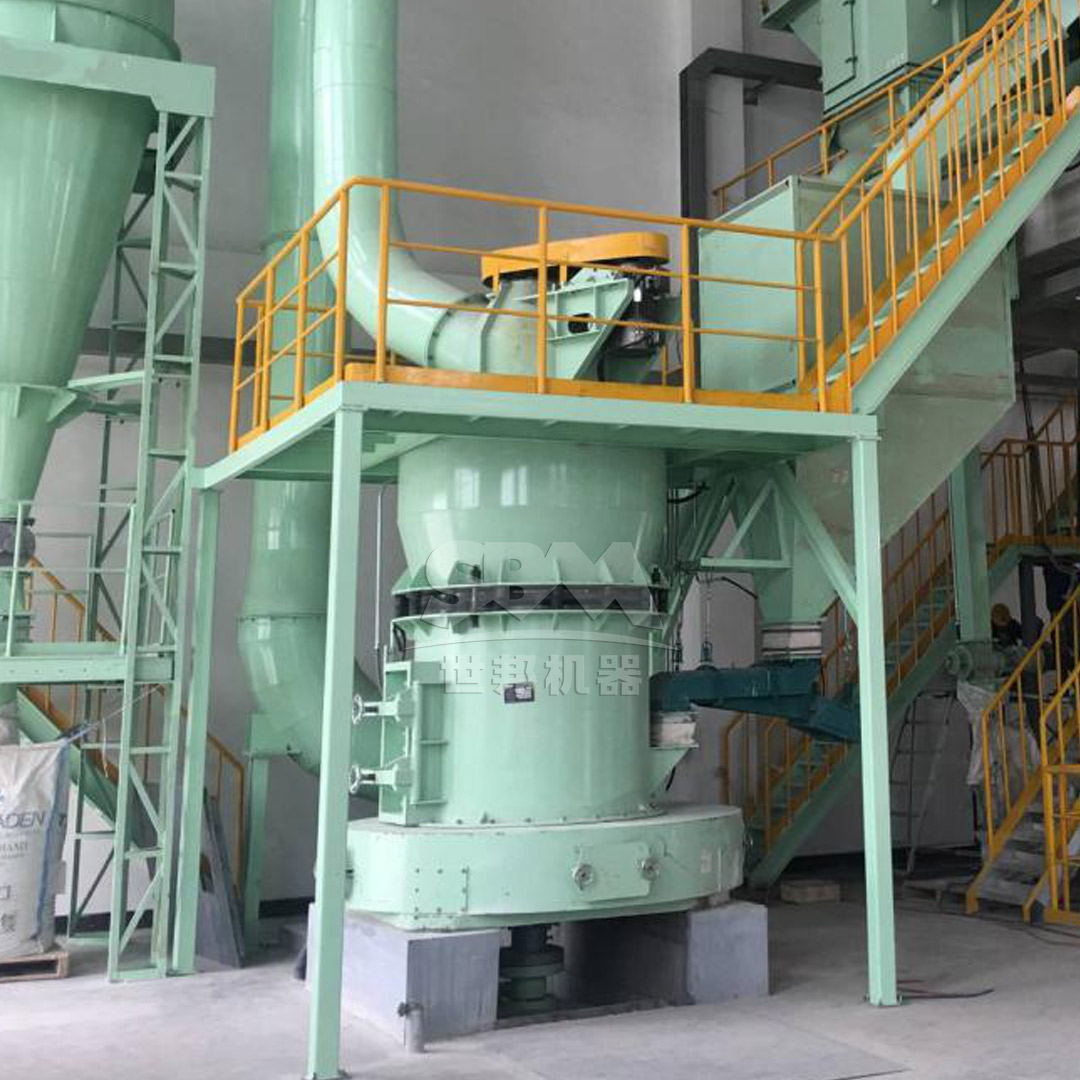
For medium-capacity applications and where a slightly coarser powder is acceptable, medium-speed mills like the MTM Series offer a cost-effective solution. They are excellent for grinding coal with a Hardgrove index above 50.
In advanced coal gasification or high-efficiency PCI applications, ultrafine coal powder (325-2500 mesh) is required. For these niche applications, the SCM Series Ultrafine Mill is ideal.
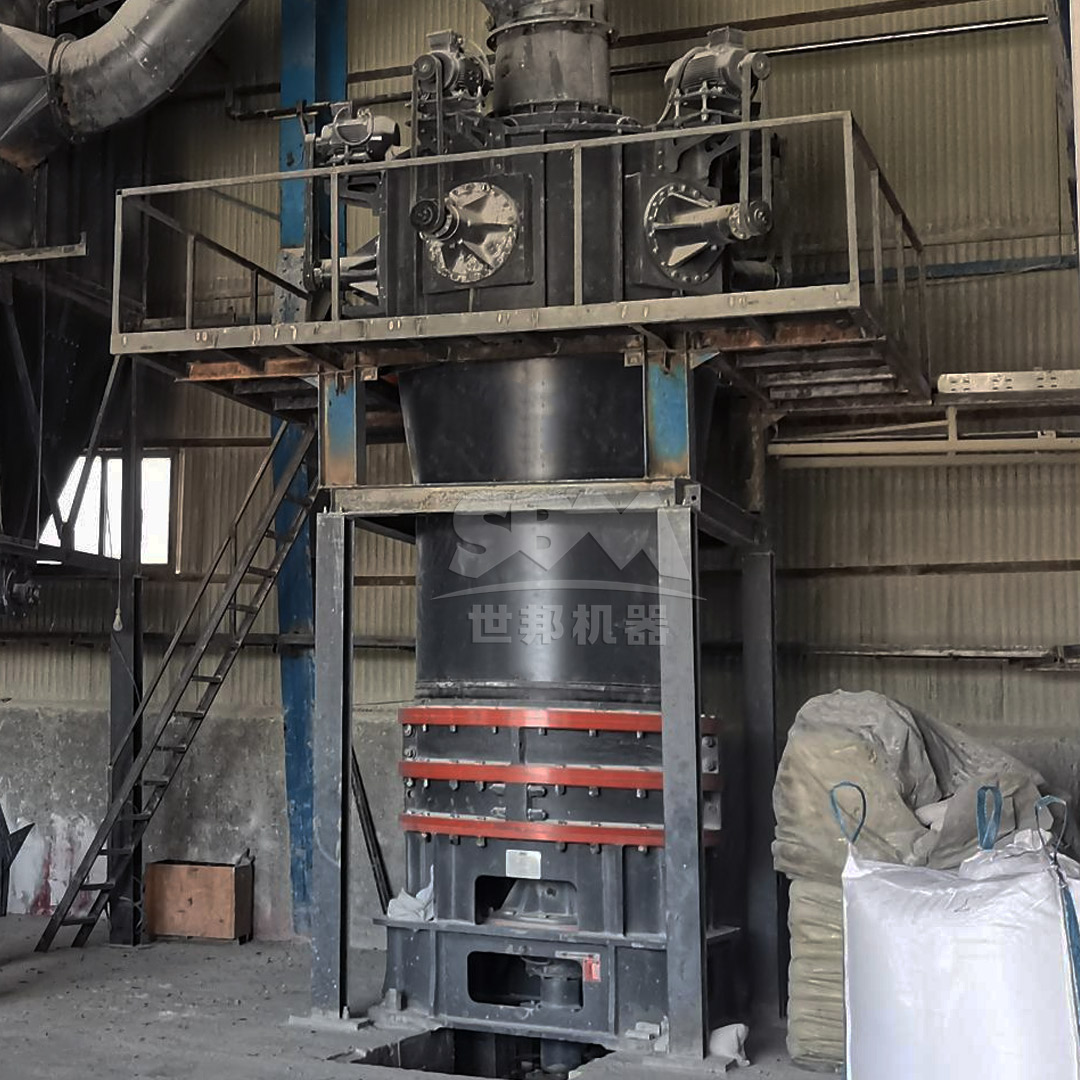
Recommended Product: For applications demanding the highest precision and finest coal powder, the SCM Series Ultrafine Mill is the best choice. Capable of producing powders from 325 to 2500 mesh (45-5μm), this mill offers twice the capacity of a jet mill while consuming 30% less energy. Its vertical turbine classifier ensures no coarse powder is mixed into the final product, guaranteeing uniform combustion. Models like the SCM800 (0.5-4.5 t/h) and the SCM1680 (5.0-25 t/h) provide flexibility for different scales.
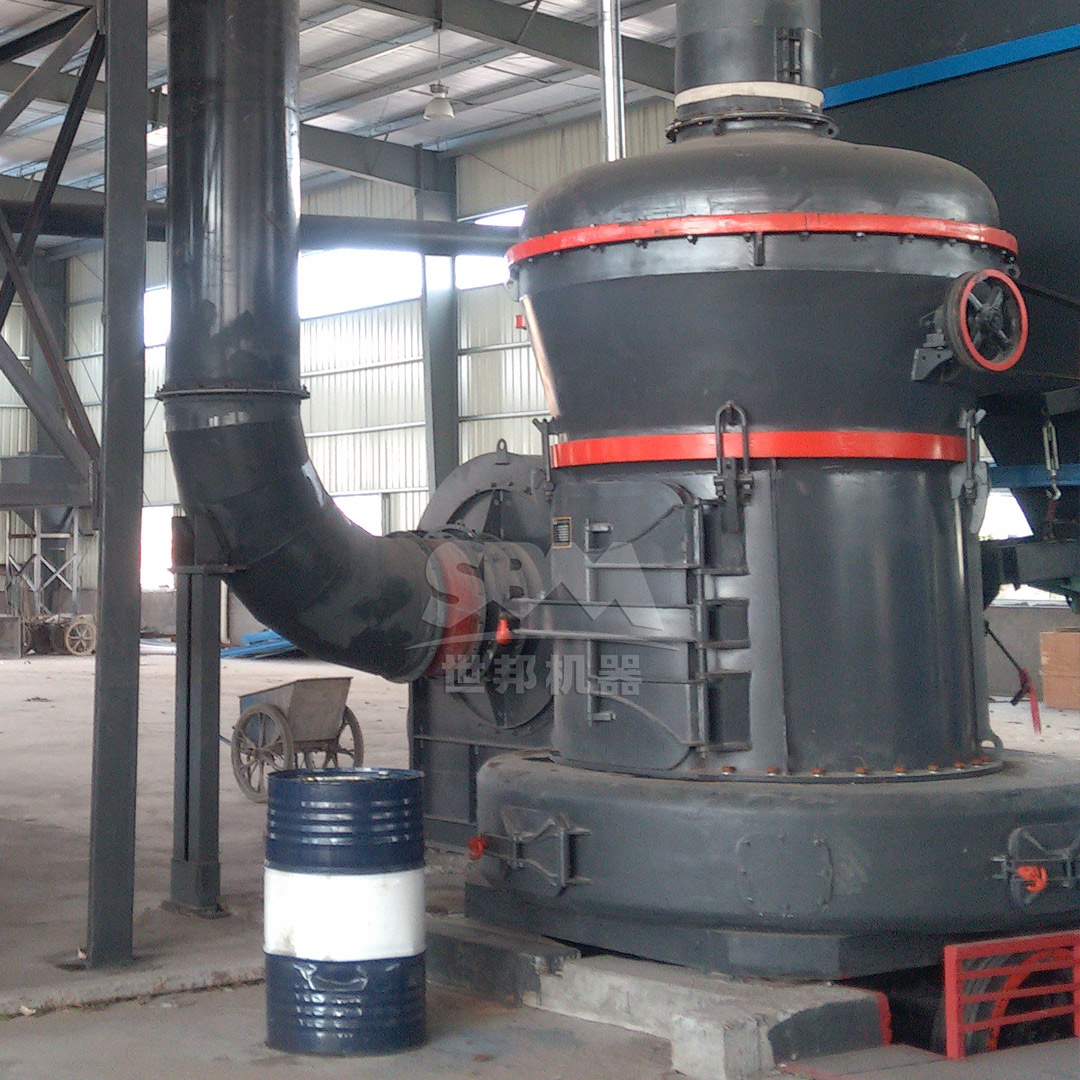
The MTW Series European Trapezium Mill is another excellent choice for medium-to-fine grinding of coal. It features an integral bevel gear drive with transmission efficiency up to 98%, and its anti-wear shovel design significantly reduces maintenance costs. This mill is particularly well-suited for coal with lower abrasiveness and where fine-tuning of the product size is needed.
Coal grinding poses specific safety risks, primarily related to dust explosion hazards. Therefore, the selected equipment must include robust safety features:
To choose the right coal powder production equipment, follow this structured approach:
Selecting the correct coal powder production equipment is a critical investment that affects fuel efficiency, operational safety, and overall plant profitability. Whether you require the high-capacity drying and grinding of the LM Series Vertical Roller Mill or the ultra-fine precision of the SCM Series Ultrafine Mill, the key is to match the machine’s technical parameters to your specific coal characteristics and production goals.
We invite you to contact our engineering team for a personalized consultation and equipment recommendation based on your exact project requirements.