Dolomite, a calcium magnesium carbonate mineral, has emerged as a critical component in modern flooring materials due to its exceptional physical properties and cost-effectiveness. As a filler material, finely ground dolomite enhances the durability, dimensional stability, and mechanical strength of various flooring products including vinyl composition tiles, epoxy flooring systems, and polymer-modified screeds. The transformation of raw dolomite into high-performance fillers requires sophisticated milling technology capable of producing consistent particle size distributions with precise control over fineness parameters.
The flooring industry demands fillers with specific characteristics: uniform particle size distribution, optimal surface area, chemical inertness, and compatibility with resin systems. Dolomite meets these requirements exceptionally well when processed to the correct specifications. The milling process must therefore achieve not only the desired fineness but also preserve the mineral’s inherent properties while ensuring efficient production economics.
Flooring manufacturers specify stringent requirements for mineral fillers to ensure final product performance. The key parameters include particle size distribution (typically ranging from 325 to 2500 mesh), surface morphology, brightness, and chemical purity. Dolomite fillers for flooring must exhibit low oil absorption to prevent excessive resin demand while maintaining good dispersion characteristics within polymer matrices.
The optimal particle size distribution depends on the specific flooring application. For thin vinyl tiles, ultra-fine fillers with D97 ≤ 5μm provide smooth surface finishes and excellent printability. For industrial epoxy floors, slightly coarser fillers in the 325-800 mesh range offer better mechanical interlocking and improved abrasion resistance. The milling process must therefore be versatile enough to produce different product grades while maintaining consistent quality.
| Property | Requirement | Impact on Flooring Performance |
|---|---|---|
| Particle Size (D97) | 5-45μm | Surface smoothness, resin demand |
| Brightness | >85% | Color consistency, design flexibility |
| Oil Absorption | <20g/100g | Formulation economics, viscosity control |
| Chemical Purity | >95% CaMg(CO3)2 | Long-term stability, resistance to discoloration |
| Moisture Content | <0.5% | Processing characteristics, bubble formation |
The transformation of raw dolomite into high-value flooring fillers requires milling equipment that combines precision, efficiency, and reliability. Traditional ball mills have been largely superseded by more advanced vertical roller mills and ultra-fine grinding systems that offer superior control over particle characteristics while reducing energy consumption.
Modern dolomite milling operations prioritize several key aspects: precise particle size control, minimal contamination, energy efficiency, and flexibility to produce different product grades. The selection of appropriate milling technology depends on the target fineness, production capacity requirements, and specific application needs of the flooring manufacturer.
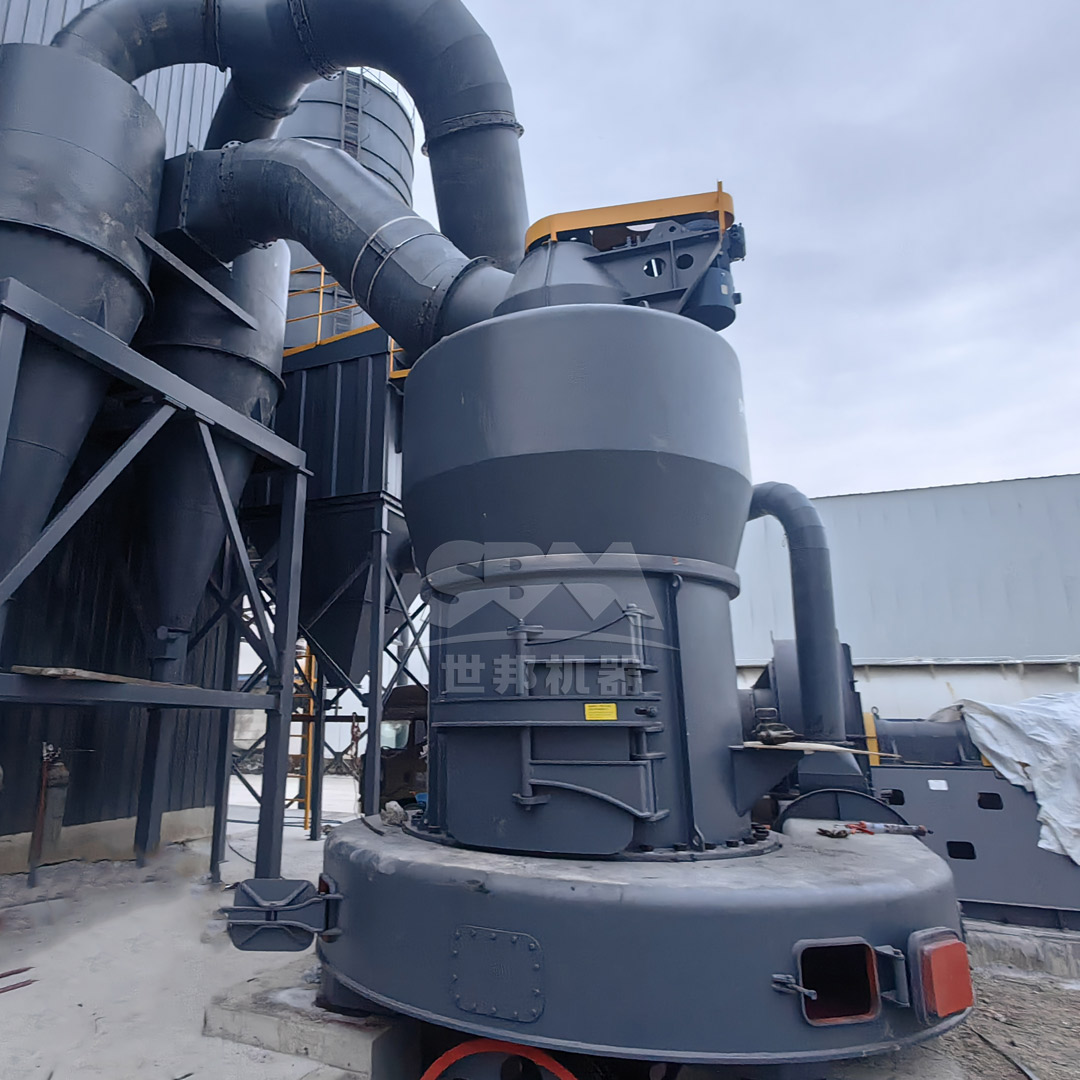
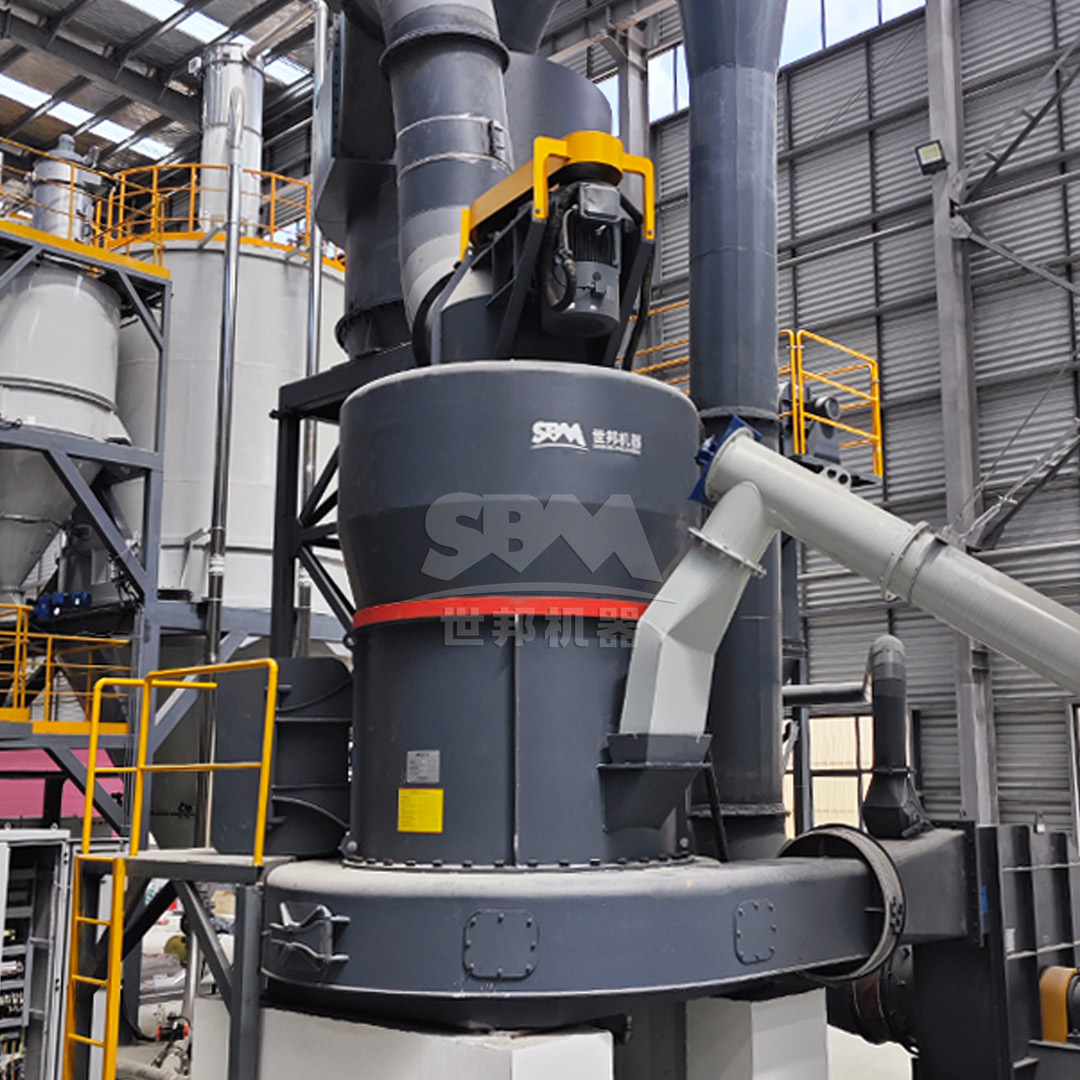
For applications requiring the finest dolomite fillers (325-2500 mesh), the SCM Ultrafine Mill represents the state-of-the-art in grinding technology. This system is particularly suited for producing the high-value fillers used in luxury vinyl tiles and high-performance epoxy floors where ultra-fine particles and narrow size distribution are critical.
The SCM series achieves remarkable efficiency with capacity doubling that of jet mills while reducing energy consumption by 30%. Its vertical turbine classifier ensures precise particle size cuts without coarse powder contamination, delivering consistently uniform products. The mill’s intelligent control system automatically monitors and adjusts operating parameters to maintain target fineness, ensuring batch-to-batch consistency that flooring manufacturers require.
With multiple models available, from the compact SCM800 (0.5-4.5 ton/h) to the high-capacity SCM1680 (5.0-25 ton/h), producers can select the optimal configuration for their specific production needs. The special material composition of grinding rollers and rings extends service life significantly, while the innovative bearing-free screw grinding chamber design ensures stable operation with minimal maintenance requirements.
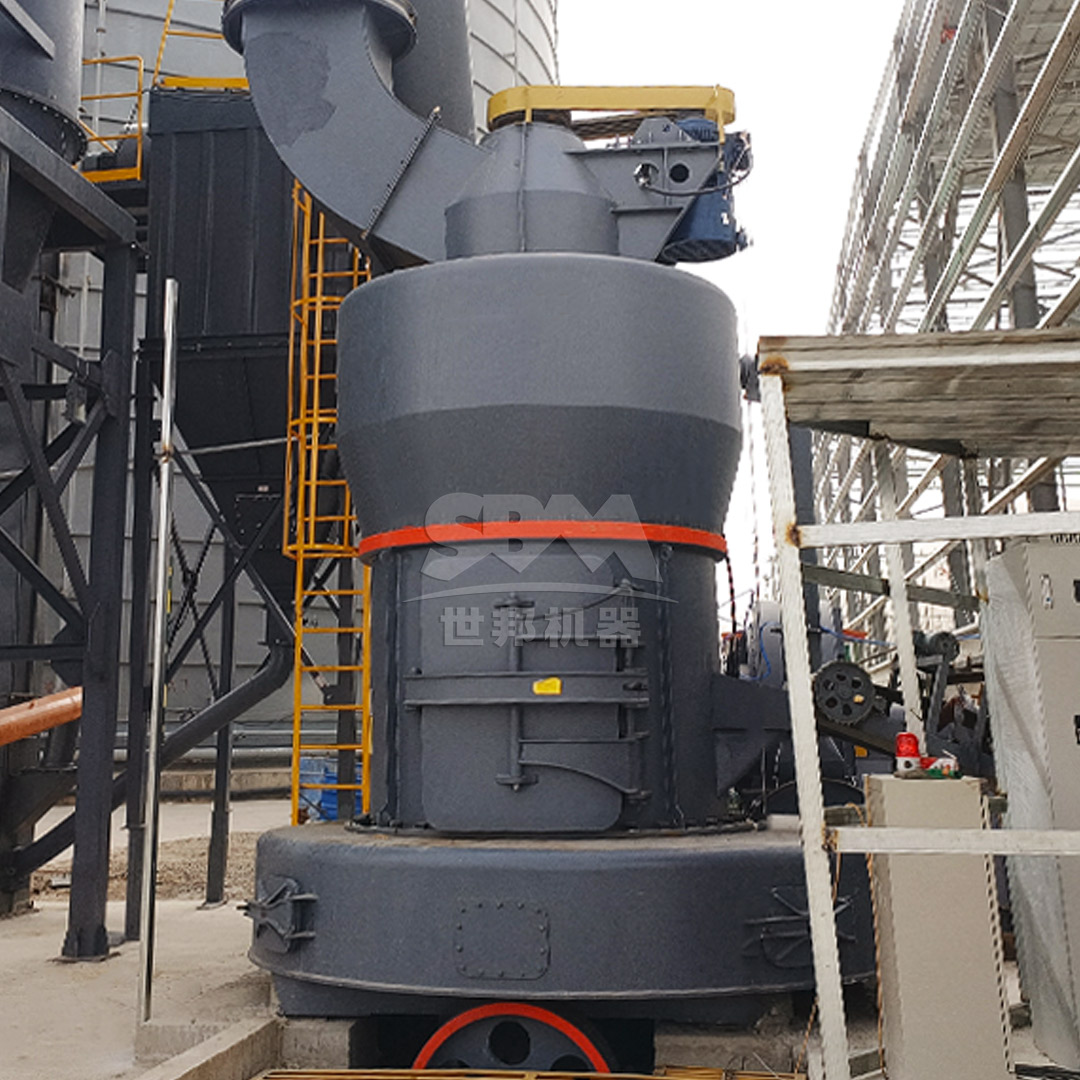
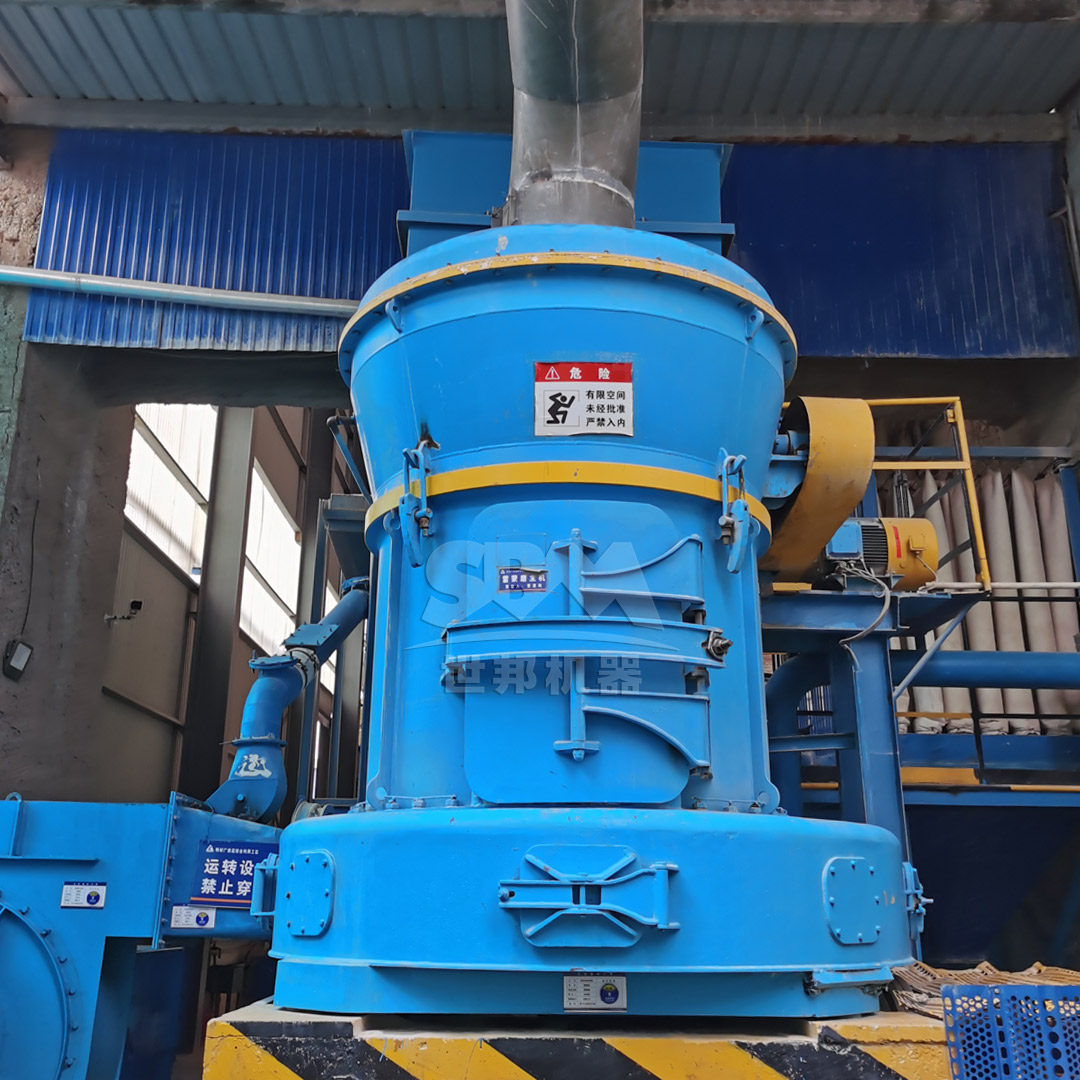
For general-purpose dolomite fillers in the 30-325 mesh range, the MTW Series Trapezium Mill offers an optimal balance of performance, efficiency, and operating economy. This equipment is ideal for producing fillers used in standard vinyl composition tiles, self-leveling compounds, and various other flooring applications where ultra-fine particles are not essential.
The MTW series incorporates several advanced features including wear-resistant shovel blades with combined design that reduces maintenance costs, curved air channels that minimize energy loss and improve transmission efficiency, and integral bevel gear transmission achieving 98% efficiency. The durable grinding shell structure with non-blocking design enhances air classification efficiency while reducing maintenance costs by 30%.
Available in multiple configurations from the MTW110 (3-9 ton/h) to the high-capacity MTW215G (15-45 ton/h), this mill series provides flooring filler producers with scalable solutions that match their production volume requirements. The comprehensive dust collection system ensures environmental compliance with emissions well below international standards.
Producing dolomite fillers specifically tailored for flooring applications requires careful optimization of milling parameters. The relationship between grinding intensity, classifier speed, air flow, and feed rate must be precisely controlled to achieve the desired particle characteristics. Different flooring formulations may require variations in particle morphology, surface area, and packing density that can be engineered through parameter adjustments.
Modern milling systems incorporate sophisticated control algorithms that automatically adjust operational parameters in response to variations in raw material characteristics. This ensures consistent product quality despite natural variations in the feed material. For flooring applications, maintaining consistent filler properties is particularly important as variations can affect processing behavior and final product performance.
| Milling Parameter | Influence on Filler Properties | Optimal Range for Flooring |
|---|---|---|
| Classifier Speed | Particle size distribution | Adjustable based on target fineness |
| Grinding Pressure | Particle morphology, production rate | 0.8-1.2 MPa |
| Air Flow Volume | Classification efficiency, temperature | Optimized for material throughput |
| Feed Rate | Residence time, energy consumption | 70-90% of maximum capacity |
| Grinding Media Condition | Contamination risk, product purity | Regular inspection and replacement |
Implementing rigorous quality control measures throughout the dolomite milling process is essential for producing fillers that meet the exacting standards of the flooring industry. Comprehensive testing should include particle size analysis, chemical composition verification, brightness measurement, and application-specific performance tests.
Advanced milling systems incorporate real-time monitoring of critical parameters including particle size, moisture content, and production rate. This enables immediate adjustments to maintain product specifications within narrow tolerances. For flooring applications, additional tests such as resin demand evaluation, dispersion characteristics, and compatibility with polymer systems provide valuable insights into how the filler will perform in actual production conditions.
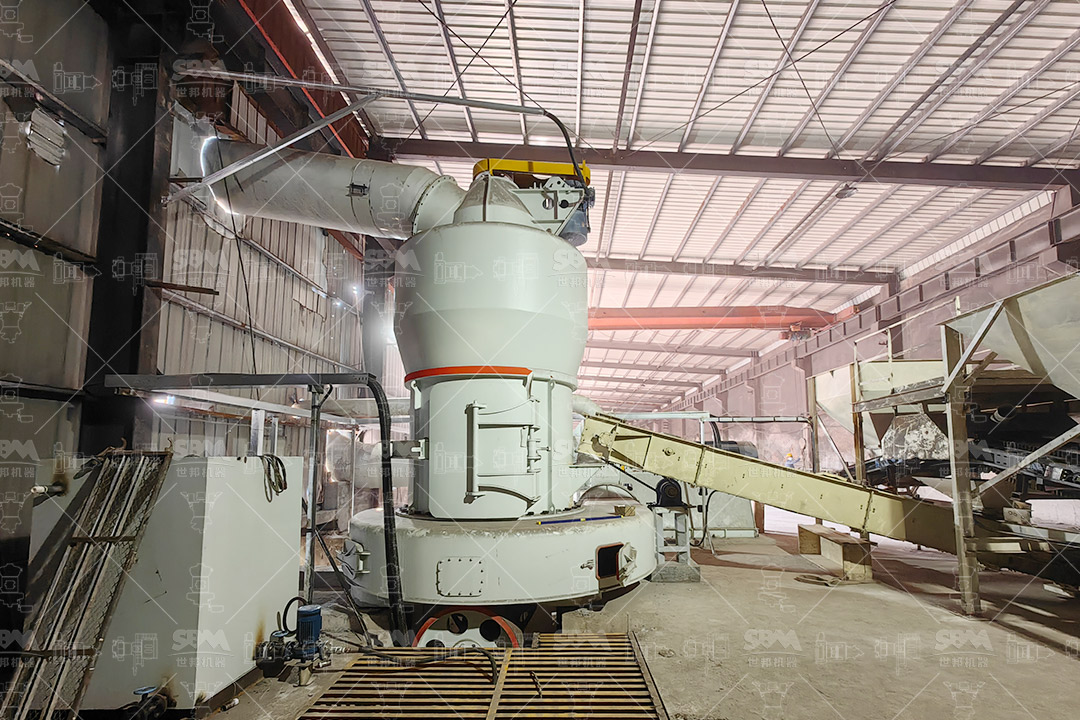
The economics of dolomite filler production for flooring applications are influenced by multiple factors including energy consumption, maintenance requirements, production yield, and capital investment. Modern milling technologies have significantly improved the economic viability of producing high-quality fillers through enhanced efficiency, reduced downtime, and optimized operational costs.
When evaluating milling equipment for dolomite processing, flooring filler producers should consider the total cost of ownership rather than just the initial investment. Factors such as energy efficiency, wear part longevity, maintenance requirements, and operational flexibility all contribute to the long-term economic performance. The advanced designs of modern mills like the SCM Ultrafine Mill and MTW Trapezium Mill address these considerations through innovations that extend service life, reduce energy consumption, and minimize operational disruptions.
The future of dolomite filler production for flooring materials is likely to be shaped by several emerging trends including increased demand for sustainable products, tighter specifications for performance characteristics, and greater integration of digital technologies. Milling equipment will need to evolve to meet these changing requirements while maintaining economic viability.
Advanced control systems incorporating artificial intelligence and machine learning algorithms are expected to become more prevalent, enabling predictive maintenance, self-optimizing operations, and enhanced quality consistency. There is also growing interest in energy-efficient processes that reduce the carbon footprint of filler production while maintaining product performance. The latest generation of milling equipment already incorporates many features that align with these trends, positioning producers to meet future market demands effectively.
As flooring technologies continue to advance, the requirements for mineral fillers will become increasingly specialized. Milling systems must therefore offer the flexibility to produce tailored products with specific characteristics optimized for next-generation flooring materials. The ongoing development of advanced milling technologies ensures that dolomite will remain a vital component in high-performance flooring systems for the foreseeable future.