Quartz is a fundamental raw material in ceramic manufacturing, prized for its ability to enhance mechanical strength, thermal stability, and chemical resistance in the final product. The quality of the quartz powder, particularly its fineness and purity, directly influences the performance and aesthetics of the ceramic ware. Therefore, selecting the appropriate quartz pulverizer is a critical decision for any ceramic producer aiming for efficiency, cost-effectiveness, and high-quality output. This guide provides a comprehensive analysis of the key factors to consider and highlights advanced pulverizing solutions to optimize your ceramic production line.
The fineness of the ground quartz is paramount. Different ceramic applications demand specific particle size distributions:
The chosen mill must reliably and consistently achieve your target fineness (D97).
Your required throughput dictates the size and model of the pulverizer. It’s crucial to match the machine’s capacity with your plant’s overall production volume to avoid bottlenecks. Consider both current needs and future expansion plans. Models range from small-scale units handling less than 1 ton per hour to large industrial systems processing over 25 tons per hour.
Grinding is an energy-intensive process. Modern pulverizers are designed with efficiency in mind. Key features to look for include:
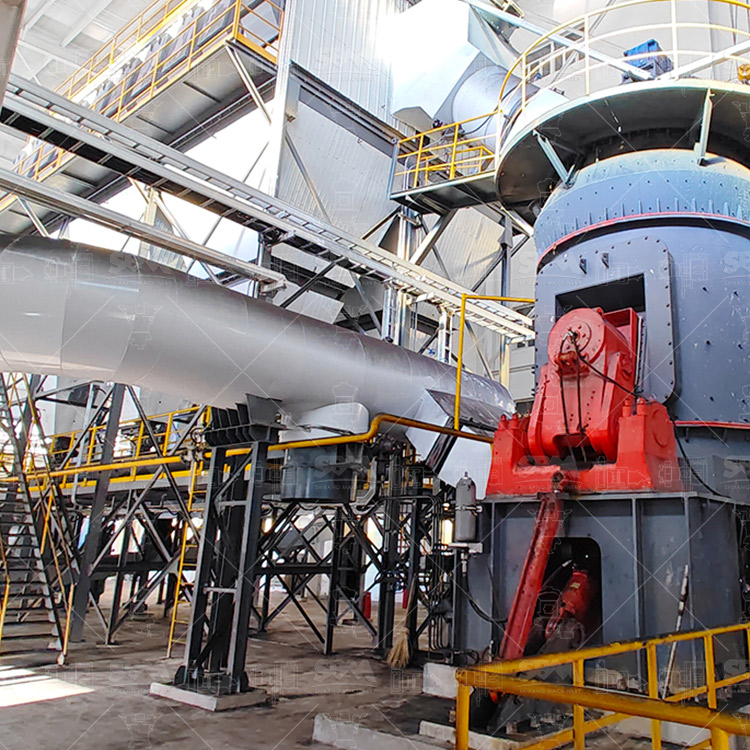
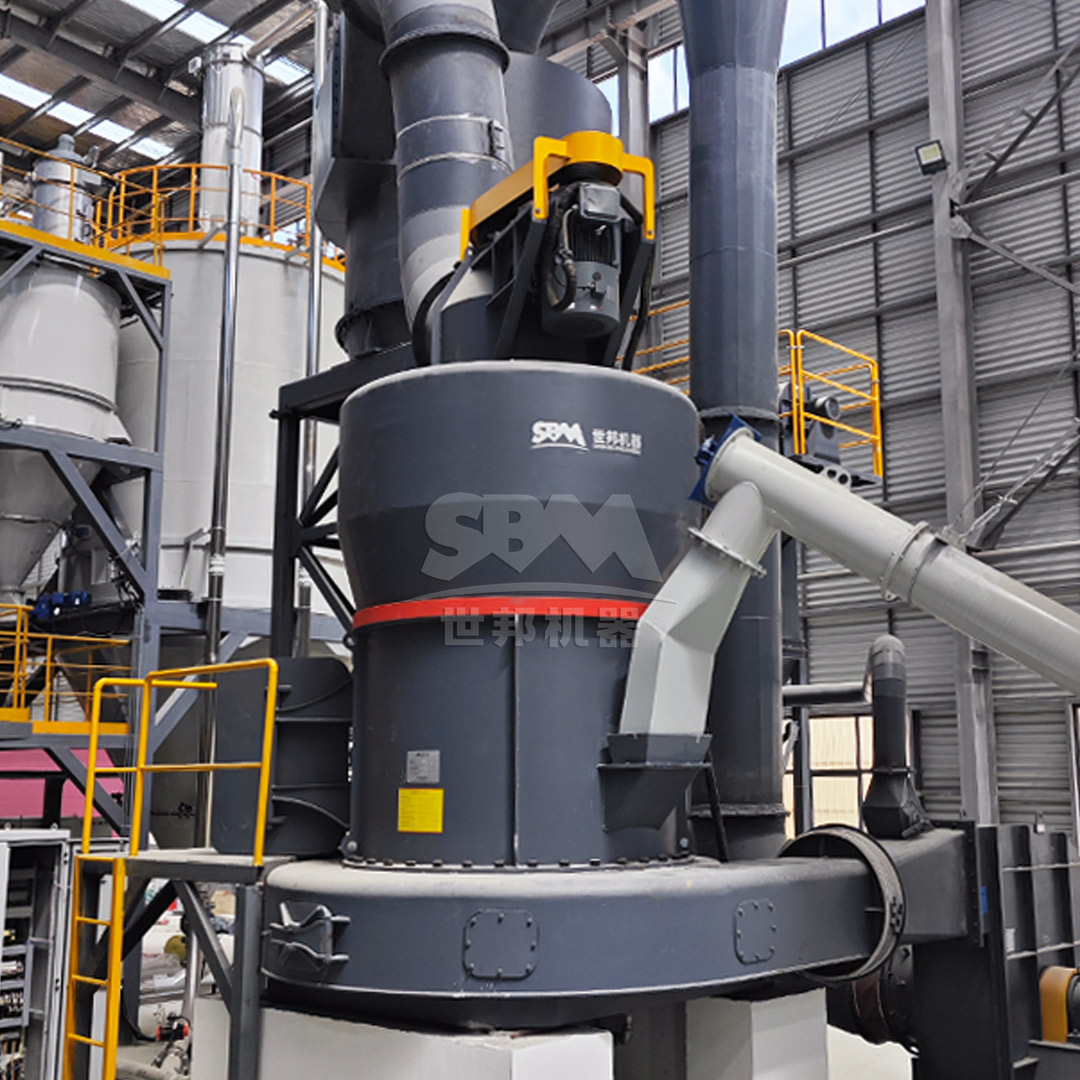
The physical space available in your plant is a practical consideration. Some mills, like vertical roller mills, offer a highly integrated design that combines crushing, grinding, drying, and classifying in a single unit, significantly reducing the overall footprint and civil engineering costs.
Ceramic manufacturing must adhere to strict environmental regulations. The ideal pulverizer should feature:
| Mill Type | Ideal Fineness Range | Typical Capacity Range | Key Advantages | Best Suited For |
|---|---|---|---|---|
| Ball Mill | 0.074-0.8mm (200-20 mesh) | 0.65-450 t/h | Proven technology, high capacity, versatile | Large-scale production of standard ceramic body powders |
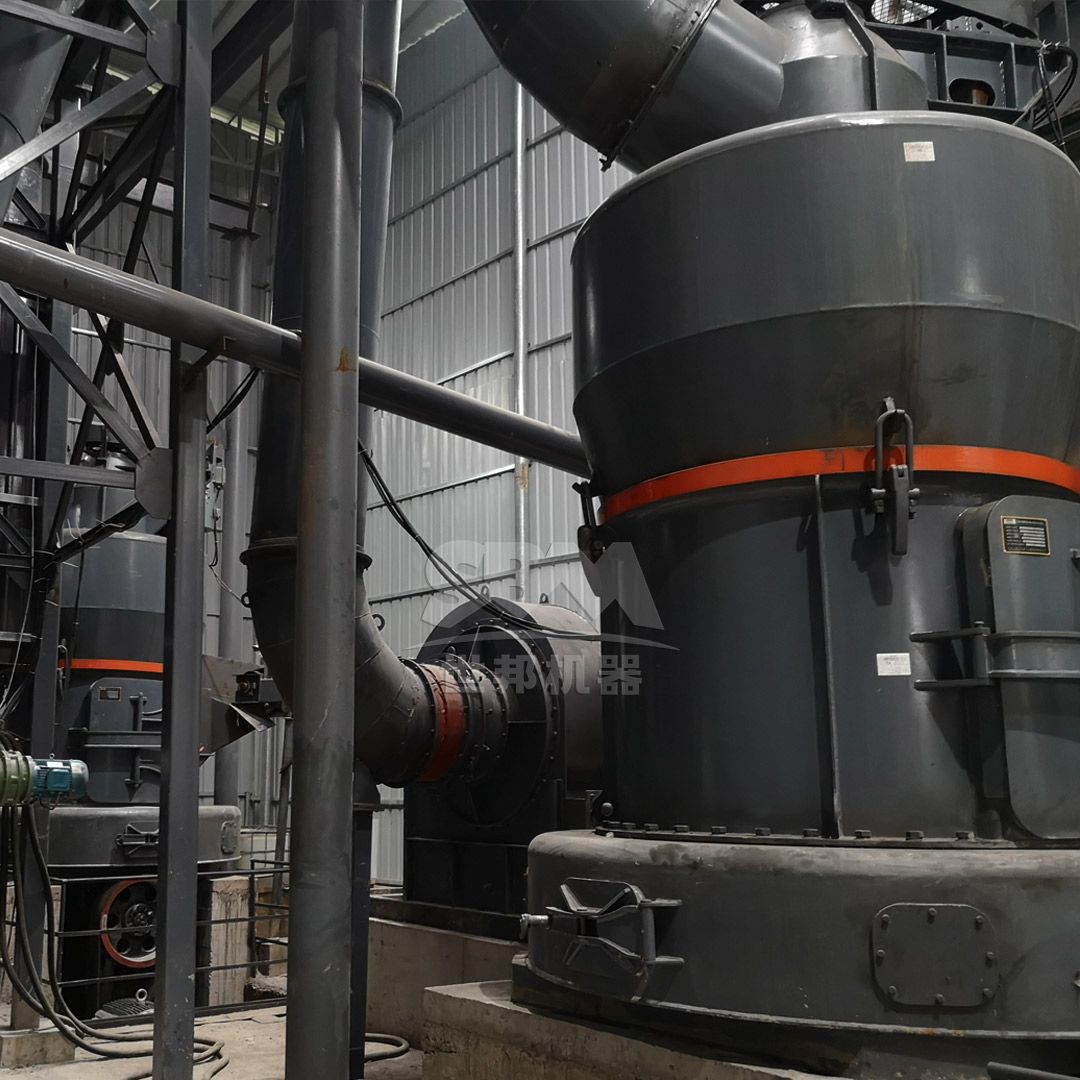
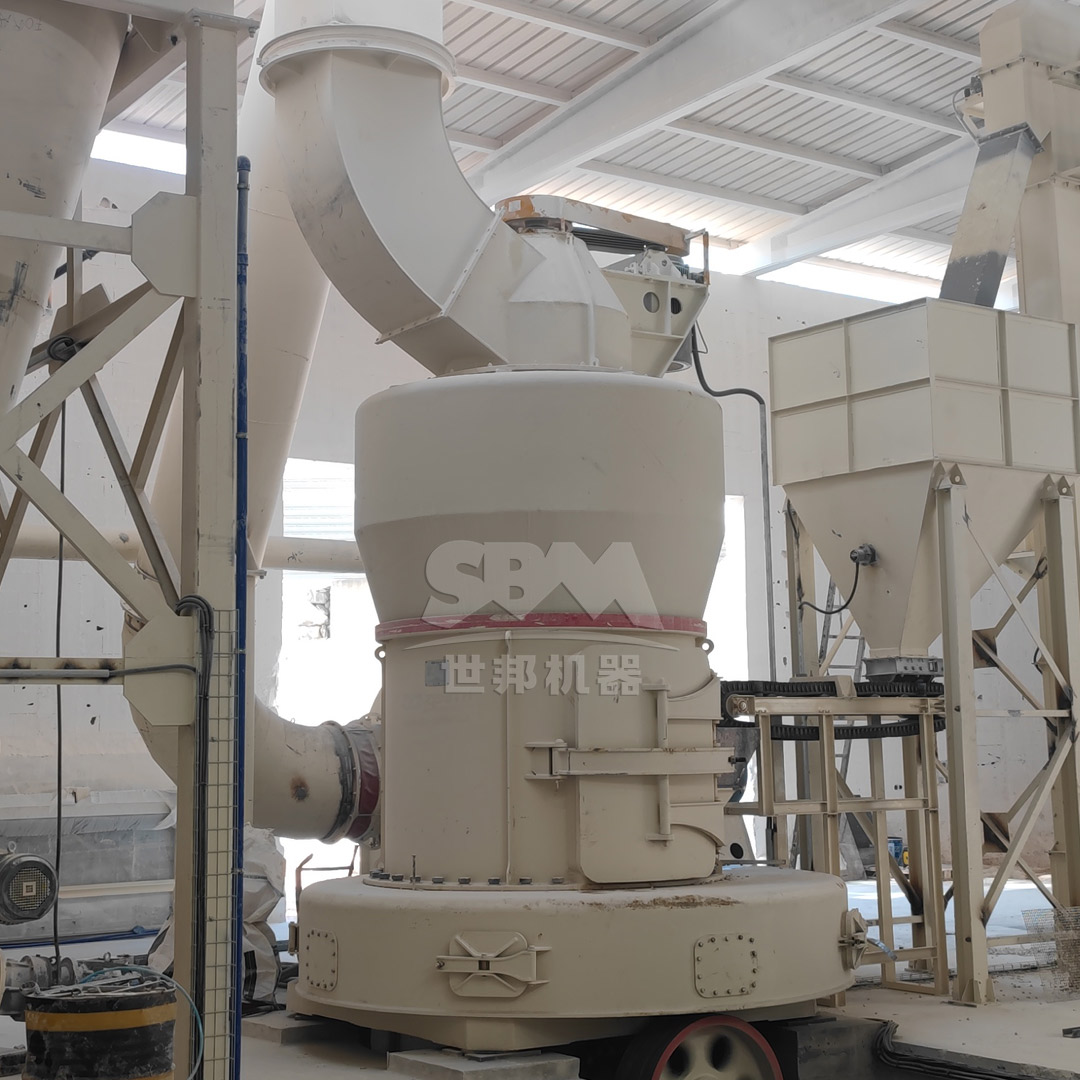
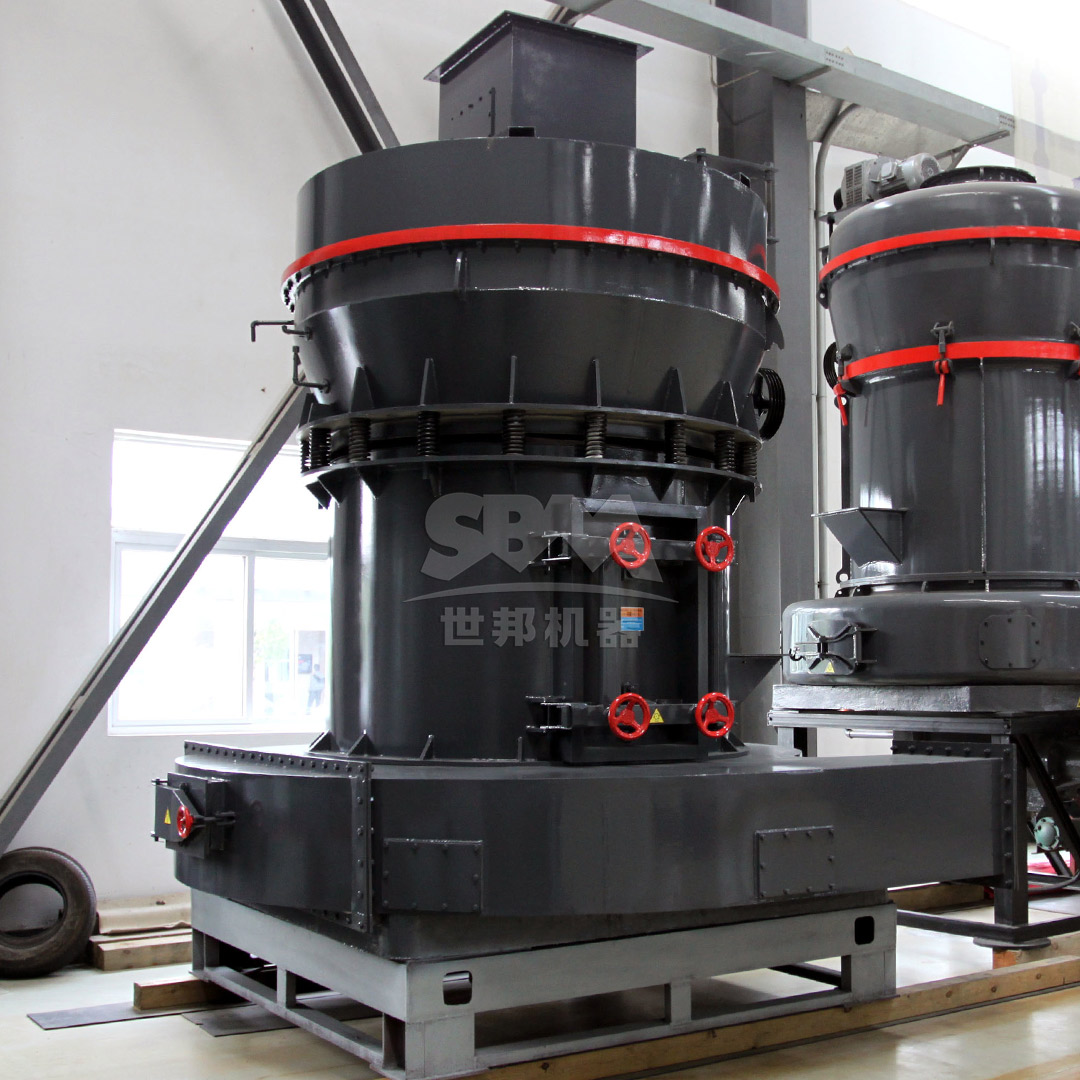
| Trapezium Mill (e.g., MTW Series) | 30-325 mesh (600-45μm) | 3-45 t/h | Good balance of fineness and capacity, curved air duct for efficiency | Medium-to-large scale production of body and glaze powders |
| Vertical Roller Mill (e.g., LM Series) | 30-600 mesh (600-23μm) | 3-250 t/h | Extremely energy-efficient, integrated system, small footprint | High-volume production requiring low operating costs |
| Ultrafine Mill (e.g., SCM Series) | 325-2500 mesh (45-5μm) | 0.5-25 t/h | Produces the finest powders, high-precision classification, eco-friendly | High-value technical ceramics and premium glazes |
When your application demands the highest level of fineness and purity, the SCM Ultrafine Mill is the premier choice. Engineered to produce powders as fine as 2500 mesh (5μm), it is indispensable for manufacturing high-performance technical ceramics and flawless glaze formulations.
Why it excels for quartz:
| Model | Processing Capacity (t/h) | Main Motor Power (kW) | Output Fineness (mesh) |
|---|---|---|---|
| SCM800 | 0.5-4.5 | 75 | 325-2500 |
| SCM900 | 0.8-6.5 | 90 | |
| SCM1000 | 1.0-8.5 | 132 | |
| SCM1250 | 2.5-14 | 185 | |
| SCM1680 | 5.0-25 | 315 |
For the production of quartz powder used in standard ceramic bodies for tiles, tableware, and sanitaryware, the MTW Series Trapezium Mill offers an unbeatable combination of high capacity, reliability, and operational economy.
Why it excels for quartz:
Selecting the right quartz pulverizer is a strategic investment that impacts product quality, production efficiency, and profitability. By carefully evaluating your specific requirements for fineness, capacity, and cost, you can identify the optimal milling technology. For manufacturers targeting the high-end market with ultrafine powders, the SCM Ultrafine Mill provides unparalleled precision and performance. For high-volume production of standard ceramic body powders, the MTW Series Trapezium Mill delivers proven reliability and outstanding efficiency. Consulting with an experienced equipment supplier to analyze your raw material and production goals is the final, crucial step in ensuring a successful integration and maximizing the return on your investment.