The construction industry’s growing emphasis on fire safety has positioned gypsum-based materials as essential components in modern building design. Gypsum’s inherent fire-resistant properties, combined with its versatility and cost-effectiveness, make it an ideal material for fireproof walls, ceilings, and structural elements. However, the effectiveness of these fireproof materials heavily depends on the quality and fineness of the gypsum powder used in their production. This article explores the critical role of advanced grinding technology in producing high-quality gypsum powder for fireproof building materials.
Gypsum (calcium sulfate dihydrate) contains approximately 21% chemically combined water by weight. When exposed to fire, this water is released as steam, effectively retarding heat transmission and protecting the underlying structure. This endothermic reaction provides a natural fire barrier that can withstand temperatures up to 1,200°C for extended periods. The fine grinding of gypsum enhances this fire-resistant property by creating a more homogeneous material with improved thermal characteristics.
The particle size distribution of gypsum powder directly impacts the performance of fireproof materials. Finer particles create denser, more compact structures with fewer voids, resulting in improved mechanical strength and better fire resistance. Additionally, uniform particle size ensures consistent setting times and predictable performance characteristics in finished products.
Producing gypsum powder for fireproof building materials requires specific technical parameters to ensure optimal performance:
| Parameter | Standard Range | Premium Fireproof Grade |
|---|---|---|
| Particle Size (D97) | 45-150μm | 5-45μm |
| Specific Surface Area | 2,000-4,000 cm²/g | 4,000-8,000 cm²/g |
| Crystal Water Content | 18-21% | 20.5-21% |
| Purity Level | 85-95% | ≥95% |
| Setting Time | 10-20 minutes | 15-25 minutes |
Advanced grinding systems must maintain precise control over these parameters while ensuring energy efficiency and consistent output quality. The grinding process should preserve the crystal structure of gypsum to maintain its fire-resistant properties while achieving the desired fineness for specific applications.
Modern gypsum processing facilities require grinding equipment that can deliver precise particle size control, high throughput, and energy efficiency. Two particularly suitable solutions for fireproof gypsum production include:
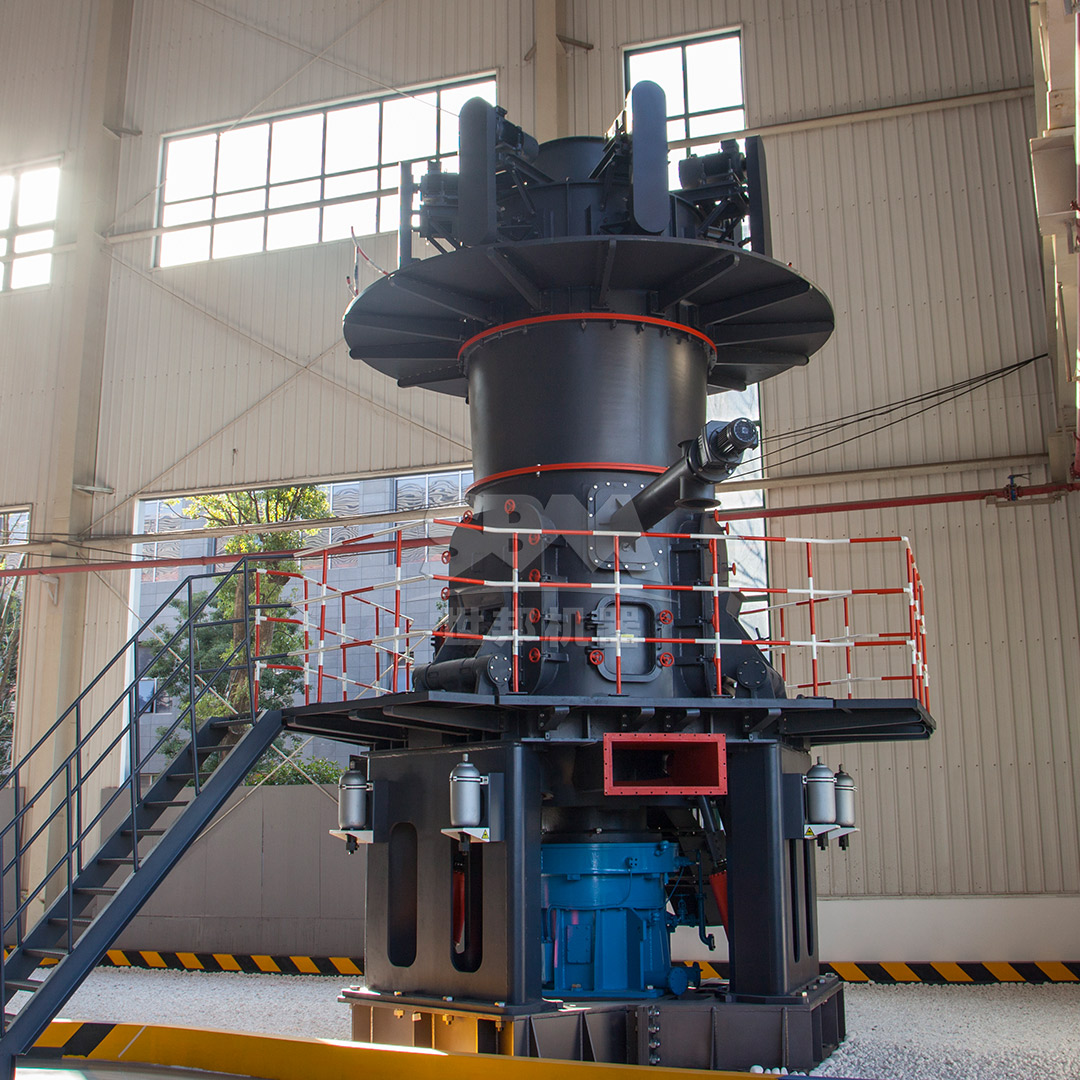
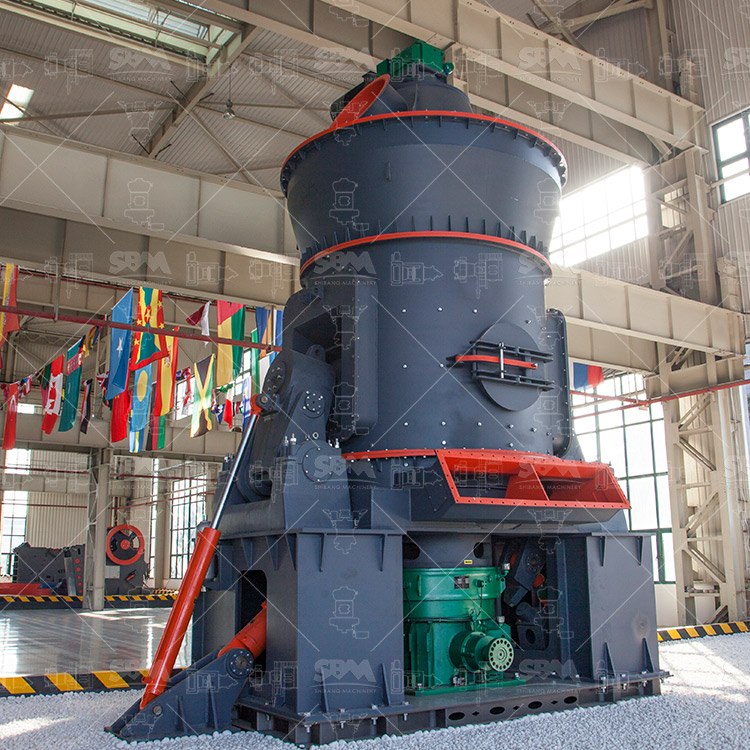
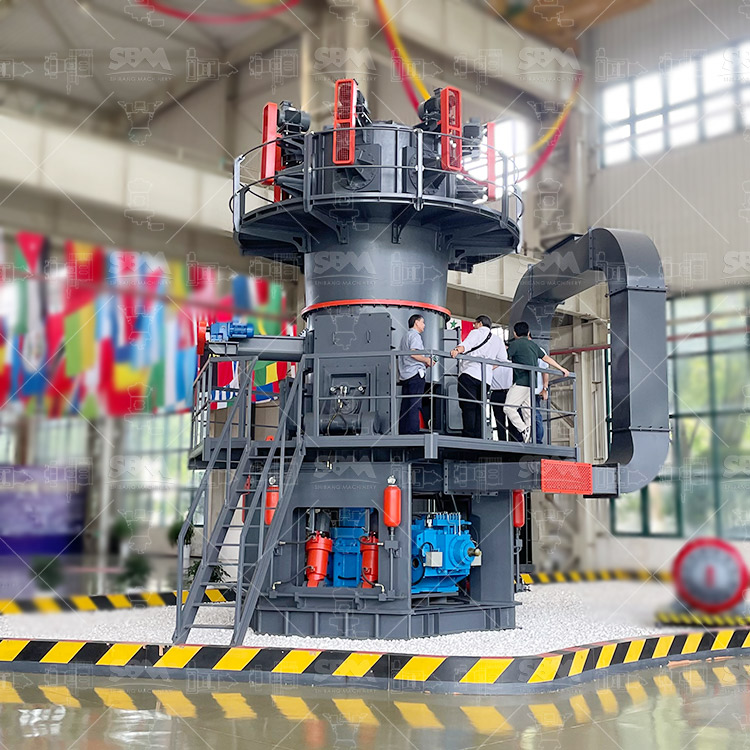
For applications requiring the highest level of fire protection, the SCM Ultrafine Mill represents an optimal solution. This advanced grinding system produces gypsum powder with exceptional fineness (325-2500 mesh, D97≤5μm), creating a material with enhanced fire-resistant properties due to its ultra-fine particle distribution.
The SCM Ultrafine Mill’s technological advantages include:
The working principle involves a main motor driving multiple grinding rings in layers. Material is dispersed into the grinding path by centrifugal force, undergoing progressive compression and grinding before final collection through cyclone and pulse dust removal systems.
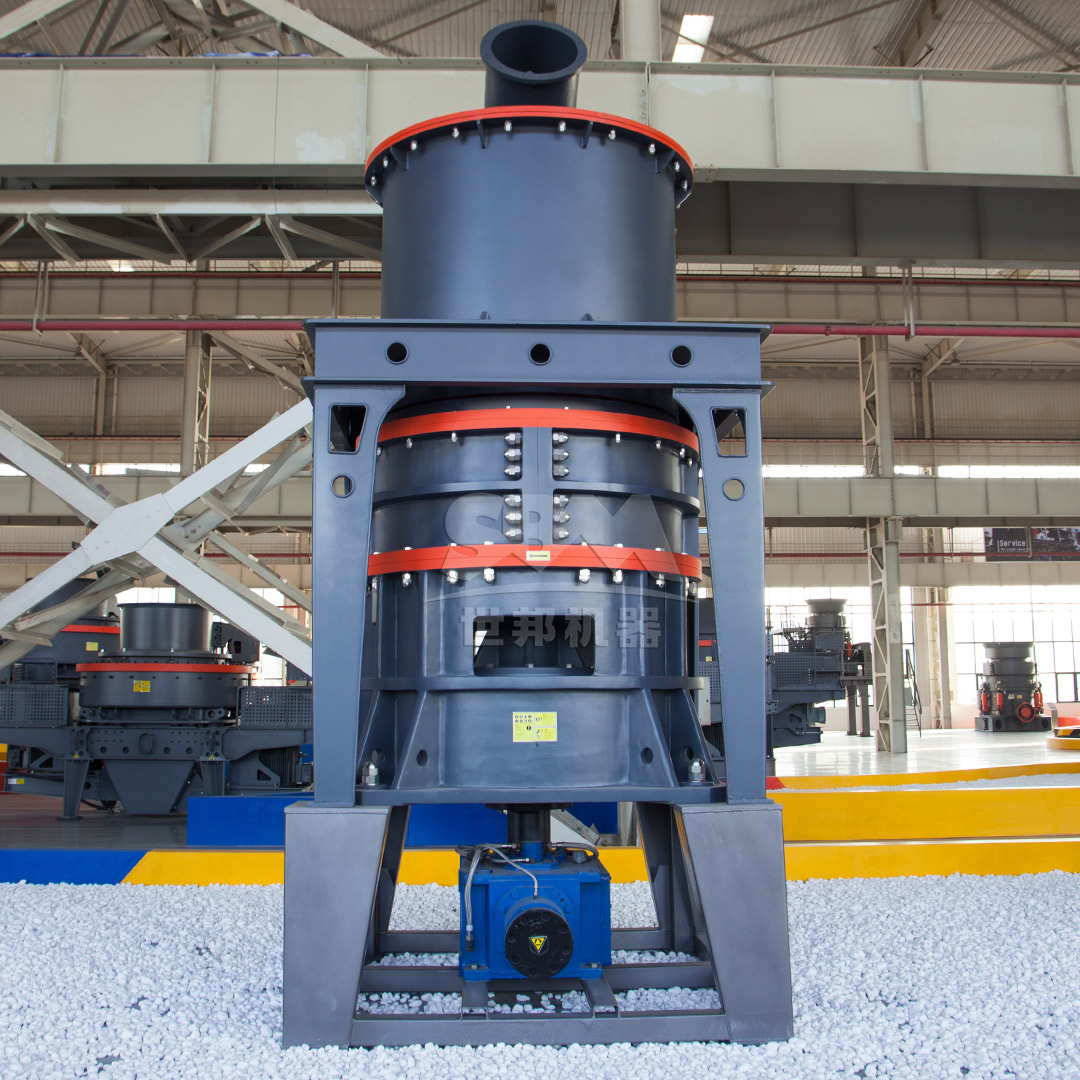
| Model | Capacity (ton/h) | Main Motor Power | Feed Size | Fineness |
|---|---|---|---|---|
| SCM800 | 0.5-4.5 | 75 kW | 0-20mm | 325-2500 mesh |
| SCM900 | 0.8-6.5 | 90 kW | 0-20mm | 325-2500 mesh |
| SCM1000 | 1.0-8.5 | 132 kW | 0-20mm | 325-2500 mesh |
| SCM1250 | 2.5-14 | 185 kW | 0-20mm | 325-2500 mesh |
| SCM1680 | 5.0-25 | 315 kW | 0-20mm | 325-2500 mesh |
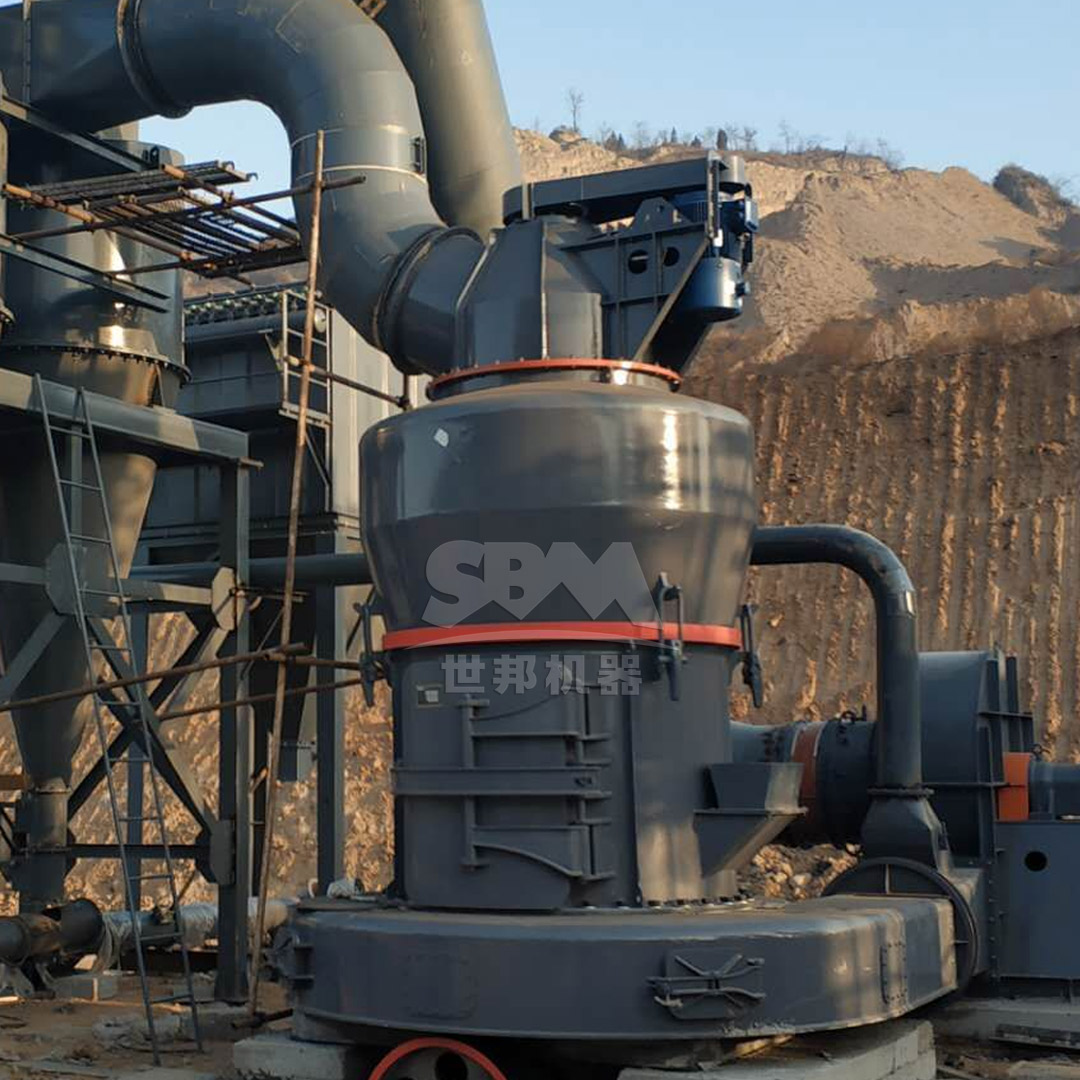
For standard fireproof gypsum board production where high throughput is essential, the MTW Series Trapezium Mill offers an excellent balance of capacity, fineness control, and operational efficiency. With output fineness ranging from 30-325 mesh (up to 0.038mm) and capacities from 3-45 tons per hour, this mill suits medium to large-scale fireproof gypsum production facilities.
Key advantages of the MTW Series for fireproof gypsum production include:
The operational principle involves the main motor driving grinding rollers that revolve around the central axis while simultaneously rotating to generate centrifugal force. Shovels throw material between the grinding ring and rollers, creating a material layer that undergoes efficient crushing through compression, with the classification system precisely controlling final particle size.
| Model | Capacity (ton/h) | Main Motor Power | Feed Size | Fineness |
|---|---|---|---|---|
| MTW110 | 3-9 | 55 kW | <30mm | 10-325 mesh |
| MTW138Z | 6-17 | 90 kW | <35mm | 10-325 mesh |
| MTW175G | 9.5-25 | 160 kW | <40mm | 10-325 mesh |
| MTW215G | 15-45 | 280 kW | <50mm | 10-325 mesh |
The relationship between grinding parameters and fireproof performance is critical. Key considerations include:
Moisture Control: Maintaining optimal crystal water content (20.5-21%) is essential for fire resistance. Grinding systems must minimize heat generation that could drive off chemically combined water.
Particle Morphology: The shape of ground particles affects packing density and mechanical strength. Equipment that produces more uniform, slightly elongated particles typically yields better-performing fireproof materials.
Temperature Management: Excessive grinding temperatures can partially dehydrate gypsum, reducing its fire-resistant properties. Advanced mills incorporate cooling systems to maintain temperatures below the dehydration threshold.
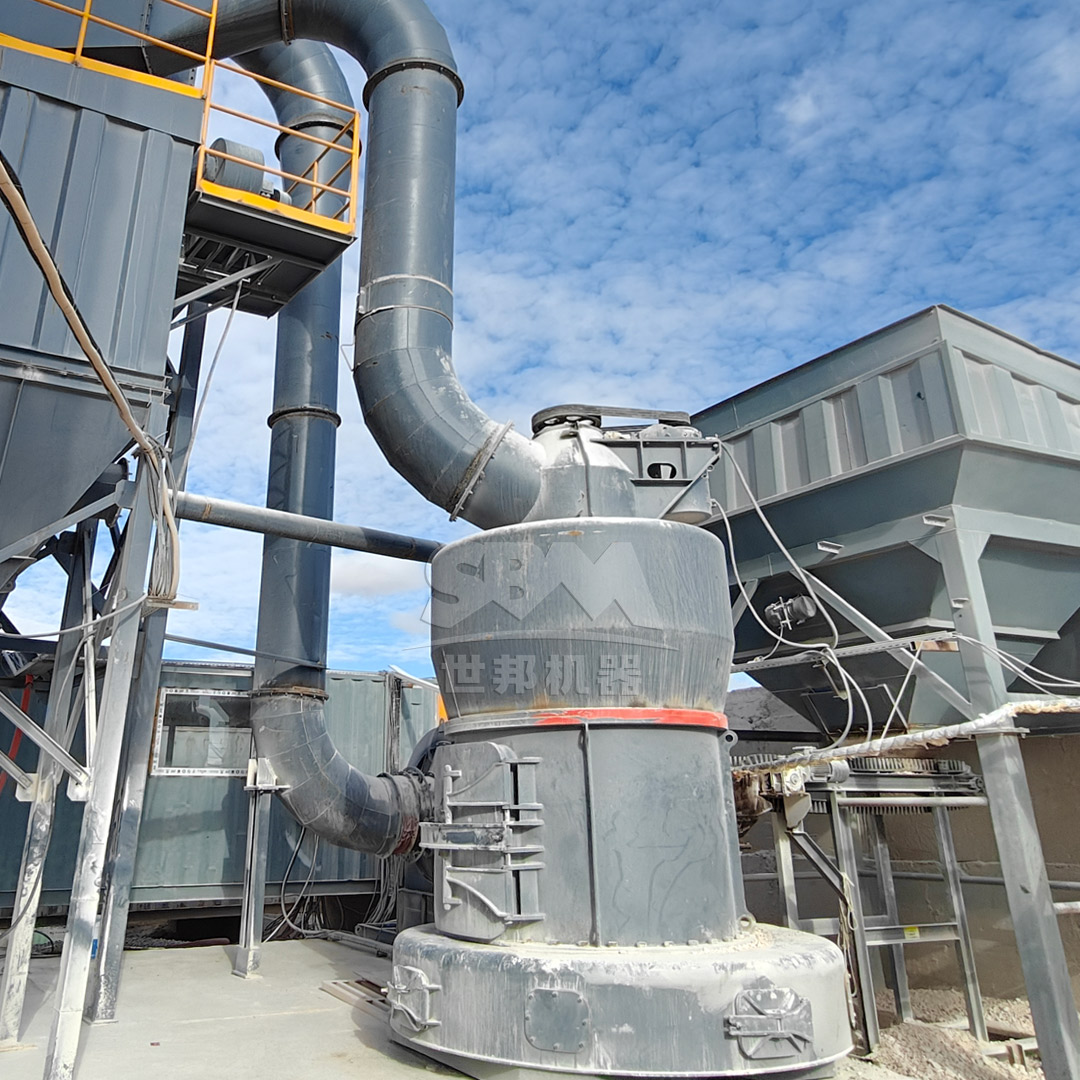
A complete fireproof gypsum production line typically includes:
The grinding stage represents the most critical component for determining final product performance in fireproof applications. Proper equipment selection ensures consistent quality and optimal fire resistance.
Rigorous quality control is essential for fireproof gypsum products. Standard tests include:
Advanced grinding systems with integrated control systems facilitate consistent quality by maintaining precise operating parameters and automatically adjusting for variations in raw material characteristics.
While premium fireproof gypsum commands higher market prices, production economics must balance quality requirements with operational costs. Key factors include:
Modern grinding systems like the SCM Ultrafine Mill and MTW Trapezium Mill address these concerns through energy-efficient designs, durable components, and automated control systems that minimize operational expenses while maximizing output quality.
The evolution of fireproof building materials continues to drive advancements in gypsum grinding technology. Emerging trends include:
Nano-Gypsum Applications: Ultra-fine grinding technologies enabling gypsum particles in the nanometer range for enhanced fire protection in thin-film applications.
Smart Additive Integration: Advanced grinding systems that facilitate homogeneous distribution of fire-enhancing additives throughout the gypsum matrix.
Energy-Efficient Production: Continued development of grinding technologies that reduce energy consumption while improving product quality.
Digital Integration: IoT-enabled grinding systems with real-time monitoring and predictive maintenance capabilities.
The production of high-quality fireproof building materials depends fundamentally on advanced gypsum grinding technology. Equipment selection should align with specific fire resistance requirements, production volumes, and economic considerations. The SCM Ultrafine Mill and MTW Series Trapezium Mill represent two excellent solutions for different segments of the fireproof gypsum market, offering the precision, efficiency, and reliability needed to meet increasingly stringent fire safety standards in the global construction industry.
As building codes continue to emphasize fire safety, the role of properly processed gypsum will only grow in importance. Investing in appropriate grinding technology ensures manufacturers can meet these evolving requirements while maintaining competitive production costs and consistent product quality.