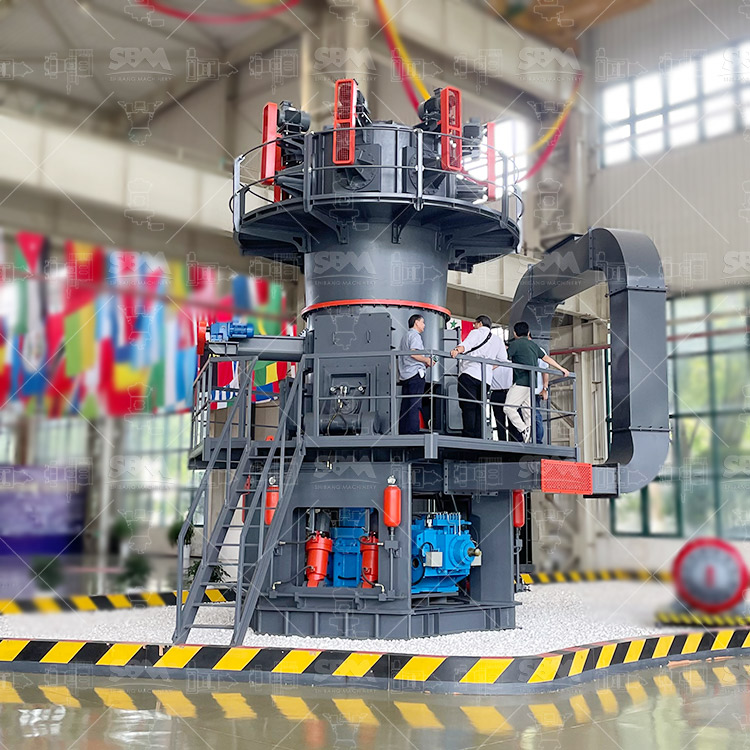
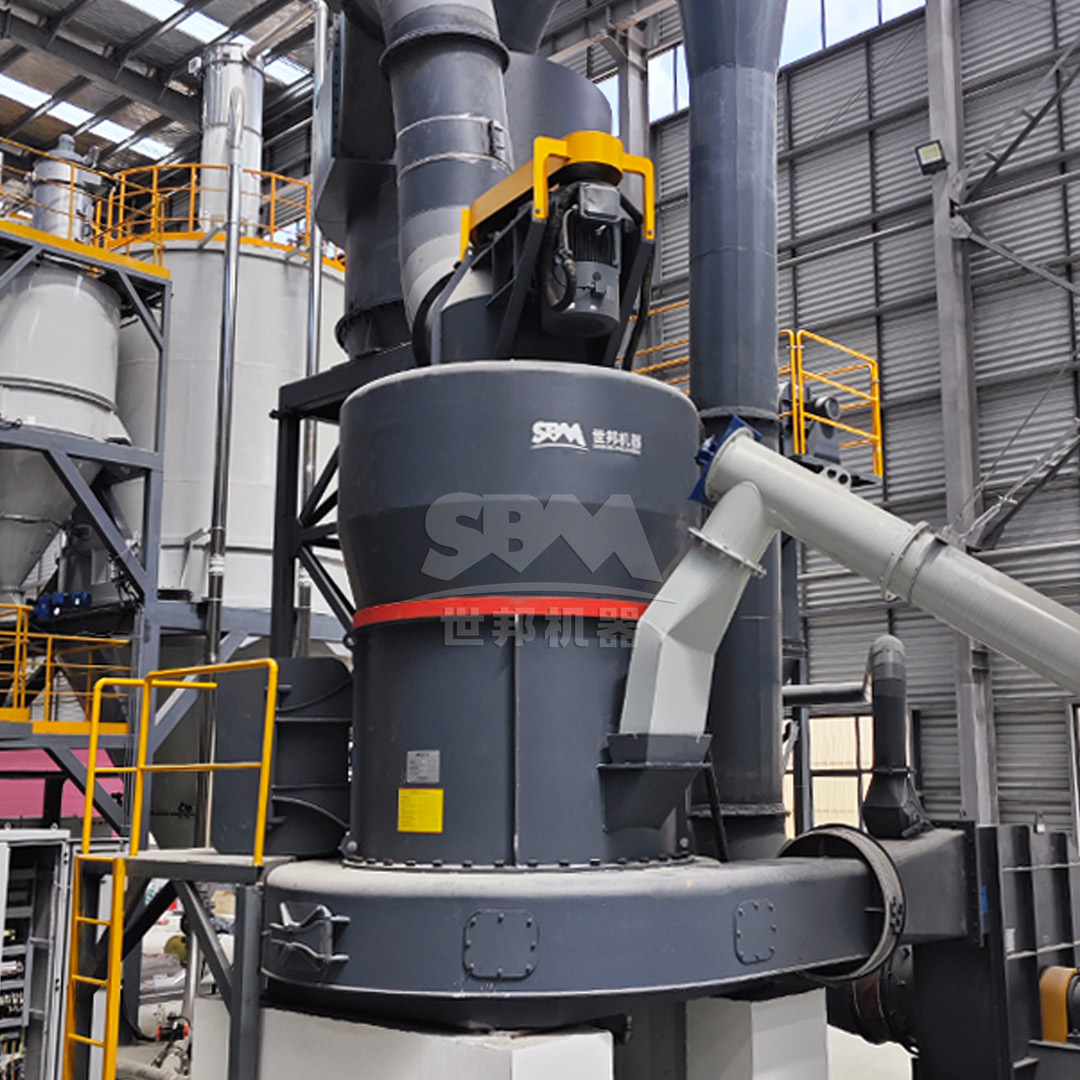
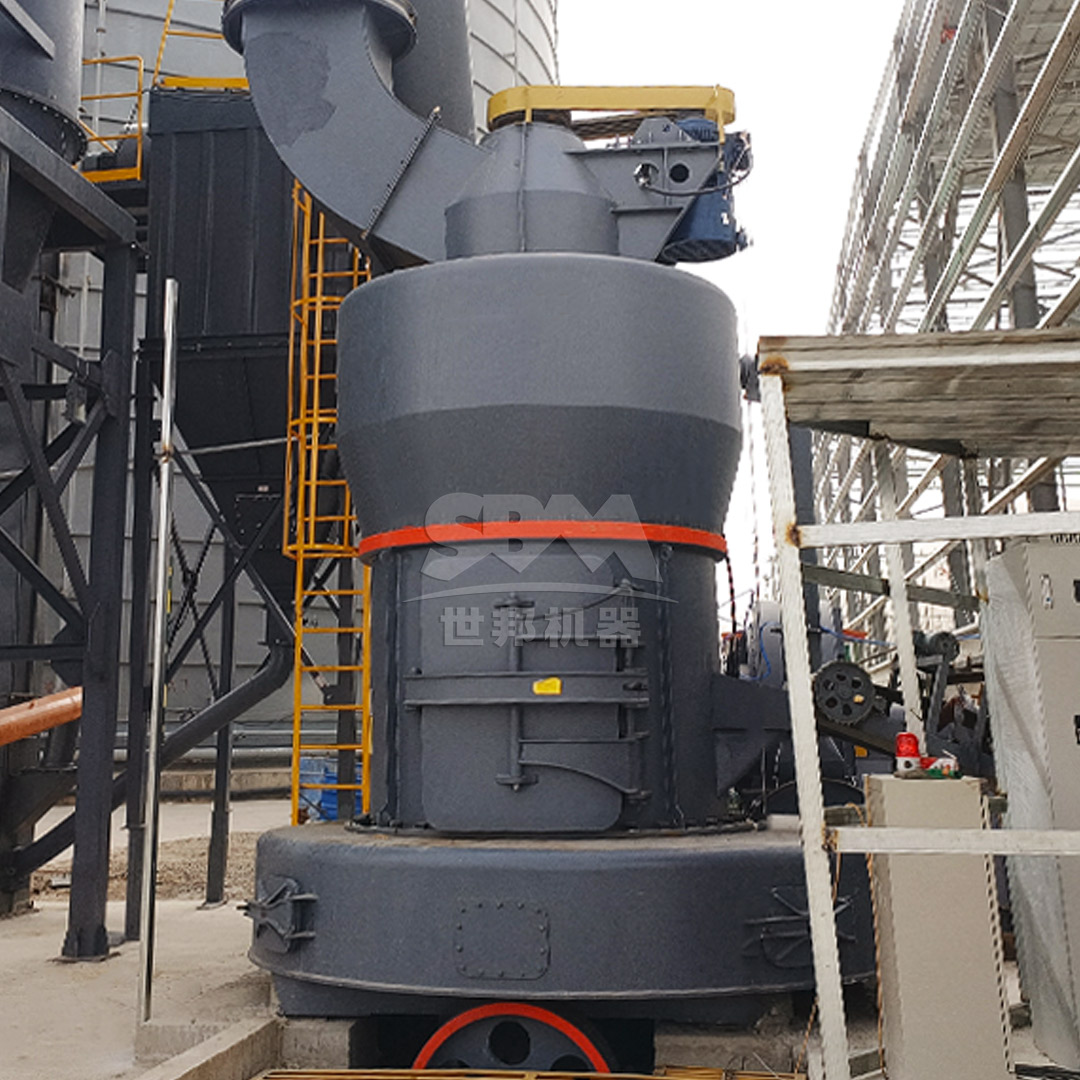
The cement manufacturing industry has undergone significant technological transformations over the past few decades, with efficiency and sustainability becoming paramount concerns. Among the various innovations, the vertical roller mill (VRM) has emerged as a revolutionary technology that substantially improves operational efficiency compared to traditional ball mill systems. This article explores the fundamental principles, operational advantages, and efficiency improvements offered by vertical roller mills in cement production processes.
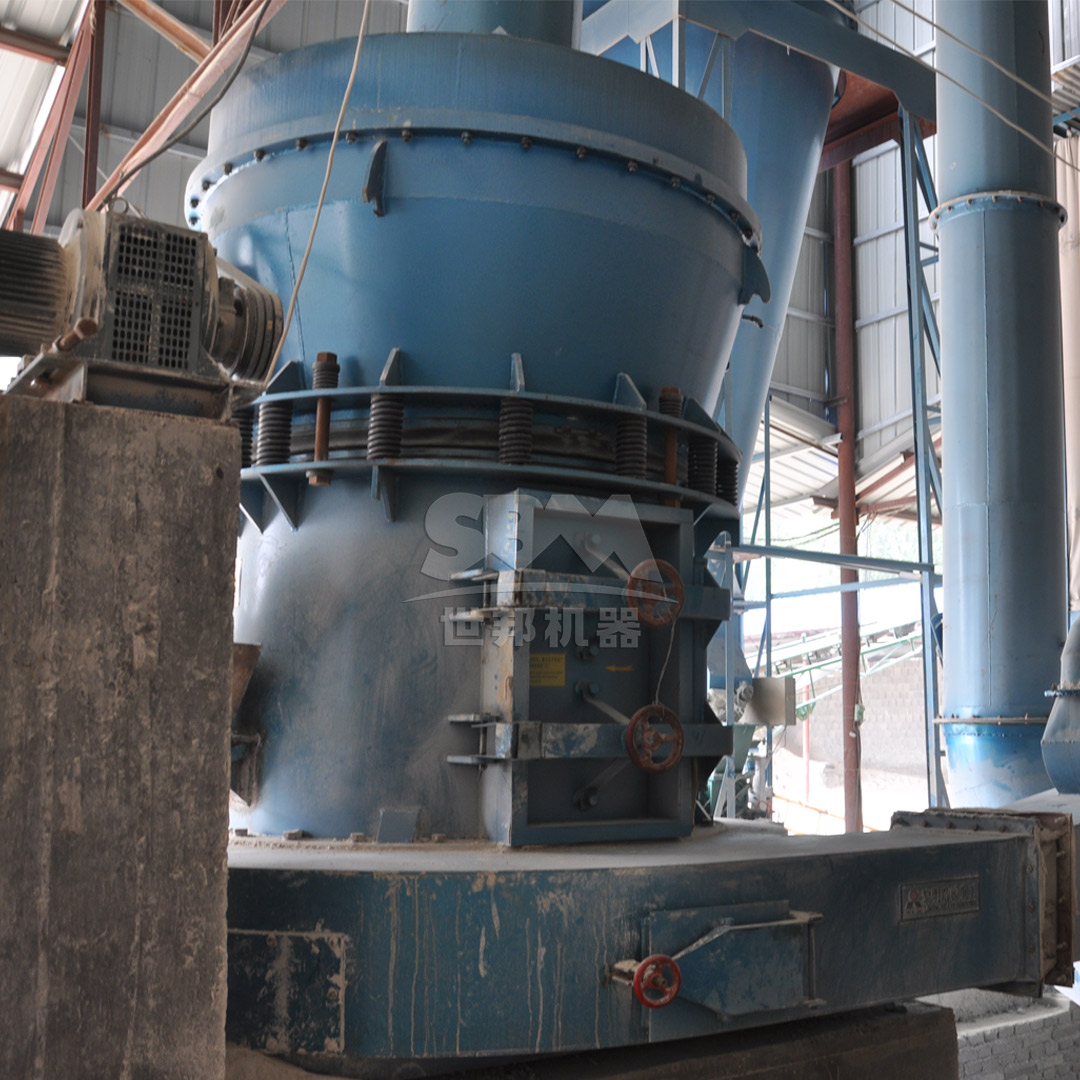
Vertical roller mills operate on the principle of bed compression grinding, where material is ground between a rotating table and rollers. The process begins with raw material feeding through the center of the mill onto the rotating grinding table. Centrifugal force distributes the material outward across the table, where it passes under the grinding rollers. These rollers, hydraulically loaded, apply substantial pressure to the material bed, effectively crushing and grinding the particles.
As grinding occurs, a stream of hot gas (typically from a preheater tower) enters the mill through the nozzle ring, fluidizing and transporting the ground material upward to a classifier. The integrated dynamic classifier separates fine particles (product) from coarse particles (rejects), with the latter returning to the grinding table for further size reduction. This continuous grinding-classification cycle enables highly efficient particle size reduction with precise control over final product fineness.
The VRM system comprises several critical components that work in harmony:
One of the most significant efficiency improvements offered by VRMs is their substantially lower energy consumption compared to traditional ball mills. While ball mills typically consume 30-40 kWh/t for cement grinding, VRMs operate at 15-25 kWh/t, representing energy savings of 30-50%. This dramatic reduction stems from several factors:
First, VRMs employ a more efficient grinding mechanism. Unlike ball mills that rely on impact and attrition between freely moving grinding media, VRMs utilize bed compression grinding, where particles are crushed between two solid surfaces. This direct application of force minimizes energy losses associated with media movement and collisions. Additionally, the integrated drying capability eliminates the need for separate drying equipment, further reducing overall plant energy consumption.
Vertical roller mills excel in processing materials with high moisture content, a common challenge in cement production. The concurrent flow of hot gases and material through the mill enables efficient evaporation of moisture during the grinding process. VRMs can handle raw materials with moisture contents up to 15-20% without requiring pre-drying, whereas ball mills typically struggle with materials exceeding 5% moisture.
This integrated drying capability not only simplifies the process flow but also reduces thermal energy requirements. The hot gases (typically at 300-400°C) efficiently transfer heat to the material, evaporating moisture while simultaneously transporting the ground product. This dual-function approach represents a significant advancement over the separate grinding and drying stages required in traditional systems.
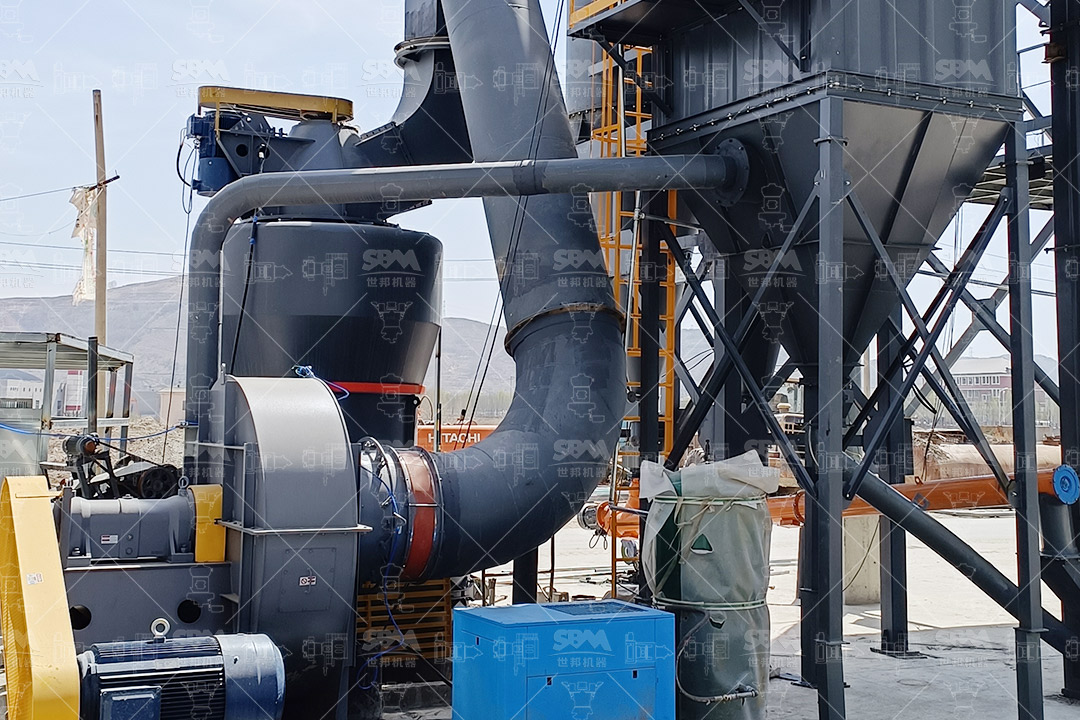
The compact design of vertical roller mills offers substantial advantages in terms of plant footprint and civil engineering costs. A VRM installation typically requires 50-70% less space than an equivalent-capacity ball mill system. This space efficiency stems from the vertical arrangement of components and the integration of multiple process steps (grinding, drying, classification) within a single machine.
The reduced footprint translates to lower construction costs, simplified material handling systems, and more flexible plant layouts. Furthermore, the vertical configuration allows for outdoor installation in many climates, eliminating the need for expensive building structures that ball mills typically require.
Modern vertical roller mills incorporate sophisticated control systems that optimize performance and efficiency. These systems continuously monitor critical operating parameters such as grinding pressure, material bed thickness, classifier speed, and power consumption. Advanced algorithms adjust these parameters in real-time to maintain optimal grinding conditions despite variations in feed material characteristics.
The control systems also include predictive maintenance features that monitor equipment health and identify potential issues before they cause unplanned downtime. Vibration analysis, bearing temperature monitoring, and wear detection algorithms help schedule maintenance activities during planned shutdowns, maximizing equipment availability and reducing operating costs.
Early VRM designs faced challenges with wear of grinding components, particularly when processing abrasive materials. Modern mills address this through several innovations:
These innovations have extended operational periods between maintenance interventions from a few hundred hours to several thousand hours, significantly improving mill availability and reducing maintenance costs.
For cement producers seeking to maximize efficiency, we recommend our LM Series Vertical Roller Mill, specifically engineered for the rigorous demands of cement raw material, clinker, and slag grinding. This advanced mill system delivers exceptional performance through its innovative design features.
The LM Series incorporates a compact, integrated design that reduces footprint requirements by up to 50% compared to traditional systems while lowering基建成本 by 40%. Its operational efficiency is demonstrated through energy consumption that is 30-40% lower than ball mill systems, representing substantial cost savings over the equipment lifecycle. The mill’s intelligent control system enables expert-level automation with remote operation capabilities, reducing manual intervention while maintaining precise control over product quality.
| Model | Grinding Table Diameter (mm) | Capacity (t/h) | Output Fineness | Main Motor Power (kW) |
|---|---|---|---|---|
| LM130K | 1300 | 10-28 | 170-40μm (80-400目) | 200 |
| LM150K | 1500 | 13-38 | 170-40μm (80-400目) | 280 |
| LM170K | 1700 | 18-48 | 170-40μm (80-400目) | 400 |
| LM190K | 1900 | 23-68 | 170-40μm (80-400目) | 500 |
| LM220K | 2200 | 36-105 | 170-45μm (80-325目) | 800 |
| LM280K | 2800 | 50-170 | 170-45μm (80-325目) | 1250 |
Environmental compliance is integral to the LM Series design, with full negative pressure operation ensuring dust emissions remain below 20mg/m³ and operational noise levels at or below 80dB(A). The mill’s durability is enhanced through specialized wear protection systems that extend component lifespan by up to 3 times compared to conventional designs.
For grinding cement additives such as gypsum, limestone, and pozzolan, our MTW Series Trapezium Mill offers an optimal balance of precision and efficiency. This European-style mill features several proprietary technologies that enhance its performance in cement applications.
The MTW Series incorporates an anti-wear shovel blade design with combined blade segments that significantly reduce maintenance costs. Its curved air channel optimization minimizes airflow energy loss while improving transmission efficiency. The mill’s complete bevel gear transmission system achieves remarkable 98% transmission efficiency while saving space and reducing installation costs.
| Model | Capacity (t/h) | Main Motor Power (kW) | Feed Size | Output Fineness |
|---|---|---|---|---|
| MTW110 | 3-9 | 55 | <30mm | 10-325目 |
| MTW138Z | 6-17 | 90 | <35mm | 10-325目 |
| MTW175G | 9.5-25 | 160 | <40mm | 10-325目 |
| MTW215G | 15-45 | 280 | <50mm | 10-325目 |
With capacities ranging from 3-45 tons per hour and the ability to produce product fineness from 30-325 mesh (down to 0.038mm), the MTW Series provides cement producers with flexible, high-performance grinding solutions for various additive materials. The wear-resistant volute structure further enhances operational economy by reducing maintenance costs by approximately 30%.
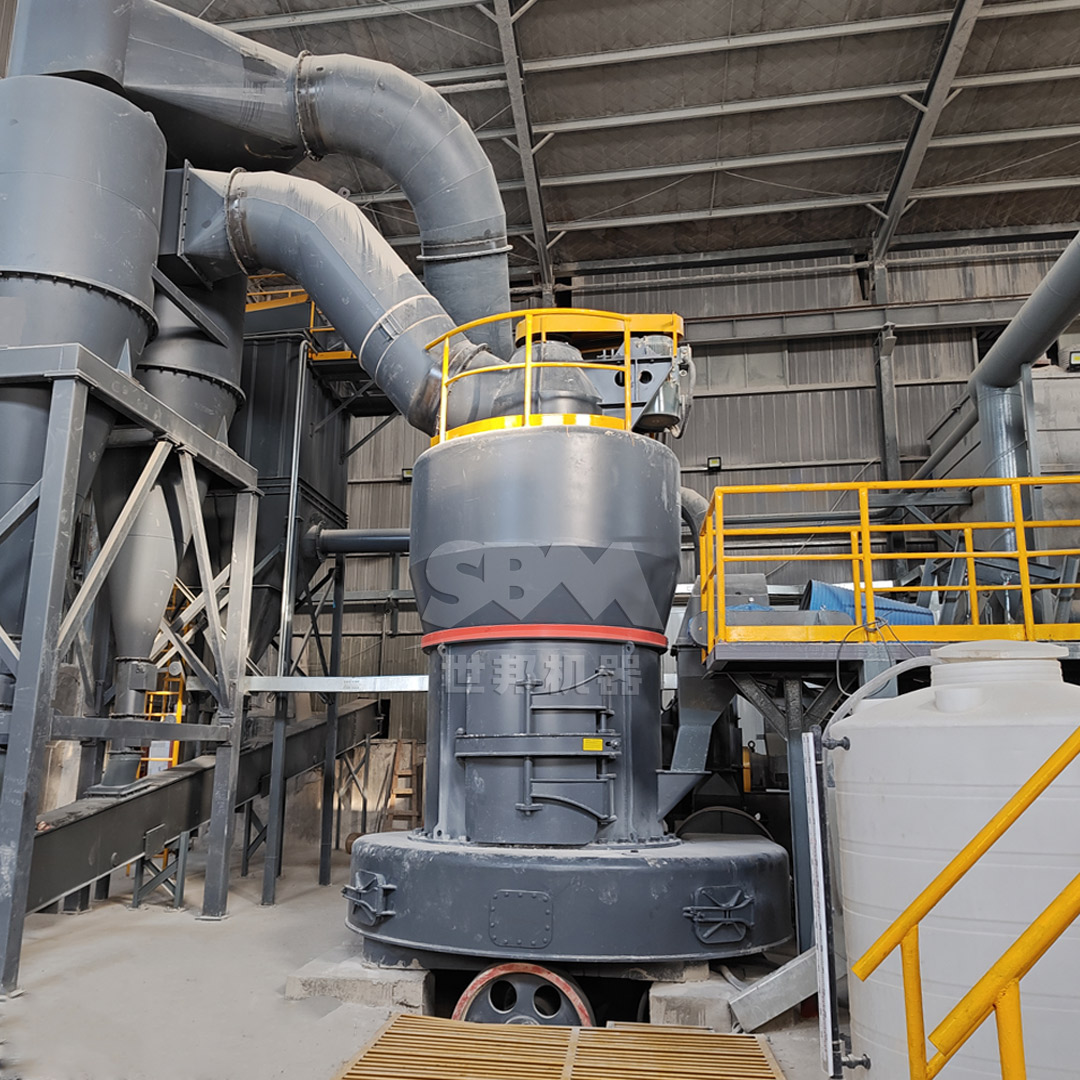
Beyond operational efficiency, vertical roller mills contribute significantly to the cement industry’s sustainability goals. Their reduced energy consumption directly translates to lower greenhouse gas emissions, with a typical VRM installation reducing CO2 emissions by 30-50% compared to traditional grinding systems. This environmental advantage is further enhanced by the mill’s ability to utilize waste heat from other process stages for drying purposes, improving overall plant thermal efficiency.
VRMs also demonstrate superior performance in processing alternative raw materials and secondary cementitious materials, supporting the industry’s transition toward more sustainable production practices. The precise control over particle size distribution enables optimized cement performance with higher substitution rates of supplementary cementitious materials, reducing the clinker factor and associated emissions.
Successful implementation of vertical roller mill technology requires attention to several operational aspects. Proper maintenance scheduling is critical, with recommended intervals for inspection and component replacement based on operating hours and material abrasiveness. Modern VRMs incorporate condition monitoring systems that facilitate predictive maintenance, but establishing comprehensive maintenance protocols remains essential for long-term reliability.
Operator training represents another crucial factor in maximizing VRM benefits. Unlike ball mills that are relatively straightforward to operate, VRMs require understanding of multiple interacting parameters including grinding pressure, classifier speed, gas flow, and material feed rate. Comprehensive training programs ensure operators can optimize mill performance and respond effectively to changing conditions.
Vertical roller mill technology represents a paradigm shift in cement grinding efficiency, offering substantial advantages in energy consumption, space utilization, operational flexibility, and environmental performance. The integration of grinding, drying, and classification functions within a single machine creates synergies that traditional ball mill systems cannot match. As the cement industry continues its pursuit of operational excellence and sustainability, VRMs will play an increasingly central role in grinding circuit design and optimization.
Our LM Series Vertical Roller Mill and MTW Series Trapezium Mill provide cement producers with advanced technological solutions that deliver tangible efficiency improvements and cost reductions. With continuous innovation in wear protection, control systems, and operational features, these mills represent the current state-of-the-art in cement grinding technology, positioning producers for success in an increasingly competitive and sustainability-focused market.