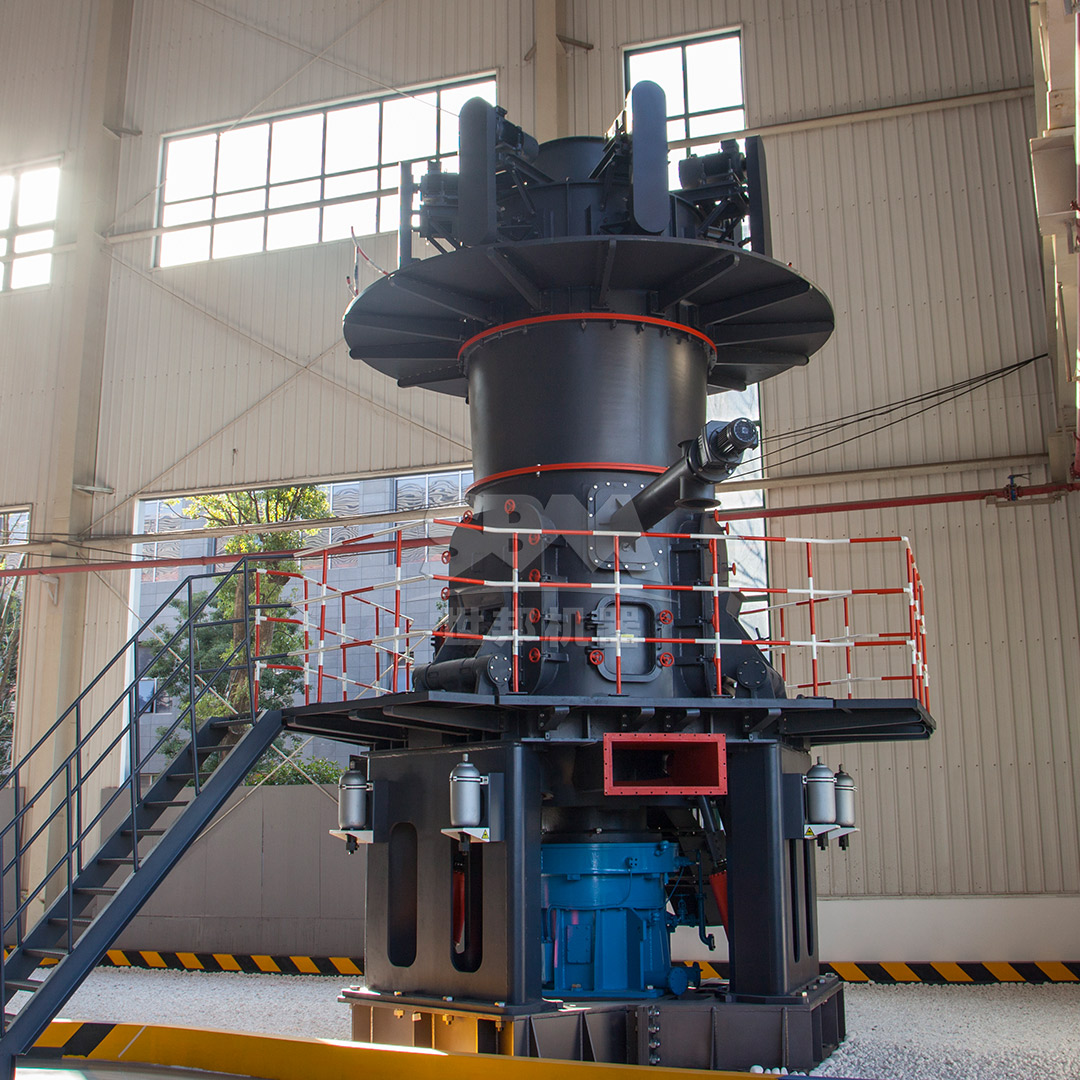
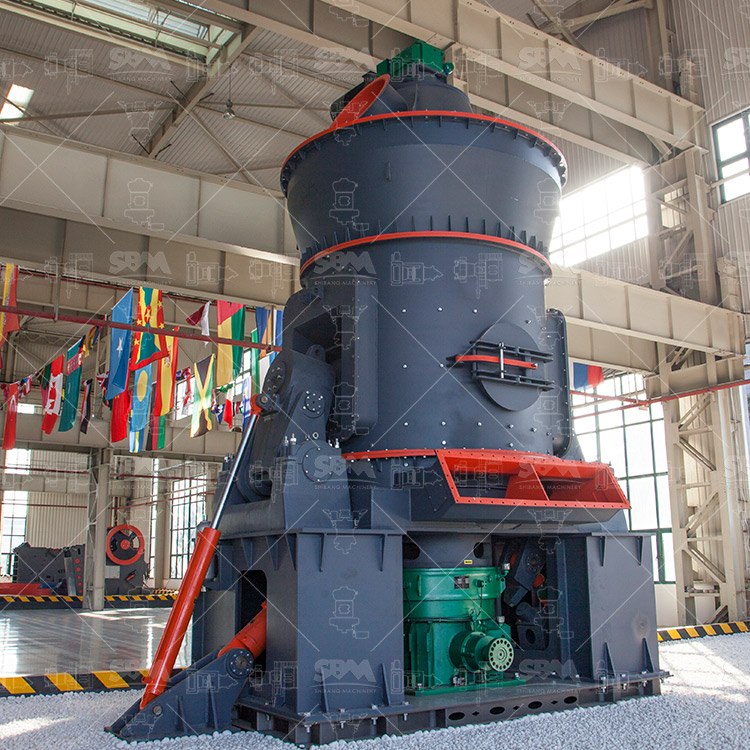
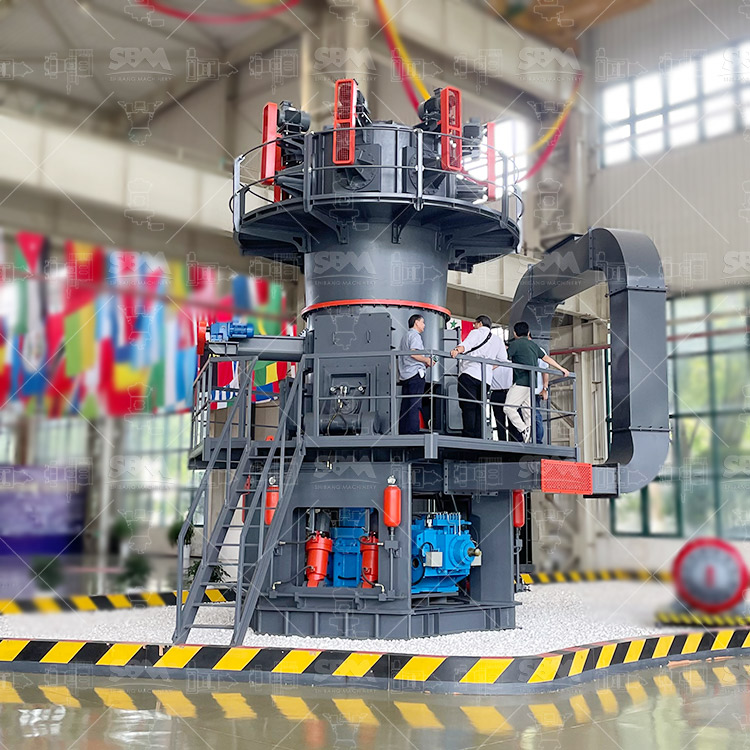
The grinding process is a critical operation in the production of construction materials, directly impacting product quality, production efficiency, and operational costs. Optimizing this process requires a comprehensive understanding of material characteristics, equipment selection, operational parameters, and technological advancements. This article explores key strategies for enhancing grinding efficiency while maintaining product consistency and minimizing environmental impact.
Before selecting grinding equipment, it’s essential to analyze the physical and chemical properties of the construction materials being processed. Key factors include:
| Material Type | Hardness (Mohs) | Recommended Grinding Approach | Special Considerations |
|---|---|---|---|
| Limestone | 3-4 | Medium-speed grinding | Minimal abrasion, high capacity |
| Quartz | 7 | High-pressure grinding | High wear resistance required |
| Clay | 1-2 | Low-impact grinding | Moisture control critical |
| Slag | 5-6 | Vertical roller milling | High fineness requirements |
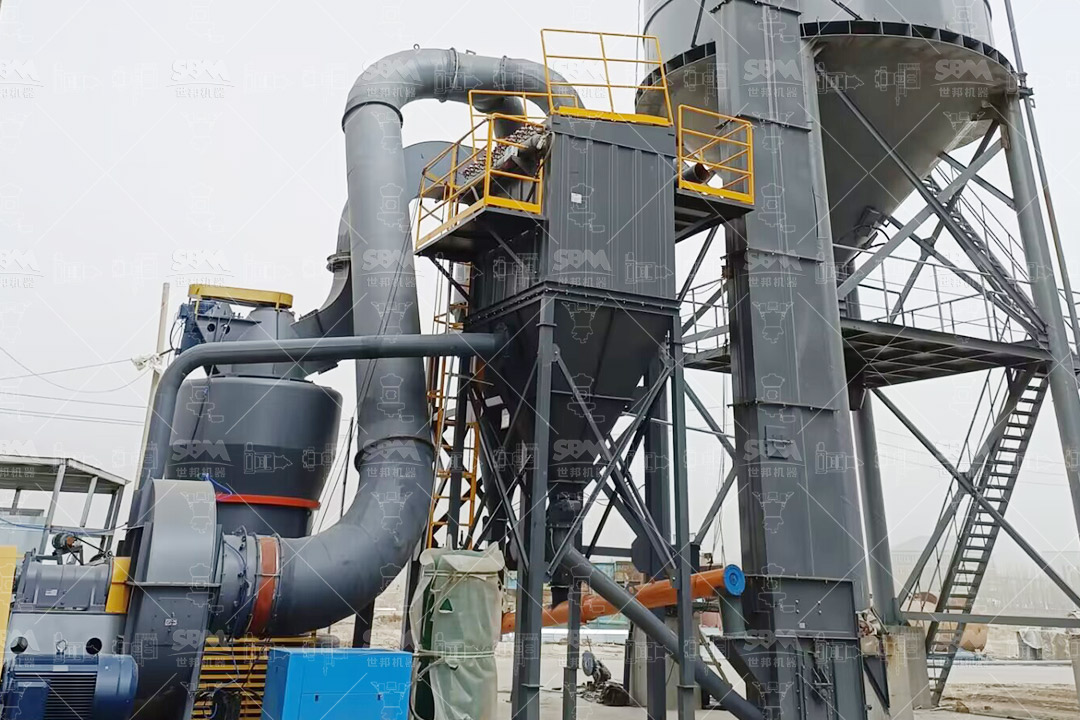
Choosing the right grinding equipment is paramount to process optimization. The selection should be based on production requirements, material characteristics, and economic considerations.
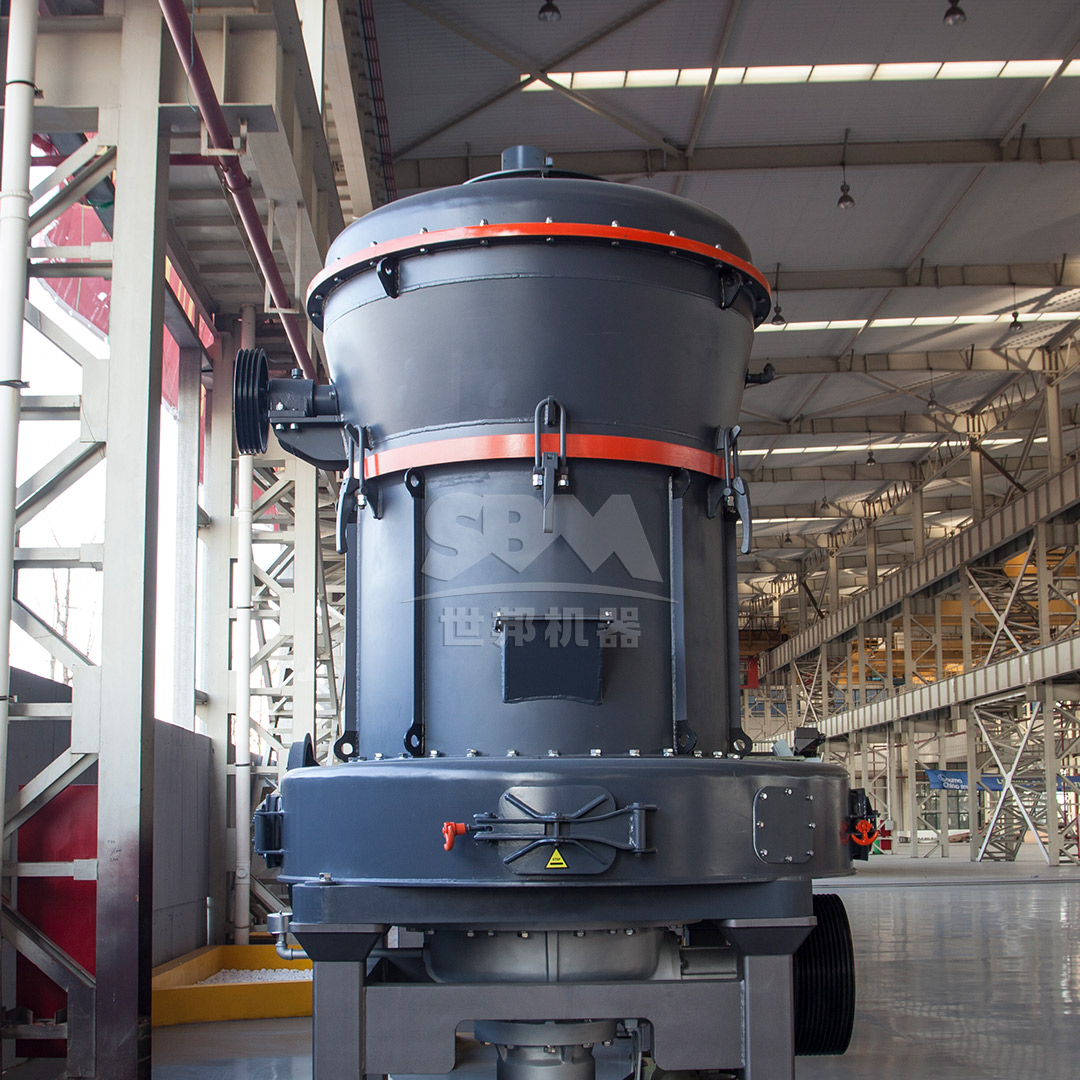
For construction materials requiring ultra-fine powders in the range of 325-2500 mesh (45-5μm), the SCM Series Ultrafine Mill represents an optimal solution. This advanced grinding system delivers exceptional performance through its innovative design:
The SCM series offers multiple configurations from SCM800 (0.5-4.5 ton/h) to SCM1680 (5.0-25 ton/h), providing scalability for various production requirements. Its working principle involves main motor-driven triple-layer grinding rings that create centrifugal force dispersing material to grinding paths, followed by roller pressing and layered grinding, with final powder collection through cyclone collectors and pulse dust removal systems.
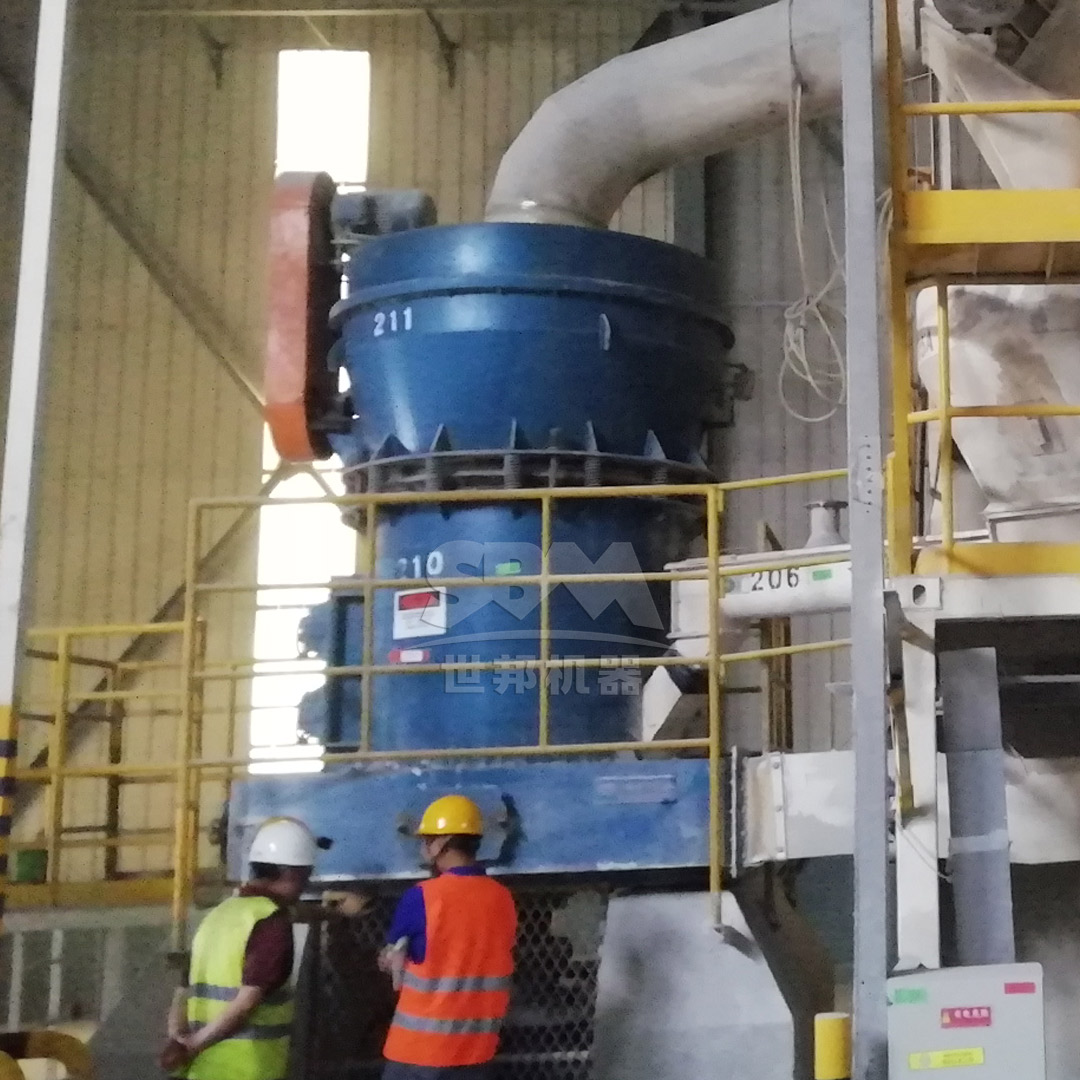
For applications requiring output in the 30-325 mesh range (600-45μm), the MTW Series Trapezium Mill offers superior performance with its European technical design:
The MTW series ranges from MTW110 (3-9 ton/h) to MRN218 (15-45 ton/h), accommodating diverse production scales. Its operation involves the main motor driving grinding rollers to revolve around the central axis while rotating themselves to generate centrifugal force, with shovels throwing material between grinding rings and rollers to form material layers for efficient crushing.
Beyond equipment selection, fine-tuning operational parameters significantly impacts grinding efficiency and product quality.
| Parameter | Optimization Strategy | Impact on Process | Monitoring Method |
|---|---|---|---|
| Feed Rate | Maintain consistent chamber loading | Prevents over/under grinding | Automated weighing systems |
| Classifier Speed | Adjust based on product fineness | Controls particle size distribution | Variable frequency drives |
| Grinding Pressure | Optimize for material hardness | Affects grinding efficiency and wear | Hydraulic pressure monitoring |
| Air Flow Rate | Balance transport and classification | Impacts product collection efficiency | Flow meters and pressure sensors |
Modern grinding systems incorporate intelligent control systems that automatically adjust operational parameters based on real-time feedback. For instance, the SCM Ultrafine Mill’s smart control system automatically regulates product particle size while optimizing energy usage. Implementing such systems can reduce overall energy consumption by 20-35% compared to conventional grinding operations.
The latest advancements in grinding technology focus on automation, precision control, and environmental sustainability.
Modern grinding equipment incorporates expert-level automatic control systems that support remote/local operation switching. Real-time monitoring of operational parameters reduces manual intervention while maintaining consistent product quality. The LM Series Vertical Roller Mill exemplifies this approach with its comprehensive automation capabilities.
Contemporary grinding systems address environmental concerns through multiple approaches:
Proper maintenance protocols significantly impact equipment longevity and operational efficiency.
Establish key performance indicators (KPIs) to track grinding efficiency:
A practical application of grinding optimization can be illustrated through a case study involving cement additive production. By replacing conventional ball mills with the SCM Ultrafine Mill for processing slag, a construction materials manufacturer achieved:
This transformation demonstrates how strategic equipment selection combined with process optimization can deliver substantial operational improvements.
The evolution of grinding technology continues to focus on efficiency, precision, and sustainability. Emerging trends include:
Optimizing grinding processes for construction materials requires a holistic approach encompassing proper equipment selection, precise operational control, proactive maintenance, and technological innovation. The SCM Ultrafine Mill and MTW Series Trapezium Mill represent cutting-edge solutions that address the diverse needs of modern construction material production. By implementing the strategies outlined in this article, producers can achieve significant improvements in product quality, operational efficiency, and environmental performance, ultimately enhancing their competitive position in the market.