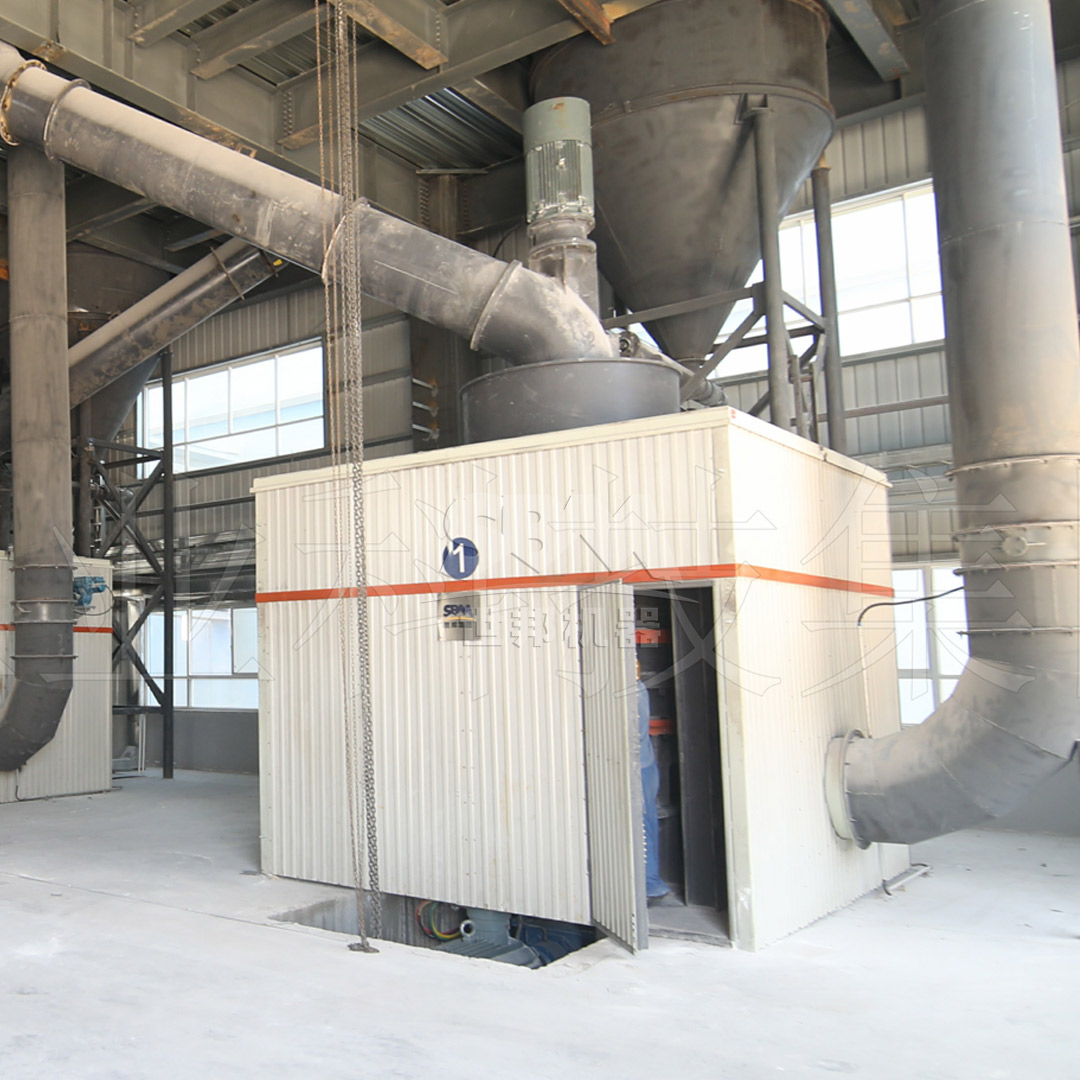
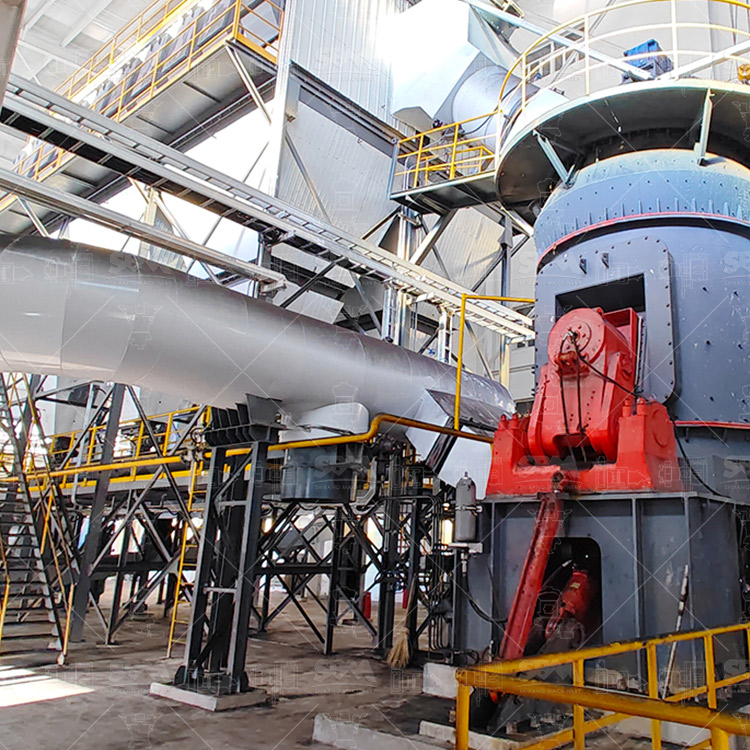
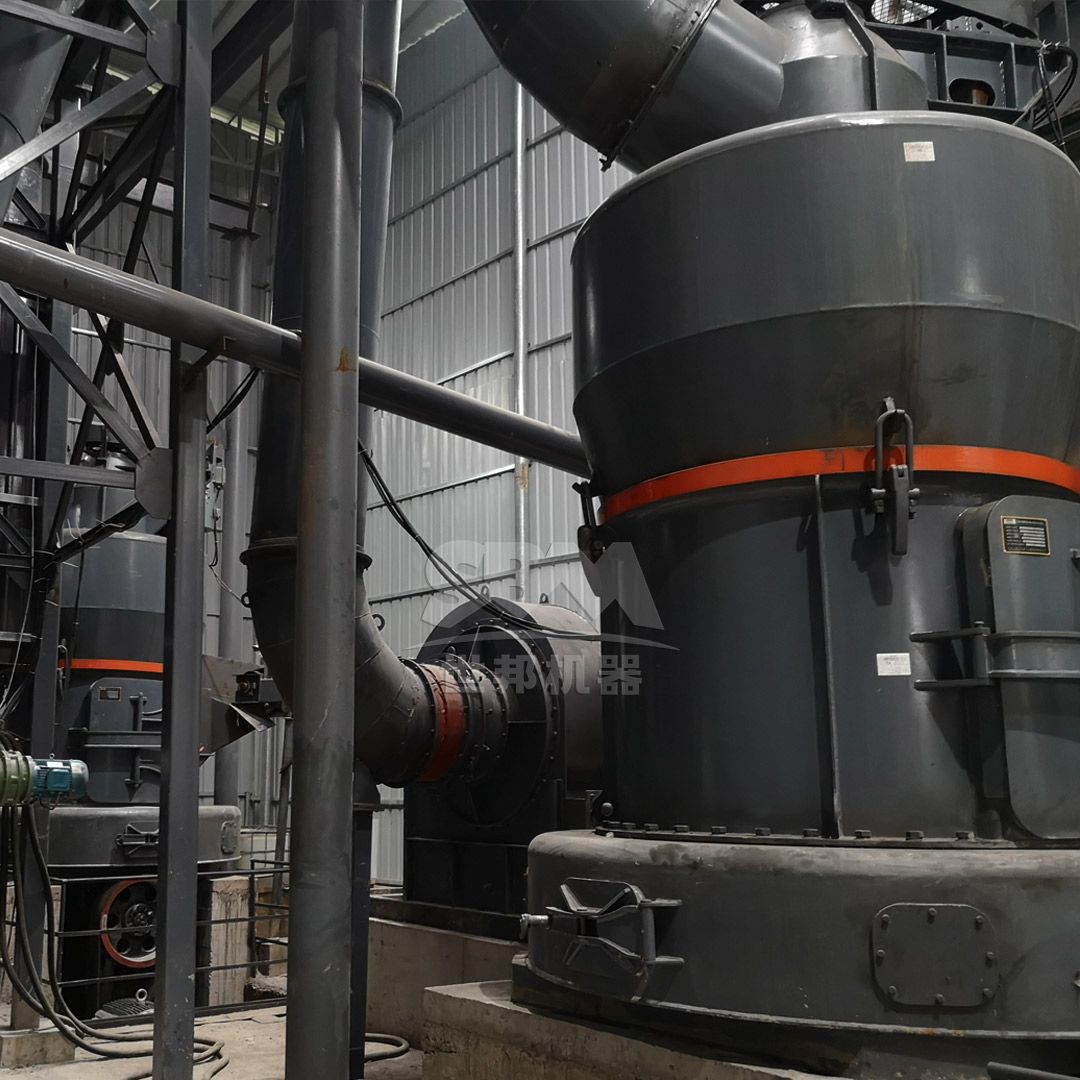
The gypsum industry relies heavily on efficient grinding technology to produce high-quality plaster, stucco, and other building materials. Selecting the right grinding mill is a critical decision that directly impacts production costs, product quality, and overall operational efficiency. The cost of a gypsum grinding mill is not merely its initial purchase price; it encompasses a complex interplay of capital investment, operational expenses, maintenance requirements, and technological capabilities. Understanding the factors that influence this cost is essential for making an informed investment that aligns with both production goals and budgetary constraints.
Gypsum, a soft sulfate mineral composed of calcium sulfate dihydrate, requires specific grinding characteristics to achieve the desired fineness for various applications. From construction plasters requiring coarse grinds to specialty applications needing ultra-fine powders, the grinding equipment must be precisely matched to the end-use requirements. This article provides a comprehensive analysis of the key factors affecting gypsum grinding mill costs, offering valuable insights for industry professionals seeking to optimize their grinding operations.
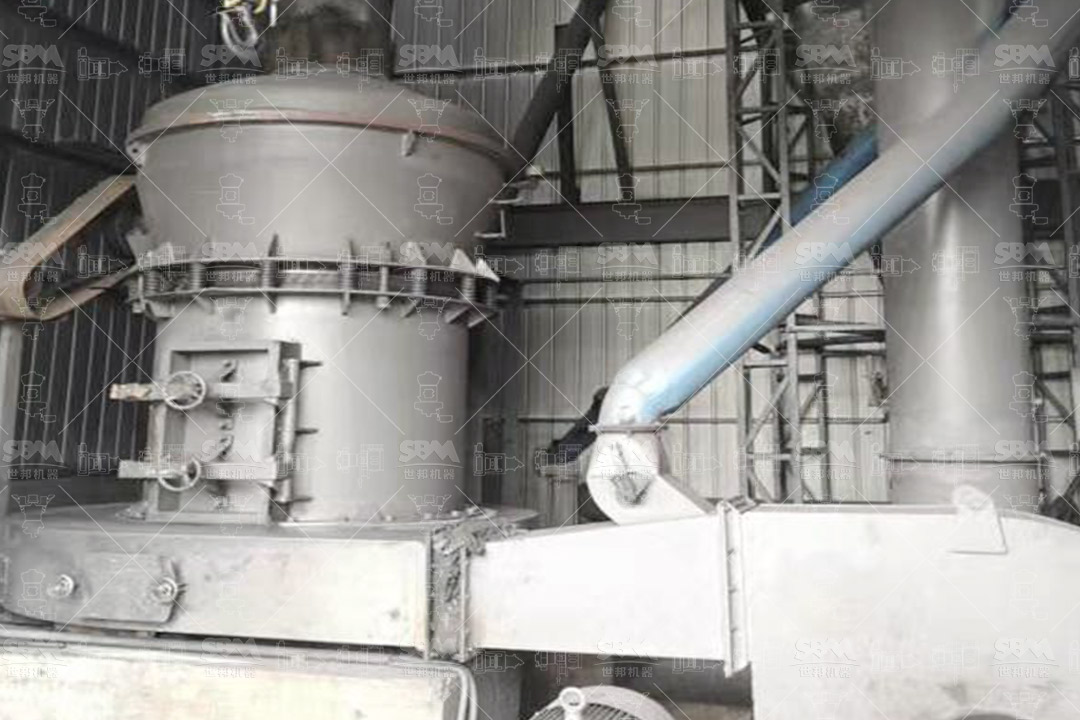
The fundamental technology behind a grinding mill represents the most significant cost determinant. Different mill types employ distinct grinding mechanisms that directly affect both initial investment and long-term operational expenses.
Ball Mills represent traditional technology with relatively lower initial costs but higher energy consumption per ton of processed material. Their simple design makes them accessible but limits efficiency for fine grinding applications. With capacities ranging from 0.65 to 450 tons per hour and output fineness between 0.074-0.8mm, ball mills suit operations prioritizing capacity over precision.
Vertical Roller Mills (VRM), such as the LM Series, offer significantly higher energy efficiency through their bed compression grinding principle. While requiring a higher initial investment, their lower power consumption (30-40% less than ball mills) and integrated drying capabilities provide substantial operational savings. The LM Series Vertical Roller Mills feature output fineness of 30-325 mesh (special models up to 600 mesh) with capacities from 3-250 tons per hour, making them ideal for large-scale gypsum processing operations.
Ultrafine Grinding Mills, including our SCM Ultrafine Mill, represent the premium segment with advanced classification systems capable of producing powders as fine as 5μm (2500 mesh). These mills incorporate sophisticated technologies like vertical turbine classifiers and intelligent control systems, resulting in higher initial costs but superior product quality and energy efficiency.
The required production capacity directly correlates with mill size, motor power, and consequently, cost. Manufacturers must carefully match mill capacity to both current and projected future needs to avoid either underutilization or bottlenecks.
| Capacity Range (t/h) | Recommended Mill Type | Typical Power Requirements | Cost Impact |
|---|---|---|---|
| 0.5-8 | SCM Series, Small MTM | 75-132 kW | Entry Level |
| 8-25 | MTW Series, Medium LM | 132-315 kW | Medium Investment |
| 25-100 | Large LM, MTW215G | 315-1250 kW | Significant Investment |
| 100+ | LM280K, LM340Y | 1250-3300 kW | Major Capital Project |
Our MTW Series Trapezium Mill offers an excellent balance between capacity and cost-effectiveness for medium to large gypsum processing operations. With capacities ranging from 3-45 tons per hour and output fineness of 30-325 mesh, this mill incorporates advanced features like curved air duct design and cone gear integral transmission that maximize efficiency while controlling costs. The MTW Series demonstrates how proper engineering can deliver high performance without excessive capital expenditure.
The target particle size distribution significantly impacts mill selection and cost structure. Coarser grinds for basic construction plasters (typically 30-100 mesh) can be achieved with simpler, less expensive equipment. However, specialized applications requiring fine (100-325 mesh) or ultra-fine (325-2500 mesh) powders demand advanced milling systems with precise classification technology.
For ultra-fine gypsum powders used in specialized applications, our SCM Ultrafine Mill provides exceptional value through its vertical turbine classification system that ensures precise particle size control from 325 to 2500 mesh (D97≤5μm). While representing a higher initial investment, its energy efficiency (30% lower consumption compared to jet mills) and production capacity (0.5-25 tons per hour depending on model) deliver excellent return on investment for high-value gypsum products.
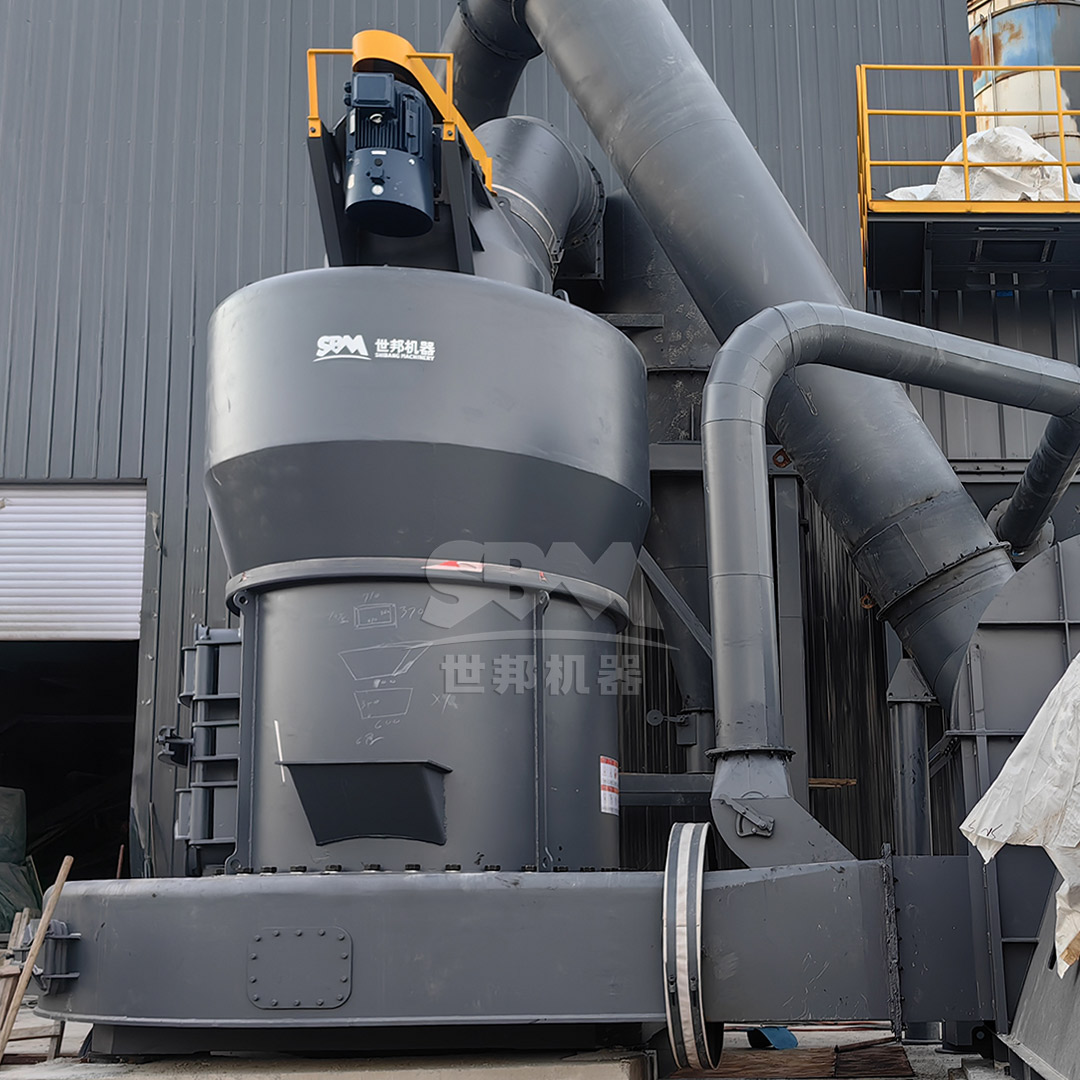
Energy costs typically represent 40-60% of the total operating expenses for grinding operations, making efficiency a critical cost factor. Modern grinding mills incorporate various technologies to minimize power consumption while maintaining output quality.
Key efficiency features to consider include:
The LM Series Vertical Roller Mills exemplify energy-efficient design with their integrated crushing/grinding/separating functions that reduce overall system power requirements. For operations processing 50+ tons per hour, these mills can save hundreds of thousands of dollars annually in energy costs compared to conventional technologies.
The construction materials and design of grinding components directly affect long-term operating costs through maintenance frequency, part replacement costs, and production downtime.
Critical wear components include:
Our grinding mills incorporate numerous innovations to minimize maintenance costs. The MTW Series features wear-resistant shovel blades with curved design that extend roller life, while the SCM Ultrafine Mill utilizes special material rollers and grinding rings that last several times longer than conventional components. These design features, though increasing initial cost, significantly reduce total cost of ownership through extended service intervals and reduced downtime.
The physical installation of a grinding mill involves substantial costs that must be factored into the total investment. These include foundation requirements, material handling systems, dust collection equipment, and electrical infrastructure.
Vertical roller mills typically offer installation advantages through their compact design and integrated systems. Our LM Series reduces footprint requirements by 50% compared to ball mill systems and can be installed outdoors in many cases, reducing civil construction costs by up to 40%. These savings can partially offset the higher equipment cost, making the total project investment more competitive.
The level of automation directly impacts both initial cost and long-term operational expenses. Basic manual controls minimize upfront investment but require more operator attention and are prone to inconsistent operation. Advanced automation systems, while adding to initial cost, deliver significant benefits through:
Our grinding mills offer varying levels of automation, from basic control panels to full expert automatic control systems with remote operation capabilities. The intelligent control system in our SCM Ultrafine Mill provides automatic feedback on product fineness, ensuring consistent quality while optimizing power consumption. For large-scale operations, these automation features typically pay for themselves within 12-18 months through reduced operating costs and improved product consistency.
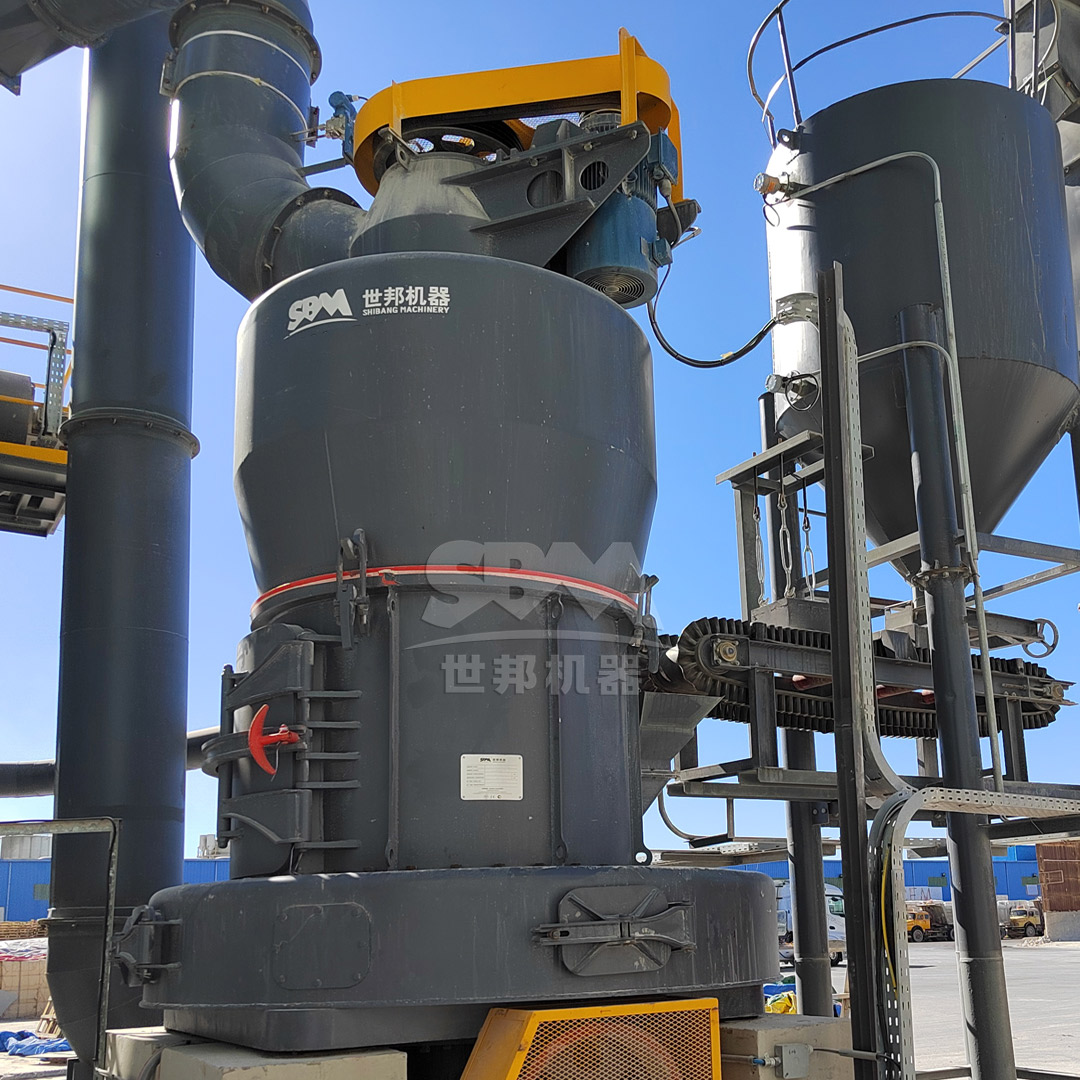
Modern environmental regulations require effective dust control systems that add to both equipment cost and operating expenses. Efficient pulse-jet dust collectors can capture 99.9% of particulate matter, but represent a significant component of the total system cost.
Our grinding mills incorporate advanced environmental protection features, including pulse dust collectors with efficiency exceeding international standards and fully sealed negative pressure operation that keeps dust emissions below 20mg/m³. While these systems increase initial investment, they eliminate potential regulatory compliance issues and associated fines.
Industrial noise regulations often require specific noise attenuation measures that impact mill design and cost. Sound insulation enclosures, vibration damping systems, and acoustic treatment of high-noise components all contribute to the total system cost.
Our mills feature comprehensive noise reduction technologies, with operational noise levels typically below 75-80dB(A). The MTM Series incorporates damping springs and sealing strips for dual noise reduction, while specialized resonance elimination technology prevents problematic vibration. These features, though adding to manufacturing cost, create a better working environment and ensure regulatory compliance.
When evaluating gypsum grinding mill costs, a comprehensive Total Cost of Ownership (TCO) analysis provides the most accurate financial picture. TCO encompasses:
| Cost Category | Ball Mill | Vertical Roller Mill | Ultrafine Mill |
|---|---|---|---|
| Initial Investment | Low | Medium-High | High |
| Energy Cost/ton | High | Low-Medium | Medium |
| Maintenance Cost/ton | Medium | Low | Low |
| Wear Parts Cost/ton | High | Low | Low-Medium |
| Labor Cost/ton | High | Low | Low |
| 3-Year TCO | Highest | Lowest | Medium |
This analysis typically reveals that while advanced mills like our MTW Series Trapezium Mill and LM Series Vertical Roller Mills require higher initial investment, they deliver lower total cost of ownership over a 3-5 year period. The energy savings, reduced maintenance requirements, and higher productivity more than compensate for the greater capital outlay.
Selecting the optimal gypsum grinding mill requires balancing multiple factors against specific operational requirements and budget constraints. Based on our extensive experience in gypsum processing, we recommend the following approach:
For operations requiring high capacity (25+ t/h) with standard fineness (30-325 mesh): The MTW Series Trapezium Mill offers an outstanding balance of performance, efficiency, and cost-effectiveness. With capacities up to 45 tons per hour and advanced features like curved air ducts and cone gear transmission, this mill delivers excellent return on investment while maintaining product quality.
For specialized applications requiring ultra-fine powders (325-2500 mesh): The SCM Ultrafine Mill provides unparalleled performance with its vertical turbine classification system and intelligent control. Despite higher initial cost, its energy efficiency (30% lower than jet mills) and precision grinding capabilities make it ideal for high-value gypsum products.
For large-scale integrated operations with diverse output requirements: The LM Series Vertical Roller Mills offer exceptional versatility with capacities up to 250 tons per hour and fineness ranges from 30-600 mesh. Their integrated design reduces footprint and installation costs while providing superior energy efficiency.
The cost of a gypsum grinding mill extends far beyond the initial purchase price, encompassing a complex matrix of technological capabilities, operational efficiencies, maintenance requirements, and environmental considerations. By carefully evaluating production requirements against total cost of ownership, manufacturers can select grinding equipment that delivers optimal value throughout its operational life.
Modern mill technologies, such as our SCM Ultrafine Mill for precision applications and MTW Series Trapezium Mill for high-capacity operations, demonstrate how advanced engineering can balance performance with economic viability. The key to successful mill selection lies in thorough analysis of both immediate and long-term requirements, ensuring that the chosen equipment supports production goals while controlling lifetime operating costs.
As gypsum applications continue to diversify and quality requirements become more stringent, investing in appropriate grinding technology becomes increasingly critical to maintaining competitive advantage. By understanding the factors influencing mill costs and selecting equipment based on comprehensive economic analysis, producers can optimize their operations for both quality and profitability.