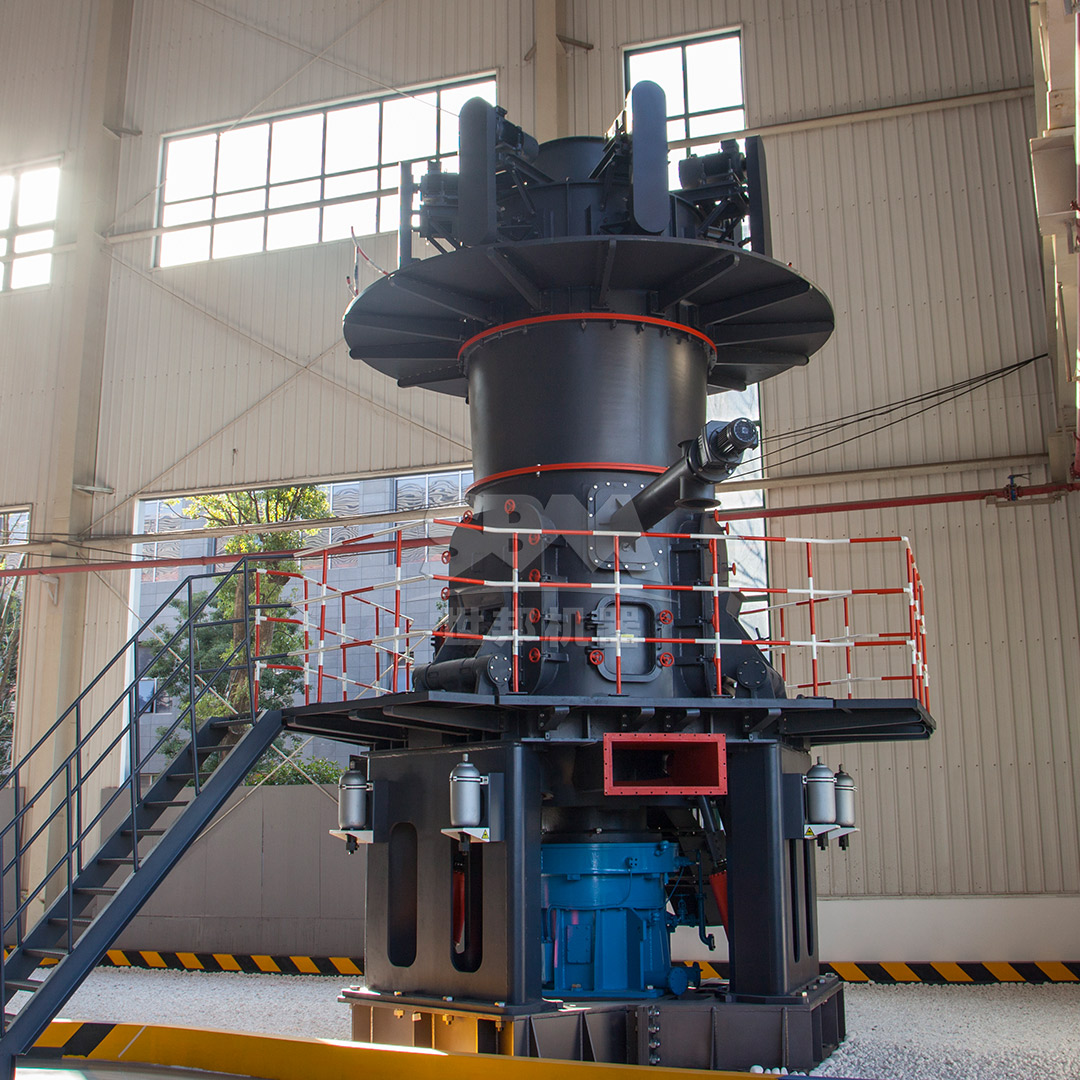
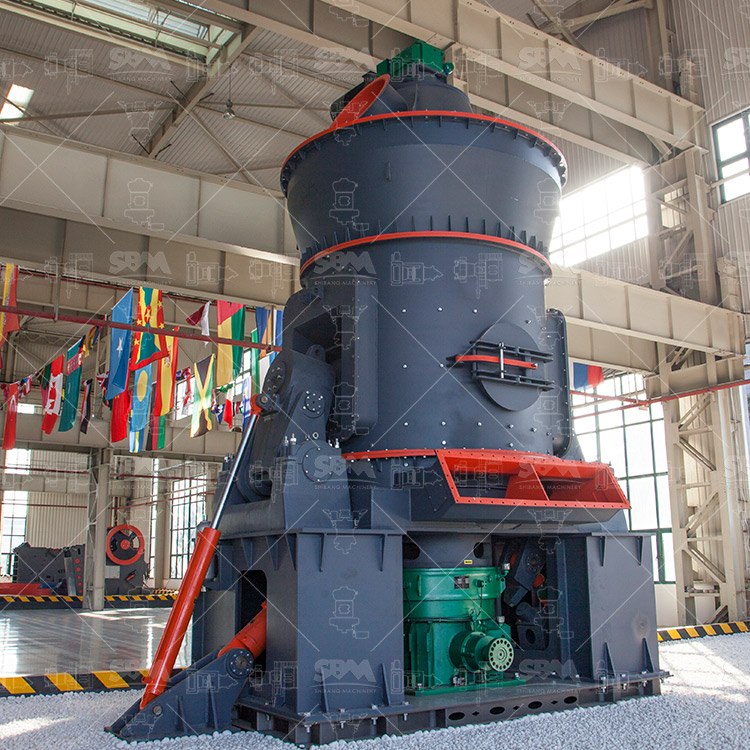
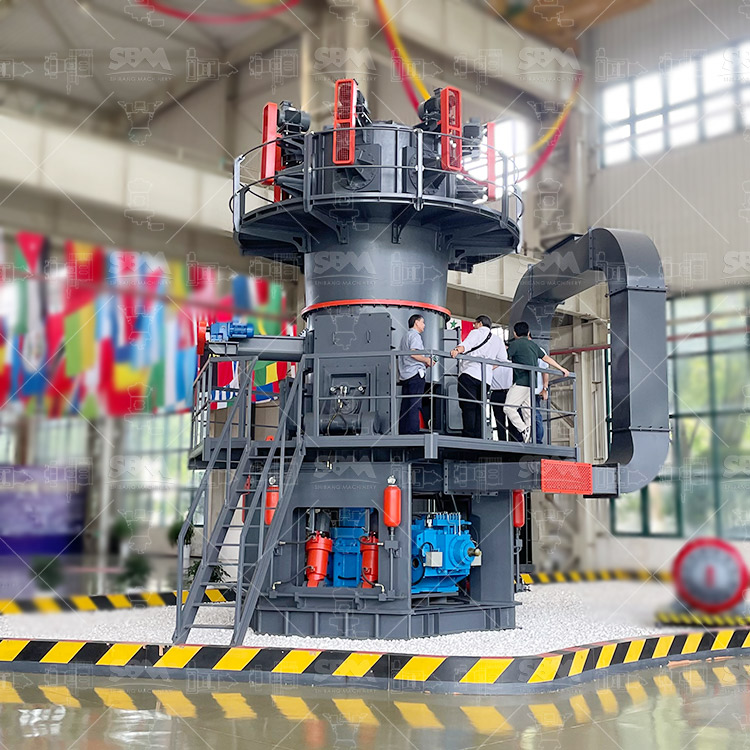
In the realm of industrial grinding and size reduction, two prominent technologies have emerged as leaders in their respective categories: pendulum roller mills and traditional pulverizers. While both serve the fundamental purpose of reducing particle size, their operational principles, efficiency metrics, and application suitability differ significantly. This comprehensive analysis explores the mechanical differences, operational advantages, and specific use cases for each technology, providing valuable insights for industries seeking optimal grinding solutions.
Pendulum roller mills employ a sophisticated mechanical system where grinding rollers are suspended from a crossbeam or \”pendulum\” assembly. These rollers swing outward due to centrifugal force as the main shaft rotates, creating a rolling and grinding action against a stationary grinding ring. The unique pendulum motion allows the rollers to maintain consistent pressure against the material bed while accommodating variations in feed size and hardness.
The grinding process begins with material feeding through a central inlet, where it falls onto the grinding table. As the table rotates, centrifugal force distributes the material outward toward the grinding path. The pendulum-mounted rollers then compress and shear the material against the grinding ring, with the resulting ground product carried by airflow to a classification system. Coarse particles are rejected back to the grinding zone for further processing, while fine product proceeds to collection.
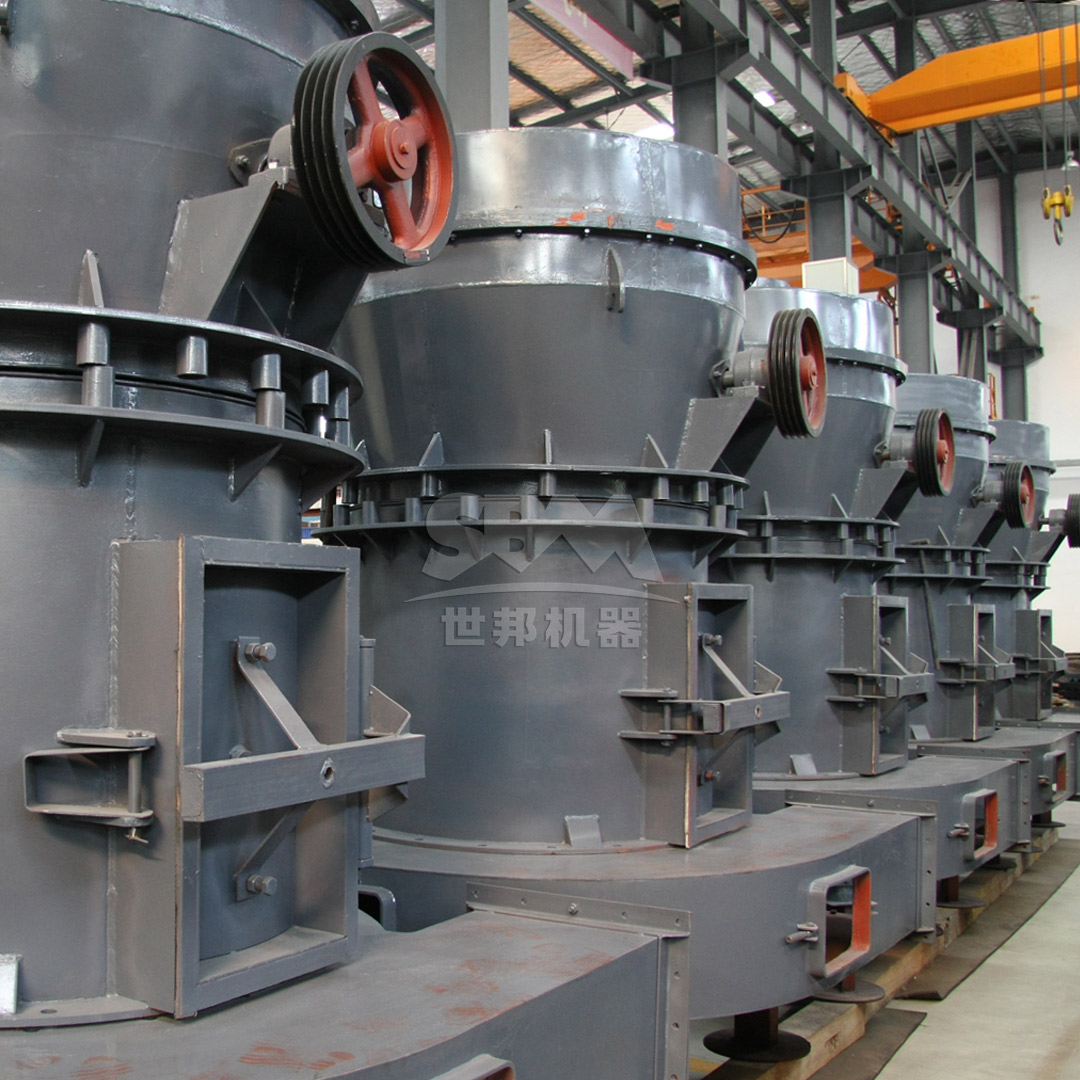
Traditional pulverizers, particularly ball mills and similar technologies, operate on the principle of impact and attrition. In a ball mill, the grinding chamber contains grinding media (typically steel balls) that are lifted by the rotation of the mill and cascade down onto the material, crushing it through impact. The material is ground through a combination of impact forces as the balls fall and attrition between particles and grinding surfaces.
In hammer mill pulverizers, high-speed rotating hammers impact the material against breaker plates, with particle size controlled by the clearance between hammers and screens. Unlike pendulum mills that utilize a bed compression principle, traditional pulverizers rely primarily on direct impact forces, which can result in higher energy consumption and wider particle size distributions without sophisticated classification systems.
| Performance Metric | Pendulum Roller Mill | Traditional Pulverizer |
|---|---|---|
| Energy Efficiency | High (30-50% lower energy consumption) | Moderate to Low |
| Particle Size Control | Precise (narrow distribution) | Broad distribution |
| Wear Part Life | Extended (special alloy materials) | Standard |
| Noise Level | Low (≤75dB) | High (≥85dB) |
| Footprint | Compact | Larger footprint |
| Dust Control | Integrated pulse dust collection | Often requires external systems |
Contemporary pendulum roller mills incorporate multiple technological advancements that significantly improve grinding efficiency. The pendulum suspension system allows rollers to maintain optimal contact pressure with the material bed, automatically adjusting to feed variations. This consistent grinding pressure, combined with the material bed compression principle, results in more efficient size reduction compared to the random impact events in traditional pulverizers.
Modern pendulum mills integrate high-efficiency classifiers that provide precise particle size control. These classifiers, often utilizing vertical turbine designs, enable sharp cuts in the particle size distribution curve. The result is a consistently uniform product with minimal oversize particles, a significant advantage over traditional pulverizers that typically produce broader size distributions without additional classification equipment.
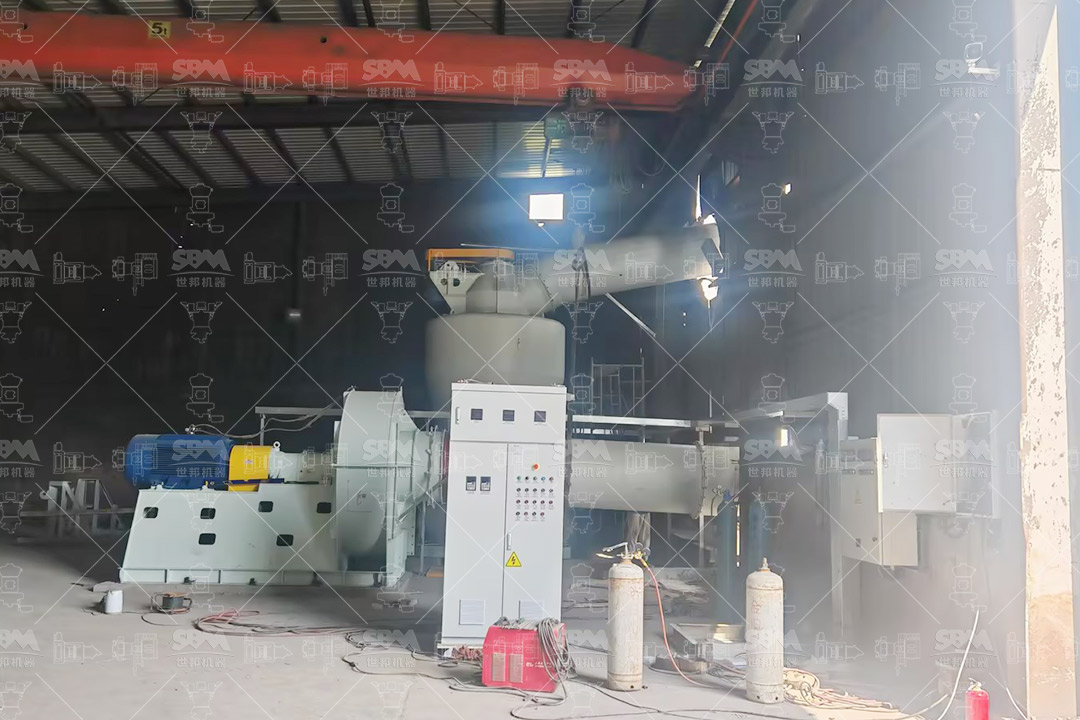
The design of pendulum roller mills incorporates durability features that extend operational life and reduce maintenance requirements. Critical wear components like grinding rollers and rings are manufactured from special alloy materials that withstand abrasive environments. The pendulum assembly distributes forces evenly across multiple mounting points, reducing stress concentrations that lead to fatigue failures common in traditional pulverizers.
Pendulum roller mills excel in applications requiring precise particle size control and high efficiency. They are particularly well-suited for processing medium-hard to hard materials including limestone, dolomite, marble, barite, and phosphate rock. Industries that benefit most from pendulum mill technology include construction materials (cement raw meal and additives), chemical processing (fillers and pigments), and agricultural minerals (soil amendments).
Traditional pulverizers remain relevant for specific applications where impact grinding provides advantages. Ball mills continue to be used in mineral processing for ore grinding where the impact action assists in liberating valuable minerals. Hammer mills find application in biomass processing and waste recycling where fibrous or tough materials benefit from the cutting and impact action. However, for most standard grinding applications, pendulum mills offer superior efficiency and control.
For operations requiring ultrafine grinding capabilities, our SCM Series Ultrafine Mill represents the pinnacle of pendulum roller mill technology. Capable of producing powders in the range of 325-2500 mesh (D97≤5μm), this advanced system incorporates multiple technological innovations including a vertical turbine classifier for precise particle size control and an intelligent control system that automatically maintains optimal grinding conditions.
The SCM Series delivers remarkable energy efficiency, with capacity twice that of jet mills while reducing energy consumption by 30%. Its unique grinding chamber design eliminates bearing screws, enhancing operational stability and reducing maintenance requirements. With models ranging from the SCM800 (0.5-4.5 ton/h capacity) to the SCM1680 (5.0-25 ton/h capacity), this series provides solutions for operations of all scales while maintaining exceptional product quality and operational economy.
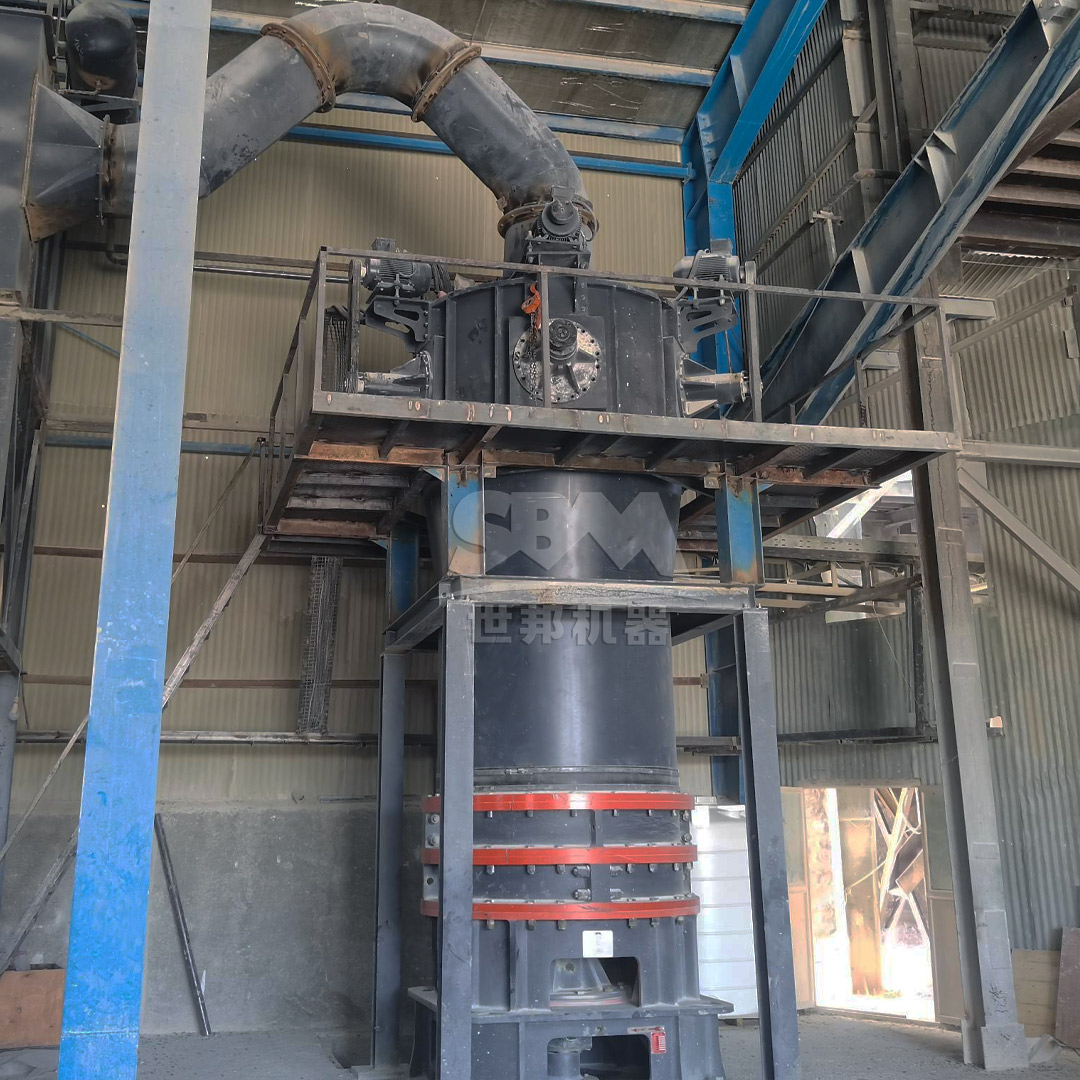
For general industrial grinding applications requiring high capacity and reliability, our MTW Series Trapezium Mill offers an optimal balance of performance and economy. This advanced pendulum mill features innovative design elements including curved air channels that reduce energy loss, combined blade systems that lower maintenance costs, and cone gear integral transmission achieving 98% transmission efficiency.
The MTW Series processes materials with input sizes up to 50mm, producing powders from 30-325 mesh with capacities ranging from 3-45 tons per hour depending on model selection. Its wear-resistant volute structure and internal oil lubrication system ensure long service life with minimal maintenance interventions. With multiple models including the MTW110 (3-9 ton/h) through MTW215G (15-45 ton/h), this series provides versatile solutions for diverse industrial grinding requirements.
When evaluating grinding technologies, the total cost of ownership extends beyond initial equipment investment. Pendulum roller mills typically demonstrate lower operating costs due to reduced energy consumption, extended wear part life, and minimal maintenance requirements. The energy savings alone often justify the transition from traditional pulverizers, with pendulum mills consuming 30-50% less power for equivalent output.
Modern pendulum mills incorporate comprehensive environmental protection features including integrated pulse dust collection systems that exceed international emission standards. Their enclosed design and negative pressure operation prevent dust escape, while advanced noise reduction technologies maintain operational noise below 75dB. These features simplify regulatory compliance and create safer working environments compared to traditional pulverizers that often require additional environmental control systems.
The evolution of grinding technology continues to focus on energy efficiency, digitalization, and sustainability. Pendulum roller mills are increasingly incorporating IoT capabilities for remote monitoring and predictive maintenance. Advanced control systems utilizing artificial intelligence optimize grinding parameters in real-time, further enhancing efficiency and product consistency. Hybrid systems that combine multiple grinding principles are emerging, offering the benefits of different technologies within single integrated platforms.
As industries face increasing pressure to reduce carbon footprints and improve resource efficiency, pendulum roller mills are positioned as the technology of choice for future grinding applications. Their inherent efficiency advantages, combined with ongoing technological innovations, ensure they will continue to displace traditional pulverizers across an expanding range of industrial sectors.
The comparison between pendulum roller mills and traditional pulverizers reveals clear advantages for pendulum technology across most industrial grinding applications. With superior energy efficiency, precise particle size control, reduced maintenance requirements, and comprehensive environmental protection, pendulum mills represent the modern standard for industrial size reduction. While traditional pulverizers maintain relevance for specific applications, the operational and economic benefits of pendulum roller mills make them the preferred choice for forward-thinking operations seeking to optimize their grinding processes.
For operations considering new grinding equipment or upgrades to existing systems, pendulum roller mills offer a future-proof solution that delivers immediate operational benefits while positioning facilities for long-term competitiveness. The advanced technologies incorporated in modern pendulum mills, such as those found in our SCM Series Ultrafine Mill and MTW Series Trapezium Mill, provide tangible performance advantages that translate directly to improved profitability and sustainability.