The cement manufacturing process relies heavily on the efficient grinding of clinker to produce high-quality cement with desired properties. While much attention has been given to chemical composition and grinding equipment, the impact of clinker particle shape on both grinding efficiency and final cement quality represents a critical but often overlooked factor. The morphological characteristics of clinker particles significantly influence energy consumption during comminution, hydration kinetics, and ultimately the performance characteristics of the finished cement product.
Understanding these relationships enables cement producers to optimize their grinding circuits for both economic and quality objectives. This article examines how clinker particle shape affects the grinding process, explores the implications for cement performance, and discusses technological solutions for optimizing particle morphology throughout the production chain.
Clinker particles exhibit considerable variation in shape characteristics depending on the production method, cooling rate, and chemical composition. These morphological attributes can be quantitatively described through several key parameters:
| Shape Parameter | Description | Impact on Grinding | Impact on Cement Quality |
|---|---|---|---|
| Sphericity | Degree to which particle approaches spherical form | Higher sphericity reduces grinding energy | Improves particle packing density |
| Roundness | Smoothness of particle edges and corners | Rounded particles require less energy | Enhances workability of fresh concrete |
| Aspect Ratio | Ratio of longest to shortest dimension | High aspect ratio increases grinding resistance | Affects rheological properties |
| Surface Texture | Roughness and micro-features on surface | Rough surfaces increase interparticle friction | Influences early hydration behavior |
The formation of clinker particle shape begins in the kiln, where the sintering process creates complex mineral phases. The cooling rate significantly influences crystallization patterns, with rapid cooling typically producing more irregular, angular particles. These morphological characteristics persist through the grinding process and ultimately affect how particles pack together in cement paste and concrete.
The relationship between clinker particle shape and grinding energy requirements follows fundamental principles of comminution science. Angular particles with sharp edges and high aspect ratios require significantly more energy to reduce to target fineness compared to rounded, equidimensional particles. This phenomenon occurs because angular particles tend to have higher fracture toughness and create more interparticle friction within the grinding chamber.
Research indicates that clinker with spherical particle morphology can reduce specific grinding energy by 15-25% compared to highly angular material. The mechanism behind this efficiency gain lies in the stress distribution during compression – spherical particles transmit forces more uniformly, leading to cleaner fracture patterns with less energy dissipation.
Particle shape directly influences mill performance parameters including throughput, residence time, and classification efficiency. Rounded particles flow more readily through grinding chambers, reducing bottlenecks and improving material transport. This enhanced flow characteristic is particularly beneficial in vertical roller mills where material bed stability is crucial for efficient operation.
Angular particles, in contrast, tend to increase mill vibration and can lead to unstable grinding conditions. The irregular shapes create uneven loading on grinding elements, accelerating wear and potentially causing mechanical issues. Additionally, the increased interparticle locking of angular materials can reduce classification efficiency, leading to overgrinding of some particles while others remain coarse.
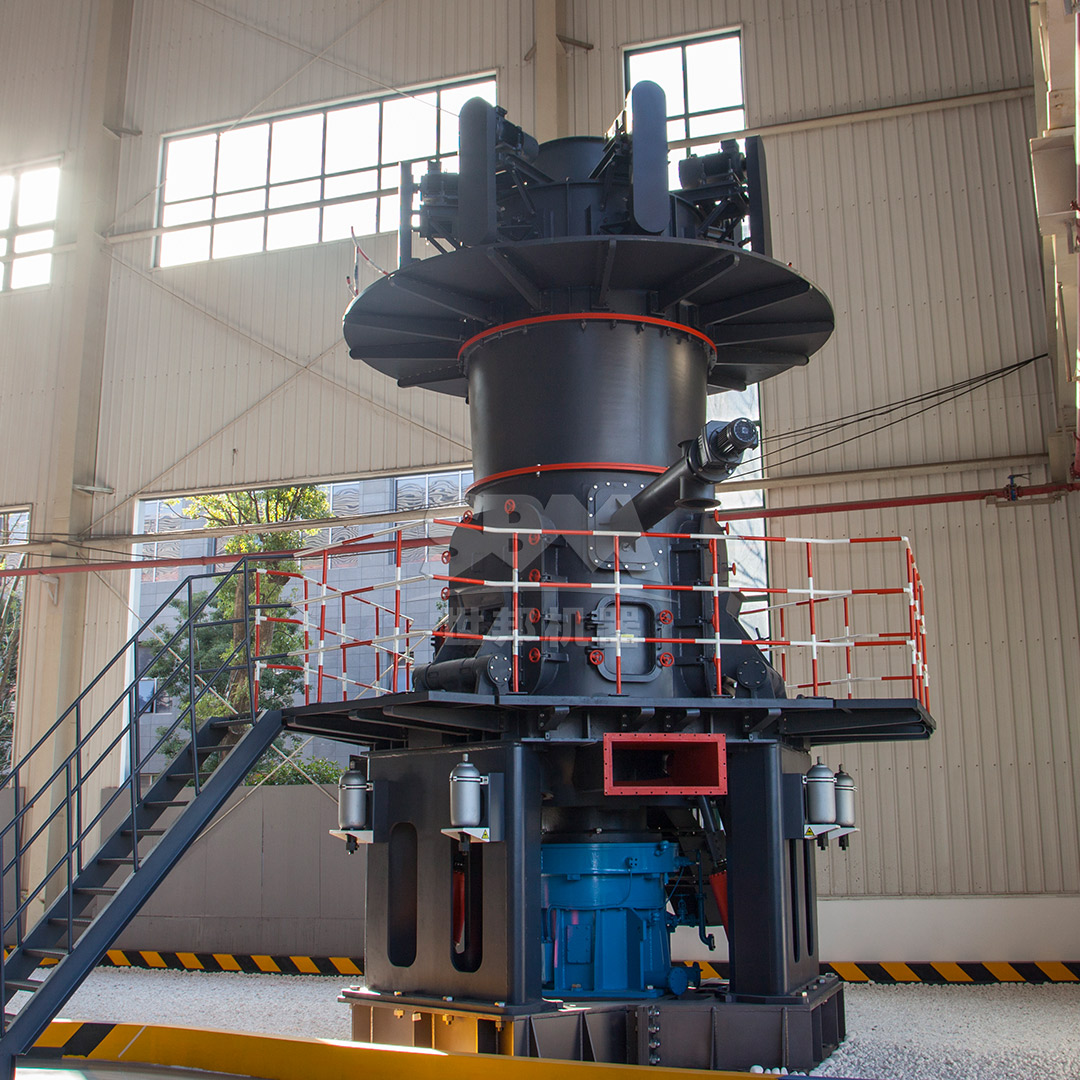
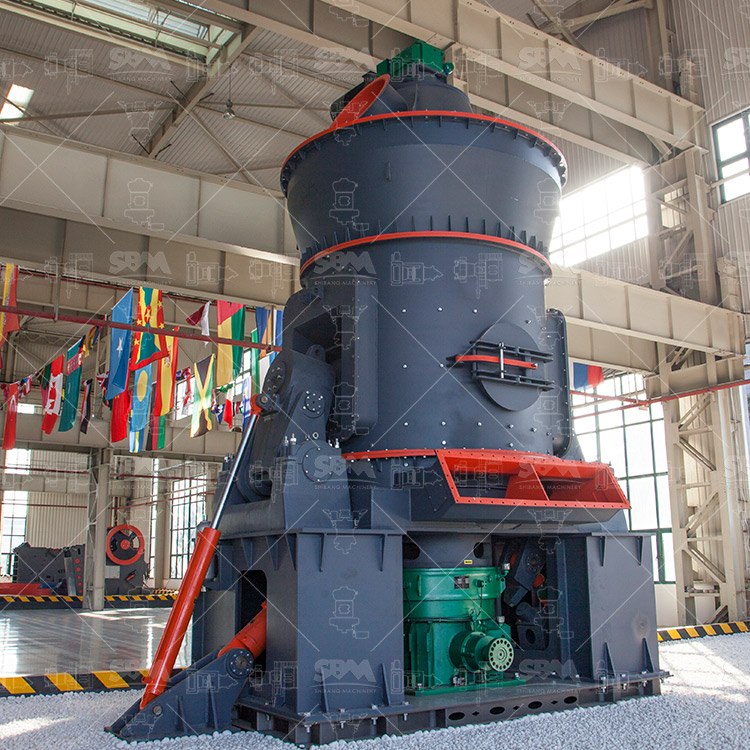
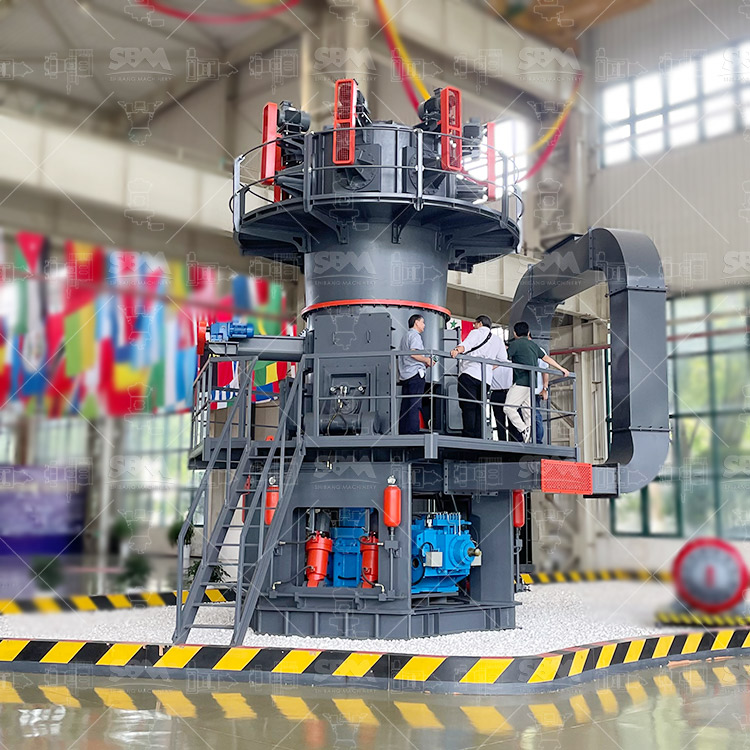
Modern grinding technology offers sophisticated solutions for managing clinker particle shape throughout the comminution process. Our LM Series Vertical Roller Mill represents a significant advancement in this regard, featuring specialized grinding geometry that promotes favorable particle morphology while maintaining high efficiency.
The LM series employs a unique grinding curve design that applies compressive forces in a manner that produces more equidimensional particles with controlled surface texture. The integrated dynamic classifier allows precise control over particle size distribution while minimizing the production of extreme aspect ratios. With output fineness ranging from 30-325 mesh (special models to 600 mesh) and capacity from 3-250 tons/hour depending on configuration, these mills provide exceptional flexibility for cement producers seeking to optimize both efficiency and product quality.
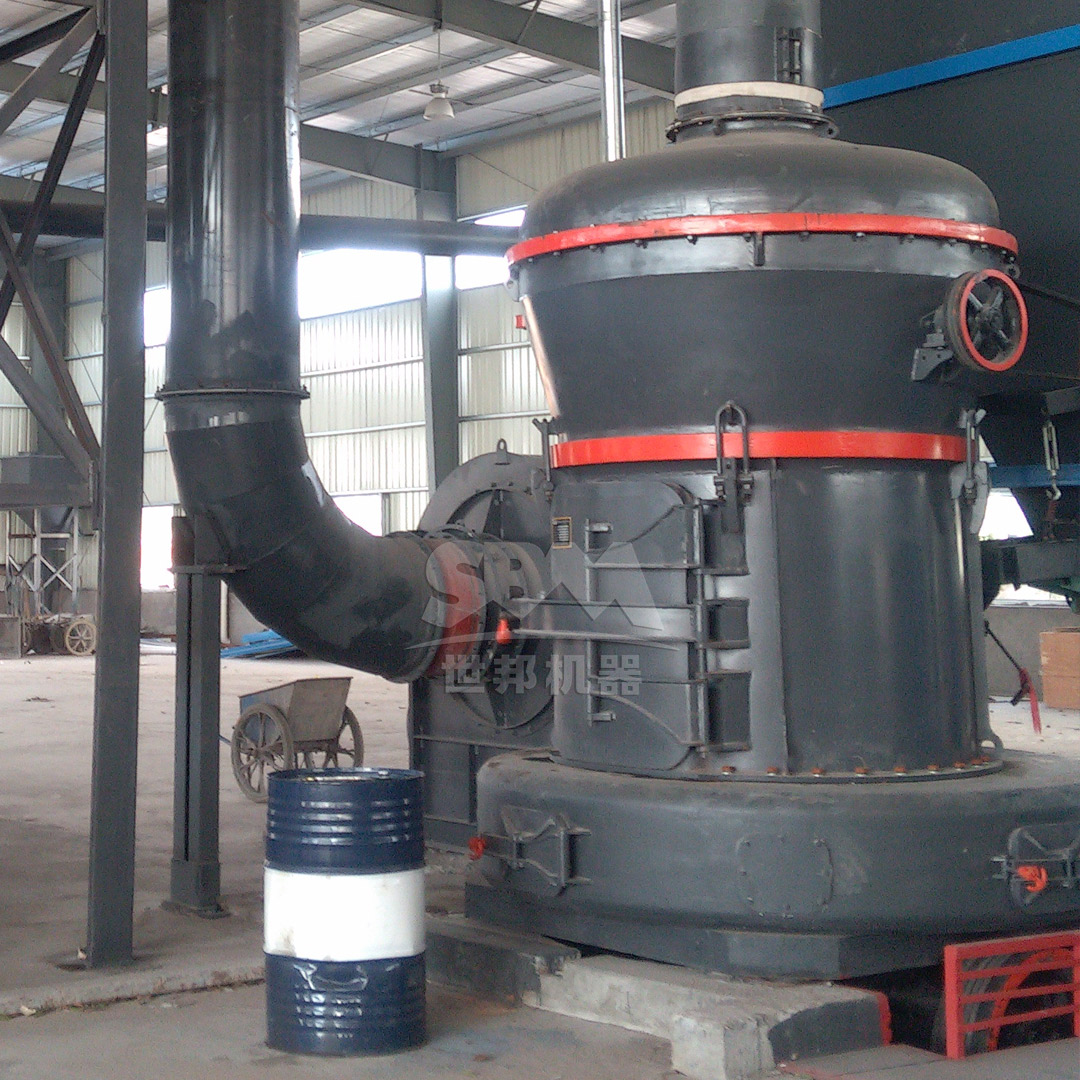
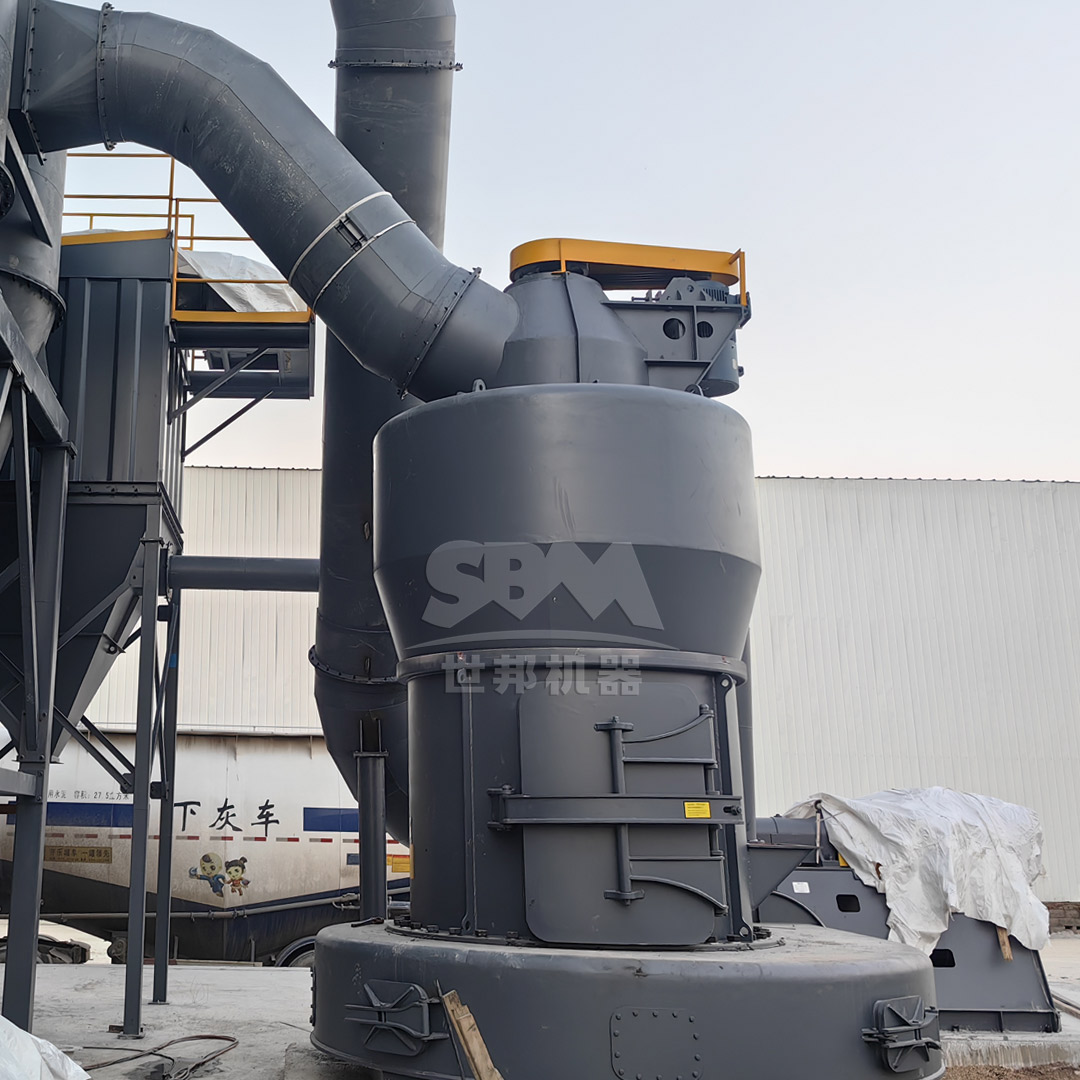
For applications requiring ultra-fine cement products with tightly controlled particle morphology, our SCM Series Ultrafine Mill delivers exceptional performance. This system combines high-precision grinding with advanced classification technology to produce cement with D97 ≤ 5μm while maintaining favorable particle shape characteristics.
The SCM mill’s vertical turbine classifier ensures precise cut points, eliminating coarse particle contamination that can disrupt particle packing in cement paste. The special material grinding rollers and rings provide consistent performance over extended operating periods, maintaining the designed particle morphology throughout the wear cycle. With capacity ranging from 0.5-25 tons/hour and the ability to produce material from 325-2500 mesh, this equipment is ideally suited for specialty cement applications where particle shape significantly influences end-product performance.
Clinker particle shape exerts a profound influence on cement hydration kinetics and microstructure development. Spherical particles with smooth surfaces demonstrate reduced water demand for standard consistency while providing more uniform hydration product distribution. The improved particle packing reduces capillary porosity and enhances mechanical strength development, particularly at early ages.
Angular particles, while sometimes providing slightly higher early strength due to increased surface area, often lead to less optimal microstructure with higher permeability. The irregular shapes create localized stress concentrations in hydrated cement paste, potentially compromising long-term durability in aggressive environments.
The workability of cement paste and concrete is significantly affected by particle morphology. Rounded particles roll more easily past one another, reducing interparticle friction and lowering viscosity at a given water-cement ratio. This characteristic translates to improved workability, reduced water demand, or opportunities for water reduction while maintaining placement characteristics.
| Particle Shape Characteristic | Effect on Fresh Concrete | Effect on Hardened Concrete | Recommended Application |
|---|---|---|---|
| High Sphericity | Excellent workability, reduced water demand | Higher strength, lower permeability | High-performance concrete, self-consolidating concrete |
| Moderate Angularity | Good cohesion, reduced segregation | Good early strength, slightly higher permeability | Conventional structural concrete |
| High Angularity with Rough Texture | High water demand, poor workability | Excellent aggregate bond, potential durability concerns | Special applications requiring extreme bond strength |
Successful management of clinker particle shape requires an integrated approach spanning the entire production process. Beginning with raw material selection and kiln operation parameters, producers can influence the fundamental characteristics of clinker before it ever reaches the grinding circuit. Cooling rate optimization represents a particularly powerful lever for controlling crystallization patterns and resultant particle morphology.
In the grinding circuit, equipment selection and operating parameters should be coordinated to produce the optimal particle shape for the intended cement application. Our technical team recommends comprehensive particle morphology analysis as part of cement quality control, moving beyond traditional Blaine fineness measurements to include shape parameter quantification.
When selecting grinding equipment for clinker processing, consider not only capacity and energy efficiency but also the system’s ability to produce desirable particle morphology. Vertical roller mills generally produce slightly more rounded particles with narrower size distribution compared to ball mills. For specialized applications requiring extreme control over particle shape, combined grinding systems may provide the optimal solution.
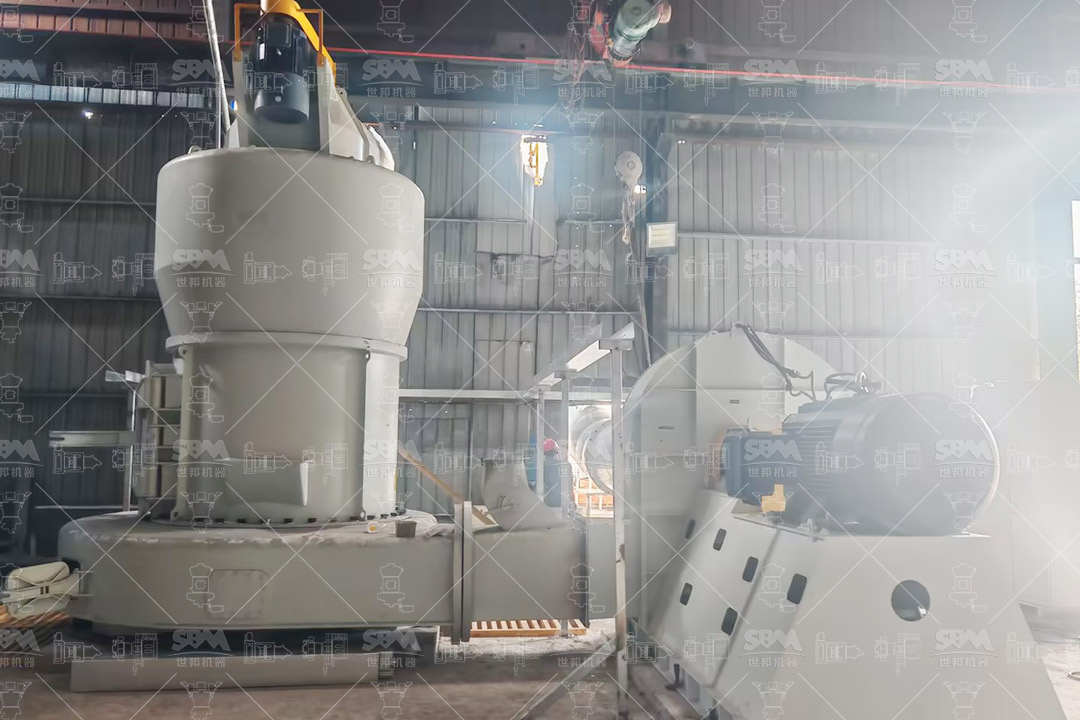
The LM Series Vertical Roller Mill offers particular advantages for producers seeking to optimize particle morphology while maintaining high throughput. The inherent grinding mechanism promotes particle rounding while the integrated classification system prevents the retention of extreme aspect ratio particles in the product. With capacity up to 250 tons/hour and the ability to produce cement with fineness from 30-325 mesh (special models to 600 mesh), this equipment represents a comprehensive solution for modern cement production.
Clinker particle shape represents a critical parameter influencing both grinding efficiency and cement quality. The morphological characteristics developed during clinker production persist through the grinding process and ultimately determine key performance attributes of the finished cement product. By understanding these relationships and implementing appropriate technological solutions, cement producers can achieve significant improvements in energy efficiency, production capacity, and product performance.
Modern grinding equipment, particularly advanced vertical roller mills like our LM Series and specialized ultrafine mills such as the SCM Series, provide powerful tools for optimizing particle morphology throughout the comminution process. Through careful equipment selection and process optimization, cement producers can harness the benefits of favorable particle shape to create superior products while reducing production costs and environmental impact.