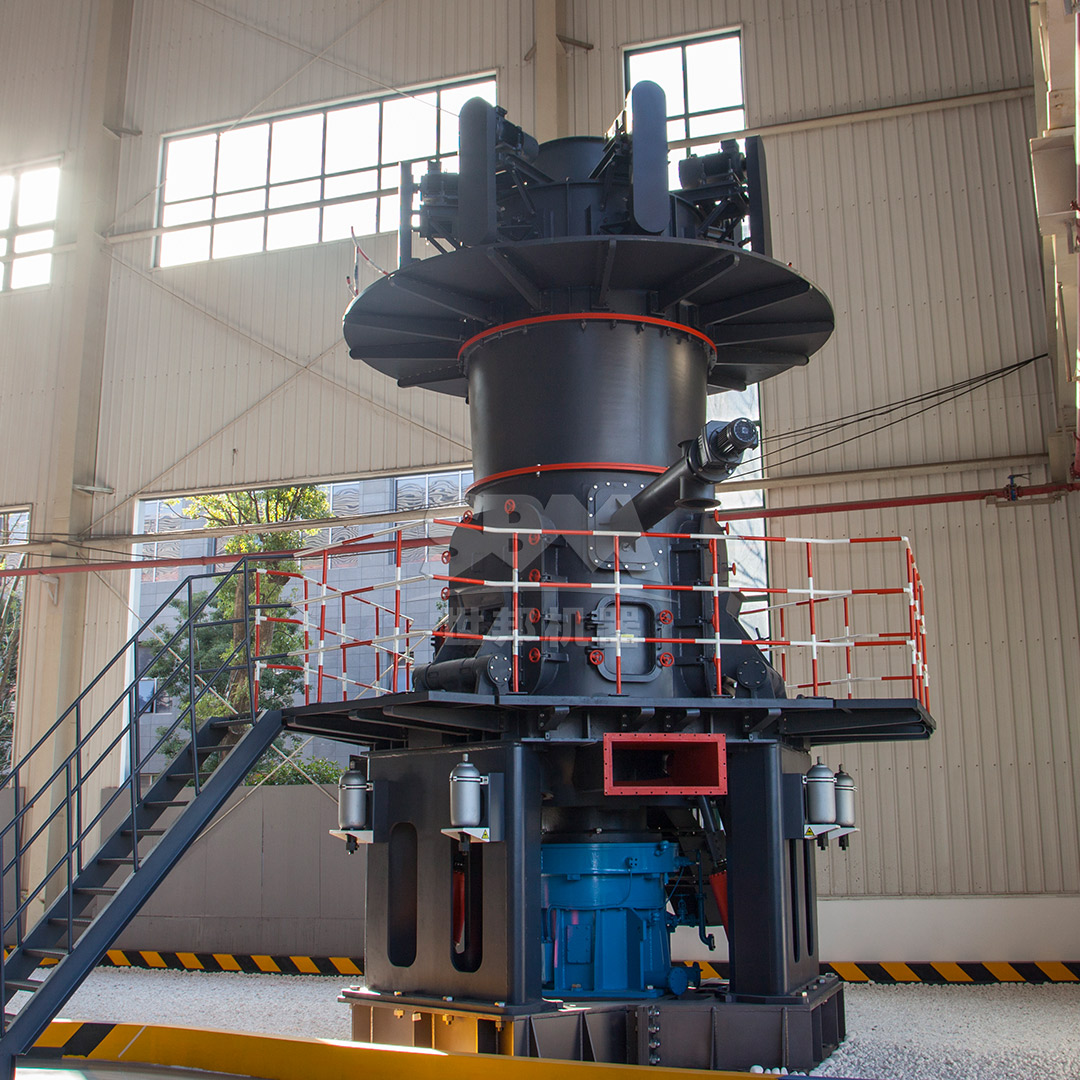
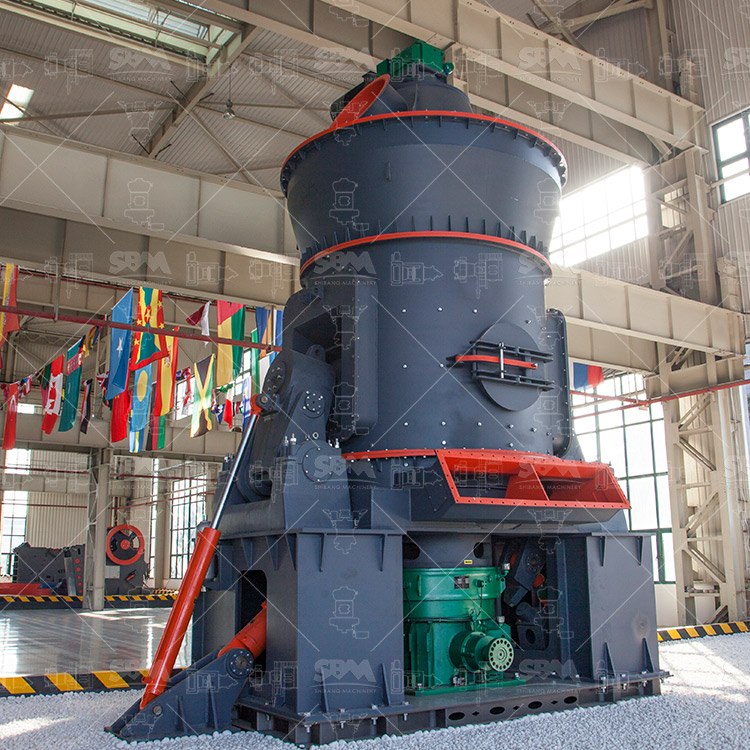
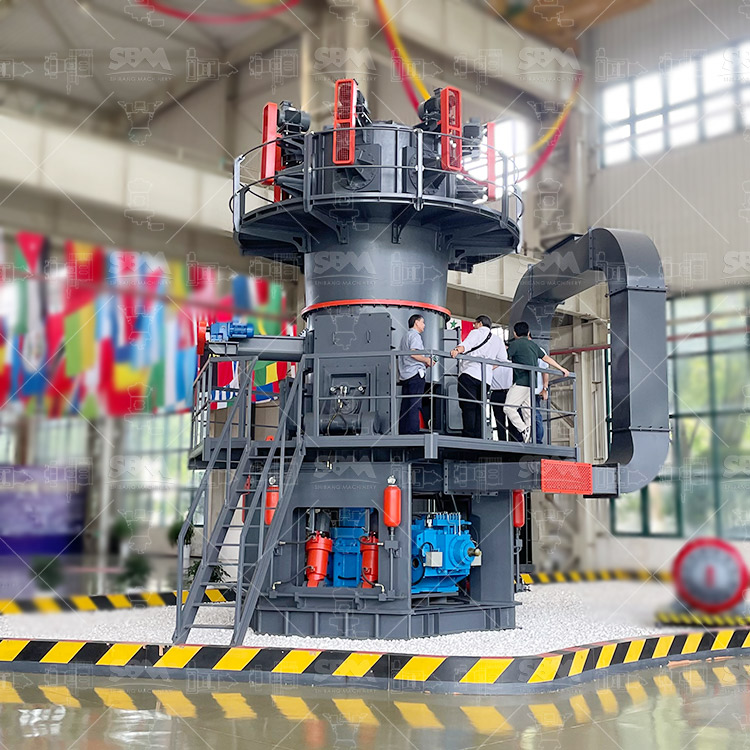
In today’s competitive industrial landscape, grinding mills represent substantial capital investments and play pivotal roles in mineral processing, cement production, and various manufacturing sectors. Unplanned downtime of these critical assets can result in production losses exceeding thousands of dollars per hour, making maintenance strategies a cornerstone of operational excellence. Traditional maintenance approaches—whether reactive (run-to-failure) or preventive (time-based)—often lead to either excessive maintenance costs or unexpected breakdowns. Predictive maintenance (PdM) emerges as a sophisticated alternative that leverages data analytics, sensor technology, and machine learning to forecast equipment failures before they occur, enabling maintenance to be performed precisely when needed.
This comprehensive article explores advanced predictive maintenance strategies specifically tailored for grinding mills, detailing implementation methodologies, technological requirements, and the substantial operational benefits achievable through these approaches. By transitioning from traditional maintenance paradigms to data-driven predictive models, operations can significantly enhance equipment reliability, reduce maintenance costs, and optimize overall operational efficiency.
Predictive maintenance represents a paradigm shift from calendar-based or usage-based maintenance schedules to condition-based interventions. For grinding mills, this approach involves continuous monitoring of equipment health parameters to detect early signs of degradation or impending failure. The core principle revolves around the concept that most equipment failures provide detectable warning signs before catastrophic breakdown occurs. These indicators—whether vibrational anomalies, thermal patterns, acoustic signatures, or performance deviations—can be captured through appropriate sensor technology and analyzed to predict remaining useful life.
The implementation of predictive maintenance for grinding mills typically involves three key phases: data acquisition through strategically placed sensors, data analysis using specialized algorithms, and decision support for maintenance planning. Advanced systems incorporate machine learning capabilities that improve prediction accuracy over time as more operational data becomes available. This continuous learning process enables the development of mill-specific failure models that account for unique operational characteristics and material properties.
Successful predictive maintenance programs for grinding mills focus on monitoring several critical parameters that serve as reliable indicators of equipment health:
The effectiveness of predictive maintenance programs heavily depends on the quality and strategic placement of sensor systems. Modern grinding mills can be equipped with a comprehensive sensor network that provides real-time insights into equipment condition. Wireless sensor technology has significantly reduced installation costs while improving flexibility in monitoring hard-to-reach locations. These systems typically operate on industrial IoT platforms that enable seamless data integration and remote access.
Vibration sensors represent the cornerstone of mill monitoring systems, with accelerometers strategically placed on bearing housings, gearboxes, and motor mounts. These sensors capture both overall vibration levels and frequency spectra that enable detailed fault diagnosis. Complementary thermal imaging cameras provide non-contact temperature monitoring of high-stress components, while acoustic sensors detect abnormal sound patterns that might indicate liner wear, grinding media issues, or material flow problems.
Advanced mills increasingly incorporate embedded sensors within critical components. For instance, smart liners with wear sensors provide direct measurement of remaining thickness, eliminating guesswork in replacement scheduling. Similarly, instrumented grinding media can provide insights into charge motion and impact forces. These specialized sensors, combined with standard monitoring equipment, create a comprehensive digital twin of the mill that supports accurate health assessment and failure prediction.
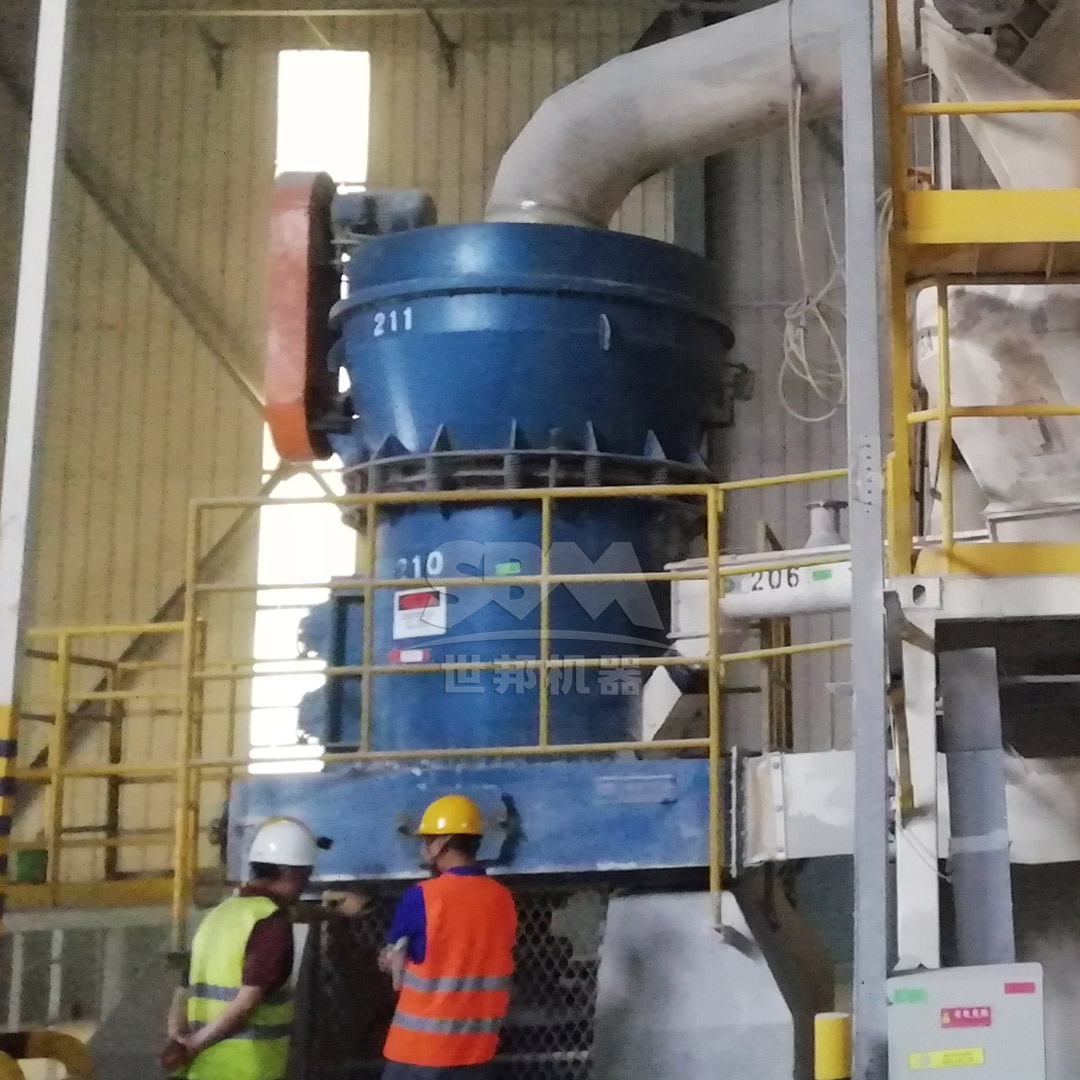
The raw data collected from mill monitoring systems requires sophisticated analysis to extract meaningful insights about equipment health. Basic condition monitoring systems employ threshold-based alerts that trigger when measured parameters exceed predefined limits. While useful for detecting severe problems, this approach often provides limited advance warning and may generate false alarms due to normal operational variations.
Advanced predictive maintenance systems utilize machine learning algorithms that establish normal operational baselines and detect subtle deviations that precede failures. These systems typically employ both supervised learning (using historical failure data to train classification models) and unsupervised learning (detecting anomalies without prior failure examples). For grinding mills, specific analytical approaches have proven particularly valuable:
| Analytical Method | Application in Grinding Mills | Key Benefits |
|---|---|---|
| Trend Analysis | Monitoring gradual deterioration of bearings, gears, and liners | Enables planned interventions before catastrophic failure |
| Spectrum Analysis | Identifying specific fault frequencies in vibration data | Pinpoints exact failing components among multiple possibilities |
| Pattern Recognition | Detecting operational anomalies that precede failures | Identifies novel failure modes not previously documented |
| Regression Modeling | Predicting remaining useful life of critical components | Optimizes inventory management and maintenance scheduling |
Modern predictive maintenance platforms increasingly incorporate digital twin technology, creating virtual replicas of physical mills that simulate operational behavior under various conditions. These digital models can predict how component degradation will affect overall system performance, enabling proactive maintenance planning that minimizes production impact. The integration of operational data with maintenance history, environmental conditions, and material characteristics further enhances prediction accuracy.
Successful implementation of predictive maintenance in grinding operations requires a structured approach that addresses technical, organizational, and economic considerations. A phased implementation strategy typically yields the best results, allowing for organizational learning and system refinement before full-scale deployment. The following framework outlines key implementation stages:
Assessment Phase: Begin with a comprehensive audit of existing maintenance practices, failure history, and criticality analysis of mill components. Identify high-impact failure modes that cause significant downtime or repair costs. Establish baseline metrics for maintenance performance, including Mean Time Between Failures (MTBF), Mean Time To Repair (MTTR), and overall equipment effectiveness (OEE).
Technology Selection: Choose appropriate sensor technologies and analytics platforms based on specific mill characteristics and failure modes of concern. Consider factors such as installation requirements, data integration capabilities, and scalability. For organizations new to predictive maintenance, starting with vibration analysis and thermal monitoring often provides the quickest return on investment.
Pilot Deployment: Implement the predictive maintenance system on one critical mill or circuit before expanding to the entire operation. This approach allows for procedure refinement, staff training, and demonstration of value. During this phase, establish alert thresholds, response protocols, and integration with existing maintenance management systems.
Full-Scale Implementation: Expand the program to additional mills based on lessons learned during the pilot phase. Develop standardized procedures, reporting formats, and key performance indicators. At this stage, consider advanced applications such as prescriptive analytics that recommend specific maintenance actions based on diagnosed faults.
Continuous Improvement: Regularly review system performance and refine analytical models based on newly acquired data. Incorporate feedback from maintenance technicians and operators to improve detection capabilities and usability. As the program matures, explore integration with other operational systems for comprehensive asset performance management.
Technical implementation represents only one aspect of successful predictive maintenance programs. Equally important are organizational factors, including staff competency development, procedural adjustments, and cultural acceptance. Maintenance teams must transition from traditional diagnostic approaches to data-driven decision making, requiring training in both technology use and interpretation of analytical results. Clear communication about program objectives, benefits, and expected changes in work practices helps secure buy-in from all stakeholders.
Modern grinding mill designs increasingly incorporate features that facilitate condition monitoring and predictive maintenance implementation. When selecting new equipment, operations should consider design elements that enhance monitoring accessibility, component modularity, and data integration capabilities. Our SCM Ultrafine Mill series exemplifies this approach with several built-in features that support advanced maintenance strategies:
The SCM Ultrafine Mill incorporates strategically placed vibration monitoring points on critical components including the main bearing housing, classifier rotor, and reducer assembly. These designated mounting surfaces ensure optimal sensor placement for accurate data collection. The mill’s intelligent control system continuously monitors operational parameters including motor current, pressure differential, and temperature trends, providing comprehensive data for health assessment. With an output fineness ranging from 325 to 2500 mesh (D97≤5μm) and capacity from 0.5 to 25 tons per hour depending on model, these mills represent advanced grinding technology designed for reliability and maintainability.
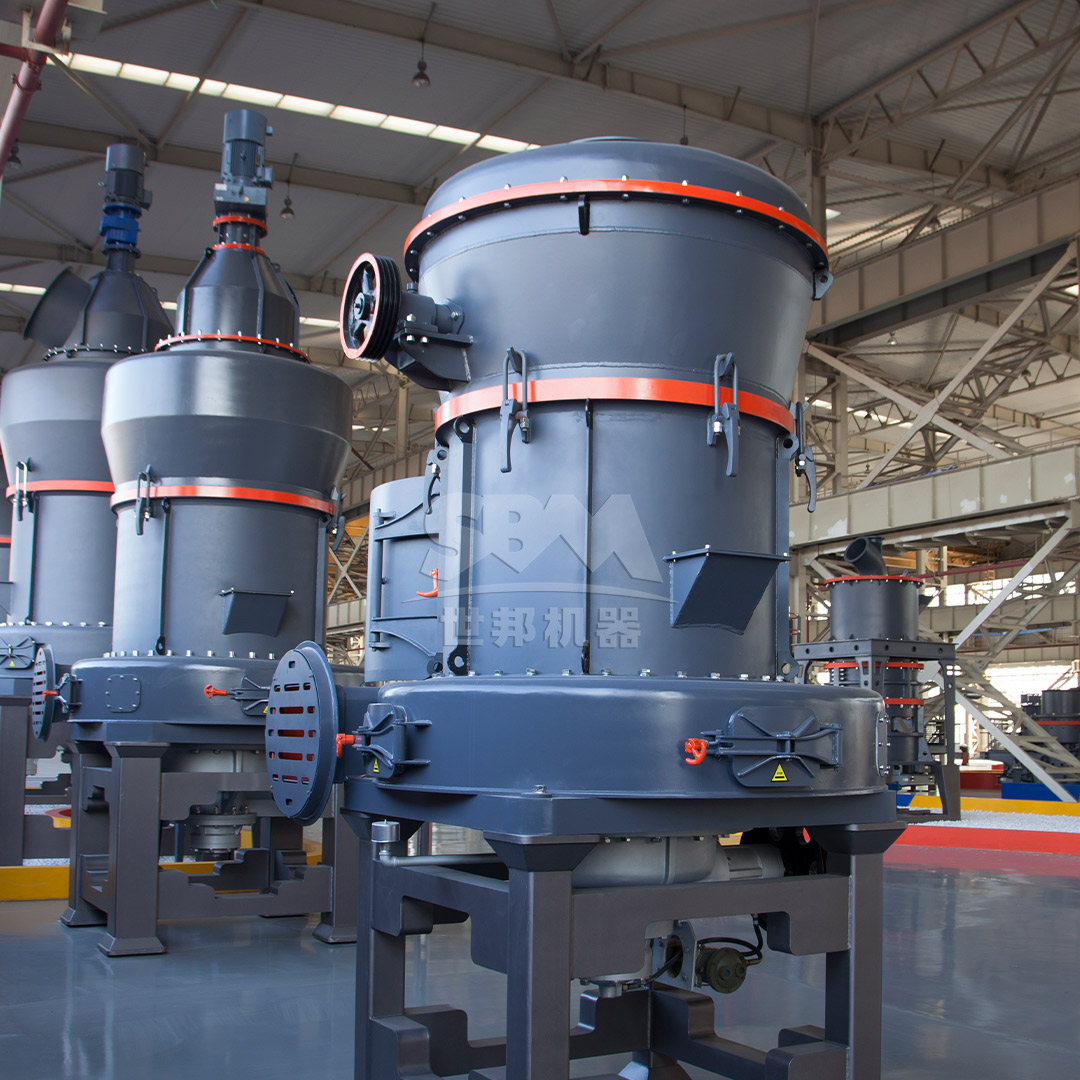
Similarly, our MTW Series Trapezium Mill incorporates design features that both enhance reliability and facilitate condition monitoring. The mill’s conical gear integral transmission system achieves 98% transmission efficiency while providing multiple natural monitoring points for vibration analysis. The wear-resistant volute structure and combined shovel design reduce maintenance frequency while making wear patterns more predictable and measurable. With capacity ranging from 3 to 45 tons per hour and output fineness from 30 to 325 mesh, these mills offer robust performance while supporting advanced maintenance approaches through their design intelligence.
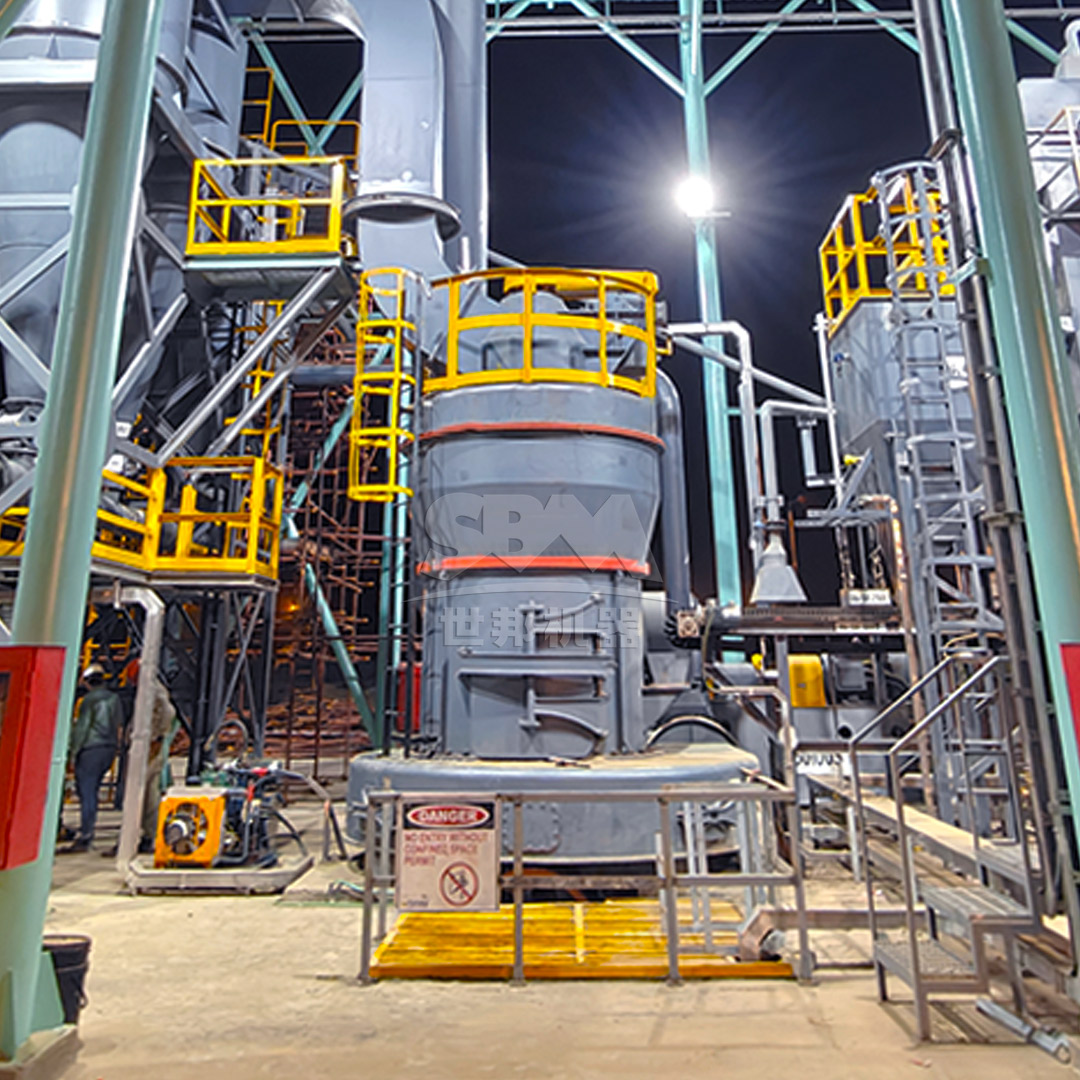
Beyond specific models, several design principles generally support predictive maintenance implementation in grinding equipment. These include modular component design that enables isolated testing and replacement, strategic placement of inspection ports for visual assessment and sensor installation, and standardized data interfaces that simplify integration with monitoring systems. Equipment with these inherent capabilities significantly reduces the cost and complexity of implementing comprehensive predictive maintenance programs.
The implementation of predictive maintenance programs requires capital investment in monitoring equipment, software platforms, and staff training. Justifying these expenditures necessitates thorough economic analysis that quantifies both direct and indirect benefits. A comprehensive return on investment (ROI) calculation for grinding mill predictive maintenance should consider multiple benefit categories:
Downtime Reduction: Unplanned mill outages typically cost thousands of dollars per hour in lost production. Predictive maintenance can reduce unexpected failures by 70-80%, translating to substantial production gains. The ability to schedule repairs during planned maintenance windows further maximizes equipment utilization.
Maintenance Cost Optimization: Condition-based maintenance prevents both premature component replacement (common in preventive approaches) and catastrophic damage (common in reactive approaches). Studies indicate typical maintenance cost reductions of 25-30% through optimized intervention timing and reduced emergency repair premiums.
Component Life Extension: Early detection of abnormal operating conditions enables corrective actions before secondary damage occurs. For example, detecting bearing lubrication issues early can extend component life by 30-50% compared to running to failure.
Energy Efficiency: Properly maintained grinding mills operate more efficiently, with typical energy savings of 3-7% through optimized clearances, alignment, and reduced friction. For large mills consuming megawatts of power, these savings quickly accumulate.
Safety and Environmental Benefits: Preventing catastrophic failures reduces safety risks associated with emergency repairs and secondary damage. Additionally, optimized maintenance intervals typically reduce lubricant consumption and waste generation.
A comprehensive ROI analysis should also consider implementation costs beyond hardware and software, including staff training, procedure development, and potential production disruptions during system installation. Most well-executed predictive maintenance programs for grinding mills achieve payback periods of 6-18 months, with continuing benefits throughout the equipment lifecycle.
Predictive maintenance should not operate in isolation but rather integrate seamlessly with broader asset management and operational excellence initiatives. The data generated through condition monitoring provides valuable inputs for reliability engineering, spare parts management, and long-term capital planning. Advanced organizations leverage predictive maintenance data to inform decisions about equipment refurbishment, replacement timing, and technology upgrades.
Integration with Enterprise Asset Management (EAM) or Computerized Maintenance Management Systems (CMMS) enables automated work order generation based on condition alerts, streamlining the maintenance execution process. This connectivity ensures that predictive findings translate directly into actionable maintenance plans with appropriate prioritization. Furthermore, integrating condition data with operational historians creates powerful correlations between operating parameters and equipment health, enabling optimization of both reliability and performance.
The ultimate evolution of predictive maintenance lies in prescriptive analytics systems that not only predict failures but also recommend specific interventions based on cost, resource availability, and operational constraints. These advanced systems consider the entire production context to optimize maintenance decisions, potentially suggesting temporary operational modifications to extend component life until the next planned maintenance window. This holistic approach represents the convergence of maintenance optimization and production planning, delivering substantial value through integrated decision support.
The field of predictive maintenance continues to evolve rapidly, driven by advancements in sensor technology, data analytics, and connectivity. Several emerging trends promise to further enhance maintenance effectiveness for grinding operations in the coming years:
Edge Computing and AI: The deployment of artificial intelligence directly on monitoring devices (edge computing) enables real-time analysis without cloud connectivity limitations. This approach reduces data transmission requirements while accelerating fault detection, particularly important for time-critical failure modes.
Digital Twin Integration: Advanced digital twins that incorporate physics-based models alongside operational data will provide more accurate remaining useful life predictions. These virtual models can simulate failure progression under various operating scenarios, supporting both maintenance and operational decisions.
Autonomous Inspection Systems: Robotics and drones equipped with advanced sensors will enable comprehensive mill inspections without human intervention, improving safety while collecting more consistent data. These systems can access hazardous or difficult-to-reach areas, providing inspection capabilities beyond traditional methods.
Blockchain for Maintenance Records: Distributed ledger technology offers potential for secure, transparent maintenance records that follow equipment throughout its lifecycle. This approach improves data integrity for long-term asset management and resale valuation.
Augmented Reality for Maintenance Execution: AR systems will overlay diagnostic information, procedures, and historical data directly onto the technician’s field of view, improving repair quality and efficiency while reducing skill requirements.
As these technologies mature, predictive maintenance will increasingly transition from detecting imminent failures to predicting and preventing them entirely through operational adjustments and early interventions. This evolution will further blur the lines between maintenance, operations, and process optimization, creating truly integrated asset performance management systems.
Predictive maintenance represents a transformative approach to grinding mill management that delivers substantial operational and financial benefits. By leveraging advanced sensor technology, data analytics, and machine learning, operations can transition from reactive or calendar-based maintenance to condition-based interventions that optimize both reliability and costs. The implementation requires careful planning, appropriate technology selection, and organizational adaptation, but the returns in reduced downtime, lower maintenance costs, and improved safety justify the investment.
Modern grinding mill designs, such as our SCM Ultrafine Mill and MTW Series Trapezium Mill, increasingly incorporate features that facilitate predictive maintenance implementation, recognizing the strategic importance of maintenance efficiency in overall operational performance. As technology continues to advance, the capabilities of predictive systems will expand, further enhancing their value proposition. Operations that embrace these approaches today position themselves for competitive advantage through superior asset reliability and lower operating costs in an increasingly challenging industrial landscape.