Energy efficiency has become a critical concern in the mineral processing industry, particularly in calcium carbonate grinding operations where power consumption represents a significant portion of operating costs. With rising energy prices and increasing environmental regulations, optimizing energy usage while maintaining product quality is essential for maintaining competitiveness. This comprehensive guide explores practical strategies to enhance energy efficiency in your calcium carbonate grinding plant, with a focus on modern equipment solutions that can deliver substantial energy savings.
Grinding operations typically account for 30-50% of total energy consumption in mineral processing plants. In calcium carbonate production, the comminution process is particularly energy-intensive due to the material’s hardness and the fine particle sizes required for many applications. Traditional grinding systems, such as conventional ball mills, often operate at low energy efficiency levels, with only 1-2% of the input energy actually used for particle size reduction, while the remainder is lost as heat, noise, and vibration.
| Process Stage | Typical Energy Consumption (kWh/ton) | Potential Efficiency Improvement |
|---|---|---|
| Primary Crushing | 0.5-1.5 | 10-15% |
| Secondary Grinding | 15-40 | 20-35% |
| Fine Grinding | 40-100 | 25-40% |
| Classification | 2-8 | 15-25% |
The specific energy consumption varies significantly based on the target particle size, with finer grinding requiring exponentially more energy. Understanding these consumption patterns is the first step toward implementing effective energy-saving measures.
Proper preparation of feed material can significantly reduce grinding energy requirements. Ensure that the calcium carbonate feedstock is properly crushed to an optimal size before entering the grinding circuit. Over-sized feed material forces the grinding equipment to work harder, increasing energy consumption and wear rates. Implementing pre-screening to remove fines that don’t require additional grinding can also yield substantial energy savings.
Modern automation and control systems can optimize grinding parameters in real-time, adjusting feed rates, classifier settings, and mill operating conditions to maintain optimal efficiency. These systems use advanced algorithms to detect inefficiencies and automatically correct them, reducing energy waste while maintaining consistent product quality.
Inefficient classification results in over-grinding of already fine particles, which consumes significant energy without improving product quality. High-efficiency classifiers can reduce circulating loads and prevent fine particles from returning to the grinding circuit unnecessarily. Modern dynamic classifiers offer precise cut-point control and can adapt to changing feed conditions.
Proper maintenance of grinding equipment is essential for energy efficiency. Worn grinding elements, inefficient separators, and leaking air systems can dramatically increase energy consumption. Implement predictive maintenance programs using vibration analysis, thermal imaging, and other condition monitoring techniques to identify issues before they impact efficiency.
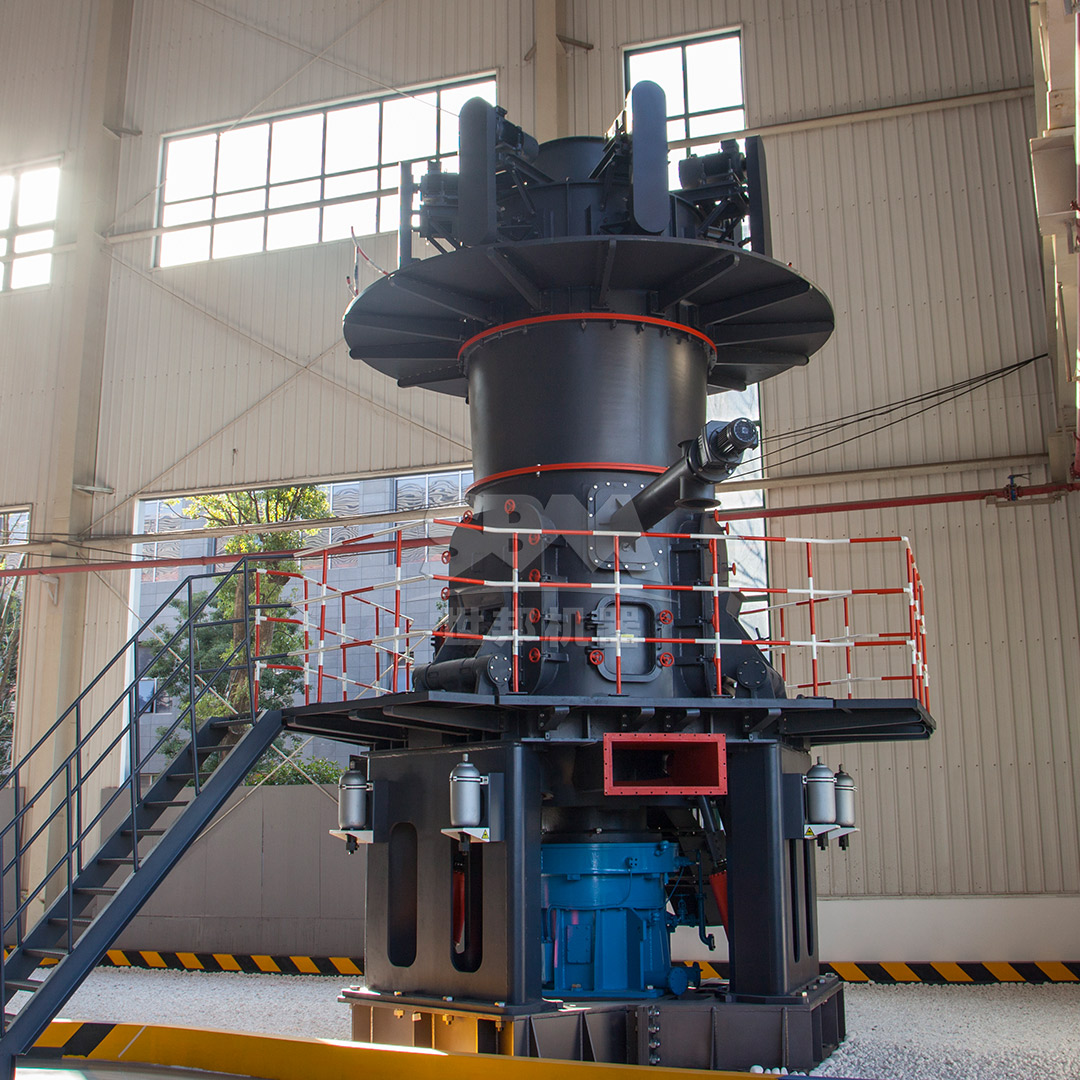
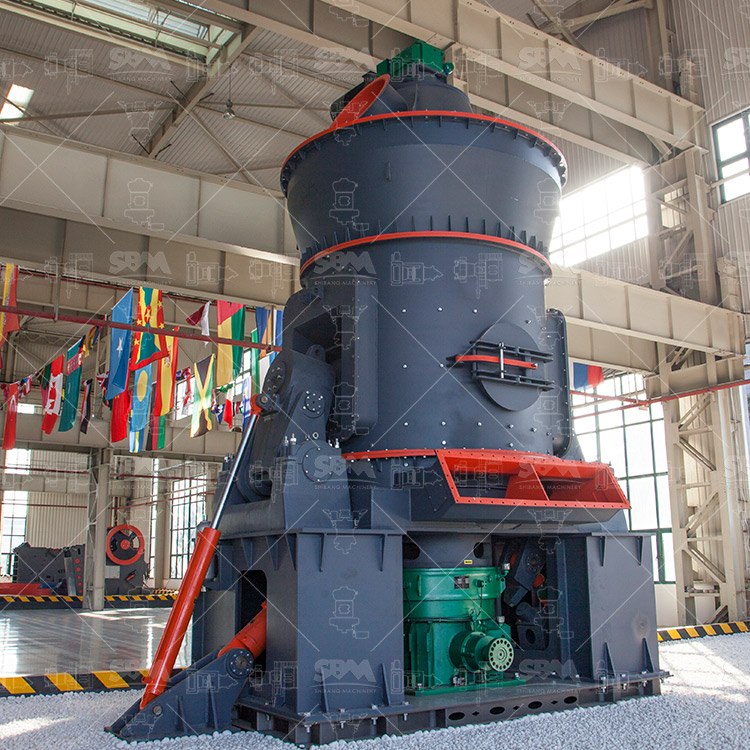
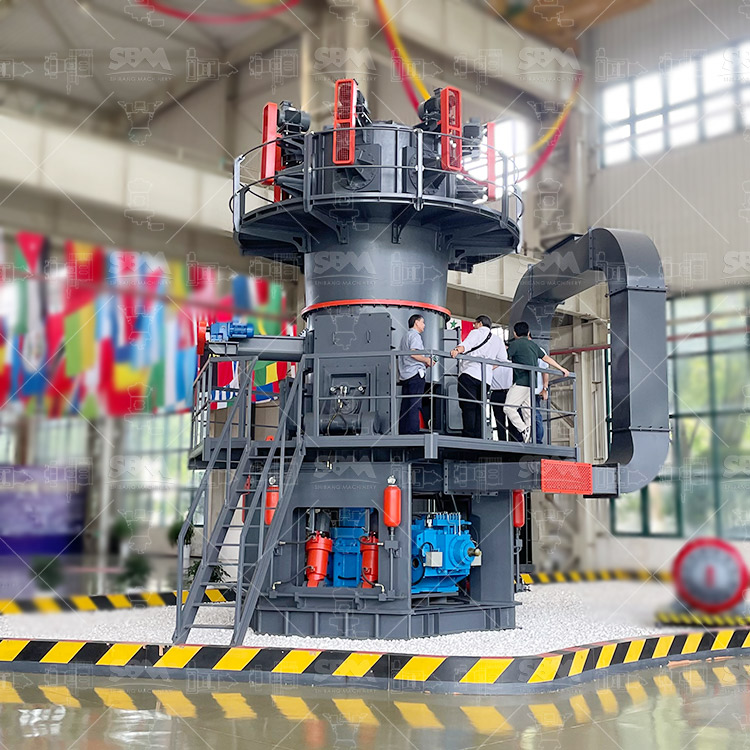
Vertical roller mills (VRMs) have emerged as the most energy-efficient solution for calcium carbonate grinding, typically offering 30-50% lower energy consumption compared to traditional ball mills. The fundamental advantage of VRMs lies in their grinding mechanism, which utilizes pressure rather than impact to comminute material, resulting in significantly higher energy efficiency.
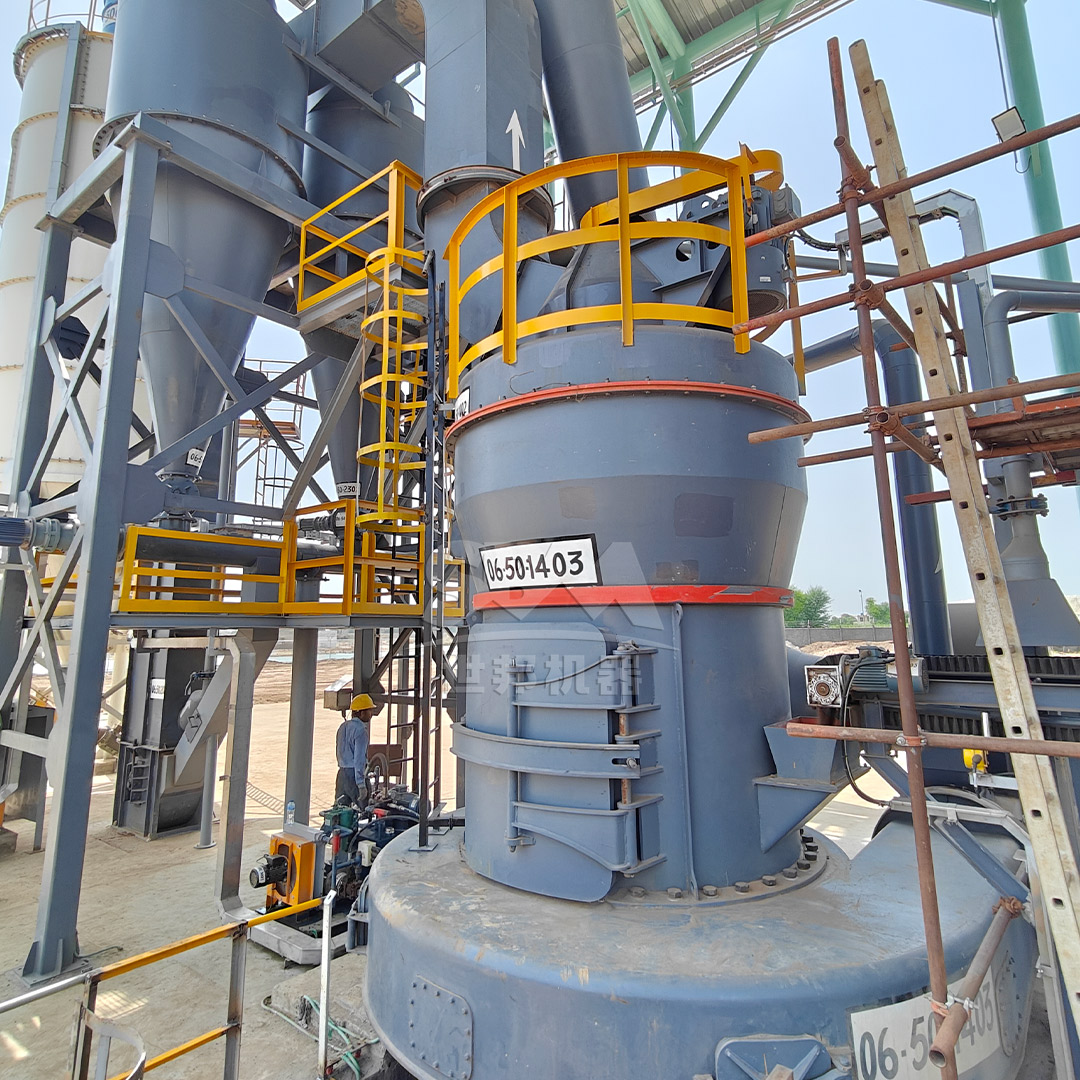
For calcium carbonate grinding operations seeking maximum energy efficiency, our LM Series Vertical Roller Mill represents the state-of-the-art solution. This advanced grinding system integrates multiple functions including drying, grinding, classification, and conveyance into a single compact unit, eliminating energy losses associated with material transfer between separate equipment.
| LM Series Model | Capacity (t/h) | Power Consumption (kWh/t) | Energy Savings vs Ball Mill |
|---|---|---|---|
| LM130K | 10-28 | 18-25 | 35-45% |
| LM150K | 13-38 | 17-24 | 35-45% |
| LM170K | 18-48 | 16-23 | 35-50% |
| LM190K | 23-68 | 15-22 | 40-50% |
The LM Series features several innovative technologies that contribute to its exceptional energy efficiency. The intelligent control system continuously monitors and optimizes operating parameters, while the modular grinding roller assembly enables quick replacement with minimal downtime. The mill’s dynamic classifier technology provides precise particle size control, eliminating energy waste from over-grinding.
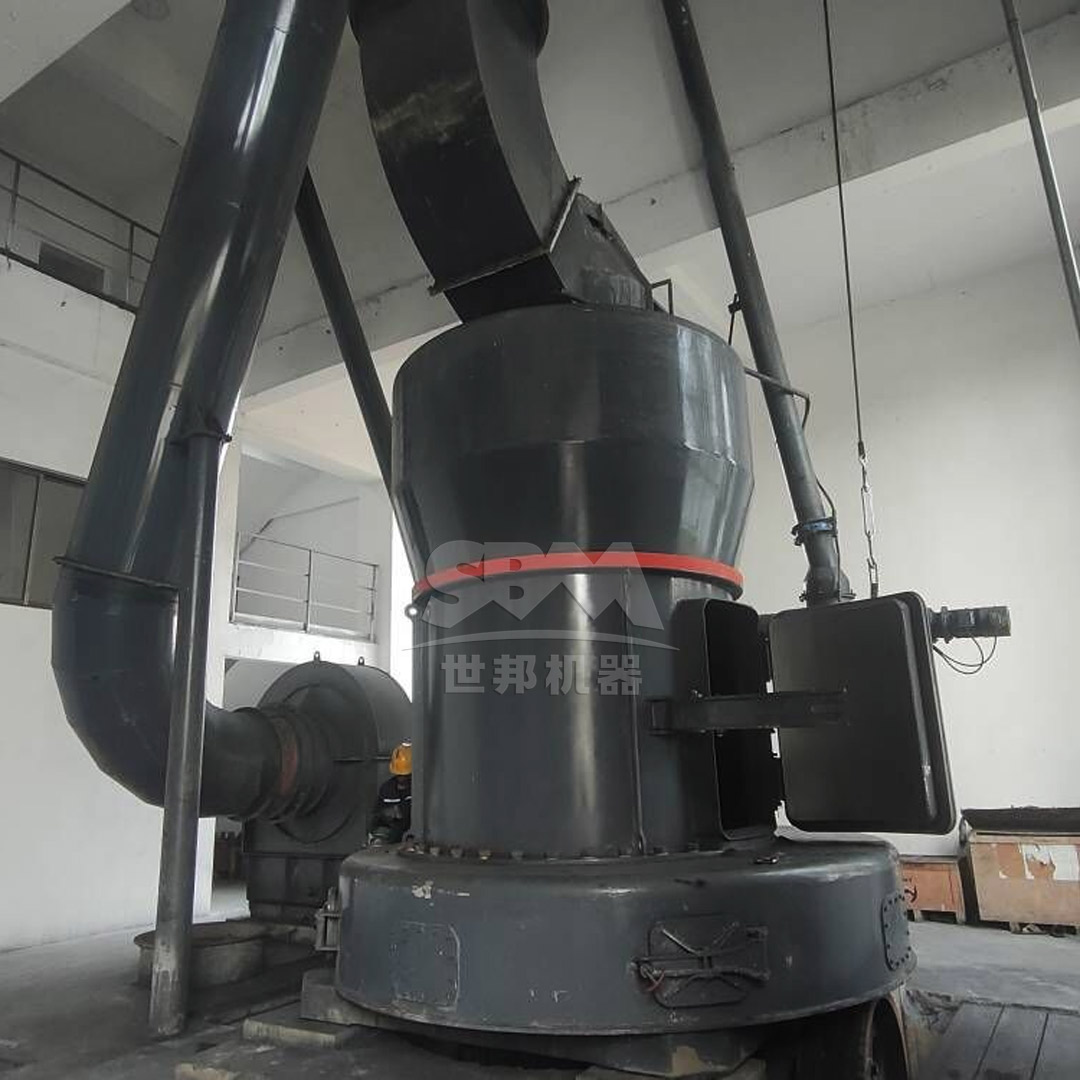
For operations requiring ultrafine calcium carbonate products (below 10μm), specialized grinding equipment is necessary. Traditional approaches to ultrafine grinding, such as conventional ball mills, become extremely energy-intensive at these fine sizes. Modern ultrafine grinding technologies offer significantly better energy efficiency through optimized grinding mechanisms and classification systems.
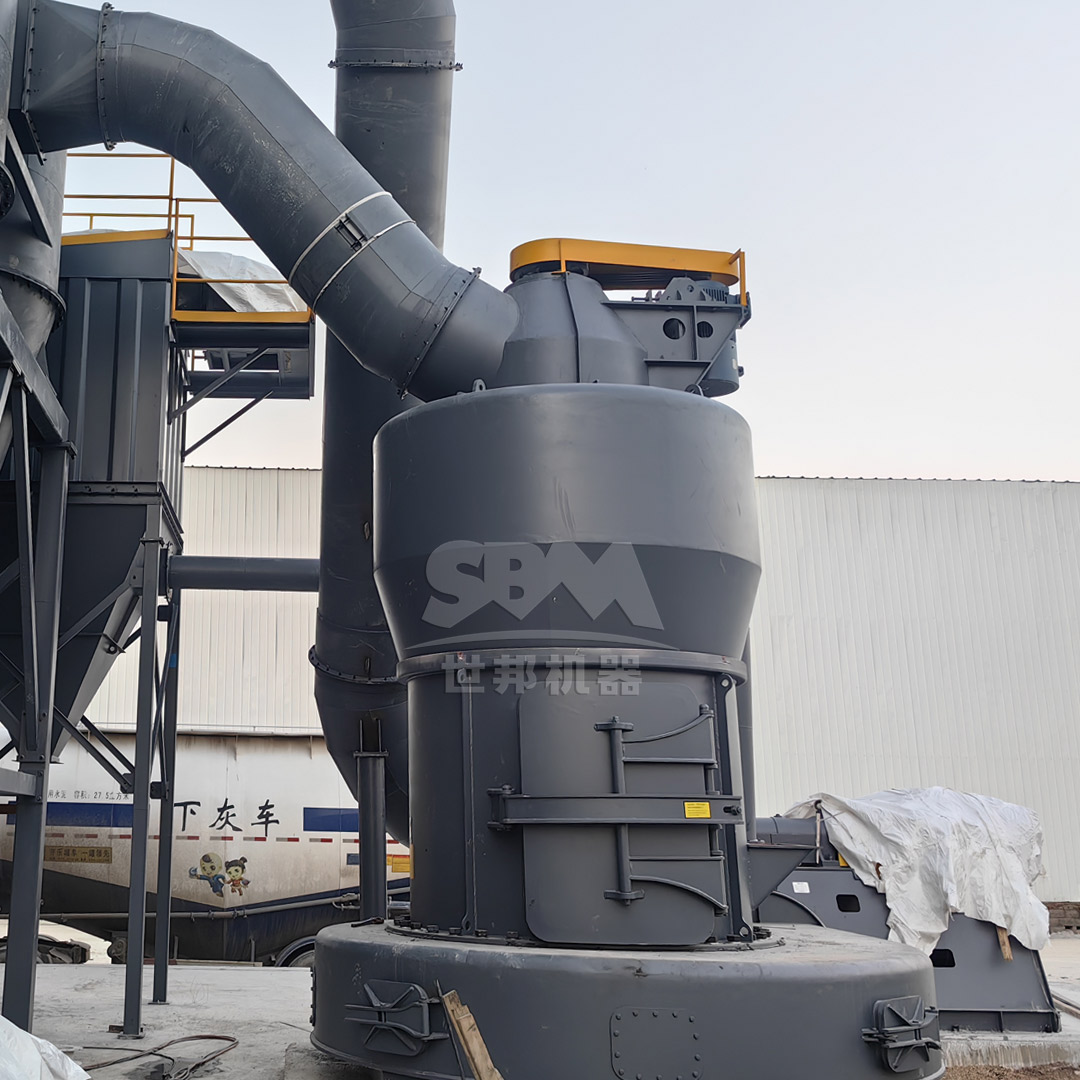
Our SCM Ultrafine Mill is specifically engineered for energy-efficient production of ultrafine calcium carbonate powders. With an output range of 325-2500 mesh (D97≤5μm), this mill delivers exceptional energy performance through its innovative design. The integrated vertical turbine classifier ensures precise particle size control while minimizing energy consumption, and the optimized grinding chamber geometry creates ideal conditions for efficient comminution.
Key energy-saving features of the SCM Ultrafine Mill include:
With capacities ranging from 0.5 to 25 tons per hour across different models, the SCM series offers solutions for various production requirements while maintaining excellent energy efficiency across the entire capacity range.
The dust collection system represents a significant energy consumer in grinding plants, particularly when inefficient designs are employed. Optimizing this system can yield substantial energy savings:
Conveying systems, elevators, and feeders can collectively account for 10-20% of total plant energy consumption. Optimization strategies include:
Proper management of process heat not only improves working conditions but also reduces energy consumption associated with ventilation:
Begin with a comprehensive energy audit to identify improvement opportunities. This should include detailed measurement of energy consumption at major equipment level, analysis of operational data, and comparison with industry benchmarks. Establish key performance indicators (KPIs) for energy efficiency and implement a monitoring system to track progress.
Address low-cost operational improvements that can deliver immediate energy savings. These may include optimizing grinding media charge, improving classifier settings, reducing air in-leakage, and implementing basic process control improvements. Train operators on energy-efficient operating practices and establish accountability for energy performance.
Plan and execute equipment upgrades that offer attractive returns on investment. When considering new grinding equipment, our LM Series Vertical Roller Mill and SCM Ultrafine Mill provide excellent energy efficiency for their respective applications. Develop a phased implementation plan that minimizes production disruption while maximizing energy savings.
Establish a culture of continuous energy efficiency improvement through regular monitoring, target setting, and employee engagement. Implement advanced process control systems that can automatically optimize energy consumption while maintaining product quality. Regularly review new technologies and approaches that could deliver additional savings.
Energy efficiency improvements should be evaluated based on their economic viability. Modern grinding equipment typically offers attractive returns on investment through reduced energy costs, lower maintenance requirements, and improved product quality. When evaluating potential upgrades, consider the total cost of ownership rather than just the initial capital investment.
For most calcium carbonate grinding operations, upgrading to energy-efficient technologies such as the LM Series Vertical Roller Mill can deliver payback periods of 1-3 years, depending on local energy costs and production volumes. Additionally, many regions offer incentives, tax benefits, or financing options for energy efficiency projects that can further improve the economic case for investment.
Improving energy efficiency in calcium carbonate grinding plants requires a comprehensive approach that addresses equipment selection, operational practices, and auxiliary systems. By implementing the strategies outlined in this guide and leveraging advanced grinding technologies like our LM Series Vertical Roller Mill and SCM Ultrafine Mill, operators can achieve significant reductions in energy consumption while maintaining or improving product quality. The journey toward energy efficiency is continuous, requiring ongoing measurement, optimization, and technology adoption, but the rewards in terms of reduced operating costs and improved environmental performance make it an essential pursuit for any modern grinding operation.