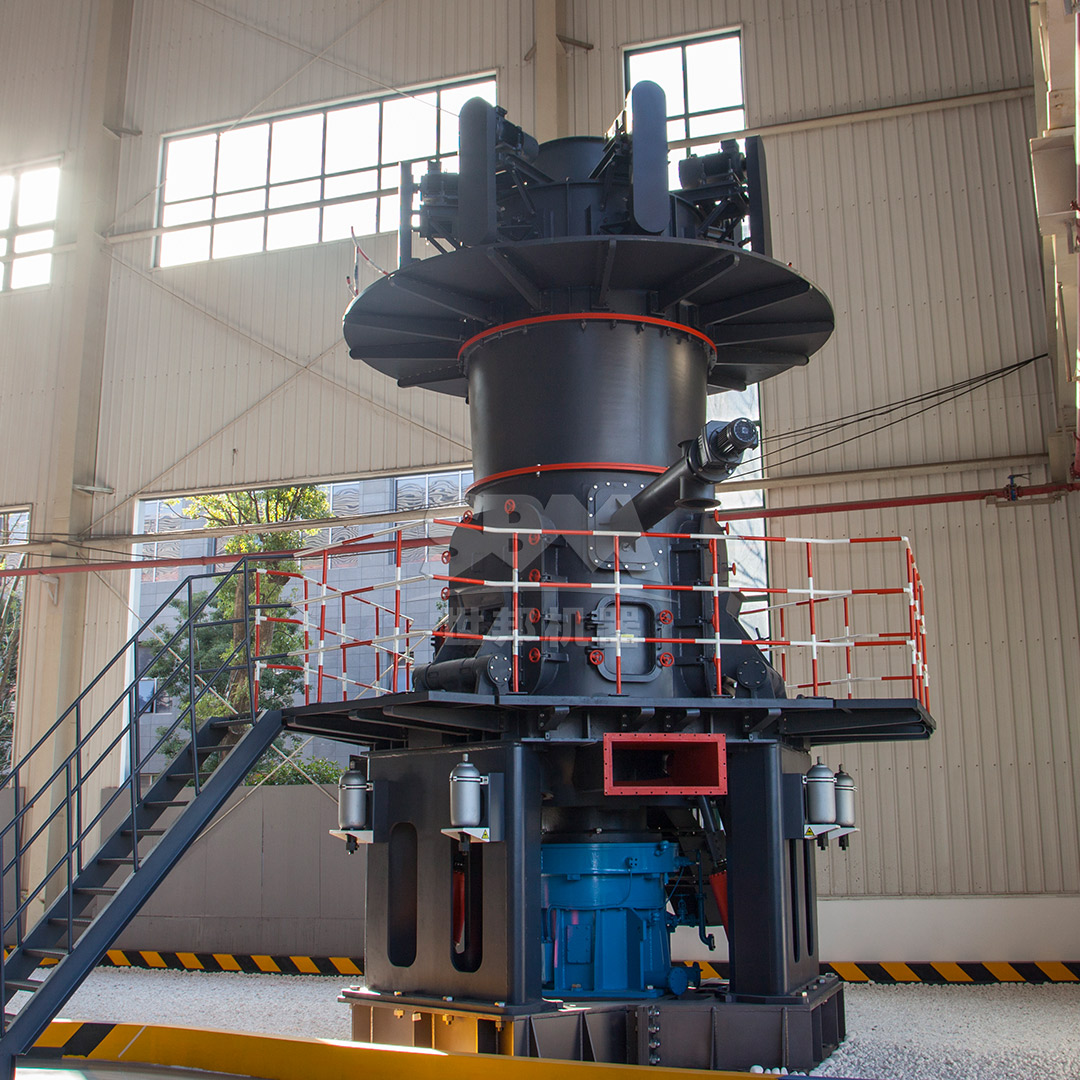
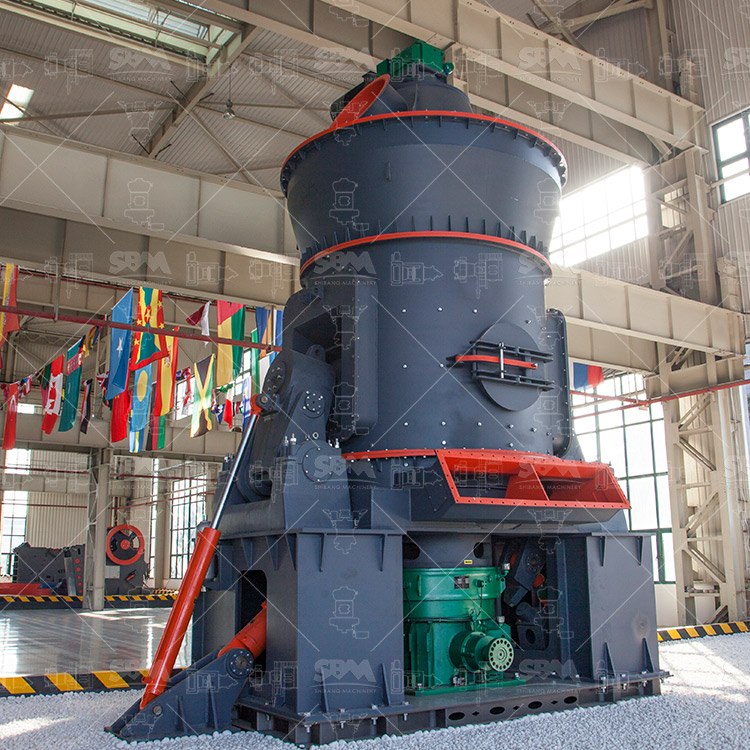
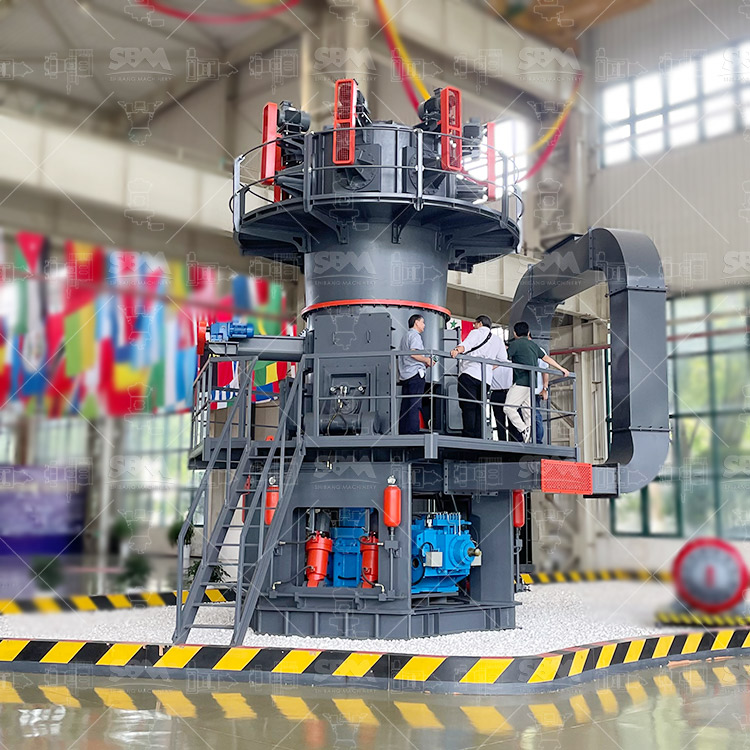
The manufacturing of advanced and specialty ceramics demands precision grinding technologies capable of producing fine powders with consistent particle size distribution, high purity, and minimal contamination. These materials, including alumina, zirconia, silicon carbide, and advanced technical ceramics, require specific particle characteristics to achieve optimal mechanical, thermal, and electrical properties in final products. This article explores the critical aspects of grinding technology selection and optimization for advanced ceramics production, with particular focus on equipment that delivers the precision, efficiency, and reliability required by modern manufacturing facilities.
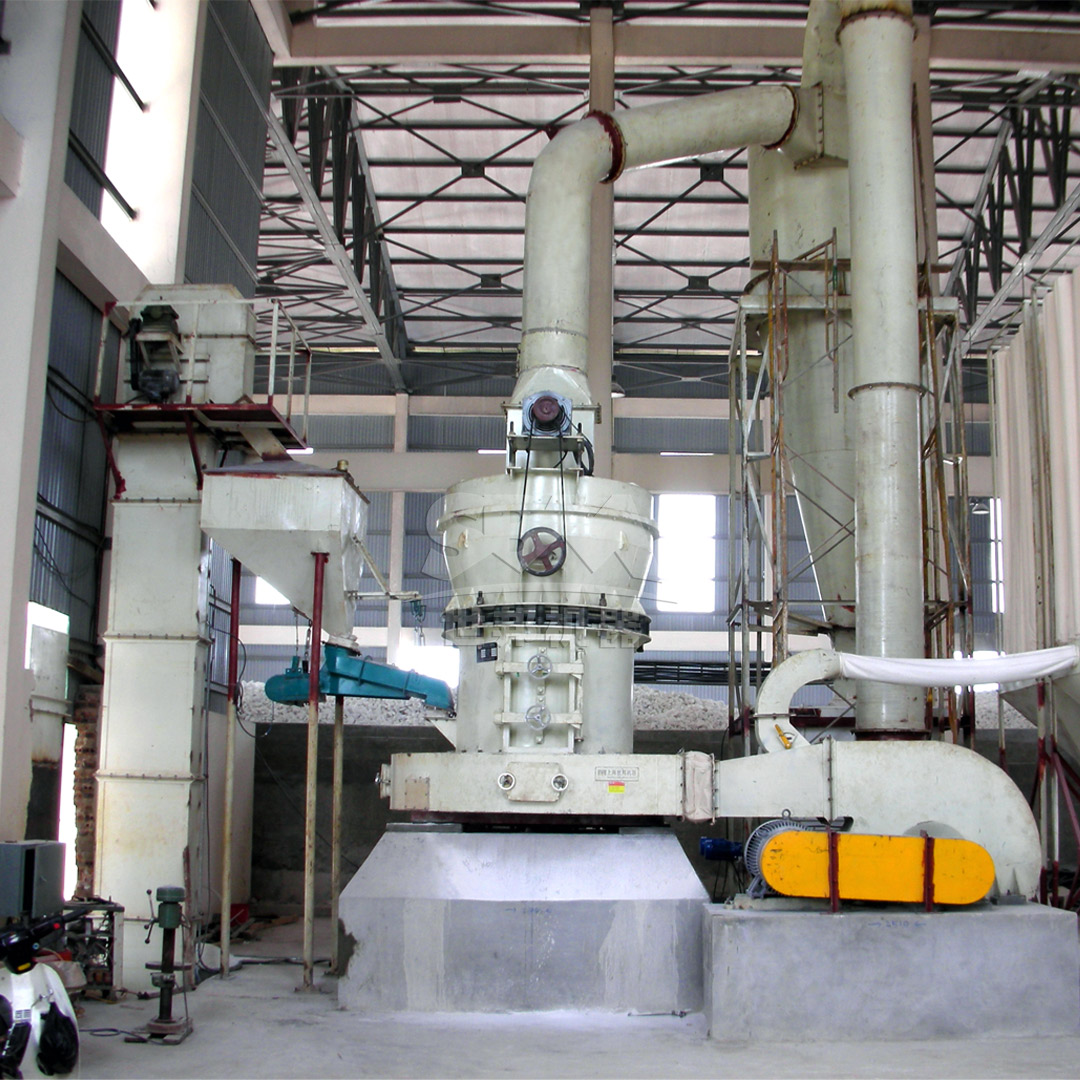
Advanced ceramics present unique challenges in grinding operations due to their exceptional hardness, brittleness, and often complex chemical composition. Traditional grinding methods frequently fall short in achieving the required particle size distributions while maintaining cost-effectiveness and production efficiency. The key challenges include:
Advanced ceramics typically exhibit hardness values ranging from 1,500 to 3,000 HV (Vickers hardness), significantly higher than most metallic materials. This extreme hardness leads to rapid wear of grinding media and equipment components, increasing maintenance costs and potentially introducing contamination from worn parts.
Precise control over particle size distribution is critical for advanced ceramics, as even minor variations can significantly impact sintering behavior, final density, and mechanical properties. Achieving consistent sub-micron particle sizes while maintaining narrow distribution curves requires sophisticated grinding and classification systems.
The high purity requirements of many advanced ceramics necessitate grinding systems that minimize metallic contamination. Even trace amounts of iron or other metals can degrade electrical properties or cause discoloration in finished products.
During grinding operations, the conversion of mechanical energy to heat can cause localized temperature spikes that may alter material properties or promote agglomeration. Effective thermal management is essential to preserve material integrity.
Selecting appropriate grinding technology for advanced ceramics requires careful consideration of multiple factors beyond basic capacity and fineness requirements. The following criteria should guide equipment selection:
Different applications demand specific particle size ranges. Structural ceramics may require powders in the 0.5-5μm range, while electronic ceramics often need sub-micron particles. Understanding the relationship between particle size and final product properties is essential for technology selection.
Manufacturing operations range from small-batch specialty production to high-volume industrial scale. The selected grinding system must match production requirements while offering flexibility for product changes and recipe adjustments.
Grinding operations are energy-intensive, with specific energy consumption often exceeding 50 kWh/ton for fine grinding applications. Energy-efficient technologies not only reduce operating costs but also minimize thermal effects on materials.
Systems must be designed to minimize contamination through appropriate material selection for wear parts, effective sealing, and proper system configuration.
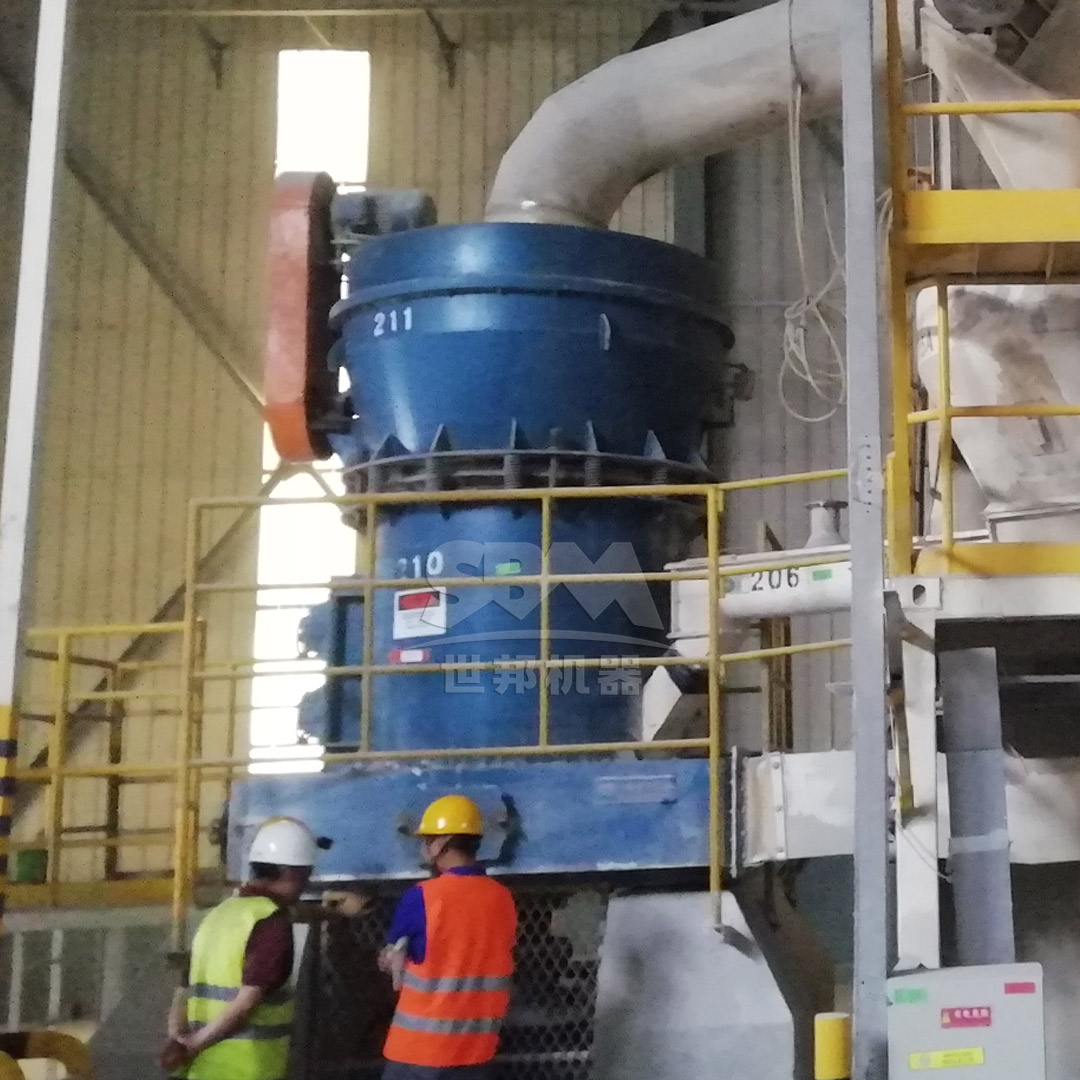
Modern grinding technologies have evolved significantly to address the specific challenges of advanced ceramics manufacturing. The following systems represent the current state of the art in ceramic powder production:
For applications requiring the finest particle sizes and narrowest distribution curves, ultrafine grinding systems offer unparalleled performance. Among these technologies, the SCM Ultrafine Mill stands out for its capability to produce powders with D97 ≤ 5μm (2500 mesh) while maintaining high efficiency and low contamination.
The SCM series represents a significant advancement in ultrafine grinding technology, specifically engineered for advanced materials processing. With output fineness ranging from 325 to 2500 mesh (D97 ≤ 5μm) and capacity from 0.5 to 25 tons per hour depending on model, this system addresses the core requirements of advanced ceramics manufacturers. Its vertical turbine classifier ensures precise particle size control, while the special material composition of grinding rollers and rings extends service life significantly compared to conventional systems.
Key advantages of the SCM Ultrafine Mill for ceramics applications include:
The working principle involves main motor-driven multi-layer grinding ring rotation, where material is dispersed to the grinding path by centrifugal force, undergoes roller compression crushing, and is progressively ground through multiple layers before final collection by cyclone collector and pulse dust removal systems.
For applications requiring particle sizes in the 45-325 mesh range (600-45μm), the MTW Series Trapezium Mill offers an optimal balance of precision, efficiency, and operational economy. This European-style grinding system processes materials with input sizes up to 50mm and delivers throughput from 3 to 45 tons per hour across different models.
The MTW series incorporates several technological innovations specifically beneficial for ceramics processing:
Operation involves the main motor driving grinding rollers to revolve around the central axis while rotating themselves to generate centrifugal force. Shovel blades throw material between the grinding ring and rollers to form a material layer, achieving efficient crushing through compression with the classification system precisely controlling final particle size.
Vertical roller mills represent another category of grinding technology well-suited for certain ceramics applications, particularly where integrated crushing, grinding, and separation functions are advantageous. The LM Series Vertical Roller Mill offers compact design with capacity ranging from 3 to 250 tons per hour and output fineness from 30-325 mesh (special models to 600 mesh).
This technology is particularly valuable for manufacturers seeking to minimize facility footprint while maintaining production flexibility. The integrated system reduces space requirements by 50% compared to conventional arrangements and can be installed outdoors, reducing civil engineering costs by 40%.
| Parameter | SCM Ultrafine Mill | MTW Trapezium Mill | LM Vertical Mill | Ball Mill |
|---|---|---|---|---|
| Output Fineness | 325-2500 mesh (5μm) | 30-325 mesh (45μm) | 30-325 mesh (45μm) | 0.074-0.8mm |
| Capacity Range | 0.5-25 t/h | 3-45 t/h | 3-250 t/h | 0.65-450 t/h |
| Energy Efficiency | High (30% savings vs. jet mills) | Medium-High | High (30-40% savings vs. ball mills) | Standard |
| Contamination Risk | Very Low | Low | Low-Medium | Medium-High |
| Particle Distribution | Excellent | Very Good | Good | Fair-Good |
Beyond equipment selection, several operational strategies can optimize grinding performance for advanced ceramics:
Critical parameters including classifier speed, grinding pressure, feed rate, and gas flow must be optimized for specific materials. Systematic experimentation using design of experiments (DOE) methodologies can identify optimal settings that balance production rate, particle characteristics, and energy consumption.
Implementing comprehensive wear monitoring programs extends equipment life and maintains product quality. Regular inspection of grinding elements, coupled with predictive maintenance based on operating hours and material processed, prevents unexpected downtime and quality issues.
Precise control of classification parameters ensures consistent particle size distribution. Modern systems with variable speed classifiers and automated control loops enable real-time adjustment to maintain target specifications despite variations in feed material characteristics.
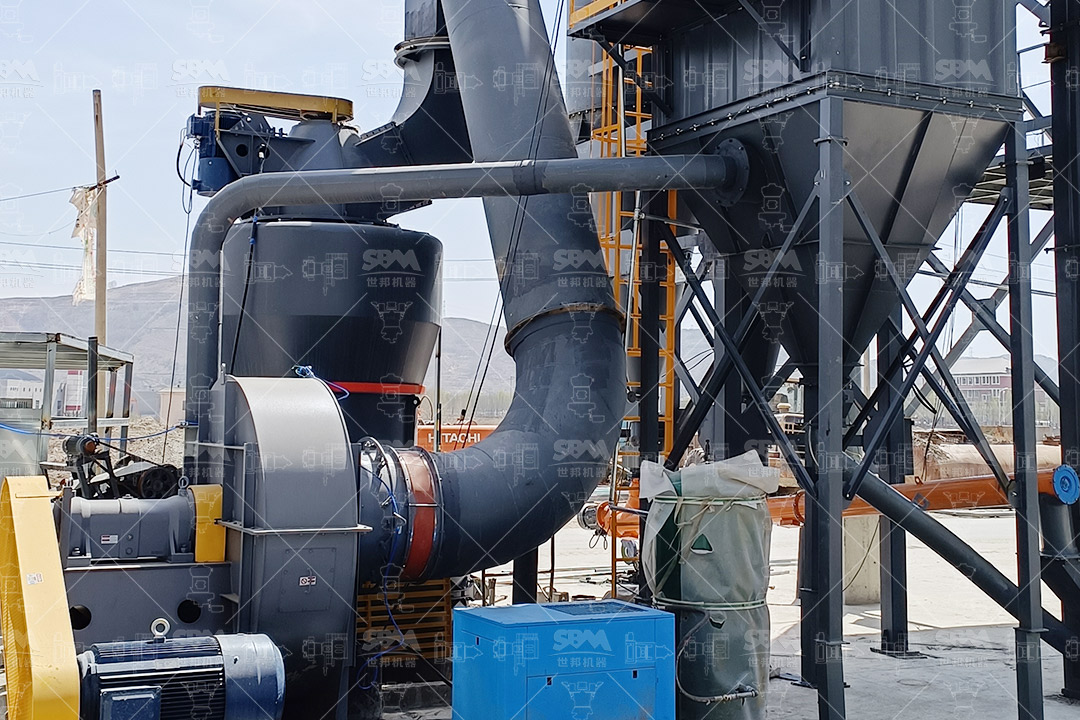
A manufacturer of high-purity zirconia components for medical implants implemented the SCM1000 Ultrafine Mill to address challenges with particle consistency and production efficiency. Prior to implementation, the company utilized a combination of jaw crushing, ball milling, and air classification that resulted in inconsistent particle size distribution and metallic contamination issues.
After installing the SCM1000 system, the manufacturer achieved:
The successful implementation demonstrates how advanced grinding technology can simultaneously address multiple production challenges while improving both product quality and operational economics.
The evolution of grinding technology for advanced ceramics continues, with several emerging trends shaping future developments:
Modern grinding systems increasingly incorporate IoT sensors, data analytics, and cloud connectivity to enable predictive maintenance, remote monitoring, and automated optimization. These digital capabilities reduce operational costs while improving product consistency.
Combining multiple grinding principles in single systems offers potential for improved efficiency and broader application ranges. Systems integrating impact, compression, and attrition grinding mechanisms can process challenging materials more effectively.
Energy efficiency, reduced consumable consumption, and minimized environmental impact continue to drive technology development. Advanced ceramics manufacturers increasingly prioritize sustainability alongside technical performance.
Continued development of wear-resistant materials for grinding components extends service life and reduces contamination risk. Ceramic-lined grinding chambers and advanced composite materials represent the frontier in grinding technology materials.
Optimizing grinding operations for advanced and specialty ceramics requires careful consideration of both equipment capabilities and operational strategies. The SCM Ultrafine Mill and MTW Trapezium Mill represent two distinct technological approaches suited to different production requirements within the ceramics industry. Manufacturers should evaluate their specific particle size requirements, production volumes, contamination sensitivity, and economic constraints when selecting grinding technology.
As advanced ceramics continue to find applications in increasingly demanding environments, from medical implants to aerospace components, the importance of precision grinding technology will only grow. By implementing appropriate grinding solutions and optimization strategies, manufacturers can achieve the material characteristics necessary for success in competitive global markets while maintaining operational efficiency and sustainability.