Moisture content in raw materials is one of the most critical factors influencing the performance and efficiency of hammer mills in industrial grinding operations. Understanding this relationship is essential for optimizing production processes, reducing operational costs, and maintaining consistent product quality. This comprehensive analysis explores how moisture affects various aspects of hammer mill operation and provides practical solutions for managing moisture-related challenges.
Moisture content directly influences the physical properties of materials being processed, which in turn affects the grinding efficiency and energy consumption of hammer mills. When materials contain excessive moisture, several mechanical challenges arise that compromise mill performance.
High moisture content significantly alters the flow properties of materials through the hammer mill. Dry materials typically flow freely through the grinding chamber, allowing for consistent feeding and uniform particle size reduction. However, moist materials tend to agglomerate, creating irregular flow patterns that lead to:
The relationship between moisture content and energy consumption follows a non-linear pattern that becomes increasingly problematic as moisture levels rise. Research indicates that energy requirements can increase by 15-30% when processing materials with moderate moisture content (8-12%) compared to dry materials (2-5%). This energy penalty results from:
The ideal moisture content varies significantly depending on the material characteristics and the desired final product specifications. Understanding these optimal ranges is crucial for maintaining efficient hammer mill operation.
| Material Type | Optimal Moisture Range | Critical Moisture Level | Primary Challenges Above Critical Level |
|---|---|---|---|
| Cereals & Grains | 10-14% | 16% | Screen clogging, reduced throughput |
| Wood Biomass | 12-18% | 25% | Hammer wear, energy spikes |
| Minerals & Ores | 1-5% | 8% | Agglomeration, reduced classification |
| Pharmaceuticals | 2-6% | 8% | Quality consistency, contamination risk |
| Recycled Materials | 8-12% | 15% | Throughput reduction, maintenance frequency |
Excessive moisture content creates multiple operational challenges that affect both short-term performance and long-term equipment reliability.
One of the most immediate effects of high moisture content is screen blinding, where moist particles adhere to screen surfaces and gradually block the openings. This phenomenon leads to:
Moist materials often contain corrosive elements that accelerate wear on hammer mill components. The combination of moisture and abrasive materials creates particularly challenging conditions that result in:
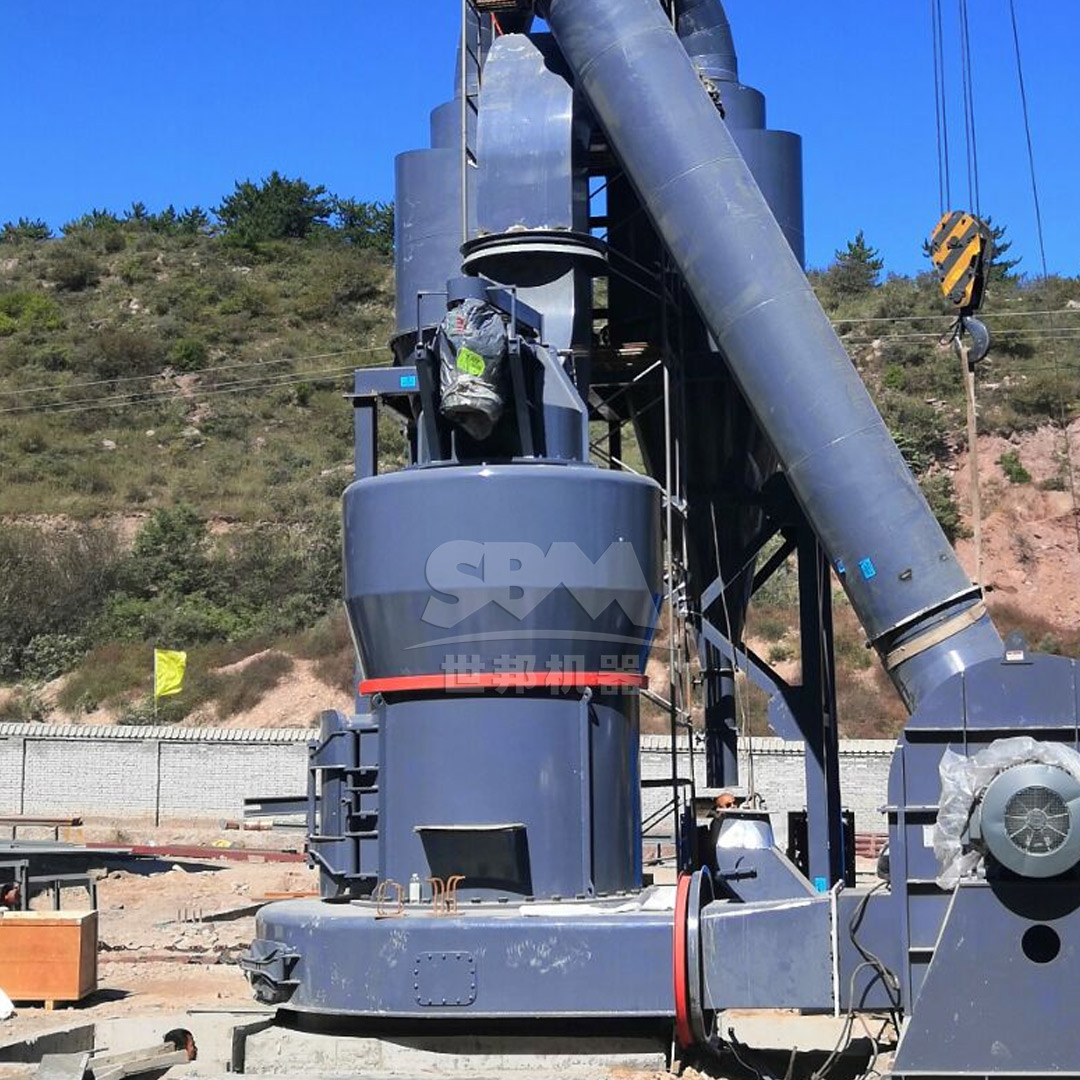
For operations dealing with variable or high-moisture materials, selecting the appropriate grinding technology is crucial for maintaining efficiency and product quality. Modern grinding systems incorporate features specifically designed to handle moisture-related challenges.
Advanced grinding systems can integrate thermal drying capabilities that address moisture issues during the grinding process. These systems typically feature:
Manufacturers have developed specialized hammer mill configurations that better handle moist materials through design innovations such as:
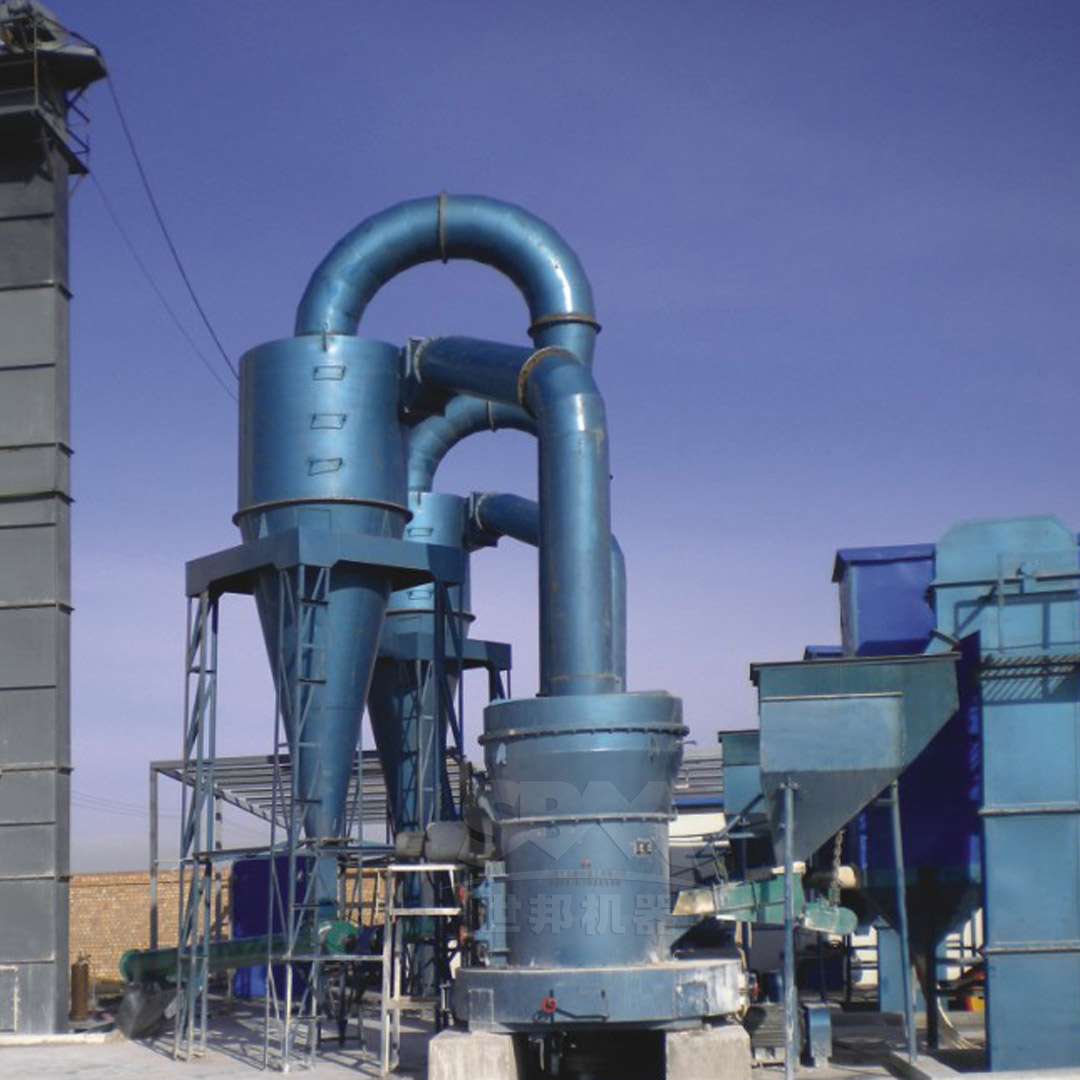
For operations requiring consistent performance with variable moisture materials, we recommend our MTW Series Trapezium Mill. This advanced grinding system incorporates multiple features specifically designed to mitigate moisture-related challenges while maintaining high efficiency and product quality.
The MTW Series excels in handling materials with moderate moisture content through its innovative design:
| Model | Max Feed Size | Output Fineness | Capacity Range | Moisture Tolerance |
|---|---|---|---|---|
| MTW110 | <30mm | 10-325 mesh | 3-9 t/h | Up to 12% |
| MTW138Z | <35mm | 10-325 mesh | 6-17 t/h | Up to 15% |
| MTW175G | <40mm | 10-325 mesh | 9.5-25 t/h | Up to 15% |
| MTW215G | <50mm | 10-325 mesh | 15-45 t/h | Up to 12% |
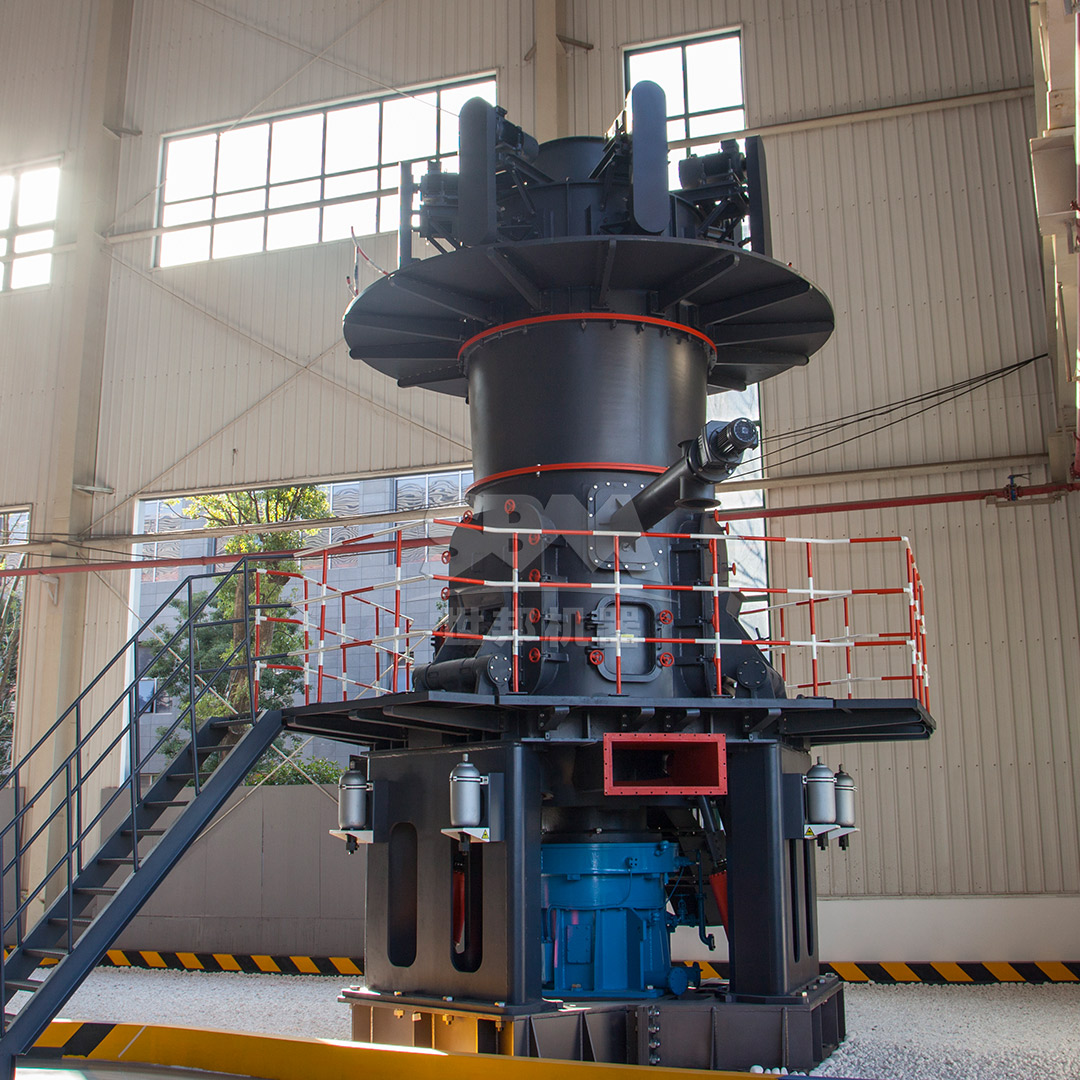
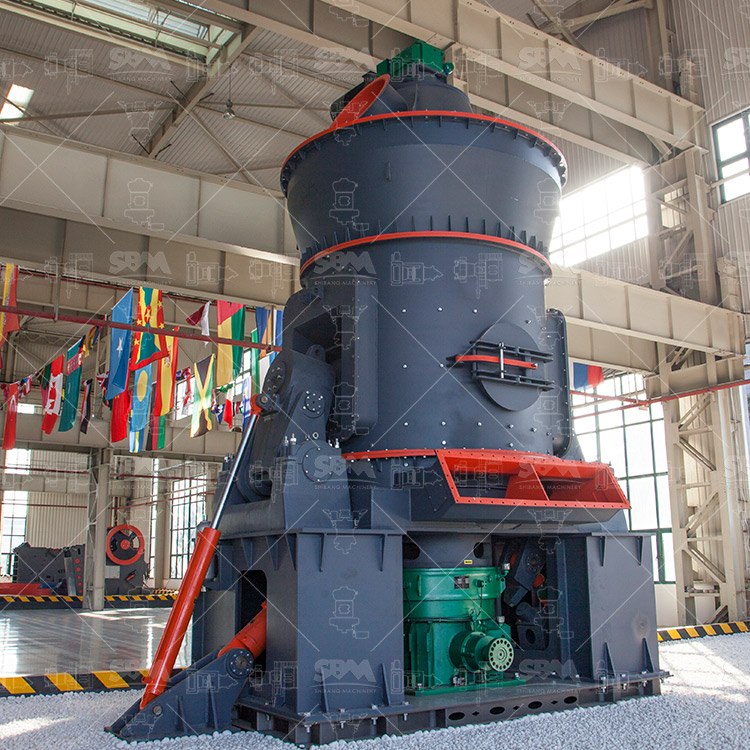
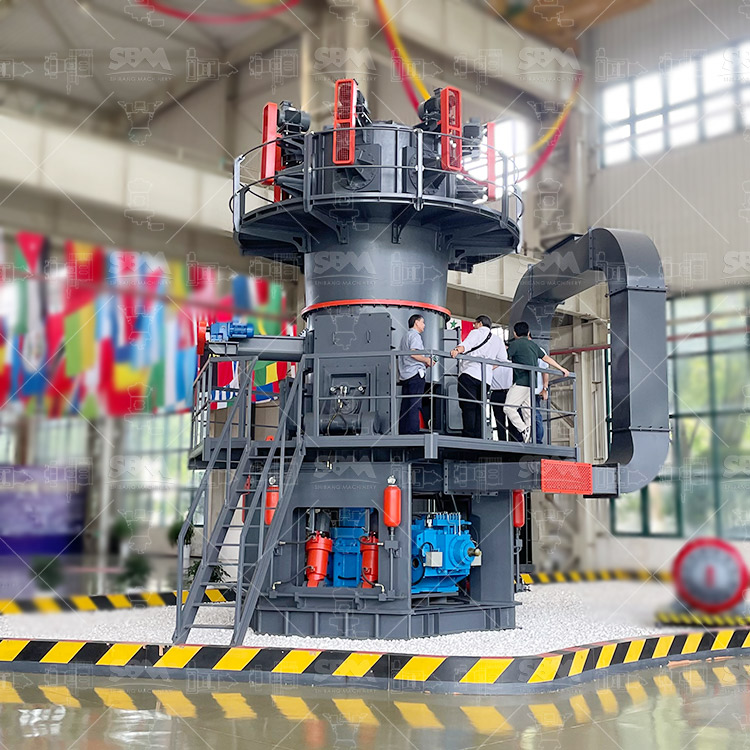
For operations requiring even greater moisture tolerance and higher capacity, our LM Series Vertical Roller Mill provides an excellent alternative. This system incorporates advanced drying capabilities that make it suitable for materials with moisture content up to 20% in certain configurations.
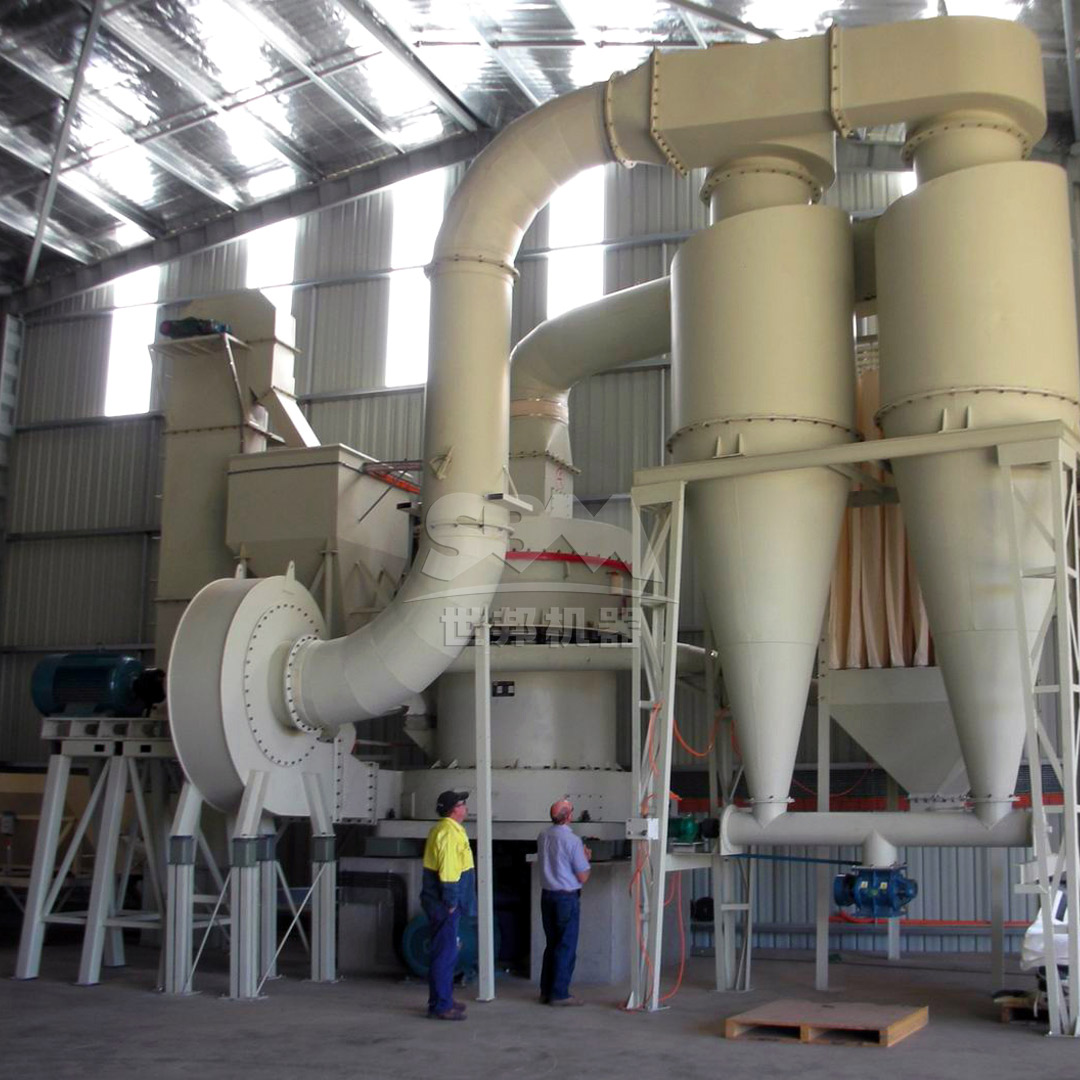
Implementing comprehensive moisture management strategies can significantly improve hammer mill performance and reduce operational costs.
Effective moisture management begins before materials enter the hammer mill:
Operators can implement several adjustments to optimize hammer mill performance when processing materials with variable moisture content:
Moisture content remains a critical factor in hammer mill performance and efficiency, influencing everything from energy consumption to product quality and equipment longevity. By understanding these relationships and implementing appropriate technologies and operational practices, operators can significantly improve their grinding operations. Our MTW Series Trapezium Mill and LM Series Vertical Roller Mill provide robust solutions for handling the challenges posed by variable moisture content, offering reliable performance across a wide range of operating conditions. Proper moisture management, combined with advanced grinding technology, enables operations to achieve optimal efficiency while maintaining consistent product quality and minimizing operational costs.