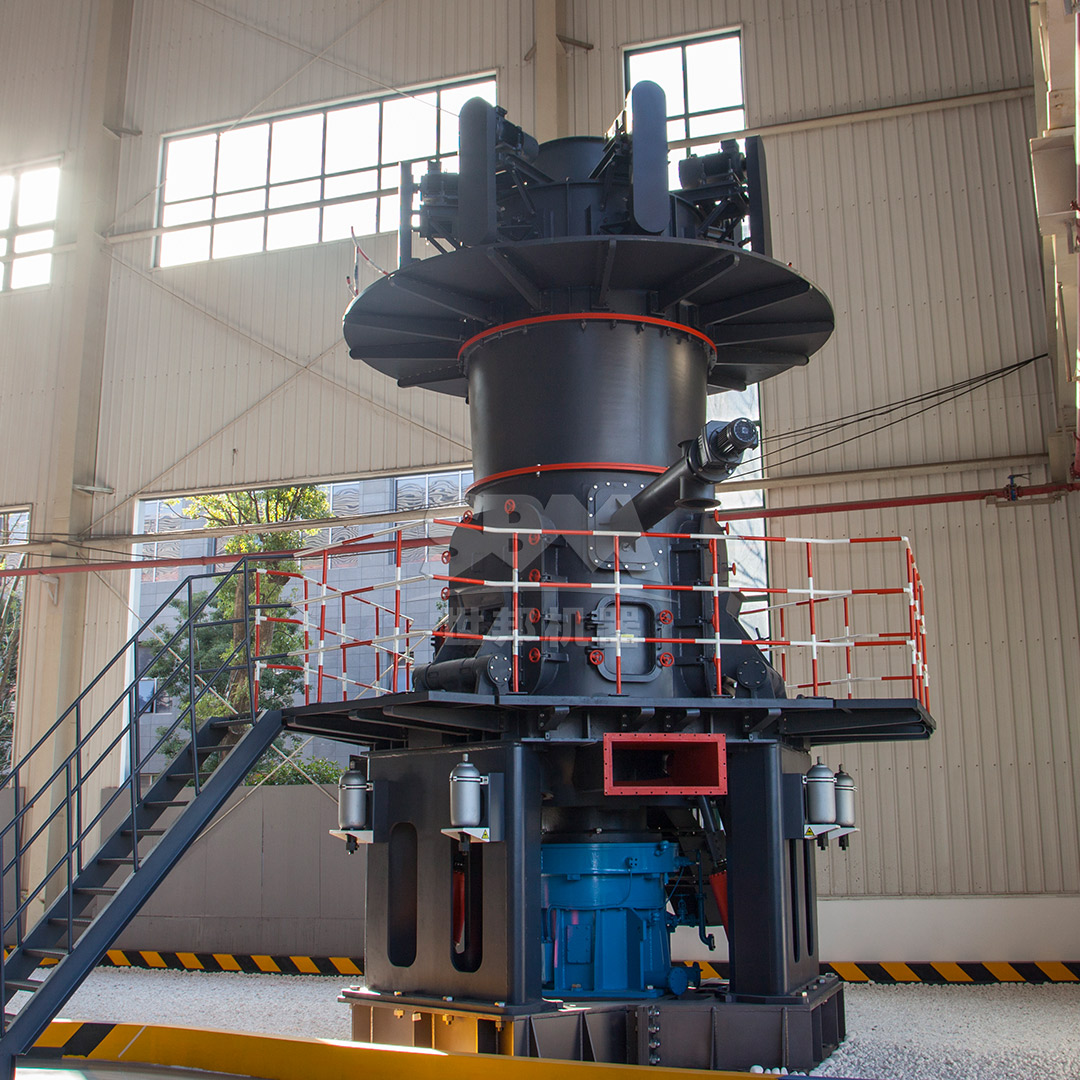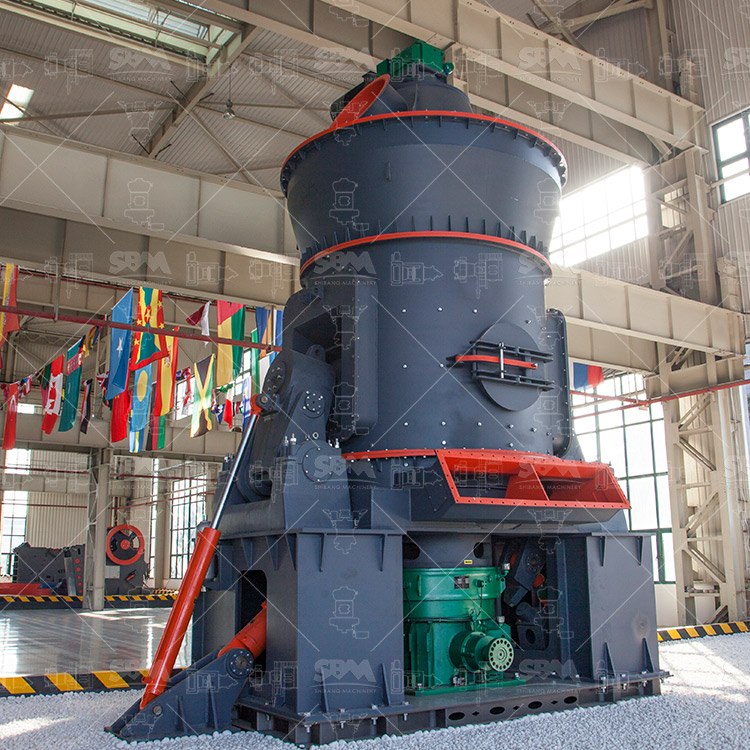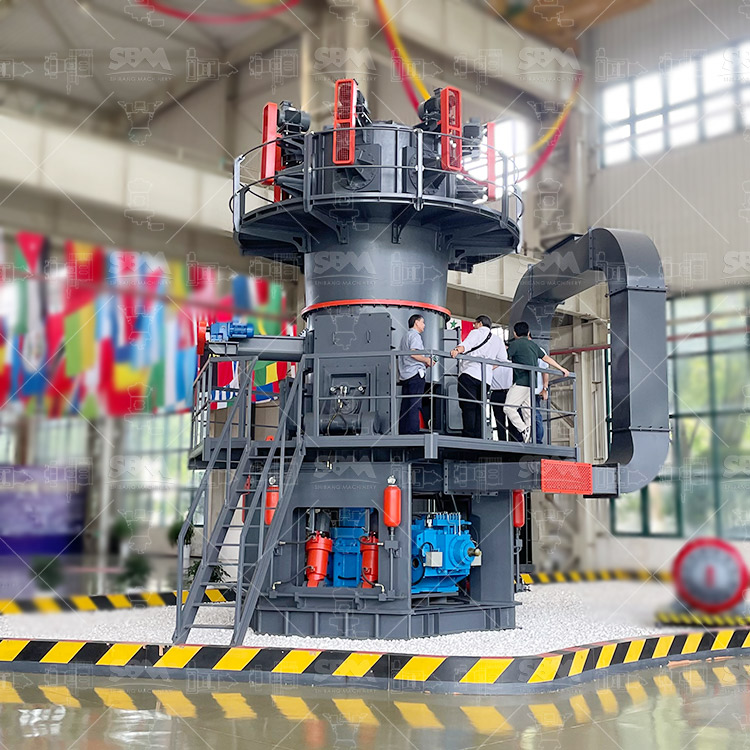
Marble powder, a valuable byproduct of marble processing, has found extensive applications in construction, plastics, paints, and coatings industries. The quality of marble powder directly impacts its performance in these applications, making proper evaluation essential for manufacturers and end-users. This comprehensive guide explores the key parameters and methodologies for assessing marble powder quality, with particular emphasis on how industrial grinding equipment selection influences these characteristics.
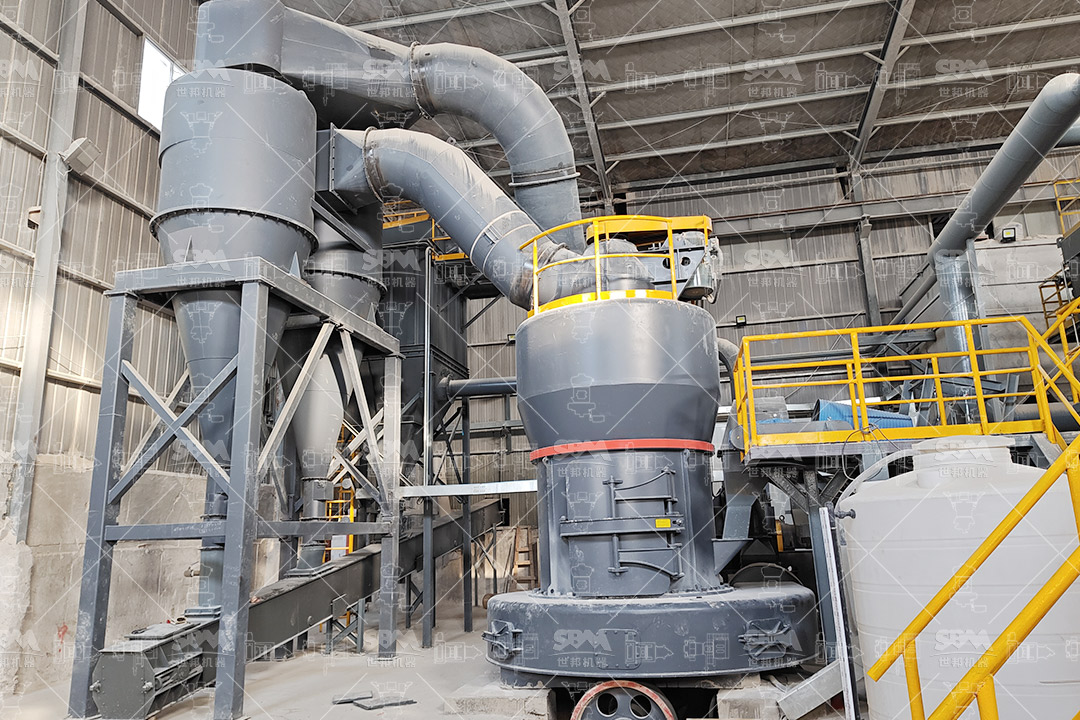
Particle size distribution (PSD) is arguably the most critical parameter determining marble powder quality. A well-controlled PSD ensures consistent performance in downstream applications. The evaluation should consider:
Modern laser diffraction analyzers provide the most accurate PSD measurements, with results typically expressed in micrometers or mesh sizes.
The chemical purity of marble powder significantly affects its suitability for various applications. Key components to analyze include:
| Component | Acceptable Range (%) | Impact on Quality |
|---|---|---|
| CaCO3 | >98.5 | Primary quality indicator |
| MgCO3 | <0.5 | Affects whiteness and chemical stability |
| SiO2 | <0.2 | Can cause abrasion in applications |
| Fe2O3 | <0.05 | Impacts color and purity |
| Moisture | <0.5 | Affects flowability and storage stability |
Beyond chemical composition, several physical properties determine marble powder performance:
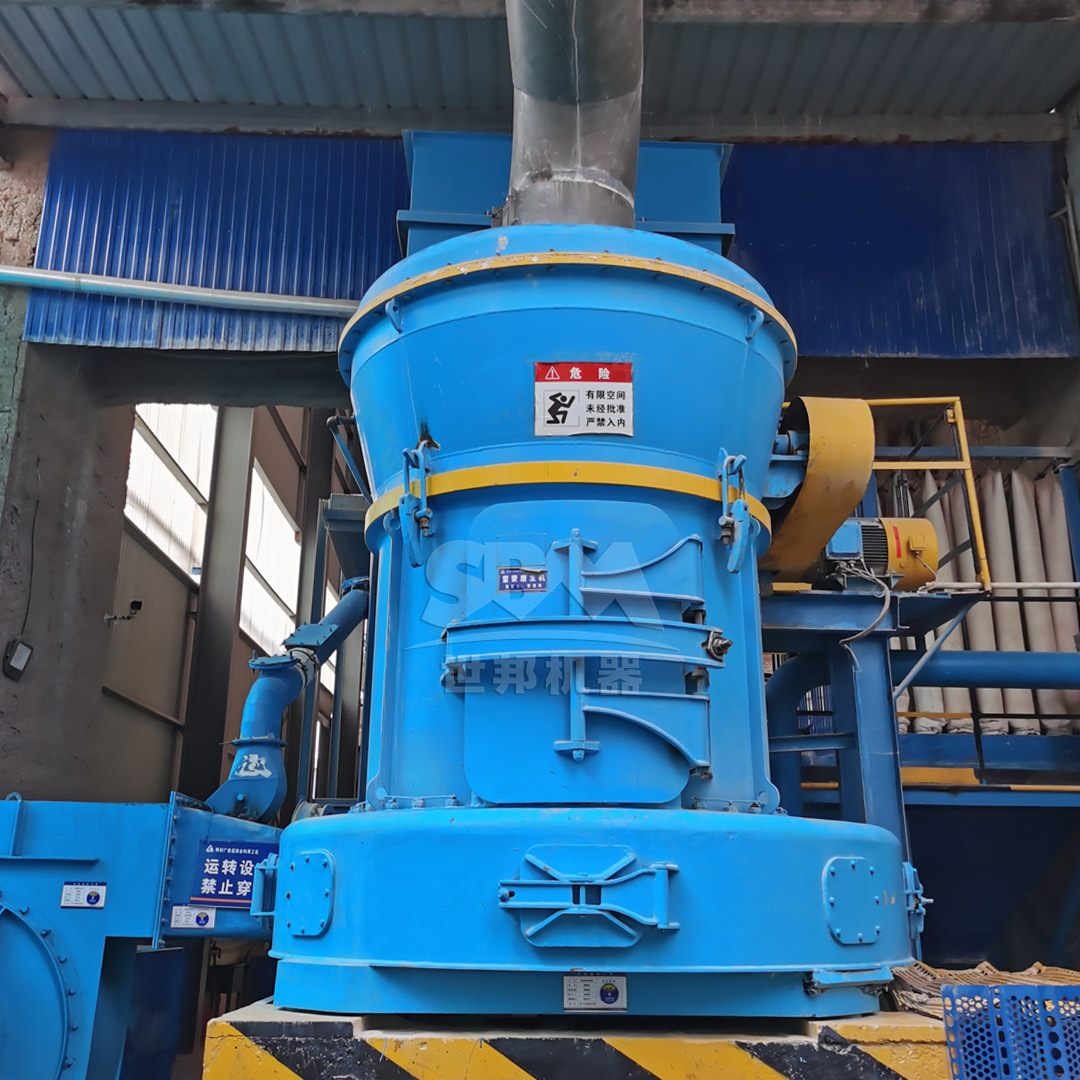
Different grinding technologies produce marble powder with distinct particle morphologies. Impact-based mills tend to create more angular particles, while compression-based systems like roller mills produce more cubic particles. The choice of grinding technology directly affects:
Excessive heat generation during grinding can degrade marble quality by:
Modern grinding systems incorporate efficient cooling mechanisms to maintain optimal processing temperatures.
For applications requiring extremely fine marble powder with tight particle size distribution, the SCM Series Ultrafine Mill represents the pinnacle of grinding technology. This advanced system offers:
The SCM Ultrafine Mill operates through a unique multi-layer grinding principle where material is dispersed into the grinding path by centrifugal force and undergoes progressive compression grinding. The system’s intelligent control automatically monitors and adjusts final product fineness, ensuring consistent quality output ranging from 0.5 to 25 tons per hour depending on the specific model.
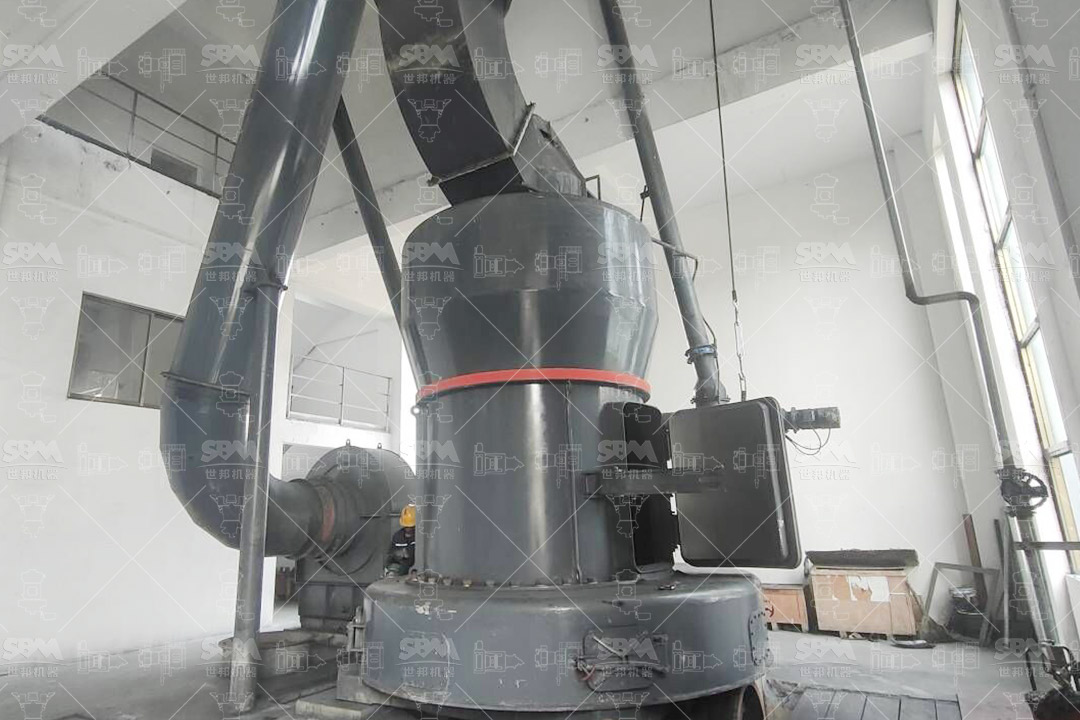
When production volume and operational efficiency are paramount, the MTW Series Trapezium Mill provides an optimal solution for marble powder processing. This European-style grinding mill features:
The MTW Series employs an innovative grinding mechanism where the main motor drives grinding rollers to revolve around the central shaft while rotating themselves. The curved shovel blade throws materials into the space between the grinding ring and rollers, forming a material layer that undergoes efficient compression grinding. The integrated classification system precisely controls final product particle size distribution.
Implementing a comprehensive testing protocol ensures consistent marble powder quality:
| Test Parameter | Standard Method | Frequency | Acceptance Criteria |
|---|---|---|---|
| Particle Size | Laser Diffraction (ISO 13320) | Every 2 hours | ±2% from target D97 |
| Chemical Composition | XRF Analysis | Daily | CaCO3 >98.5% |
| Brightness | ISO 2470 | Every 4 hours | >95% |
| Moisture Content | Loss on Drying (105°C) | Every 4 hours | <0.5% |
| Residue on 45μm Sieve | Wet Sieving | Every 8 hours | <0.1% |
Implementing Statistical Process Control (SPC) enables proactive quality management through:
Inconsistent particle size distribution often stems from:
Regular maintenance and calibration of grinding and classification systems are essential for maintaining consistent product quality.
Metallic contamination from grinding media represents a significant quality concern. Modern grinding systems address this through:
Evaluating marble powder quality requires a multifaceted approach considering particle size distribution, chemical composition, and physical properties. The selection of appropriate grinding technology plays a crucial role in determining final product characteristics. Advanced grinding systems like the SCM Ultrafine Mill and MTW Series Trapezium Mill provide manufacturers with the capability to produce high-quality marble powder meeting the stringent requirements of modern industrial applications. By implementing comprehensive testing protocols and statistical process control, producers can ensure consistent quality while optimizing production efficiency and cost-effectiveness.
As market demands continue to evolve toward finer particle sizes and tighter specifications, investing in advanced grinding technology becomes increasingly essential for maintaining competitive advantage in the marble powder industry. The integration of intelligent control systems, efficient classification technology, and robust construction in modern grinding equipment enables producers to meet these challenges while maintaining operational excellence.