In modern industrial processing, from pharmaceuticals and food additives to advanced ceramics and battery materials, achieving and maintaining a consistent particle size distribution (PSD) is paramount. It directly influences product quality, performance characteristics, reactivity, flowability, and final appearance. However, the inherent challenge lies in the variability of raw materials. Differences in hardness, moisture content, abrasiveness, and feed size can cause significant fluctuations in the output of a grinding mill, leading to batch inconsistencies, increased waste, and compromised product specifications. This article delves into the key strategies and technological solutions for overcoming these challenges, ensuring uniform particle size across diverse material inputs.
The first step towards consistent grinding is a thorough understanding of the material’s physical and chemical properties. These properties dictate the selection of grinding equipment and operational parameters.
Proper pre-processing, such as drying or pre-crushing to a uniform size, is often essential to create a stable feed condition for the mill.
Modern milling technology has evolved far beyond simple crushing. The key to consistency lies in integrated systems that combine efficient grinding with precise classification and intelligent control.
Two primary technological features are critical:
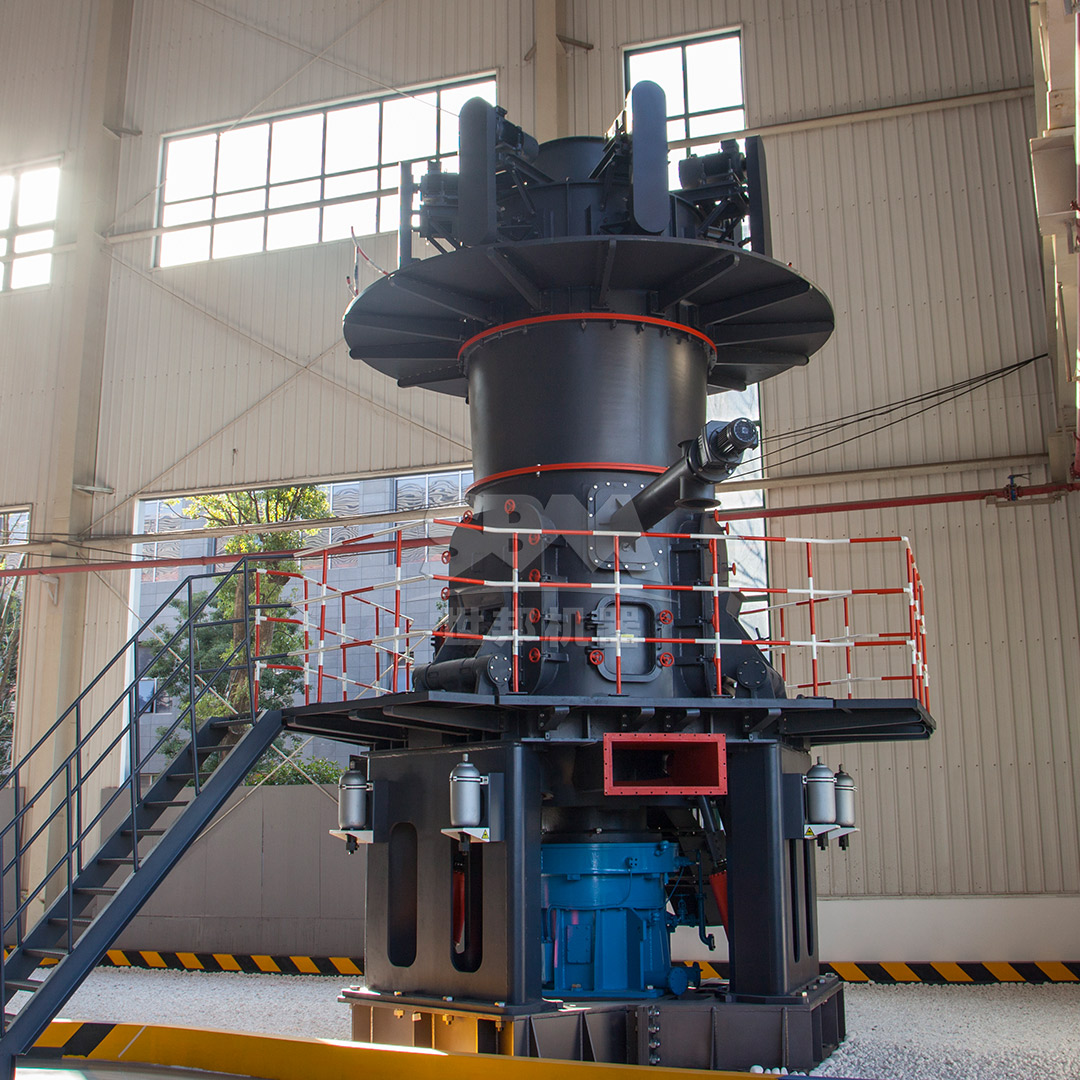
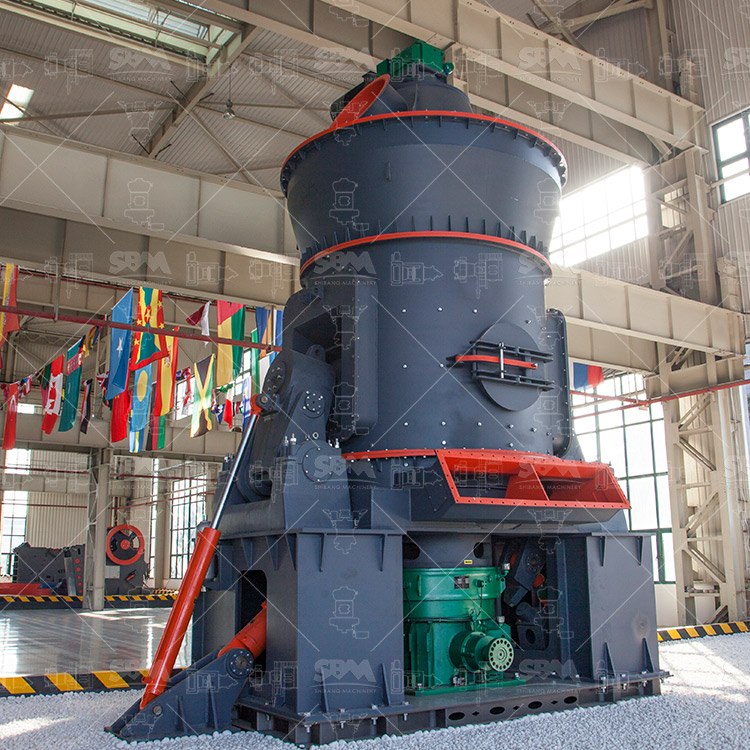
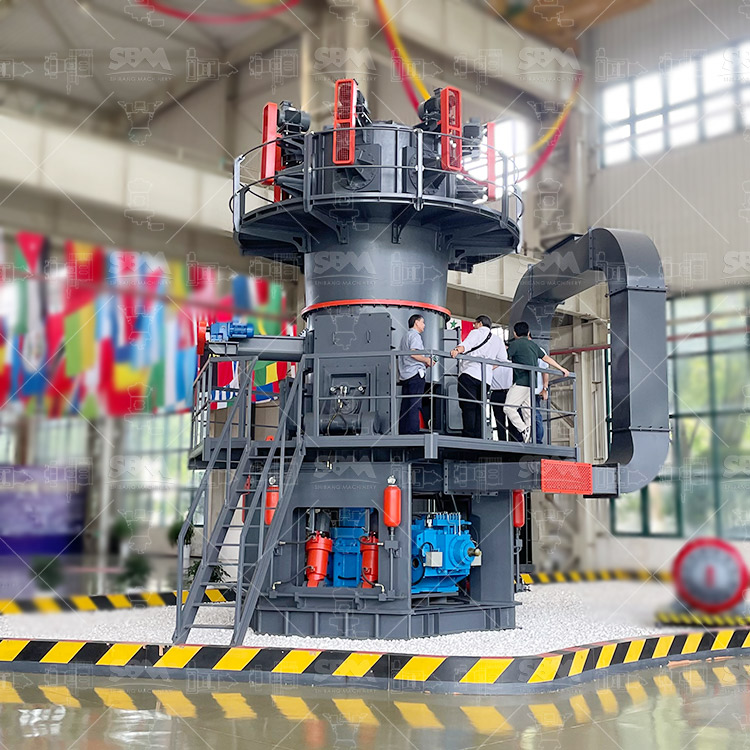
For operations demanding ultra-fine powders with extreme consistency, the SCM Ultrafine Mill represents a pinnacle of this technology. Its vertical turbine classifier enables precise particle size切割, achieving a consistent output in the range of 325-2500 mesh (D97 ≤5μm). The intelligent control system automatically monitors and feeds back on product fineness, making real-time adjustments to maintain set parameters. Furthermore, its special material rollers and磨环 significantly resist wear, ensuring the grinding geometry—and thus the particle size—remains stable over long periods, even with abrasive materials.
Even with advanced equipment, operational discipline is required.
| Parameter | Impact on Particle Size | Adjustment Strategy for Consistency |
|---|---|---|
| Feed Rate | Too high: Coarser output, mill overload. Too low: Over-grinding, finer output, energy waste. |
Maintain a steady, optimal feed rate using automated feeders. Match feed rate to mill capacity and material grindability. |
| Classifier Speed | Higher speed: Finer cut-point (finer product). Lower speed: Coarser cut-point. |
Use the classifier as the primary tool for fineness control. Make incremental adjustments and allow the system to stabilize. |
| Grinding Pressure / Force | Higher pressure: Higher throughput, potentially finer grind. Lower pressure: Coarser grind, less wear. |
Adjust to find the sweet spot for your material. Monitor pressure trends to anticipate roller/liner wear. |
| Airflow / Gas Volume | Critical for drying and transport. Affects classification efficiency and product moisture. | Optimize for material drying needs and to ensure efficient transport of fines to the classifier. |
Process Monitoring and Data Logging: Implement continuous monitoring of key parameters: motor amperage (indicates load), pressure differentials, temperatures, and classifier speed. Historical data helps identify drift and correlate parameter changes with shifts in PSD.
Wear on grinding elements (rollers, rings, hammers, liners) is inevitable but manageable. As parts wear, the effective grinding gap changes, leading to a gradual coarsening of the product.
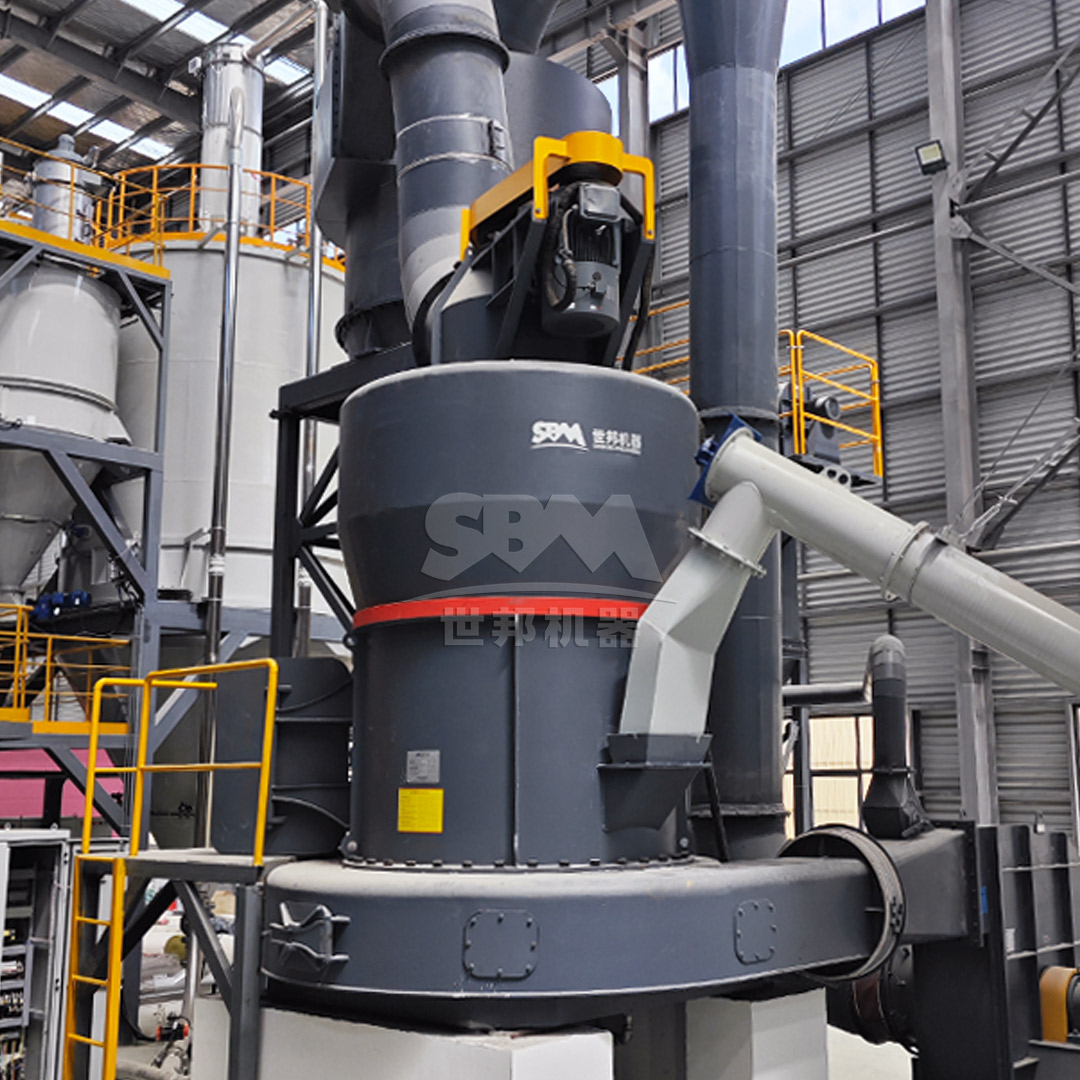
The ultimate solution for particle size consistency lies in automation and closed-loop control.
This level of integration transforms the mill from a standalone machine into a self-optimizing production unit, virtually eliminating human error and material variability as sources of inconsistency.
Maintaining consistent particle size when grinding different materials is not achieved by a single magic bullet. It requires a holistic strategy that combines:
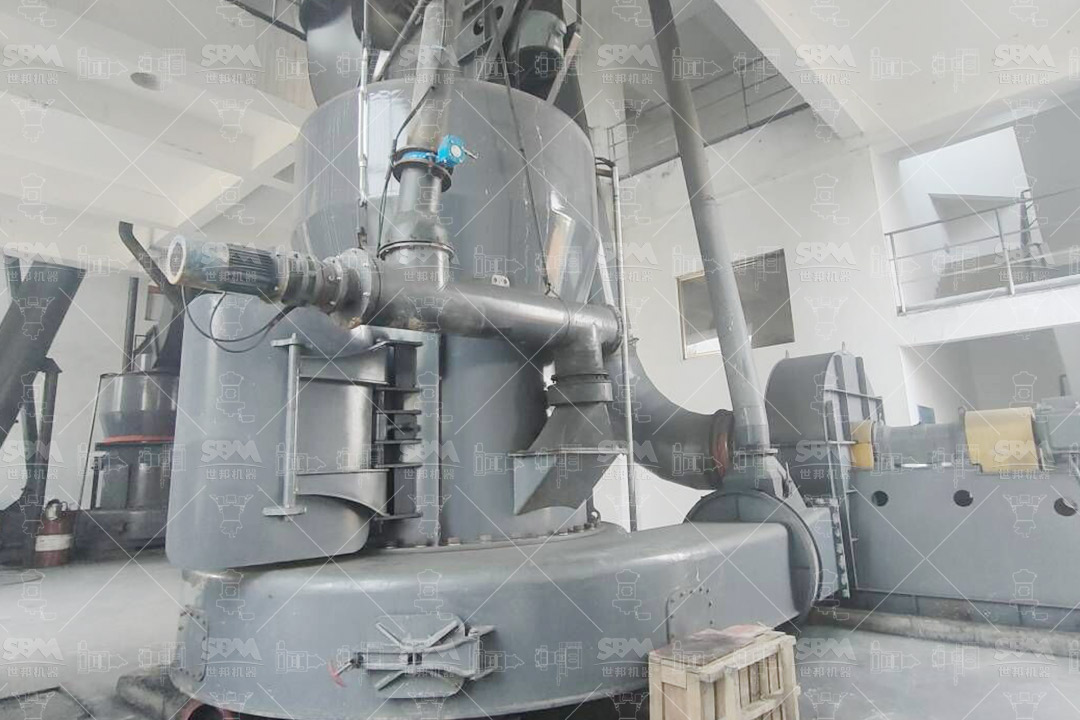
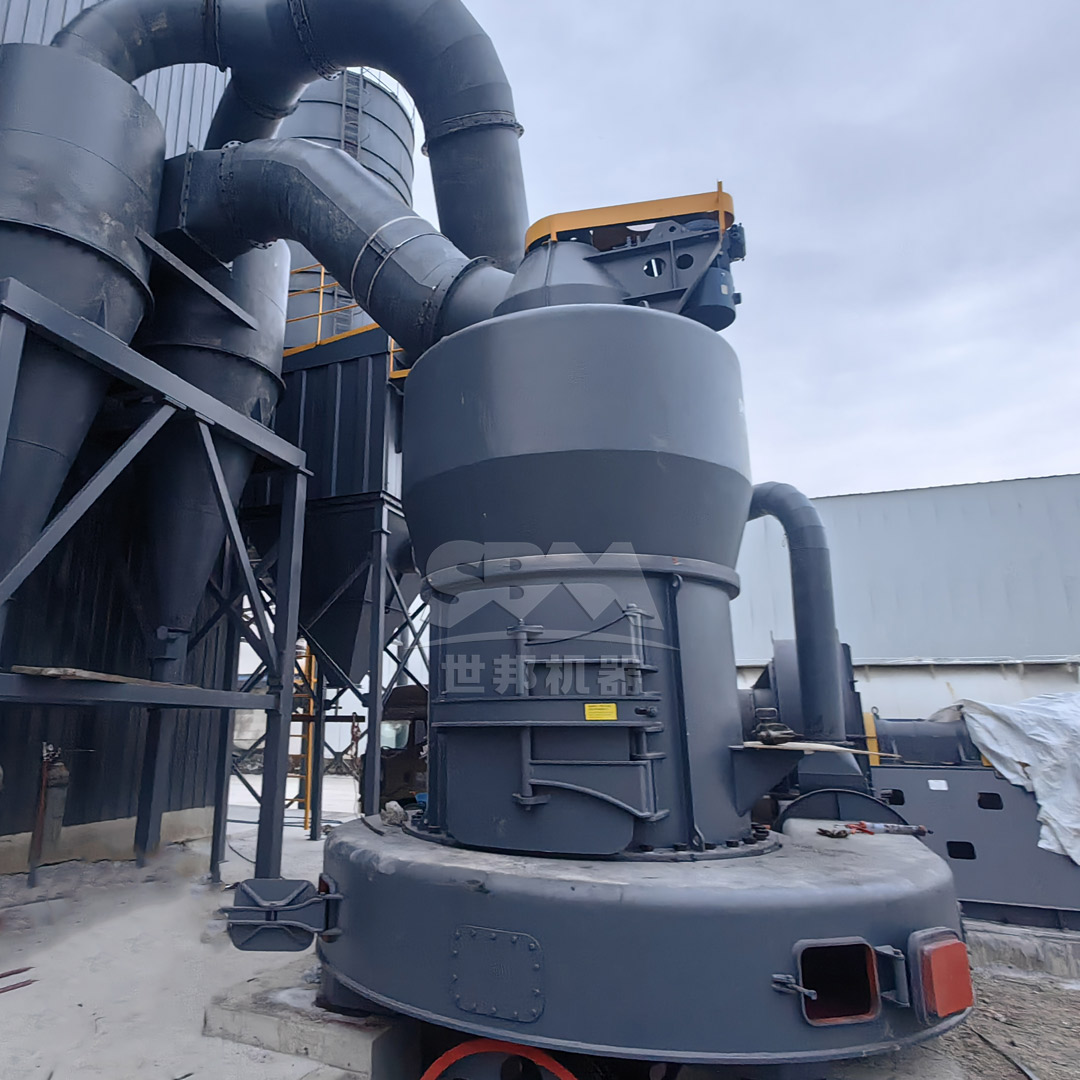
By understanding the interplay between material properties, machine design, and process control, manufacturers can select the right equipment—such as the ultra-fine precision of the SCM Ultrafine Mill or the high-capacity, wear-resistant reliability of the MTW Series Trapezium Mill—and implement the practices necessary to achieve unparalleled consistency. This not only guarantees product quality but also enhances yield, reduces energy consumption, and strengthens competitiveness in markets where particle size is a defining specification.