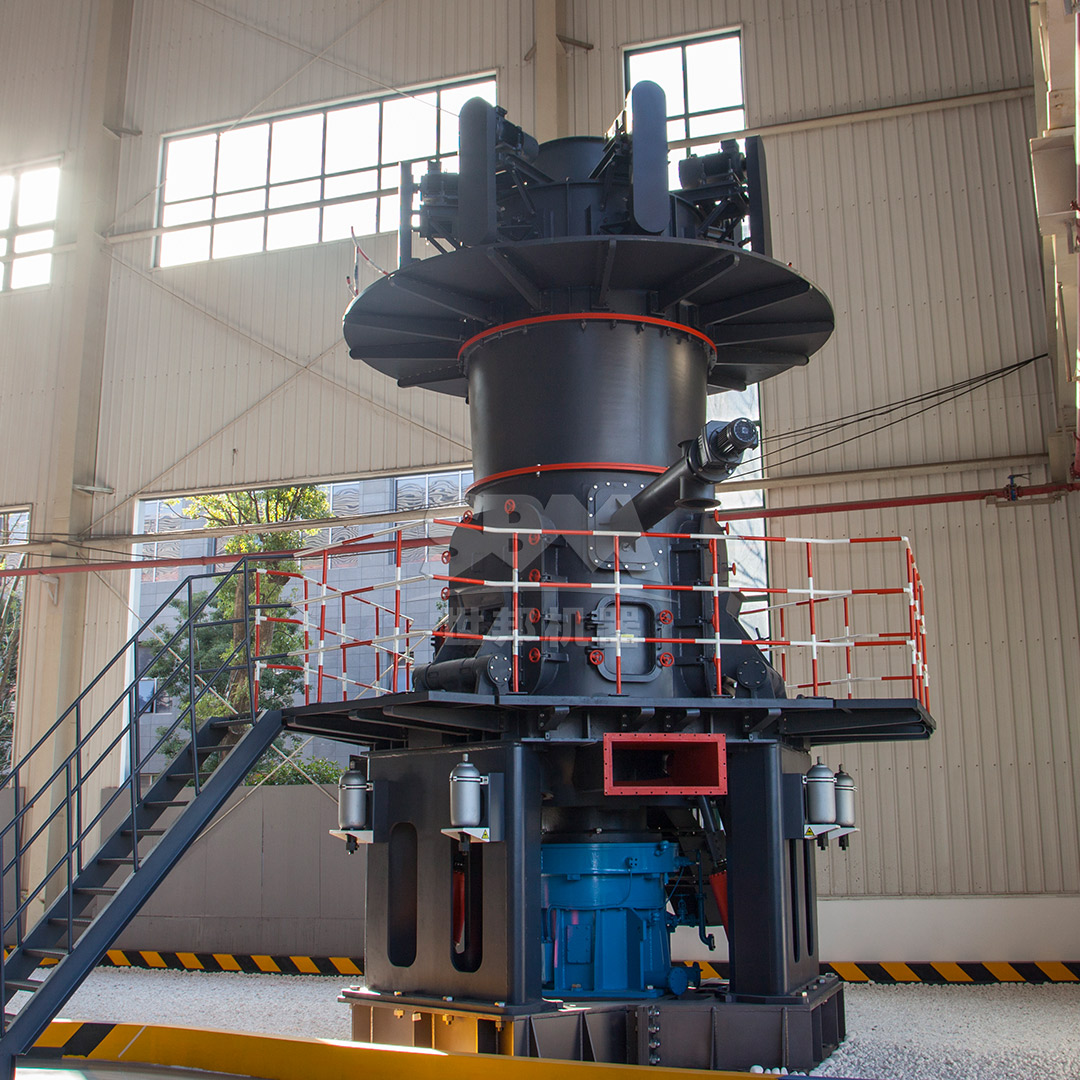
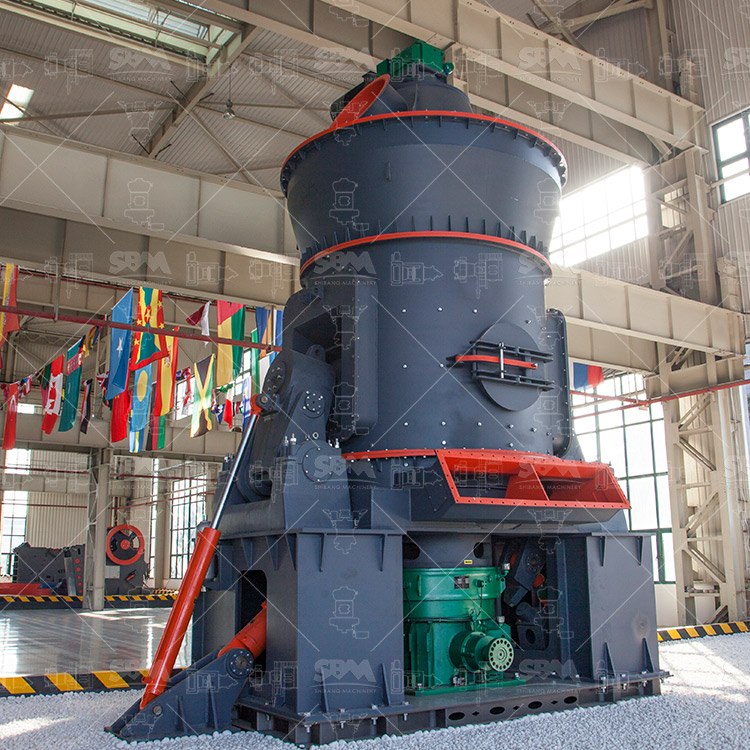
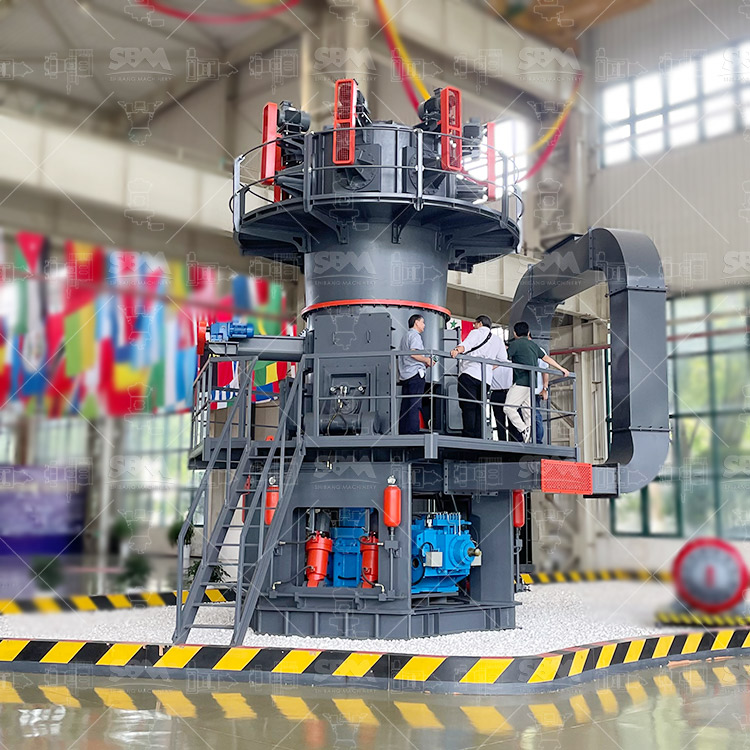
Selecting the optimal grinding mill is a critical decision in chemical processing, directly impacting product quality, operational efficiency, and overall profitability. The vast array of available technologies—from traditional ball mills to advanced vertical roller mills and ultrafine grinding systems—can make the selection process daunting. An incorrect choice can lead to excessive energy consumption, inconsistent particle size distribution, high maintenance costs, and failure to meet product specifications. This guide provides a systematic, material-centric approach to mill selection, empowering process engineers and plant managers to make informed decisions that align with their specific operational goals and material characteristics.
The selection process must begin with a thorough analysis of both the material to be processed and the desired outcome. The following factors are paramount:
Understanding the core grinding technologies is essential for matching them to material properties.
| Mill Type | Primary Mechanism | Typical Fineness Range | Ideal Material Characteristics | Key Advantages | Considerations |
|---|---|---|---|---|---|
| Ball Mill / Rod Mill | Impact & Attrition (Tumbling) | Coarse to Medium (0.8mm – 45μm) | Wet or dry grinding. Versatile for many minerals, ores, clinker. Good for blending. | Proven technology, high capacity, can produce very fine powder with long grinding time. | High energy consumption, noisy, large footprint, potential for over-grinding. |
| Vertical Roller Mill (VRM) | Compression (Bed Grinding) | Medium to Fine (600μm – 45μm, some to 600目) | Medium-hard materials (limestone, slag, clay, phosphate). Can handle slightly moist feed with hot gas. | Highly energy-efficient, integrated drying/grinding/classification, compact, low noise. | Higher capital cost, sensitive to feed size variations, less suitable for very abrasive materials. |
| Raymond Mill / Pendulum Roller Mill | Compression & Shear | Medium (600μm – 45μm) | Non-metallic minerals with Mohs hardness <7, non-explosive (barite, calcite, feldspar, talc). | Reliable, stable operation, wide adjustable fineness, lower investment cost for medium fineness. | Lower capacity for ultrafine grinding, wear on grinding rolls/ring. |
| Ultrafine Grinding Mill | Compression, Impact, & Shear | Fine to Ultrafine (45μm – 5μm, 325-2500目) | Medium-hard, brittle materials requiring high surface area or sub-micron particles (calcium carbonate, kaolin, graphite, pharmaceuticals). | Produces narrow, consistent particle distribution, high classification accuracy, often integrated with advanced classifiers. | Higher specific energy for ultrafine range, requires precise feed control, higher wear for abrasive ultrafine grinding. |
| Jet Mill (Fluid Energy Mill) | Particle-on-Particle Impact | Ultrafine (<10μm) | Heat-sensitive, high-purity, or extremely hard materials. No moving parts contact material. | No contamination, uniform spherical particles, ideal for heat-sensitive materials. | Very high energy consumption, lower capacity, high operational cost. |
Requirements: High brightness, controlled top cut (D97), narrow size distribution for paper, paint, and plastic fillers.
Recommendation: For ground calcium carbonate (GCC) from 600目 to 2500目, an ultrafine vertical roller mill or a dedicated ultrafine mill is ideal. These mills combine efficient bed grinding with integral high-precision classifiers to achieve the desired fineness with superior energy efficiency compared to traditional multi-pass systems.
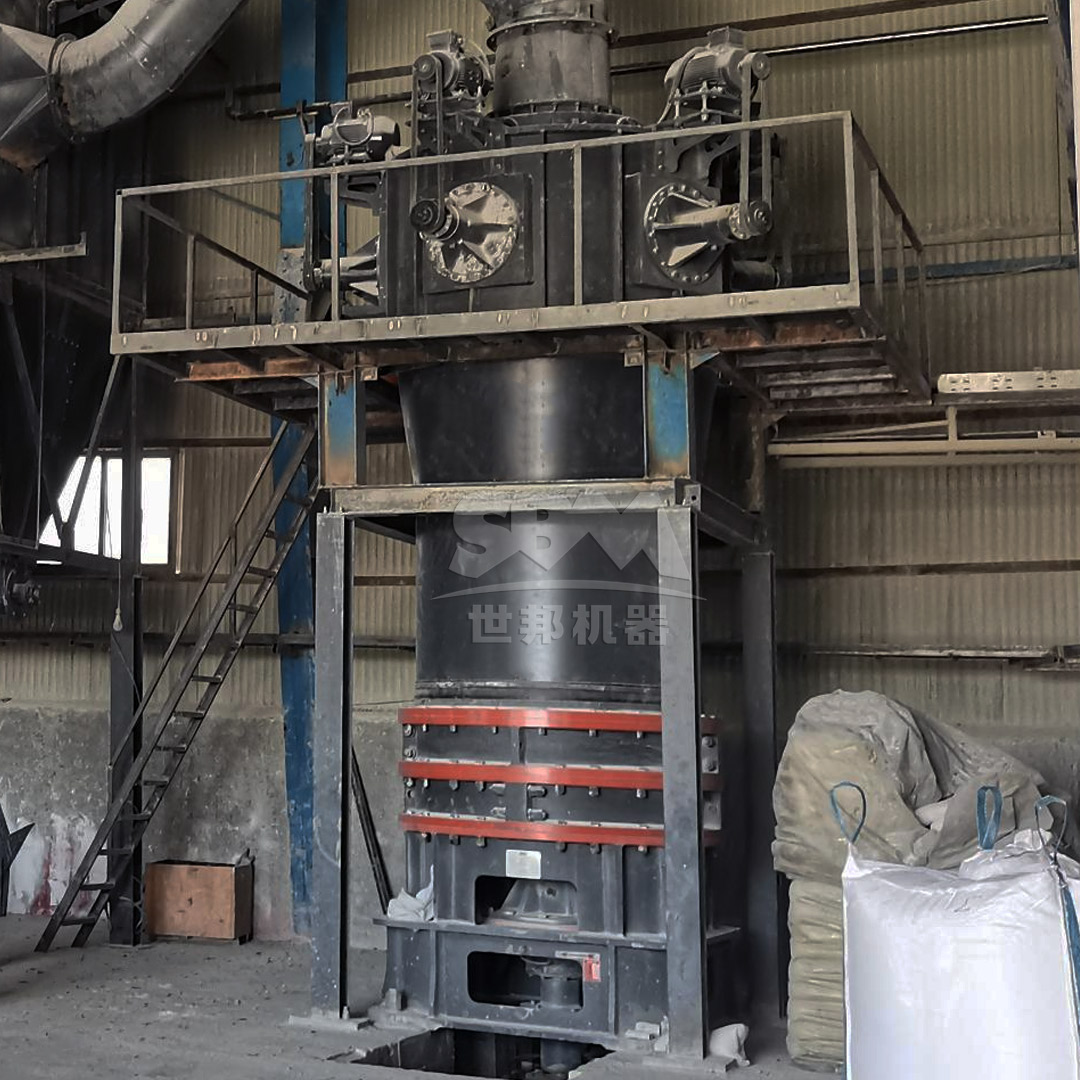
Our Solution: For high-volume production of coated and uncoated GCC in the range of 325-2500目, our SCM Ultrafine Mill series stands out. Its vertical turbine classifier ensures precise particle size cuts with no coarse powder contamination, delivering a uniform product critical for filler applications. With a capacity of 0.5-25 ton/h and energy consumption reportedly 30% lower than jet mills, it offers an optimal balance of performance and operating cost for large-scale carbonate processing.
Requirements: Ultrafine grinding (often D90 < 1μm), maintaining crystal structure, avoiding contamination (iron), and achieving high dispersion.
Recommendation: Agitator bead mills are common for final dispersion. For pre-grinding or certain pigment types, high-purity ceramic-lined ball mills or advanced jet mills are used to prevent iron contamination and manage heat.
Requirements: Sterility, purity, controlled particle size for bioavailability, often small batch processing.
Recommendation: Jet mills are the standard for sterile, contaminant-free micronization. For less sensitive materials, small-scale vibratory or planetary ball mills with easy-clean designs are suitable.
Requirements: High throughput, consistent fineness (often 200-1250目), low maintenance cost.
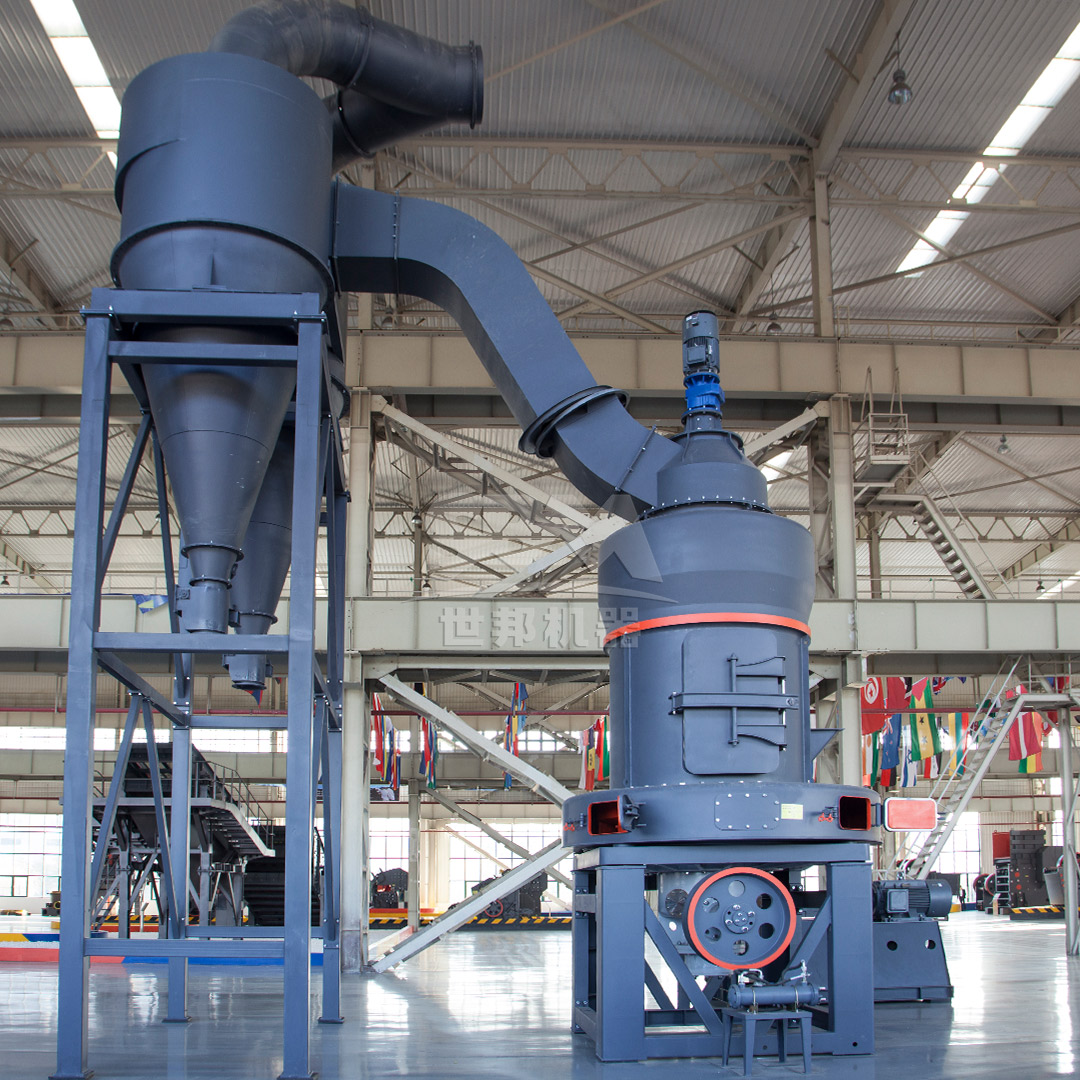
Recommendation: For materials with Mohs hardness below 7, pendulum roller mills (like the MTW Series) are a robust and cost-effective choice. They offer reliable performance, easy maintenance, and excellent energy efficiency for medium-fine grinding applications.
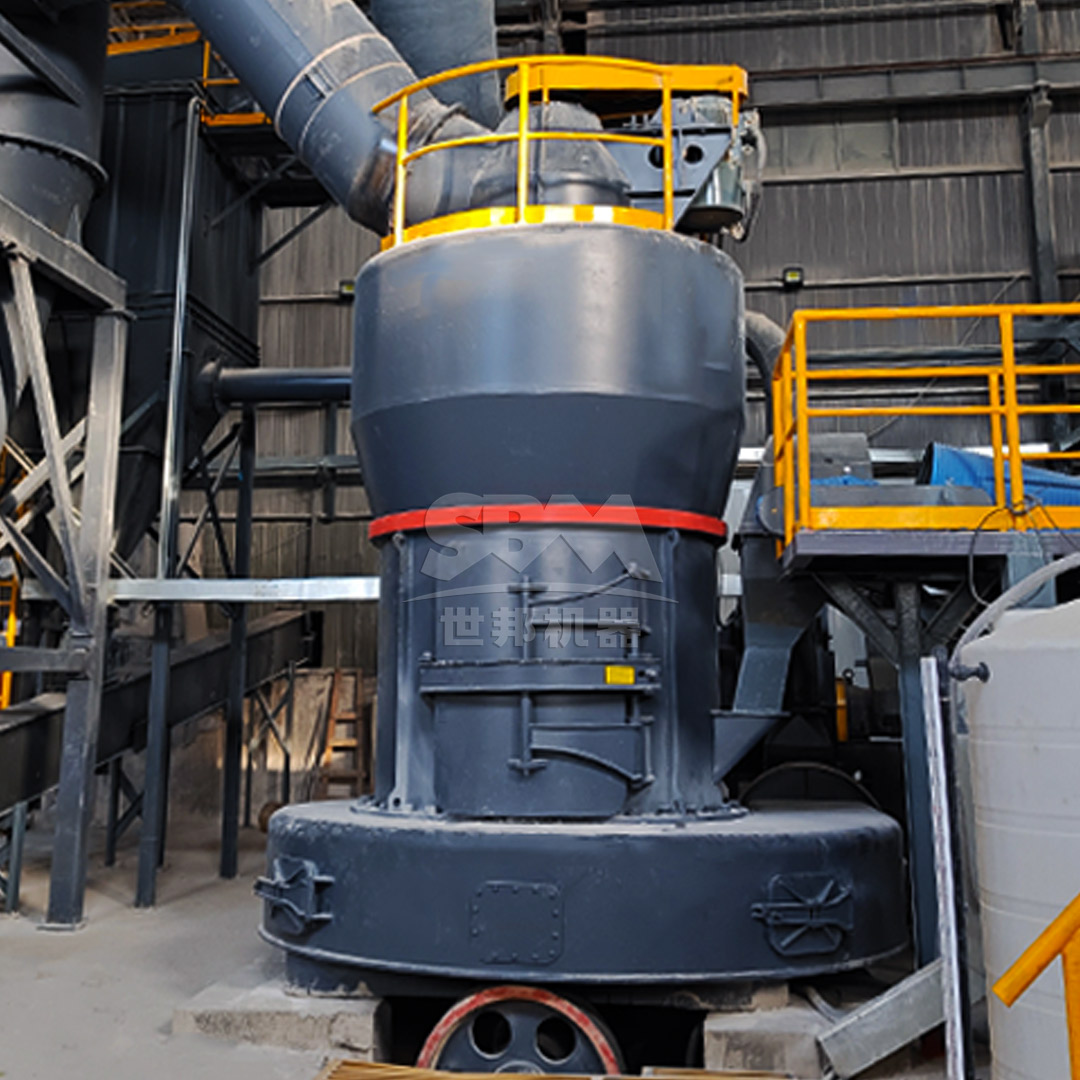
Our Solution: The MTW Series Trapezium Mill is engineered for high-efficiency grinding of non-flammable minerals with hardness under 9.3. Its curved air duct design minimizes flow resistance, and the bevel gear integral transmission achieves 98% efficiency, directly reducing energy costs. With capacities from 3-45 ton/h and fineness adjustable between 30-325目, it is a versatile workhorse for processing talc, barite, calcite, and similar fillers at a competitive operational expense.
There is no universal \”best\” grinding mill, only the optimal mill for a specific material and set of process requirements. The selection journey must be driven by data: material properties, precise product specifications, and validated test results. By prioritizing energy efficiency, system integration, and long-term reliability, chemical processors can invest in grinding technology that not only meets today’s quality standards but also ensures sustainable and profitable operation for years to come. Engaging with experienced suppliers who offer comprehensive test facilities and robust, technologically advanced solutions—like our SCM Ultrafine Mill for precision ultrafine work or the MTW Series Trapezium Mill for high-volume mineral processing—is a critical step toward achieving this goal.