In the realm of industrial size reduction, grinding time is not merely a process variable; it is a fundamental parameter that dictates the final product’s characteristics and the overall economic viability of the operation. The relationship between milling duration and outcomes such as particle size distribution (PSD), product quality, and operational efficiency is complex and non-linear. Understanding this interplay is crucial for optimizing processes across industries like mining, pharmaceuticals, ceramics, and chemicals. This article delves into the multifaceted effects of grinding time and explores how selecting the right milling technology can master this critical variable.
The primary objective of most milling processes is to achieve a target particle size. Initially, as grinding commences, the rate of size reduction is high. Large feed particles are fractured rapidly through mechanisms like impact, compression, and attrition. However, as particles become finer, the process enters a different regime. The rate of size reduction decreases significantly due to several factors: the increased number of particles, the greater probability of cushioning effects (where fine particles absorb energy meant for fracturing), and the increased strength of smaller particles (often described by the “Griffith flaw” theory).
Therefore, extending grinding time yields diminishing returns on size reduction. The curve of particle size (e.g., D50 or D97) versus time typically follows a first-order decay pattern, asymptotically approaching a limiting fineness. This limit is influenced by the mill’s energy input, the material’s hardness and brittleness, and the mill’s internal classification efficiency. Prolonged grinding beyond what is necessary to meet the target PSD is not only inefficient but can be detrimental.
| Grinding Phase | Particle Size Trend | Dominant Mechanism | Energy Efficiency |
|---|---|---|---|
| Initial (Coarse) | Rapid decrease | Impact, Compression | High |
| Intermediate | Steady decrease | Attrition, Abrasion | Moderate |
| Final (Fine/Ultrafine) | Slow decrease to limit | Attrition, Agglomeration risk | Low |
While achieving the correct fineness is paramount, product quality encompasses much more. Excessive grinding time can negatively impact several key quality attributes:
Thus, the optimal grinding time is a balance between achieving the target size and preserving or enhancing the desired product qualities.
From an operational standpoint, grinding is often the most energy-intensive unit operation in a processing plant. Energy consumption is directly proportional to grinding time. Operating a mill longer than necessary wastes electricity, increases wear part consumption, and reduces overall throughput. The economic impact is substantial.
Furthermore, efficiency is not just about minimizing time; it’s about maximizing the proportion of energy directed toward productive fracture versus heat, noise, and wear. Mills with poor design or outdated technology require longer residence times to achieve the same fineness, drastically inflating operational costs (OPEX). The key is to select equipment that delivers a high size reduction ratio per unit of energy and incorporates efficient internal classification to prevent over-grinding.
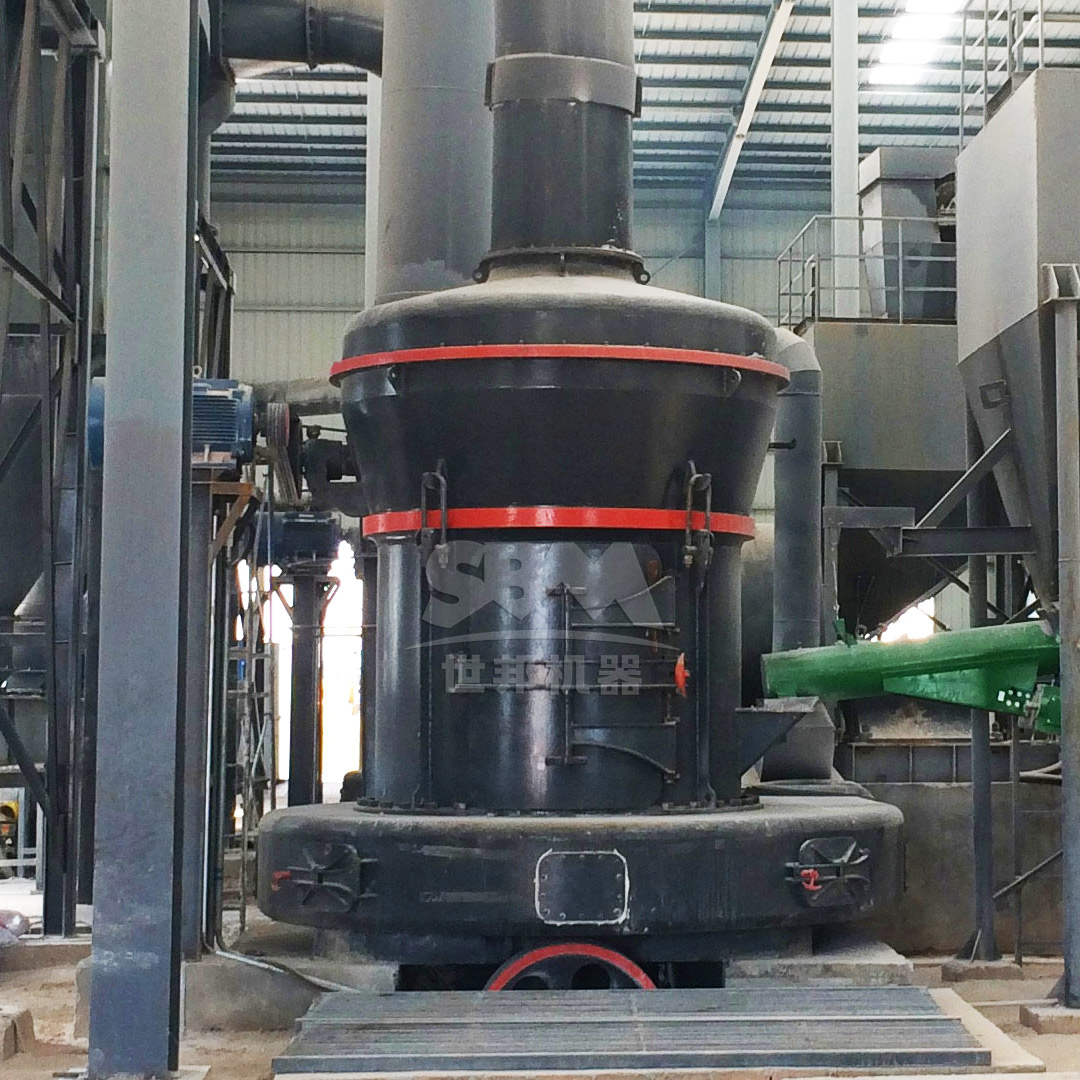
The challenges associated with optimizing grinding time are best addressed at the equipment selection stage. Modern milling technology focuses on intensifying the grinding process, improving classification accuracy, and minimizing unwanted side effects. Two exemplary solutions from our portfolio demonstrate how intelligent design can control the time-quality-efficiency triad.
1. For Ultrafine and Precision Grinding: The SCM Ultrafine Mill
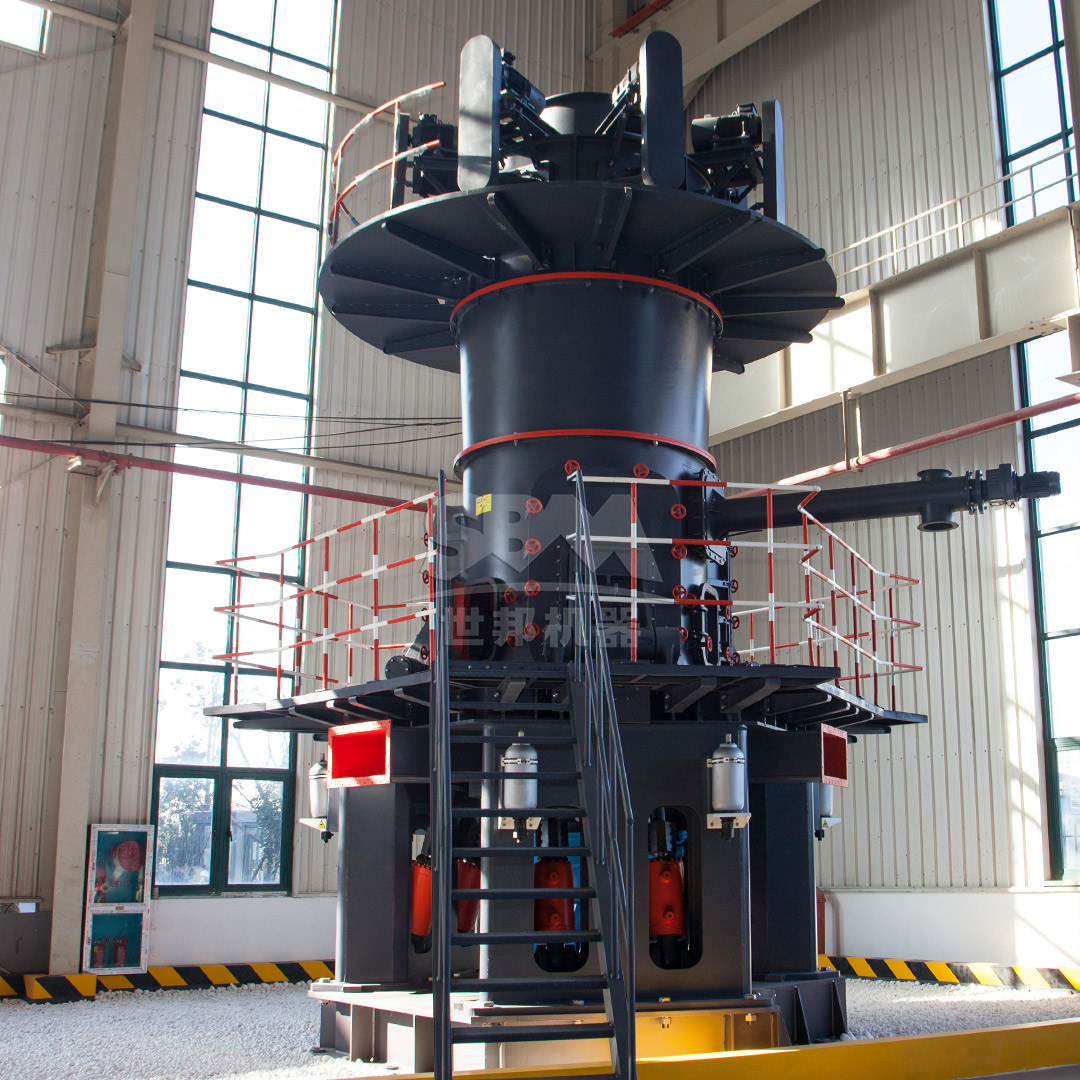
When the target is fine to ultrafine powder (325-2500 mesh, D97 ≤5μm), controlling grinding time and preventing over-processing is paramount. Our SCM Series Ultrafine Mill is engineered specifically for this demanding regime. Its core advantage lies in its integrated vertical turbine classifier. Unlike traditional mills where material remains in the grinding chamber until it is small enough to escape, the SCM mill features a highly precise, real-time classification system. The classifier immediately extracts particles that have reached the target size, sending them to the collection system. Coarser particles are swiftly returned to the grinding zone. This closed-circuit operation within a single machine drastically reduces unnecessary residence time for finished product, minimizing over-grinding, agglomeration, and heat generation.
This design translates directly to the benefits highlighted in your data: “产能为气流磨2倍,能耗降低30%” (Capacity twice that of jet mills, energy consumption reduced by 30%) and “无粗粉混入,成品均匀” (No coarse powder mixing, uniform product). By mastering material residence time, the SCM800 to SCM1680 models deliver superior efficiency and consistent, high-quality ultrafine powder, making it an ideal choice for high-value materials like ceramics, pigments, and advanced fillers.
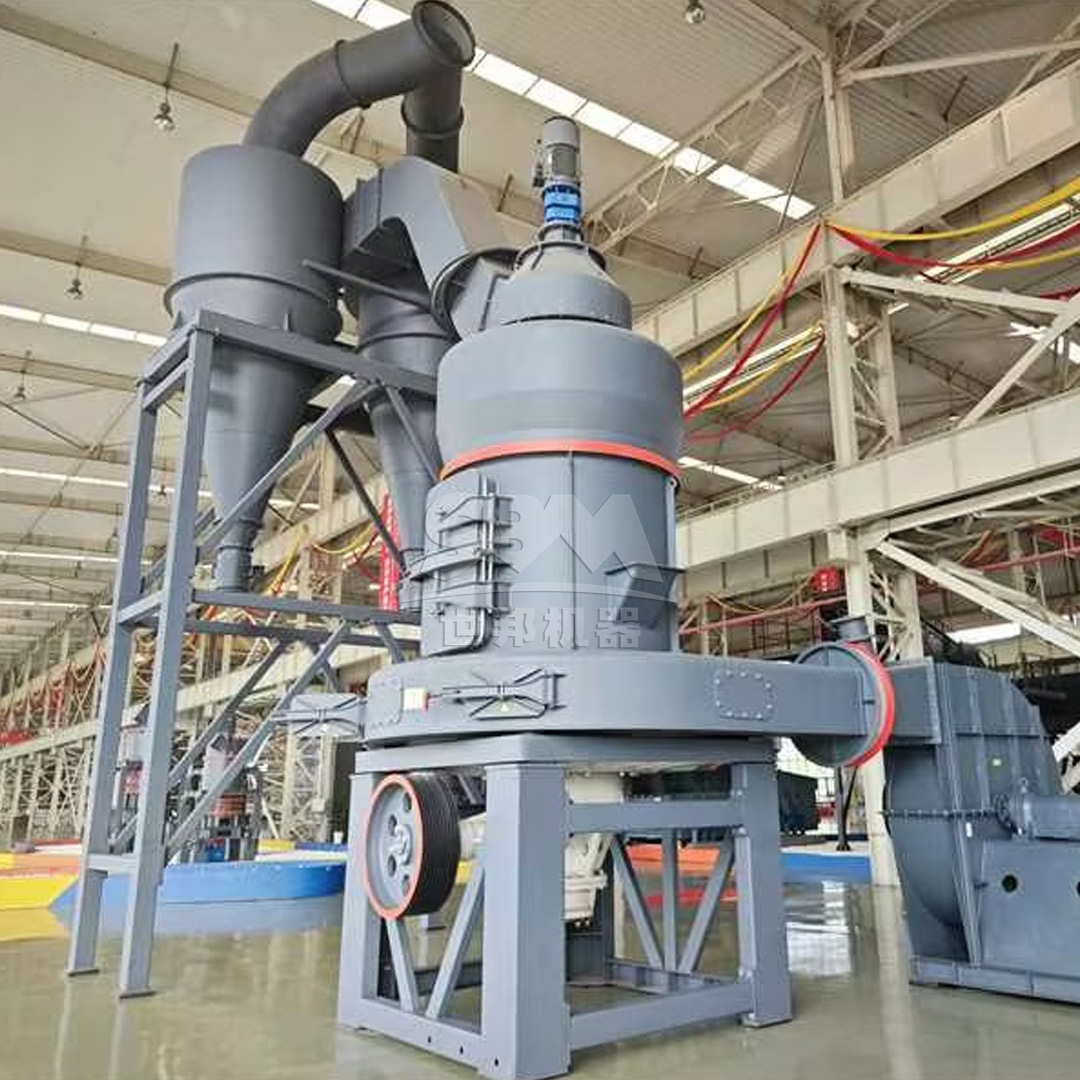
2. For High-Capacity, Coarse to Fine Grinding: The MTW Series Trapezium Mill
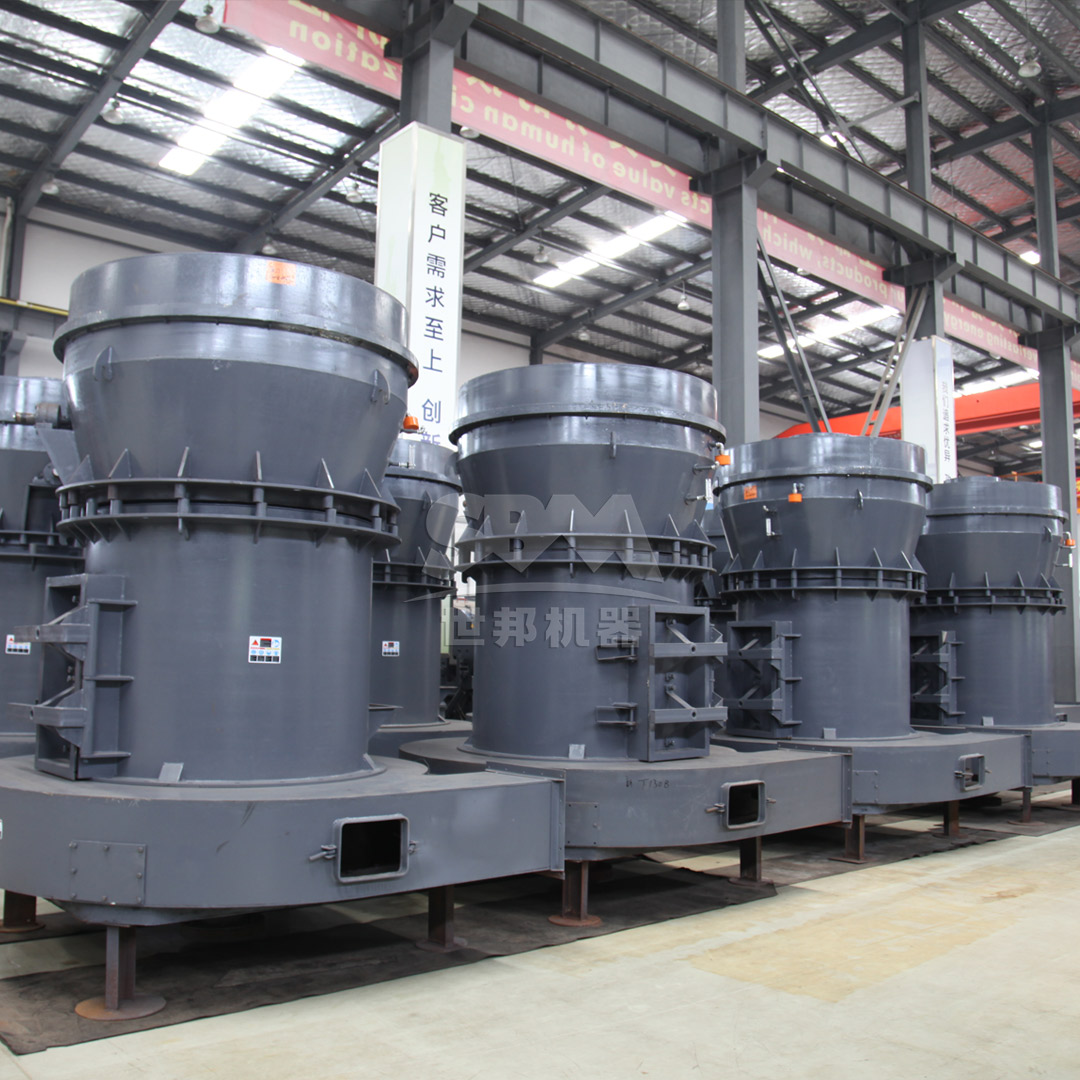
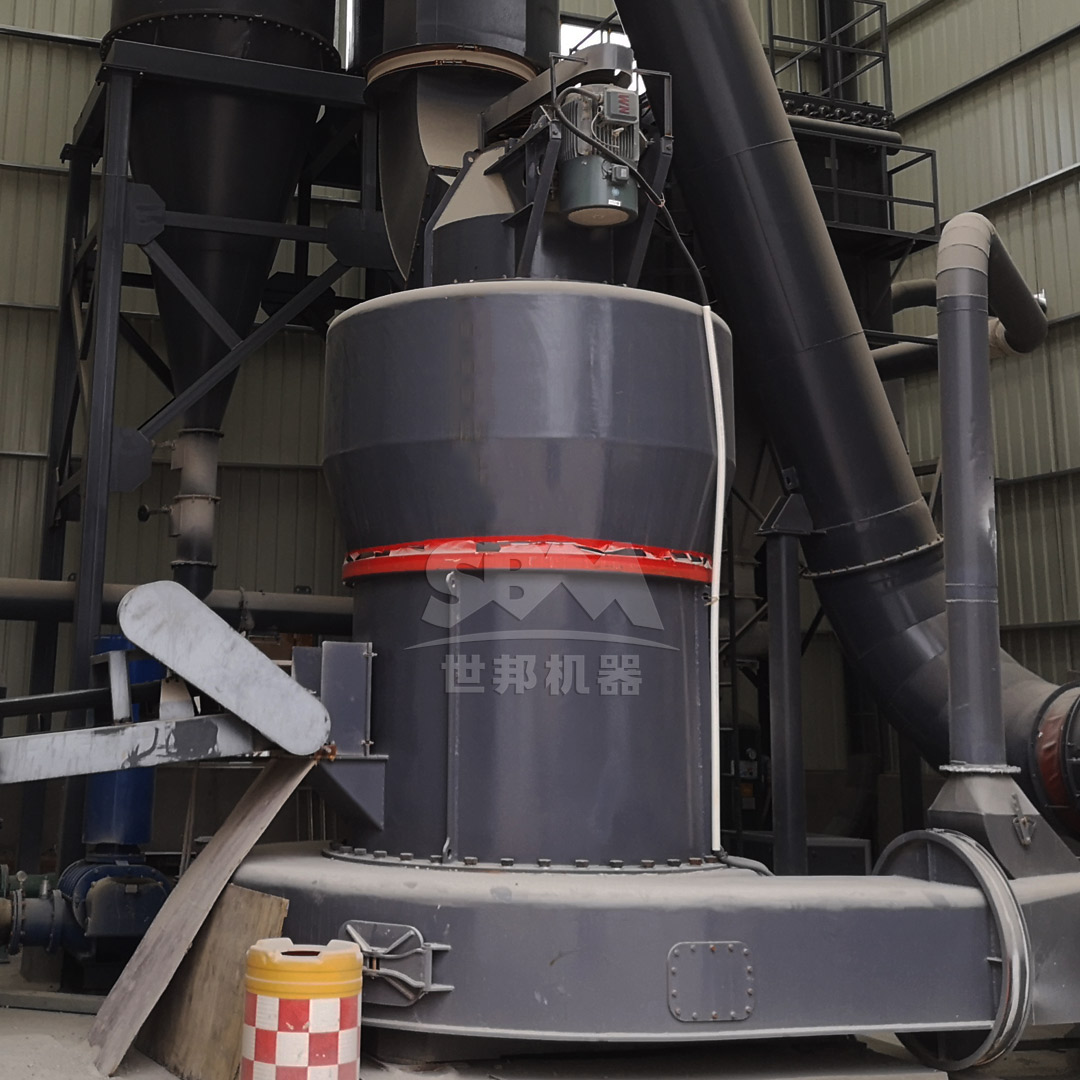
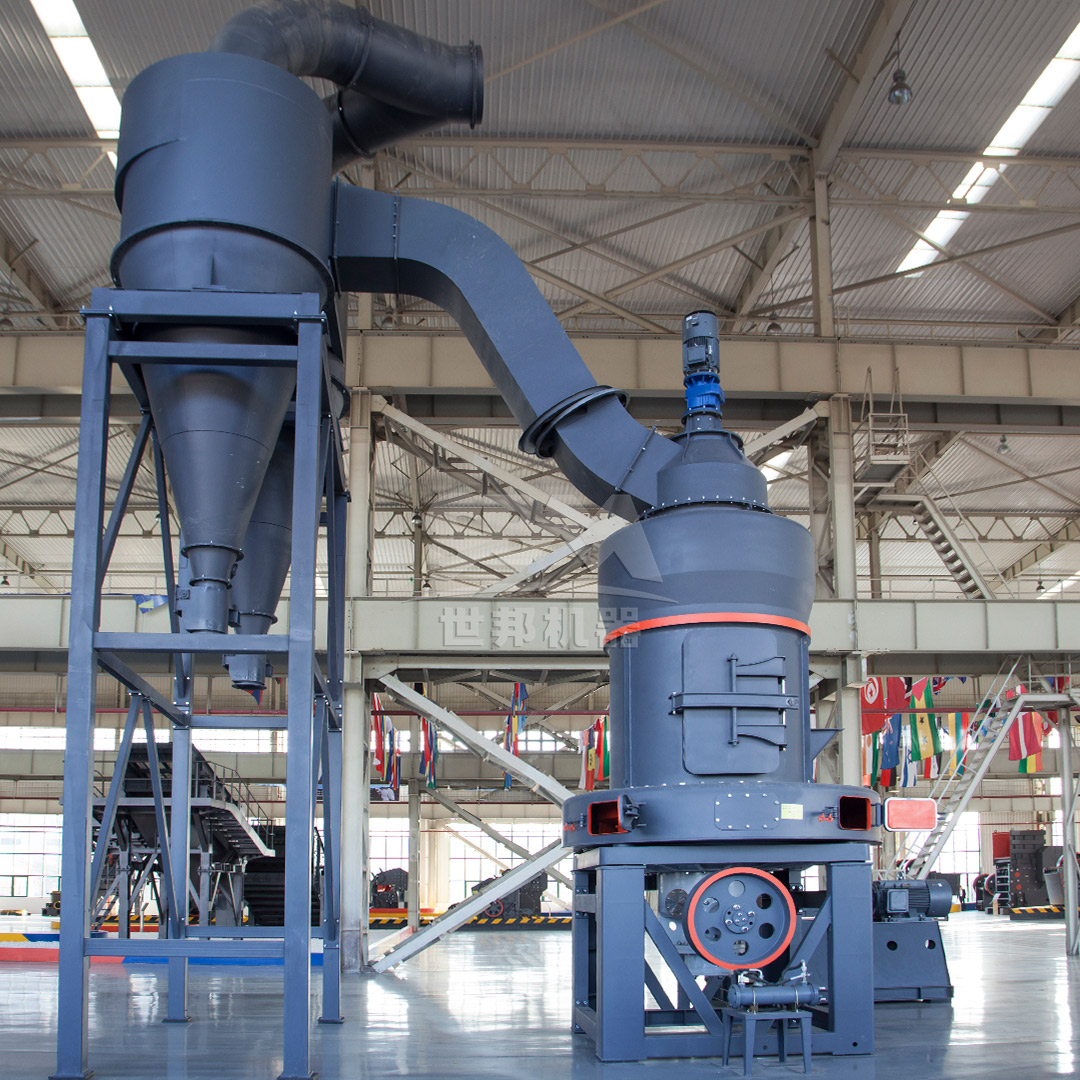
For applications requiring high throughput in the range of 30-325 mesh (0.6mm-45μm), such as mineral processing or industrial powder production, efficiency at scale is key. The MTW Series Trapezium Mill optimizes grinding time through advanced mechanical design and airflow dynamics. Its “弧形风道优化” (curved air duct optimization) and “锥齿轮整体传动” (integral bevel gear transmission, 98% efficiency) ensure that energy is transferred effectively to the grinding rollers with minimal loss.
The innovative “防磨损铲刀设计” (wear-resistant shovel design) and grinding curve geometry ensure that material is fed into the grinding zone optimally, promoting efficient fracture from the first pass. This reduces the number of cycles required to achieve the target size, effectively shortening the effective grinding time per unit mass. The result is a robust mill capable of handling up to 45 tons per hour (MTW215G model) with lower energy consumption and maintenance costs per ton, directly addressing the need to balance high throughput with controlled processing time.
Grinding time is a pivotal lever in milling processes, intimately connected to particle size, product integrity, and cost structure. The pursuit of shorter, more effective grinding cycles is not just about speed—it’s about precision, preservation of material properties, and sustainability. As demonstrated by technologies like the SCM Ultrafine Mill and the MTW Trapezium Mill, the solution lies in mills designed with intelligent material handling, precise internal classification, and highly efficient energy transmission. By investing in such advanced milling systems, operators can transcend the traditional compromises, achieving superior product quality and operational efficiency through masterful control over time itself.