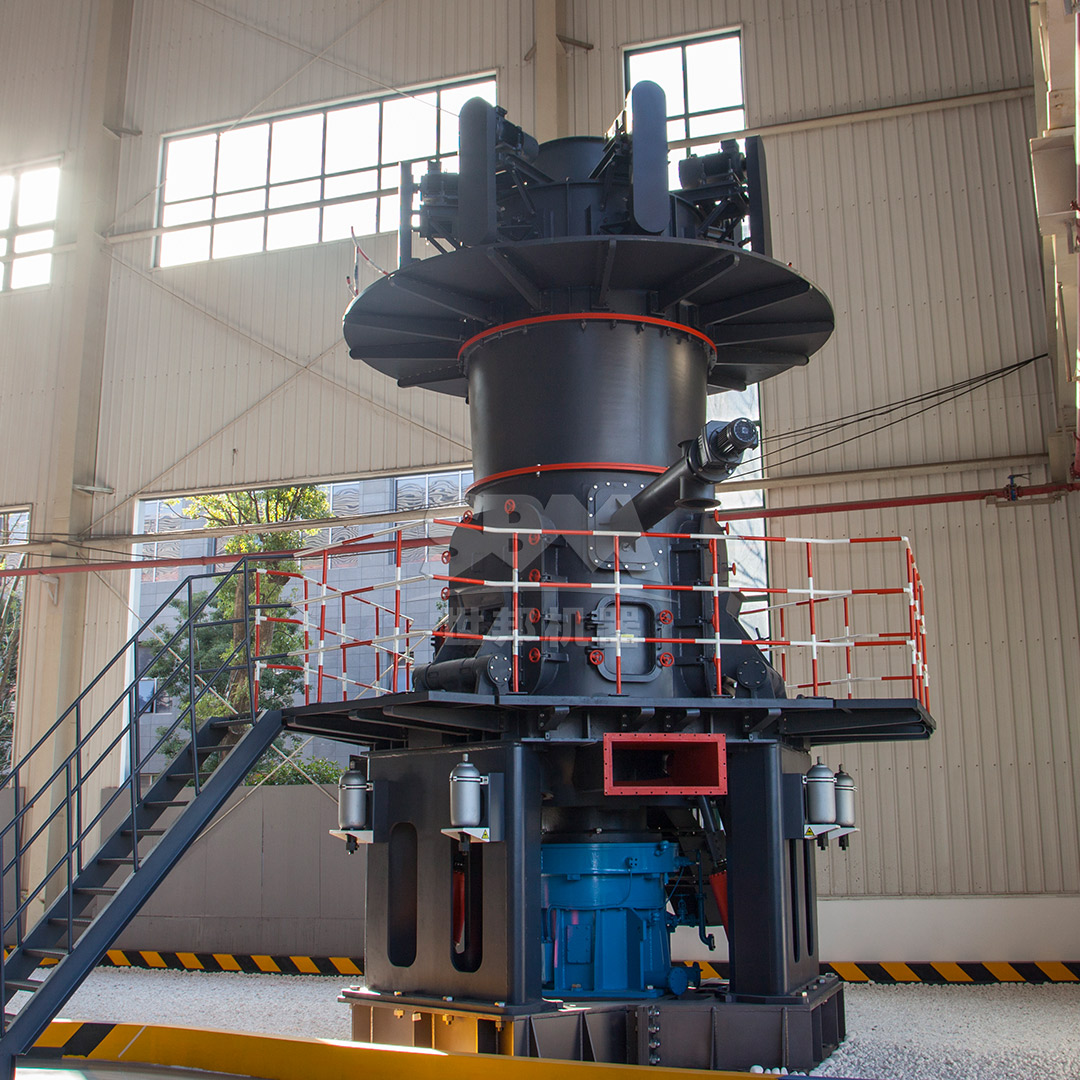
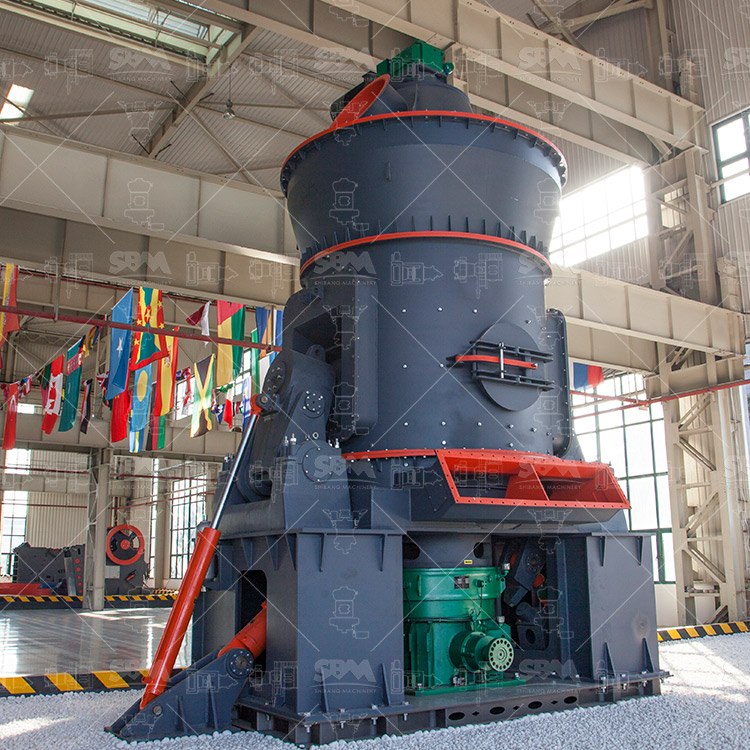
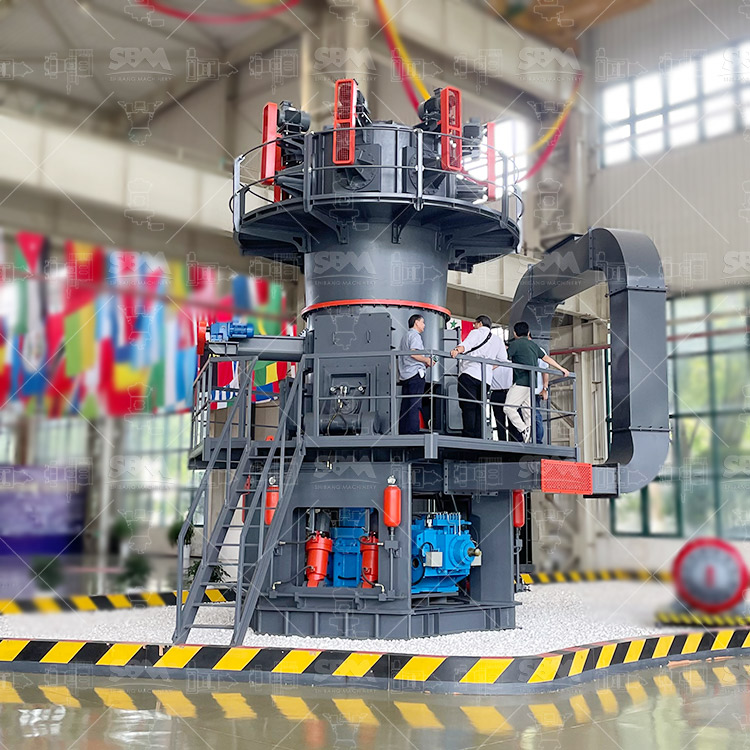
The production of high-quality barite powder is a cornerstone of numerous industries, including oil & gas drilling, paints & coatings, plastics, and pharmaceuticals. The process demands precision, efficiency, and reliability, transforming raw barite ore into powders of specific fineness and purity. This article provides a comprehensive overview of the key machinery and typical processing lines involved in modern barite powder production, highlighting the technological advancements that drive productivity and quality.
The transformation of barite ore into a marketable powder typically involves three primary stages: primary crushing, fine grinding, and classification/collection. Each stage requires specialized equipment to achieve optimal particle size distribution, whiteness, and chemical stability.
Raw barite ore, often extracted in large lumps, must first be reduced to a manageable size for the grinding mills. Jaw crushers are commonly used for initial coarse crushing. For direct production of coarse barite powder (e.g., for weighting agents in drilling muds requiring 30-200 mesh), a Hammer Mill is an excellent choice. It offers high capacity, a significant reduction ratio, and a compact design. For instance, a model like the PC4012-90 can process 15-40 tons per hour, reducing 0-40mm feed to a 0-3mm product, making it ideal for the initial size reduction stage in many barite processing lines.
| Stage | Target Size | Key Equipment | Purpose |
|---|---|---|---|
| Primary Crushing | ≤ 50mm | Jaw Crusher, Hammer Mill | Coarse size reduction |
| Pre-Grinding | ≤ 20mm | Hammer Mill, Pre-Grinding Mill | Feed preparation for fine mills |
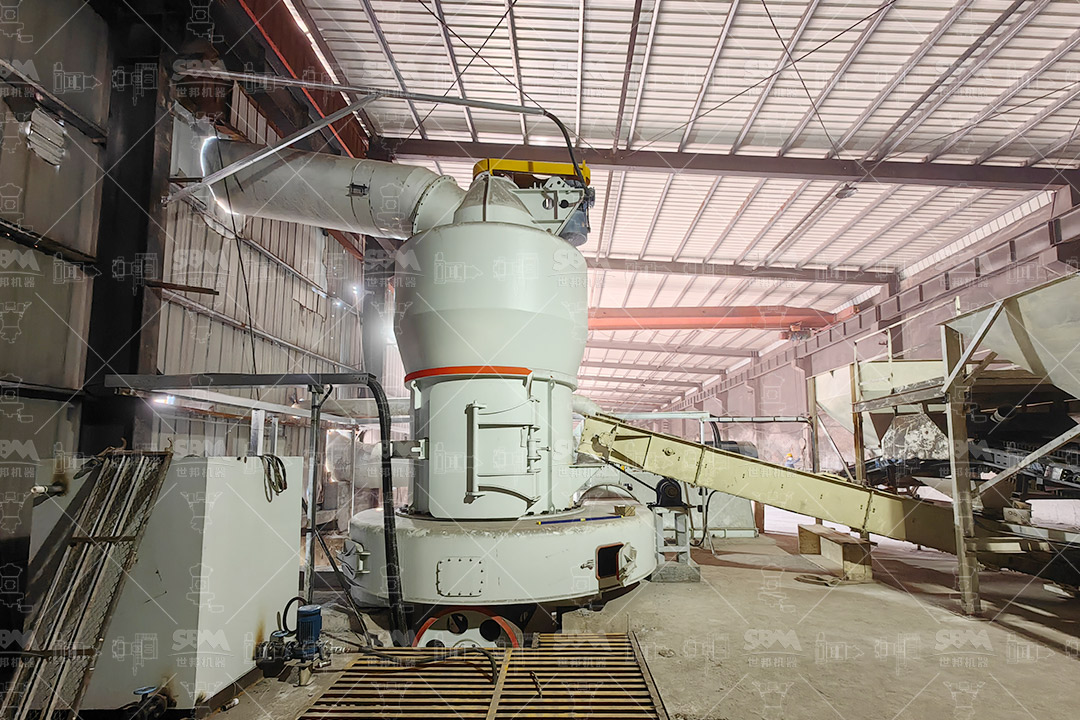
This is the most critical stage, defining the final product’s fineness. The choice of grinding mill depends heavily on the target mesh size (e.g., 325 mesh for coatings, 2500 mesh for high-end plastics).
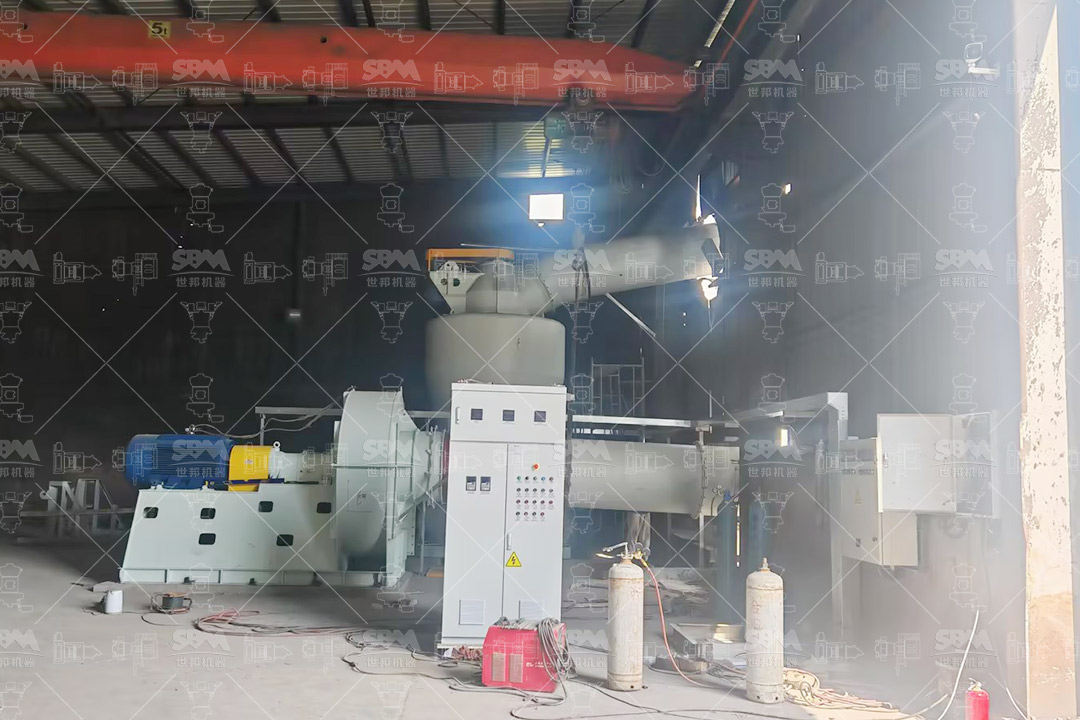
After grinding, a classification system (often integrated into the mill) separates fine particles from coarse ones, which are returned for further grinding. The final product is then collected by a cyclone and a high-efficiency pulse bag filter. Modern mills, such as the SCM and MTW series, come with integrated high-efficiency pulse dust collectors, ensuring environmental compliance with dust emissions well below international standards.
Selecting the right equipment is paramount for economic and technical success. Here are two highly recommended solutions from our product portfolio for different barite production goals.
Recommended: MTW Series Trapezium Mill
When your project demands high throughput of fine barite powder for applications like filler in paints or moderate-grade plastics, the MTW Series Trapezium Mill is an outstanding workhorse. Its advantages are directly beneficial for barite processing:
Recommended: SCM Ultrafine Mill
For producers targeting the high-end market where ultrafine particle size and narrow distribution are critical (e.g., functional fillers in engineering plastics, high-grade coatings), the SCM Ultrafine Mill is the definitive choice. Its technological superiority addresses the core challenges of ultrafine grinding:
| Application Target | Recommended Equipment | Key Advantage for Barite | Typical Output Range |
|---|---|---|---|
| Drilling Mud, Coarse Fillers (30-200 mesh) | MTW Trapezium Mill / Hammer Mill | High throughput, cost-effective operation | 3 – 45 TPH |
| Paint, Rubber, Plastic Fillers (325-800 mesh) | MTW Trapezium Mill / SCM Ultrafine Mill | Balanced performance, precise classification | 0.5 – 25 TPH (SCM) |
| High-Performance Plastics, Advanced Coatings (800-2500 mesh) | SCM Ultrafine Mill | Ultrafine fineness, superior particle uniformity, low energy cost | 0.5 – 25 TPH |
A complete production line is systematically configured based on raw material characteristics and final product requirements. Below are two common flowcharts.
This line is designed for efficient production of barite powder used as a filler.
This line focuses on producing high-value, superfine barite products.
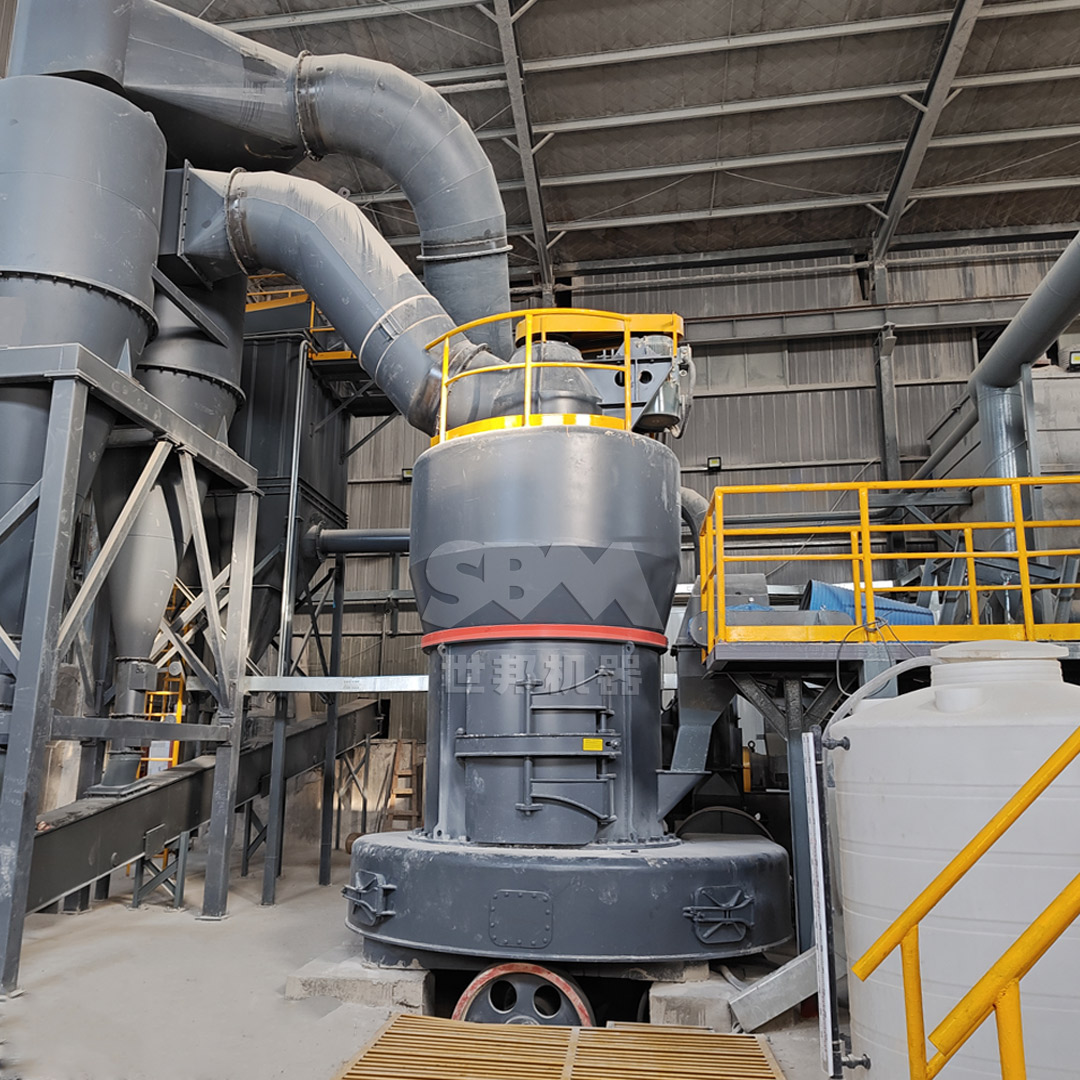
The success of a barite powder production venture hinges on selecting the right technology chain. From robust primary crushers to sophisticated ultrafine grinding systems, each piece of equipment plays a vital role in determining product quality, operational cost, and environmental footprint. For high-volume fine powder production, the MTW Series Trapezium Mill offers an unbeatable combination of reliability and efficiency. For ventures aiming at the premium ultrafine market, the SCM Ultrafine Mill stands out with its unparalleled fineness control, energy savings, and integrated environmental protection. Investing in advanced, purpose-built machinery is not merely an equipment purchase but a strategic decision to secure a competitive edge in the dynamic barite powder industry.