The production of high-quality marble powder is a cornerstone of numerous industries, including construction, plastics, paints, and paper. Achieving the desired particle size distribution, whiteness, and chemical purity requires a sophisticated understanding of grinding technology and the selection of appropriate processing machinery. This guide provides a comprehensive overview of the key equipment used in transforming raw marble blocks into fine and ultrafine powders, detailing their working principles, advantages, and ideal applications.
Marble powder’s value is directly tied to its fineness and consistency. Coarser powders (30-100 mesh) are used as fillers in construction materials, while finer grades (200-400 mesh) are essential for paints and coatings. Ultrafine powders (above 800 mesh) are critical in high-end plastics, masterbatches, and specialty papers. Beyond size, maintaining low iron contamination and high brightness is paramount, which influences the choice of grinding media and mill lining materials.
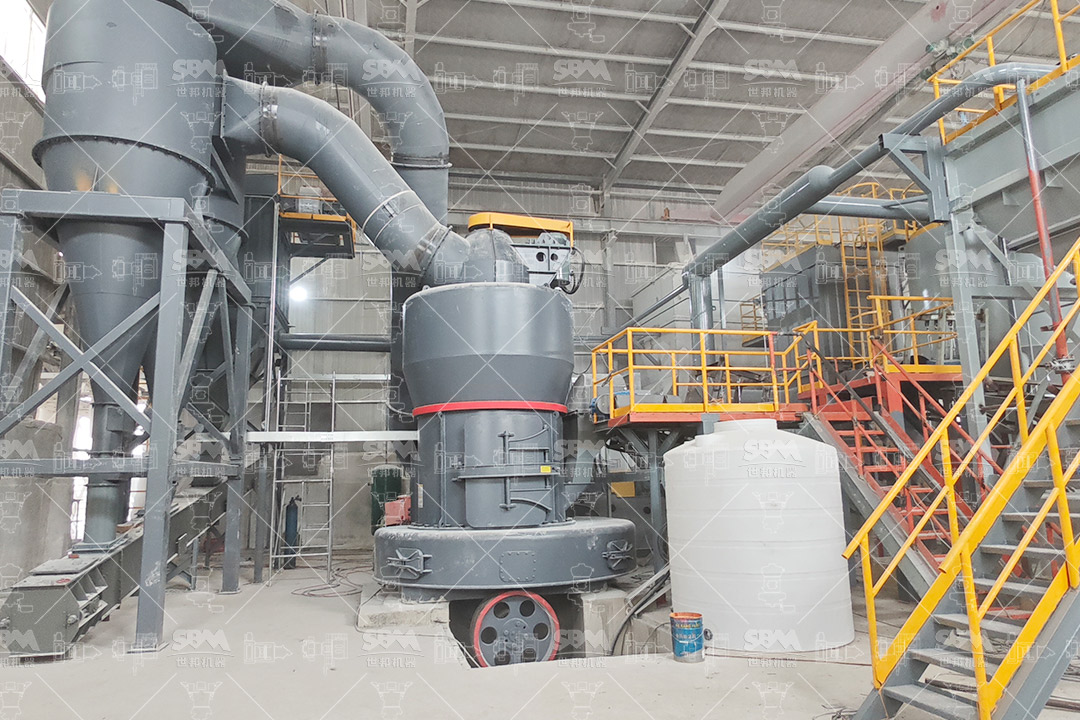
Before fine grinding, raw marble blocks must be reduced to a manageable size. Jaw crushers and hammer mills are typically employed for this primary stage.
The heart of any marble powder plant is its grinding mill. The choice depends on the target fineness, required capacity, and energy efficiency goals.
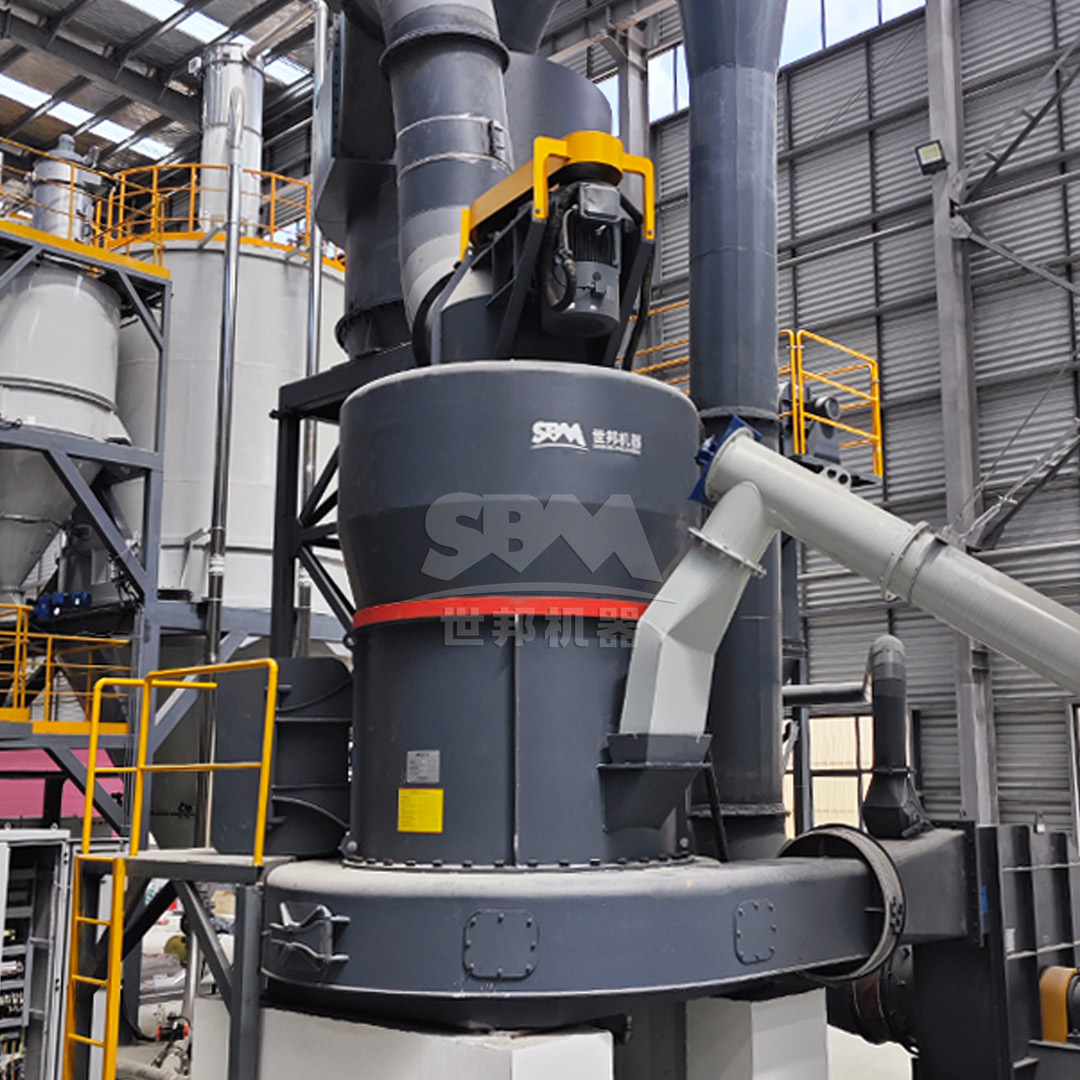
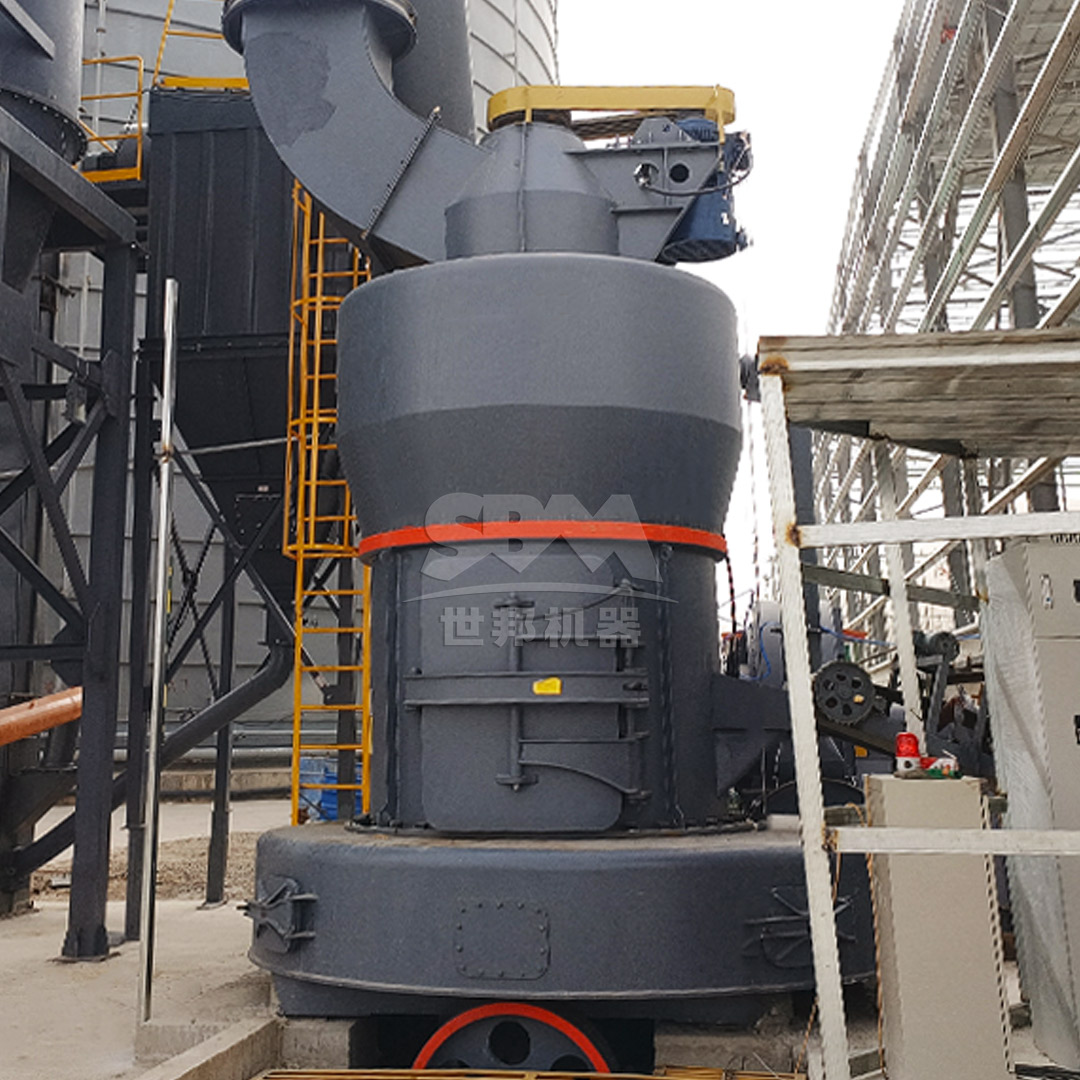
Ideal for producing powders in the 30-325 mesh (600-45μm) range with capacities from 3 to 45 tons per hour. This mature technology is known for its reliability and cost-effectiveness for medium-fine applications.
Key Advantages:
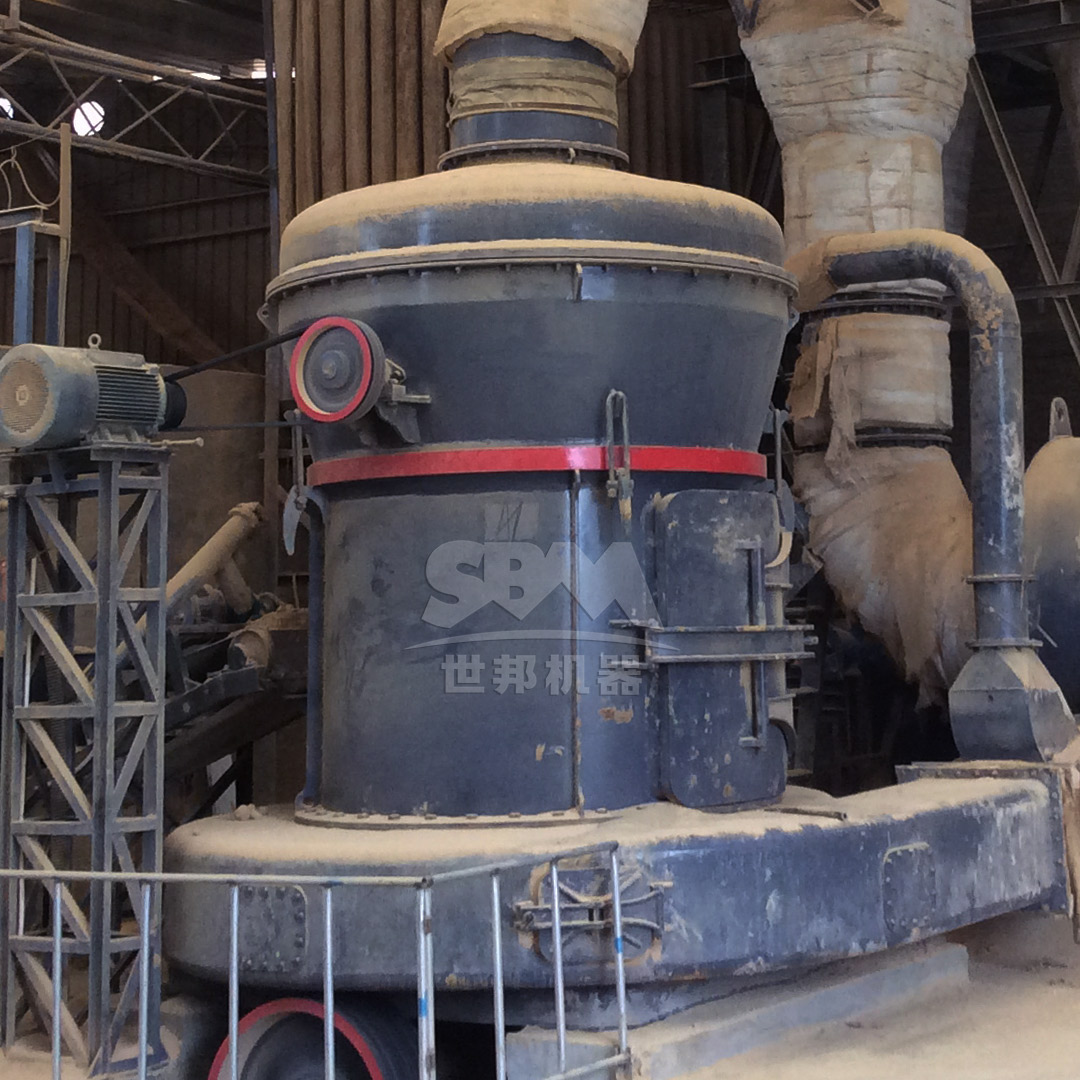
Our MTW Series Trapezium Mill exemplifies these advancements. Its curved air duct and integral gear drive not only enhance efficiency but also provide exceptional stability for continuous marble grinding operations. The modular wear parts design significantly reduces the time and cost associated with routine maintenance, making it a robust choice for high-volume production of filler-grade marble powder.
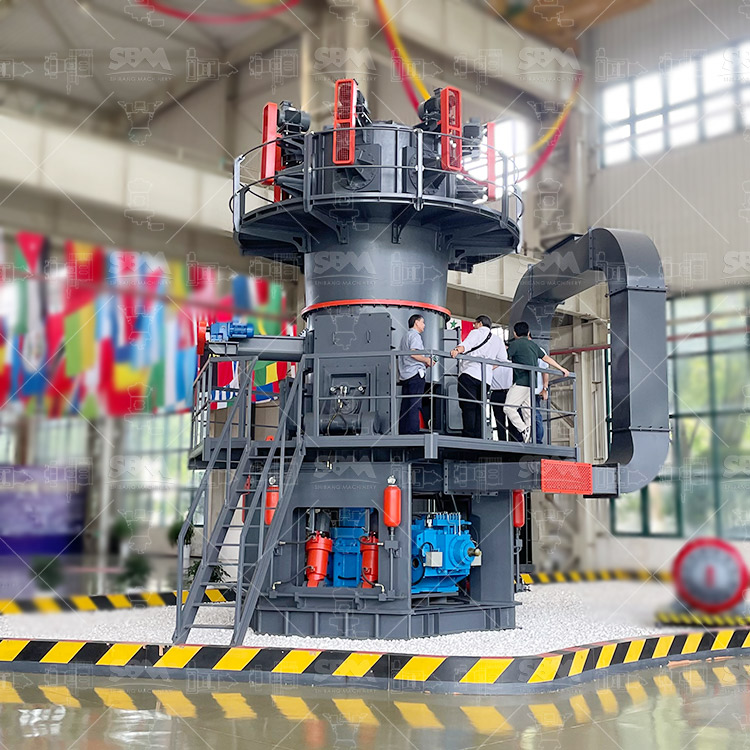
A highly efficient solution for large-scale production of marble powder from 30 to 325 mesh, with some models capable of reaching 600 mesh. It integrates grinding, drying, classifying, and conveying in a single unit.
Key Advantages:
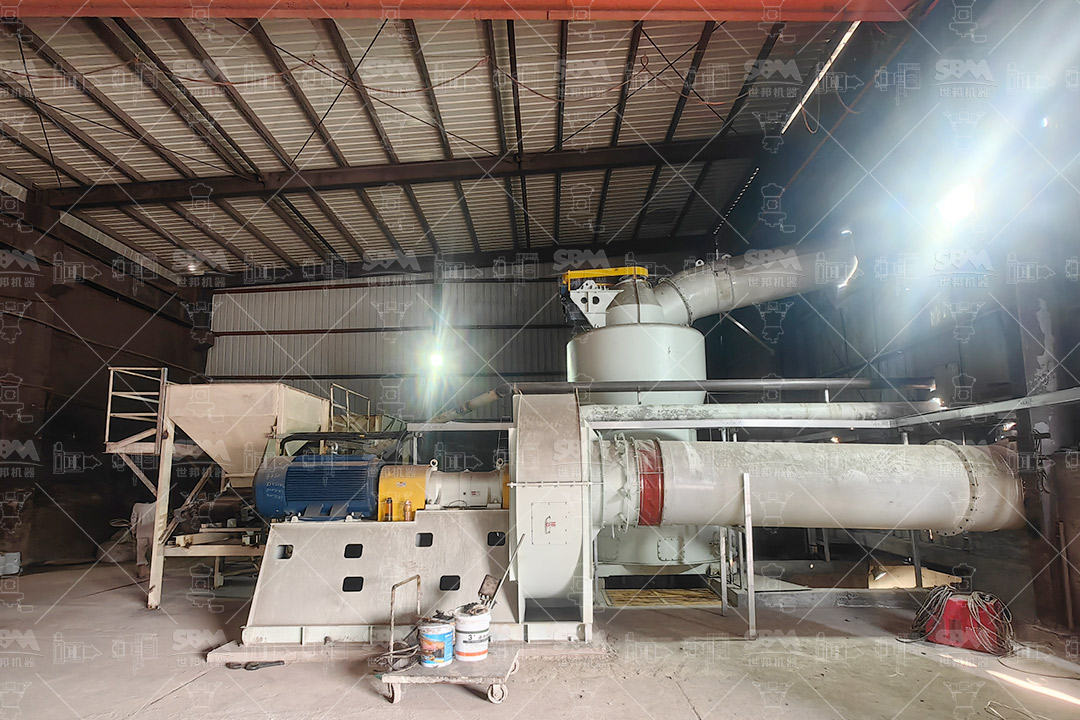
For producing high-value ultrafine marble powder (325-2500 mesh / 45-5μm), specialized mills are required. These mills combine intense mechanical grinding with precise air classification.
Key Advantages:
For the most demanding ultrafine applications, our flagship SCM Ultrafine Mill is the optimal solution. It achieves remarkable fineness up to 2500 mesh (D97 ≤ 5μm) with an energy consumption 30% lower than conventional jet mills. Its vertical turbine classifier guarantees a narrow and consistent particle size distribution, which is critical for applications in premium paints, plastics, and adhesives. The intelligent control system automatically adjusts operational parameters to maintain target fineness, ensuring consistent product quality.
| Mill Type | Output Fineness | Typical Capacity Range | Best For |
|---|---|---|---|
| MTW Trapezium Mill | 30-325目 (600-45μm) | 3 – 45 t/h | Construction fillers, putty powder |
| LM Vertical Mill | 30-600目 (600-23μm) | 10 – 250 t/h | Large-scale production of paint & coating fillers |
| SCM Ultrafine Mill | 325-2500目 (45-5μm) | 0.5 – 25 t/h | High-end plastics, masterbatch, specialty paper |
| Ball Mill | 0.074-0.8mm | 0.65 – 450 t/h | Wet grinding, coarse filler production |
The traditional workhorse for grinding, suitable for both dry and wet processing of marble. It is versatile and can produce a wide range of particle sizes but is generally less energy-efficient than vertical roller mills for dry grinding.
Key Advantages:
A complete production line involves more than just the grinding mill.
Integrated or standalone air classifiers are crucial for controlling the top particle size. They separate fine product from coarse material that needs regrinding, directly impacting product quality and mill efficiency.
Pulse-jet baghouse dust collectors are standard in modern plants. They achieve collection efficiencies over 99.9%, ensuring a clean working environment and allowing for the recovery of valuable product. Our recommended mills come equipped with high-efficiency pulse除尘 systems that exceed international emission standards.
Vibrating feeders ensure a steady, controlled supply of material to the mill. Screw or bucket elevators and pneumatic conveying systems transport powder between stages. Finally, automatic valve baggers or bulk silos handle product packaging.
The selection process must balance product specifications, production costs, and operational goals.
Investing in the correct grinding technology is critical for the profitability and competitiveness of a marble powder operation. By understanding the capabilities of different mill types—from the robust MTW series for general fillers to the precision-engineered SCM series for ultrafine powders—producers can make informed decisions that optimize their process for quality, capacity, and cost.