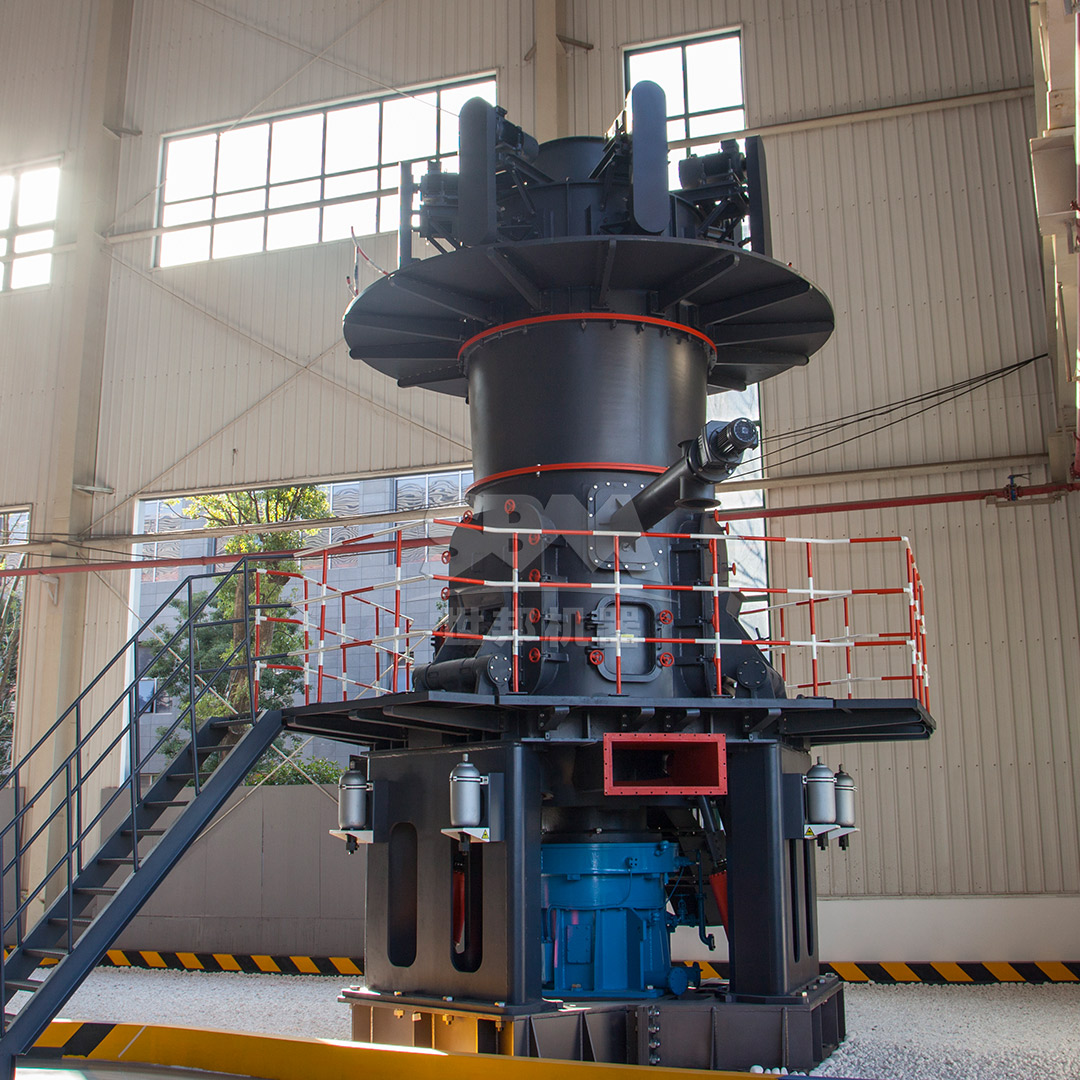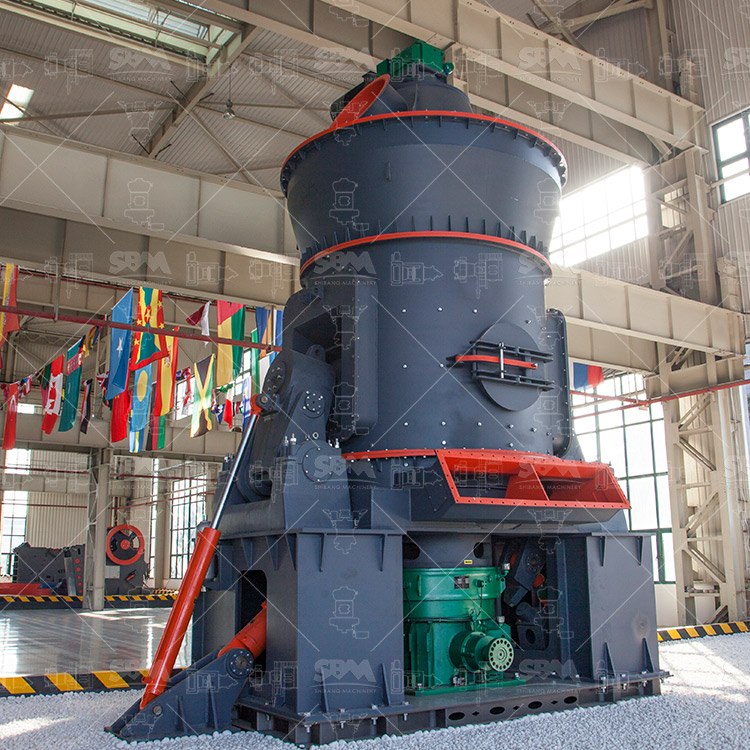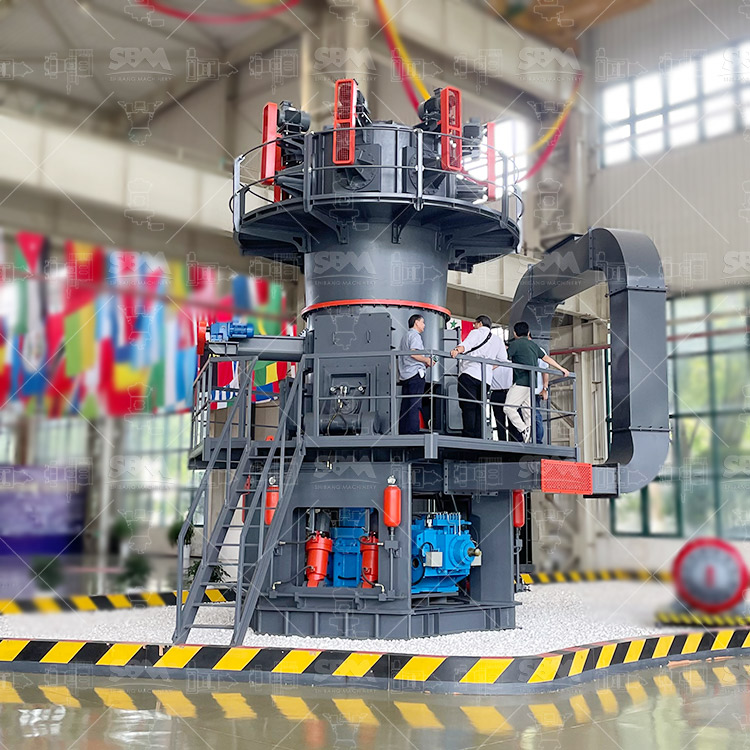
Potassium feldspar, a crucial industrial mineral, finds extensive applications in ceramics, glassmaking, and as a flux in various manufacturing processes. The quality and fineness of the final powder directly impact the performance and cost-effectiveness of these end products. Therefore, selecting the appropriate grinding equipment is paramount for any potassium feldspar processing operation. This article delves into the technical requirements for grinding potassium feldspar and explores the key features of modern grinding mills, highlighting optimal solutions for different production scales and fineness targets.
Grinding potassium feldspar presents specific challenges. The material’s hardness (around 6 on the Mohs scale) and the need to achieve a consistent, often very fine particle size distribution demand robust and precise equipment. The primary goals are:
Traditionally, ball mills and Raymond mills were the workhorses for mineral grinding. While still in use, they often fall short in efficiency, fineness control, and energy consumption for advanced applications. The industry has progressively moved towards more sophisticated vertical roller mills and ultra-fine grinding mills that integrate grinding, classification, and collection into a single, efficient system.
These advanced mills utilize a bed grinding principle or multi-layer grinding rings, applying pressure and shear forces to the material rather than relying solely on impact. This results in higher efficiency, lower wear rates, and superior control over the final product’s fineness through integrated high-precision classifiers.
| Mill Type | Typical Output Fineness | Key Advantages | Limitations for Fine Grinding |
|---|---|---|---|
| Ball Mill | 0.074-0.8mm | High capacity, simple operation | High energy consumption, limited fineness, high wear |
| Raymond Mill (MTM/MTW) | 45-325 mesh | Stable for medium-fine powder | Challenging to achieve consistent ultra-fine powder (<800 mesh) |
| Vertical Roller Mill (LM Series) | 30-600 mesh | High efficiency, integrated drying, low noise | Investment cost, complexity for very fine grades |
| Ultra-fine Grinding Mill (SCM/LUM) | 325-2500 mesh | Exceptional fineness control, high uniformity, energy-saving | Higher initial investment, lower single-unit capacity vs. large VRMs |
For producers targeting the high-value market of ultra-fine potassium feldspar powder (325-2500 mesh), the SCM Series Ultrafine Mill represents a state-of-the-art solution. Engineered specifically for producing fine and ultra-fine powders, this mill excels in applications where precision and purity are non-negotiable.
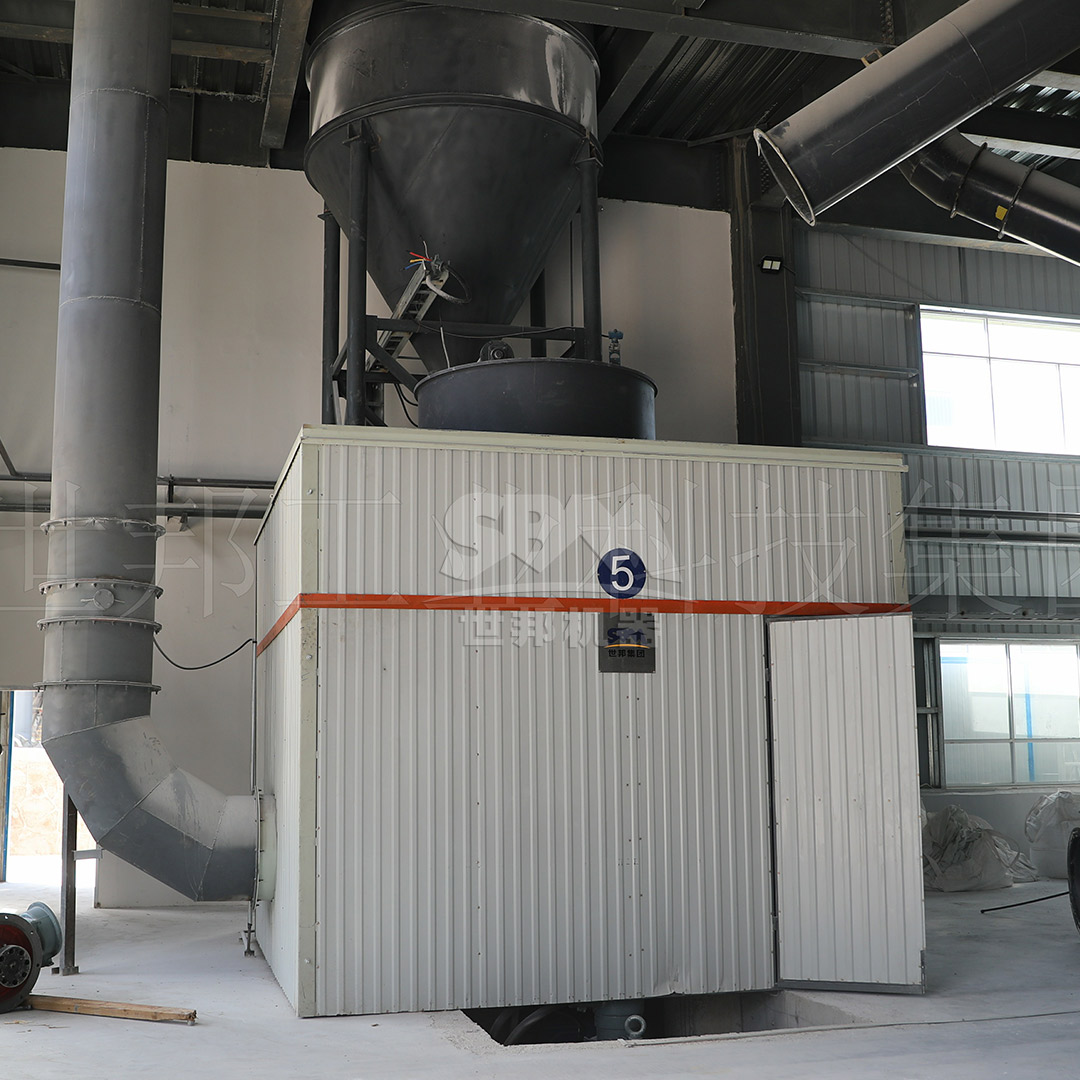
Its core advantages align perfectly with potassium feldspar processing needs:
| Model | Capacity (ton/h) | Main Motor Power (kW) | Feed Size (mm) | Output Fineness (mesh) |
|---|---|---|---|---|
| SCM800 | 0.5 – 4.5 | 75 | ≤20 | 325-2500 |
| SCM900 | 0.8 – 6.5 | 90 | ≤20 | 325-2500 |
| SCM1000 | 1.0 – 8.5 | 132 | ≤20 | 325-2500 |
| SCM1250 | 2.5 – 14 | 185 | ≤20 | 325-2500 |
| SCM1680 | 5.0 – 25 | 315 | ≤20 | 325-2500 |
For operations requiring high-volume production of fine potassium feldspar powder in the range of 30-325 mesh, the MTW Series Trapezium Mill is an excellent choice. This European-style grinding mill is renowned for its robustness, high capacity, and operational economy, making it ideal for large-scale industrial plants.

The MTW mill incorporates several patented innovations that enhance its performance for mineral grinding:
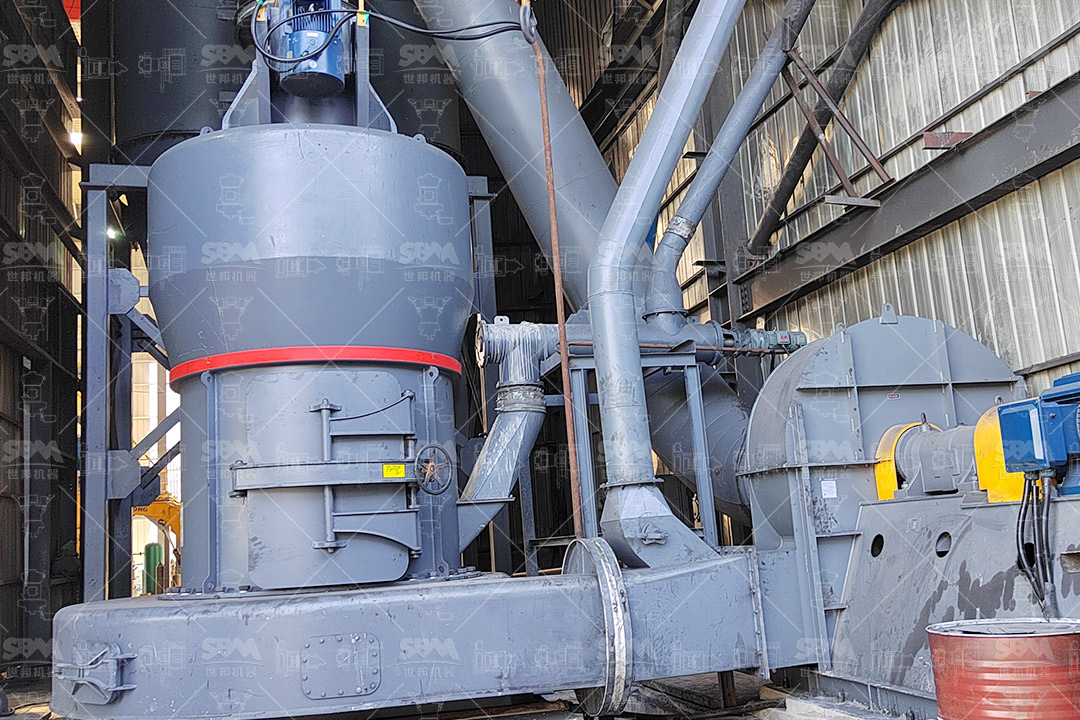
The selection of a potassium feldspar grinding mill is a strategic decision that impacts product quality, production cost, and plant profitability. While traditional mills have their place, the future lies in advanced, integrated systems like the SCM Ultrafine Mill and the MTW Trapezium Mill. For ultra-fine, high-purity powder, the SCM series offers unparalleled precision and efficiency. For high-tonnage production of fine powder, the MTW series delivers proven reliability and economy of scale.
By investing in the correct grinding technology, producers can ensure they meet the stringent requirements of modern industries, reduce their environmental footprint, and secure a competitive advantage in the global market for processed industrial minerals.