December 30, 2025
Kaolin Powder Production Line: Grinding Mill Plant & Equipment Guide
The production of high-quality kaolin powder is a cornerstone for numerous industries, including paper, ceramics, paints, plastics, and rubber. The efficiency, consistency, and cost-effectiveness of the final product are directly tied to the selection and configuration of the grinding equipment. This comprehensive guide delves into the critical aspects of kaolin powder production, focusing on grinding mill technology, process flow, and equipment selection to help you build an optimal production line.
1. Understanding Kaolin and Its Processing Requirements
Kaolin, or china clay, is a naturally occurring white clay mineral primarily composed of kaolinite. Its value lies in its whiteness, fine particle size, and chemical inertness. The processing of raw kaolin into a commercial powder involves several stages: crushing, grinding, classification, drying (if necessary), and sometimes chemical bleaching. The heart of this process is the grinding or milling stage, where the particle size is reduced to the desired fineness, typically ranging from 325 mesh (45μm) for filler applications down to 2500 mesh (5μm) or finer for high-performance coatings and specialty papers.
The choice of grinding mill is paramount. It must handle the mildly abrasive nature of kaolin efficiently while achieving precise particle size distribution (PSD), maintaining product brightness (minimizing iron contamination), and operating with energy efficiency and low maintenance costs.
2. Key Stages in a Kaolin Powder Production Line
A modern kaolin powder plant is an integrated system. The typical flow is as follows:
- Primary Crushing: Large chunks of raw kaolin are reduced to a smaller, more uniform size (typically below 50mm) using crushers like jaw crushers or hammer mills.
- Drying (Optional): If the moisture content of the raw material is high, a rotary dryer or flash dryer is employed to reduce moisture to a level suitable for dry grinding.
- Grinding & Milling: This is the core stage where the material is pulverized to the target fineness. The selection here is between various mill types discussed in detail below.
- Classification: Post-grinding, an air classifier (often integrated into the mill system) separates fine particles from coarse ones. The coarse fraction is returned to the mill for further grinding, ensuring a tight PSD.
- Collection & Dedusting: The fine powder is collected using cyclone separators and high-efficiency baghouse filter (pulse-jet dust collectors). This ensures high product yield and meets environmental standards.
- Packaging & Storage: The finished kaolin powder is conveyed to silos and packaged for shipment.
Typical Kaolin Powder Production Line Process Flow
| Stage |
Equipment |
Key Function |
Output Specification |
| 1. Crushing |
Hammer Crusher, Jaw Crusher |
Size reduction to <50mm |
Uniform feed for mill |
| 2. Drying |
Rotary Dryer |
Moisture reduction |
Moisture <2% (for dry mill) |
| 3. Grinding |
Ultrafine Mill, Vertical Mill |
Pulverization to target fineness |
325-2500 mesh |
| 4. Classification |
Turbo Air Classifier |
Separation of fines/coarse |
Precise PSD control |
| 5. Collection |
Cyclone + Pulse Bag Filter |
Powder collection & dedusting |
Efficiency >99.9% |
3. Grinding Mill Technologies for Kaolin
Different mill technologies cater to different output ranges, capacities, and investment levels. Here’s a breakdown of the most relevant types for kaolin processing.
3.1 For Coarse to Medium Fine Grinding (30-325 mesh / 600-45μm)
For applications requiring powder in the range of 30 to 325 mesh, robust and high-capacity mills are ideal.
- MTW Series Trapezium Mill: This European-style grinding mill is an excellent choice for high-capacity production of kaolin powder in the 30-325 mesh range. Its advantages include a curved air duct that reduces airflow resistance and energy loss, and a bevel gear integral transmission offering up to 98% transmission efficiency, saving space and installation cost. The wear-resistant volute structure further enhances air classification efficiency. With models like the MTW215G offering capacities up to 45 tons per hour, it’s suitable for large-scale filler-grade kaolin production.
- Ball Mill: A traditional and versatile option, suitable for both dry and wet grinding. It offers a high size reduction ratio and is known for its reliability. However, for dry grinding of kaolin, it is generally less energy-efficient compared to more modern roller or vertical mill systems, especially for finer products.
3.2 For Fine to Ultrafine Grinding (325-2500 mesh / 45-5μm)
Producing superfine and ultrafine kaolin powder demands advanced milling technology with integrated precision classification.
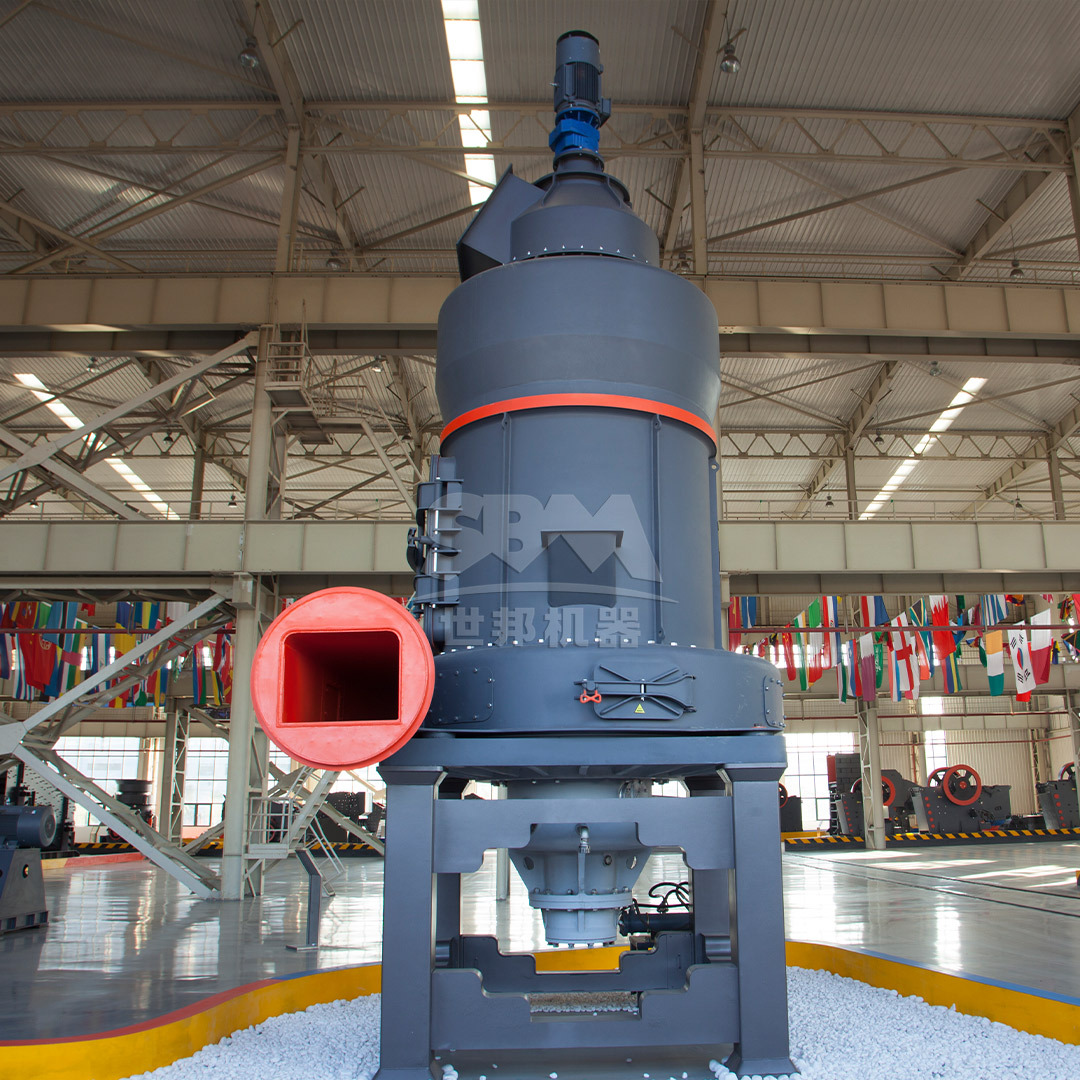
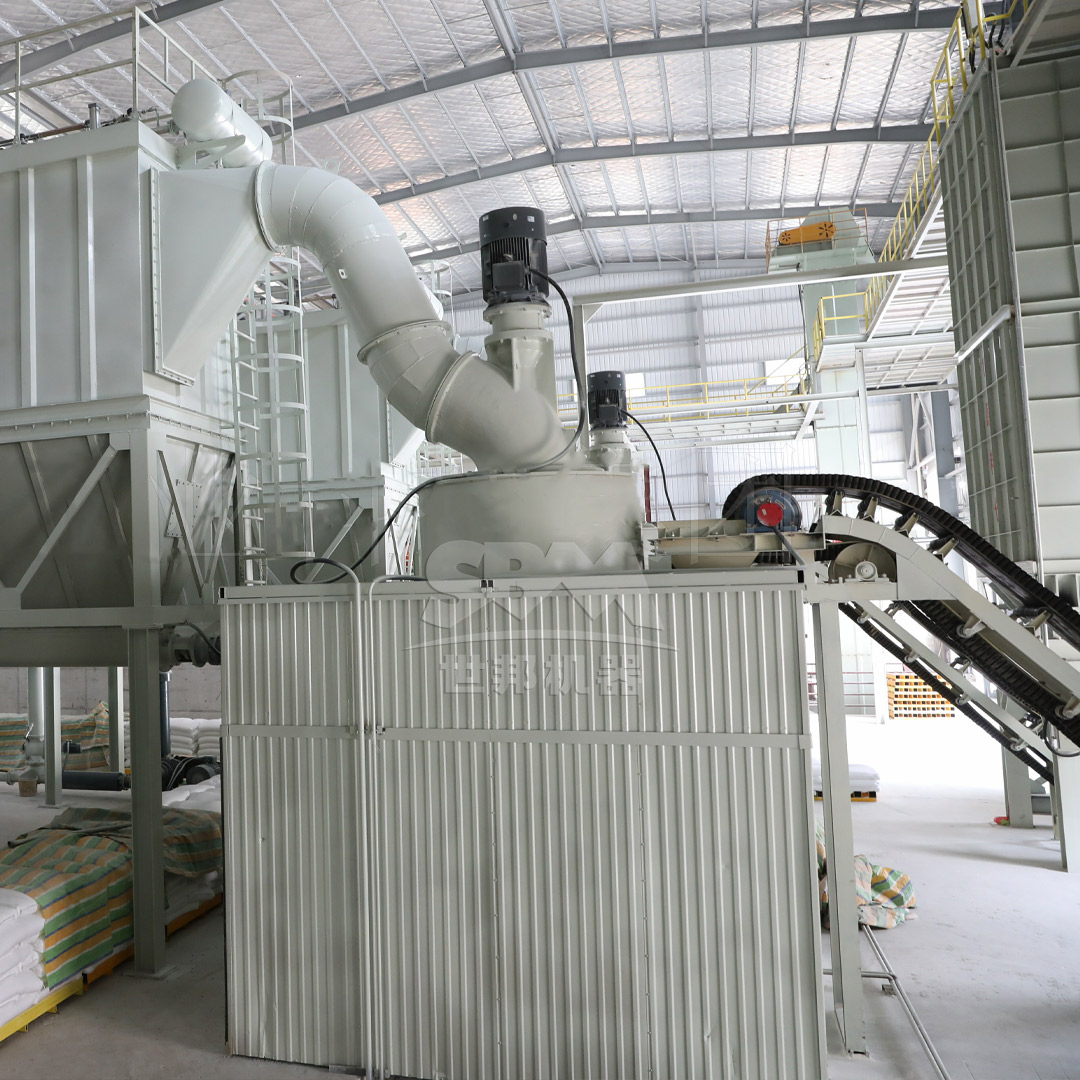
- SCM Series Ultrafine Mill: This mill is specifically engineered for producing ultrafine powders and is highly recommended for high-value, superfine kaolin applications. It excels in the 325-2500 mesh (D97 ≤ 5μm) range. Its core strength lies in its high-precision vertical turbo classifier, which ensures sharp particle size cuts and uniform product fineness without coarse grain contamination. Furthermore, it is designed for high efficiency and energy savings, boasting a capacity twice that of jet mills with 30% lower energy consumption. The grinding rollers and ring are made from special wear-resistant materials, significantly extending service life. For operations targeting the premium paper coating or high-performance plastics market, the SCM series, with models like the SCM1680 delivering 5-25 tons per hour, represents a top-tier solution.
- LUM Ultrafine Vertical Roller Mill: Combines grinding, drying, classifying, and conveying into one unit. It is highly efficient and suitable for large-scale production of fine powders, offering good energy efficiency and a compact footprint.
3.3 For Large-Scale Integrated Grinding (80-325 mesh)
For mega-projects requiring massive throughput with integrated drying capabilities.
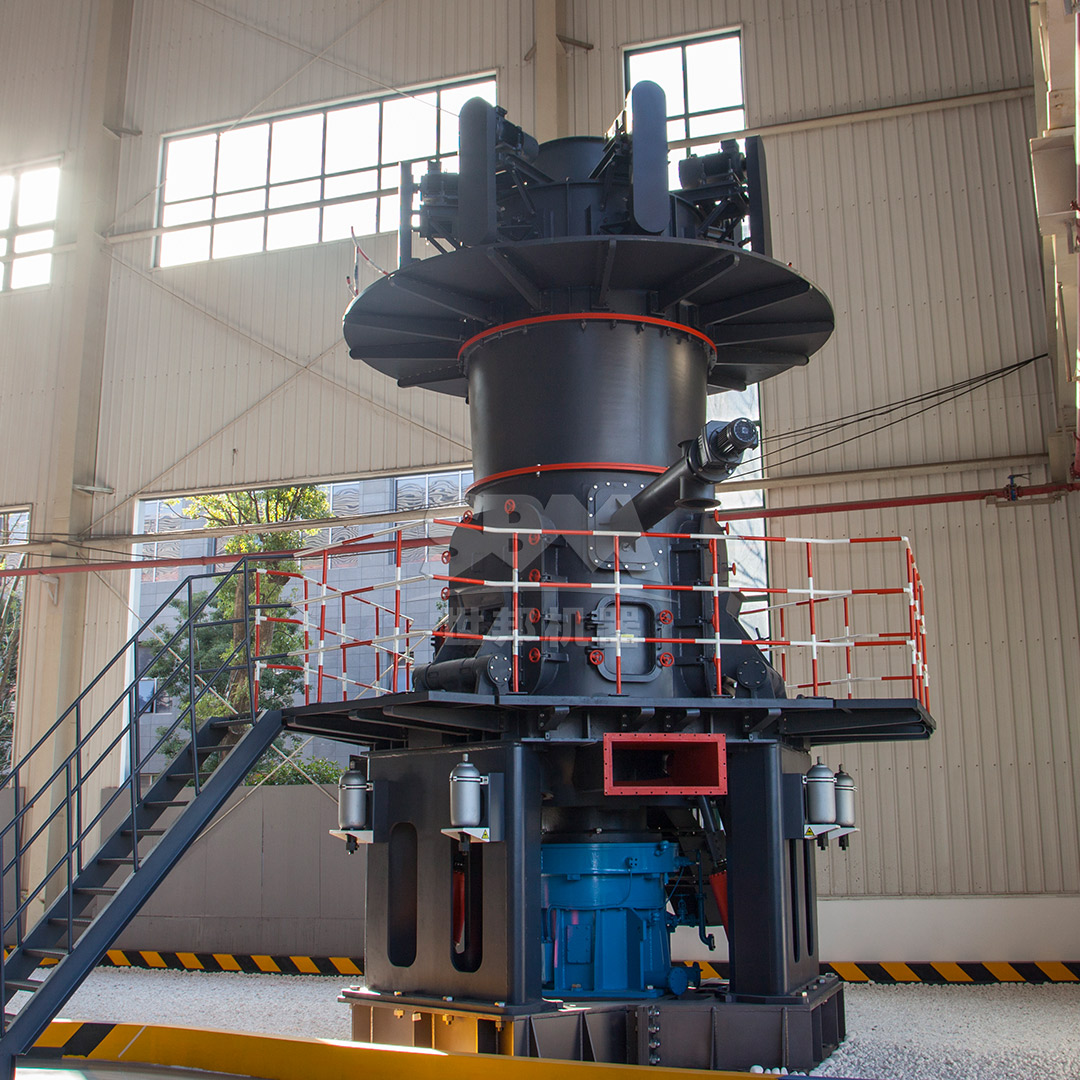
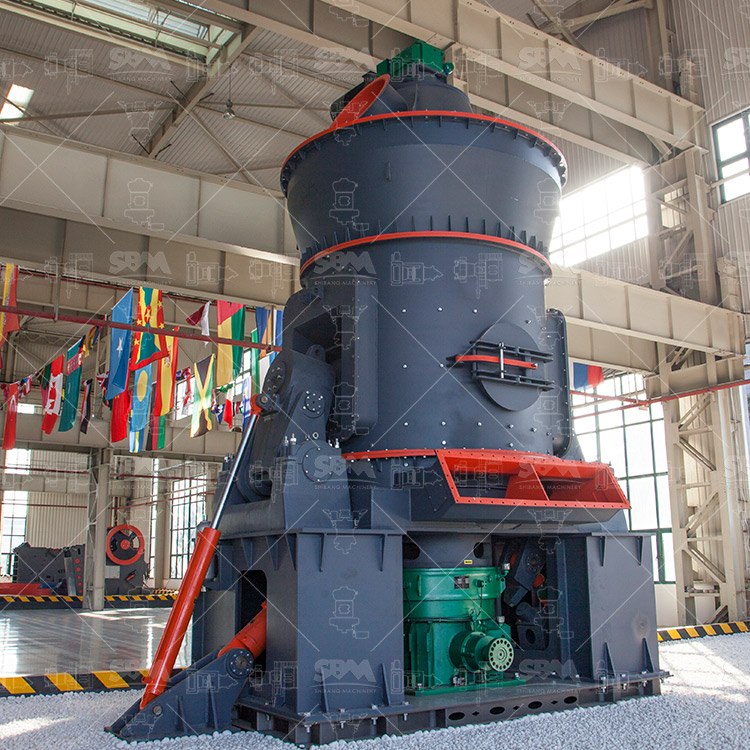
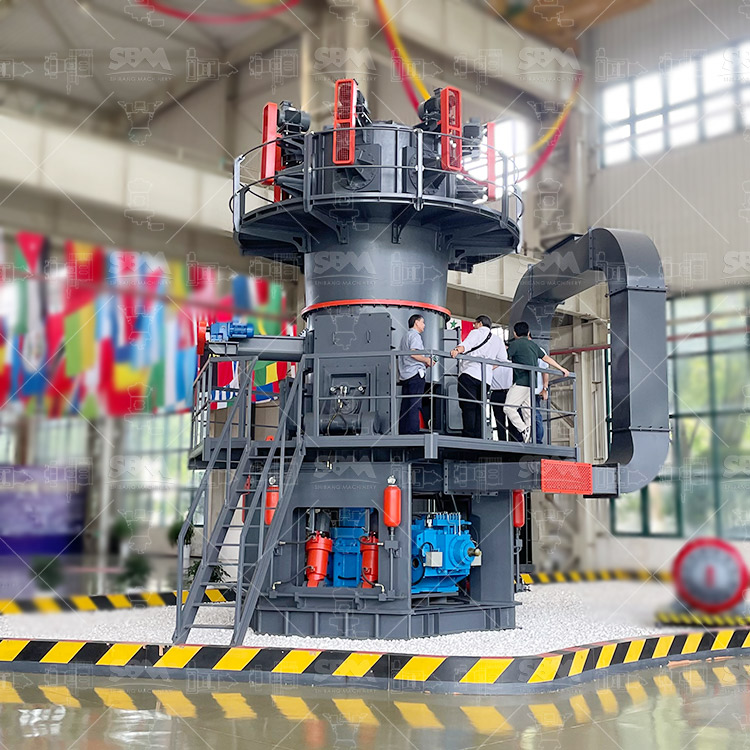
- LM Series Vertical Roller Mill: This is the technology of choice for very large-scale production lines. It integrates crushing, grinding, drying, classification, and conveying. Its intensive design reduces plant footprint by 50% and can lower capital investment in civil works by 40%. Operating on a low-energy bed-grinding principle, it reduces energy consumption by 30-40% compared to traditional ball mill systems. Equipped with an expert automatic control system, it allows for stable, large-volume production of kaolin powder, making it ideal for major industrial complexes.
Comparison of Key Grinding Mills for Kaolin
| Mill Type |
Output Fineness |
Typical Capacity Range |
Key Advantages |
Best For |
| MTW Trapezium Mill |
30-325 mesh |
3 – 45 t/h |
High capacity, efficient transmission, durable |
Large-scale filler grade production |
| SCM Ultrafine Mill |
325-2500 mesh |
0.5 – 25 t/h |
Ultrafine precision, energy-saving, high classification accuracy |
Superfine & high-value specialty kaolin |
| LM Vertical Roller Mill |
80-325 mesh (up to 600) |
10 – 250 t/h |
Extremely large scale, integrated drying, low operating cost |
Mega-plants with raw material drying needs |
| Ball Mill |
170-325 mesh |
0.65 – 450 t/h |
High reliability, versatile (dry/wet) |
Traditional plants, wet process applications |
4. Critical Factors in Equipment Selection
Choosing the right mill involves a careful analysis of several factors:
- Target Product Fineness & PSD: The required mesh size is the primary driver. For ultrafine products, mills with advanced internal classifiers like the SCM Ultrafine Mill are essential.
- Production Capacity: Match the mill’s throughput (t/h) with your plant’s annual output goals.
- Raw Material Characteristics: Consider moisture content (necessitating a dryer or a mill with drying capability like the LM Vertical Mill), hardness, and feed size.
- Energy Consumption: Operational cost is heavily influenced by power usage. Modern roller/vertical mills generally offer superior energy efficiency over older technologies.
- Space & Layout: Integrated systems (Vertical Mills) save significant floor space compared to multi-component setups.
- Automation & Control: Modern mills with PLC systems ensure consistent product quality and reduce labor costs.
- Environmental Compliance: Ensure the system includes efficient dust collection (pulse bag filters) to meet emission standards.

5. Auxiliary Equipment and System Integration
A mill does not operate in isolation. The performance of the entire line depends on well-matched auxiliary equipment:
- Feeders: Vibrating or screw feeders ensure a steady and controlled supply of material to the mill.
- Classifiers: Critical for achieving the target PSD. Internal classifiers are common, but external high-efficiency classifiers can be added for even tighter control.
- Dust Collectors: Pulse-jet baghouse filters are the industry standard, offering collection efficiencies over 99.9%.
- Packing Machines: Automated valve bag packers or big bag stations for efficient packaging.
- Electrical & Control System: A centralized PLC control panel to monitor and automate the entire process flow.
6. Conclusion
Designing an efficient and profitable kaolin powder production line requires a strategic approach to equipment selection. For high-volume, coarse to medium-fine powder, the MTW Series Trapezium Mill offers a robust and efficient solution. When the goal is to produce premium, ultrafine kaolin powder with exceptional consistency and energy efficiency, the SCM Series Ultrafine Mill stands out as a superior technological choice, directly impacting product quality and operational economics. For the largest scale projects where integration and drying are key, the LM Series Vertical Roller Mill provides an unmatched solution. Ultimately, partnering with an experienced supplier who can provide not just equipment but a complete system design and technical support is crucial for long-term success in the competitive kaolin market.