The production of high-quality alumina powder is a cornerstone of numerous modern industries, including ceramics, refractories, abrasives, electronics, and advanced materials. Achieving the precise particle size distribution, purity, and morphology required for these applications demands sophisticated processing equipment. The journey from raw bauxite or aluminum hydroxide to fine or ultrafine alumina powder involves a series of critical steps: primary crushing, grinding, classification, and collection. This article provides a comprehensive overview of the key equipment used in alumina powder production, focusing on mills, classifiers, and the integration of complete processing lines.
Alumina’s performance is intrinsically linked to its particle characteristics. For instance, high-purity, submicron alumina is essential for translucent ceramics and electronic substrates, where uniformity ensures consistent sintering and electrical properties. In contrast, coarser, controlled distributions are vital for abrasive grains and refractory aggregates, where particle packing and mechanical strength are paramount. Therefore, selecting the right combination of grinding and classification technology is not merely about size reduction; it’s about engineering the powder’s properties to meet specific functional requirements. The efficiency, energy consumption, and final product quality of an alumina plant hinge on this selection.
Milling is the heart of alumina powder production. Different mill types operate on distinct principles—impact, compression, attrition, or a combination—making them suitable for various feed sizes and target fineness.
Ball mills are versatile, robust machines ideal for the initial and intermediate grinding stages of alumina. Operating on the principle of impact and attrition as grinding media (steel or ceramic balls) cascade inside a rotating cylinder, they can handle feed sizes up to 25mm and produce powders in the range of 0.074-0.8mm (approximately 200-20 mesh). Their high capacity (up to 450 t/h) and reliability make them suitable for large-scale mineral processing lines. Modern ball mills feature advanced liner designs and drive systems to optimize energy efficiency, which is critical given their relatively high specific energy consumption compared to more advanced grinding systems.
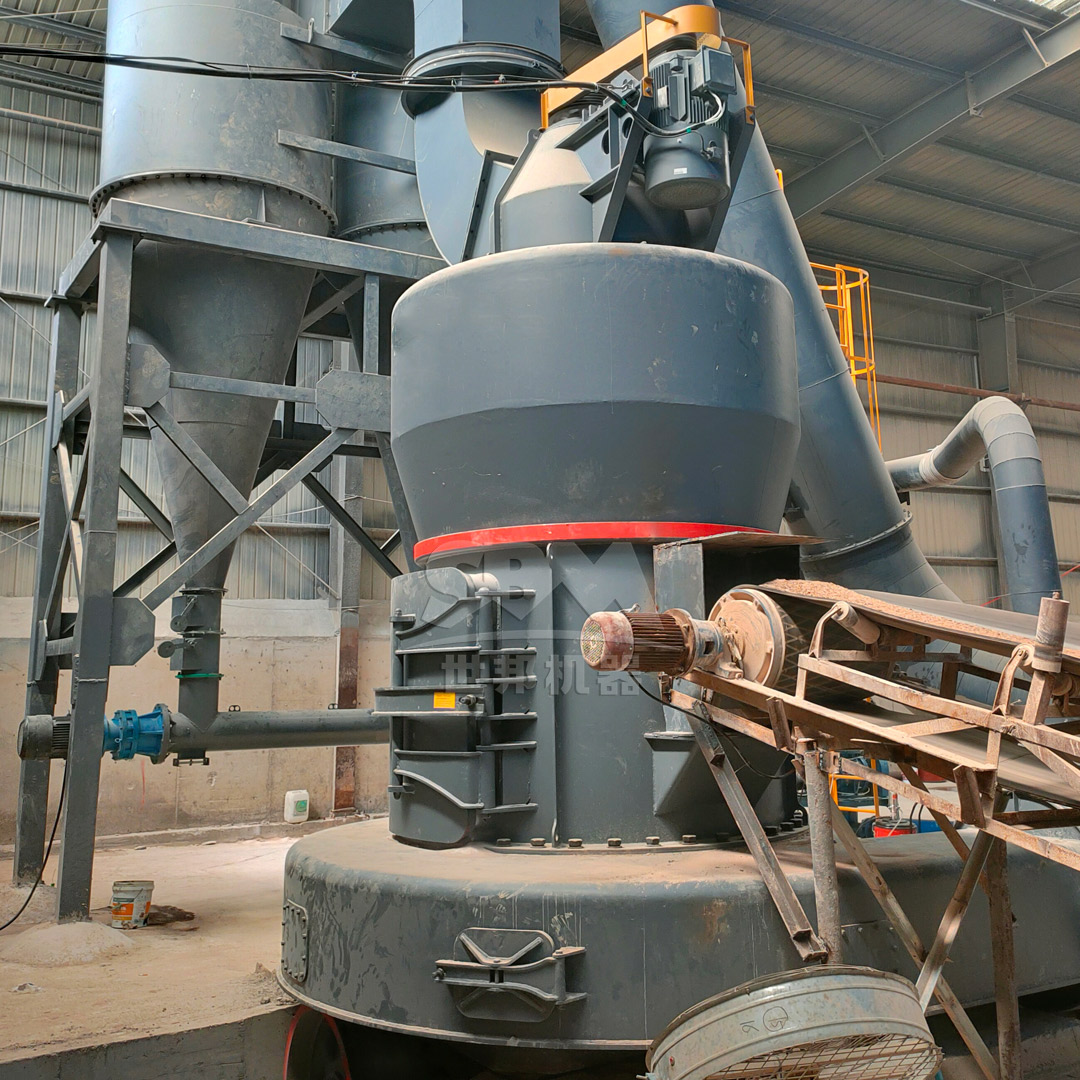
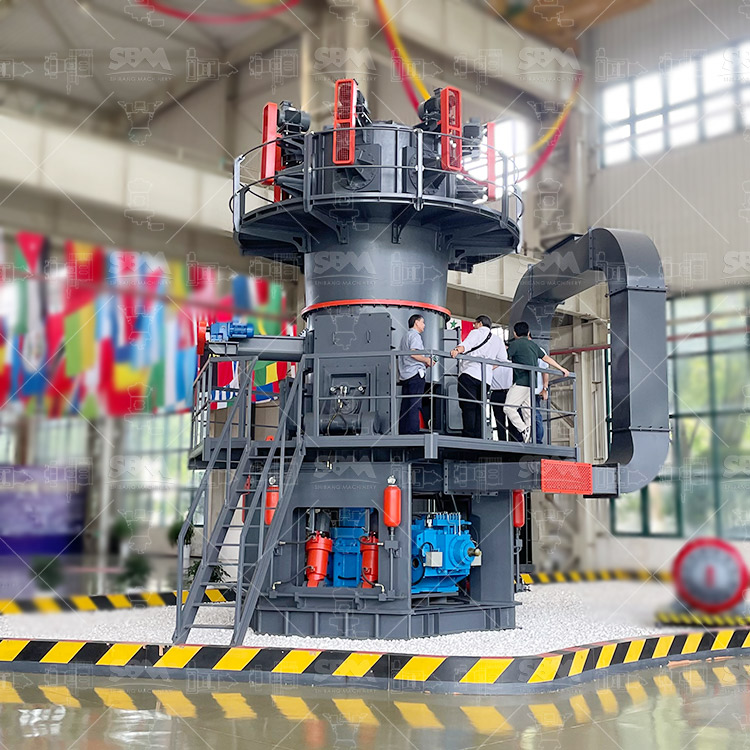
Vertical Roller Mills (VRMs), such as the LM Series, represent a significant leap in grinding technology, offering superior energy efficiency for producing alumina in the 30-325 mesh (600-45μm) range. Their principle involves a bed of material being compressed between rotating grinding rollers and a stationary grinding table. This “material bed comminution” is far more efficient than the impact-dominated process in ball mills, typically reducing energy consumption by 30-50%. VRMs integrate grinding, drying (with hot gas), classification, and conveying into a single compact unit, drastically reducing plant footprint and infrastructure costs. Their ability to handle moist feed and provide precise control over product fineness makes them a preferred choice for modern alumina processing plants aiming for operational excellence and sustainability.
For applications requiring ultrafine alumina (D97 below 10μm or 1250 mesh), specialized mills are necessary. These mills combine intense mechanical forces with integrated high-precision air classifiers to prevent over-grinding and achieve narrow particle distributions.
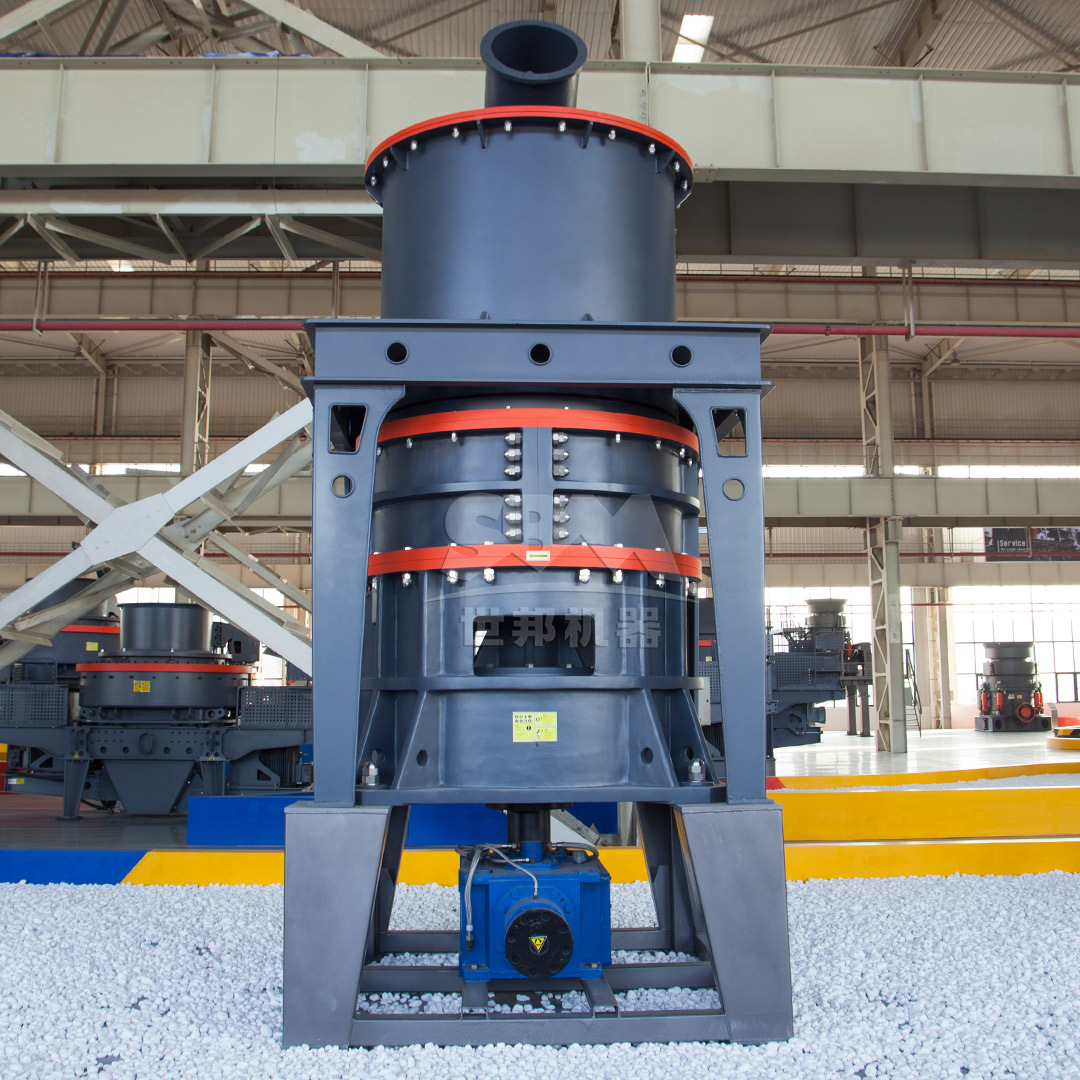
A prime example of this advanced technology is our SCM Ultrafine Mill. Engineered specifically for producing high-value mineral powders like alumina, it sets a benchmark in efficiency and precision.
With models like the SCM1250 offering a throughput of 2.5-14 tons per hour and capable of achieving a fineness of 325-2500 mesh (D97 ≤ 5μm), the SCM series is an ideal solution for producers targeting the high-end alumina powder market.
Classification is the process of separating a powder into coarse and fine fractions based on particle size, and it is often integrated with the mill in a closed circuit. Effective classification is what allows modern mills to produce tightly controlled PSDs and improve overall system efficiency by ensuring only properly sized material leaves the grinding zone.
Air classifiers use aerodynamic drag and centrifugal force to separate particles. Static classifiers (e.g., cyclones) are simple but offer limited precision. Dynamic classifiers, featuring a rotating turbine or cage, provide much finer and more adjustable cuts. The speed of the rotor directly controls the cut point (D97). High-efficiency dynamic classifiers, like those integrated into the SCM and LM series mills, are essential for producing ultrafine and narrowly distributed alumina powders.
For coarser separations (typically > 100 mesh or 150μm), vibrating screens or trommels are used. They are often employed after primary crushing or in specific applications where a strict top-size limit is required for the final product.
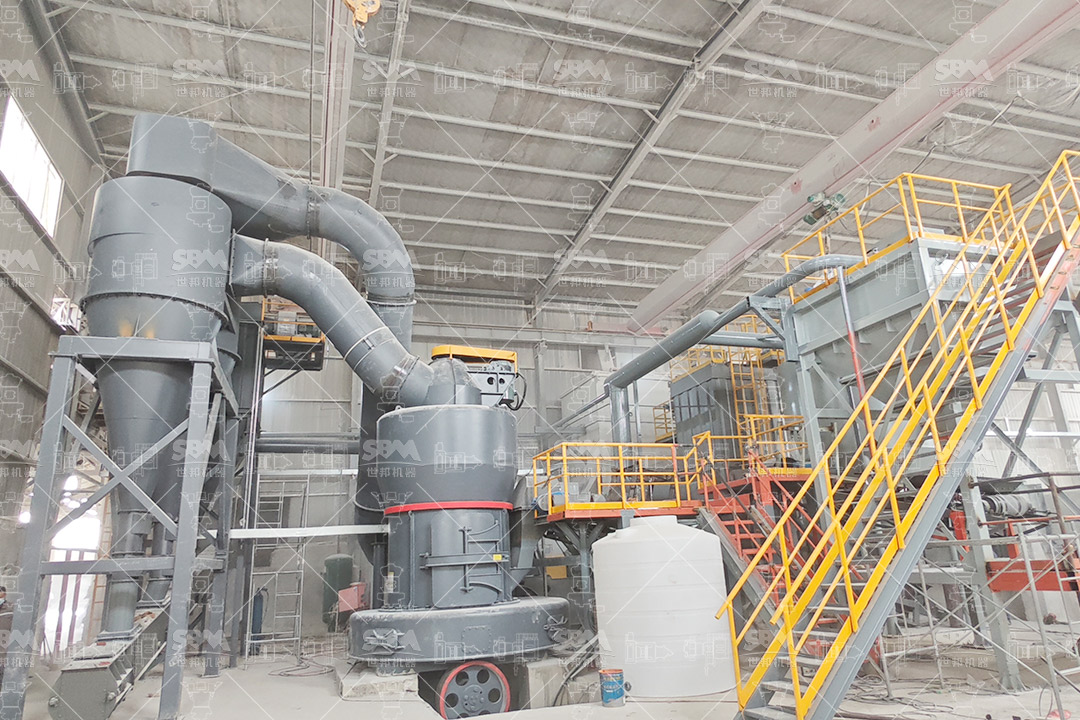
A successful alumina powder plant is more than a collection of individual machines; it is a seamlessly integrated system. A typical line for producing fine alumina includes:
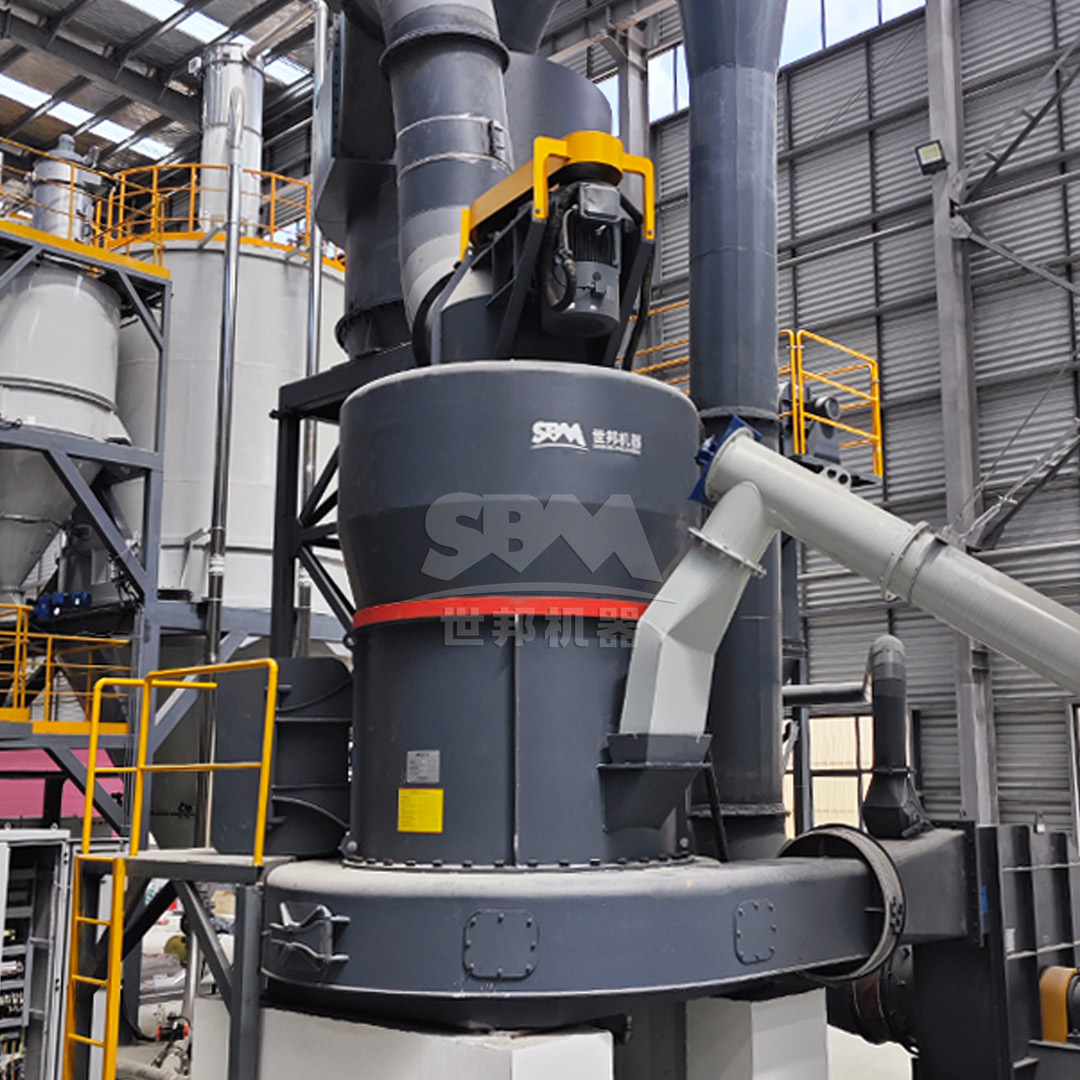
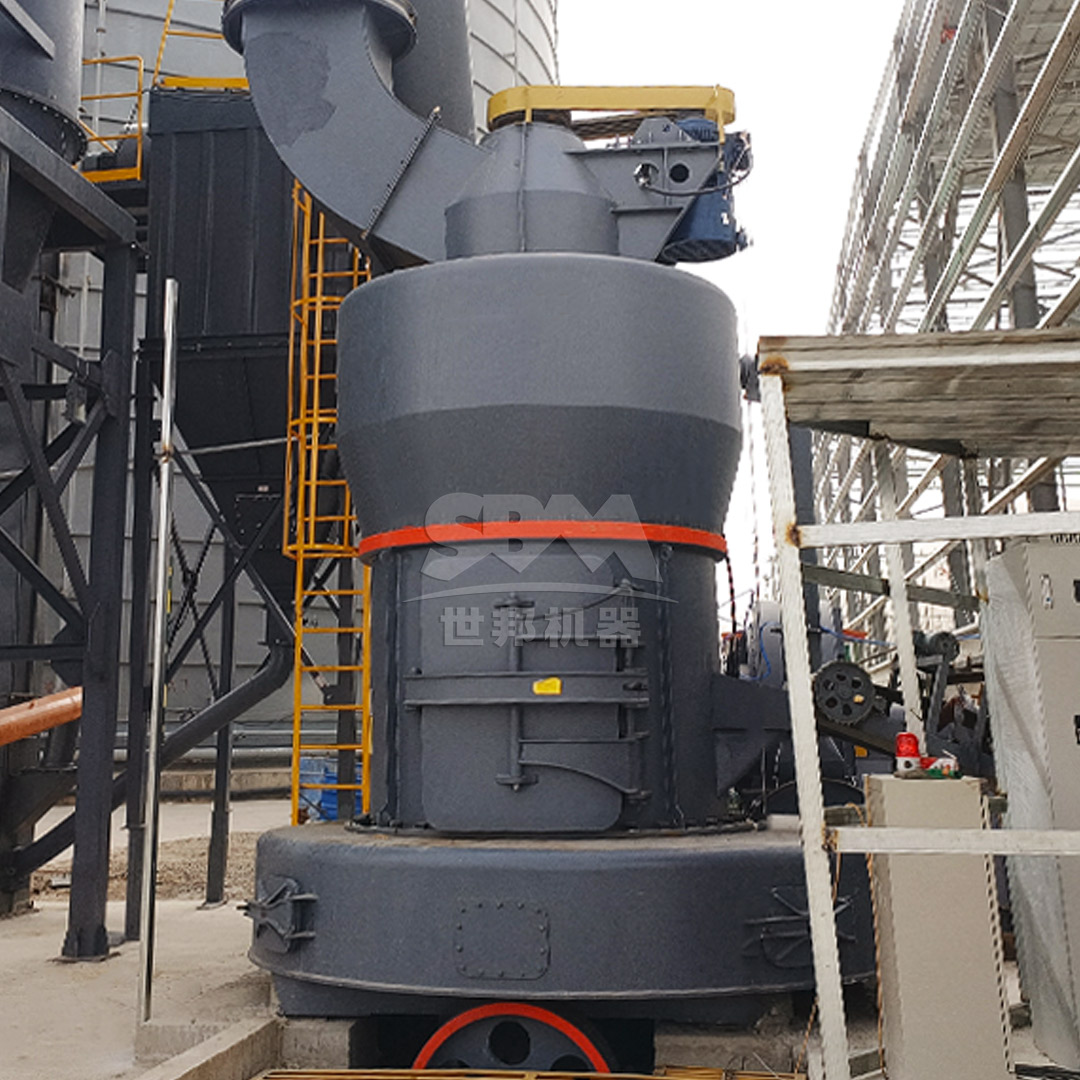
For medium to fine grinding applications where high throughput and energy efficiency are primary concerns, our MTW Series Trapezium Mill offers a robust and reliable solution. Its curved air duct design minimizes flow resistance, the bevel gear overall transmission ensures 98% drive efficiency, and the wear-resistant volute structure enhances air selection. With models like the MTW215G capable of processing 15-45 tons per hour down to 325 mesh, it is perfectly suited for large-scale production of quality alumina powders for refractories and abrasives.
| Equipment Type | Typical Feed Size | Target Product Fineness (Alumina) | Key Advantages | Ideal Application Stage |
|---|---|---|---|---|
| Ball Mill | ≤ 25 mm | 0.074 – 0.8 mm (200-20 mesh) | High capacity, robust, versatile | Primary/Intermediate Grinding |
| Vertical Roller Mill (LM Series) | ≤ 50 mm | 45 – 600 μm (325-30 mesh) | High energy efficiency, integrated drying/grinding | Intermediate/Fine Grinding |
| Trapezium Mill (MTW Series) | ≤ 50 mm | 45 – 600 μm (325-30 mesh) | Stable operation, high throughput, low wear | Intermediate/Fine Grinding |
| Ultrafine Mill (SCM Series) | ≤ 20 mm | 5 – 45 μm (2500-325 mesh) | Ultrafine capability, precise classification, energy-saving | Fine/Ultrafine Grinding |
The evolution of alumina powder production is driven by the relentless demand for higher performance materials across industries. Meeting this demand requires a deep understanding of particle technology and access to advanced, reliable processing equipment. From the robust efficiency of Vertical Roller Mills for high-tonnage products to the precision engineering of Ultrafine Mills like the SCM series for high-value applications, the right equipment choice defines product quality and plant profitability. By integrating optimal milling, classification, and system control technologies, producers can achieve the precise, consistent, and high-purity alumina powders that modern technology depends on.