January 02, 2026
Introduction
Phosphogypsum (PG), a by-product of phosphoric acid production, presents both a significant disposal challenge and a valuable resource opportunity. With annual global production exceeding 200 million tons, its effective utilization is critical for environmental and economic sustainability. Processing phosphogypsum into high-quality powder is a key step for applications in construction materials (e.g., cement retarder, wallboard), soil stabilization, and road base materials. This guide provides a comprehensive overview of the phosphogypsum powder production process and the essential equipment required for an efficient and profitable operation.
Understanding Phosphogypsum: Characteristics and Pre-Treatment
Raw phosphogypsum is typically a damp, fine-grained material containing residual acidity (free P2O5 and F), organic matter, and heavy metals. Its moisture content can range from 15% to 30%. Therefore, a successful powder production line must begin with adequate pre-treatment.
Key Pre-Treatment Steps:
- Neutralization & Aging: Lime or other alkaline agents are often added to neutralize free acids, improving the stability and setting properties of the final product. Aging piles allow for further chemical stabilization.
- Drying: Reducing moisture is essential for efficient grinding. Rotary dryers or flash dryers are commonly employed. The target moisture for grinding is usually below 1-2%.
- Primary Crushing: Large agglomerates or lumps need to be reduced to a consistent feed size suitable for the grinding mill, typically below 50mm.
Core Process: The Grinding and Classification Stage
The heart of any phosphogypsum powder line is the grinding system. The choice of grinding mill is paramount and depends on the required final fineness, production capacity, and energy efficiency goals. Phosphogypsum applications demand different fineness levels: for example, cement retarder may require 200-325 mesh, while high-performance wallboard filler might need 600 mesh or finer.
Critical Equipment for Grinding:
Selecting the right mill involves balancing output, particle size distribution (PSD), energy consumption, and maintenance costs. Two of our flagship grinding solutions are exceptionally well-suited for phosphogypsum processing, catering to different fineness and capacity requirements.
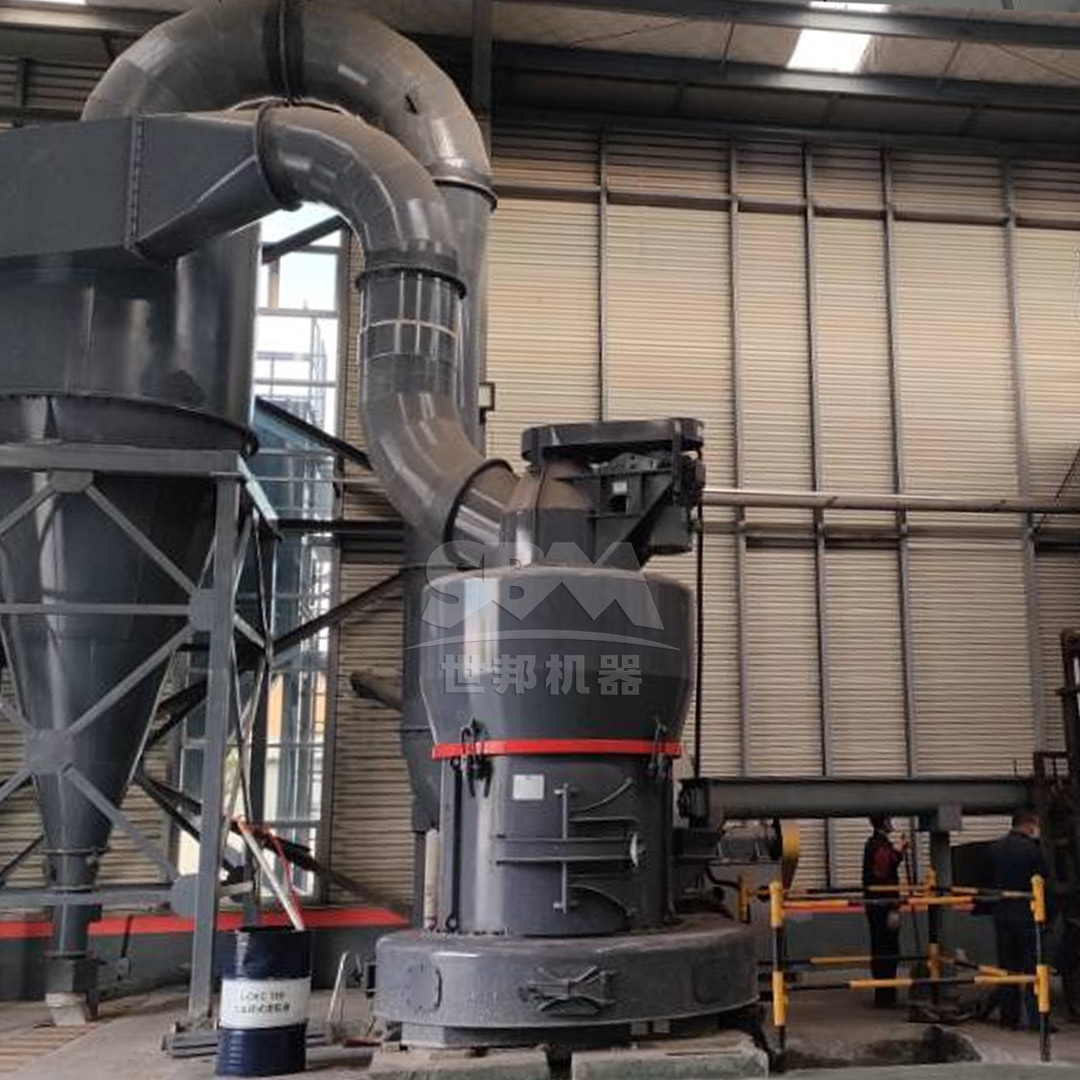
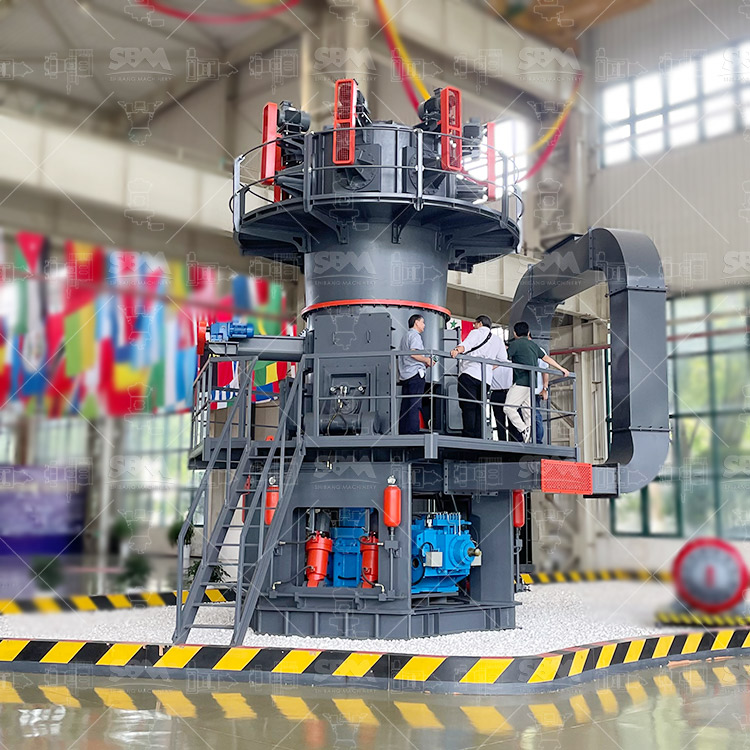
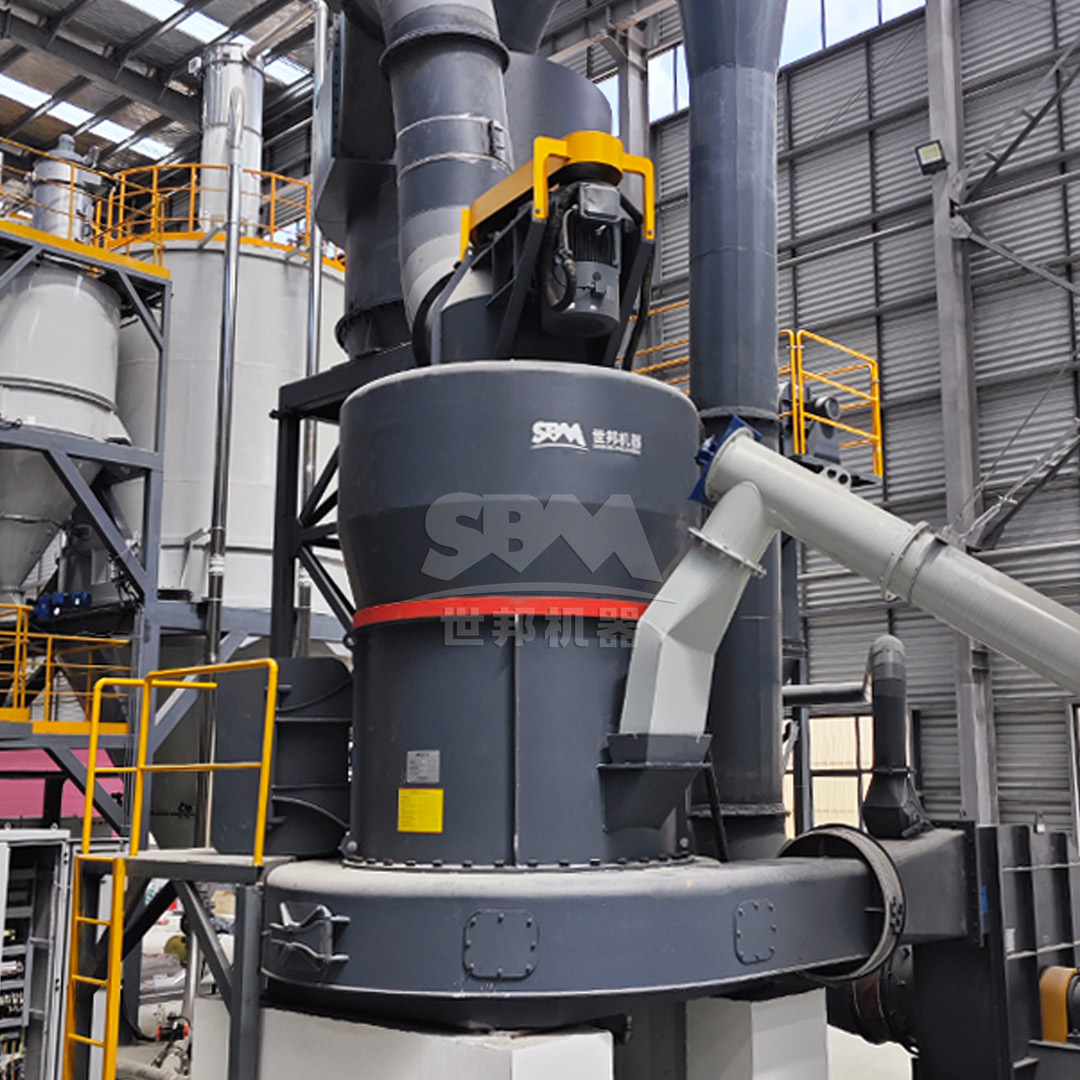
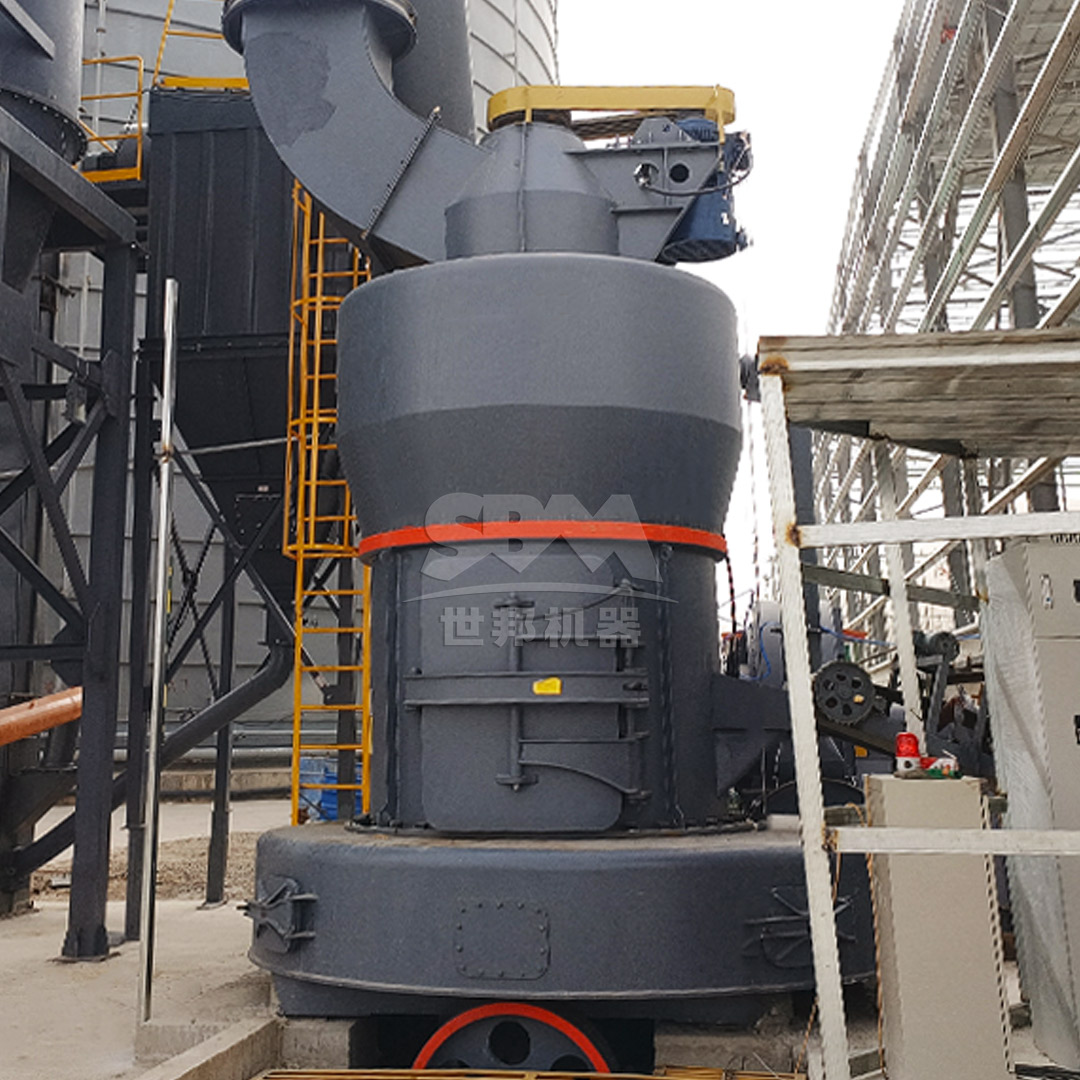
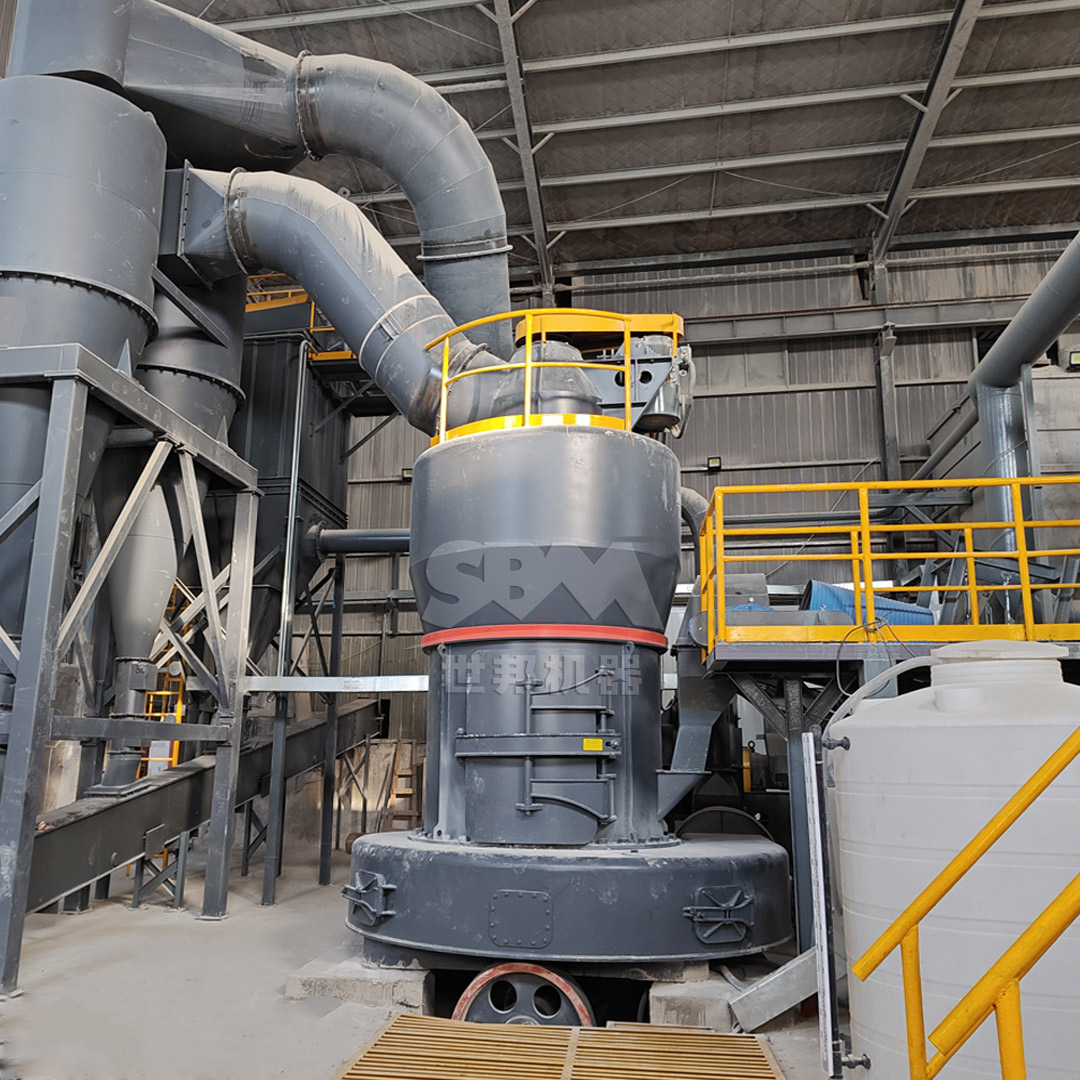
1. For High-Capacity, Coarse to Medium Fineness (30-325 mesh): The MTW Series Trapezium Mill
When the production target is in the range of several to tens of tons per hour with a fineness between 30 and 325 mesh, the MTW Series Trapezium Mill stands out as an optimal choice. This European-style grinding mill is engineered for efficiency and durability in processing moderate-hardness materials like dried phosphogypsum.
Why MTW is Ideal for Phosphogypsum:
- High Handling Capacity: With models offering capacities from 3 to 45 tons per hour, it can serve large-scale PG utilization projects.
- Robust Construction: Its wear-resistant shovel design and curved air duct minimize maintenance downtime and energy loss, crucial for abrasive materials.
- Excellent Particle Classification: The integrated efficient powder classifier ensures a sharp cut point and consistent product fineness, which is vital for product quality in applications like cement additives.
- System Efficiency: The bevel gear overall transmission boasts 98% efficiency, saving energy and space.
| Model Example |
Feed Size (mm) |
Output Fineness (mesh) |
Capacity (t/h) |
Main Motor Power (kW) |
| MTW175G |
≤40 |
10-325 |
9.5-25 |
160 |
| MTW215G |
≤50 |
10-325 |
15-45 |
280 |
2. For Ultra-Fine Powder Production (325-2500 mesh): The SCM Ultrafine Mill
For high-value applications requiring ultra-fine phosphogypsum powder, such as advanced polymer fillers or specialty building materials, the SCM Ultrafine Mill is the industry-leading solution. It is specifically designed to achieve fineness levels up to 2500 mesh (D97 ≤ 5μm).
Why SCM is the Best for Ultra-Fine PG:
- Unmatched Fineness: It reliably produces powder in the range of 325 to 2500 mesh, opening doors to premium markets.
- High-Precision Classification: The vertical turbine classifier provides exceptional particle size control, ensuring a narrow PSD with no coarse grit contamination.
- Energy Efficient: Compared to traditional jet mills, it offers twice the capacity with 30% lower energy consumption, dramatically reducing operating costs for fine grinding.
- Environmental & Stable Operation: Its pulse dust collector exceeds international standards, and the innovative grinding chamber design ensures stable, low-noise (≤75dB) operation.
| Model Example |
Feed Size (mm) |
Output Fineness (mesh) |
Capacity (t/h) |
Main Motor Power (kW) |
| SCM1000 |
≤20 |
325-2500 |
1.0-8.5 |
132 |
| SCM1680 |
≤20 |
325-2500 |
5.0-25 |
315 |
Auxiliary and Supporting Equipment
A complete production line involves more than just a mill. Integrated system design is key to smooth operation.
Essential Auxiliary Units:
- Feeding System: Vibrating feeders or belt feeders ensure a steady and controlled supply of pre-treated PG to the mill.
- Dust Collection System: A high-efficiency pulse jet baghouse or cyclone system is mandatory to capture product and meet environmental emission standards (<20mg/m³). This is often integrated with the mill.
- Product Conveying & Storage: Screw conveyors, bucket elevators, and pneumatic conveying systems transport the finished powder to storage silos. Silos should be equipped with aeration pads to prevent compaction.
- Packaging System: For bagged products, automatic valve bag packers or big bag stations are used. For bulk, loading spouts for tanker trucks are installed.
- Electrical Control System: A centralized PLC control panel allows for automated operation, monitoring of key parameters (motor load, temperature, pressure), and interlocking of all equipment for safety.
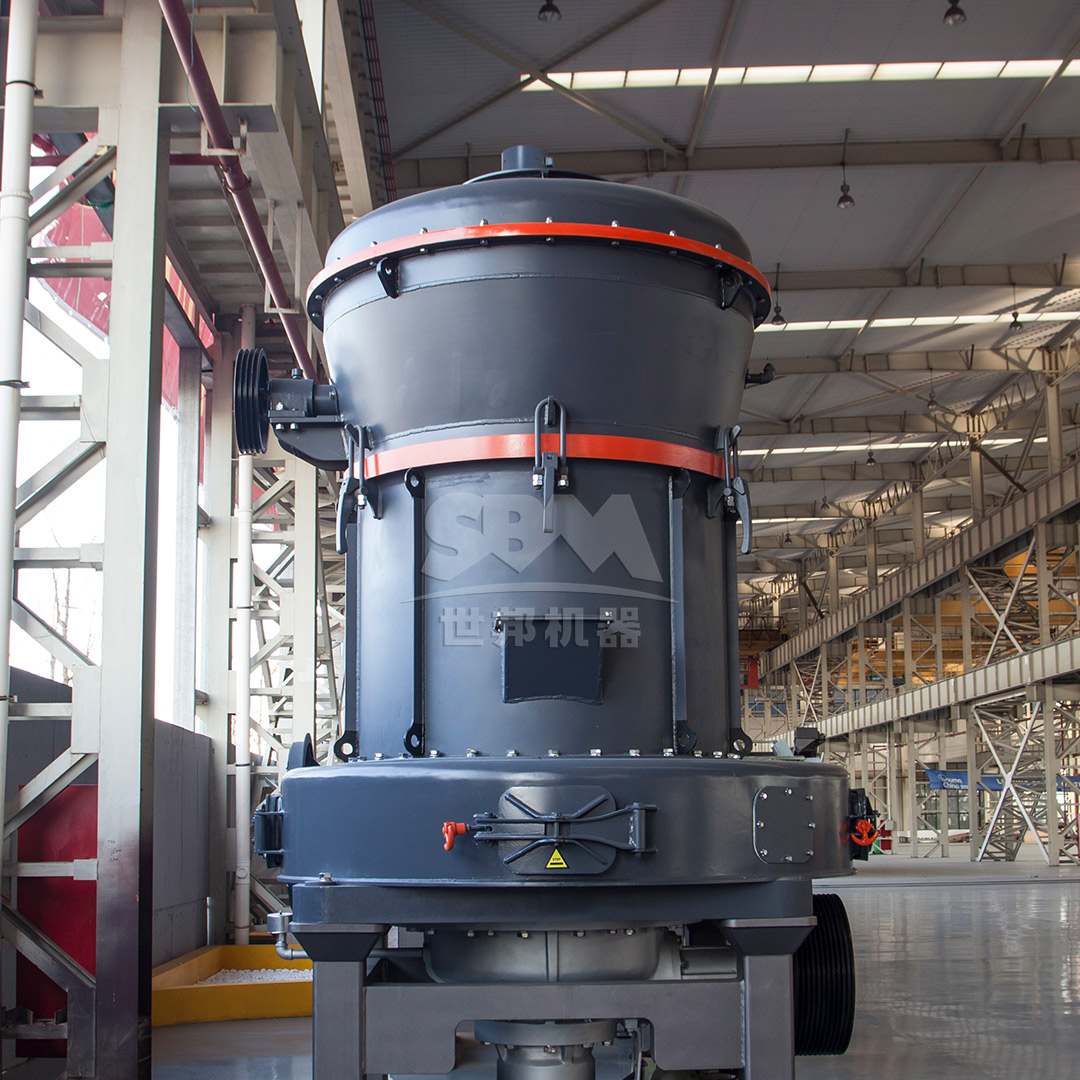
Process Flow and Layout Considerations
A typical layout follows a linear, gravity-assisted flow where possible to minimize conveying energy.
Simplified Process Flow:
- Pre-Treated PG Stockpile → 2. Reclaim Feeder → 3. Bucket Elevator → 4. Storage Hopper (with weigh feeder) → 5. Grinding Mill (MTW or SCM) → 6. Classifier (integrated) → 7. Cyclone Collector → 8. Pulse Dust Collector → 9. Exhaust Fan → 10. Screw Conveyor → 11. Bucket Elevator → 12. Product Storage Silo → 13. Packaging/Loading.
Layout Tips: Place the mill and main fan on a solid concrete foundation to absorb vibrations. Position the dust collector and silos considering prevailing wind direction. Ensure easy access for maintenance around all major equipment.
Key Considerations for a Successful Project
- Raw Material Analysis: Conduct a thorough analysis of your specific phosphogypsum (chemistry, moisture, hardness) to properly size the dryer and select mill wear materials.
- Future-Proofing: Consider potential changes in feed characteristics or product fineness requirements. Select equipment with some capacity and adjustment flexibility.
- Total Cost of Ownership (TCO): Look beyond the initial purchase price. Energy-efficient mills like our MTW and SCM series, with their durable wear parts and low maintenance designs, offer a significantly lower TCO over their lifespan.
- Supplier Expertise: Partner with an equipment supplier who understands the unique properties of phosphogypsum and can provide a complete system solution, not just individual machines.
Conclusion
Establishing an efficient phosphogypsum powder production line is a strategic investment that turns an environmental liability into a commercial asset. The core of this line—the grinding system—must be selected with precision based on the desired product specifications. For coarse to medium fineness at high tonnage, the MTW Series Trapezium Mill offers robust and efficient performance. For venturing into the high-value ultra-fine powder market, the SCM Ultrafine Mill provides unparalleled fineness control and energy savings. By integrating the right grinding technology with proper pre-treatment and auxiliary systems, producers can achieve a reliable, profitable, and sustainable operation that contributes significantly to the circular economy.