Basalt powder, a versatile material derived from volcanic rock, finds extensive applications in construction, composite materials, coatings, and various industrial sectors. Its production demands a sophisticated process flow and specialized equipment to achieve the desired fineness, particle size distribution, and production efficiency. This article delves into the core machinery and systematic process required for a modern, high-yield basalt powder production line.
The transformation of raw basalt rock into fine or ultrafine powder involves a series of size reduction and classification stages. The primary goal is to liberate the mineral constituents and produce a consistent, high-quality product. The selection of equipment is paramount and depends heavily on the target fineness (ranging from coarse aggregates to micronized powders), required capacity, and energy efficiency goals. A typical production line integrates crushing, grinding, classification, and collection systems.
| Production Stage | Target Size Range | Typical Equipment |
|---|---|---|
| Primary Crushing | ≤ 50mm | Jaw Crusher, Hammer Mill |
| Secondary Grinding | 30-325 mesh (600-45μm) | Trapezium Mill, Vertical Roller Mill |
| Fine/Ultrafine Grinding | 325-2500 mesh (45-5μm) | Ultrafine Mill, LUM Vertical Mill |
| Powder Collection | — | Pulse Bag Dust Collector, Cyclone |
A successful basalt powder plant relies on a coordinated sequence of machines, each performing a specific function.
The process begins with reducing large basalt blocks (often 0-500mm) to a manageable size for grinding mills. Jaw crushers are ideal for initial coarse crushing. For direct production of finer aggregates or as a pre-grinding step, a Hammer Mill is highly effective. Our hammer mill series, for instance, can process material with an input size of 0-40mm and produce a consistent output of 0-3mm in a single pass. Its high crushing ratio, stable operation due to an optimized crushing chamber, and durable high-manganese steel liners make it a robust and cost-effective choice for the initial size reduction stage, ensuring a uniform feed for subsequent grinding equipment.
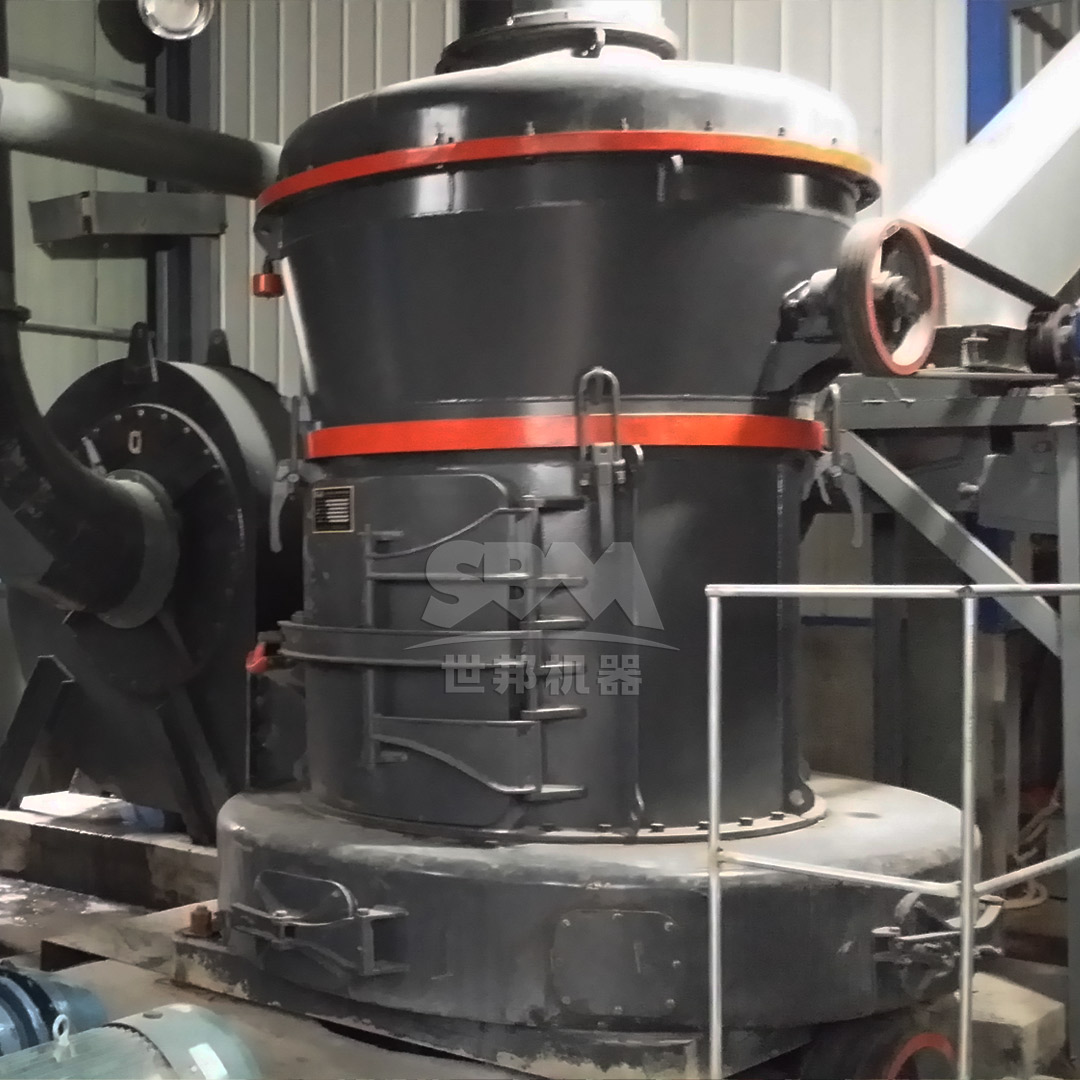
For producing basalt powder in the range of 30 to 325 mesh (approximately 600 to 45 microns), trapezium mills and vertical roller mills are the industry workhorses.
The MTW Series Trapezium Mill represents a significant advancement in this category. It features a curved air duct that minimizes flow resistance, an integral transmission with bevel gears achieving up to 98% efficiency, and wear-resistant components like combined shovel blades. These design improvements directly translate to higher transmission efficiency, lower energy loss, and reduced maintenance costs. With a feed size of up to 50mm and capacities ranging from 3 to 45 tons per hour, the MTW mill is a versatile and reliable solution for medium-to-large scale production of fine basalt powder.
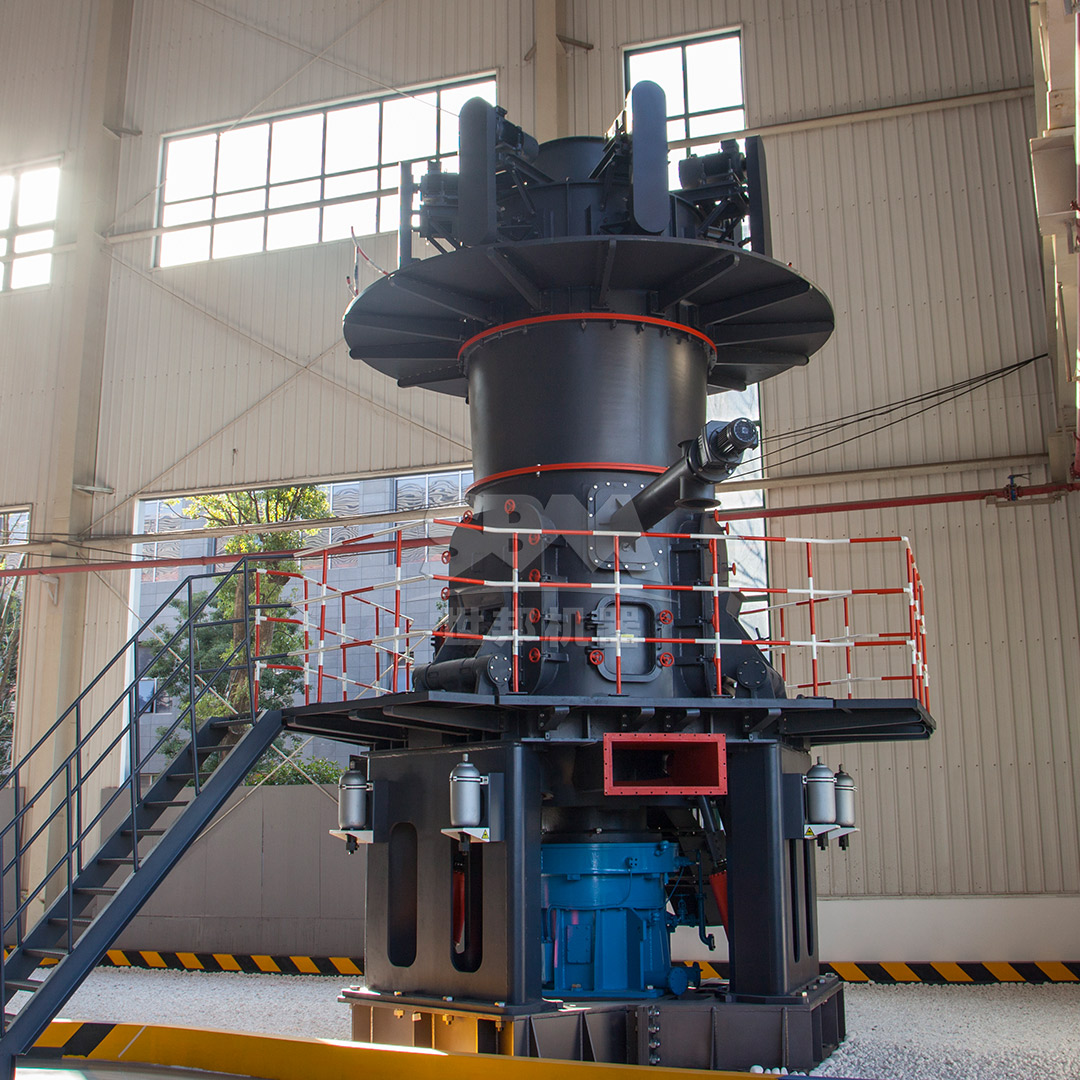
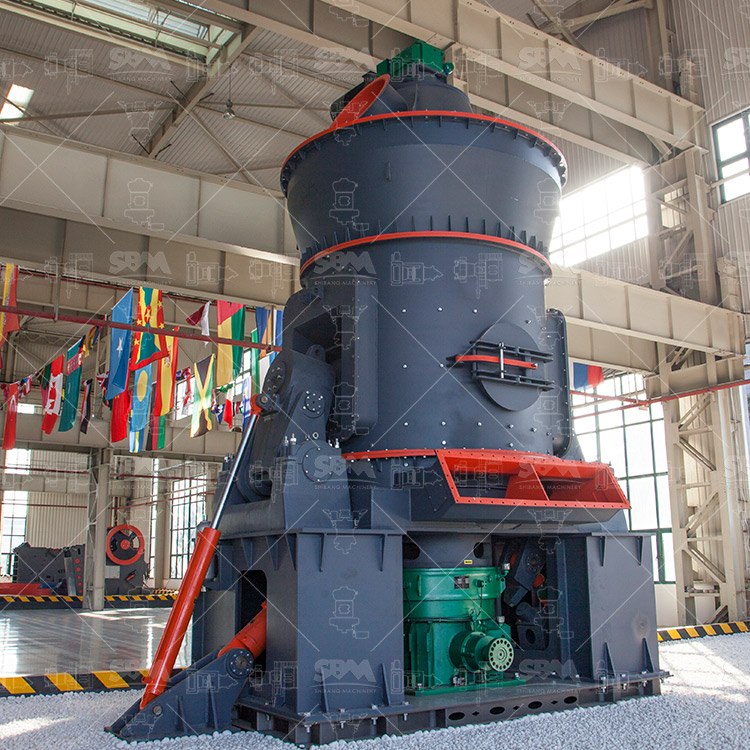
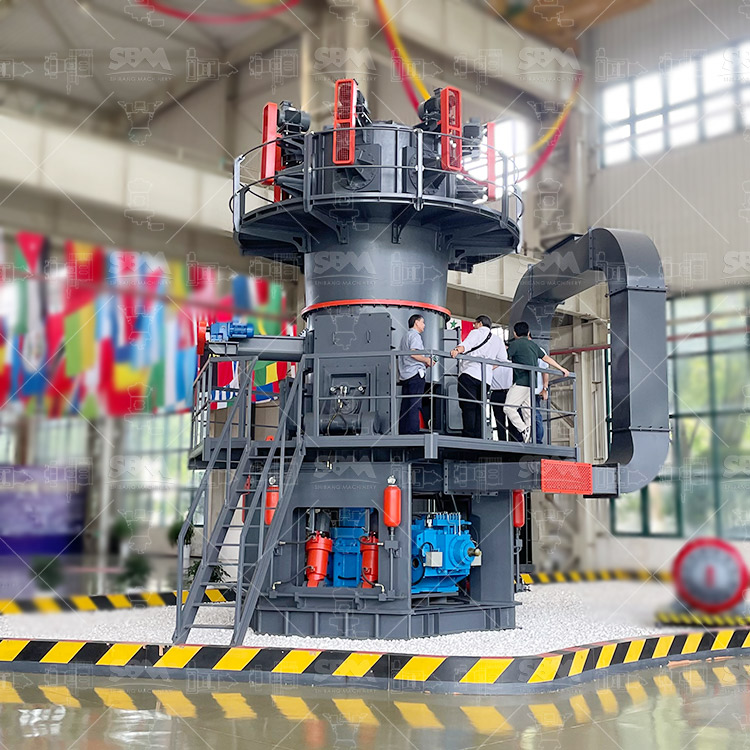
For even larger capacities and higher integration, the LM Series Vertical Roller Mill is unparalleled. Its集约化设计 integrates crushing, grinding, drying, and classifying in a single unit, reducing the plant footprint by up to 50%. The non-contact design between grinding rollers and the disc significantly extends wear part life. Most importantly, its energy consumption is 30-40% lower compared to traditional ball mill systems, offering tremendous operational savings for high-tonnage applications.
When the application demands ultrafine basalt powder (325 to 2500 mesh, or D97 ≤ 5μm), specialized equipment is required. This is where ultrafine grinding mills excel.
We highly recommend our flagship SCM Series Ultrafine Mill for this critical stage. Engineered for high precision and efficiency, the SCM mill is designed to produce powders with a fineness range of 325 to 2500 mesh. Its core advantages make it ideal for high-value basalt powder production:
The mill operates on a layered grinding principle. The main motor drives multiple grinding rings to rotate. Material is fed into the grinding chamber and dispersed by centrifugal force into the grinding path, where it is crushed and ground layer by layer between the rollers and rings. The final product is collected efficiently by a cyclone and pulse dust collection system.
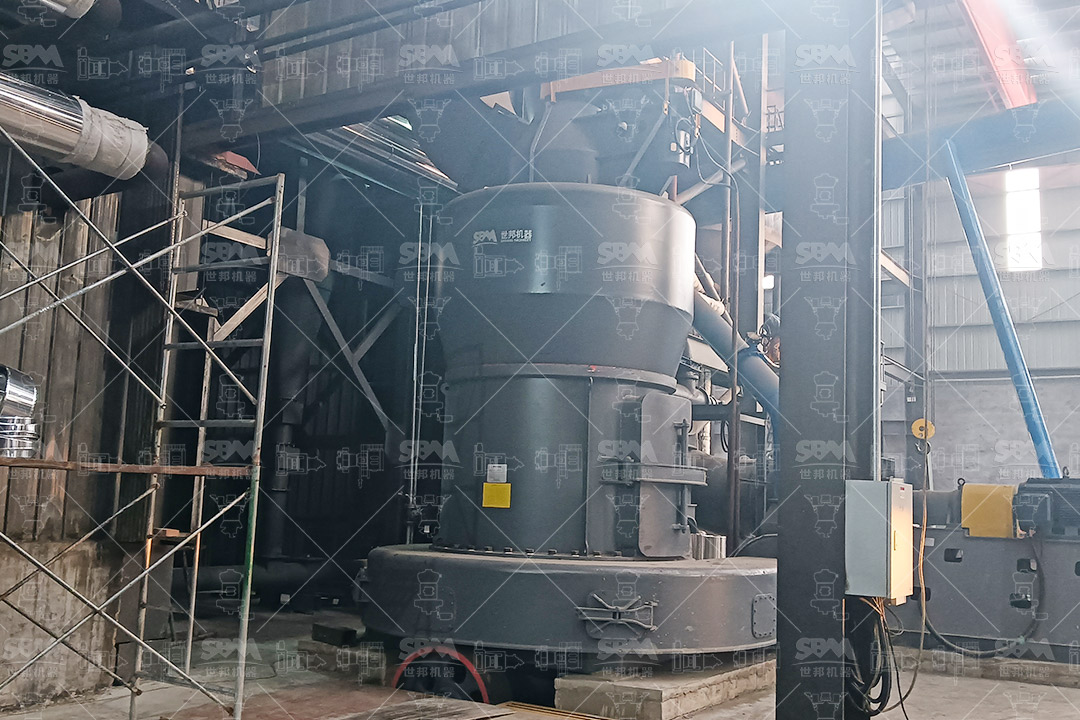
| SCM Ultrafine Mill Model Specifications (Example) | ||||
|---|---|---|---|---|
| Model | Output Capacity (t/h) | Main Motor Power (kW) | Feed Size (mm) | Final Fineness (mesh) |
| SCM800 | 0.5 – 4.5 | 75 | ≤20 | 325-2500 |
| SCM1000 | 1.0 – 8.5 | 132 | ≤20 | 325-2500 |
| SCM1250 | 2.5 – 14 | 185 | ≤20 | 325-2500 |
| SCM1680 | 5.0 – 25 | 315 | ≤20 | 325-2500 |
No modern powder production line is complete without an efficient dust collection system. Pulse jet baghouse dust collectors are the standard. They ensure a clean working environment, recover valuable product, and allow the plant to meet strict environmental emission standards (<20 mg/m³). These systems are fully automated and feature continuous cleaning cycles to maintain optimal filtration efficiency.
A complete and automated process flow ensures smooth operation and consistent product quality. The following describes a common setup for producing fine to ultrafine powder:
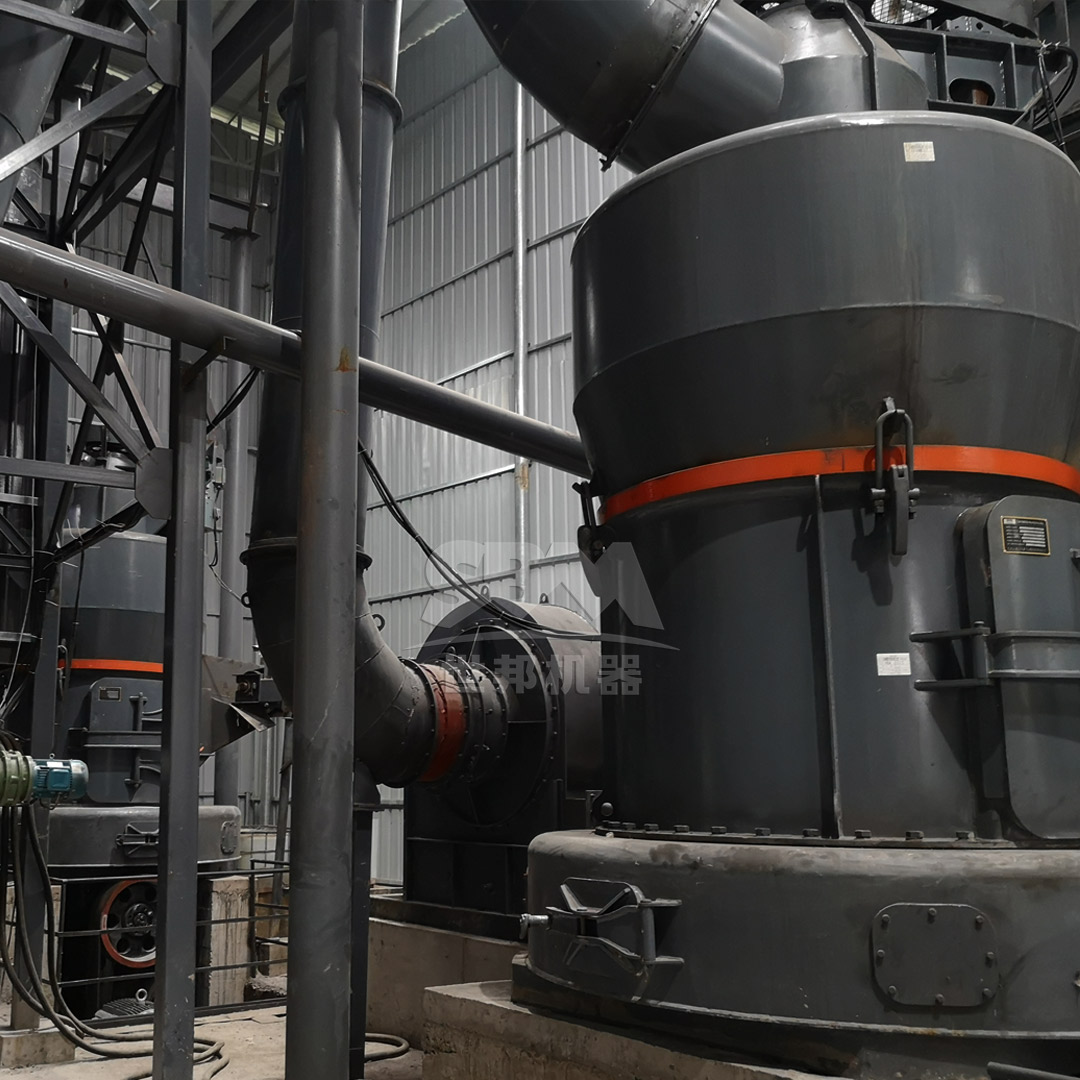
Establishing an efficient basalt powder production line requires careful selection and integration of specialized equipment. The journey from raw rock to premium powder involves staged size reduction, with hammer mills, trapezium mills, vertical roller mills, and ultrafine mills each playing a critical role at different stages. For producers aiming at the high-end market with ultrafine products, investing in advanced technology like the SCM Ultrafine Mill is crucial. Its combination of energy efficiency, precise classification, durability, and environmental compliance provides a competitive edge, ensuring the production of consistent, high-quality basalt powder that meets the stringent demands of modern industries. By understanding the key machines and optimizing the process flow, producers can achieve maximum yield, quality, and profitability.