Diabase, a fine-grained, mafic igneous rock, is a valuable raw material for various industrial applications, including construction aggregates, road base materials, and as a source of mineral wool. The production of high-quality diabase powder, however, demands a sophisticated and efficient grinding process. The transformation of raw diabase rock into fine or ultrafine powder requires specialized equipment capable of handling its hardness and abrasiveness while achieving precise particle size distributions. This article provides a comprehensive overview of the key equipment and processes involved in modern diabase powder production, highlighting the technological advancements that ensure efficiency, product quality, and environmental compliance.
The journey from raw diabase rock to finished powder involves several critical stages, each requiring specific types of machinery.
The process begins with primary crushing, where large diabase blocks (often up to several hundred millimeters) are reduced to a manageable size, typically below 50mm. Jaw crushers are commonly employed for this stage due to their robust construction and high capacity. The goal is to produce a consistent feed size for the subsequent grinding circuits.
For finer initial reduction or in systems aiming for higher overall efficiency, secondary crushing or pre-grinding is utilized. Equipment like cone crushers, impact crushers, or even specialized pre-grinding mills can further reduce the material to below 20-30mm. This step significantly reduces the load and energy consumption of the final fine grinding mill.
| Process Stage | Target Size | Typical Equipment |
|---|---|---|
| Primary Crushing | < 50 mm | Jaw Crusher, Gyratory Crusher |
| Secondary Crushing | < 30 mm | Cone Crusher, Impact Crusher |
| Pre-Grinding | < 20 mm | Hammer Mill, Pre-grinding Roller Mill |
| Fine Grinding | 45 μm – 1 mm | Raymond Mill, Vertical Roller Mill, Ball Mill |
| Ultrafine Grinding | < 45 μm (325 mesh+) | Ultrafine Mill, Vertical Superfine Mill |
This is the most critical and energy-intensive phase, where the pre-crushed diabase is ground to the desired fineness. The choice of equipment here depends heavily on the target particle size, required capacity, and economic considerations.
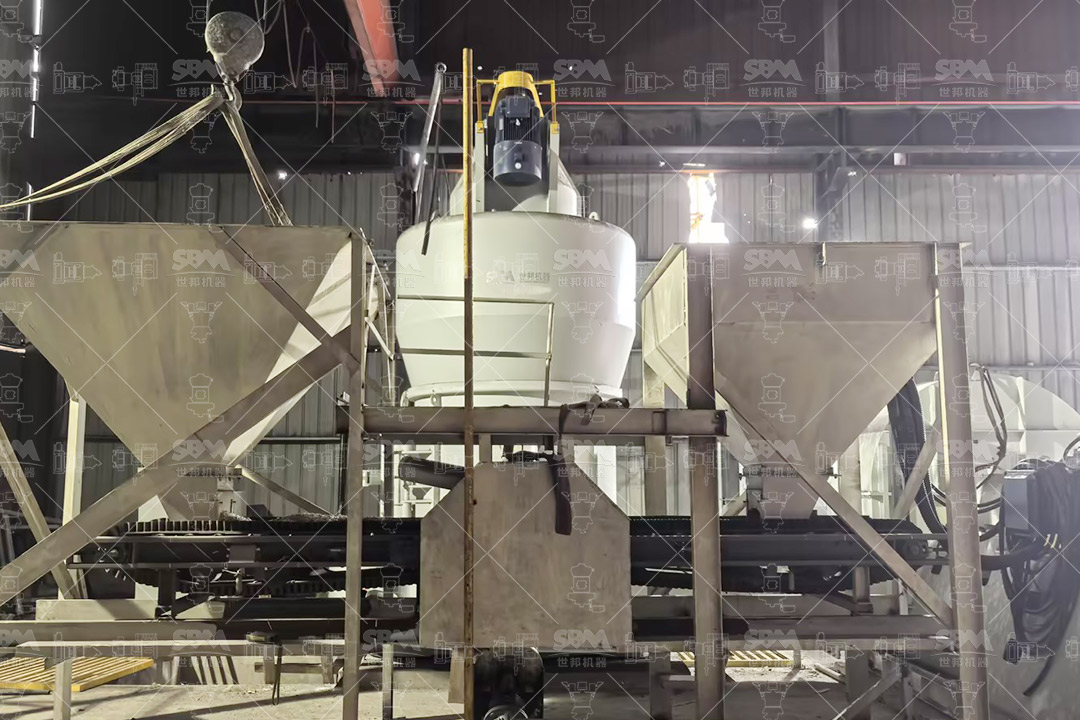
Integrated or standalone air classifiers are essential for separating the ground powder into the desired size fraction. Modern mills often feature built-in dynamic classifiers that allow real-time adjustment of the cut point. The final product is then collected using efficient cyclone separators and baghouse filter systems, ensuring minimal product loss and near-zero dust emissions.
Selecting the right mill is paramount. For producers targeting the high-value ultrafine diabase powder market (e.g., for functional fillers, advanced composites), the grinding system must deliver exceptional precision, reliability, and energy economy.
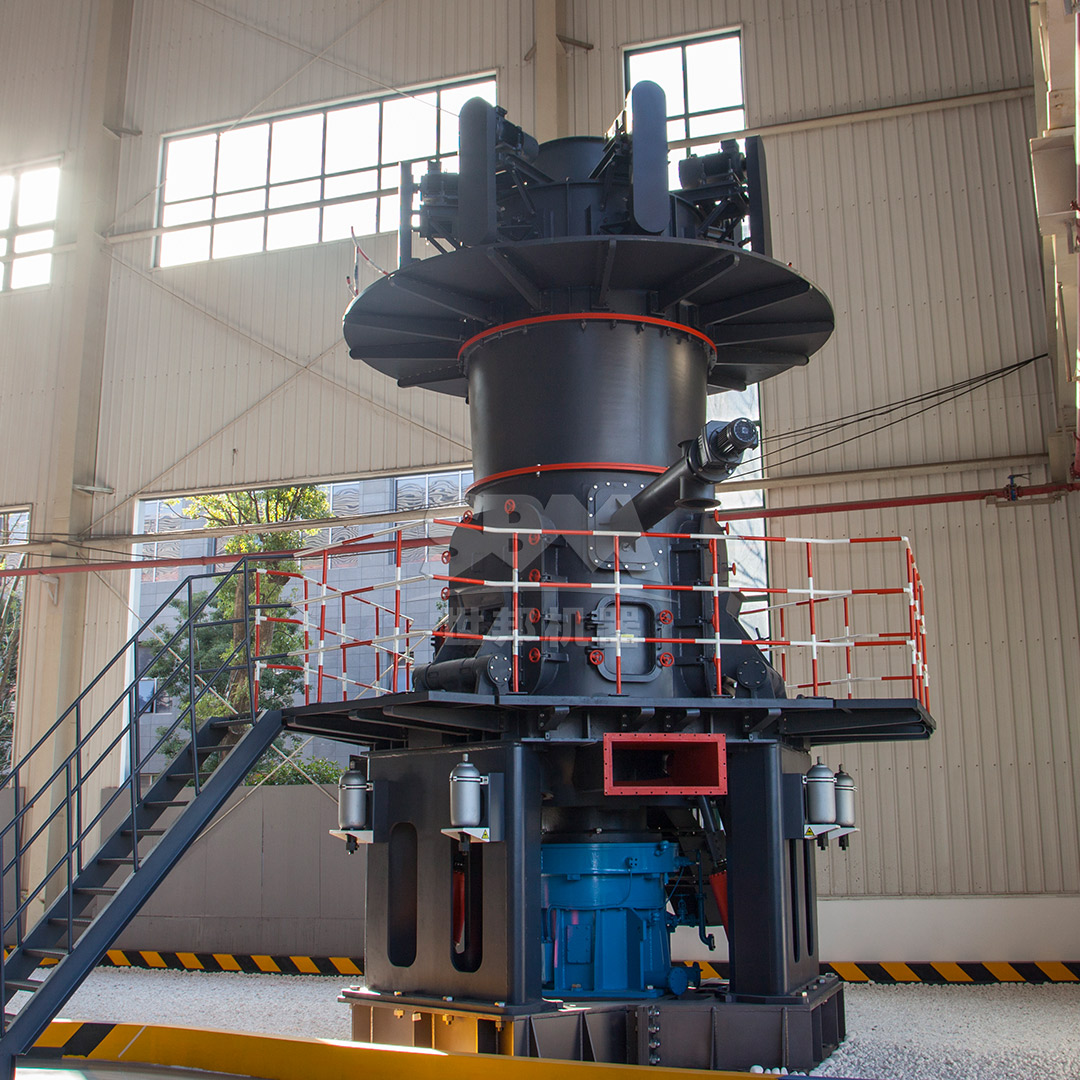
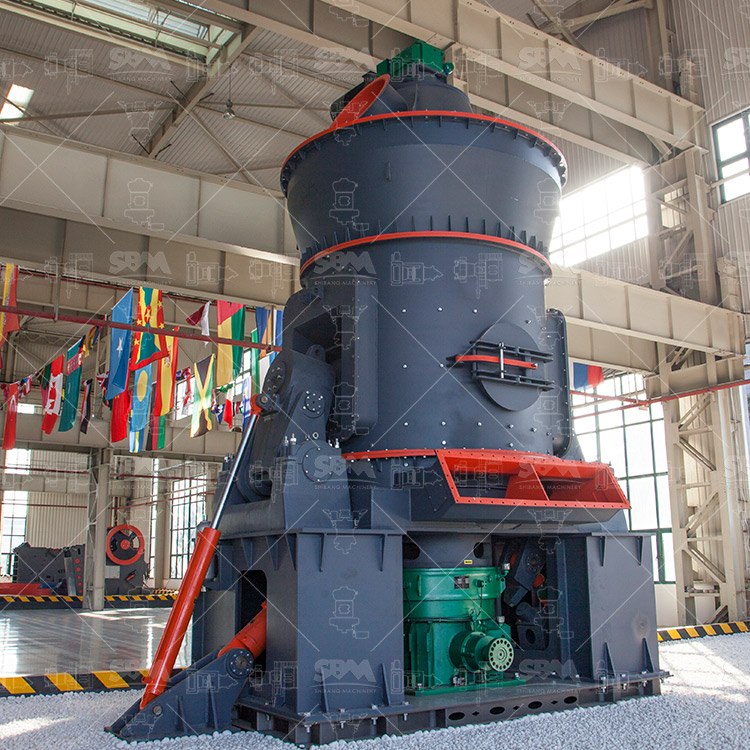
For large-scale production of fine diabase powder (e.g., 30-325 mesh), Vertical Roller Mills like our LM Series represent a state-of-the-art solution. Their集约化设计 integrates grinding, drying, classification, and conveying into a single unit, offering a footprint up to 50% smaller than traditional ball mill systems. The料床粉碎原理 (material bed grinding principle) between the磨盘 (grinding table) and磨辊 (grinding rollers) is highly energy-efficient, reducing specific energy consumption by 30-40% compared to ball mills. Key advantages for diabase processing include their ability to handle moderately abrasive materials with lower wear rates due to non-contact roller designs and their expert automatic control systems for stable, high-output operation.
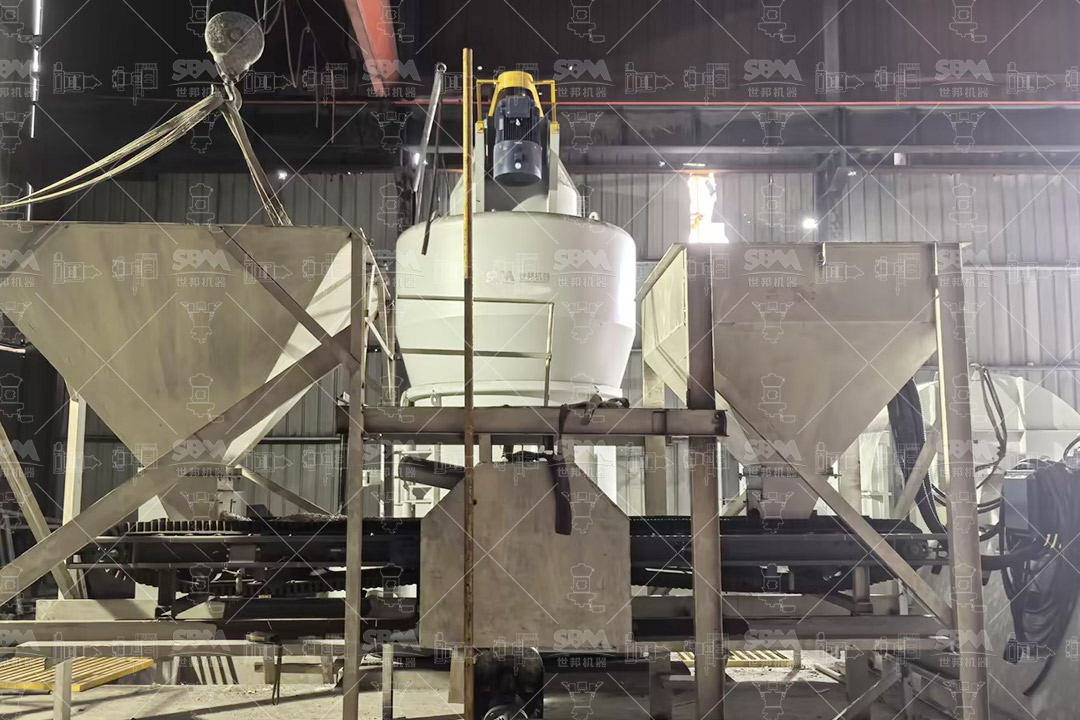
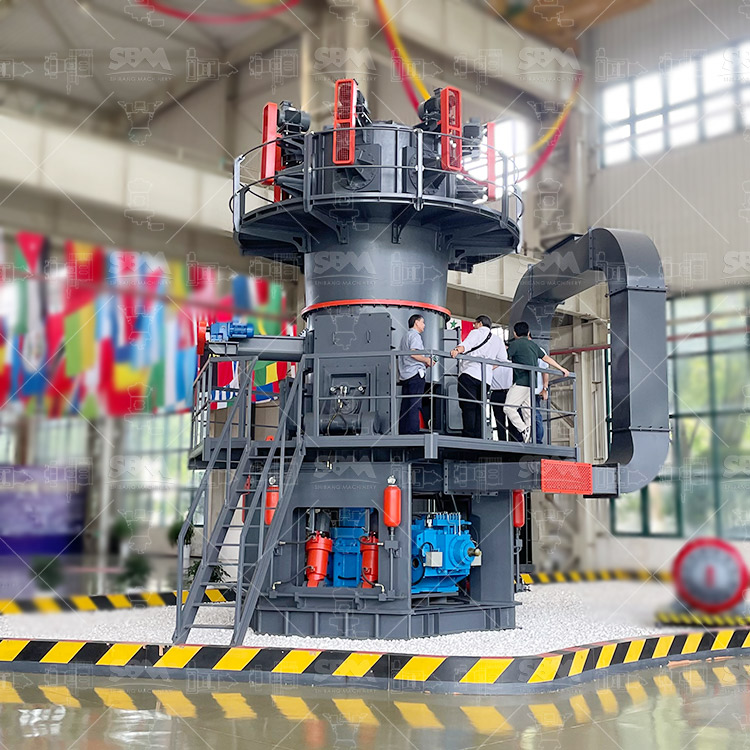
When the application demands particle sizes in the range of 325 to 2500 mesh (D97 ≤ 5μm), conventional mills reach their limits. This is the domain of dedicated ultrafine grinding systems. For these most demanding applications, we highly recommend our flagship SCM Series Ultrafine Mill.
Engineered specifically for producing micron and sub-micron powders, the SCM Ultrafine Mill is a game-changer for high-purity diabase products. Its core strength lies in its high-precision grading system. The vertical turbine classifier enables extremely sharp particle size cuts, ensuring a uniform product with no coarse grit contamination. This is critical for applications where particle size consistency directly impacts performance.
Furthermore, the mill is designed for efficiency and durability. Its grinding mechanism delivers a capacity approximately twice that of a jet mill of comparable power while reducing energy consumption by up to 30%. When processing abrasive materials like diabase, equipment longevity is a major concern. The SCM mill addresses this with special alloy wear parts for rollers and grinding rings, significantly extending service life. The fully sealed grinding chamber coupled with a high-efficiency pulse dust collector ensures an environmentally friendly operation with dust emissions meeting the strictest international standards and noise levels controlled below 75dB.
| Model | Output (ton/h) | Main Motor Power | Final Fineness |
|---|---|---|---|
| SCM800 | 0.5 – 4.5 | 75 kW | 325 – 2500 mesh (D97 ≤ 5μm) |
| SCM900 | 0.8 – 6.5 | 90 kW | |
| SCM1000 | 1.0 – 8.5 | 132 kW | |
| SCM1250 | 2.5 – 14 | 185 kW | |
| SCM1680 | 5.0 – 25 | 315 kW |
From the compact SCM800 to the high-capacity SCM1680, the series offers a scalable solution to match any production requirement for ultrafine diabase powder.
A complete production line relies on more than just the main mill.
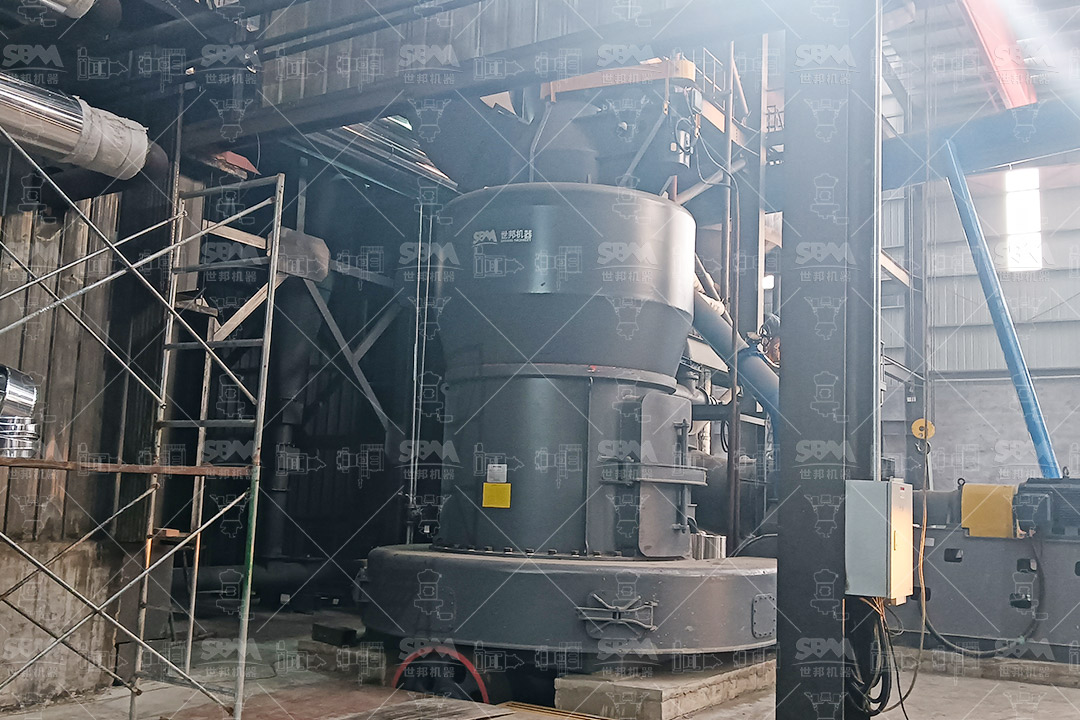
The production of diabase powder has evolved from a simple crushing operation to a precise engineering process. Success hinges on selecting a grinding system that aligns with the target product specifications and production economics. For coarse to fine grinding, robust and efficient solutions like Vertical Roller Mills are ideal. However, for ventures into the high-value ultrafine powder market, investing in advanced technology like the SCM Ultrafine Mill is crucial. Its unparalleled combination of precise classification, energy efficiency, and durable construction makes it the key equipment for producers aiming to achieve consistent, high-quality ultrafine diabase powder with optimal operational costs and minimal environmental impact. A holistic approach, integrating the right primary crushers, conveyors, and dust control with the core grinding technology, is the blueprint for a modern, competitive diabase powder production facility.