The efficient processing of phosphate rock into fine powder is a cornerstone of modern fertilizer production and various industrial applications. The quality, consistency, and fineness of the final phosphate powder directly impact downstream processes and product efficacy. Selecting the appropriate grinding equipment is therefore not merely an operational decision but a strategic one, influencing productivity, energy consumption, and overall plant economics. This article delves into the critical role of grinding mills in phosphate rock processing, explores the technological requirements, and highlights advanced solutions that set new benchmarks for efficiency and reliability.
Phosphate rock, the primary source of phosphorus for fertilizers, must be ground to a specific fineness to increase its surface area, thereby enhancing its reactivity in subsequent chemical processing, such as acidulation. Inefficient grinding can lead to incomplete reactions, higher acid consumption, and ultimately, lower-grade fertilizer products. Beyond fertilizers, finely ground phosphate powder is essential in animal feed supplements, food additives, and ceramic production. The grinding process must achieve precise particle size distribution (PSD) while managing challenges like material abrasiveness, moisture content, and the need for consistent throughput.
Phosphate rock is typically a medium-hard to hard material, often containing silica and other abrasive minerals. This abrasiveness accelerates wear on grinding components, leading to increased maintenance costs and potential contamination of the product with worn metal. Furthermore, achieving a uniform fine powder (often in the range of 100 to 325 mesh or finer for special applications) requires sophisticated classification systems integrated with the grinding mechanism. Energy efficiency is another paramount concern, as grinding operations can account for a significant portion of a plant’s total power consumption.
| Property | Challenge for Grinding | Desired Mill Feature |
|---|---|---|
| Abrasiveness | High wear on rollers, rings, liners | Superior wear-resistant materials |
| Required Fineness | Need for precise particle size control | Integrated high-efficiency classifier |
| Throughput Demand | Balancing capacity with product quality | Stable grinding bed and robust design |
| Energy Consumption | High operational costs | Optimized grinding mechanism & low system resistance |
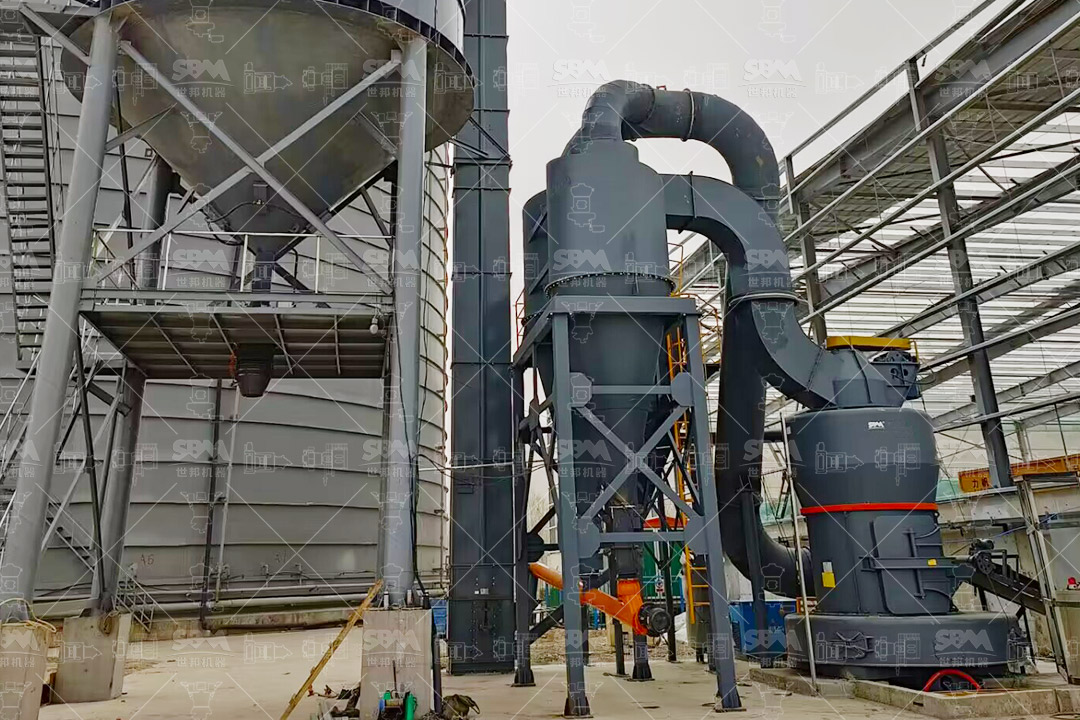
Modern phosphate rock grinding has evolved beyond simple crushing. Today’s advanced mills incorporate several key technologies to address the aforementioned challenges.
The core of any mill is its grinding mechanism. For phosphate rock, roller-based systems (like vertical roller mills and trapezium mills) that employ a bed-compression principle are highly effective. They offer higher energy efficiency compared to traditional ball mills, as the energy is directly applied to the particle bed rather than being dissipated through media collision and friction. Crucially, the rollers and grinding rings/table liners must be manufactured from special alloy steels or composite materials with exceptional hardness and toughness to withstand abrasive wear, extending service life by several multiples.
A mill is only as good as its ability to separate the correctly sized product. Internal dynamic classifiers, often turbine-based, allow for real-time adjustment of the cut point. This ensures that only particles meeting the target fineness (e.g., D97 ≤ 45μm or finer) leave the grinding chamber, while oversize material is efficiently returned for further comminution. This closed-loop system guarantees a consistent, narrow particle size distribution and prevents energy waste from over-grinding.
Advanced control systems monitor critical parameters like grinding pressure, differential pressure, motor load, and classifier speed. By automatically adjusting these variables based on feed rate and material characteristics, the system maintains optimal performance, maximizes throughput, and protects the equipment from overload conditions. Remote monitoring capabilities further enhance operational oversight and predictive maintenance.
Modern mills are designed as negative-pressure systems. High-efficiency pulse jet baghouse dust collectors are integrated to capture airborne particles, ensuring dust emissions are kept well below international standards (e.g., < 20 mg/m³). Additionally, sound insulation enclosures and vibration-damping foundations significantly reduce noise pollution, creating a safer and more compliant working environment.
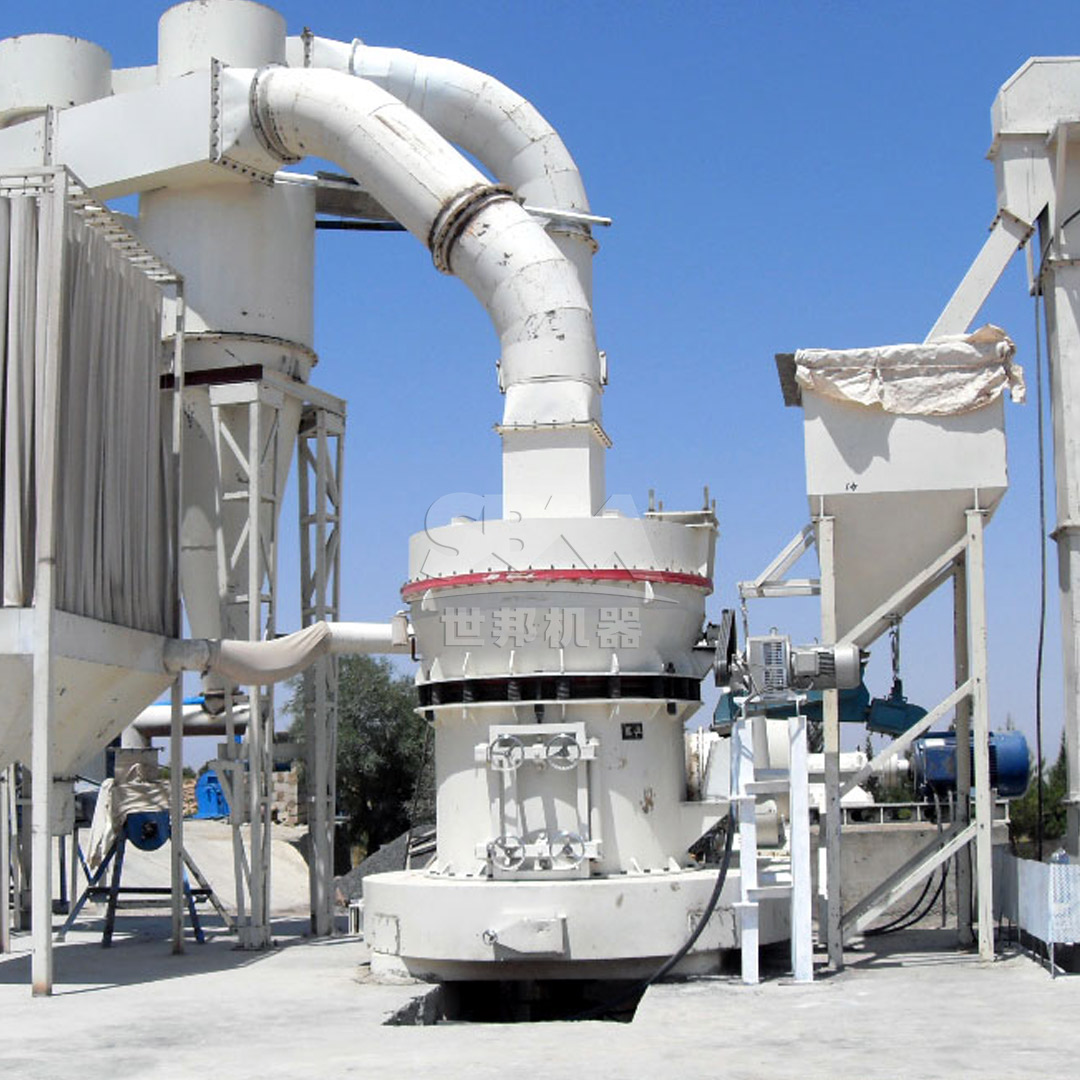
Given the specific demands of phosphate rock processing, two product lines from our portfolio stand out as exemplary solutions, each catering to different fineness and capacity requirements.
For high-capacity production of phosphate powder in the coarse to medium-fine range, the MTW Series Trapezium Mill is an industry-leading choice. Its design is a culmination of advanced engineering focused on durability and efficiency, making it ideal for large-scale fertilizer plants.
Key Advantages for Phosphate Rock:
With a maximum feed size of ≤50mm and capacities ranging from 3 to 45 tons per hour (depending on the model, such as the MTW215G), the MTW series provides the robust, high-volume grinding solution needed for primary phosphate rock reduction.
When the application demands ultra-fine phosphate powder, such as for high-value specialty chemicals or advanced materials, the SCM Ultrafine Mill is the definitive technology. It is engineered to produce powders with a fineness up to 2500 mesh (D97 ≤ 5μm) with remarkable efficiency.
Key Advantages for Ultrafine Phosphate:
With models like the SCM1680 offering capacities up to 25 tons per hour for fine grinding, this mill is perfect for producers looking to enter the high-end market for ultra-fine phosphate products.
| Feature | MTW Series Trapezium Mill | SCM Ultrafine Mill |
|---|---|---|
| Target Fineness | 30-325 mesh (600-45μm) | 325-2500 mesh (45-5μm) |
| Optimal Application | High-volume fertilizer-grade powder | Ultra-fine powder for specialty uses |
| Key Strength | High capacity, durability, low wear | Ultra-fine grinding, energy efficiency, precision |
| Example Model | MTW215G (15-45 t/h) | SCM1680 (5-25 t/h) |
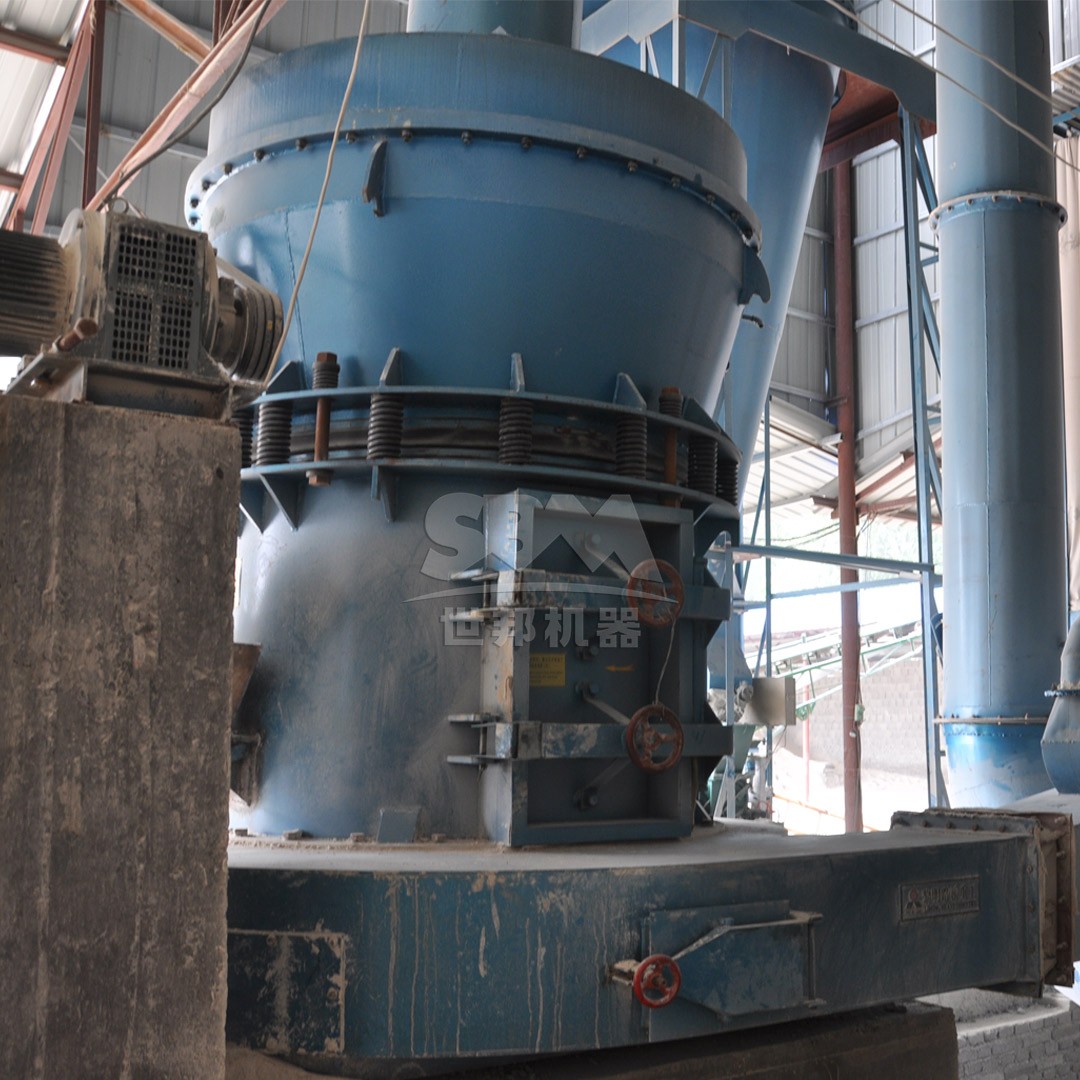
The transformation of phosphate rock into valuable powder is a process defined by precision, efficiency, and reliability. The choice of grinding mill is the most critical factor in achieving these goals. Moving beyond conventional equipment to advanced solutions like the MTW Series Trapezium Mill for high-tonnage operations or the SCM Ultrafine Mill for premium fine-powder production can yield substantial benefits in reduced energy costs, lower maintenance downtime, superior product quality, and enhanced environmental compliance. By investing in the right grinding technology, phosphate processors can secure a significant competitive advantage, ensuring their operations are not only productive but also sustainable and future-ready.