Graphite, a versatile mineral with unique properties such as high thermal and electrical conductivity, lubricity, and chemical stability, is a critical material in numerous industries including refractories, batteries, lubricants, and advanced composites. The performance of graphite in these applications is heavily dependent on its particle size distribution, purity, and morphology. Therefore, selecting the appropriate grinding mill is paramount for achieving the desired product specifications while ensuring economic viability. This article provides a comprehensive overview of graphite powder production, focusing on key equipment technologies and optimal solutions for different fineness and capacity requirements.
The primary goal in graphite milling is to reduce the particle size without introducing excessive impurities or altering the material’s crystalline structure. Key challenges include:
Different mill types operate on distinct principles, making them suitable for specific stages or final product requirements in graphite processing.
Before fine grinding, raw graphite ore or large flakes often require size reduction. Hammer Mills are highly effective for this primary crushing stage. They feature a high-speed rotor with hammers that impact and shatter the material against liners, efficiently reducing feed sizes of 0-40mm down to 0-3mm. Their advantages include a high crushing ratio, compact structure, and robust construction with wear-resistant manganese steel liners, making them a cost-effective first step in the size reduction chain.
This is the most critical stage for producing market-ready graphite powder. Several advanced mill designs excel here.
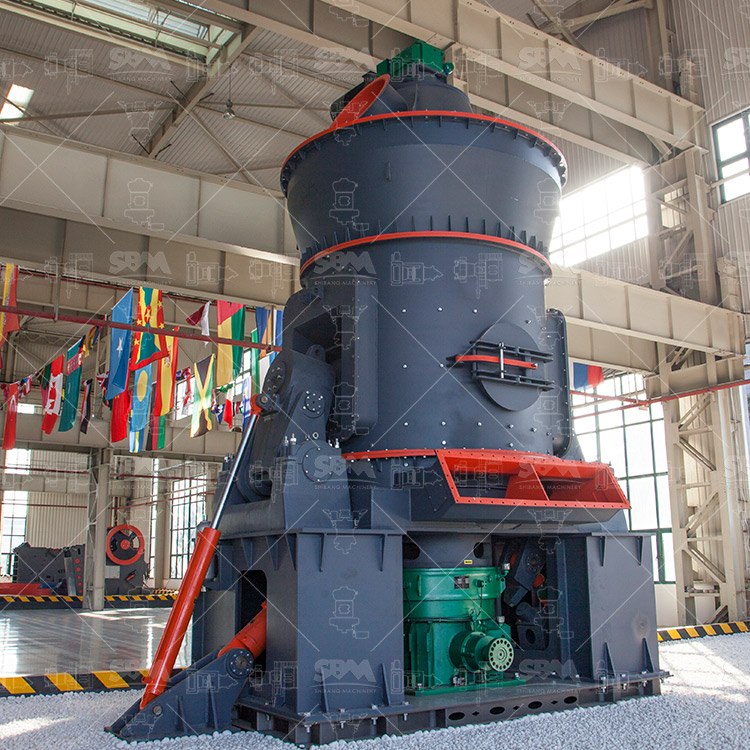
For producing graphite powder in the range of 30-325 mesh (600-45μm), the MTW Series European Trapezium Mill represents a mature and reliable technology. Its working principle involves grinding rollers rotating around a central axis while pressing against a grinding ring. A shovel blade feeds the material into the grinding zone. Key technological advancements in this series include an optimized curved air duct that reduces flow resistance, an integral transmission with bevel gears achieving 98% efficiency, and wear-resistant components that lower maintenance costs. It is an excellent choice for high-capacity production (3-45 TPH) of fine graphite powders for applications like refractories and brake linings.
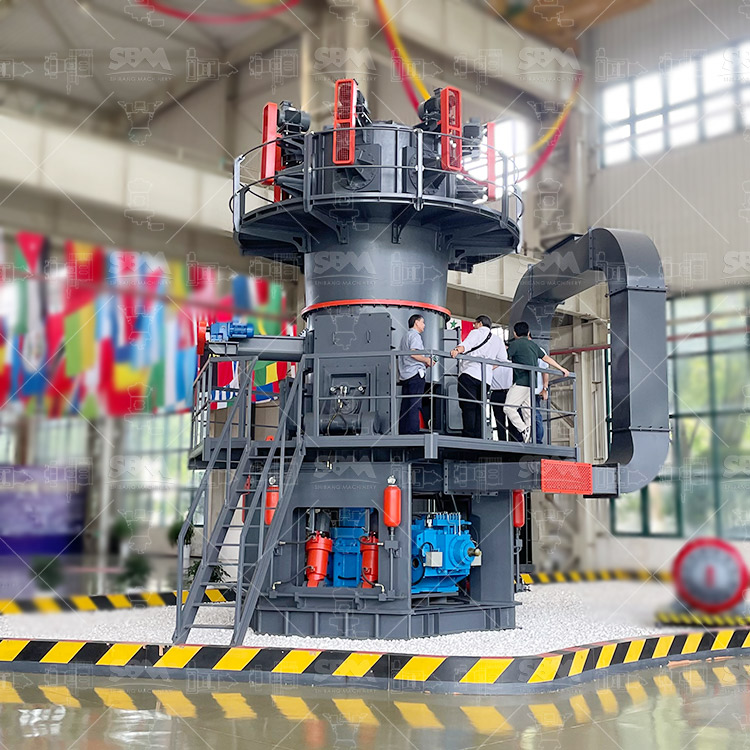
When the target product is high-value ultra-fine graphite powder (325-2500 mesh, D97 ≤ 5μm), the SCM Ultrafine Mill is the industry-leading solution. This mill employs a layered grinding principle with multiple grinding rings and rollers. A high-precision vertical turbine classifier ensures sharp particle size cuts, eliminating coarse particles from the final product. Its standout advantages make it particularly suitable for battery-grade or conductive graphite:
The SCM series offers models from SCM800 to SCM1680, with capacities ranging from 0.5 to 25 tons per hour, providing a scalable solution for various production scales.
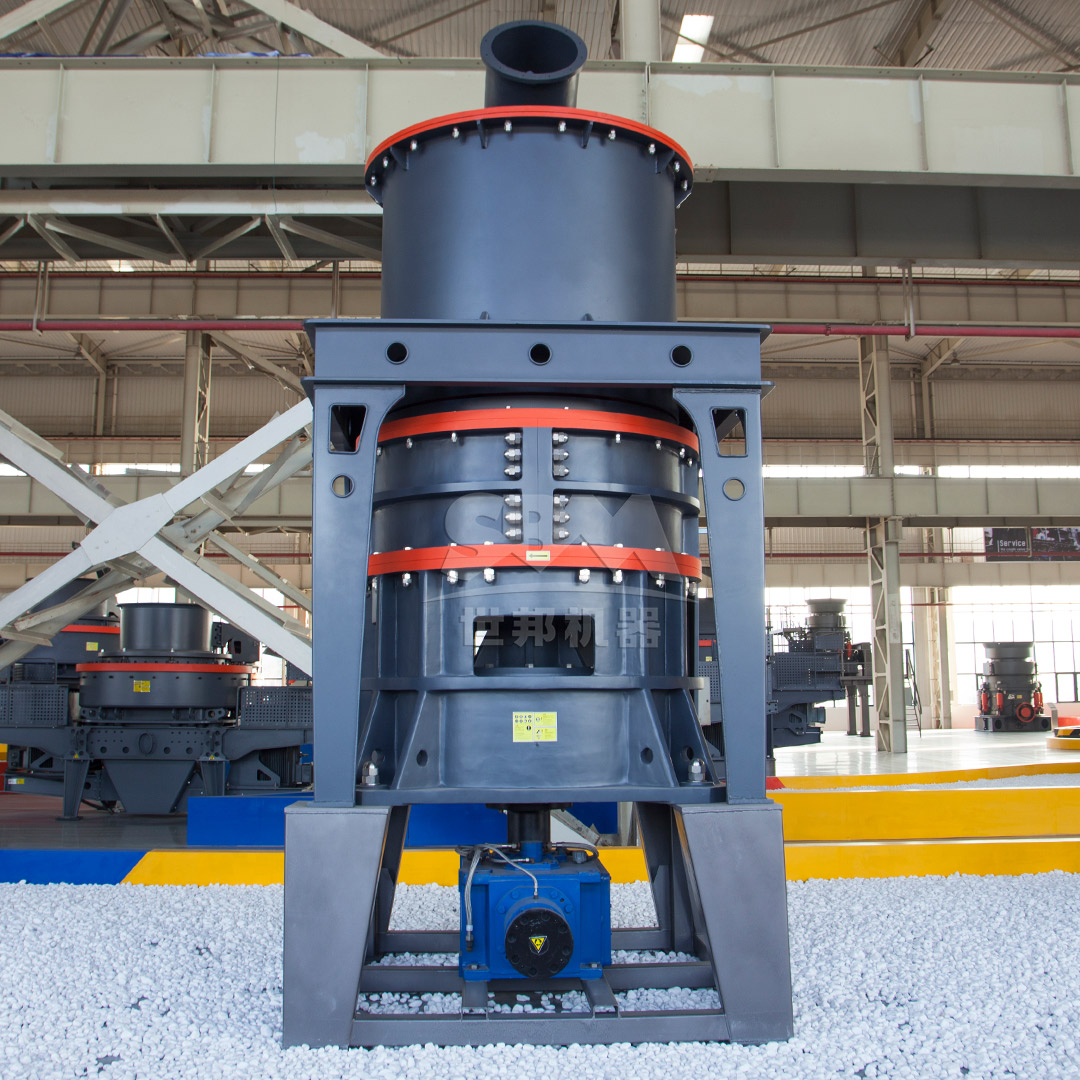
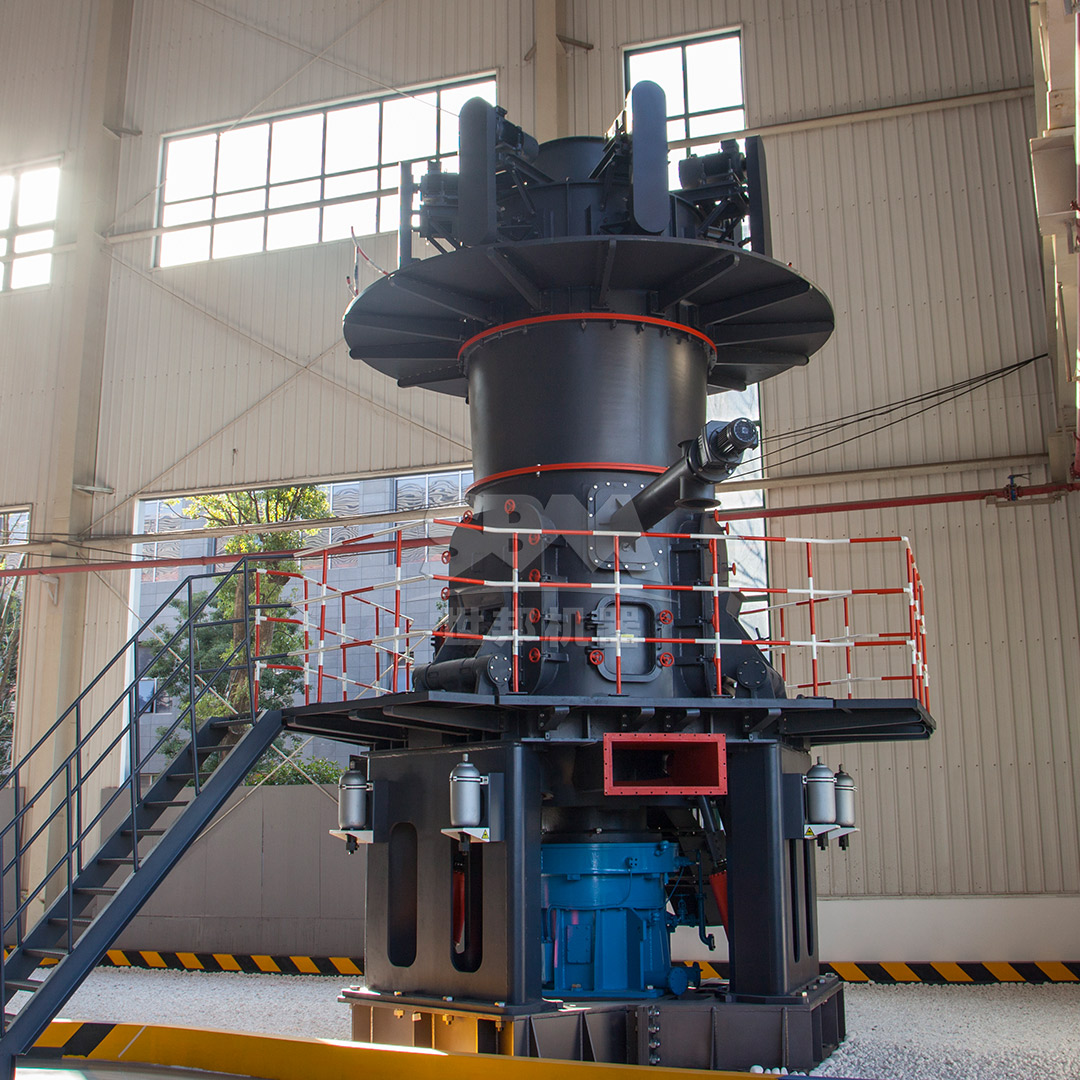
For large-scale production of fine graphite powder, Vertical Roller Mills (VRMs) like the LM and LUM series offer significant benefits. They integrate grinding, drying, classifying, and conveying in a single unit. Material is ground between rollers and a rotating table, with hot air drying and carrying fines to a classifier. Their advantages include a 30-40% lower energy consumption compared to ball mills, a compact footprint (50% less space), and full negative pressure operation for dust-free environments. The LUM Ultrafine Vertical Mill is a specialized variant designed for ultra-fine powders (325-2500 mesh), featuring multiple rotor classification and intelligent PLC control for stable, high-quality output.
Ball Mills are a versatile, well-established technology capable of both dry and wet grinding of graphite. They are reliable and offer a high size reduction ratio. However, for ultra-fine grinding, their energy efficiency is generally lower than that of VRMs or specialized ultrafine mills. Pendulum Mills (MRN Series) offer another robust solution for fine grinding, featuring innovations like centralized oil lubrication systems and efficient powder collection.
| Target Product Fineness | Recommended Capacity | Recommended Mill Type | Key Considerations |
|---|---|---|---|
| Coarse Powder (10-100 mesh) | High (>20 TPH) | Hammer Mill + MTW Trapezium Mill | Cost-effective, high throughput for foundry or coarse lubricant grades. |
| Fine Powder (200-400 mesh) | Medium to High (5-45 TPH) | MTW Series Trapezium Mill / LM Vertical Mill | Balance of efficiency, product quality, and operating cost for refractories and pencils. |
| Ultra-Fine Powder (800-2500 mesh) | Low to Medium (0.5-25 TPH) | SCM Ultrafine Mill / LUM Vertical Mill | Product uniformity, low contamination, energy efficiency are critical for batteries, coatings, conductive materials. |
| Specialized (Flaky morphology) | Varies | Modified Jet Mills or Specialized Ball Mills | Preservation of crystal structure; may involve combined technologies. |
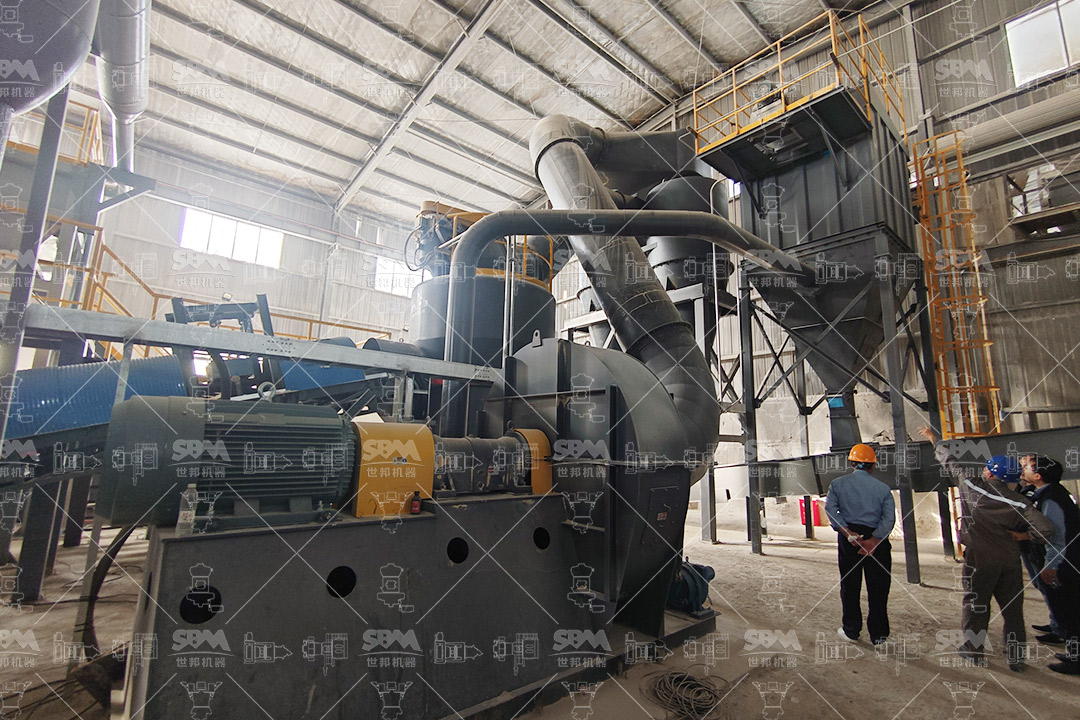
A successful graphite powder production line involves more than just the grinding mill. Key auxiliary systems include:
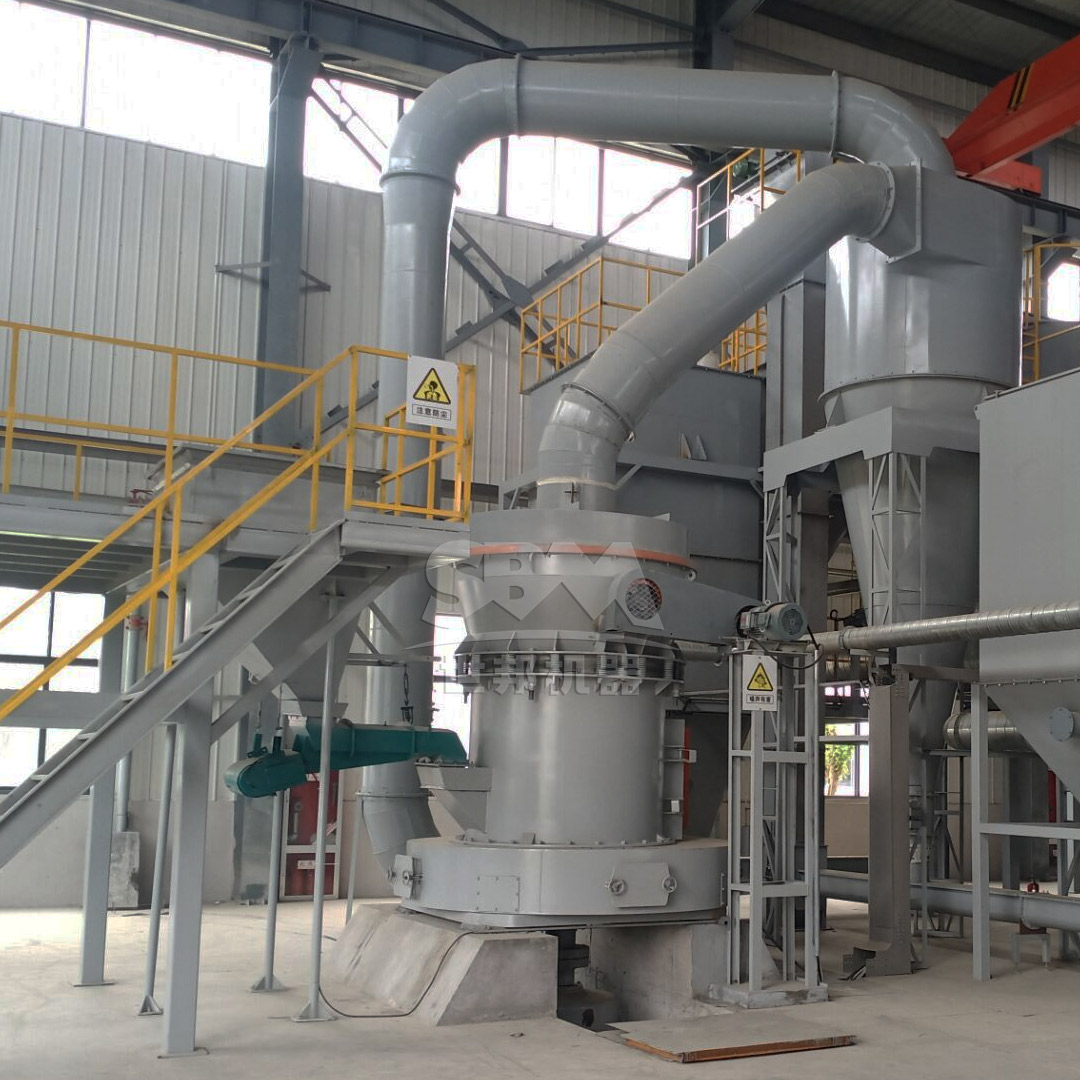
The production of high-quality graphite powder demands a careful match between material characteristics, target product specifications, and grinding technology. For coarse to fine grinding, the MTW Series Trapezium Mill offers robust performance and high capacity. For the most demanding applications requiring ultra-fine, consistent, and high-purity graphite powder—such as in lithium-ion battery anodes or advanced conductive polymers—the SCM Ultrafine Mill stands out as a superior solution due to its unparalleled combination of precise classification, energy efficiency, durability, and environmental controls. Investing in the right grinding technology, supported by proper auxiliary systems, is the cornerstone of building a competitive, efficient, and sustainable graphite powder production operation. By leveraging advanced milling solutions, producers can meet the evolving demands of high-tech industries while optimizing their operational costs.