The production of iron ore powder is a critical stage in the steelmaking and metallurgical industries, serving as a primary raw material for blast furnaces, direct reduction processes, and pelletizing plants. The efficiency, fineness, and consistency of the final powder directly impact downstream production costs and product quality. This comprehensive guide delves into the core equipment used in iron ore grinding and processing, exploring various mill types, their operational principles, and key selection criteria. We will also highlight advanced solutions that address the industry’s demands for higher throughput, energy efficiency, and ultra-fine product specifications.
Iron ore processing typically begins with primary crushing to reduce large lumps to a manageable size (often below 50mm). Secondary crushing or pre-grinding may follow before the material enters the fine grinding stage. The choice of grinding equipment depends heavily on the target particle size distribution (PSD), required capacity, moisture content of the feed, and the ore’s hardness and abrasiveness. The final product fineness can range from coarse granules for sintering (several millimeters) to very fine powders for pelletizing or special applications (often below 45 microns or 325 mesh).
The grinding stage is the heart of the powder production line. Several types of mills are employed, each with distinct advantages for specific applications.
Ball mills are cylindrical devices that use steel balls as the grinding media. They rotate on a horizontal axis, causing the balls to cascade and impact the ore, resulting in a combination of impact and attrition grinding. They are highly versatile, capable of both wet and dry grinding, and can handle a wide range of feed sizes. However, they are generally less energy-efficient for fine grinding compared to more modern vertical mills, as a significant amount of energy is consumed in rotating the heavy drum and lifting the grinding media.
| Key Feature | Description | Typical Application in Iron Ore |
|---|---|---|
| Operation Mode | Wet or Dry | Wet grinding for slurry preparation; Dry grinding for direct powder. |
| Product Fineness | 0.074 – 0.8mm | Coarse to medium-fine grinding, often as a primary grinding stage. |
| Advantages | High reliability, simple operation, wide size range. | Well-suited for high-capacity, continuous operation in large plants. |
| Disadvantages | High energy consumption, loud noise, large footprint. | Operating costs can be significant for fine grinding requirements. |
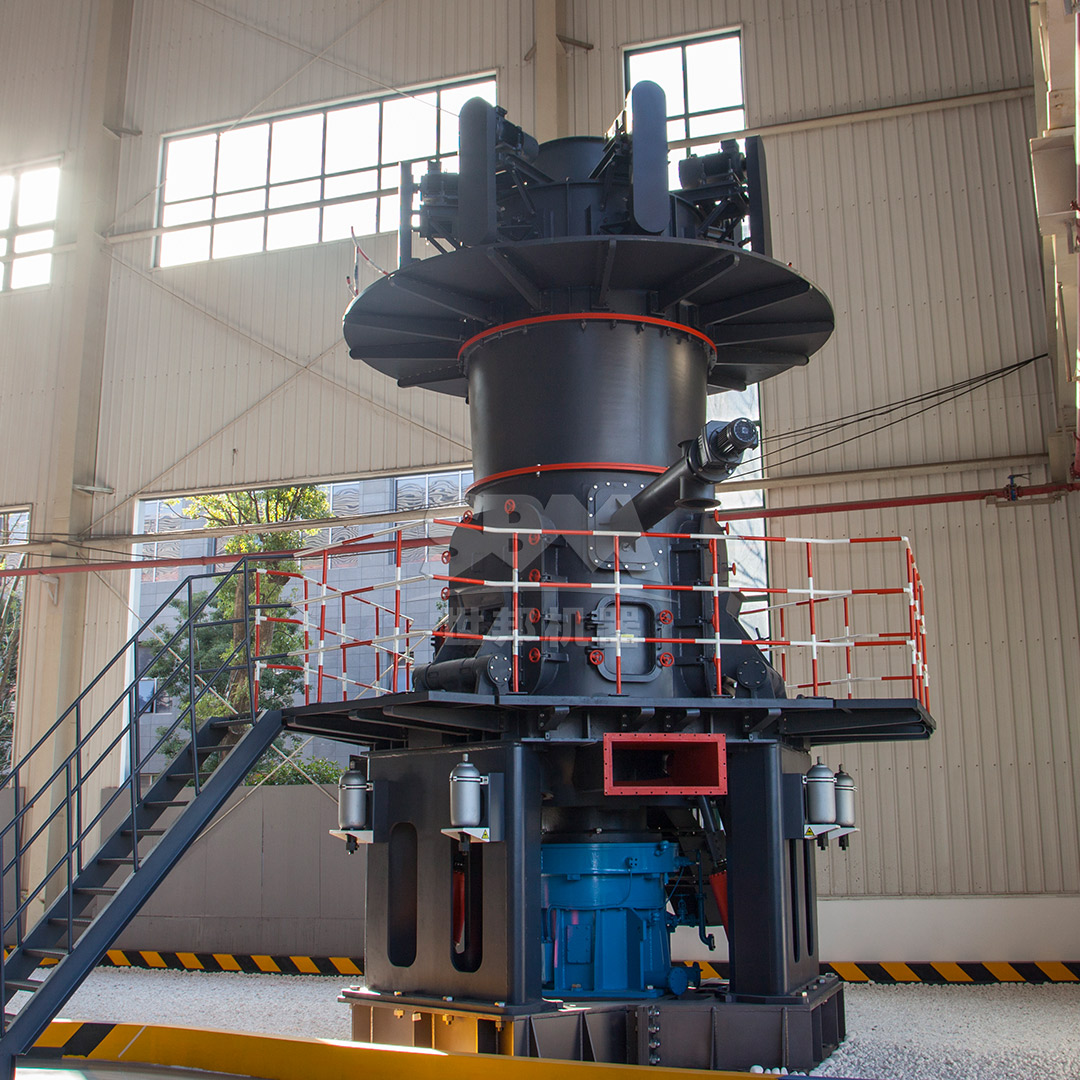
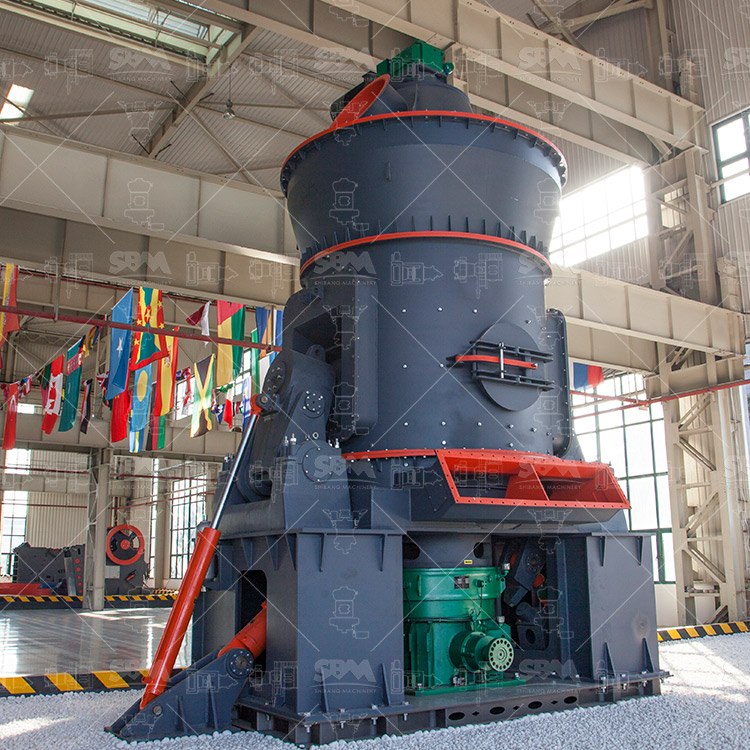
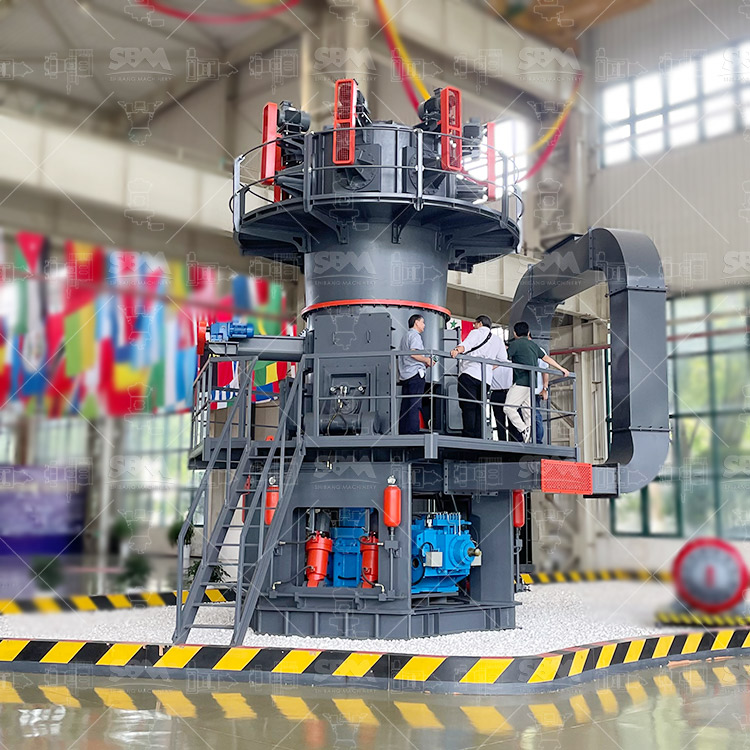
Vertical Roller Mills have become the industry benchmark for large-scale iron ore grinding due to their superior energy efficiency and compact design. Material is fed onto a rotating grinding table and is ground under pressure by hydraulically loaded rollers. A stream of hot gas dries the material and transports the fine particles to a dynamic classifier integrated at the top of the mill. The coarse particles fall back onto the table for regrinding.
For iron ore applications requiring high capacity and medium to fine fineness, our LM Series Vertical Roller Mill stands out. Its integrated design combines crushing, grinding, drying, and classifying in a single unit, reducing the plant footprint by up to 50% and lowering foundation costs by 40%. A key advantage is its low operating cost; the non-contact design between rollers and the grinding table, along with exceptional wear-resistant materials, extends component life. Furthermore, its energy consumption is 30-40% lower compared to traditional ball mill systems. The mill operates under full-sealed negative pressure, ensuring dust emissions remain below 20mg/m³, making it a powerful and environmentally sound choice for modern iron ore processing plants.
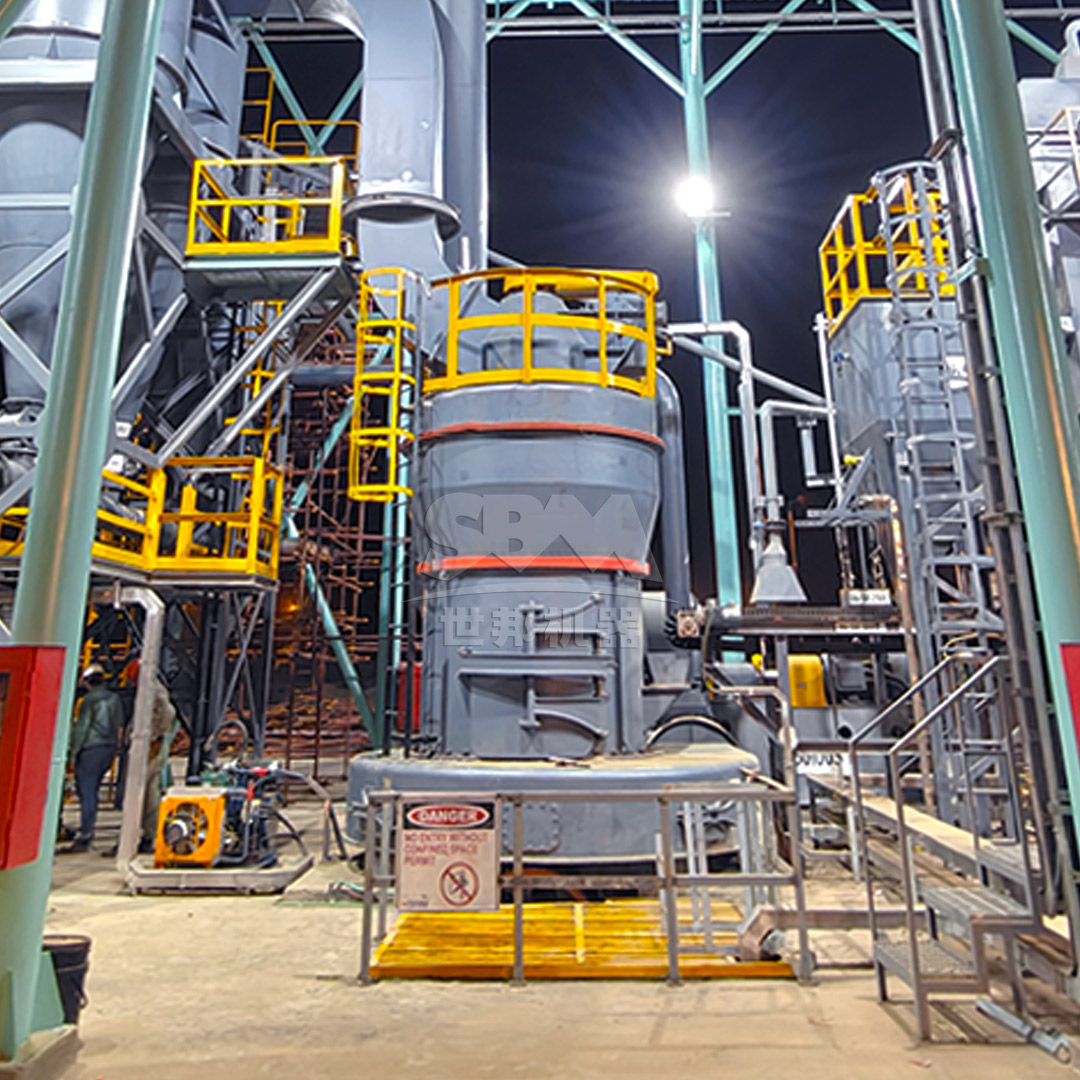
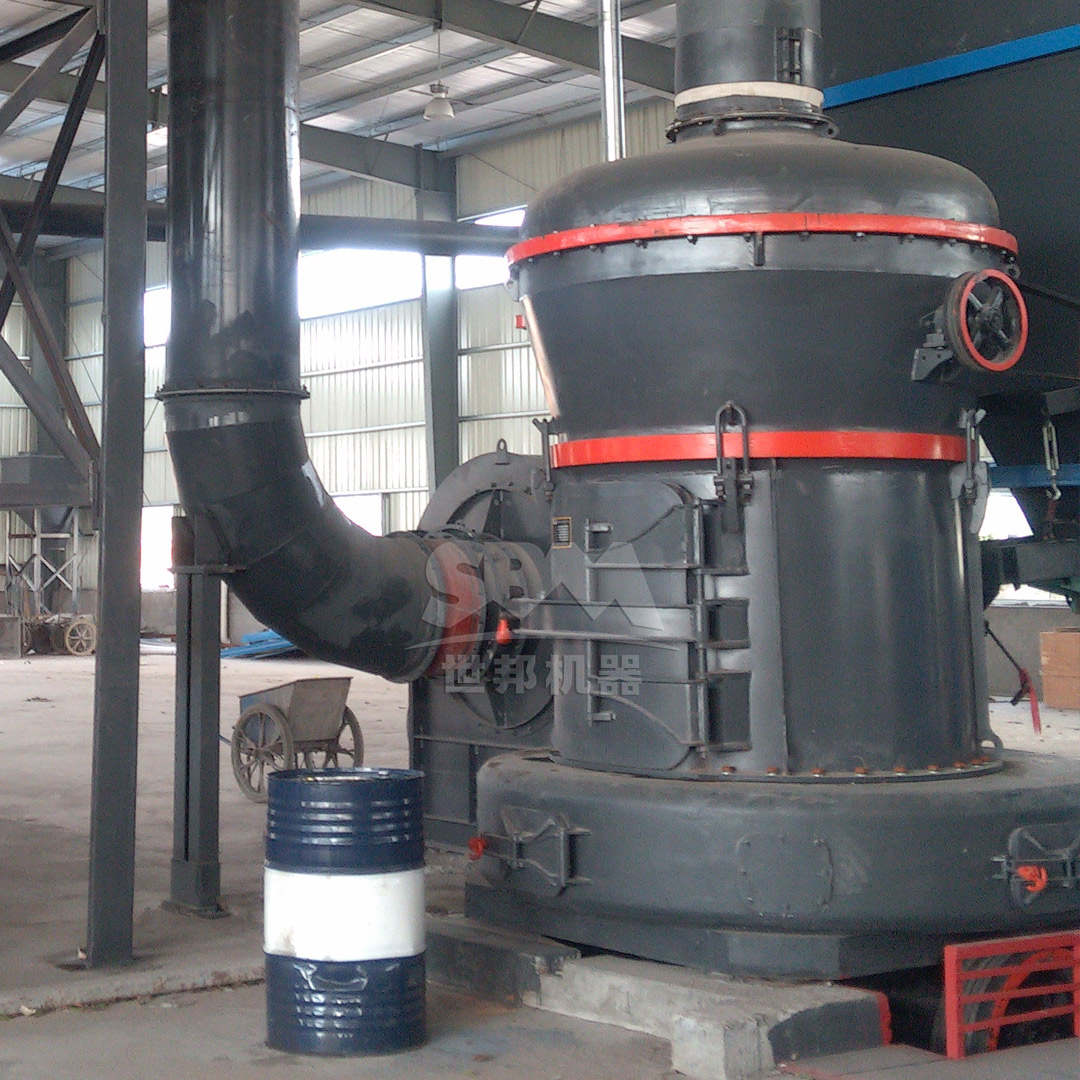
Raymond or pendulum roller mills are a proven technology for producing powders in the 30 to 325 mesh range. They utilize spring-loaded rollers that swing outward due to centrifugal force, pressing against a stationary grinding ring. A blade system (shovel) feeds and circulates the material into the grinding zone. These mills are known for their reliable performance, ease of maintenance, and precise particle size control.
Our MTW Series European Trapezium Mill represents an advanced evolution of this classic design. It incorporates several patented improvements such as bevel gear overall transmission, which achieves a remarkable 98% transmission efficiency, saving space and installation costs. Its curved air duct minimizes airflow resistance and energy loss. The wear-resistant volute structure and modular shovel design significantly reduce maintenance downtime and costs. With a capacity range of 3 to 45 tons per hour and the ability to handle feed sizes up to 50mm, the MTW mill is an excellent, cost-effective solution for iron ore grinding where ultra-fine output is not the primary goal.
Certain advanced metallurgical processes or value-added products demand iron ore powder with a fineness exceeding 325 mesh, even reaching 2500 mesh (D97 ≤ 5μm). Achieving this requires specialized ultrafine grinding technology that applies intense mechanical force without generating excessive heat.
For these demanding applications, we recommend our flagship SCM Series Ultrafine Mill. This mill is engineered to produce powders in the range of 325 to 2500 mesh (45-5μm) with exceptional uniformity. Its core strength lies in its high-precision classification system, featuring a vertical turbine classifier that ensures precise particle size cuts with no coarse powder contamination. The mill is also highly energy-efficient, offering twice the capacity of jet mills while reducing energy consumption by approximately 30%. Its durable construction, including specially hardened grinding rollers and rings, guarantees long service life and stable operation. Furthermore, it operates at a low noise level (≤75dB) and is equipped with a high-efficiency pulse dust collection system, making it a top-tier choice for producing premium-grade iron ore powders.
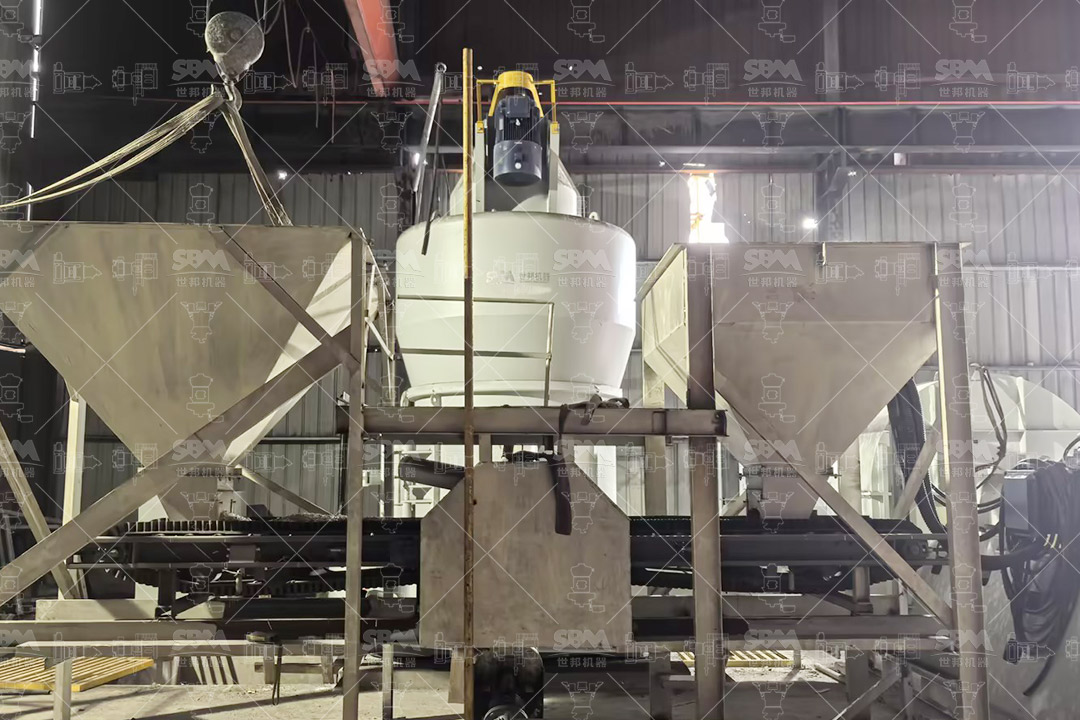
A complete grinding circuit involves more than just the main mill.
Choosing the optimal mill requires a careful analysis of project parameters:
| Selection Criteria | Ball Mill | Vertical Roller Mill (LM Series) | Trapezium Mill (MTW Series) | Ultrafine Mill (SCM Series) |
|---|---|---|---|---|
| Target Fineness | Coarse to Medium (≥ 0.074mm) | Medium to Fine (45-325 mesh) | Medium (30-325 mesh) | Ultra-Fine (325-2500 mesh) |
| Capacity Scale | Medium to Very High | High to Very High | Medium to High | Small to Medium |
| Energy Efficiency | Lower | Very High | High | High (for its fineness range) |
| Moisture Tolerance | High (with wet grinding) | High (integrated drying) | Moderate (may need pre-drying) | Low (dry feed required) |
| Plant Footprint | Large | Compact | Moderate | Compact |
| Ideal Application | Primary grinding, wet processing, simple operation. | Large-scale dry grinding for pellets/sinter, high efficiency focus. | Mid-sized plants, precise control in 30-325 mesh range. | High-value specialty powders, R&D, premium product lines. |
The landscape of iron ore powder production is continuously evolving, driven by the need for lower operational costs, higher product quality, and stricter environmental compliance. While traditional ball mills remain in service, the shift towards more efficient vertical roller mills for mainstream production and advanced ultrafine mills for specialized products is clear. The integration of smart control systems for real-time monitoring and optimization is becoming standard, allowing for unprecedented levels of consistency and efficiency. When planning a new circuit or upgrading an existing one, a thorough evaluation of the ore characteristics and end-product goals against the capabilities of modern grinding machinery is essential for achieving a competitive and sustainable operation.