Orthoclase, a potassium-rich member of the feldspar group, is a critical raw material in numerous industries, most notably ceramics, glassmaking, and as a filler in paints, plastics, and rubber. Its chemical stability, high alumina content, and ability to act as a flux make it indispensable. The core value of orthoclase in these applications is directly tied to its particle size distribution (PSD) and purity. Therefore, establishing an efficient orthoclase powder processing plant hinges on selecting the optimal grinding and classification equipment to achieve the desired fineness—ranging from coarse fillers (30-100 mesh) to ultra-fine ceramic glazes (over 1250 mesh)—while maximizing yield, minimizing energy consumption, and ensuring consistent product quality.
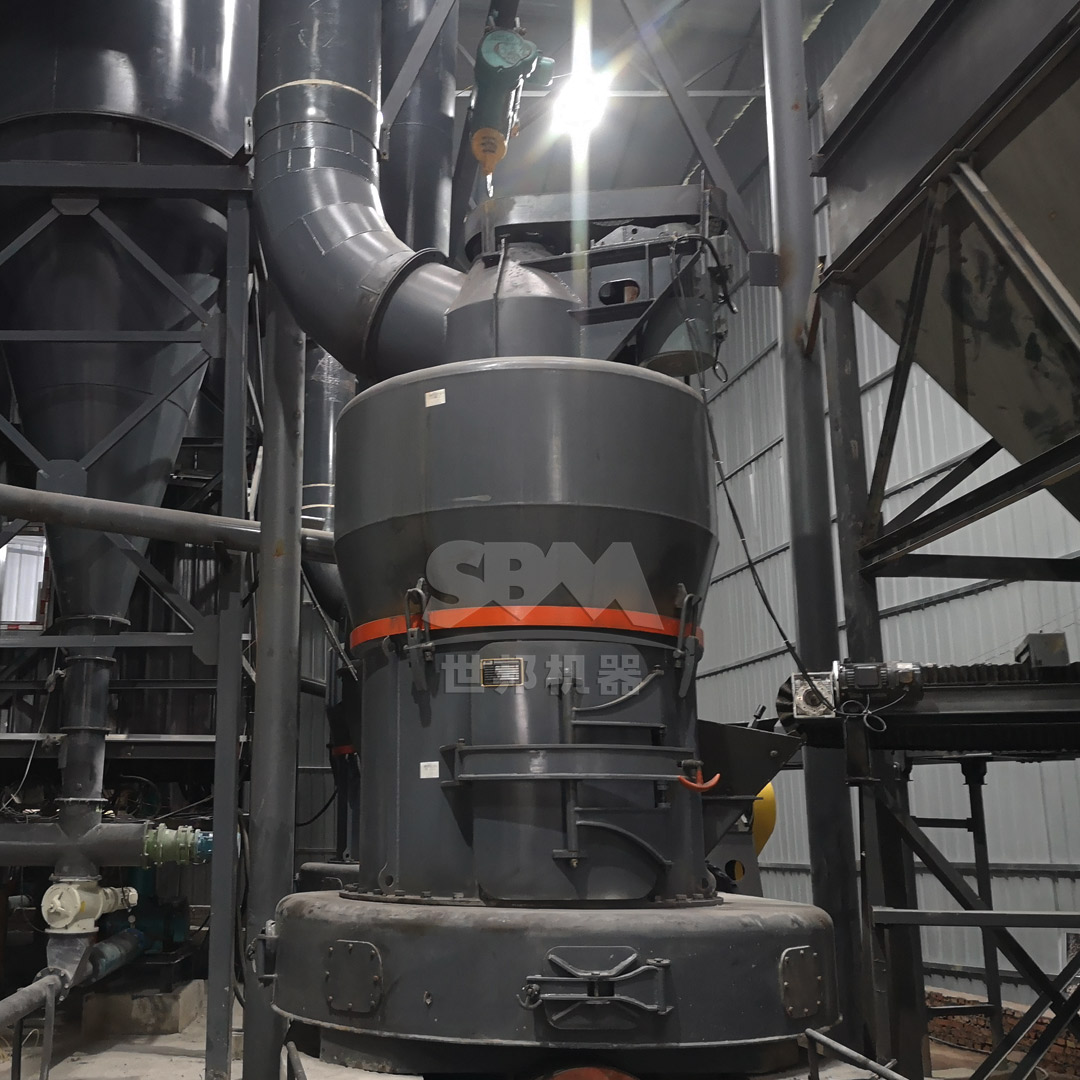
A typical plant involves several sequential stages: primary crushing, secondary crushing, drying (if necessary), grinding, classification, and powder collection/dust removal. While each stage is important, the grinding and classification system is the heart of the operation, determining the final product’s characteristics and the plant’s overall economic efficiency.
Run-of-mine orthoclase is first reduced to a manageable size (typically below 50mm) using jaw crushers or impact crushers. Secondary crushing further reduces the material to a feed size suitable for the grinding mill, often below 20-30mm. Efficient pre-crushing is crucial to reduce the workload on the grinding circuit.
This is the most critical and energy-intensive stage. The choice of grinding technology depends on the target fineness, required capacity, and economic considerations. The ground material is immediately classified; oversize particles are returned for further grinding (closed-circuit system), while the in-spec powder is conveyed to the collection system.
Modern plants employ efficient pulse-jet baghouse dust collectors or cyclone-pulse filter combinations to achieve dust-free operation with collection efficiency exceeding 99.9%. The collected fine powder is then transported via screw conveyors or air slides to silos for bulk storage or bagging.
The performance of the grinding mill dictates the plant’s productivity, product quality, and operational costs. Different mill types are suited for different fineness ranges and capacities.
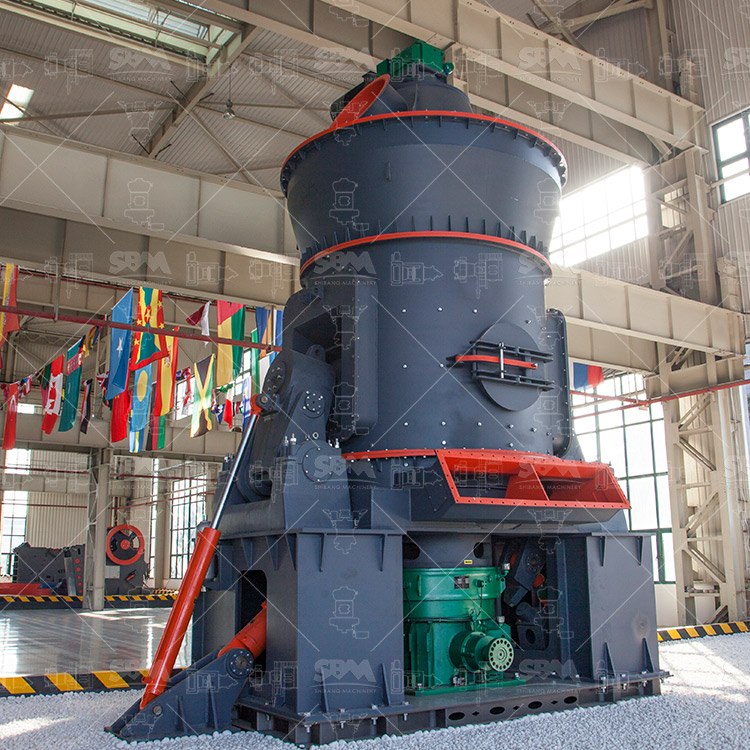
For producing orthoclase powder in the range of 30 to 325 mesh for applications like glass batch or filler, high-capacity, robust mills are preferred. The MTW Series Trapezium Mill stands out in this category. Its advanced design features, such as the bevel gear integral transmission (98% efficiency), curved air duct for reduced turbulence, and wear-resistant shovel, make it ideal for high-tonnage operations. It offers capacities from 3 to 45 tons per hour, handling feed sizes up to 50mm. The internal classifier allows for precise control of the final product fineness within this range, ensuring a consistent output suitable for industrial processes that require reliable, bulk powder specifications.
| Model | Max. Feed Size | Output Fineness | Capacity (t/h) | Main Motor Power |
|---|---|---|---|---|
| MTW138Z | <35mm | 10-325 mesh | 6-17 | 90 kW |
| MTW175G | <40mm | 10-325 mesh | 9.5-25 | 160 kW |
| MTW215G | <50mm | 10-325 mesh | 15-45 | 280 kW |
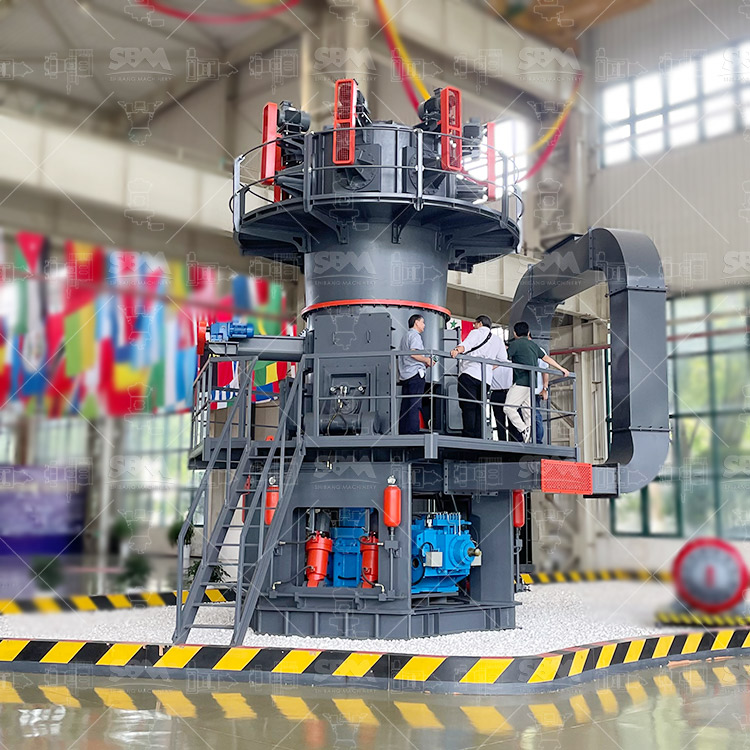
Producing ultra-fine orthoclase powder for high-grade ceramics, specialty coatings, or advanced composites demands technology capable of generating narrow particle size distributions at the micron and sub-micron level. This is where the SCM Ultrafine Mill excels. Engineered specifically for the 325 to 2500 mesh (D97 ≤5μm) range, it incorporates a high-precision vertical turbine classifier that ensures sharp cuts and eliminates coarse particle contamination. Its grinding mechanism, utilizing multiple grinding rings and rollers, provides high efficiency with energy consumption reported to be 30% lower than traditional jet mills. Furthermore, its special wear-resistant materials for rollers and rings significantly extend service life in abrasive applications like feldspar grinding. For a plant targeting the high-value-added ultra-fine powder market, the SCM series, with models like the SCM1250 (2.5-14 t/h) or SCM1680 (5-25 t/h), provides a technologically advanced and economically viable solution.
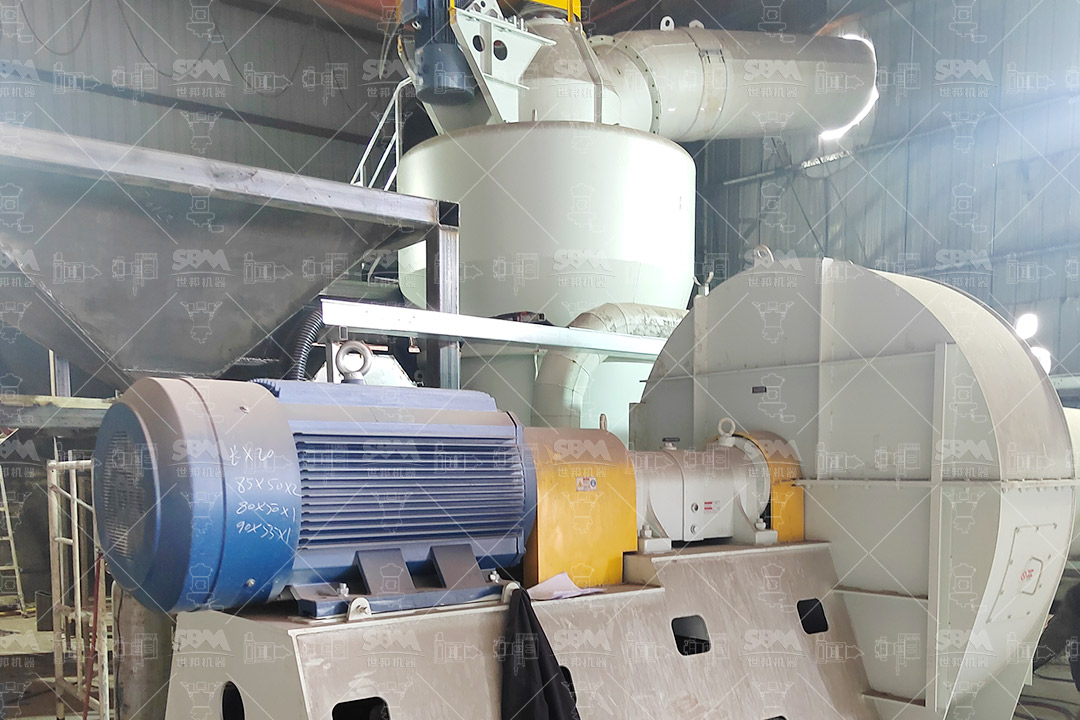
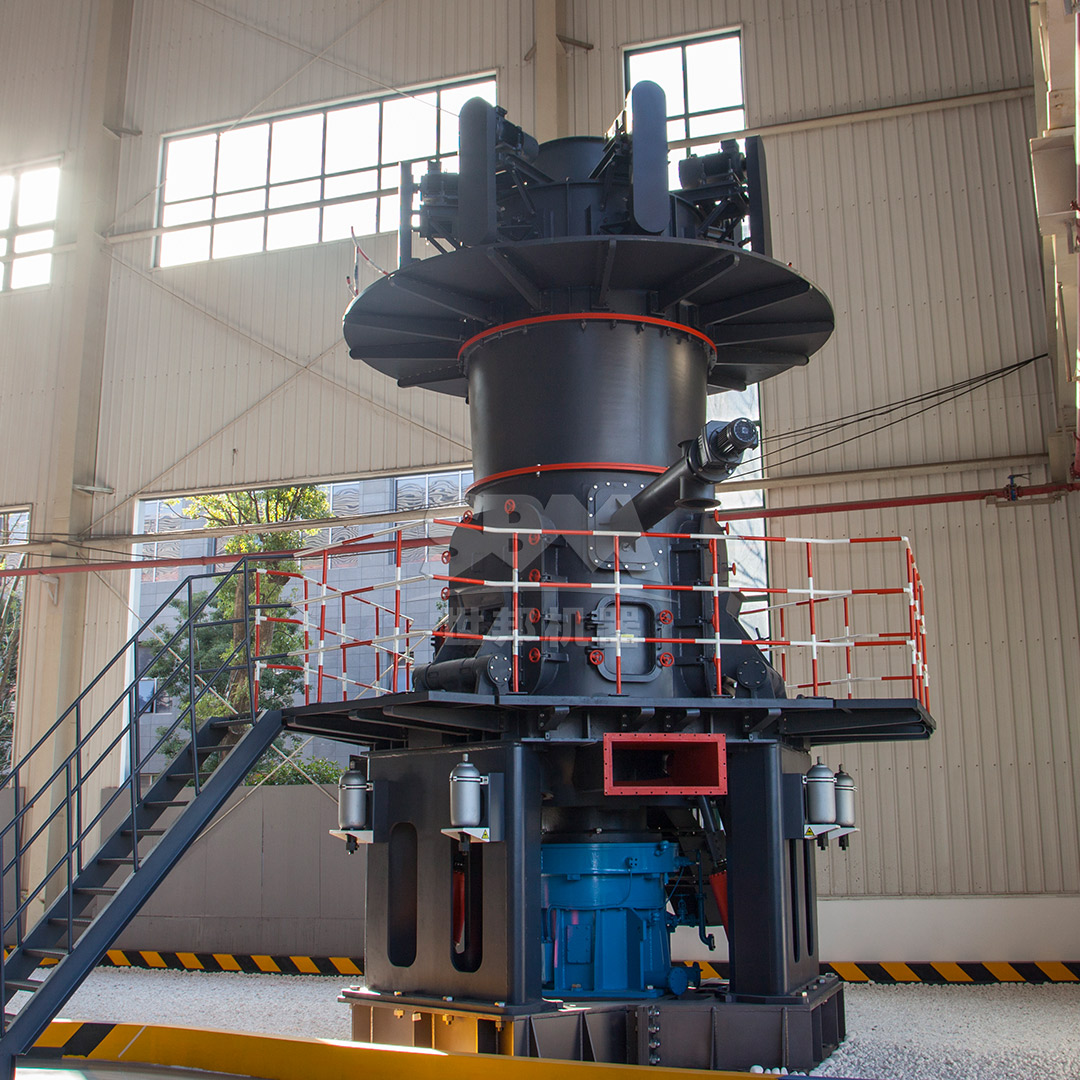
For mega-scale production lines, LM Series Vertical Roller Mills offer an integrated solution combining grinding, drying, and classification in a single unit. Their compact footprint and low energy consumption per ton (30-40% lower than ball mills) make them attractive for large-capacity orthoclase processing plants, especially where feed moisture needs to be addressed simultaneously with grinding.
A successful plant relies on a well-matched ecosystem of auxiliary equipment.
Consistent and controlled feeding is vital for stable mill operation. Electromagnetic or screw feeders, often with variable frequency drives, are used to ensure a steady flow of material into the grinding chamber.
While many mills have integrated classifiers, standalone high-efficiency classifiers (e.g., turbo classifiers) can be used for final product polishing or to create multiple product cuts from a single mill stream, adding flexibility to the plant.
Pulse-jet bag filters are the industry standard. They must be correctly sized for the air volume and dust load. Modern systems feature automatic cleaning and monitoring to ensure emissions remain well below statutory limits (e.g., <20 mg/m³).
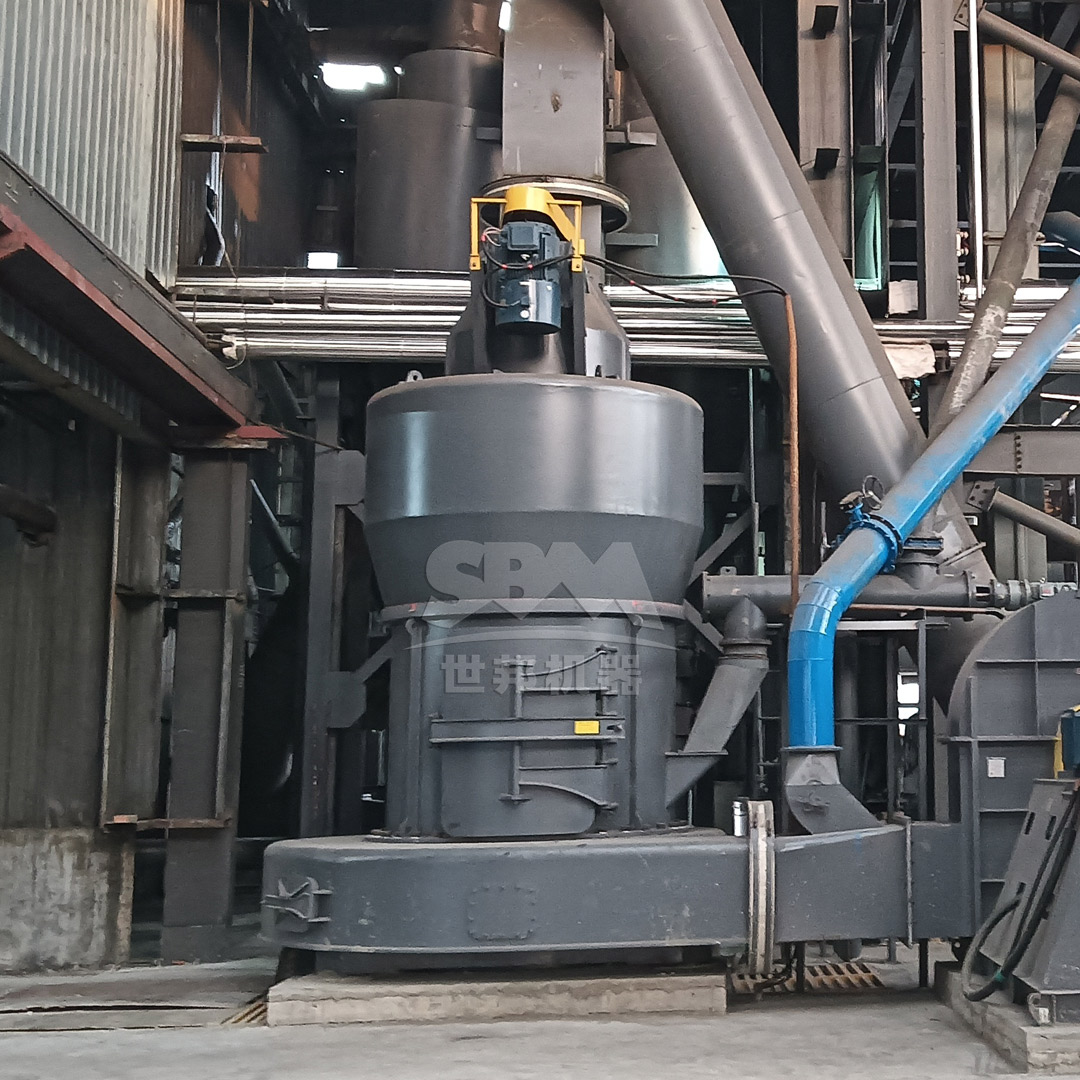
A modern plant is governed by a central PLC/DCS system. It monitors and controls key parameters: feed rate, mill load, classifier speed, fan speed, and baghouse pressure. This automation ensures optimal performance, reduces human error, and allows for precise recipe management for different product grades.
Designing an orthoclase plant involves balancing technical requirements with capital and operational expenditures.
The layout must facilitate smooth material flow, minimize conveying distances, and allow for safe maintenance access. The flow sheet should be designed for flexibility, potentially allowing for the production of different product grades.
Grinding can consume over 60% of a plant’s total energy. Selecting energy-efficient mills like the MTW Trapezium Mill or SCM Ultrafine Mill is paramount for long-term profitability. A detailed life-cycle cost analysis, considering capital cost, power consumption, wear part costs, and maintenance, should guide the final equipment selection.
Equipment designed for easy maintenance, such as mills with quick-change roller assemblies, reduces downtime. Comprehensive safety systems, including mechanical guards, emergency stops, and dust explosion mitigation measures (like venting or suppression), are non-negotiable.
The success of an orthoclase powder processing plant is fundamentally linked to the selection and integration of its core grinding equipment. For coarse to medium-fine production, the high-capacity and reliable MTW Series Trapezium Mill offers an excellent balance of performance and efficiency. For ventures targeting the technologically demanding ultra-fine powder sector, the SCM Ultrafine Mill, with its precision classification and energy-saving design, provides a competitive edge. A holistic plant design that integrates these core machines with robust auxiliary systems and advanced automation will yield a facility capable of producing high-quality orthoclase powder consistently, efficiently, and profitably to meet the exacting standards of global markets.