January 06, 2026
Introduction
The production of high-quality clay powder is a cornerstone of numerous industries, including ceramics, construction, paints, and advanced materials. Achieving the desired particle size distribution, purity, and production efficiency hinges on selecting the appropriate grinding and processing machinery. This guide delves into the core equipment used in clay powder production, from primary crushing to ultra-fine grinding, outlining their principles, applications, and key selection criteria. Understanding this equipment landscape is essential for optimizing your production line for yield, quality, and operational cost.
The Clay Powder Production Process: An Overview
Clay processing is rarely a single-step operation. It typically involves a sequence of stages designed to transform raw clay lumps into a fine, consistent powder.
- Primary Crushing: Raw clay, often containing large chunks and impurities, is first reduced to a manageable size (typically below 50mm) using crushers like Hammer Mills or Jaw Crushers.
- Drying: If the moisture content is high, clay is dried in rotary dryers to prevent clogging in subsequent grinding stages and to improve grinding efficiency.
- Intermediate & Fine Grinding: This is the heart of the process, where the pre-crushed clay is ground to the target fineness. Equipment choices here range from Raymond Mills (MTW/MTM Series) for coarse to medium fineness to Vertical Roller Mills (LM Series) for high-capacity fine grinding.
- Ultra-Fine Grinding & Classification: For applications requiring micron or sub-micron powders (e.g., high-performance ceramics, functional fillers), specialized Ultrafine Mills (SCM Series) with integrated high-precision classifiers are employed.
- Collection & Dedusting: Efficient powder collection systems like cyclone separators and pulse-jet bag filters are integral to all grinding stages, ensuring high product recovery and meeting environmental standards.
Core Grinding and Milling Equipment for Clay
The selection of grinding machinery depends primarily on the required final fineness, desired capacity, and the physical properties of the clay (e.g., hardness, moisture, abrasiveness).
1. Hammer Mills for Primary Size Reduction
Hammer Mills are ideal for the initial crushing of clay lumps. They operate on the impact principle, where rapidly rotating hammers shatter the material against breaker plates. They offer high reduction ratios, can handle moderately moist materials, and produce a relatively uniform granular output suitable for feeding into finer grinding mills.
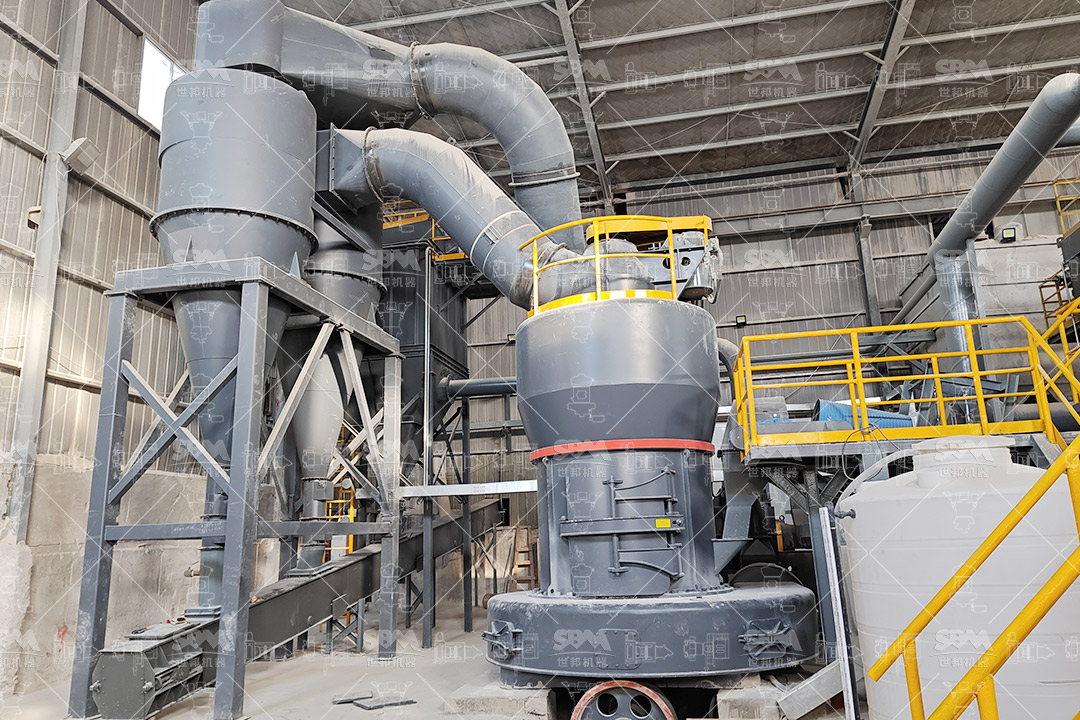
2. Raymond Mill / Pendulum Roller Mill (MTW & MTM Series)
These are workhorses for producing clay powder in the range of 30 to 325 mesh (45-600μm). The MTW Series European Trapezium Mill represents an advanced evolution of this technology.
- Principle: Centrifugal force causes grinding rollers to swing outward and press against a stationary grinding ring. A shovel blade feeds and circulates the material into the grinding zone.
- Advantages for Clay: Well-suited for medium-scale production, relatively simple operation, and capable of handling a variety of non-metallic minerals. The curved air duct and efficient classifier in the MTW Series improve energy efficiency and product uniformity.
- Typical Output: 30-325 mesh. Higher fineness can be challenging with standard models.
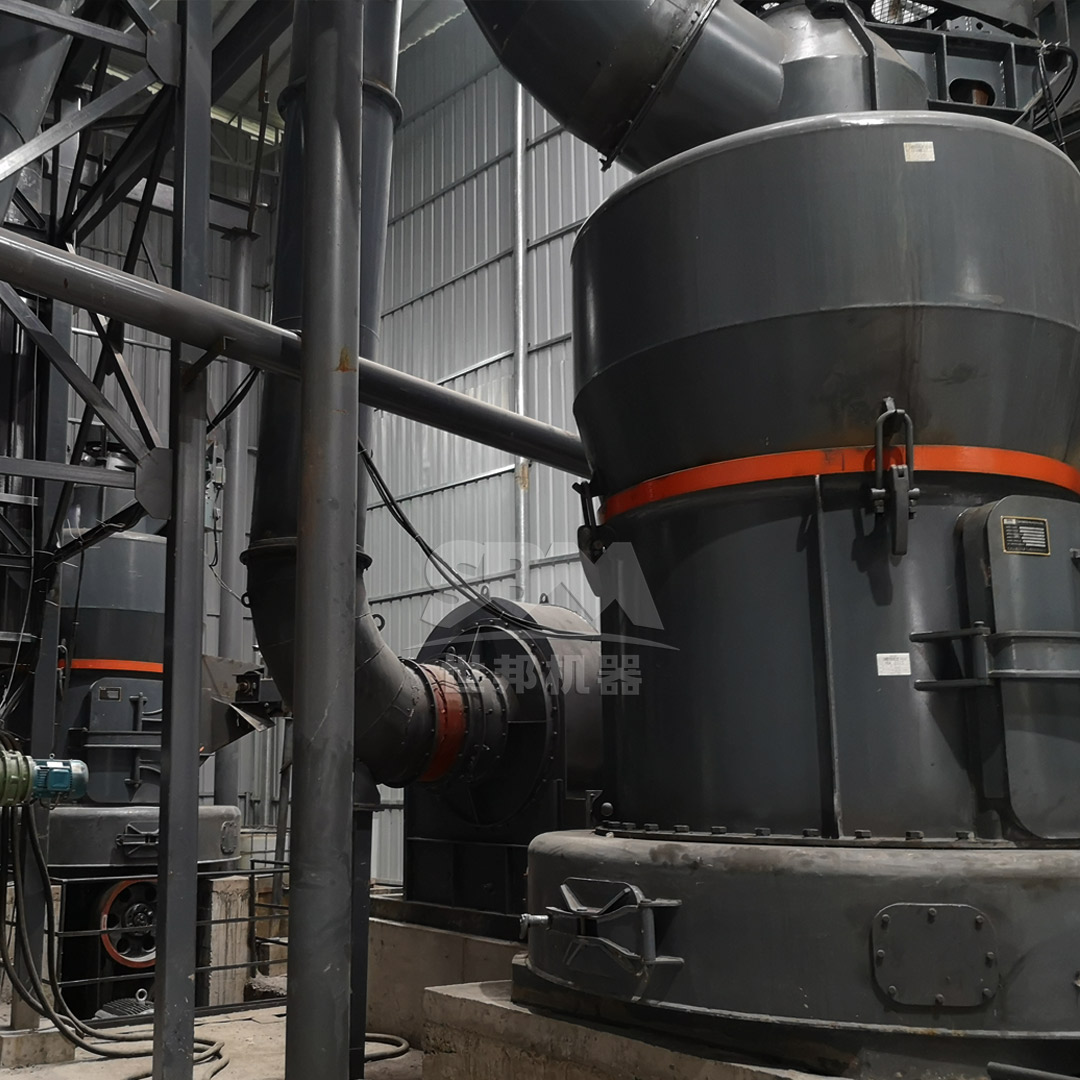
3. Vertical Roller Mill (LM Series)
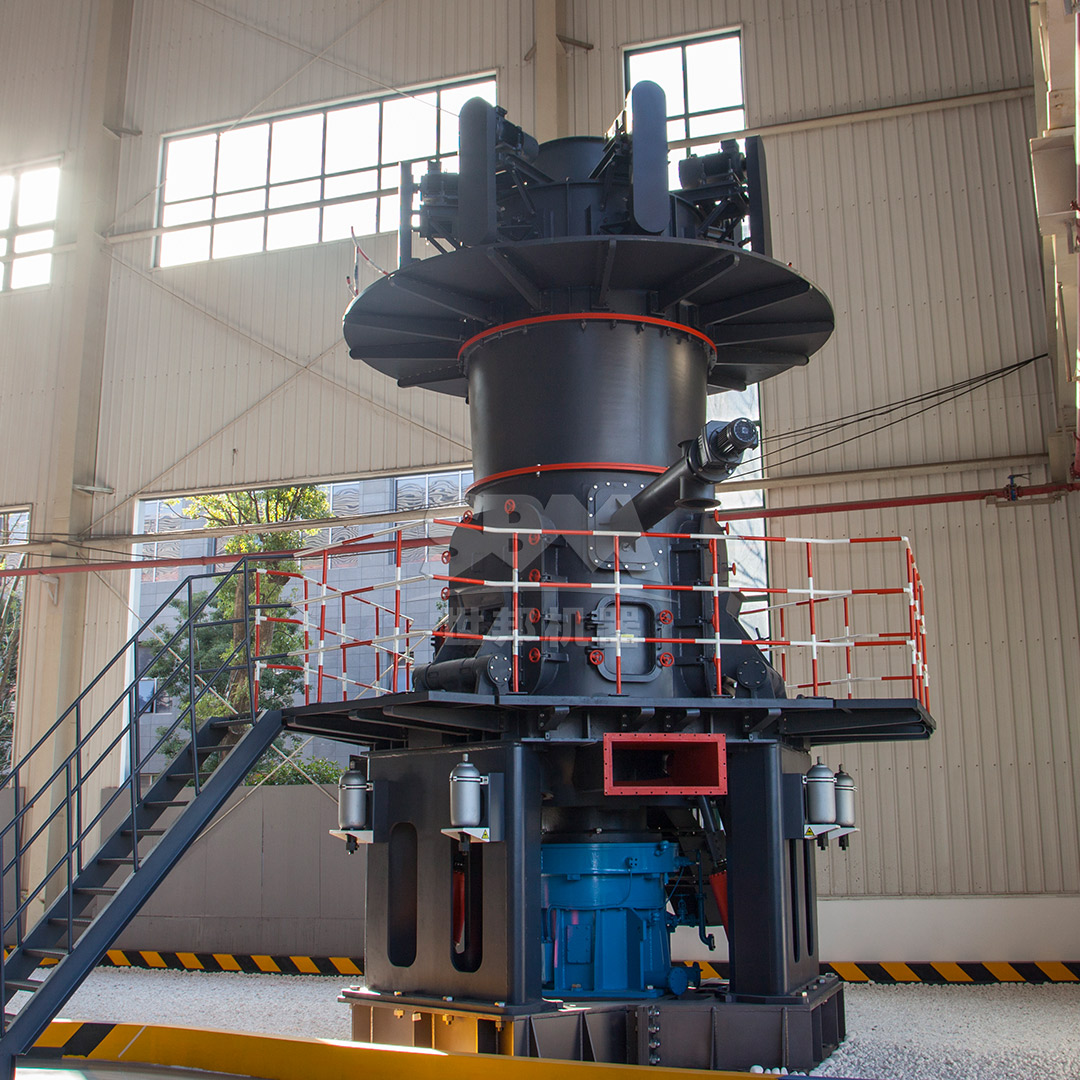
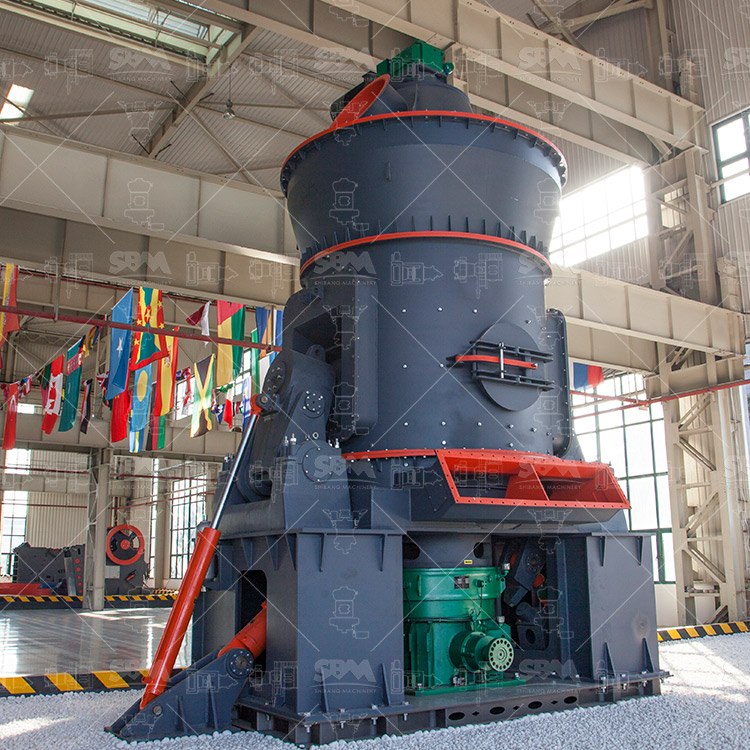
For high-capacity production of fine clay powder (80-400 mesh), Vertical Roller Mills (VRMs) are increasingly the technology of choice due to their significant efficiency advantages over traditional ball mills.
- Principle: Material is fed onto a rotating grinding table. Hydraulically loaded grinding rollers compress and shear the material bed. Ground material is transported by air to an integrated classifier; coarse particles fall back for regrinding.
- Advantages for Clay: Exceptional energy efficiency (30-50% less power than ball mills), integrated drying capability (hot gas can be introduced), compact footprint, and excellent control over particle size. The LM Vertical Mill series offers models specifically configured for mineral processing, making them ideal for large-scale clay grinding operations.
- Typical Output: 30-400 mesh, with special models reaching 600 mesh.
4. Ball Mill
The traditional grinding system, ball mills are versatile but less energy-efficient for fine grinding compared to VRMs.
- Principle: A rotating cylinder filled with grinding media (steel balls). Size reduction occurs through a combination of impact and attrition as the balls cascade.
- Advantages: Extreme versatility, capable of both dry and wet grinding, and can produce a very wide range of fineness.
- Disadvantages for Clay: High energy consumption, significant wear on balls and liners, large space requirement, and higher noise levels.
- Typical Output: 0.074-0.8mm (200-20 mesh).
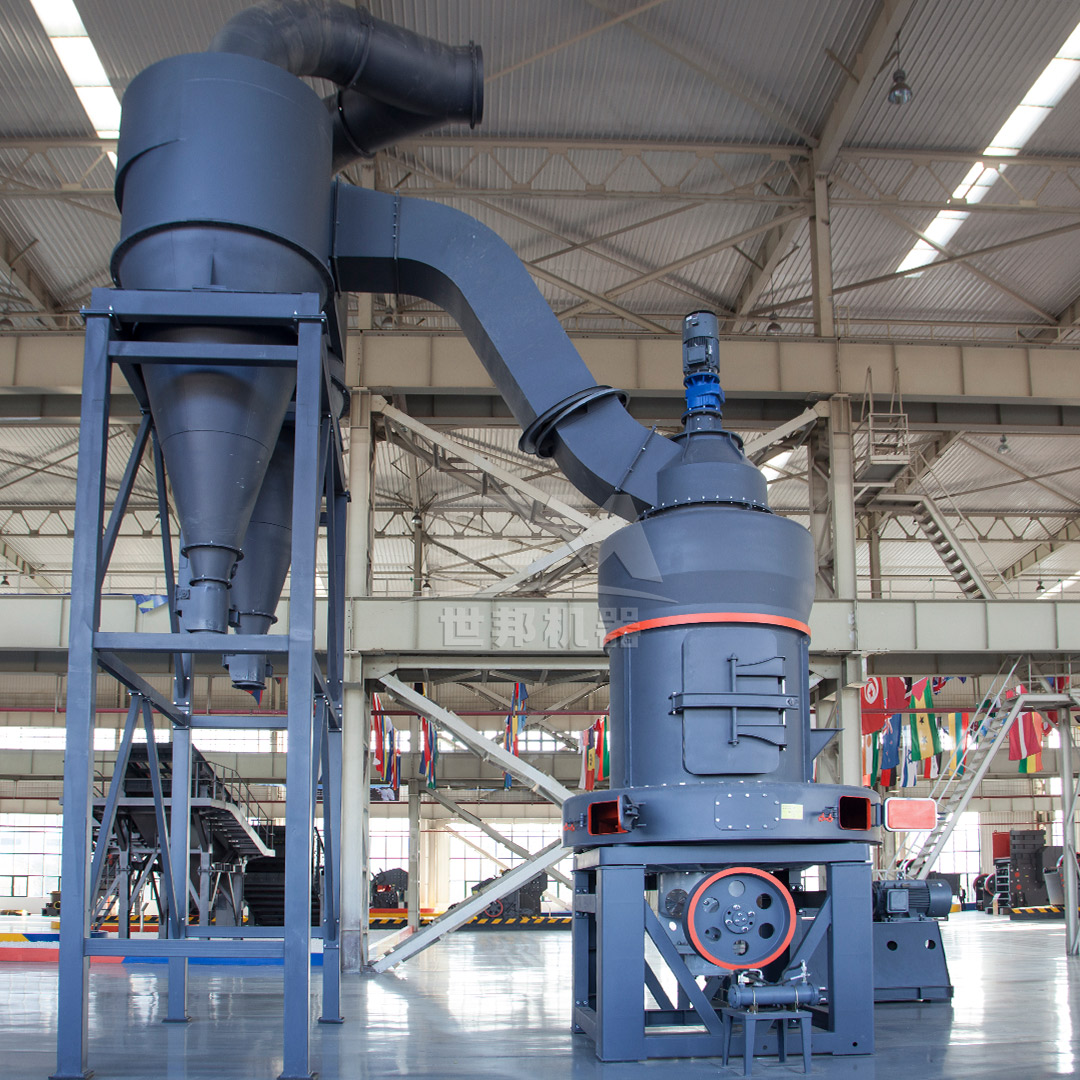
5. Ultrafine Grinding Mill (SCM Series)
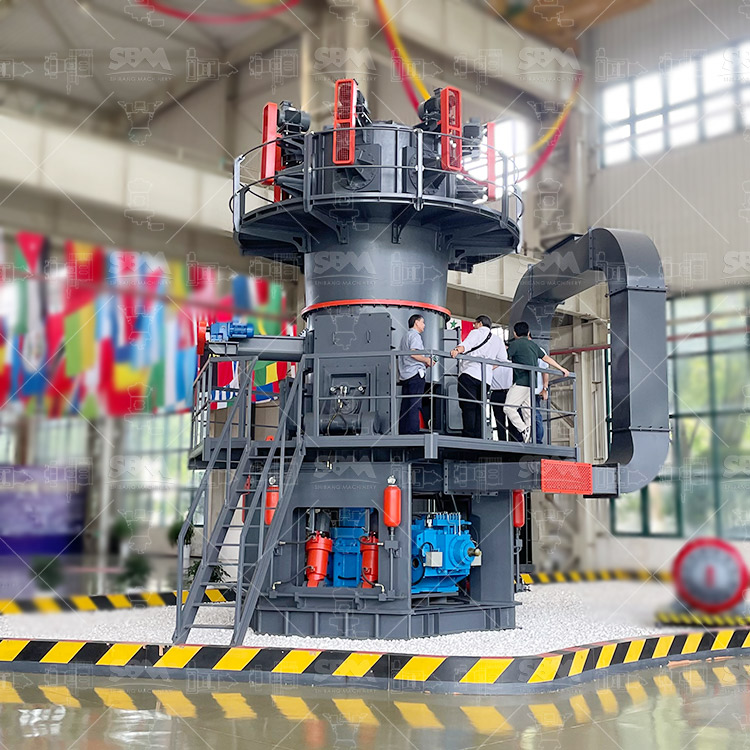
When the application demands clay powder with a top cut (D97) in the micron or sub-micron range (e.g., 2500 mesh / 5μm), specialized ultrafine mills are essential. For this critical stage, we highly recommend our flagship SCM Ultrafine Mill.
The SCM Ultrafine Mill is engineered to overcome the limitations of conventional mills in the superfine realm. Its design focuses on precision, efficiency, and reliability:
- High-Efficiency & Energy Saving: It delivers over twice the output of jet mills while reducing energy consumption by approximately 30%. An intelligent control system provides automatic feedback on product fineness.
- Precision Classification: The heart of the system is its vertical turbine classifier, which ensures sharp particle size cuts. This guarantees a uniform product with no coarse grit contamination, which is critical for high-end ceramic and coating applications.
- Robust & Stable Design: Key wear parts like rollers and grinding rings are made from special materials, extending service life multiple times. The innovative bearing-less screw design in the grinding chamber enhances operational stability.
- Environmental Compliance: The integrated pulse dust collector exceeds international standards for filtration efficiency. An acoustic enclosure design keeps operational noise below 75dB.
| Model |
Capacity (ton/h) |
Main Motor Power (kW) |
Feed Size (mm) |
Fineness (mesh) |
| SCM800 |
0.5 – 4.5 |
75 |
≤20 |
325 – 2500 |
| SCM900 |
0.8 – 6.5 |
90 |
≤20 |
| SCM1000 |
1.0 – 8.5 |
132 |
≤20 |
| SCM1250 |
2.5 – 14 |
185 |
≤20 |
| SCM1680 |
5.0 – 25 |
315 |
≤20 |
Working Principle: The mill is driven by a main motor that rotates multiple layers of grinding rings. Material is dispersed into the grinding path by centrifugal force, where it is progressively crushed and ground between rollers and rings. The final fine powder is collected by a highly efficient cyclone and pulse dust collection system.
Auxiliary and Supporting Equipment
A complete clay powder line relies on more than just mills.
- Feeders: Ensure a consistent and controlled feed rate to the mill (e.g., vibrating feeders, screw feeders).
- Bucket Elevators & Conveyors: Transport material between process stages.
- Dust Collection Systems: Pulse-jet baghouses are standard for capturing fine clay dust, protecting the environment, and recovering product.
- Packaging Systems: Automated bagging or big-bag filling stations for final product handling.
Selecting the Right Equipment: Key Considerations
Choosing the optimal machinery requires a systematic analysis of your project parameters:
- Final Product Specifications: The required fineness (mesh or micron size) and particle size distribution are the primary drivers. For coarse powders (30-100 mesh), an MTW Mill may suffice. For fine powders (200-400 mesh) at large scale, a Vertical Roller Mill (LM Series) is optimal. For ultra-fine powders (500-2500 mesh), the SCM Ultrafine Mill is the definitive solution.
- Production Capacity (TPH): Match the mill’s capacity range to your annual or shift requirements. Consider future expansion.
- Raw Material Characteristics: Hardness (Mohs scale), moisture content, abrasiveness, and feed size all influence mill selection and wear part design.
- Energy Efficiency & Operating Costs: Evaluate the total cost of ownership. While initial investment might vary, mills like the LM Vertical Mill and SCM Ultrafine Mill offer substantial savings in power consumption and maintenance over their lifespan.
- Space & Installation Constraints: Vertical mills typically have a smaller footprint than horizontal ball mills.
- Environmental & Noise Regulations: Ensure the equipment package meets local standards for dust emissions and noise levels.
Conclusion
The journey from raw clay to premium powder is defined by technological choice. From robust primary crushers and efficient medium-fine grinders like the MTW Series to high-capacity LM Vertical Mills and the precision ultra-fine capabilities of the SCM Series, each piece of equipment plays a vital role. A successful project hinges on a holistic view of the entire process flow and selecting machinery that not only meets today’s specifications but does so reliably, efficiently, and sustainably. For operations targeting the highest fineness standards, investing in advanced technology like the SCM Ultrafine Mill is not just an option—it’s a strategic necessity to achieve product superiority and maintain a competitive edge in the market.