The global ceramics industry generates substantial quantities of waste, including broken tiles, sanitaryware, and production rejects. Landfilling this material is environmentally unsustainable and economically wasteful. Transforming ceramic waste into valuable powders for use in construction materials (like concrete, mortars, and bricks), new ceramic bodies, or other industrial applications presents a compelling circular economy opportunity. The cornerstone of this transformation is efficient, reliable, and precise grinding technology. This article explores the critical role of grinding mills in ceramic waste powder production and highlights advanced solutions tailored to this demanding application.
Ceramic materials are inherently hard, abrasive, and often heterogeneous in composition and size. Effective processing requires equipment that can handle these specific challenges:
Selecting the right grinding mill is therefore not a one-size-fits-all decision but a strategic choice based on desired output, capacity, and total operational cost.
Several mill types are applicable, each with its operational window in terms of feed size, product fineness, and capacity.
| Mill Type | Typical Output Range | Key Characteristics for Ceramic Waste | Primary Consideration |
|---|---|---|---|
| Hammer Mill | 0-3 mm | Primary crushing, high capacity, handles large feed. | Initial size reduction before fine grinding. |
| Ball Mill | 0.074-0.8 mm | Robust, wet/dry processing, good for blended materials. | Higher energy consumption, broader PSD. |
| Vertical Roller Mill (VRM) | 30-600 mesh (45μm-5μm) | Integrated drying/grinding, excellent energy efficiency, handles abrasive materials well. | Ideal for medium to large-scale production of fine powders. |
| Ultrafine Mill | 325-2500 mesh (5-45μm) | Produces very fine and uniform powders, precise classification. | For high-value applications requiring ultra-fineness. |
For most modern ceramic waste recycling plants aiming for high-value powder products, Vertical Roller Mills (VRMs) and Ultrafine Mills represent the most technologically advanced and efficient solutions.
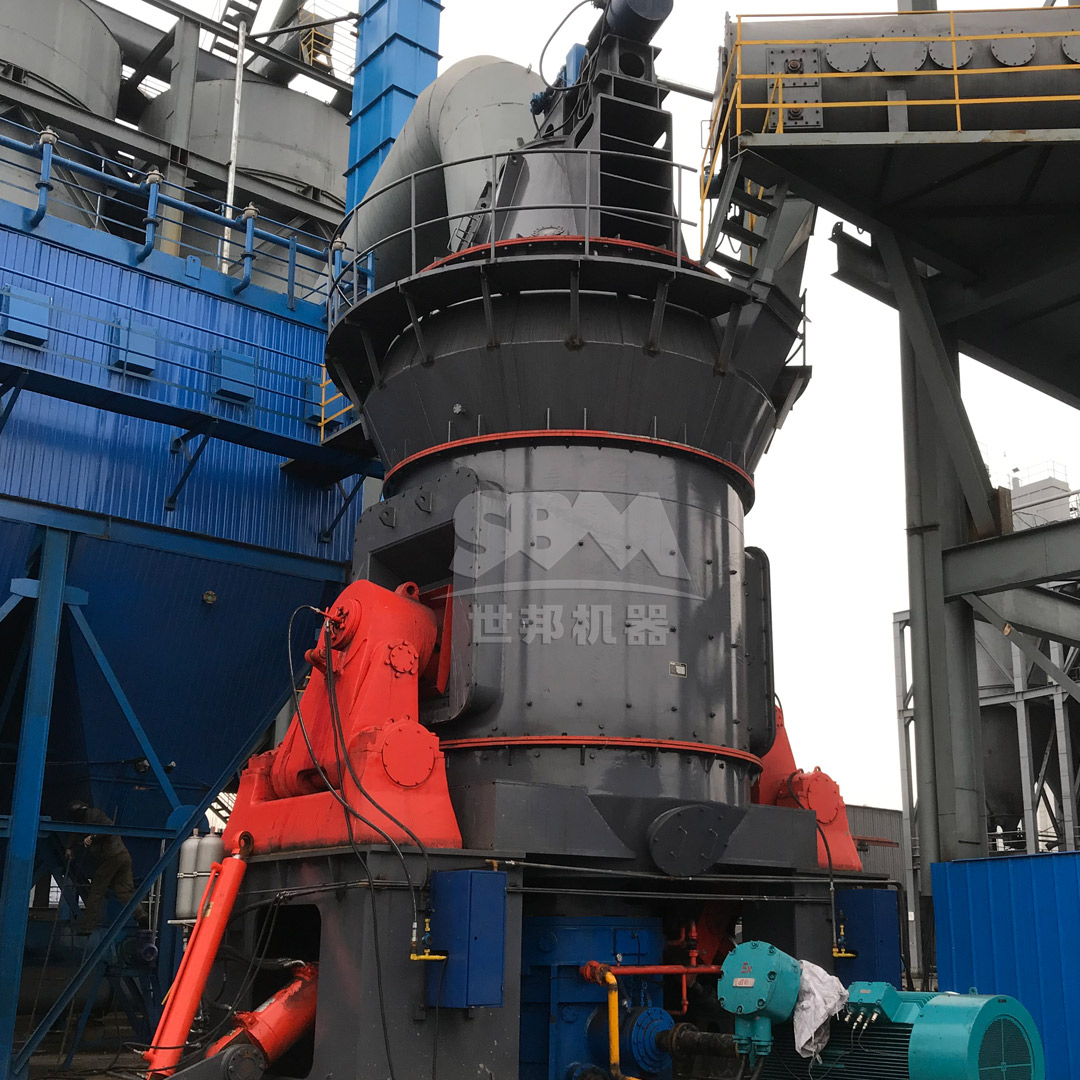
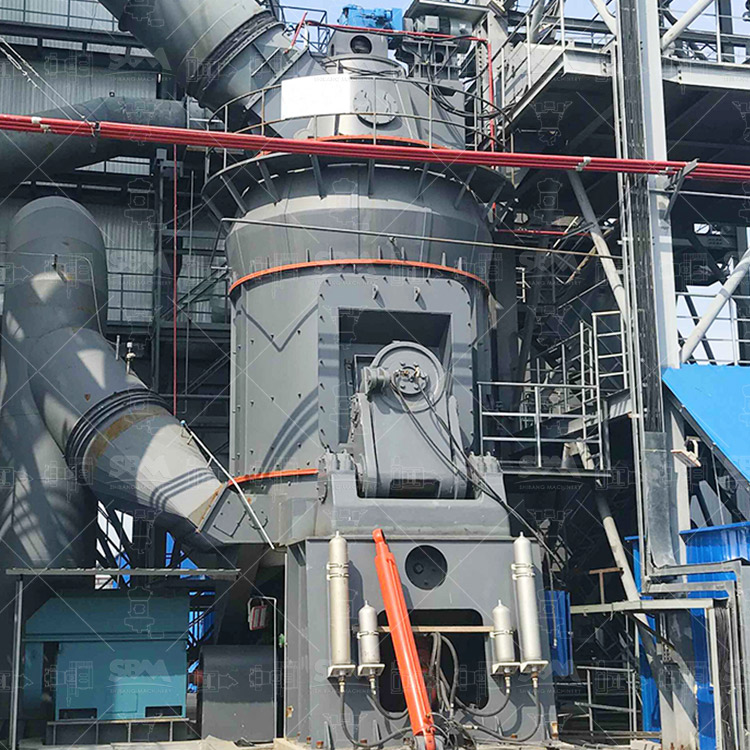
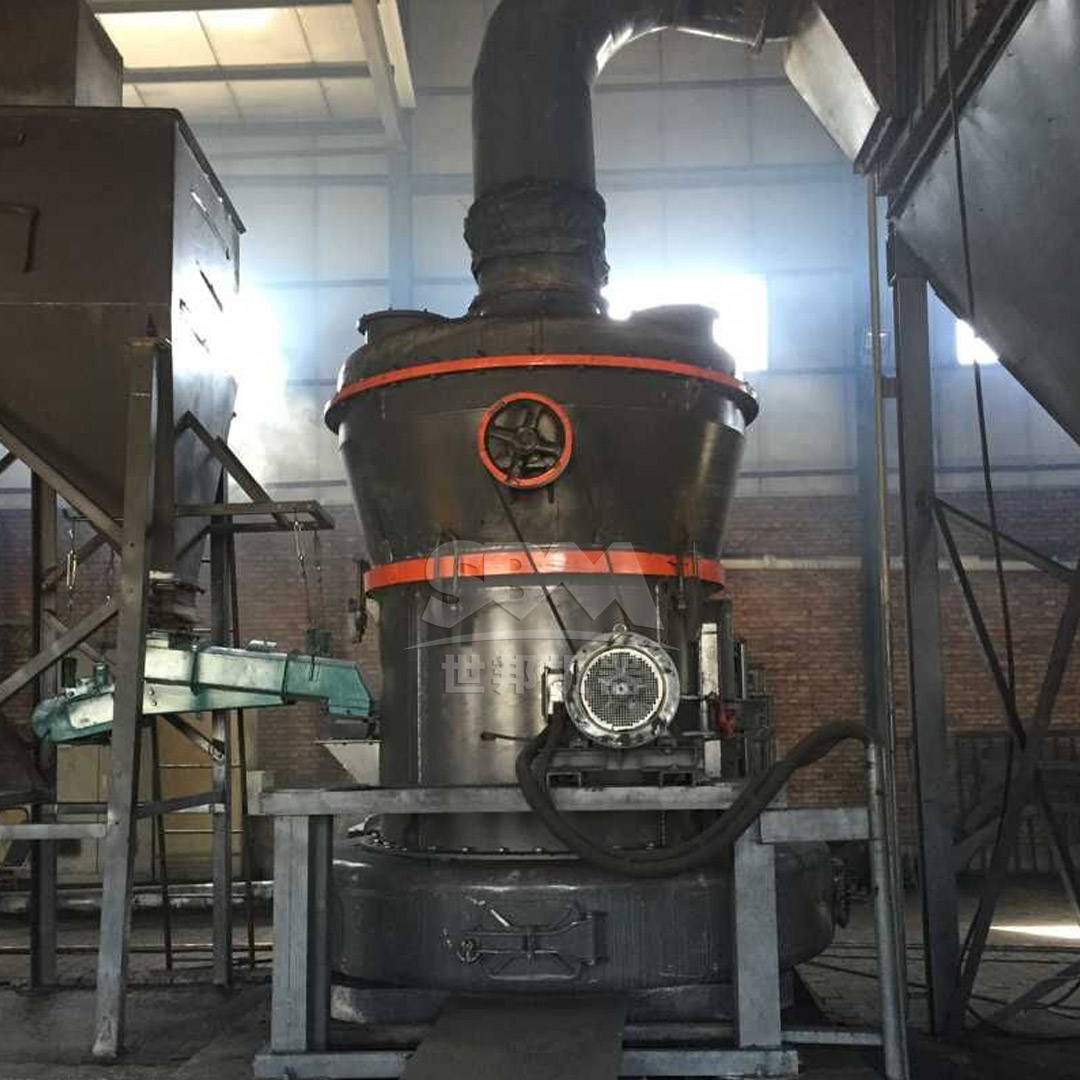
For projects requiring the production of ceramic powder in the range of 30-325 mesh (600-45μm) at capacities from 3 to over 250 tons per hour, the LM Series Vertical Roller Mill is an outstanding choice. Its design directly addresses the challenges of ceramic waste processing.
Why it excels for ceramic waste:
Model Example (LM190K): This model can process ceramic waste with a feed size up to 45mm into a fine powder (170-45μm) at a capacity of 23-68 t/h, powered by a 500kW main motor. Its robust construction makes it ideal for large-scale, continuous recycling operations.
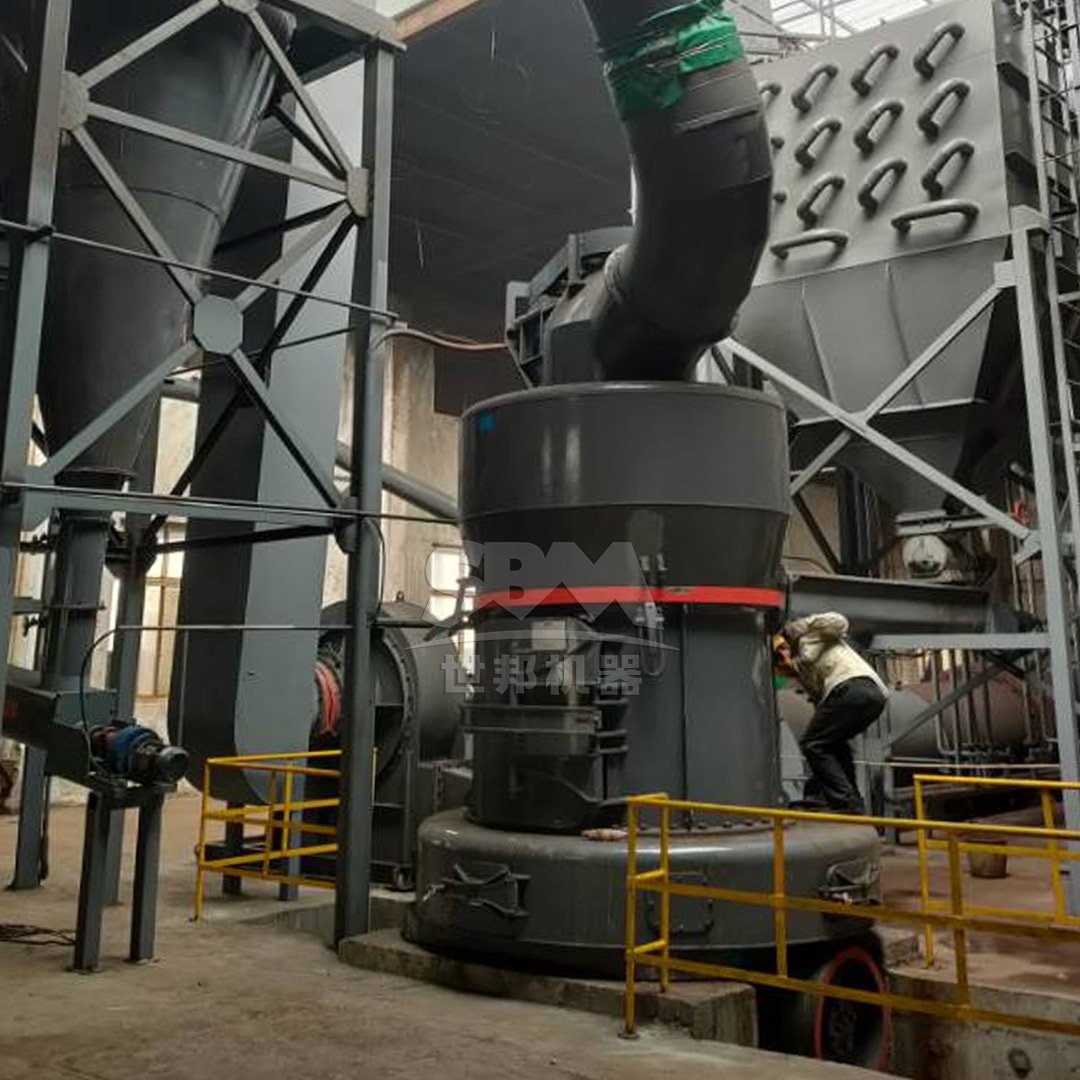
When the target product is a superfine ceramic powder (325-2500 mesh / 45-5μm) for advanced applications in polymers, coatings, or high-performance composites, the SCM Series Ultrafine Mill is the specialized tool for the job.
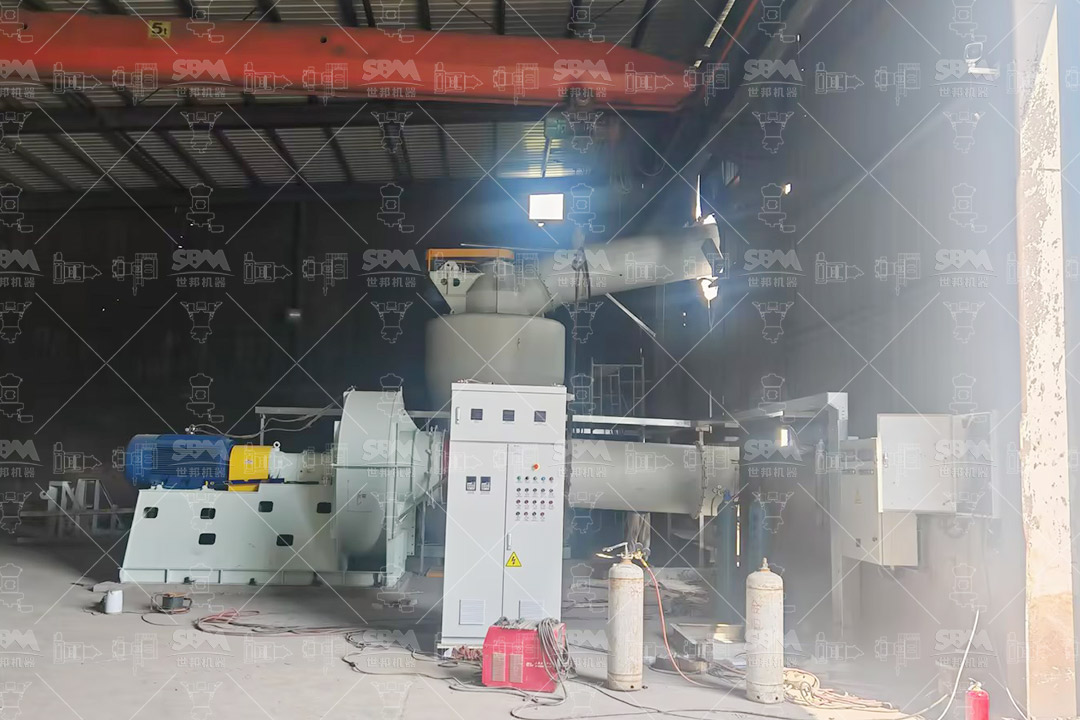
Why it excels for ultra-fine ceramic powder:
Model Example (SCM1000): This model is perfectly suited for producing high-value ceramic filler powder. It accepts feed up to 20mm and delivers 1.0-8.5 tons per hour of product adjustable between 325 and 2500 mesh, powered by a 132kW main motor.
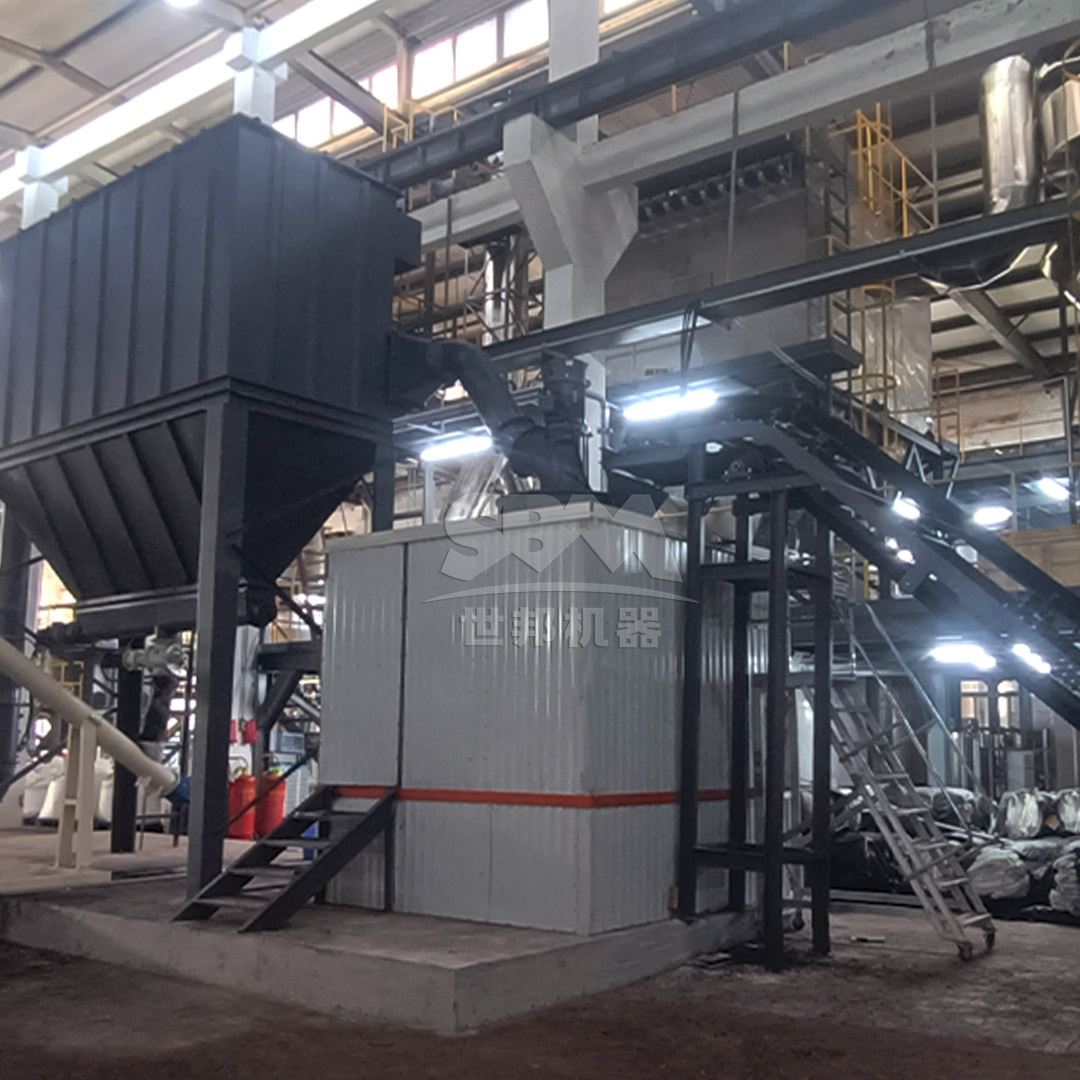
Implementing a successful ceramic waste powder production line involves more than just the grinding mill. A holistic system approach is essential:
The valorization of ceramic waste into consistent, high-quality powder is a technically feasible and economically attractive venture. The key to its success lies in selecting grinding equipment engineered to overcome the material’s abrasiveness while delivering target fineness with maximum energy efficiency and reliability. Our LM Series Vertical Roller Mill and SCM Series Ultrafine Mill offer two proven, high-performance pathways—from high-capacity fine powder production to specialized ultra-fine manufacturing. By partnering with a technology provider that understands the specific demands of ceramic recycling, operators can build a sustainable, profitable, and environmentally responsible business for the future.