Water slag, a by-product of the iron and steel industry, has evolved from an industrial waste into a valuable resource, primarily as a supplementary cementitious material (SCM) in concrete. Its utilization significantly enhances concrete properties such as workability, durability, and long-term strength while reducing the carbon footprint of construction. The key to unlocking these benefits lies in the efficient processing of water slag into fine powder with specific particle size distribution and activity. This guide provides a comprehensive overview of the grinding mills and processing systems essential for modern water slag powder production.
Granulated Blast Furnace Slag (GBFS) is glassy, granular material formed by rapid quenching of molten slag. To be effectively used in cement and concrete, it must be ground to a fine powder. The grinding process must achieve several critical objectives:
Various mill types are employed in slag grinding, each with its own advantages and optimal application ranges.
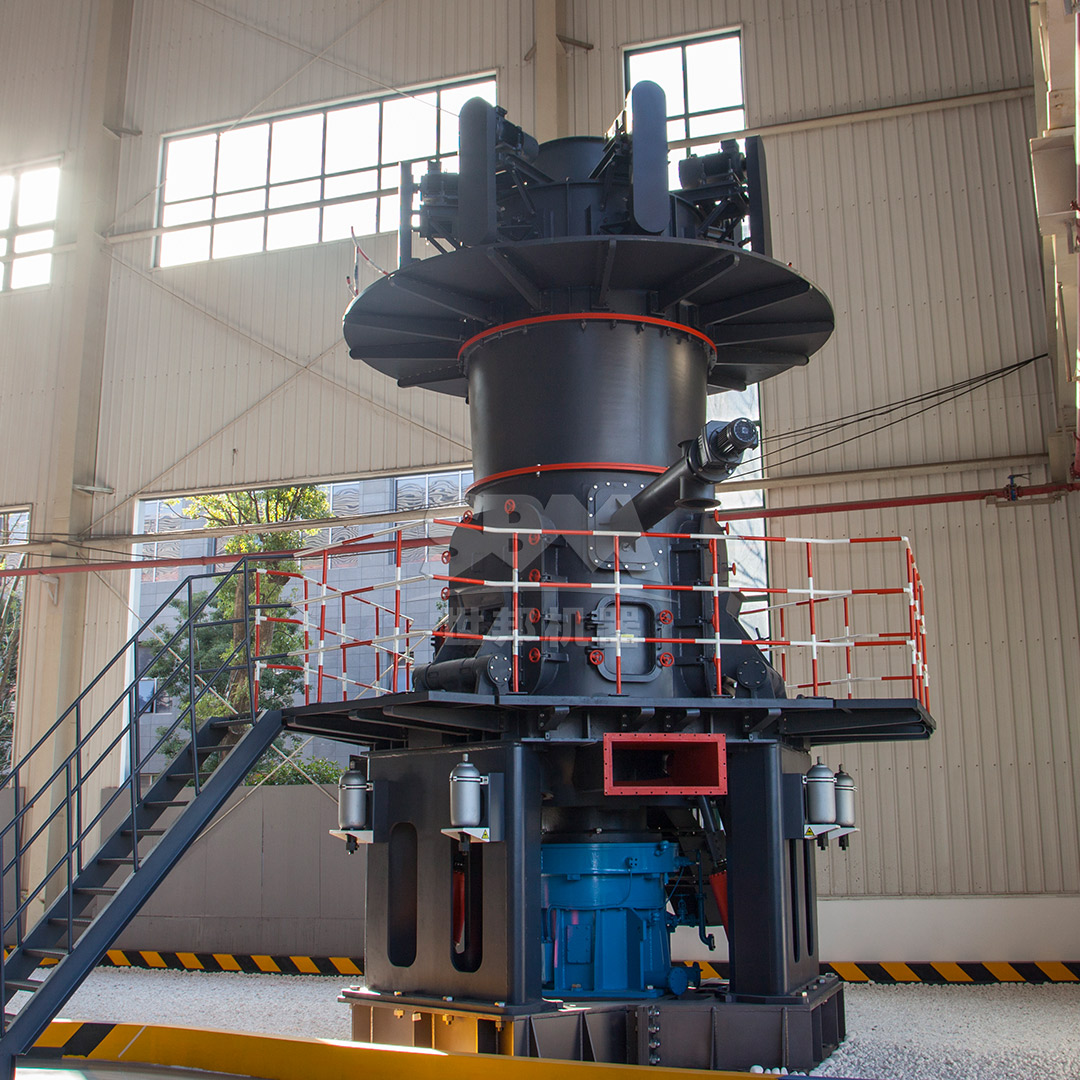
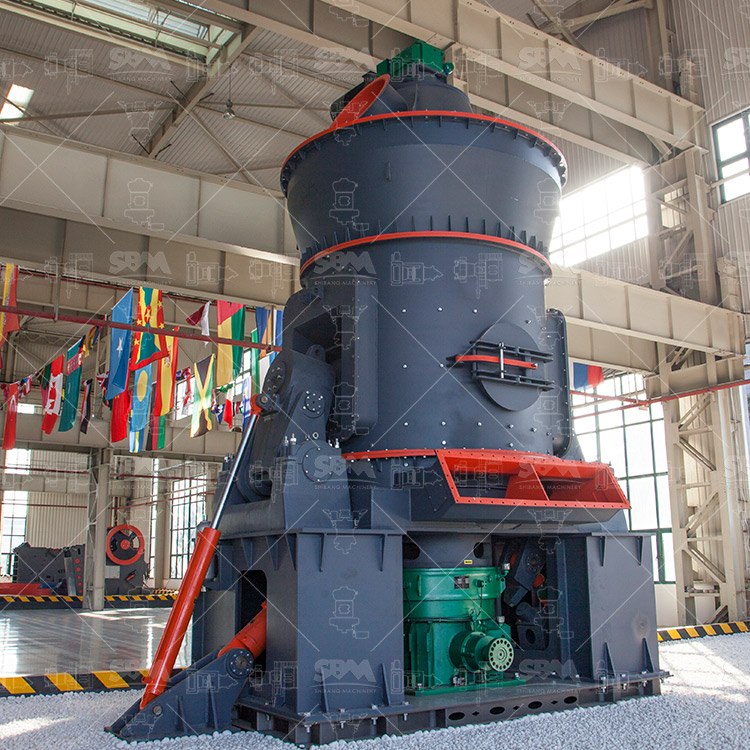
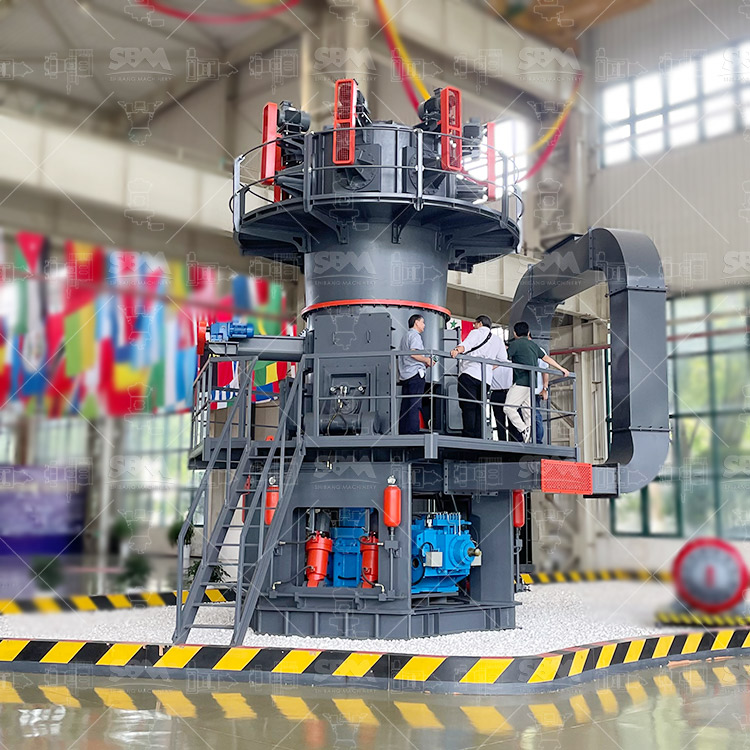
VRMs have become the industry standard for large-scale slag grinding due to their superior energy efficiency. They integrate crushing, grinding, drying (if needed), and classification in a single compact unit.
Working Principle: Material is fed onto a rotating grinding table. Hydraulically loaded rollers compress and shear the material bed. Hot air (for drying) carries the ground fines to an integrated classifier. Coarse particles fall back onto the table for regrinding.
Advantages for Slag:
For operations prioritizing large capacity, integrated functionality, and lowest operating cost, the LM Series Vertical Roller Mill represents a top-tier solution. Its integrated design combines crushing, grinding, and classification, reducing floor space by 50% and infrastructure costs by 40%. Engineered for durability with a non-contact roller design that triples wear part life, it consumes 30-40% less energy than ball mill systems. The mill operates under fully sealed negative pressure, ensuring dust emissions and noise levels meet stringent environmental standards. With capacities ranging from 3 to 250 tons per hour and fineness adjustable between 30-325 mesh (up to 600 mesh for special models), it is perfectly suited for high-volume slag powder production lines.
| Model | Grinding Table Diameter | Capacity (t/h)* | Main Motor Power (kW) | Feed Size (mm) |
|---|---|---|---|---|
| LM190K | Φ1900mm | 23-68 | 500 | ≤45 |
| LM220K | Φ2200mm | 36-105 | 800 | ≤50 |
| LM280K | Φ2800mm | 50-170 | 1250 | ≤50 |
*Capacity depends on product fineness and material characteristics.
This system combines a Roller Press for pre-grinding with a ball mill for finish grinding, often in conjunction with a highly efficient separator.
Working Principle: The roller press applies high pressure to the slag feed, creating micro-cracks and producing a material with high fines content. This pre-ground material is then efficiently finished in a ball mill.
Advantages:
Traditional ball mills, operating in closed circuit with separators, have been widely used for slag grinding.
Working Principle: The rotating chamber contains steel grinding media. The material is crushed by impact and attrition as the media cascade.
Advantages:
Disadvantages: Higher specific energy consumption compared to VRMs and hybrid systems.
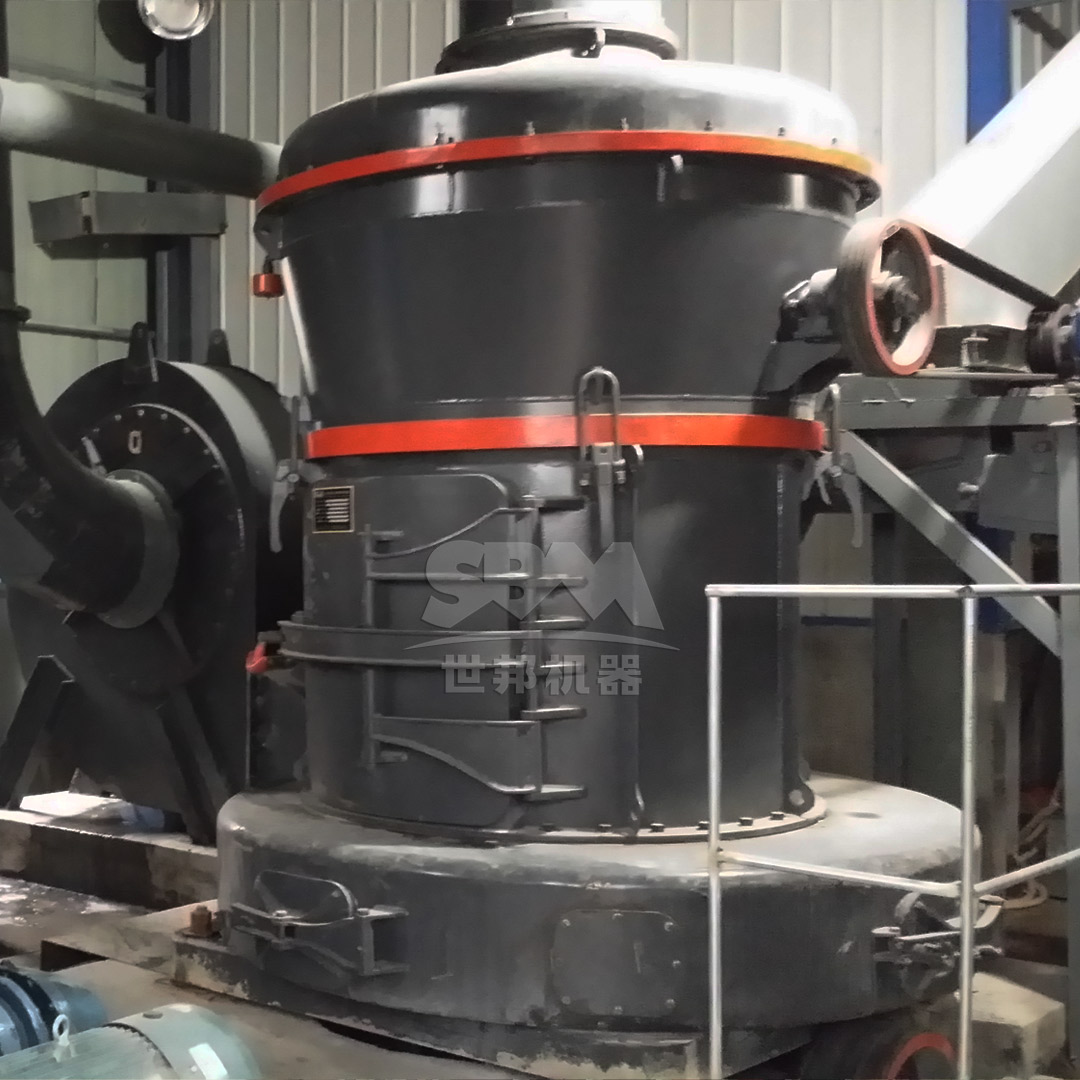
For producing high-value, ultra-fine slag powder (e.g., >600 mesh) for specialized applications, specific technologies are required.
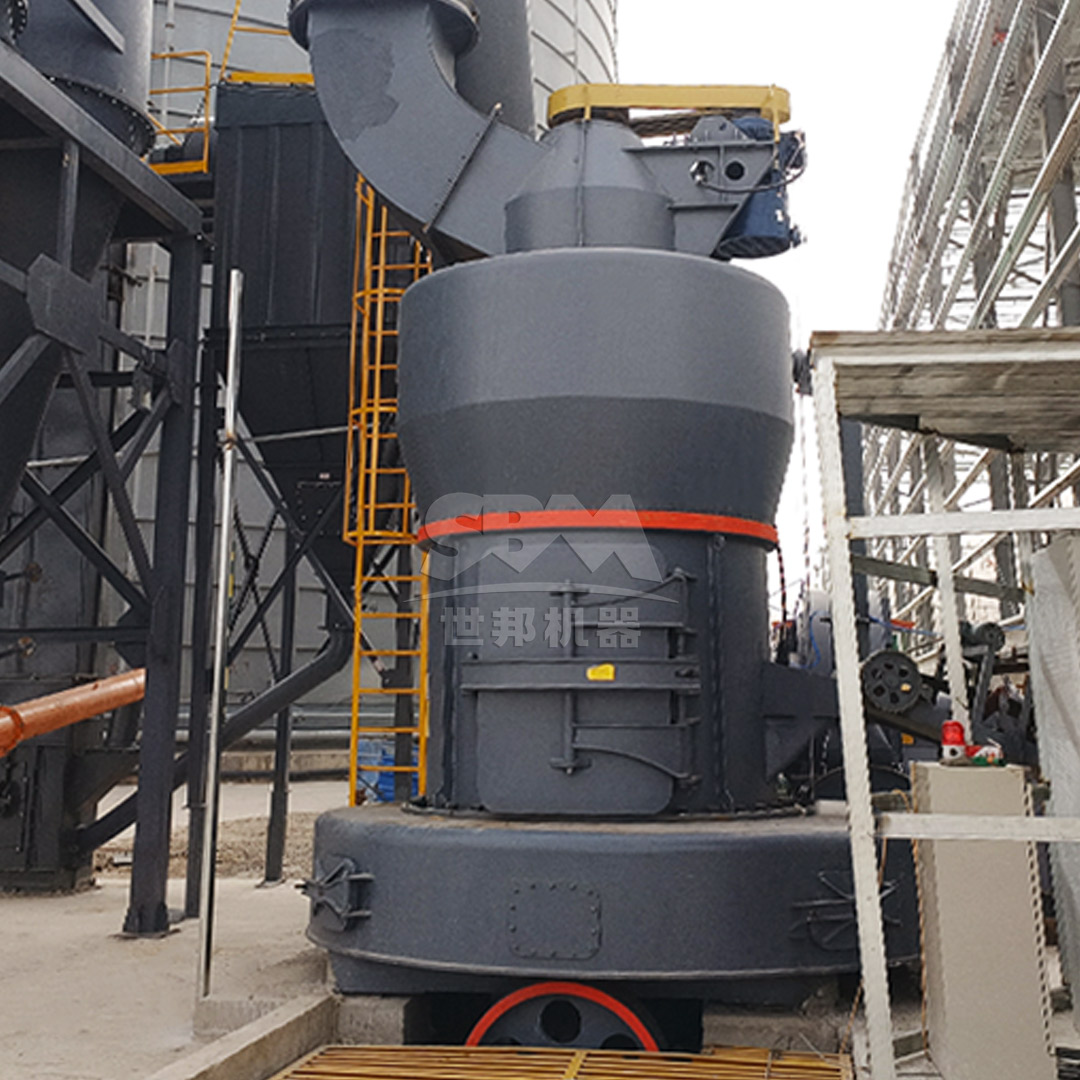
When the production goal shifts to ultra-fine or high-purity slag powder for advanced applications, the SCM Series Ultrafine Mill is the ideal choice. This mill excels in producing powders in the range of 325 to 2500 mesh (45-5μm) with exceptional uniformity. Its high-efficiency grinding mechanism and vertical turbine classifier ensure precise particle size cutting without coarse powder mixing. The mill is designed for durability with special material rollers and rings, and its operation is notably eco-friendly, featuring a pulse dust collection system with efficiency exceeding international standards and a soundproof room design for low-noise operation. With capacities from 0.5 to 25 tons per hour, it is perfect for niche, high-value slag powder production.
A complete production line involves more than just the grinding mill.
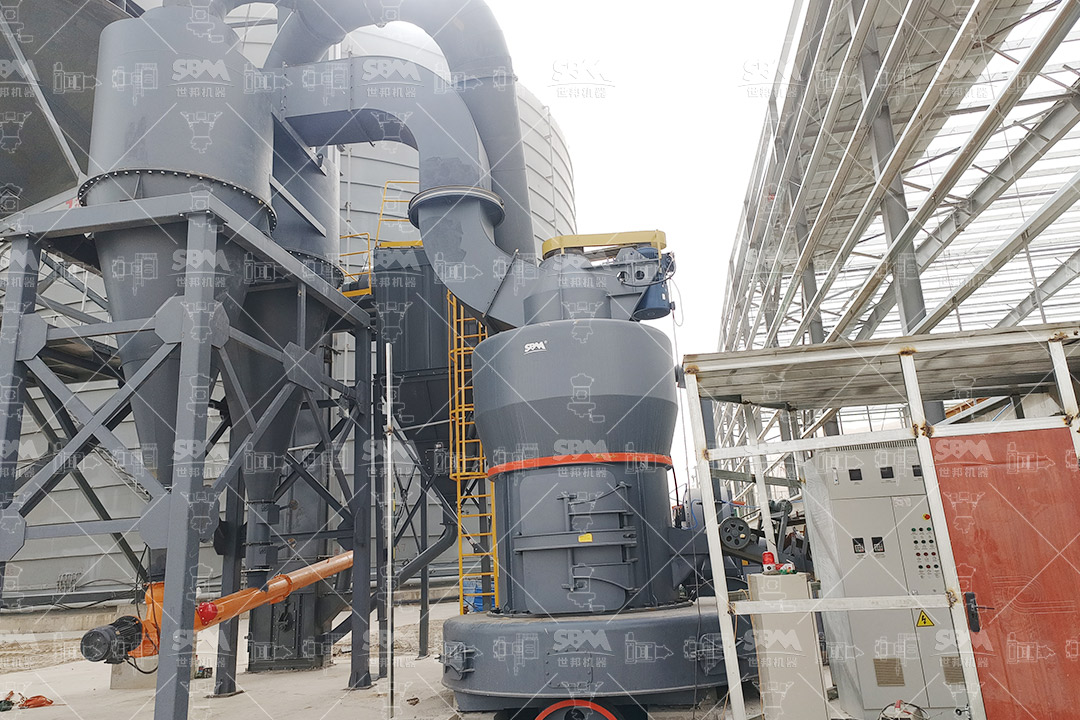
Choosing the optimal grinding system requires a detailed analysis of several factors:
The production of high-quality water slag powder is a sophisticated process centered on selecting and optimizing the right grinding technology. While traditional ball mills remain in service, Vertical Roller Mills have set a new benchmark for energy efficiency and integrated processing in large-scale applications. For ultra-fine products, specialized mills like the SCM Series are indispensable. A successful project hinges on a holistic view of the entire processing system—from raw material handling to product dispatch—ensuring it is designed for efficiency, reliability, and environmental sustainability. By carefully matching the equipment to specific project requirements, producers can maximize the value of slag, contribute to a circular economy, and supply a superior product to the construction industry.