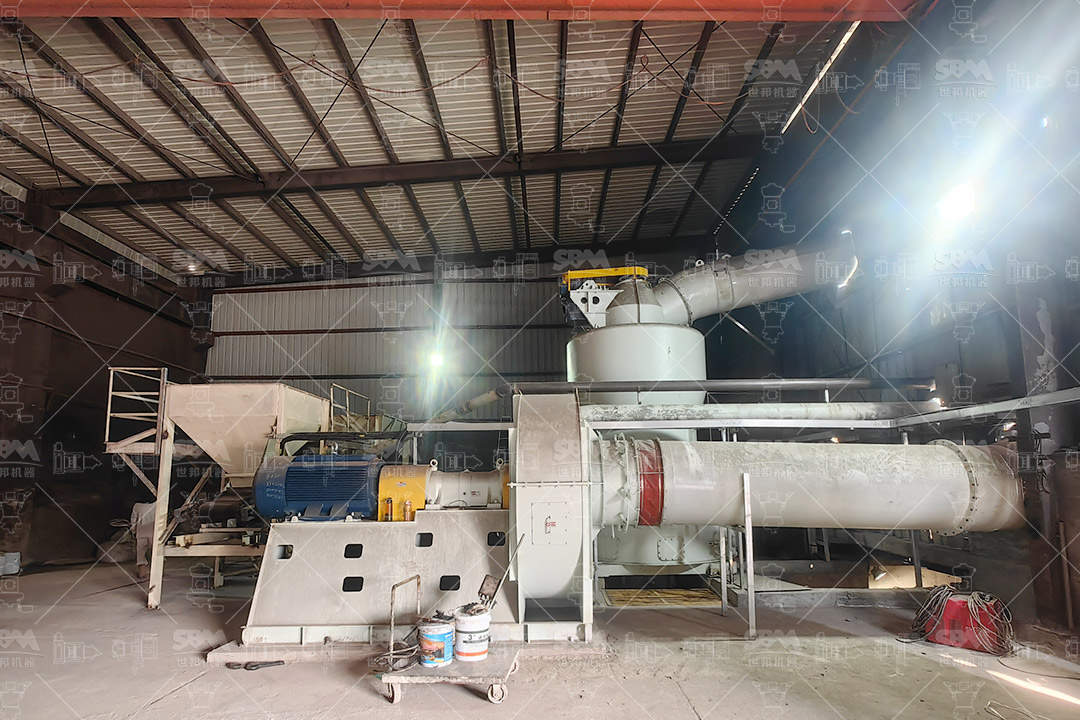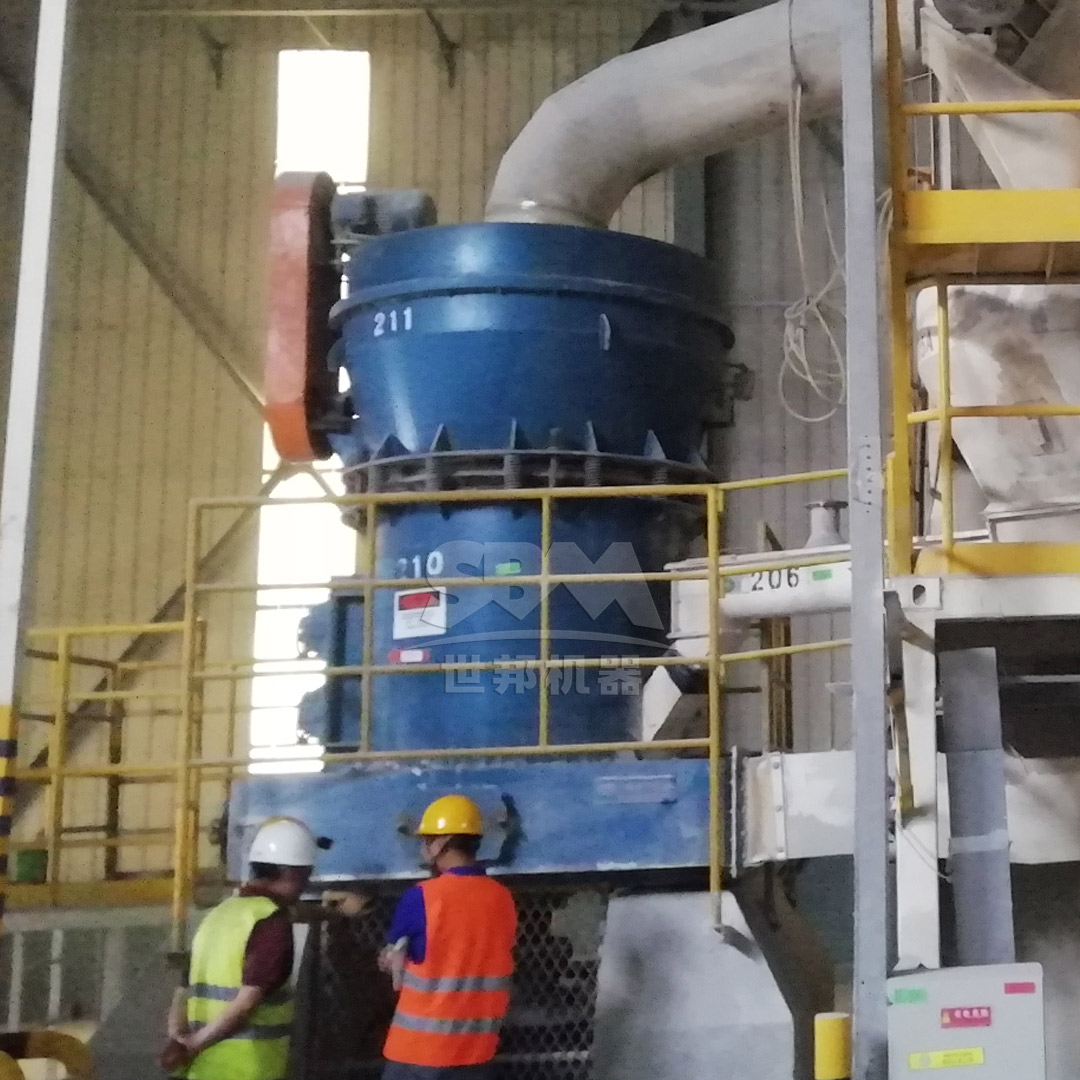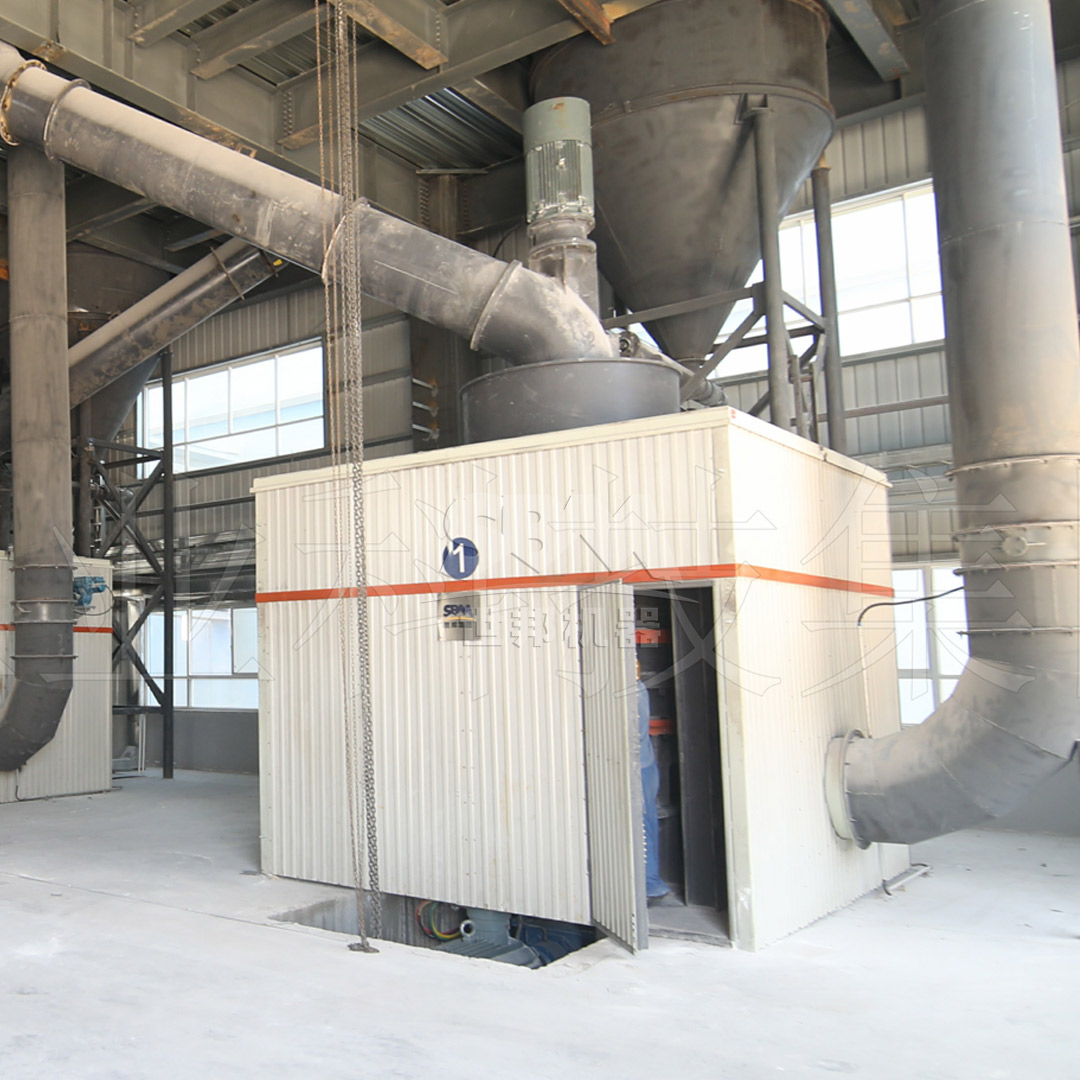
Quartz powder, derived from one of the most abundant minerals on Earth, is a critical raw material for numerous industries. Its applications span from glass and ceramics to electronics, construction, and high-performance composites. The value and performance of quartz powder are intrinsically linked to its particle size distribution, purity, and morphology. Consequently, selecting the right grinding and processing equipment is paramount for producers aiming to achieve optimal product quality, operational efficiency, and cost-effectiveness. This article delves into the core equipment used in quartz powder production, from coarse crushing to ultra-fine grinding, and presents comprehensive plant solutions tailored to various output requirements.
A typical quartz powder production line is a multi-stage process, each stage designed to reduce particle size progressively while maintaining product integrity and minimizing contamination.
Large quartz rocks extracted from quarries are first reduced to manageable sizes (typically below 50mm) using jaw crushers or impact crushers. This stage focuses on high throughput and robust equipment capable of handling abrasive materials.
To achieve high-purity quartz powder, raw material often undergoes washing, scrubbing, and magnetic or flotation separation to remove impurities like clay, feldspar, and iron oxides. This step is crucial for applications in electronics and high-grade glass.
Moisture must be removed before fine grinding to prevent clogging and ensure efficient milling. Rotary dryers are commonly employed for this purpose.
This is the heart of the powder production process. The choice of grinding mill depends on the target fineness, capacity, and energy efficiency goals. For coarse to medium-fine quartz sand (30-325 mesh), pendulum roller mills and trapezium mills are highly effective.
| Target Fineness Range | Recommended Mill Type | Typical Application |
|---|---|---|
| 0-3mm (Coarse Sand) | Hammer Mill | Foundry sand, filtration media |
| 30-325 Mesh (45-600μm) | MTW/MTM Series Mills, Ball Mill | Glass, ceramics, construction |
| 325-2500 Mesh (5-45μm) | SCM Ultrafine Mill, LUM Vertical Mill | Electronics, coatings, high-performance plastics |
Post-grinding, an efficient classification system (often integrated into the mill) separates particles to the desired cut point. Cyclone collectors and pulse-jet baghouse dust collectors then capture the finished powder, ensuring a clean working environment and high product yield.
The final powder is conveyed to silos for storage or directly to automated packaging systems.
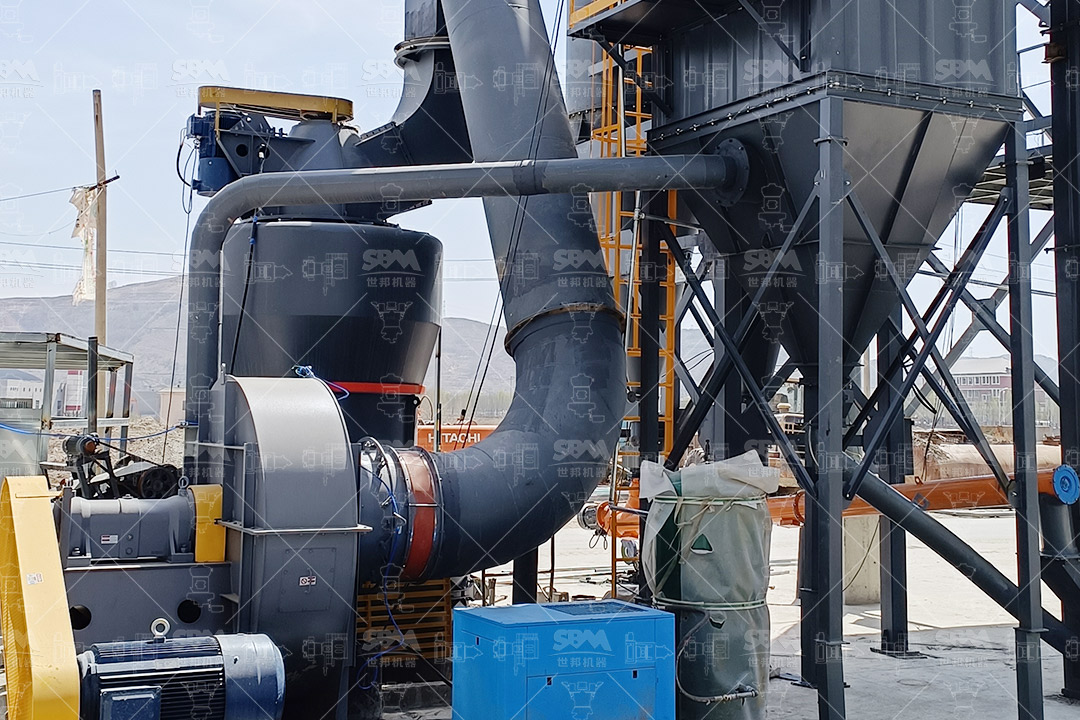
The selection of grinding technology defines the economics and capability of a quartz powder plant. Below we explore the most suitable mill types.
When the production target is high volumes of quartz powder in the 30-325 mesh range, the MTW Series European Trapezium Mill stands out as an industry workhorse. Its design incorporates several advanced features specifically beneficial for hard, abrasive materials like quartz.
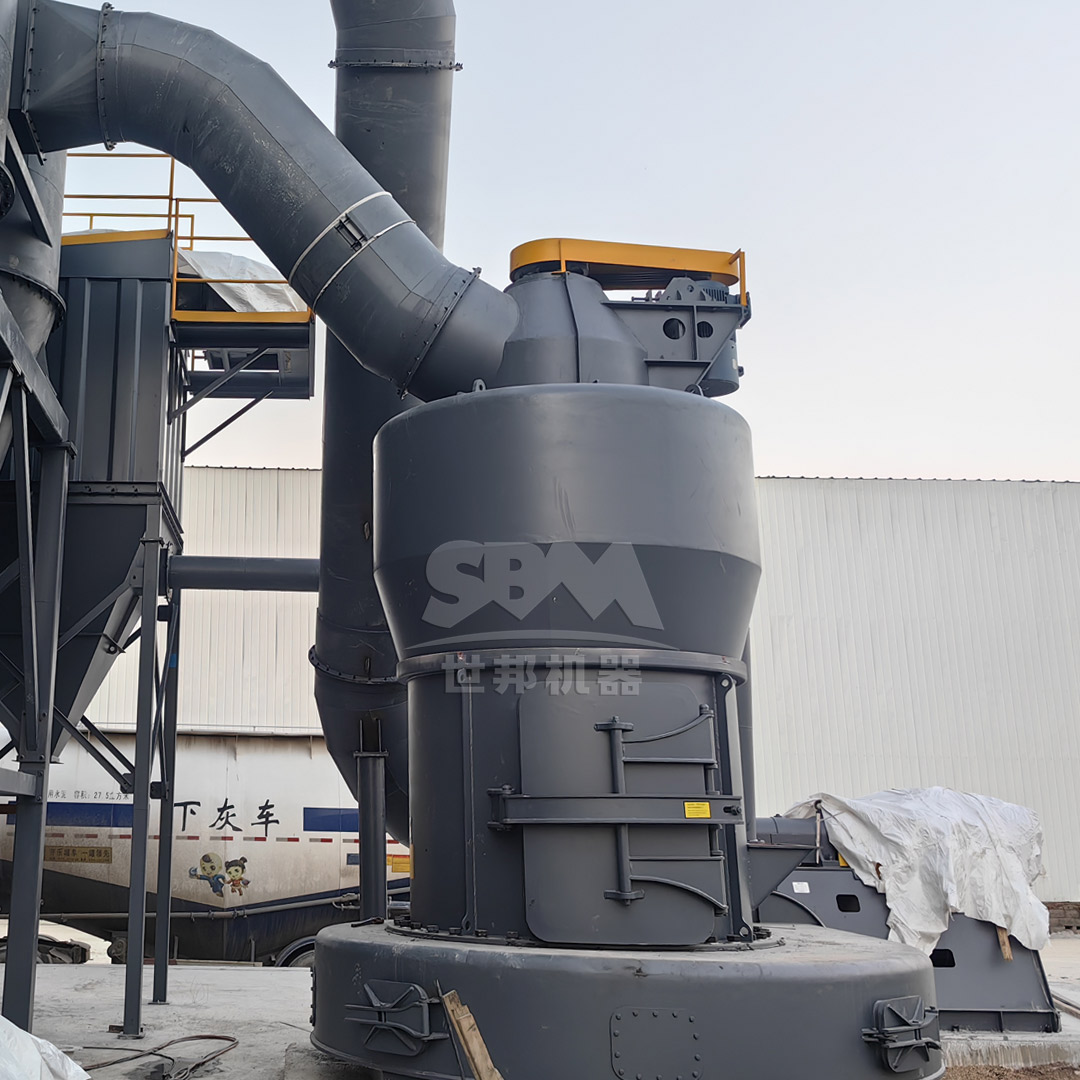
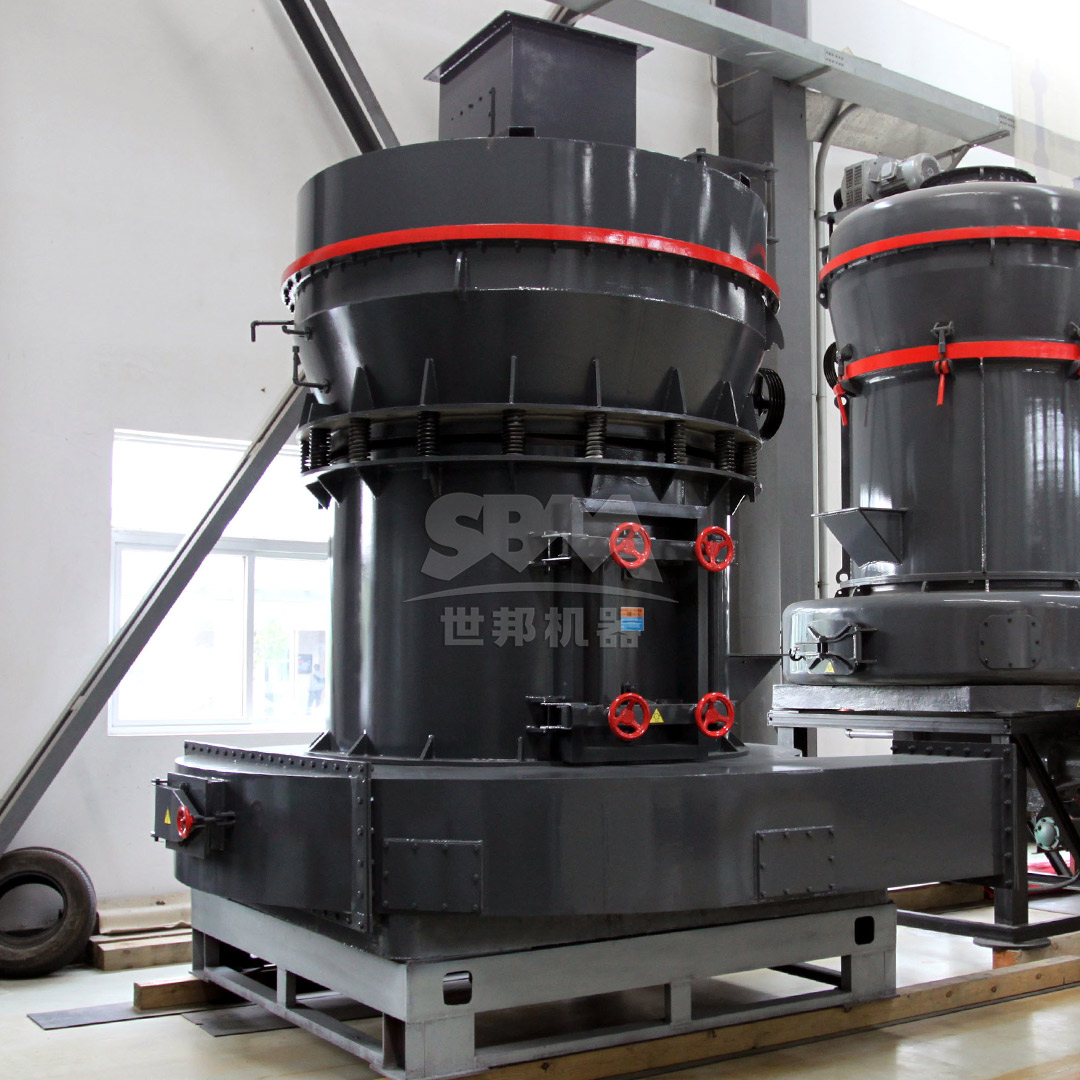
For producers targeting the high-value-added markets requiring ultrafine quartz powder (325-2500 mesh), the SCM Series Ultrafine Mill is the technology of choice. This mill excels in producing fine powders with excellent particle size distribution and high whiteness retention.
Model Example – SCM1250: This model is a popular choice for mid-to-large scale ultrafine quartz production, offering a capacity range of 2.5-14 t/h, powered by a 185kW main motor, and capable of processing feed material up to 20mm directly into market-ready ultrafine powder.
For projects requiring simultaneous grinding and drying of quartz, LM Series Vertical Roller Mills offer a compact, integrated solution. Their footprint is 50% smaller than traditional ball mill systems, and they can reduce energy consumption by 30-40%. The intelligent control system allows for stable, automated operation, making them suitable for modern, automated plants.
Beyond individual machines, a successful quartz powder project requires a holistic plant design. Key considerations include:
The journey from raw quartz ore to a refined, specification-grade powder is a sophisticated engineering endeavor. The selection between robust, high-capacity mills like the MTW Series for coarse applications and precision-engineered systems like the SCM Ultrafine Mill for high-value fine powders will define the technical and economic success of the operation. By partnering with an equipment supplier that provides not only reliable machinery but also comprehensive plant engineering and support, producers can build a quartz powder facility that is efficient, sustainable, and capable of meeting the stringent demands of global markets. Investing in the right technology today ensures competitiveness and profitability in the rapidly evolving industrial minerals landscape.