The production of high-quality coke powder is a critical process in various industries, including metallurgy, foundry, and chemical manufacturing. Achieving the desired particle size distribution, fineness, and production efficiency hinges on selecting the right grinding equipment. This comprehensive guide explores the complete production line for coke powder, detailing key processes, equipment selection criteria, and advanced technological solutions to optimize your operation.
Coke, a solid carbonaceous material derived from the destructive distillation of low-ash, low-sulfur bituminous coal, is valued for its high carbon content and calorific value. For applications in blast furnaces, ferroalloy production, or as a carbon raiser, it must be ground to specific fineness levels, typically ranging from coarse (several millimeters) to very fine (sub-100 mesh or even micron-level). The grinding process must handle a material that is abrasive and can vary in hardness and moisture content, demanding robust and efficient milling solutions.
A complete and efficient production line extends far beyond just the grinding mill. It is an integrated system where each component plays a vital role.
Raw coke lumps, often up to 200-300mm in size, first undergo primary size reduction. Jaw crushers or hammer crushers are commonly used here to break down the material to a manageable size (typically below 50mm) suitable for feeding into the grinding mill. This step is crucial for protecting downstream equipment and ensuring consistent feed.
If the raw coke contains high moisture, a drying stage is essential. Rotary dryers or vertical flash dryers can be integrated to reduce moisture content, preventing clogging in the mill and improving grinding efficiency. A pre-screening stage may also be included to remove oversized particles after crushing.
This is the most critical component where the actual size reduction to the target fineness occurs. The choice of mill depends heavily on the required output size, capacity, and energy efficiency goals.
Integrated or standalone classifiers (such as dynamic or static air classifiers) work in a closed circuit with the grinding mill. They separate the ground powder into “on-spec” fine product and “oversize” coarse material, which is returned to the mill for further grinding. This ensures precise particle size control and prevents over-grinding.
Coke grinding generates significant dust. An efficient pulse-jet baghouse dust collector is mandatory to maintain a clean working environment, recover product, and meet stringent environmental emission standards. The system operates under negative pressure to prevent dust leakage.
After collection, the finished coke powder is conveyed via screw conveyors or pneumatic systems to storage silos. Finally, it is packaged automatically into bags or bulk containers for shipment.
The optimal mill balances production capacity, final fineness, energy consumption, and operational costs. Here are the most suitable technologies for coke grinding:
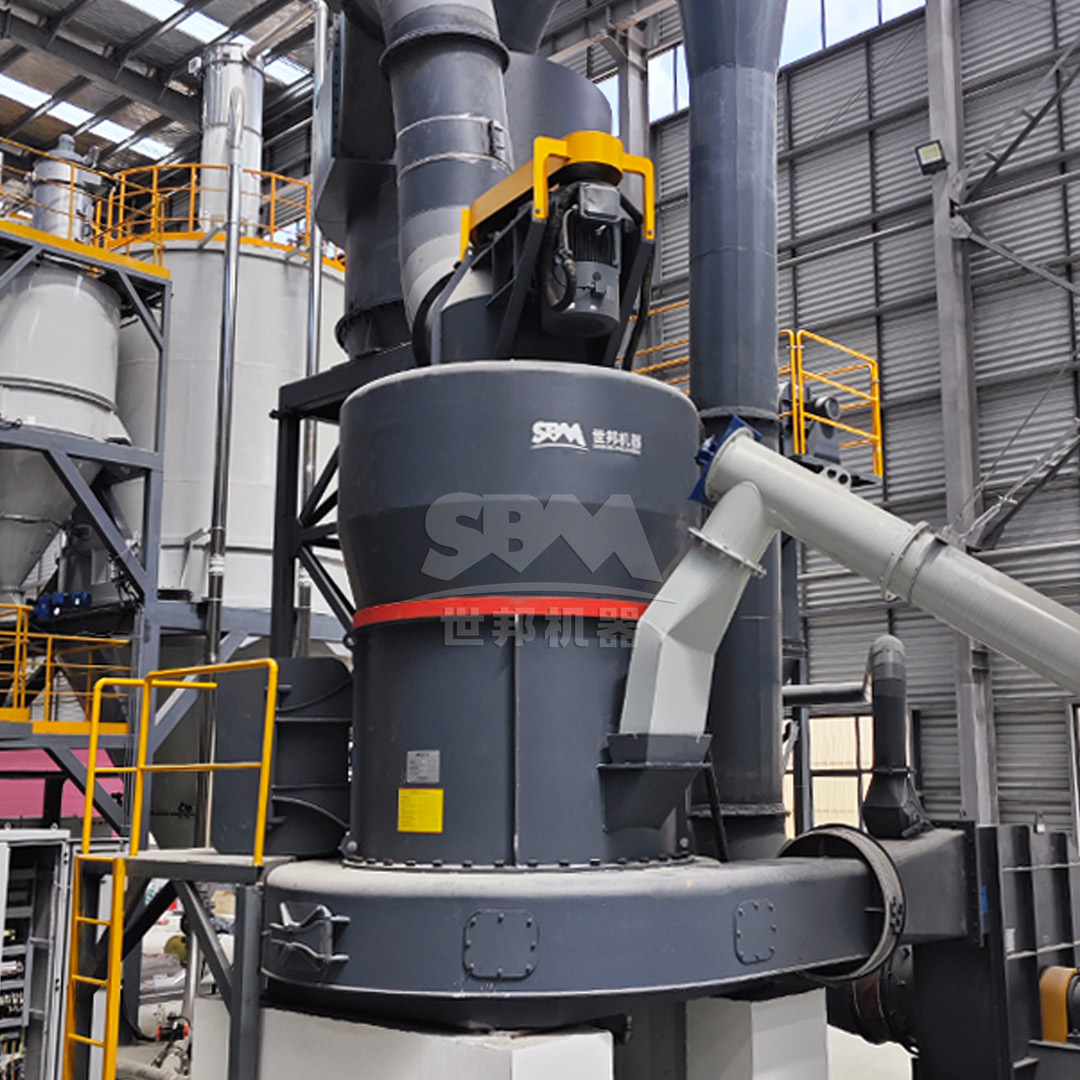
For applications requiring relatively coarse powder, such as certain foundry operations, Hammer Mills or MTW Series European Trapezium Mills are excellent choices. The MTW series, in particular, offers high capacity and reliability. Its advantages include:
This mill is ideal for large-scale production where robustness and cost-effectiveness per ton are paramount.
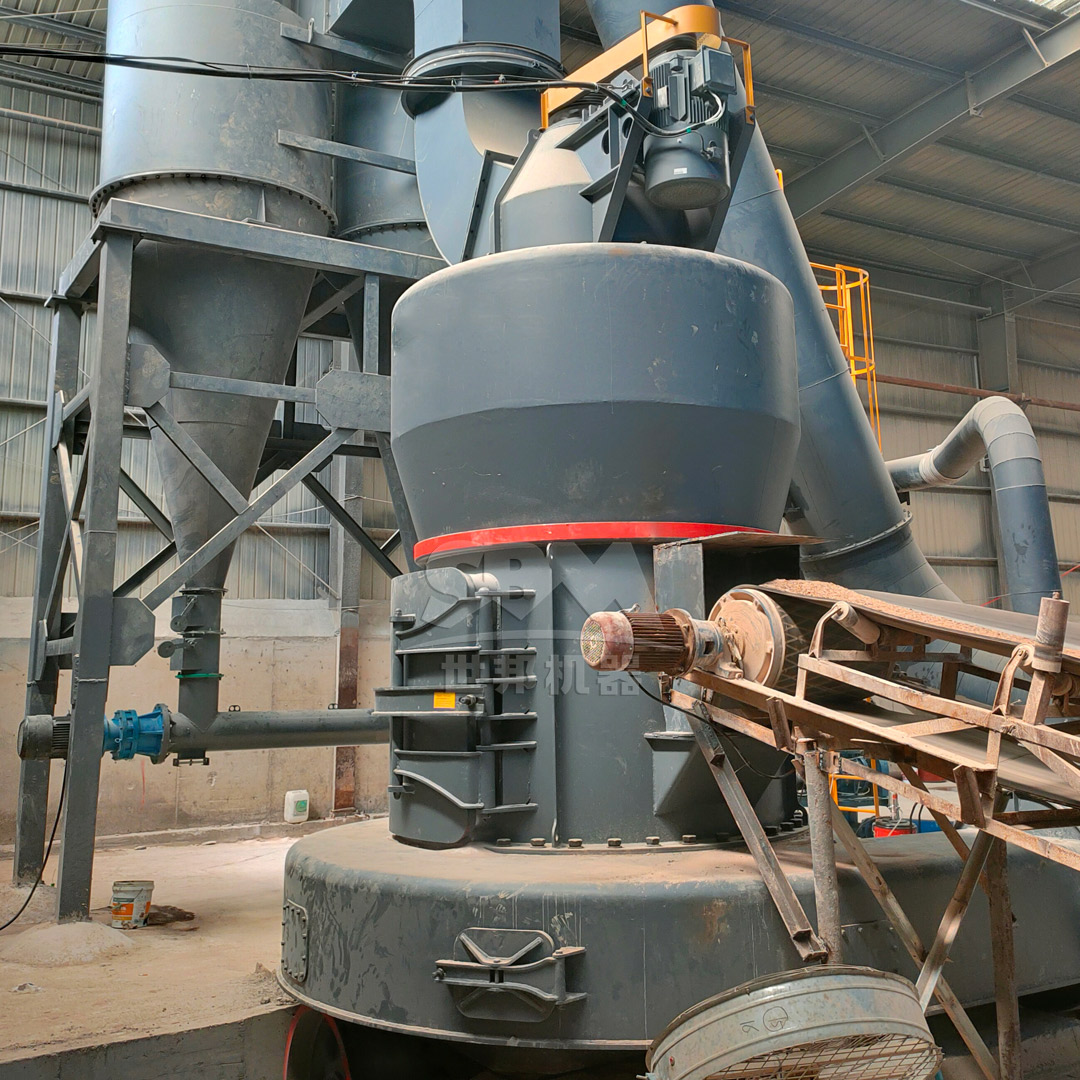
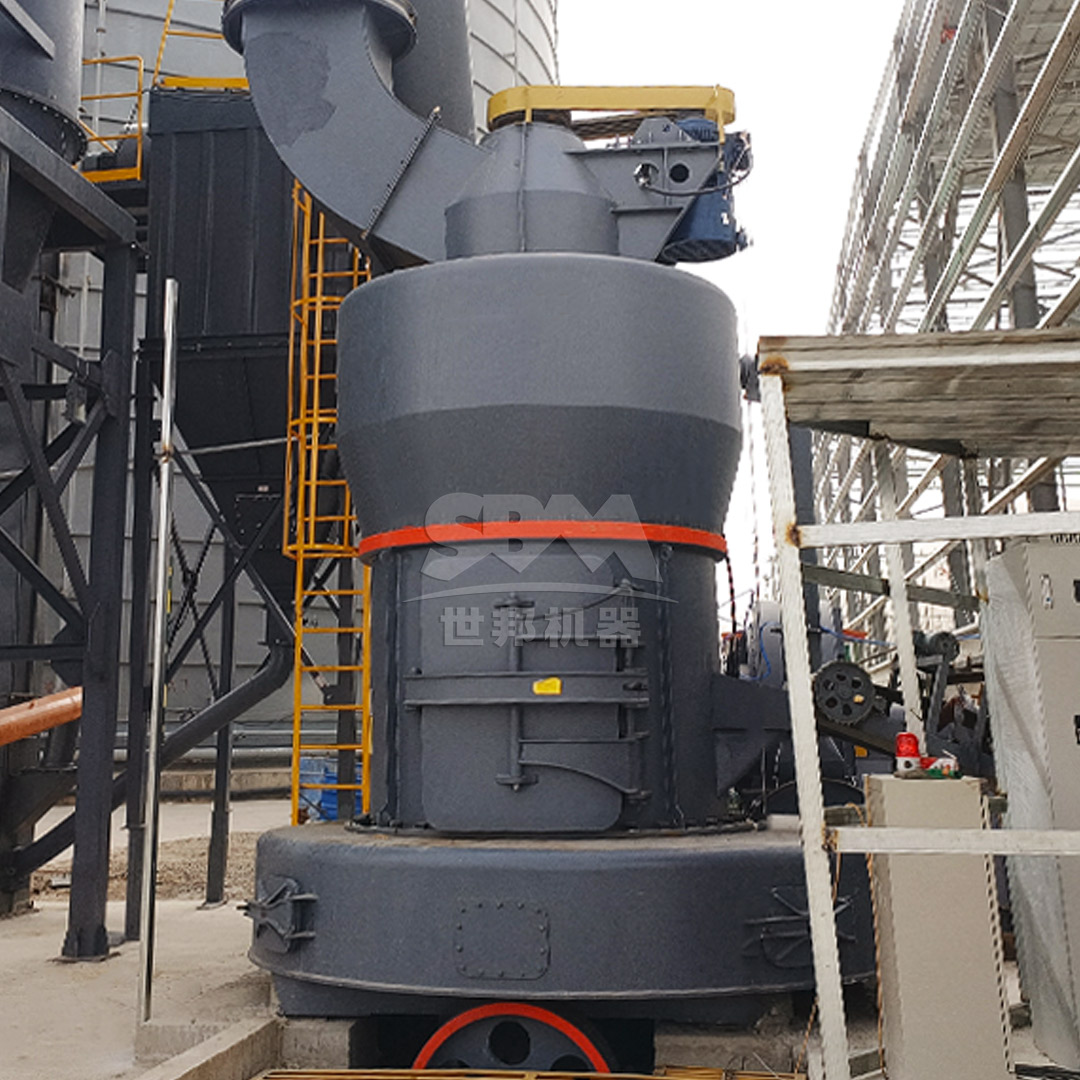
When producing high-value, ultrafine coke powder for specialized chemical or advanced material applications, an SCM Series Ultrafine Mill is the industry-leading solution. Our SCM mill is engineered for superior performance in the fine grinding realm:
The SCM series, with models like the SCM1250 (2.5-14 t/h) or SCM1680 (5-25 t/h), is perfectly suited for projects demanding the finest coke powders with tight particle distribution.
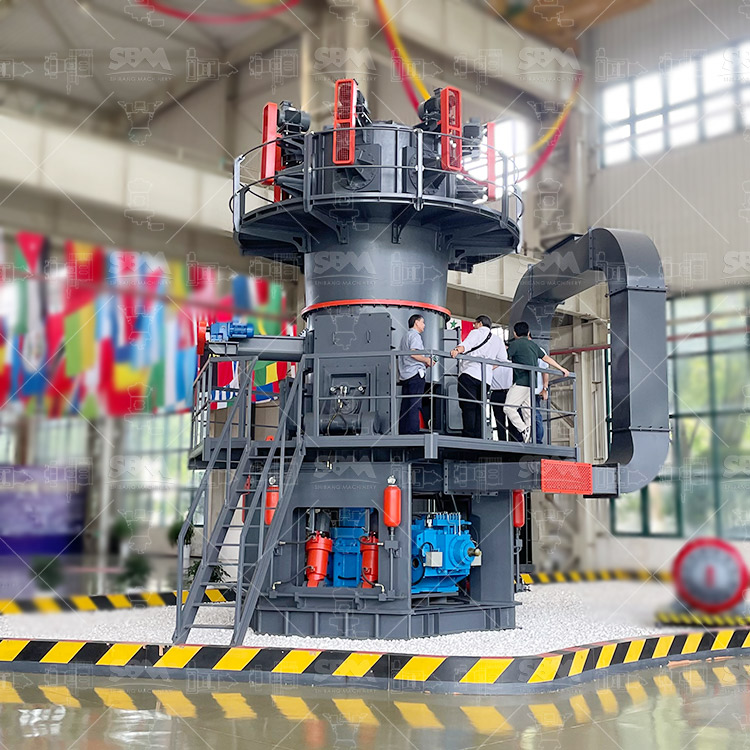
For massive production lines, such as those supplying coke powder for blast furnace injection, the LM Series Vertical Roller Mill offers an unparalleled advantage. It integrates crushing, grinding, drying, and classification into a single unit.
| Mill Type | Output Fineness | Typical Capacity | Key Advantage | Best For |
|---|---|---|---|---|
| MTW European Mill | 30-325 mesh | 3-45 t/h | High Capacity & Durability | Coarse/Medium powder, large volume |
| SCM Ultrafine Mill | 325-2500 mesh | 0.5-25 t/h | Ultrafine Precision & Efficiency | High-value fine/ultrafine powder |
| LM Vertical Mill | 30-325 mesh | 3-250 t/h | Integrated System & Lowest OPEX | Large-scale, integrated production |
Beyond equipment selection, successful operation depends on several factors:
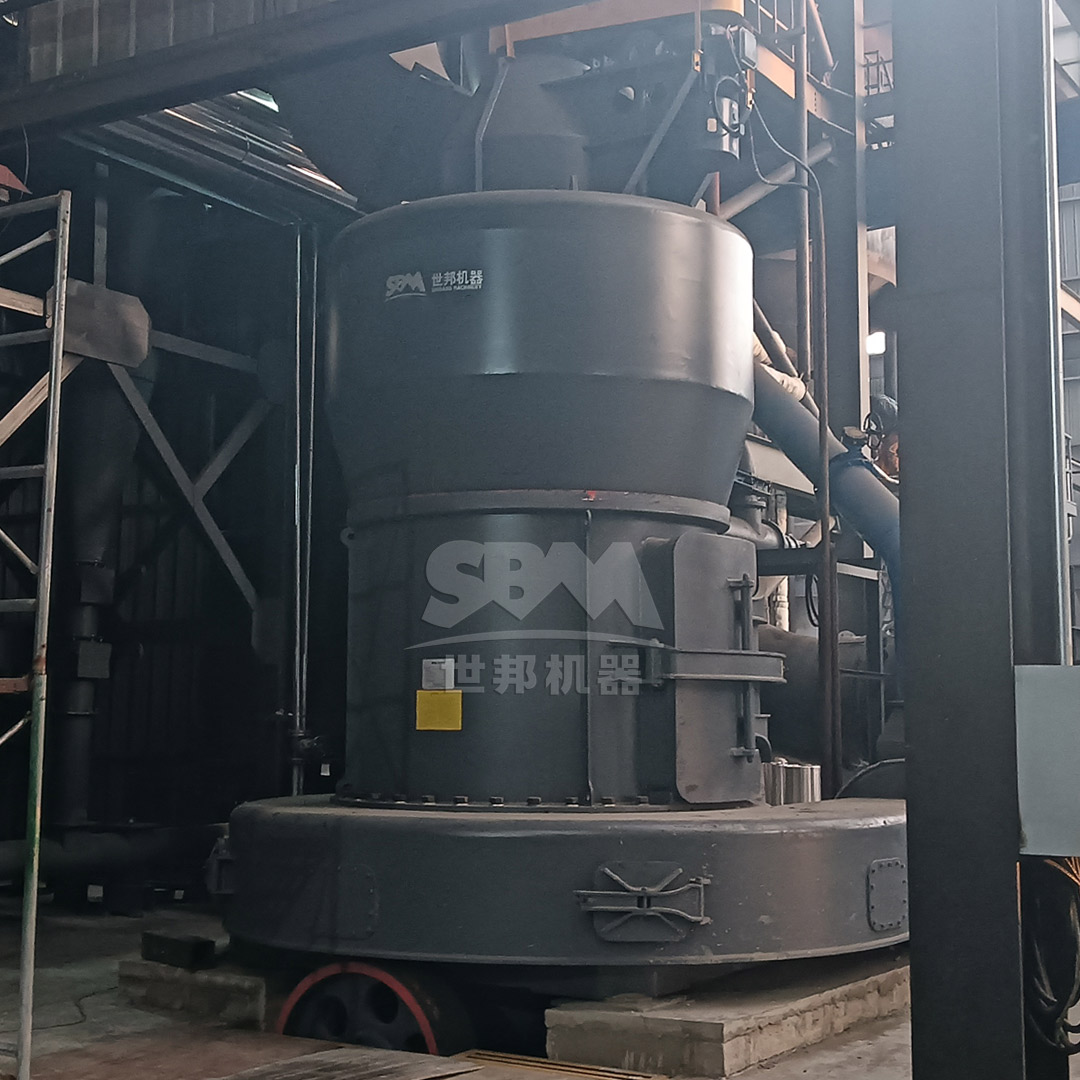
Building an efficient coke powder production line is a strategic investment that requires careful planning and selection of appropriate technology. Whether your priority is massive throughput, achieving ultrafine specifications, or minimizing total operational costs, modern grinding mills like the MTW European Trapezium Mill for robust mid-range grinding or the SCM Ultrafine Mill for precision fine grinding provide reliable, efficient, and environmentally sound solutions. By understanding the complete system and leveraging advanced equipment, producers can significantly enhance product quality, increase profitability, and secure a competitive edge in the market.