Talc, a hydrated magnesium silicate mineral, is prized for its softness, lamellar structure, chemical inertness, and hydrophobic properties. These characteristics make it an indispensable additive in industries ranging from plastics and paints to cosmetics, paper, and pharmaceuticals. The value of talc is directly tied to its particle size distribution, whiteness, and purity. Therefore, the heart of any modern talc processing plant lies in its milling and classification circuit. Selecting the right equipment is paramount to achieving the desired product specifications, maximizing yield, ensuring energy efficiency, and maintaining operational reliability. This article delves into the critical stages of talc powder production and examines the key equipment choices, with a focus on advanced milling technologies.
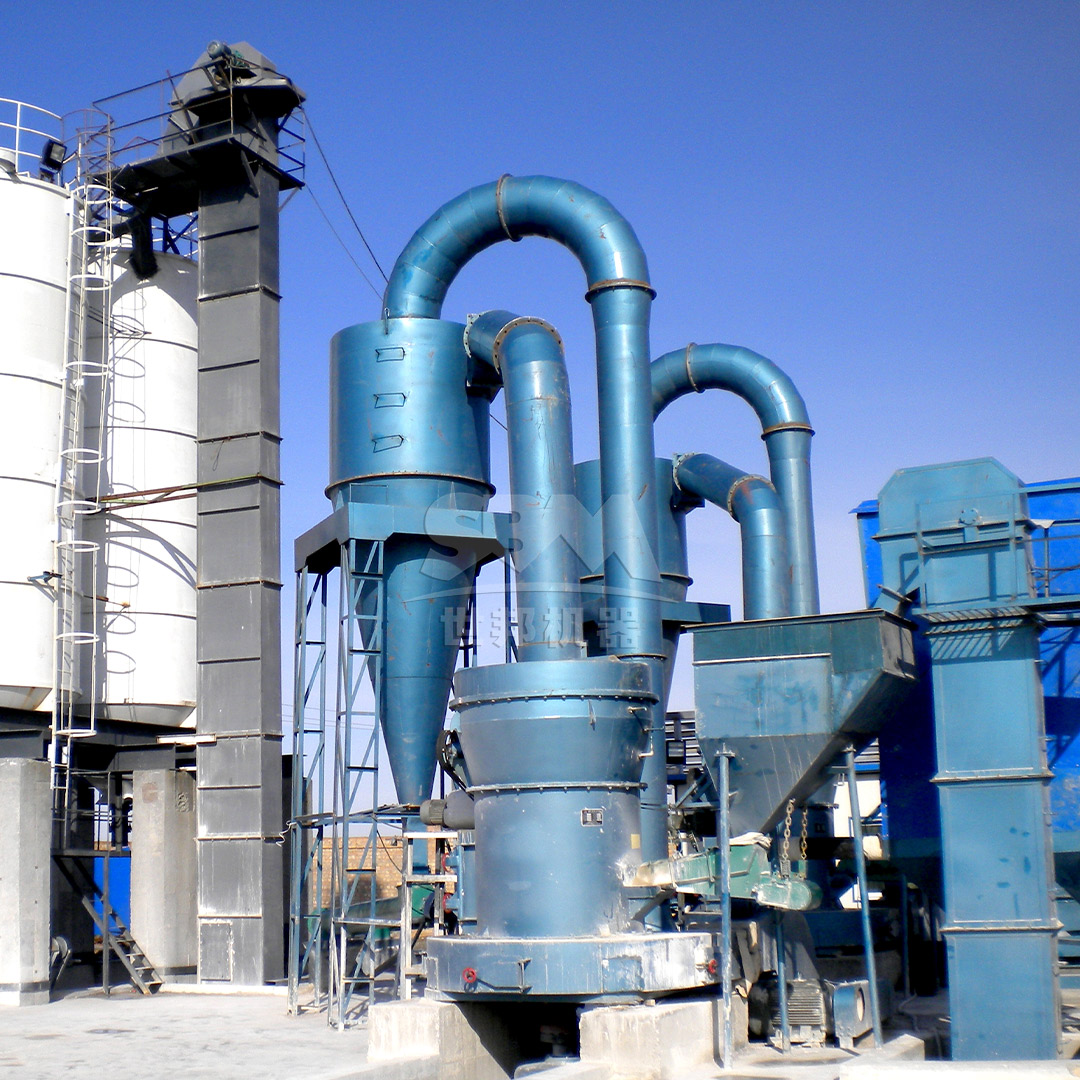
Before milling, talc ore undergoes several preparatory stages. Mined ore is first crushed in primary and secondary crushers (like jaw or hammer crushers) to reduce it to a manageable size, typically below 50mm. Beneficiation processes, including sorting, flotation, or magnetic separation, are then employed to remove impurities like carbonates, chlorite, and iron oxides, enhancing the talc’s brightness and chemical composition. The beneficiated talc, now with controlled chemistry, is dried to a low moisture content to prepare it for the most critical stage: fine grinding and classification.
The objective of the milling stage is to delaminate the talc platelets and reduce them to the target fineness—which can range from coarse fillers at 45 microns (325 mesh) to ultrafine grades below 10 microns (1250 mesh) or even finer for high-value applications. Simultaneously, a classification system must precisely separate the correctly sized particles from the oversized ones, which are recirculated for further grinding. This closed-circuit operation is essential for product uniformity, energy efficiency, and preventing over-grinding.
Choosing the right mill for talc involves balancing multiple factors:
Various milling technologies are employed in the talc industry, each with its own advantages and optimal application range.
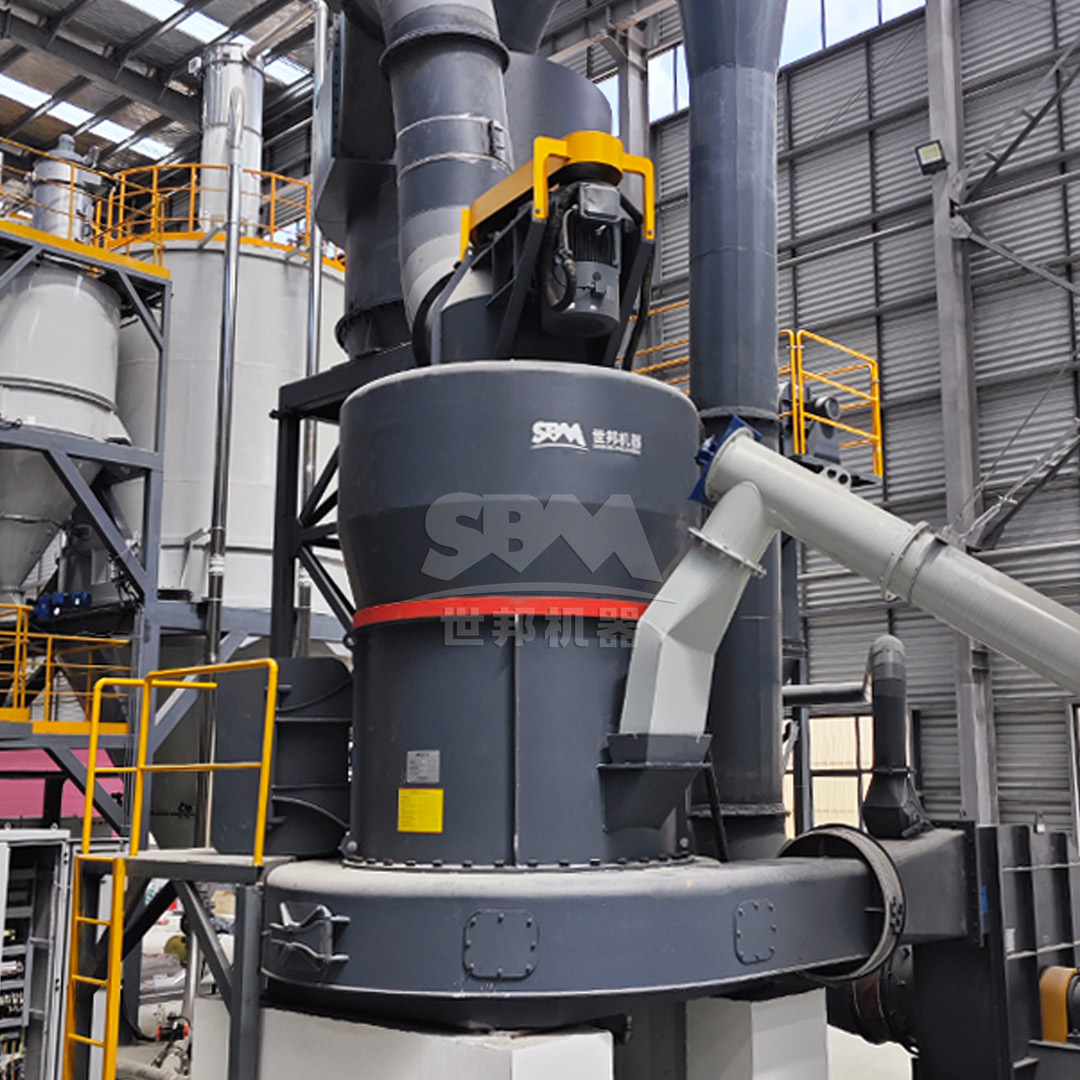
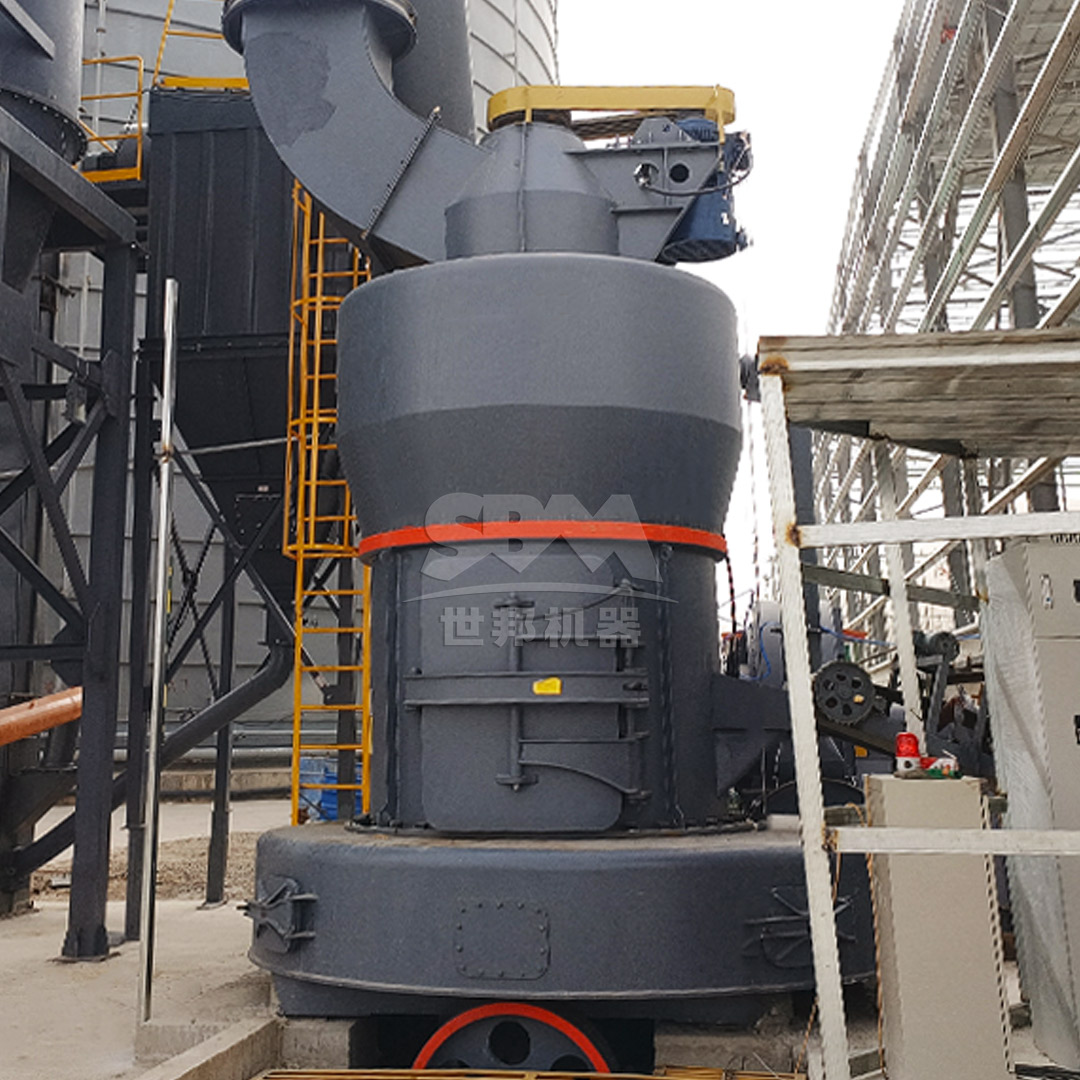
Ball mills, operating on the principle of impact and attrition using steel balls, have been a traditional choice. They are robust and capable of high capacities but are generally less energy-efficient for fine grinding and can generate more heat, potentially affecting product properties. Raymond-style roller mills (or pendulum mills) have been widely used for medium-fine grinding (45-325 mesh). They offer good reliability but may have limitations in achieving very tight particle size distributions or reaching the ultrafine range efficiently due to the mechanical classification methods often employed.
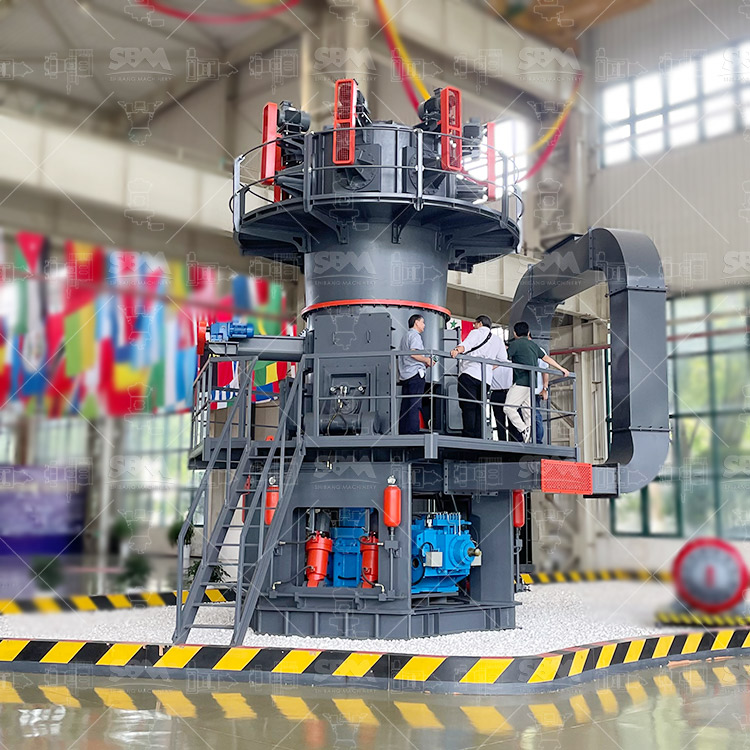
For high-capacity production of talc in the 45-325 mesh range, Vertical Roller Mills have become a preferred technology. A VRM integrates grinding, drying (if needed), and classification in a single compact unit. Material is ground between rollers and a rotating table, with hot air simultaneously drying and transporting the fines to an integrated classifier. Their primary advantages are significant energy savings (30-40% over ball mills), lower wear rates due to non-contact grinding principles, and a smaller plant footprint. For large-scale talc plants requiring consistent medium-fine powder, a VRM represents an excellent balance of performance and operating economy.
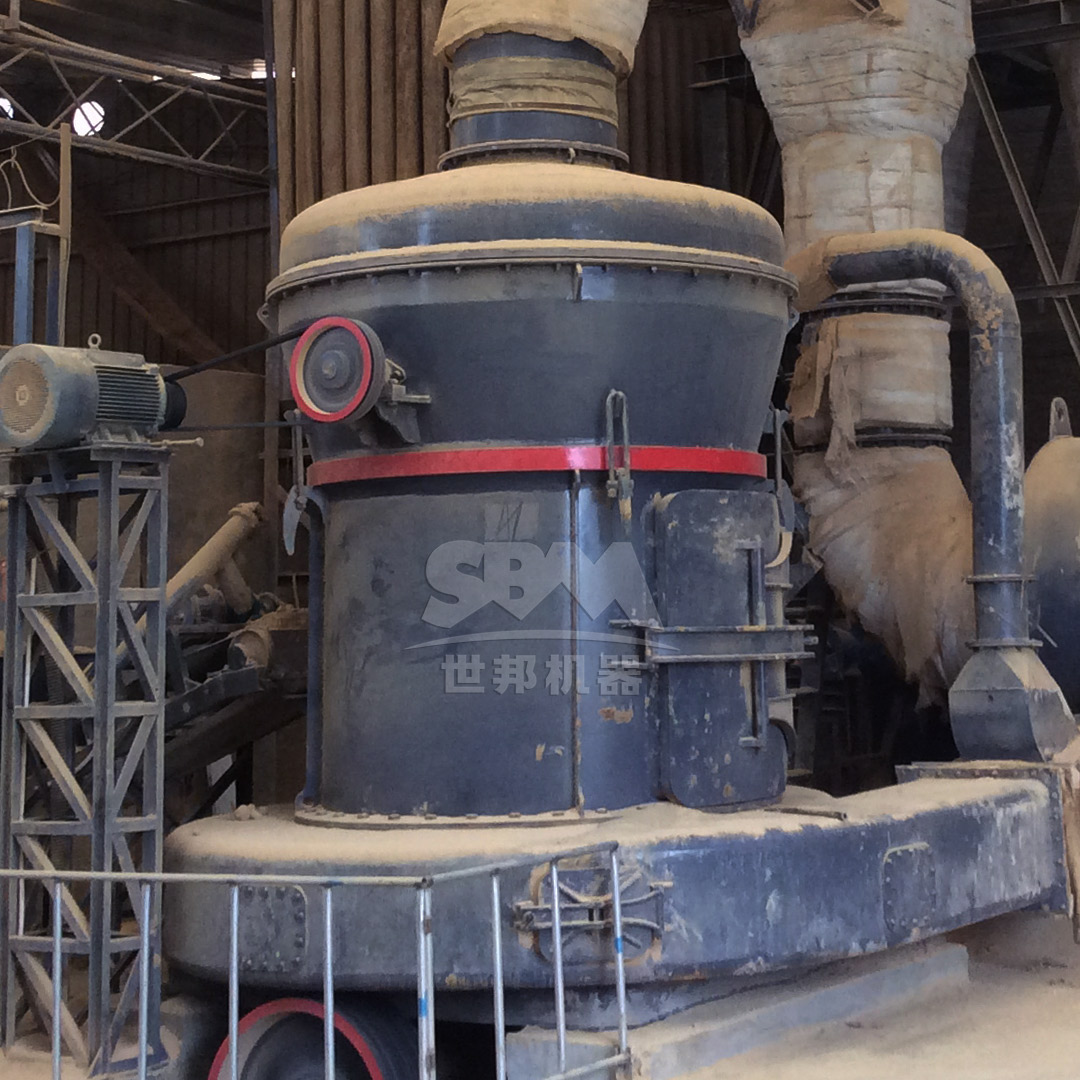
When the product specification calls for ultrafine talc (325-2500 mesh / 5-45μm) with a high degree of lamellar delamination and a narrow particle size distribution, specialized equipment is required. This is where advanced ring-roller mill designs with dynamic classifiers excel.
We recommend our SCM Series Ultrafine Mill as the ideal core equipment for producing high-grade ultrafine talc powder. This mill is engineered specifically for the challenges of efficient ultrafine grinding.
Its working principle involves a three-layer grinding ring driven by the main motor. Material is fed into the grinding chamber and dispersed by centrifugal force. Multiple grinding rollers apply pressure to the material bed on the rotating rings, achieving progressive, layer-by-layer comminution. The critical component is the high-precision vertical turbine classifier mounted atop the mill. It provides sharp particle size cuts, ensuring no coarse particles contaminate the final product, which is crucial for applications in cosmetics or high-performance polymers.
The technical advantages of the SCM Ultrafine Mill for talc processing are compelling:
| Model | Capacity (t/h) | Main Power (kW) | Feed Size (mm) | Output Fineness (mesh) |
|---|---|---|---|---|
| SCM800 | 0.5 – 4.5 | 75 | ≤20 | 325 – 2500 |
| SCM900 | 0.8 – 6.5 | 90 | ≤20 | 325 – 2500 |
| SCM1000 | 1.0 – 8.5 | 132 | ≤20 | 325 – 2500 |
| SCM1250 | 2.5 – 14 | 185 | ≤20 | 325 – 2500 |
| SCM1680 | 5.0 – 25 | 315 | ≤20 | 325 – 2500 |
No mill operates optimally without an efficient classifier. For talc, dynamic air classifiers are essential. They separate particles by balancing centrifugal force and drag force in an air stream. Modern high-efficiency classifiers, like the vertical turbine type used in the SCM mill, offer several advantages:
The classifier is not just a separator; it is a key determinant of the final product’s particle size distribution (PSD).
A complete talc powder plant is more than just a mill. Key auxiliary systems include:
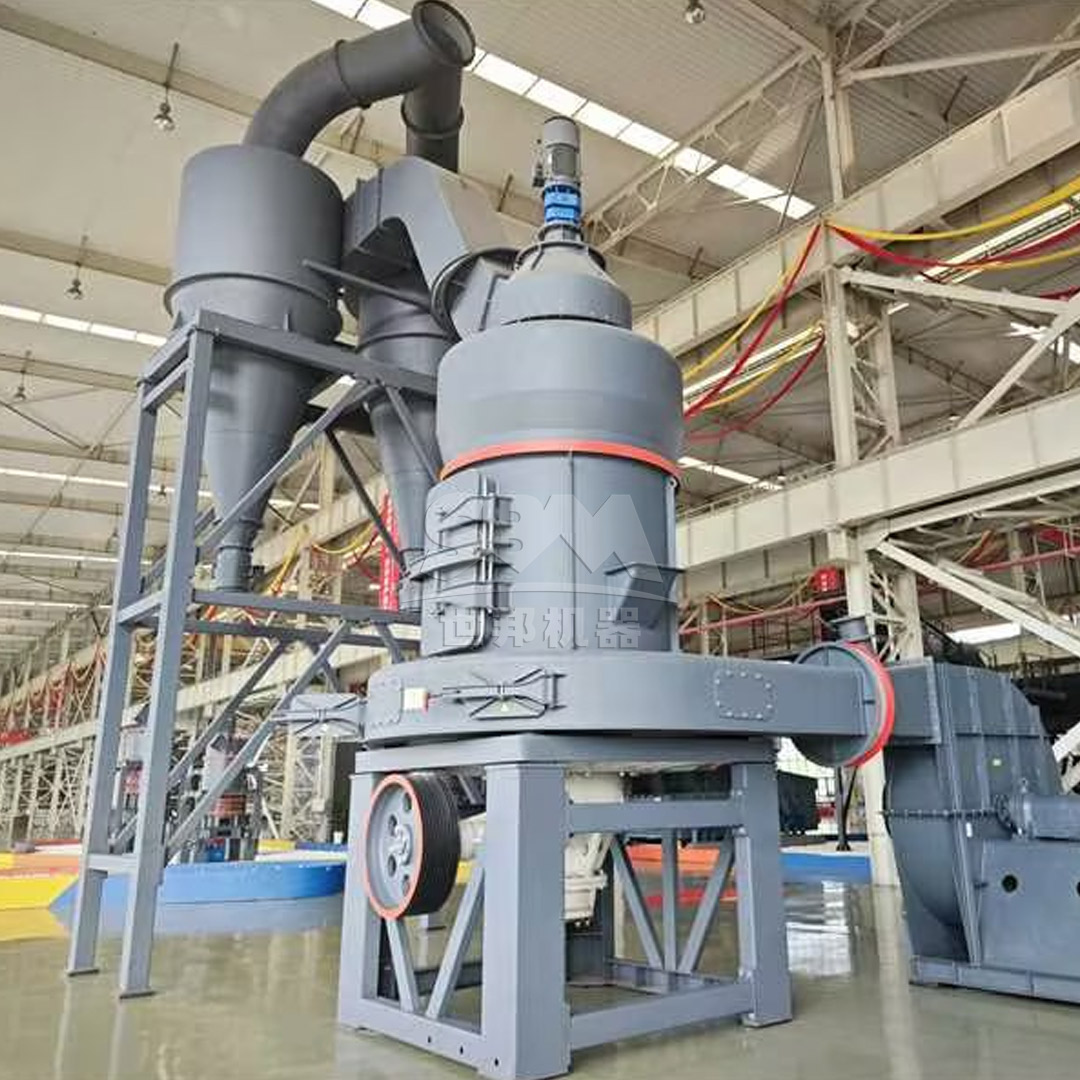
The success of a talc powder processing plant hinges on the intelligent selection and integration of milling and classification equipment. While traditional mills have their place, the industry is moving towards more efficient, precise, and automated solutions. For high-volume production of fine talc, Vertical Roller Mills offer outstanding efficiency. For the demanding ultrafine market, where product quality and narrow PSD are critical, advanced ring-roller mills with integrated dynamic classifiers, such as our SCM Series Ultrafine Mill, provide the necessary technological edge. By understanding the material properties, target specifications, and total cost of ownership, producers can invest in a milling system that ensures long-term competitiveness in the global talc market.