The processing of post-calcined coke, a critical material in industries ranging from aluminum smelting to advanced carbon products, presents unique challenges for grinding equipment. Its high hardness, moderate to high abrasiveness, and specific fineness requirements for downstream applications demand a careful and informed selection of milling technology. Choosing the wrong equipment can lead to excessive wear, high energy consumption, inconsistent product quality, and significant operational downtime. This guide provides a comprehensive framework for selecting the optimal grinding mill for post-calcined coke, focusing on key material characteristics, process requirements, and the technological advantages of modern milling solutions.
Before selecting equipment, it is crucial to understand the material’s properties. Post-calcined coke, produced by heating green petroleum coke to temperatures between 1200°C and 1350°C, undergoes significant structural changes.
| Material Property | Typical Range for Post-calcined Coke | Impact on Mill Selection |
|---|---|---|
| Hardness (Mohs) | 2.5 – 3.5 | Dictates wear material quality and mill design robustness. |
| Input Size | ≤ 50 mm | Determines if pre-crushing is needed and mill inlet design. |
| Target Fineness | 4mm – 5μm (5 – 2500 mesh) | Primary driver for mill type selection (coarse, medium, fine, ultrafine). |
| Abrasiveness | High | Requires mills with superior wear protection and easy maintenance features. |
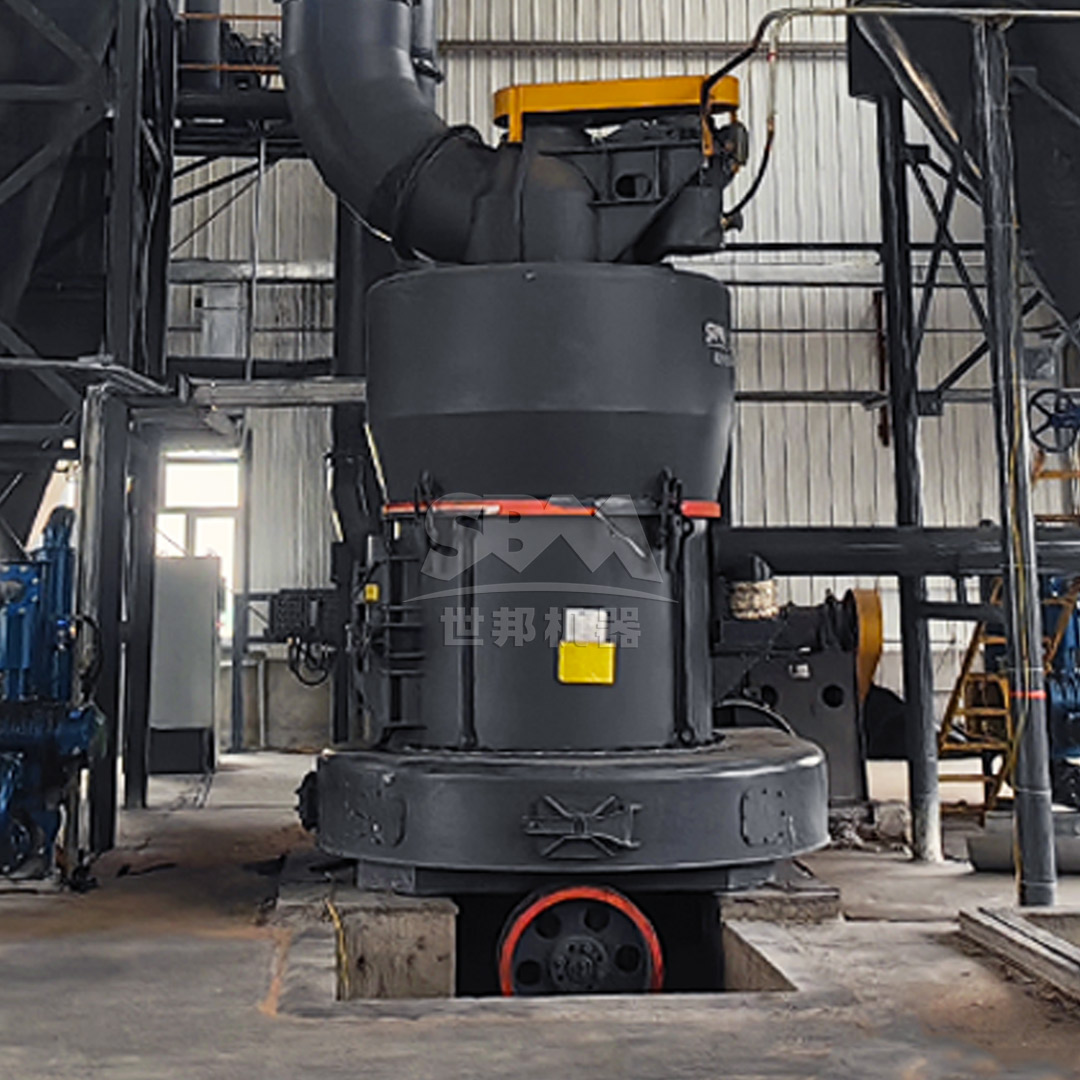
Selecting the right mill involves balancing multiple, often competing, factors. The following criteria should form the core of your evaluation.
This is the most critical factor. Mills are fundamentally categorized by their effective grinding range.
Required throughput (tons per hour) must align with the mill’s design capacity. Consider not just the mill’s peak output but its energy consumption (kWh/ton) across the target fineness range. Modern mills integrate crushing, grinding, drying, classifying, and conveying into a single system, significantly boosting overall plant efficiency.
Given coke’s abrasiveness, the design and material of wear parts (rollers, grinding rings/tables, liners) are paramount. Look for mills featuring:
Modern processing demands environmental compliance and operational simplicity.
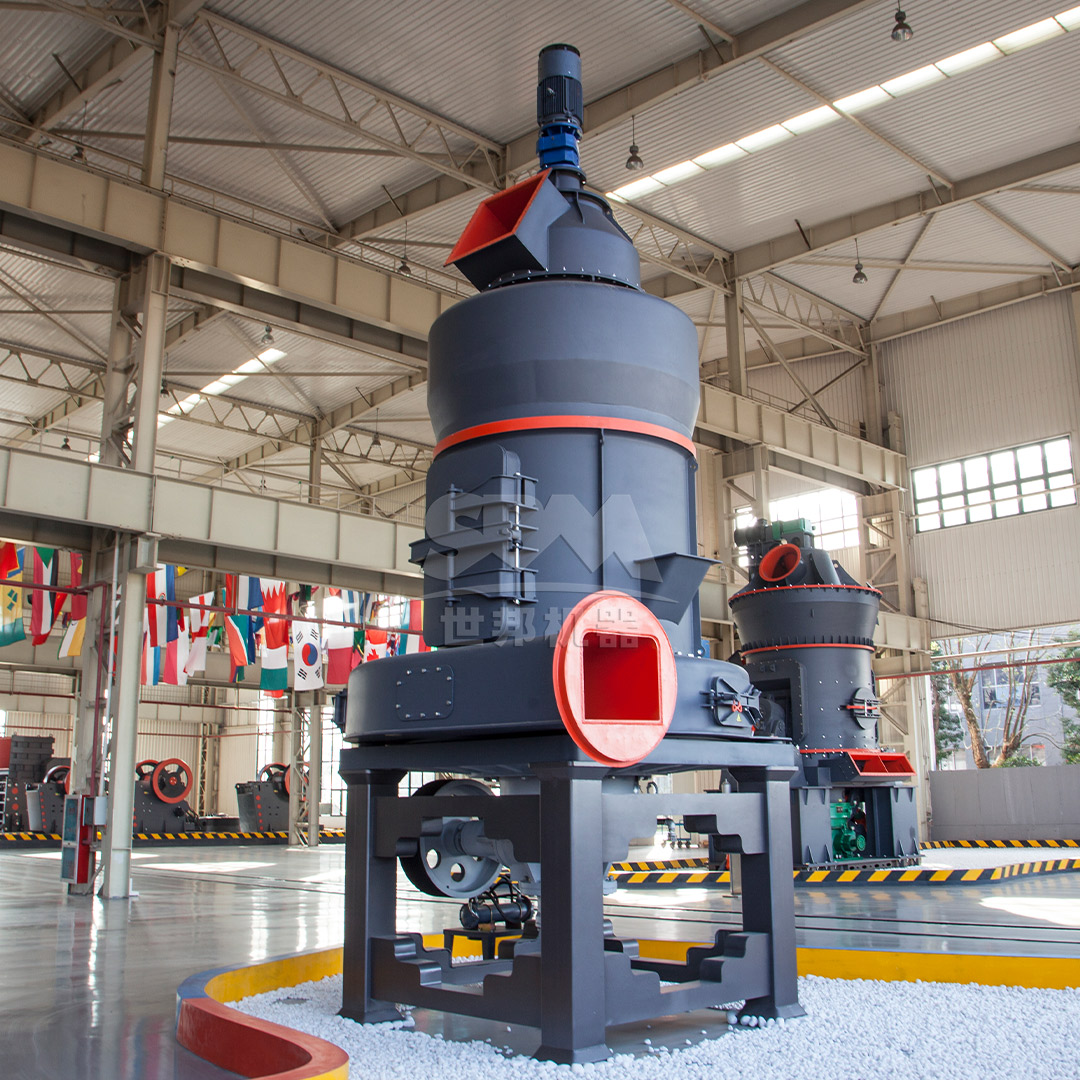
Based on the above criteria, two mill technologies stand out for their efficiency, durability, and precision in processing post-calcined coke across different fineness spectrums.
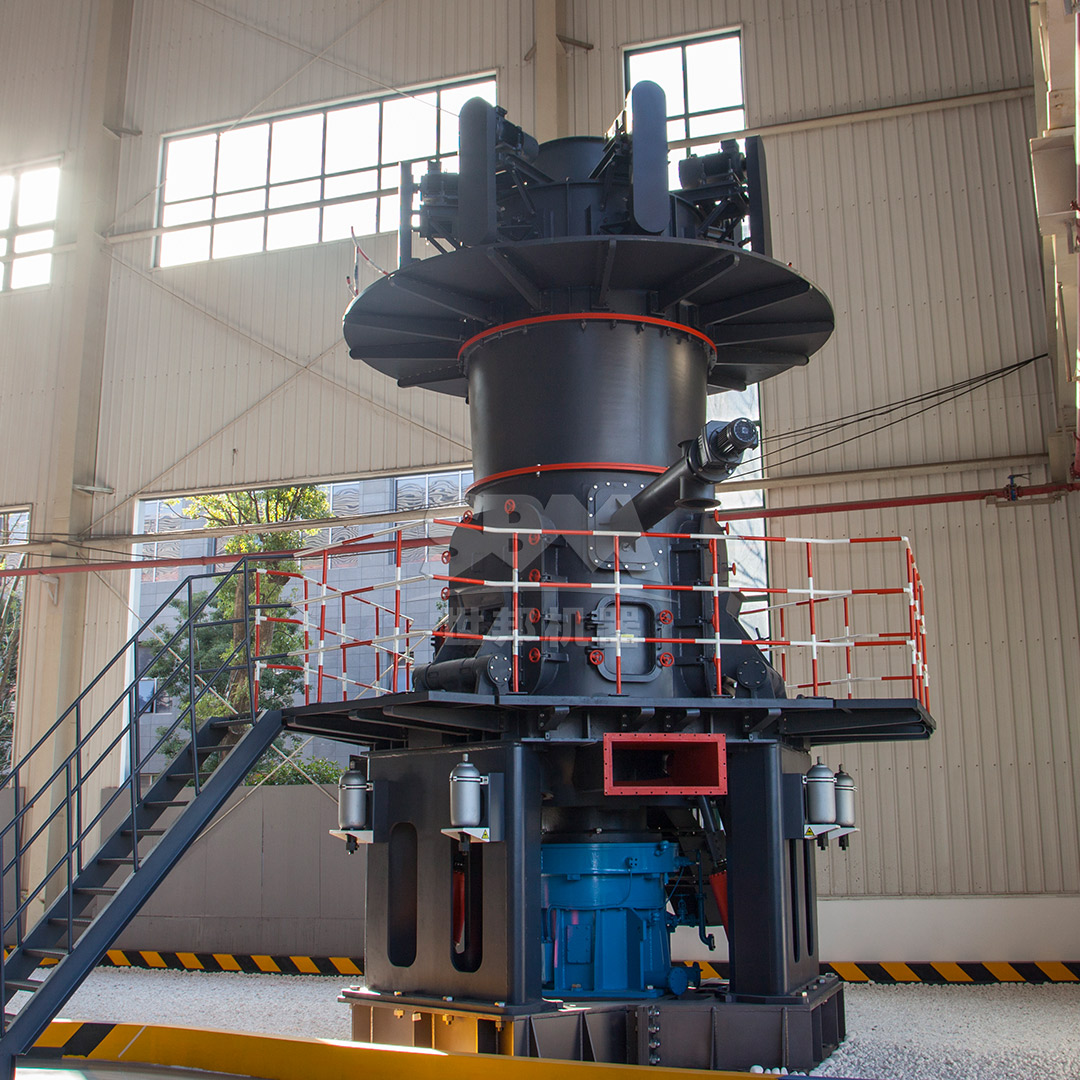
When the application demands consistently fine or ultrafine powders, the SCM Series Ultrafine Mill represents a top-tier solution. Engineered for high abrasion materials, it combines robust construction with precision classification.
Why it excels for ultrafine coke grinding:
| Model | Capacity (t/h) | Main Power (kW) | Feed Size (mm) | Output Fineness (mesh) |
|---|---|---|---|---|
| SCM800 | 0.5 – 4.5 | 75 | ≤20 | 325 – 2500 |
| SCM1000 | 1.0 – 8.5 | 132 | ≤20 | 325 – 2500 |
| SCM1680 | 5.0 – 25 | 315 | ≤20 | 325 – 2500 |
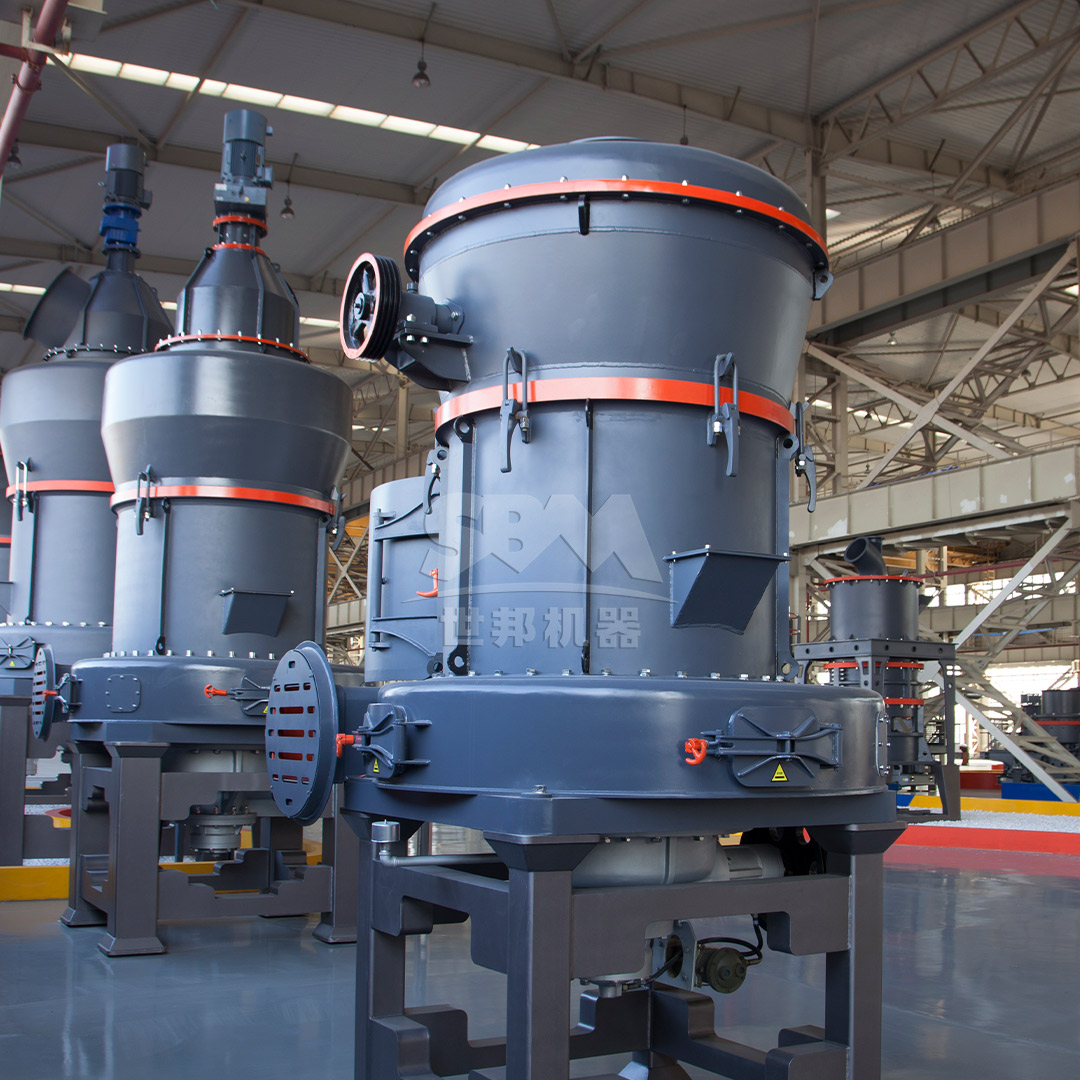
For high-capacity production of finely ground coke where ultrafineness is not the primary goal, the MTW Series European Trapezium Mill offers an unbeatable balance of performance, reliability, and cost-effectiveness.
Why it excels for medium-fine coke grinding:
The successful grinding of post-calcined coke hinges on a methodical selection process that prioritizes the target product specification while rigorously accounting for the material’s abrasive nature. A one-size-fits-all approach does not exist.
For operations targeting the ultrafine powder market (325-2500 mesh), the SCM Series Ultrafine Mill is the recommended choice due to its unparalleled classification accuracy, energy efficiency, and durability in fine grinding applications.
For high-volume production of fine powders (30-325 mesh), such as for carbon anodes, the MTW Series European Trapezium Mill provides a robust, efficient, and low-maintenance solution designed to withstand abrasive service and deliver consistent output.
Ultimately, partnering with a supplier that offers comprehensive test grinding services, detailed process engineering support, and reliable after-sales service is as crucial as the technology itself. By aligning the inherent properties of post-calcined coke with the advanced capabilities of modern milling equipment, producers can achieve optimal productivity, product quality, and long-term operational economy.