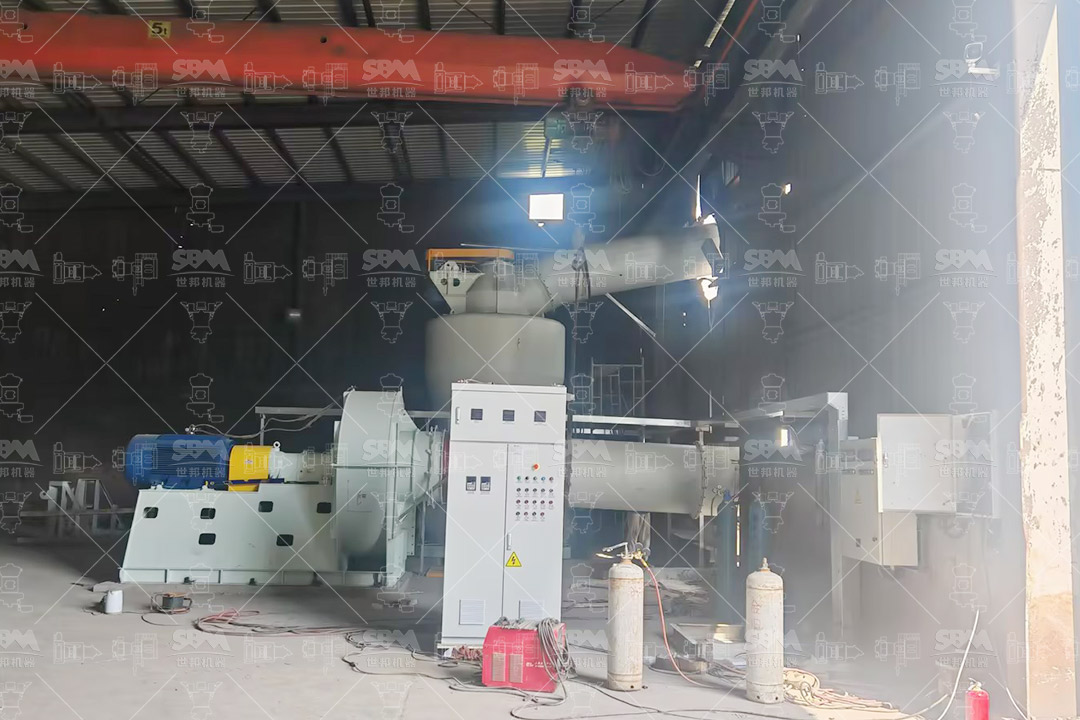
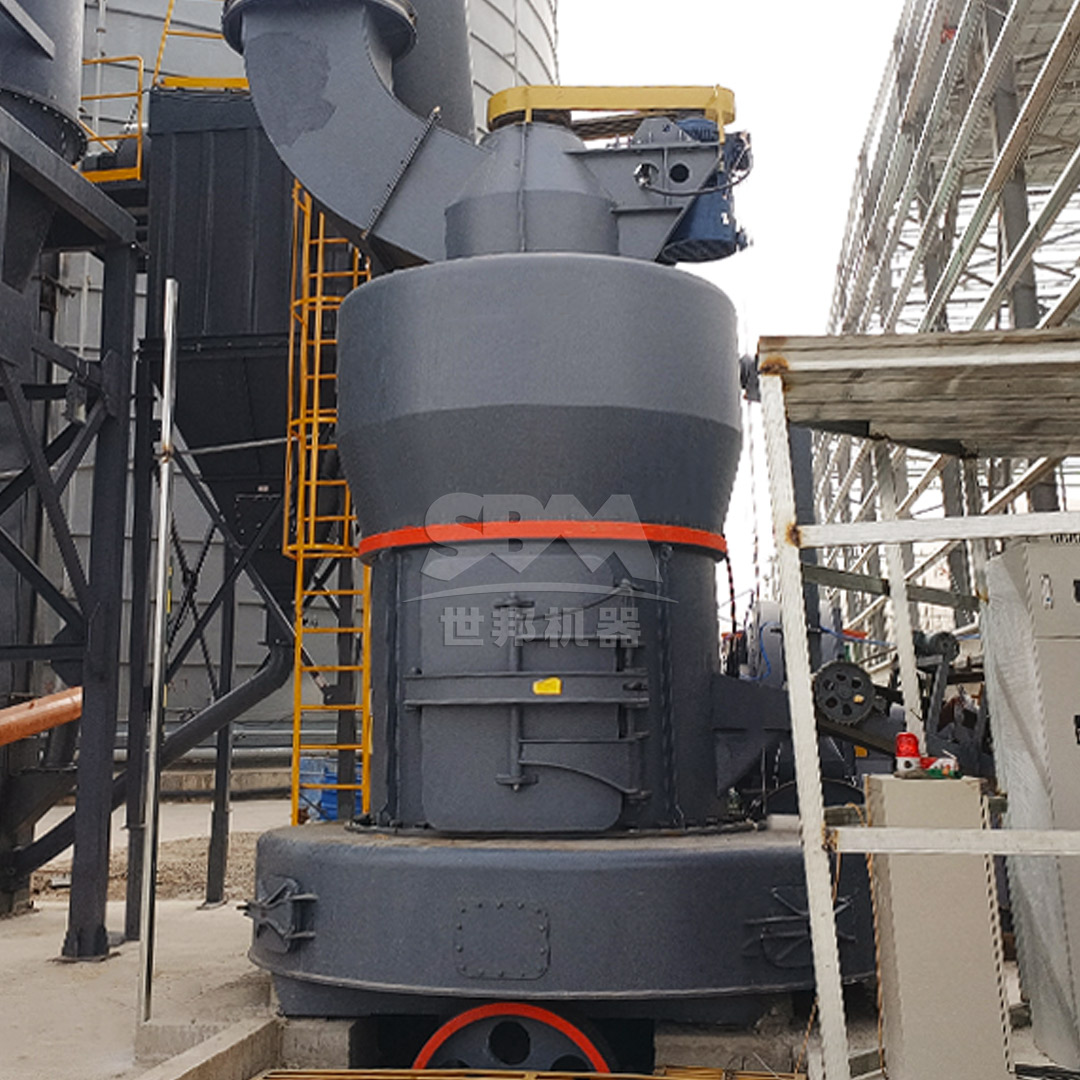
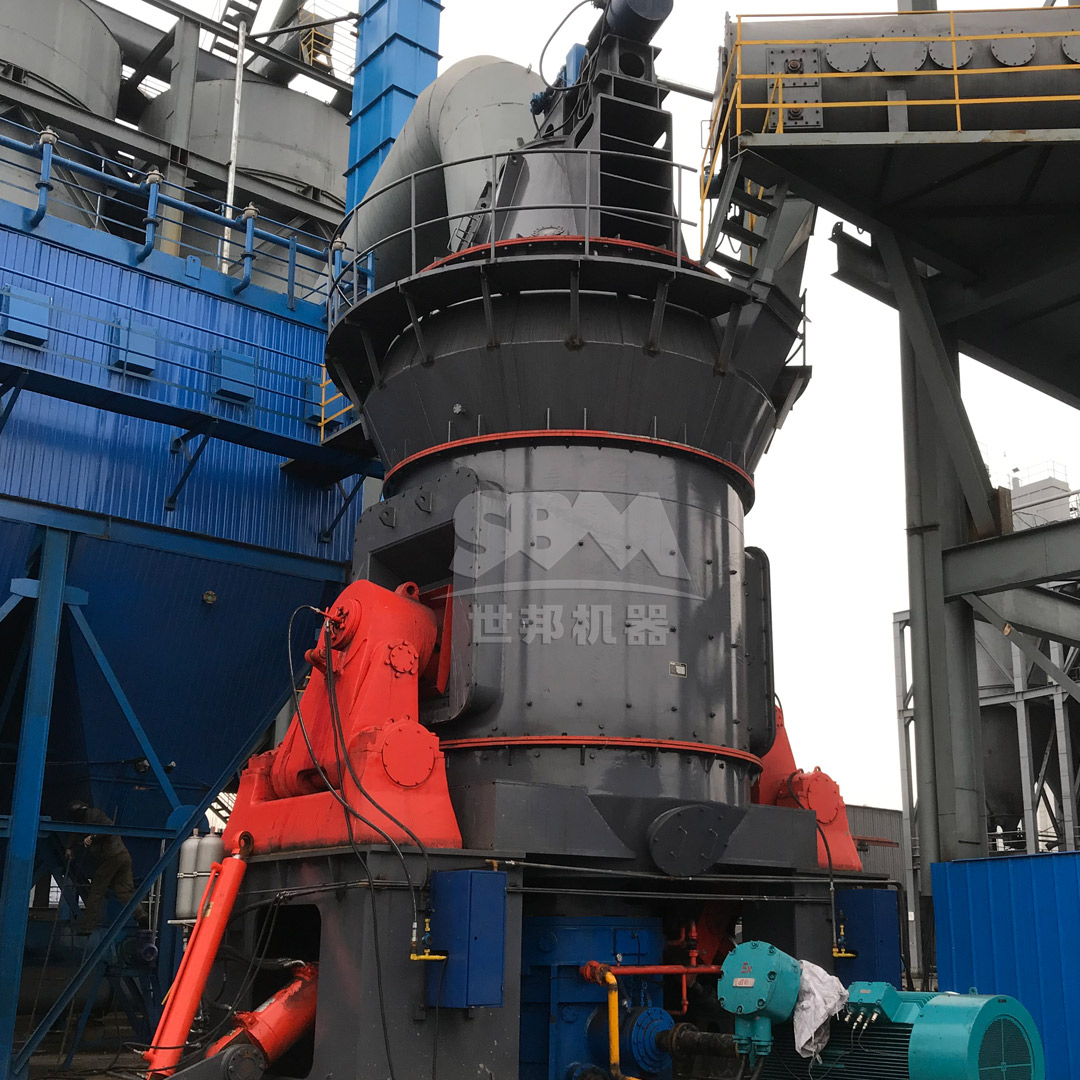
Slag, a by-product of industrial processes such as iron and steel production, has evolved from a waste material into a valuable resource. Its utilization in cement production, concrete additives, and road construction hinges on effective grinding to achieve the required fineness and reactivity. Selecting the appropriate grinding mill is therefore a critical decision that impacts product quality, operational efficiency, and overall project economics. This guide provides a comprehensive overview of the primary types of slag grinding mills and key factors to consider for optimal equipment selection.
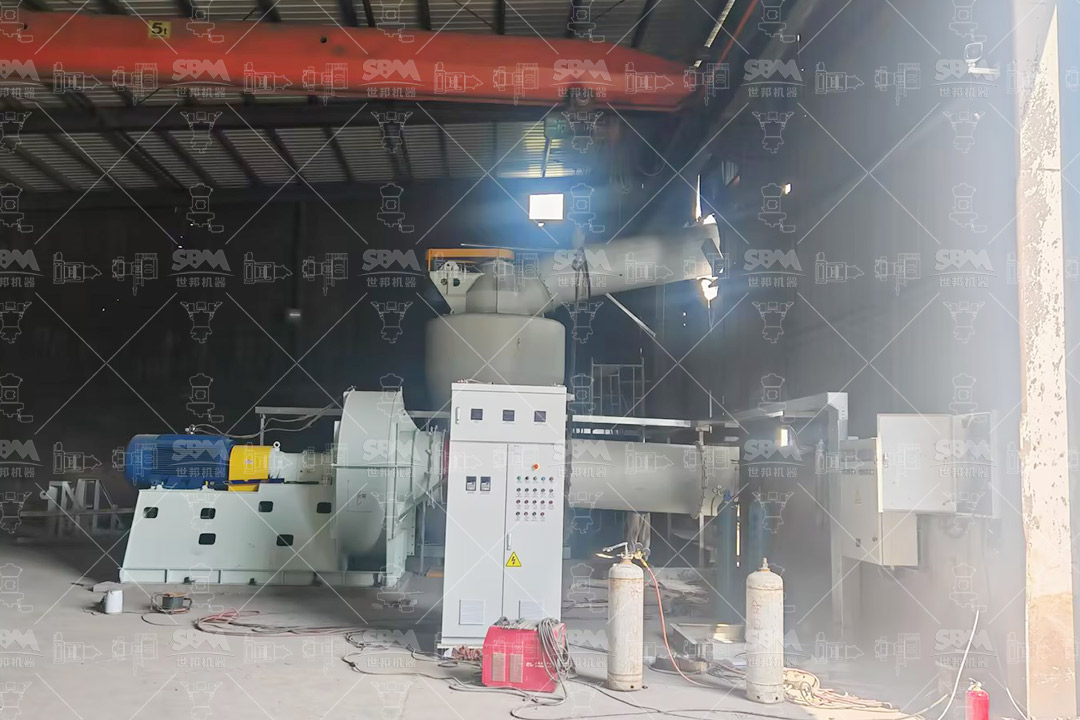
The choice of mill depends heavily on the desired final fineness, required capacity, moisture content of the feed material, and energy consumption targets. Below are the most prevalent technologies in the industry.
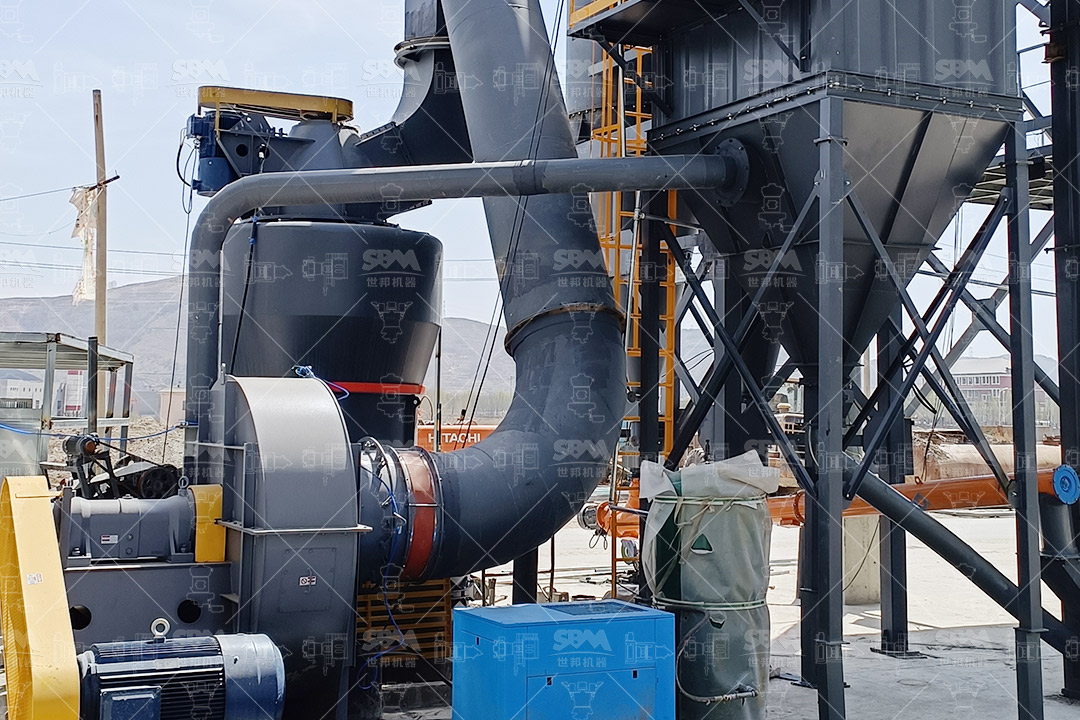
The Vertical Roller Mill has become the dominant technology for slag grinding due to its high energy efficiency and integrated drying capability. Material is ground between rollers and a rotating table, with hot gas simultaneously drying and transporting the powder to an integrated classifier.
Key Characteristics:
The traditional workhorse, ball mills operate on the principle of impact and attrition as grinding media (steel balls) cascade inside a rotating cylinder. They are highly reliable and can handle a wide variety of materials.
Key Characteristics:
Often used in combination with a ball mill, the roller press applies extremely high pressure to a bed of material, causing inter-particle crushing. It is highly efficient for size reduction but typically produces a flaky product that requires further finishing in a ball mill.
Key Characteristics:
For applications requiring slag powder with high specific surface area (e.g., >600 m²/kg), specialized ultrafine grinding technologies are employed.
Choosing the right mill requires a systematic evaluation of multiple parameters.
| Factor | Description | Key Questions |
|---|---|---|
| Feed Material Properties | Moisture, grindability (Bond Work Index), abrasiveness, feed size. | Is drying required? How hard is the slag? What is the expected wear rate? |
| Product Requirements | Target fineness (Blaine or sieve residue), particle size distribution, production capacity. | What is the final application (cement, concrete)? What is the required hourly/annual output? |
| Operational Costs | Power consumption, wear part consumption, maintenance labor. | What is the kWh/ton target? What is the expected lifetime of rollers/liners/balls? |
| Capital Investment | Mill price, auxiliary equipment (feeders, classifiers, dust collectors), installation, civil works. | What is the total installed cost? Does the layout favor a compact VRM or a longer ball mill? |
| Environmental & Space | Noise, dust emissions, physical footprint, height restrictions. | Is the plant in a noise-sensitive area? Is space limited? |
Based on the prevailing trends towards higher efficiency and finer products, two of our flagship grinding solutions stand out for slag processing applications.
For high-capacity production of ground granulated blast furnace slag (GGBS) with excellent efficiency, our LM Vertical Roller Mill series is the industry benchmark. Specifically, the LM Slag Mill models (e.g., LM130N to LM370N) are engineered to handle the abrasiveness and moisture content of slag.
Why it excels for slag:
With capacities ranging from 4 to over 110 tons per hour and the ability to achieve a wide range of fineness, the LM series is ideal for modern, large-scale slag grinding plants.
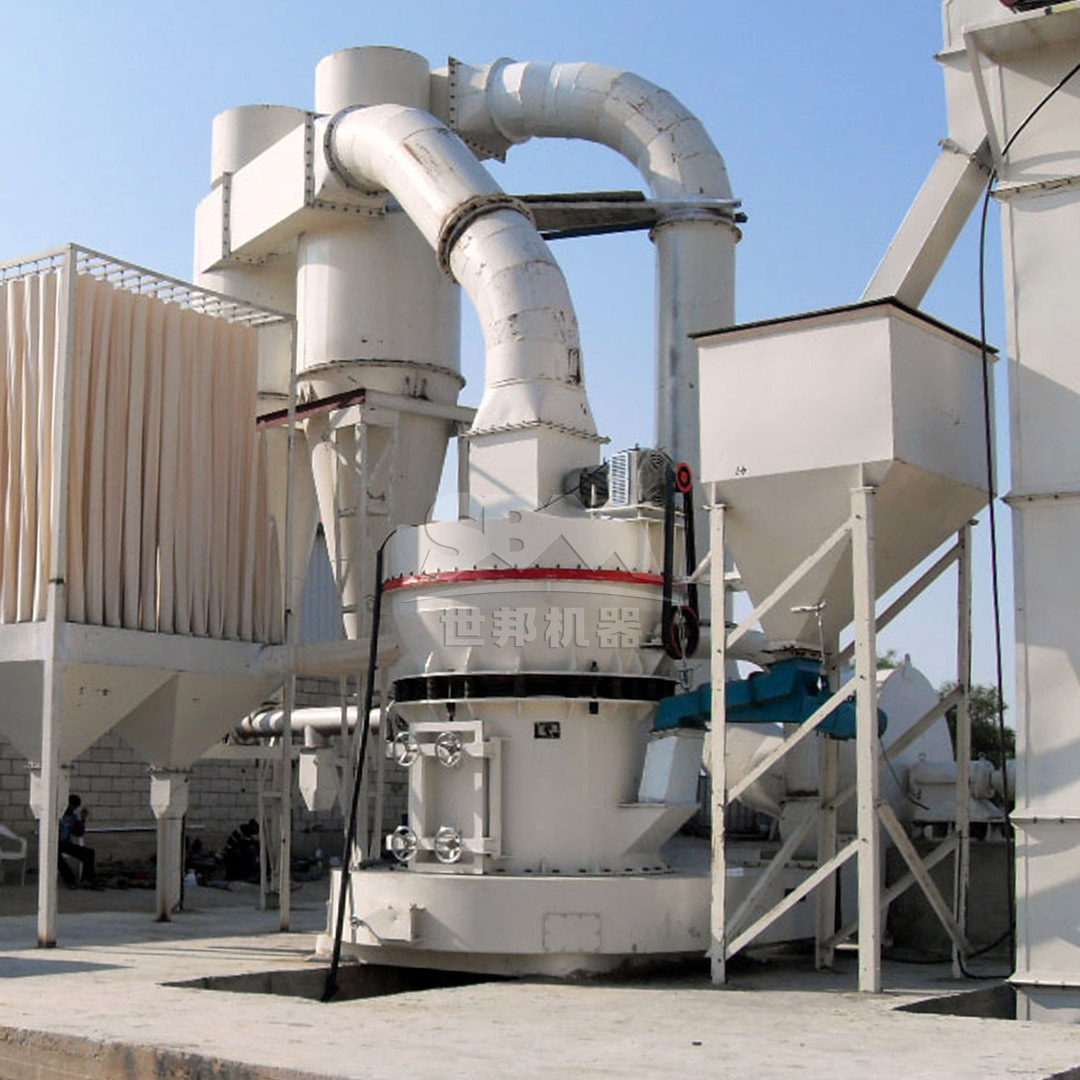
When the application demands ultra-fine slag powder (e.g., for high-performance concrete or specialty composites), our SCM Series Ultrafine Mill provides an unbeatable solution. Capable of producing powder from 325 to 2500 mesh (45-5μm), it transforms slag into a high-value additive.
Core advantages include:
Models like the SCM1250 (2.5-14 t/h) or the high-capacity SCM1680 (5-25 t/h) are perfectly suited for producing premium slag micro-powder with exceptional economic and environmental performance.
The selection of a slag grinding mill is a strategic decision with long-term implications for productivity and profitability. While ball mills offer reliability, the shift towards Vertical Roller Mills is driven by compelling advantages in energy savings, drying integration, and space efficiency. For ultra-fine applications, advanced mills like the SCM series are essential. A thorough analysis of material characteristics, product specifications, and total cost of ownership is paramount. By aligning the technology with the specific project goals—whether it’s high-volume GGBS production with our LM series or high-value micro-powder with our SCM series—operators can ensure an efficient, sustainable, and competitive slag processing operation.