Limestone, a fundamental raw material across industries from construction to agriculture and chemicals, requires precise size reduction to unlock its full potential. The selection of an appropriate grinding mill is paramount, directly impacting product quality, production efficiency, operational costs, and environmental compliance. This guide provides a comprehensive overview of the primary limestone grinding mill types, their working principles, and key selection criteria, empowering you to make an informed decision for your specific application.
Choosing the right mill involves a careful analysis of your project’s specific requirements. The following factors are critical:
This is the most decisive factor. Limestone applications range from coarse aggregates (several mm) to ultrafine fillers (below 10μm). Clearly define your target particle size distribution.
The mill must meet your throughput requirements consistently. Consider both current needs and potential future expansion.
Analyze the hardness (Mohs scale), moisture content, feed size, and abrasiveness of your limestone. These properties influence wear rates and energy consumption.
Grinding is energy-intensive. Mills with higher grinding efficiency and lower specific energy consumption (kWh/ton) significantly reduce long-term operating expenses.
Available plant space and installation complexity vary greatly between compact, integrated systems and traditional, multi-component setups.
Modern operations demand effective dust collection, low noise levels, and minimal emissions. The mill system should be designed for clean, enclosed operation.
Different mill designs apply distinct size reduction principles, making them suitable for specific fineness ranges and applications.
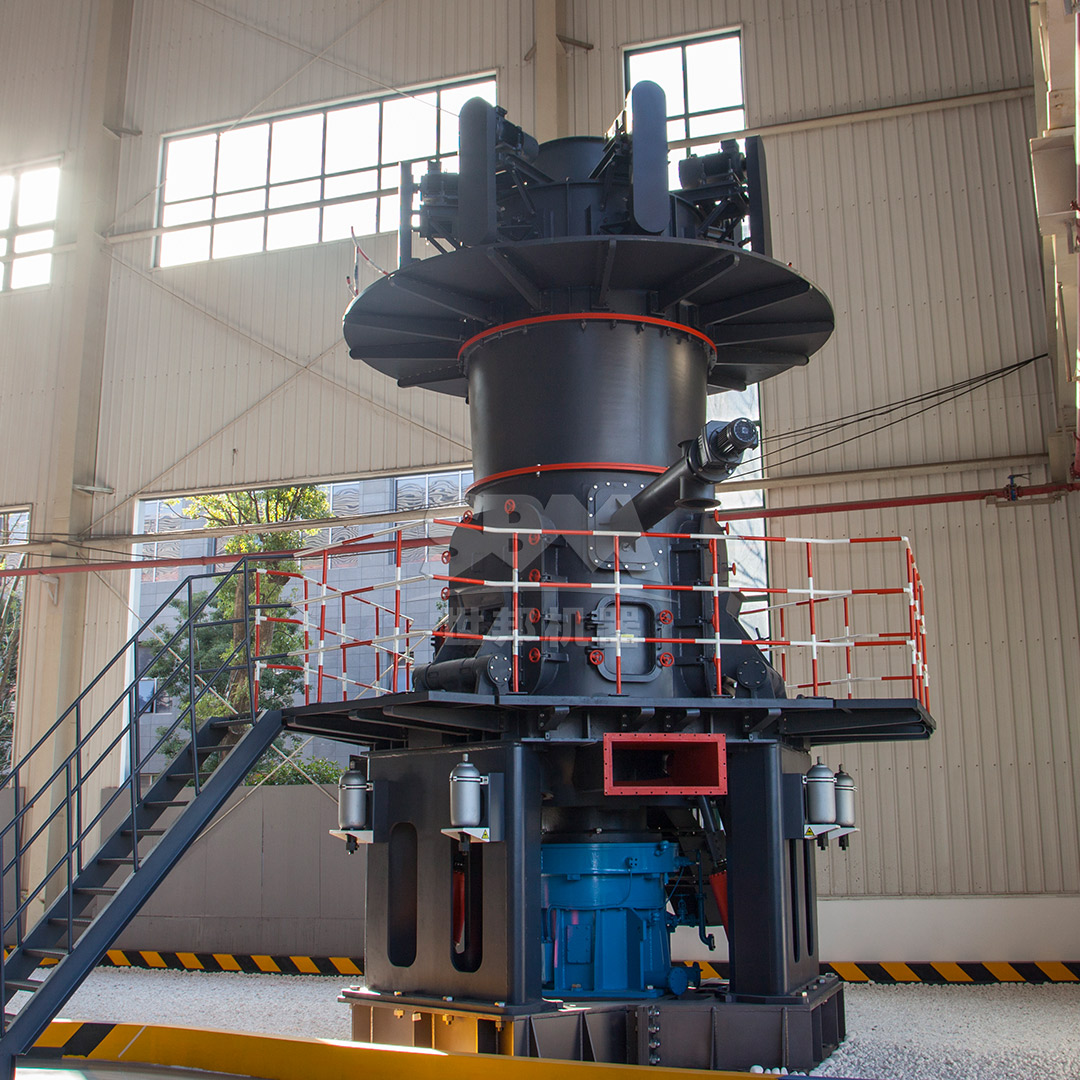
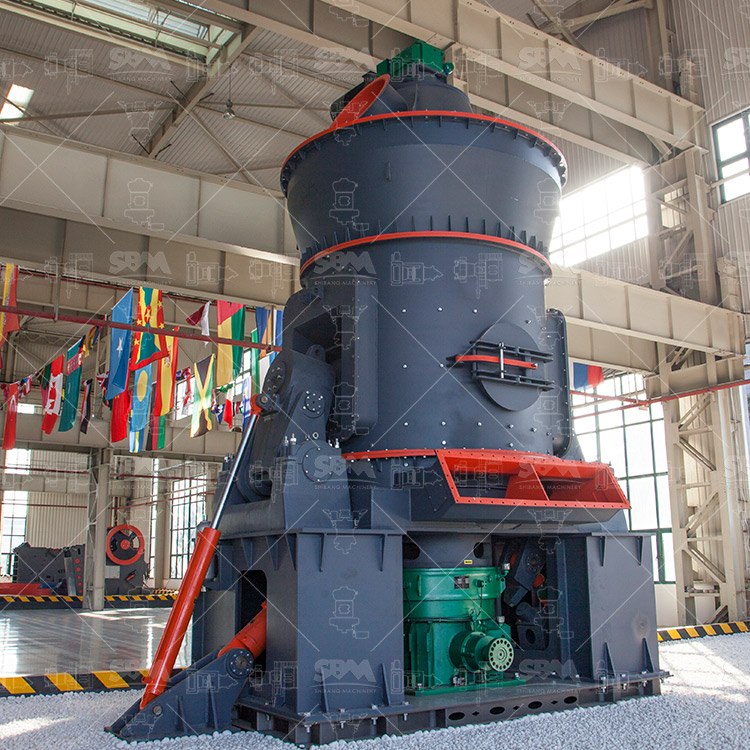
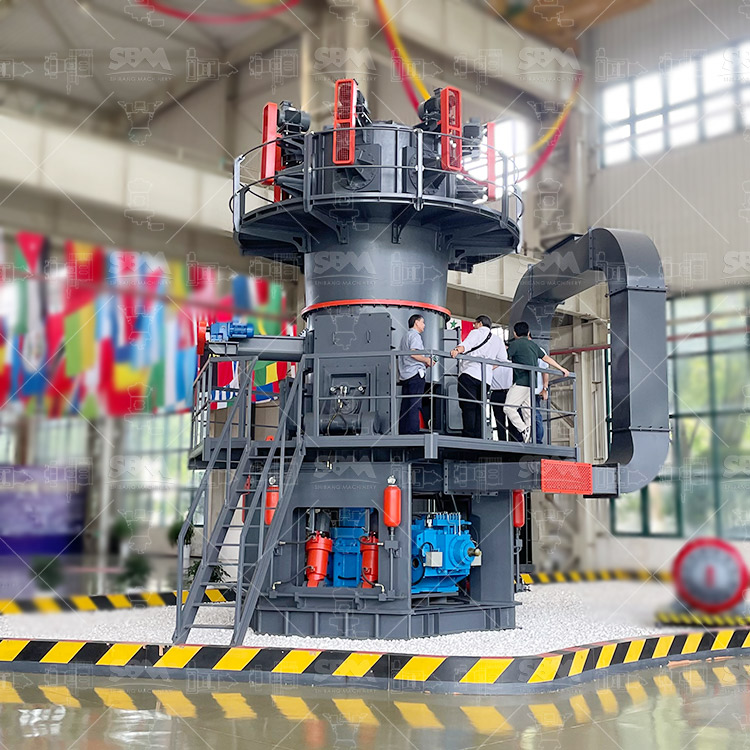
Principle: Material is fed onto a rotating grinding table and crushed under hydraulic pressure from rollers. Ground material is transported by air to an integrated classifier; coarse particles fall back to the table for regrinding.
Typical Fineness: 30-325 mesh (600-45μm), with special models reaching 600 mesh.
Ideal For: Medium to large-scale production of medium-fine powders. Excellent for direct firing systems and integrated grinding-drying.
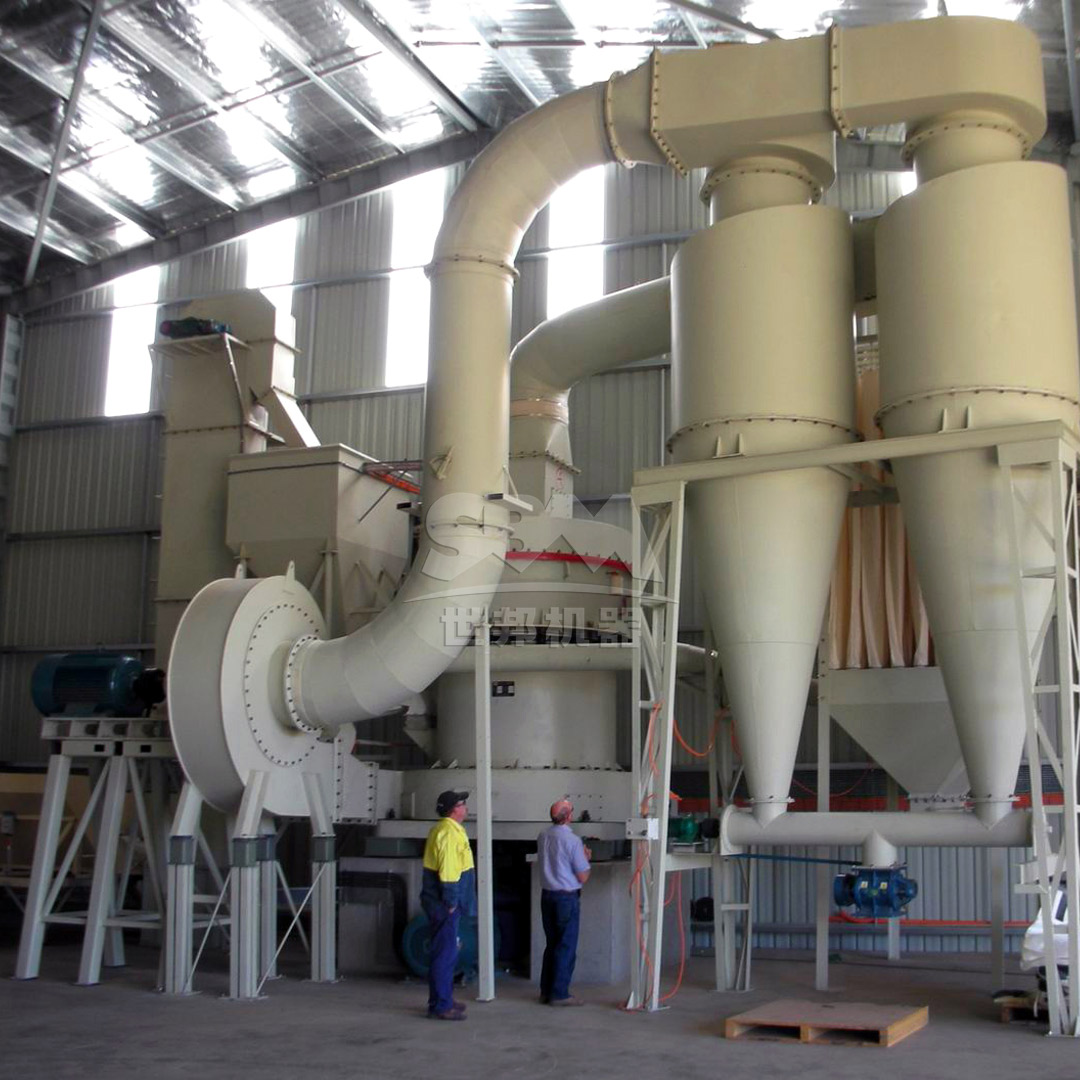
Principle: A swing-mounted roller assembly revolves around a central axis, applying centrifugal force to press rollers against a stationary grinding ring. Shovels feed material into the grinding zone, and an air classifier separates the fines.
Typical Fineness: 30-325 mesh (600-45μm).
Ideal For: Producing fine powder for industries like paint, plastics, and chemicals. Known for reliable performance and ease of operation.
Principle: A horizontal rotating cylinder is partially filled with grinding media (steel balls). The material is crushed by impact and attrition as the media cascade.
Typical Fineness: 0.074-0.8mm (200-20 mesh). Can achieve finer sizes with closed-circuit classification.
Ideal For: Both dry and wet grinding. A versatile workhorse for coarse to medium-fine grinding, often used in cement and mineral processing.
Principle: Advanced versions of roller mills or specialized designs (like ring-roller mills) that combine high-pressure grinding with extremely precise air classification.
Typical Fineness: 325-2500 mesh (45-5μm and finer).
Ideal For: High-value applications requiring ultrafine or nano-sized limestone powders, such as high-grade paper, premium plastics, adhesives, and pharmaceuticals.
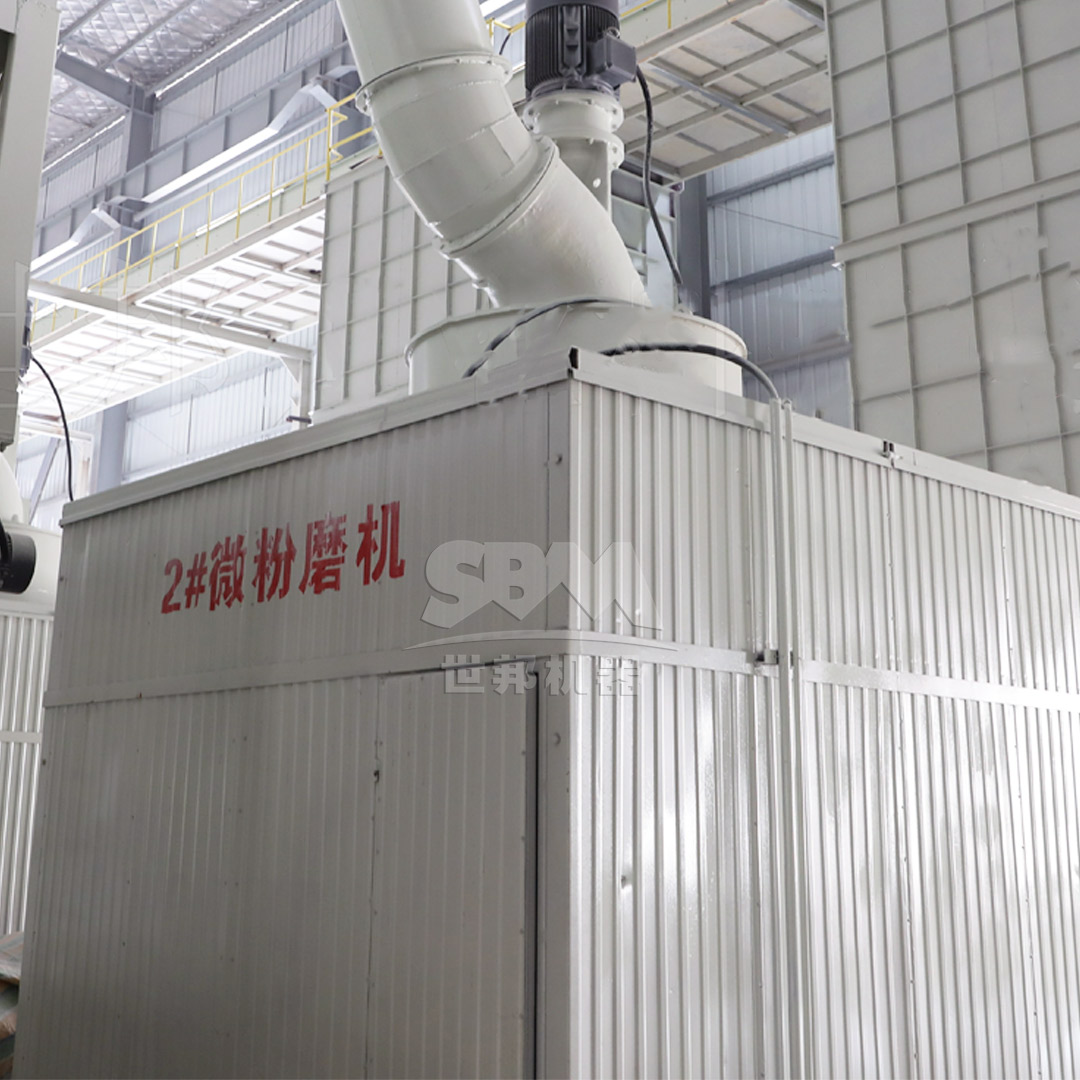
Principle: Rapidly rotating hammers impact and shatter the material against liner plates until particles are small enough to pass through a screen at the discharge.
Typical Fineness: 0-3mm (coarse powder).
Ideal For: Primary or secondary crushing of limestone to a relatively coarse powder, often as a pre-grinding step before finer milling.
| Mill Type | Typical Output Fineness | Key Advantages | Primary Applications |
|---|---|---|---|
| Vertical Roller Mill (VRM) | 30-325 mesh (up to 600 mesh) | High efficiency, integrated drying, low energy use | Medium-fine powder for construction, industry |
| Raymond Mill | 30-325 mesh | Stable, reliable, wide application | Fine powder for filler, chemicals, desulfurization |
| Ball Mill | 0.074-0.8mm | High capacity, versatile, wet/dry grinding | Coarse grinding for cement, aggregates |
| Ultrafine Mill | 325-2500 mesh | Extremely fine powder, precise classification | High-value fillers for plastics, paper, coatings |
| Hammer Mill | 0-3mm | High reduction ratio, simple structure | Primary/secondary crushing to coarse powder |
Based on the diverse needs of limestone processing, we highlight two of our flagship grinding systems designed for efficiency, reliability, and superior product quality.
For applications demanding the finest limestone powders, our SCM Series Ultrafine Mill is the industry benchmark. It excels in producing powders between 325 and 2500 mesh (45-5μm) with exceptional uniformity.
Core Advantages:
| Model | Capacity (t/h) | Main Power (kW) | Output Fineness |
|---|---|---|---|
| SCM800 | 0.5 – 4.5 | 75 | 325 – 2500 mesh |
| SCM900 | 0.8 – 6.5 | 90 | |
| SCM1000 | 1.0 – 8.5 | 132 | |
| SCM1250 | 2.5 – 14 | 185 | |
| SCM1680 | 5.0 – 25 | 315 |
For high-capacity production of fine to medium-fine limestone powder (30-325 mesh), the MTW Series European Trapezium Mill represents the next generation of roller mill technology.
Core Advantages:
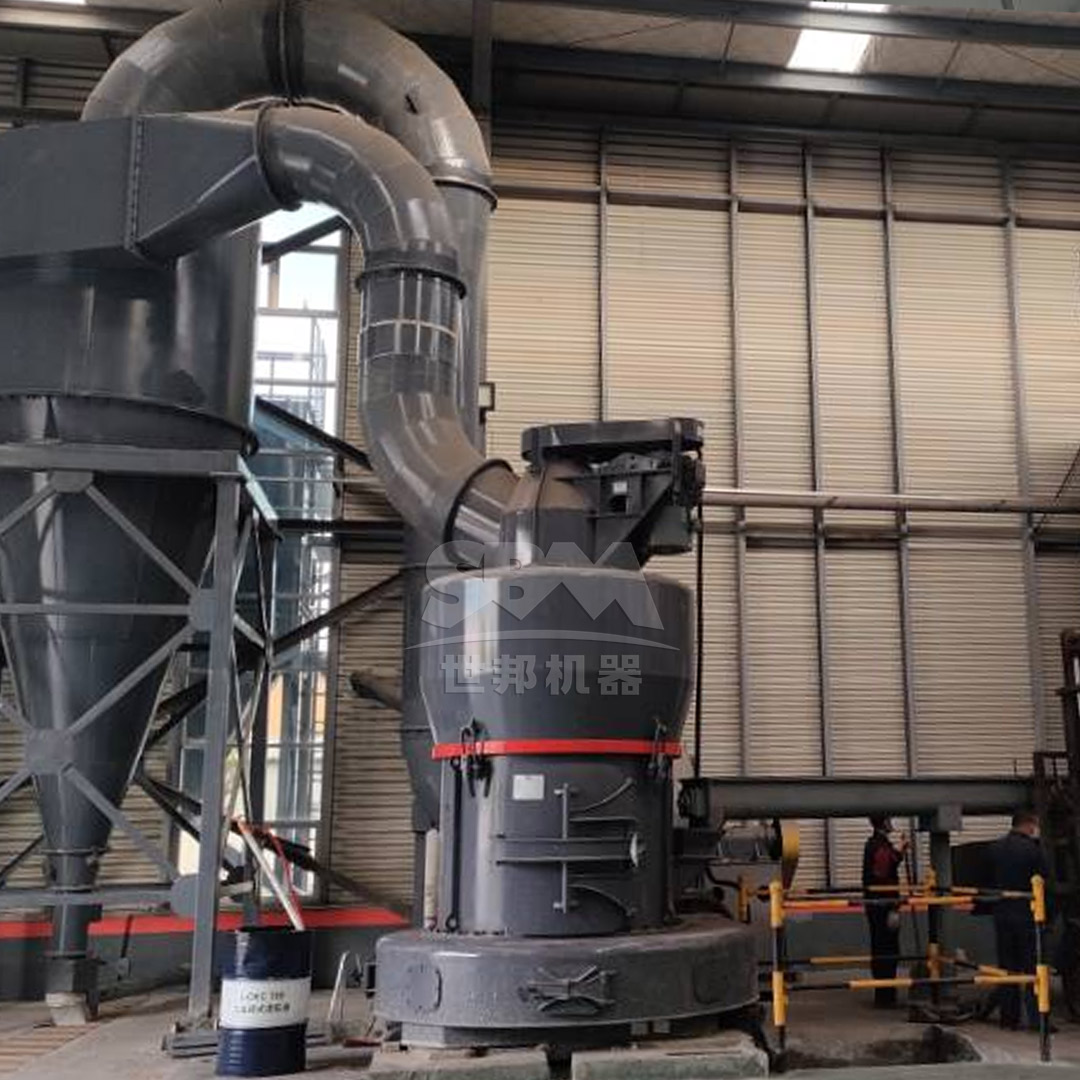
Selecting the optimal limestone grinding mill is a strategic decision that balances technical requirements with economic and operational goals. For coarse to medium-fine grinding at high capacities, the MTW European Trapezium Mill offers unparalleled efficiency and durability. When your project targets the high-value, ultrafine powder market, the SCM Ultrafine Mill provides the precision, product quality, and energy savings necessary to stay competitive.
We recommend a thorough evaluation of your material characteristics, target specifications, and production goals. Our technical team is available to provide detailed analysis and recommend the perfect milling solution tailored to your specific limestone processing needs.