The production of high-quality calcium carbonate (CaCO3) powder is a cornerstone of numerous industries, including plastics, paints, coatings, paper, and construction. Achieving the desired particle size distribution, fineness, brightness, and purity requires a sophisticated interplay of crushing, grinding, classification, and material handling technologies. Selecting the right processing equipment is not merely a matter of capacity; it directly impacts product quality, operational efficiency, energy consumption, and overall plant profitability. This article provides a comprehensive overview of the core equipment used in calcium carbonate processing, from coarse grinding to ultrafine powder production, and explores the advantages of integrated plant solutions.
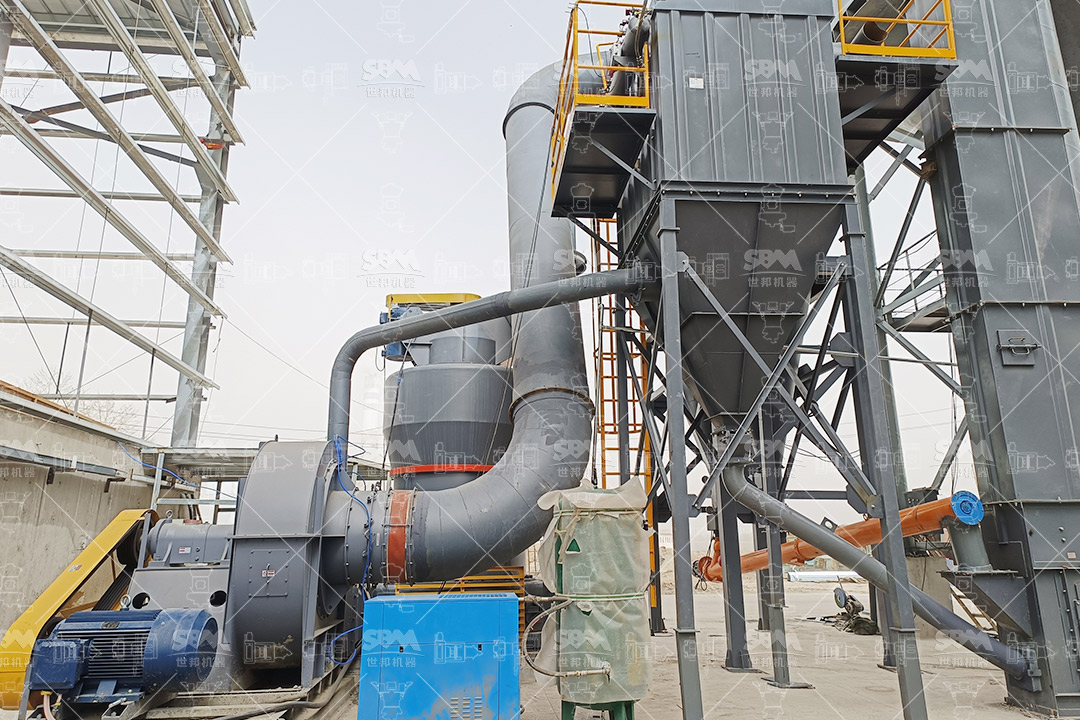
The transformation of raw limestone or marble into a marketable calcium carbonate powder typically follows a multi-stage process. Each stage employs specialized machinery designed for specific size reduction and separation tasks.
Raw material with a large feed size (up to several hundred millimeters) first undergoes primary crushing, often using jaw crushers or impact crushers, to reduce it to a manageable size (typically below 50mm). For further pre-grinding, Hammer Mills are highly effective. They offer high capacity, a significant crushing ratio, and a compact structure, making them ideal for producing a 0-3mm feed suitable for fine grinding mills. Their wear-resistant liners, often made of high manganese steel, ensure longevity in abrasive applications.
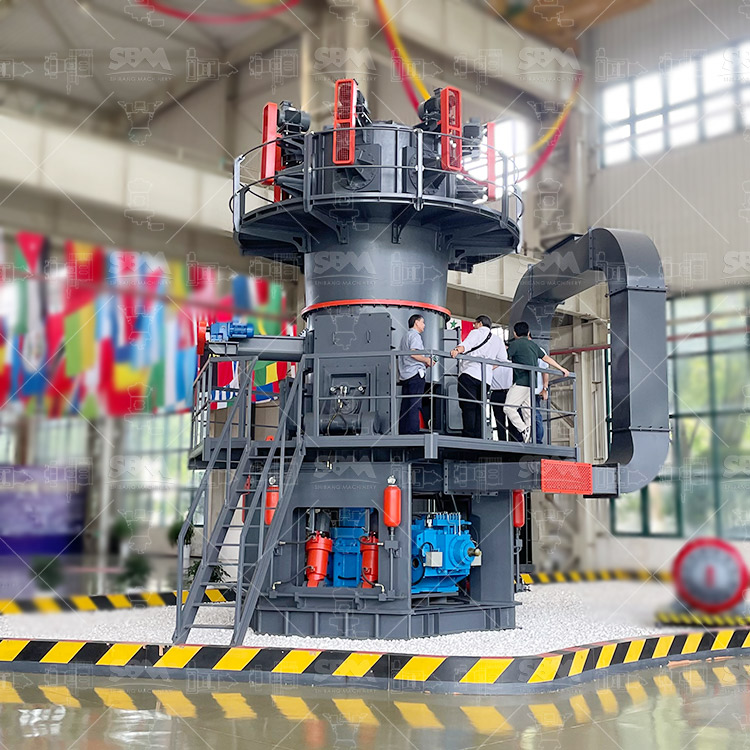
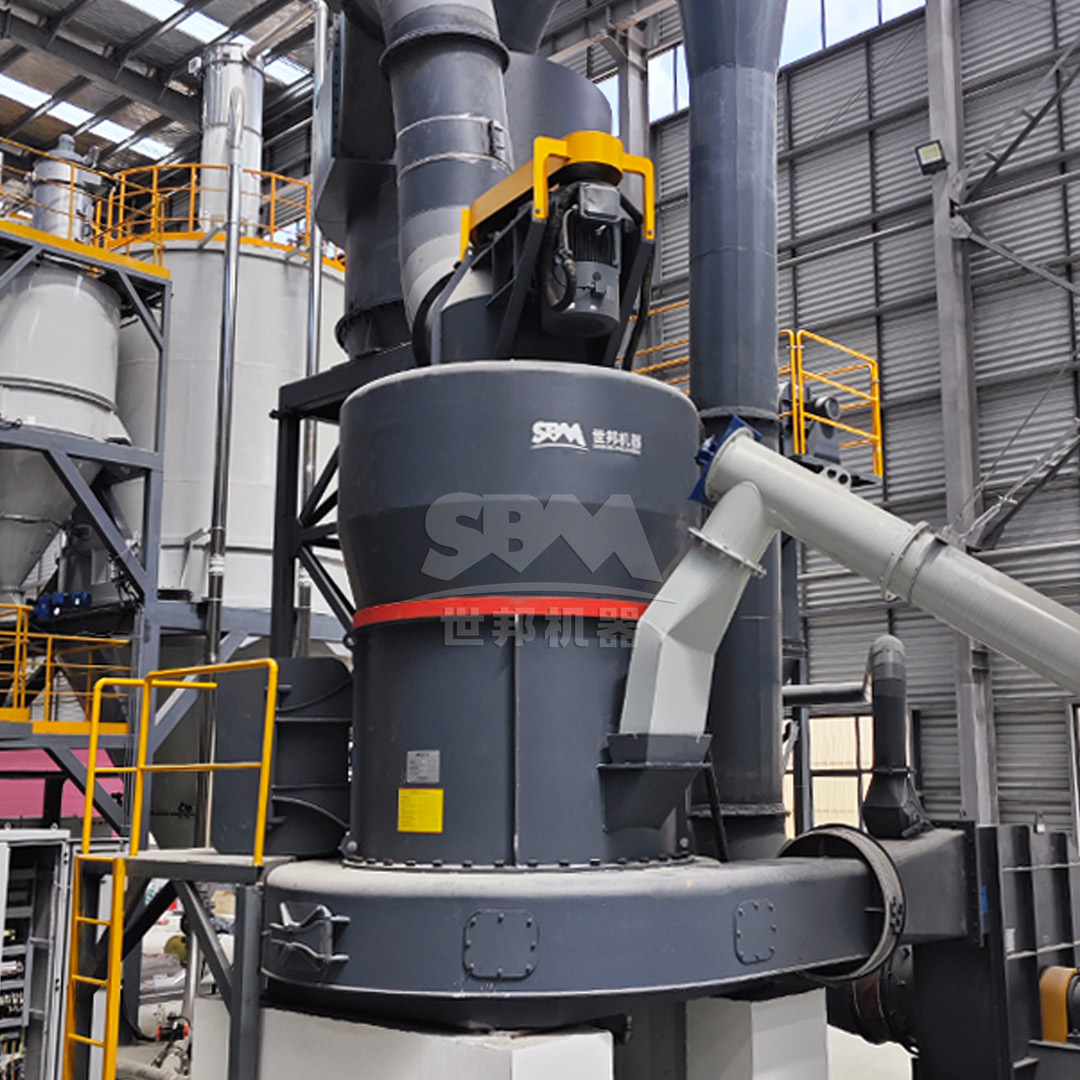
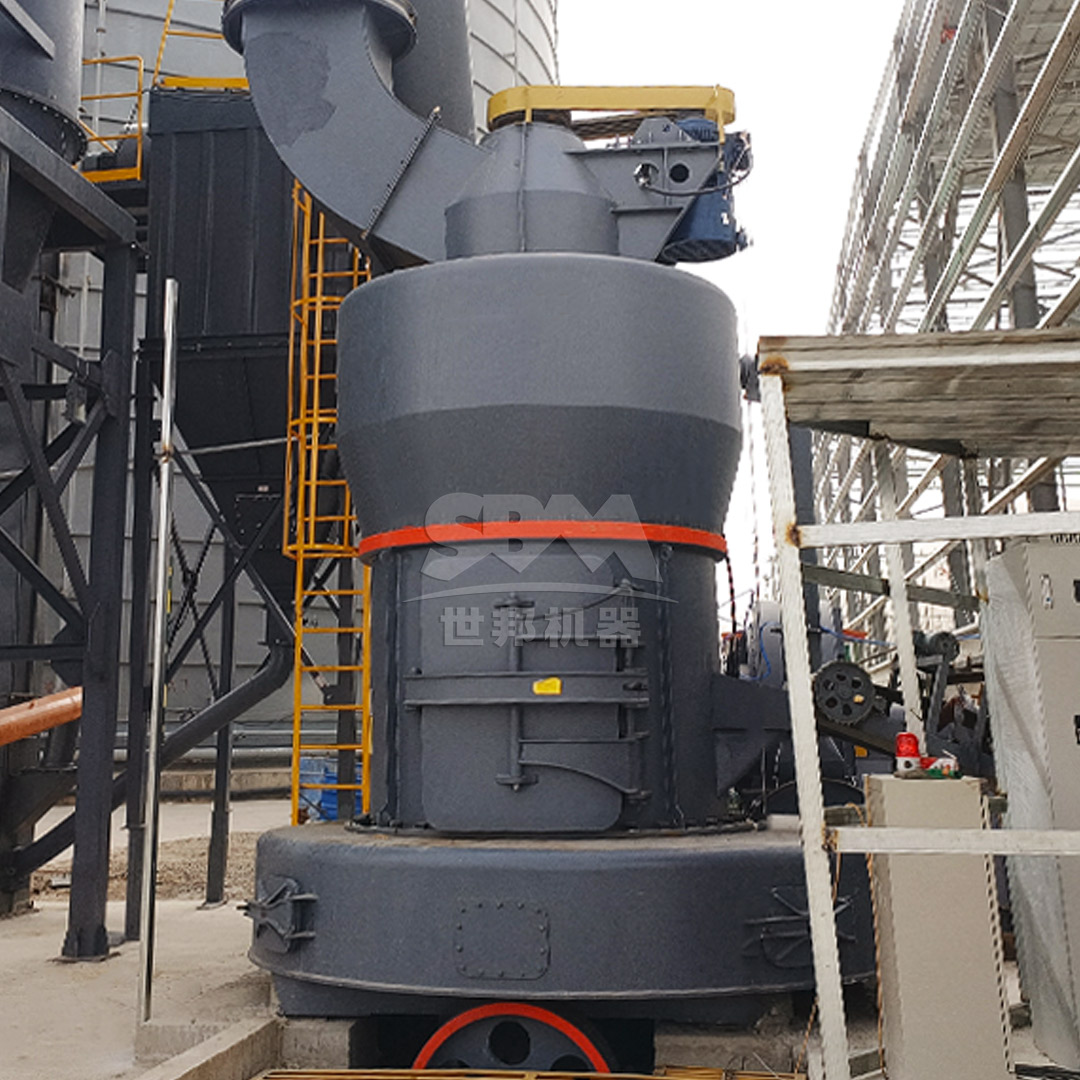
This is the heart of the calcium carbonate processing plant. The choice of grinding mill depends primarily on the target fineness (mesh size) and required production capacity.
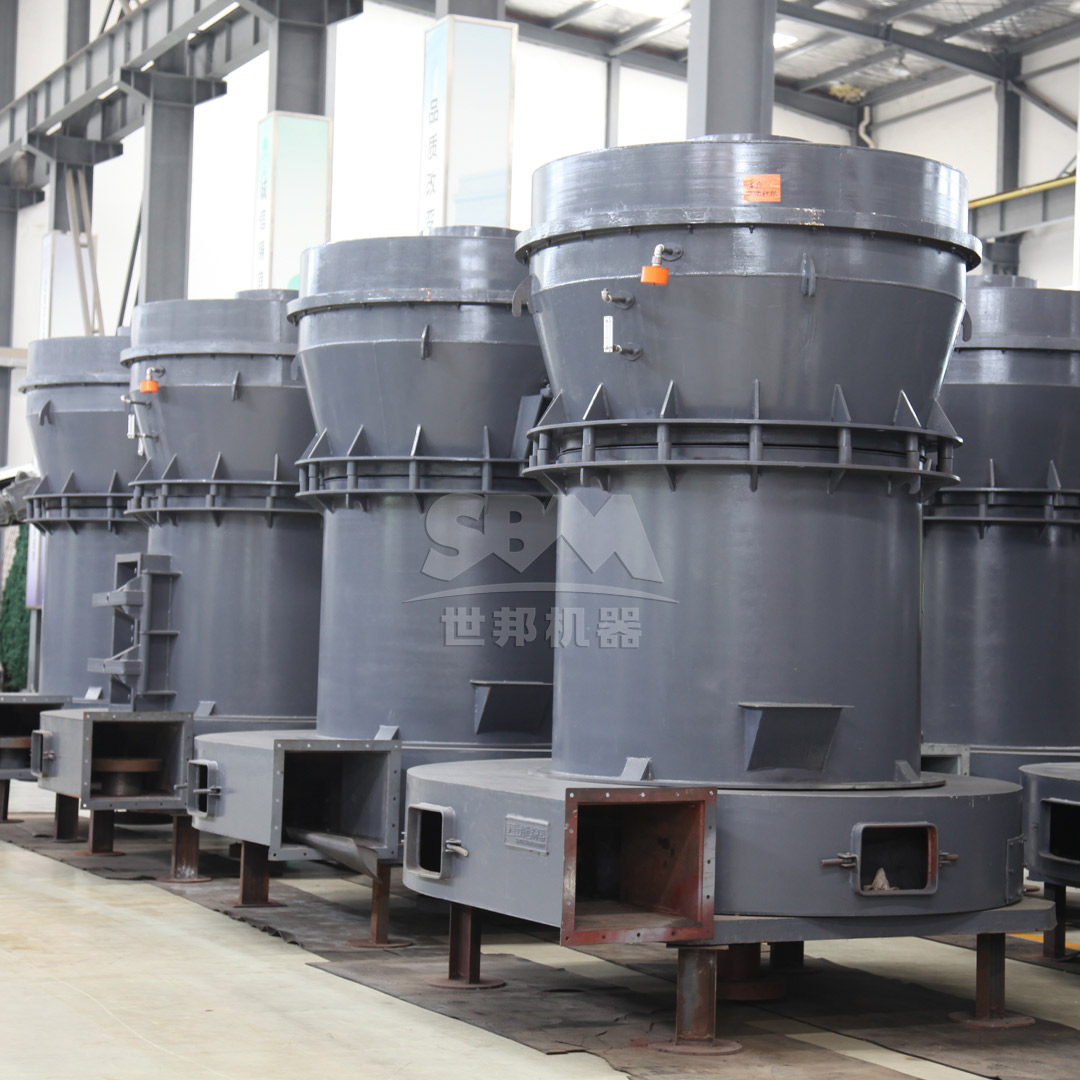
Classification is critical for controlling the top cut of the particle size distribution. Modern grinding mills like the SCM and MTW series integrate high-efficiency classifiers (dynamic or turbine type). For standalone classification or to improve the efficiency of older ball mill circuits, external air classifiers are used. They separate fine product from coarse material, which is then recirculated for further grinding, ensuring a sharp and consistent particle size curve.
A complete plant solution extends beyond grinding. It includes pneumatic conveying systems (for fine powder), mechanical conveyors (for crushed material), silos for intermediate storage, and automated packing lines for bagging or big-bag filling. Dust collection systems, such as pulse-jet baghouses, are integral to maintaining a clean plant environment and complying with emission standards.
| Mill Type | Typical Output Fineness | Capacity Range (t/h)* | Key Advantages | Ideal Application |
|---|---|---|---|---|
| MTW European Trapezium Mill | 30-325 mesh (600-45μm) | 3 – 45 | High transmission efficiency, low wear, cost-effective operation | High-volume production of coated & uncoated GCC for paper, plastics |
| SCM Ultrafine Mill | 325-2500 mesh (45-5μm) | 0.5 – 25 | Ultra-fine grinding, high-precision classification, energy-saving | Superfine GCC for high-end plastics, paints, sealants, adhesives |
| LM Vertical Roller Mill | 30-600 mesh | 3 – 250 | Fully integrated, low footprint, excellent drying capability | Large-scale integrated plants with raw material drying requirements |
| Ball Mill | 0.074-0.8mm (200-20 mesh) | 0.65 – 450 | Proven technology, wide application, wet & dry grinding | Traditional grinding circuits, often paired with an air classifier |
| *Capacity varies significantly based on model, feed size, hardness, and target fineness. |
Procuring individual pieces of equipment from different suppliers can lead to integration challenges, performance gaps, and higher lifecycle costs. A complete plant solution from a single, experienced provider offers distinct advantages:
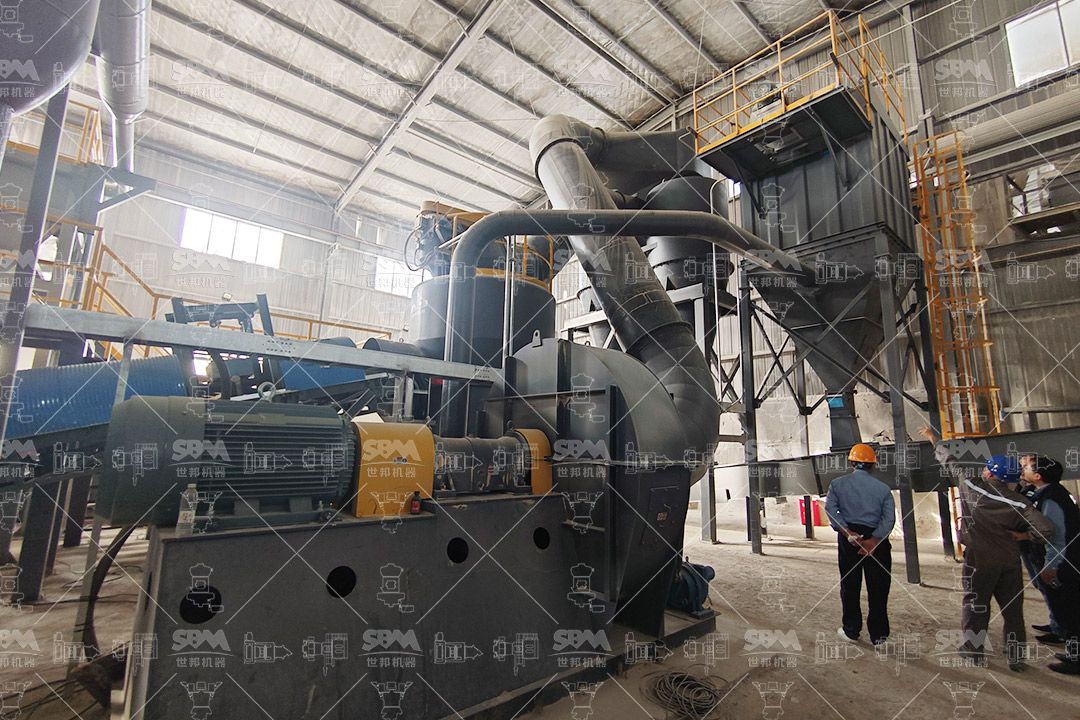
The successful production of calcium carbonate powder hinges on selecting technology that aligns precisely with product specifications and production goals. From the robust efficiency of the MTW Series European Trapezium Mill for standard GCC to the cutting-edge precision of the SCM Series Ultrafine Mill for premium superfine products, the right mill forms the core of a profitable operation. However, maximum value and reliability are achieved by embracing a complete plant solution. Partnering with a technology provider capable of delivering not just equipment, but a fully engineered, optimized, and guaranteed production system is the most strategic path to building a competitive and sustainable calcium carbonate processing business.