Dolomite, a calcium magnesium carbonate mineral (CaMg(CO3)2), is a vital raw material for industries ranging from construction and agriculture to glass manufacturing and environmental protection. Its processing into various fineness grades requires a sophisticated combination of crushing, grinding, and classification equipment. The selection of appropriate machinery directly impacts product quality, production efficiency, operational costs, and environmental footprint. This article explores the core equipment used in dolomite processing plants, from primary crushing to ultra-fine grinding, and highlights how integrated solutions can optimize the entire production line.
The journey of dolomite from quarry run-of-mine (ROM) material to a usable powder begins with size reduction. Primary crushers, such as jaw crushers, handle the initial breaking of large blocks (often up to 1 meter in size) down to a manageable 150-250mm. The key here is robust construction and high capacity to accept the variable feed from the mine.
Secondary crushing further reduces the material to a size suitable for grinding mills, typically below 50mm. Cone crushers and impact crushers are commonly employed at this stage. For applications requiring a very fine feed directly from crushing, such as for certain agricultural fillers, hammer mills are an excellent choice. Our Hammer Mill series, for instance, can process feed sizes up to 40mm and produce a final product as fine as 0-3mm in a single stage. Its optimized crushing chamber and high-manganese steel hammers ensure high performance, stable operation, and long service life, making it a cost-effective solution for specific dolomite applications where ultra-fine grinding is not immediately necessary.
| Crushing Stage | Typical Equipment | Input Size | Output Size | Key Consideration |
|---|---|---|---|---|
| Primary | Jaw Crusher | ≤1000mm | 150-250mm | High capacity, robustness |
| Secondary | Cone Crusher, Impact Crusher | 150-250mm | ≤50mm | Product shape, efficiency |
| Fine Crushing | Hammer Mill | ≤40mm | 0-3mm | Single-stage fine output |
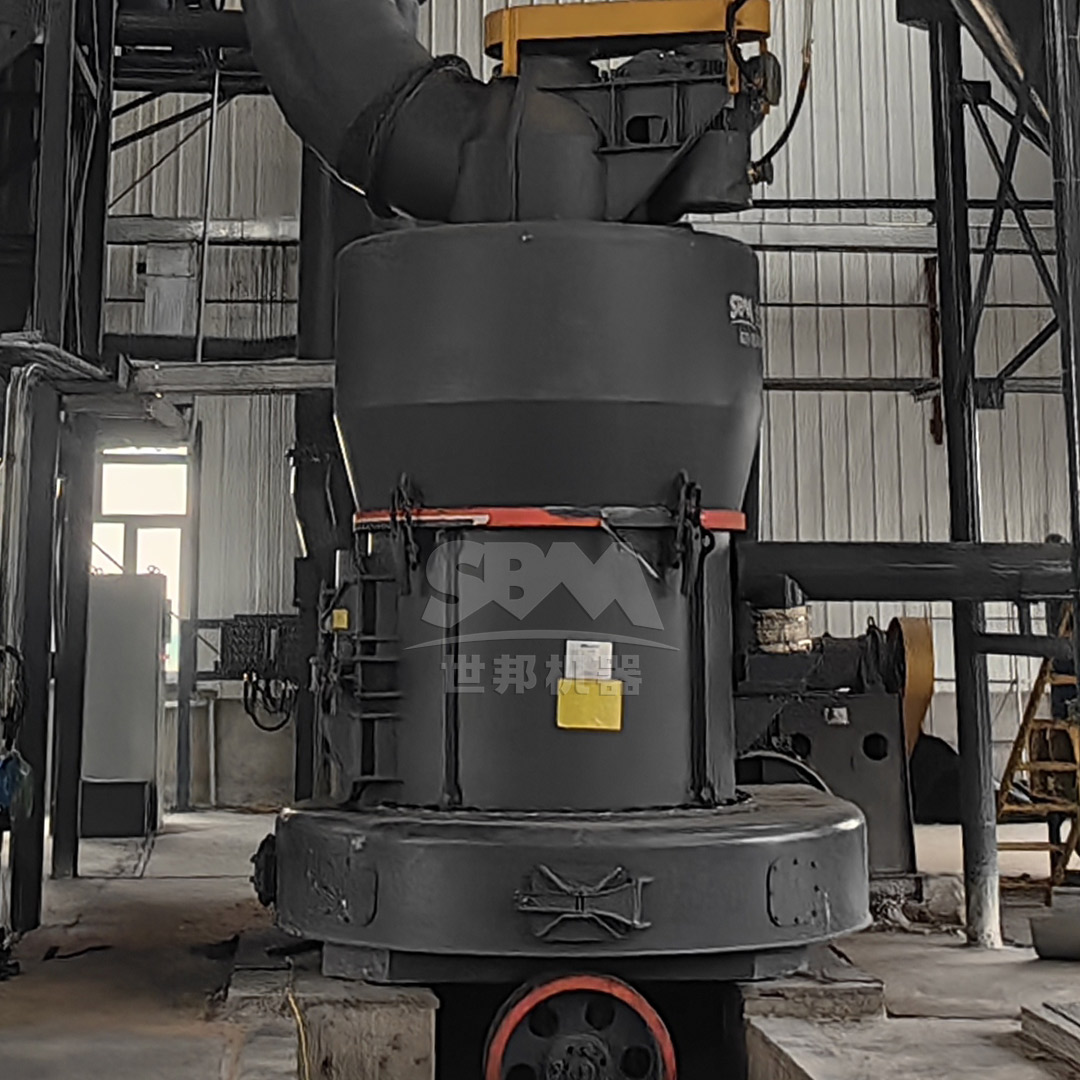
Grinding is the most energy-intensive stage in dolomite processing. The choice of grinding mill depends entirely on the required product fineness, capacity, and overall cost objectives.
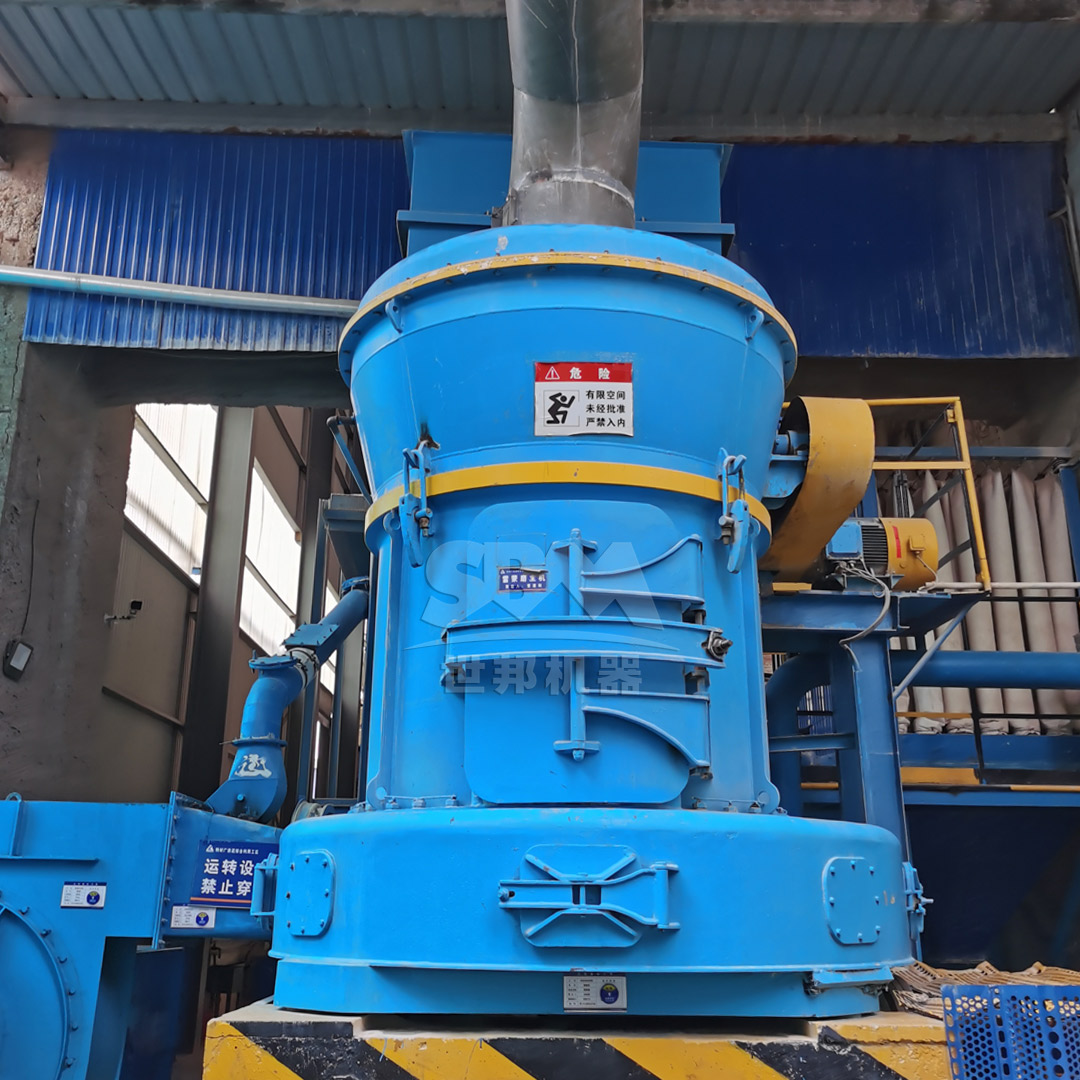
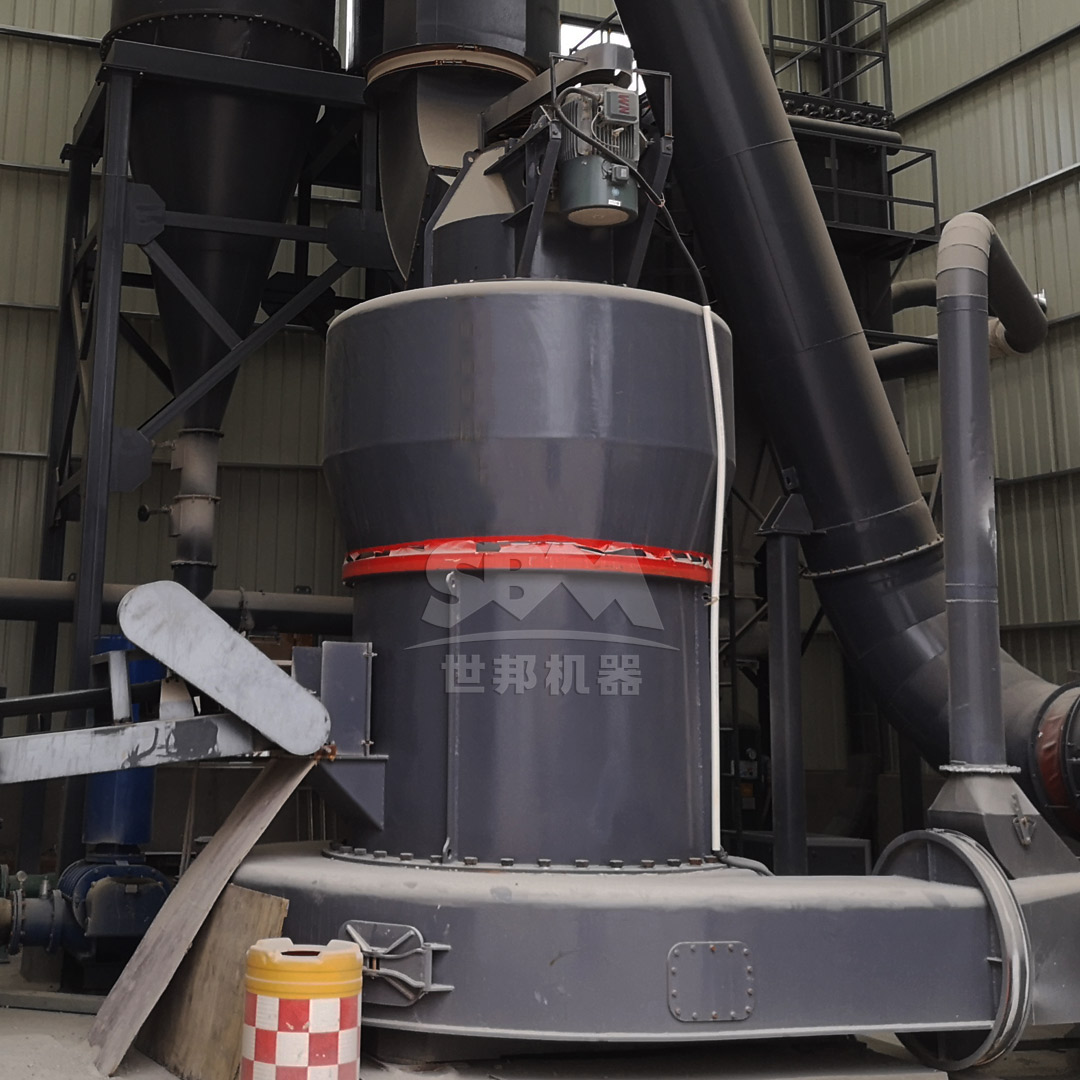
For producing dolomite sand for construction or agricultural lime, trapezium mills and vertical roller mills are highly efficient. The MTW Series European Trapezium Mill is a standout in this category. Designed with an integral bevel gear drive boasting 98% transmission efficiency, it significantly saves energy and space. Its anti-wear shovel design and curved grinding roller profile extend the life of wear parts, reducing maintenance costs. With an output fineness range of 30-325 mesh (600-45μm) and capacities from 3 to 45 tons per hour, it offers a reliable and economical solution for medium-scale dolomite grinding operations.
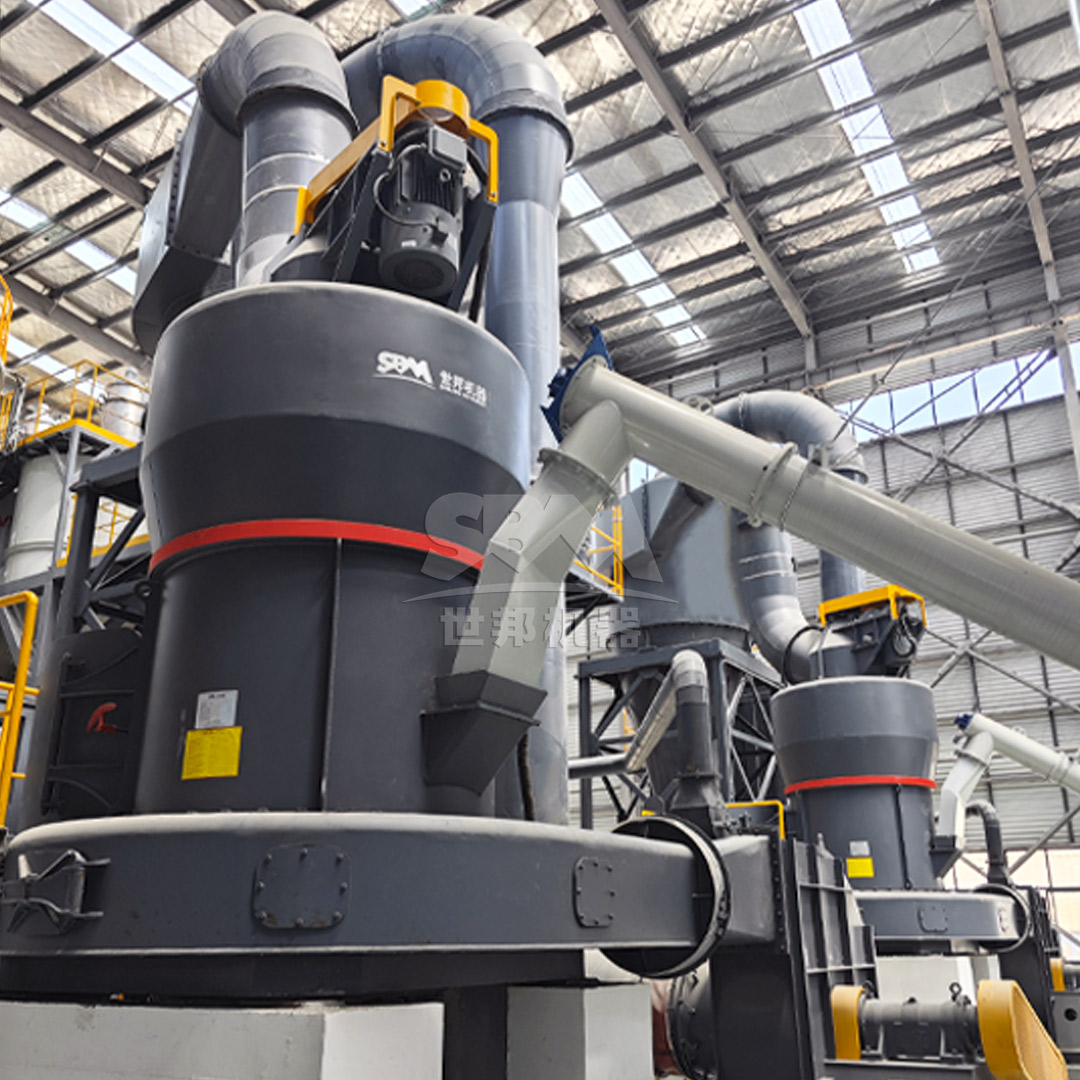
Applications in plastics, paints, rubber, and high-grade ceramics demand ultra-fine dolomite powders. This is the domain of advanced grinding systems like the SCM Series Ultrafine Mill. This mill is engineered for high efficiency and precision. Its vertical turbine classifier ensures precise particle size cuts, eliminating coarse powder contamination and guaranteeing a uniform product. The mill operates with a shaker principle where rollers grind materials against rings, achieving fineness between 325 and 2500 mesh. Notably, its capacity is twice that of traditional jet mills while consuming 30% less energy, and its fully sealed system with high-efficiency pulse dust collection makes it an environmentally sound choice for producing high-value dolomite powders.
| Mill Type | Typical Output Range | Key Advantage for Dolomite | Ideal Application |
|---|---|---|---|
| MTW Trapezium Mill | 30-325 mesh (600-45μm) | High efficiency, low wear cost, stable output | Agricultural lime, construction materials |
| Ball Mill | 0.074-0.8mm (200-20 mesh) | Proven technology, wide adaptability | Ceramic body preparation, mineral processing |
| SCM Ultrafine Mill | 325-2500 mesh (45-5μm) | Extreme fineness, precise classification, energy saving | Plastics, paints, rubber, high-grade fillers |
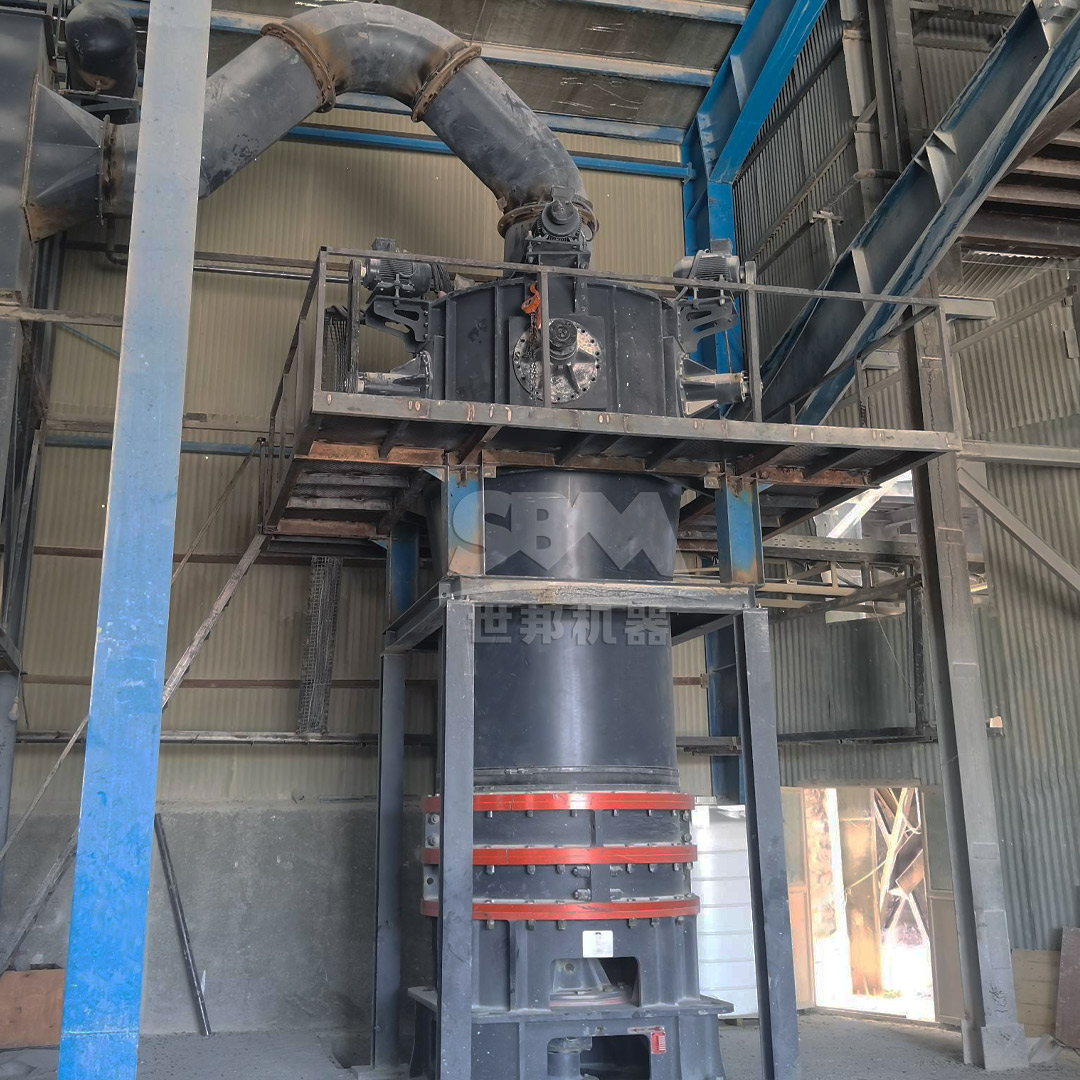
| LUM Vertical Roller Mill | 325-2500 mesh (45-5μm) | Integrated grinding-drying-classifying, compact footprint | Large-scale ultra-fine powder production |
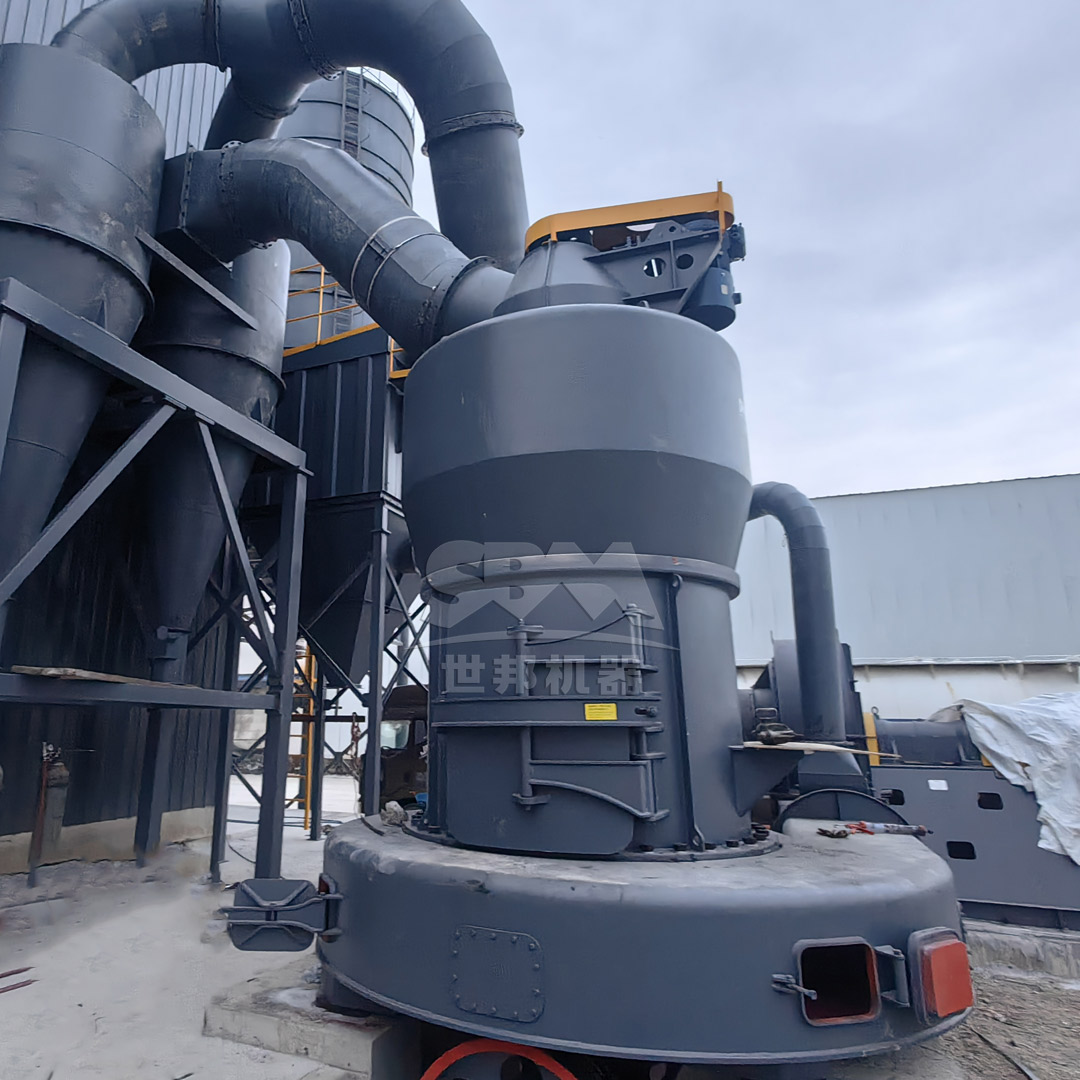
A high-performing grinding mill is only one component of a successful dolomite processing plant. The supporting ecosystem is equally critical:
A complete plant solution integrates all these components into a coherent, automated system. The real value lies in the engineering that ensures seamless interaction between units, optimizes material flow, minimizes energy consumption per ton of product, and incorporates advanced process control systems for real-time monitoring and adjustment.
Processing dolomite efficiently from raw stone to a specified powder requires a carefully selected sequence of equipment. From robust crushers and versatile trapezium mills for coarse products to technologically advanced ultrafine mills for high-value applications, the right machinery choice dictates operational success. Beyond individual machines, the synergy of a well-designed complete plant—with integrated feeding, grinding, classifying, and dust control systems—delivers the ultimate benefits of maximized yield, consistent quality, reduced operational costs, and sustainable production. Investing in a holistic solution from a provider with expertise across the entire processing chain is the most strategic approach to building a competitive and future-proof dolomite processing operation.