Calcite, a naturally occurring calcium carbonate mineral, is one of the most versatile and widely used industrial minerals. Its applications span from plastics, paints, and coatings to paper, construction materials, and pharmaceuticals. The value and performance of calcite in these applications are critically dependent on its particle size distribution, fineness, whiteness, and purity. Therefore, selecting the right processing equipment is paramount to achieving the desired product specifications, optimizing production efficiency, and ensuring economic viability. This guide provides a comprehensive overview of the key machinery involved in calcite powder production, from primary crushing to ultra-fine grinding and classification.
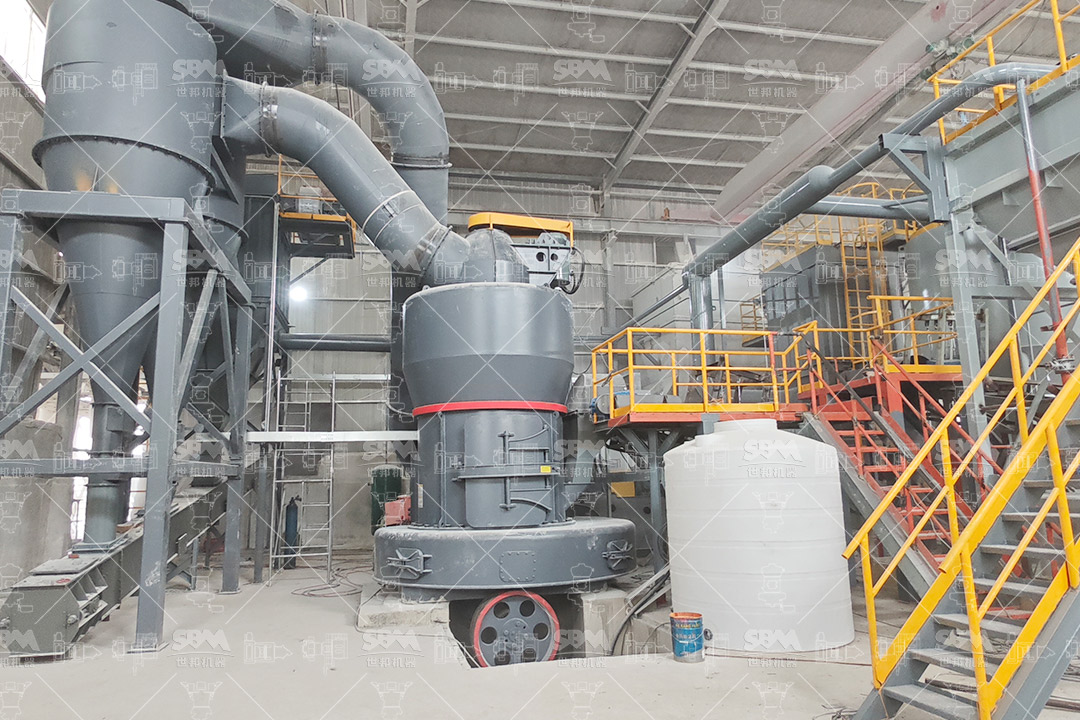
The transformation of raw calcite ore into a marketable powder involves a series of interconnected stages, each requiring specialized equipment.
Large calcite rocks extracted from the quarry need to be reduced to a manageable size (typically below 50mm). Jaw Crushers are the workhorses for this primary crushing stage, offering high reduction ratios and robust construction to handle hard and abrasive materials.
For further size reduction to below 20-30mm, equipment like Hammer Mills or Impact Crushers are often employed. Hammer Mills are particularly effective for brittle materials like calcite, using high-speed rotating hammers to shatter the feed material against liners until it passes through a bottom screen.
| Model | Capacity (t/h) | Motor Power (kW) | Max Feed Size (mm) |
|---|---|---|---|
| PC4012-90 | 15-40 | 90 | ≤200 |
| PC4015-132 | 40-70 | 132 | ≤250 |
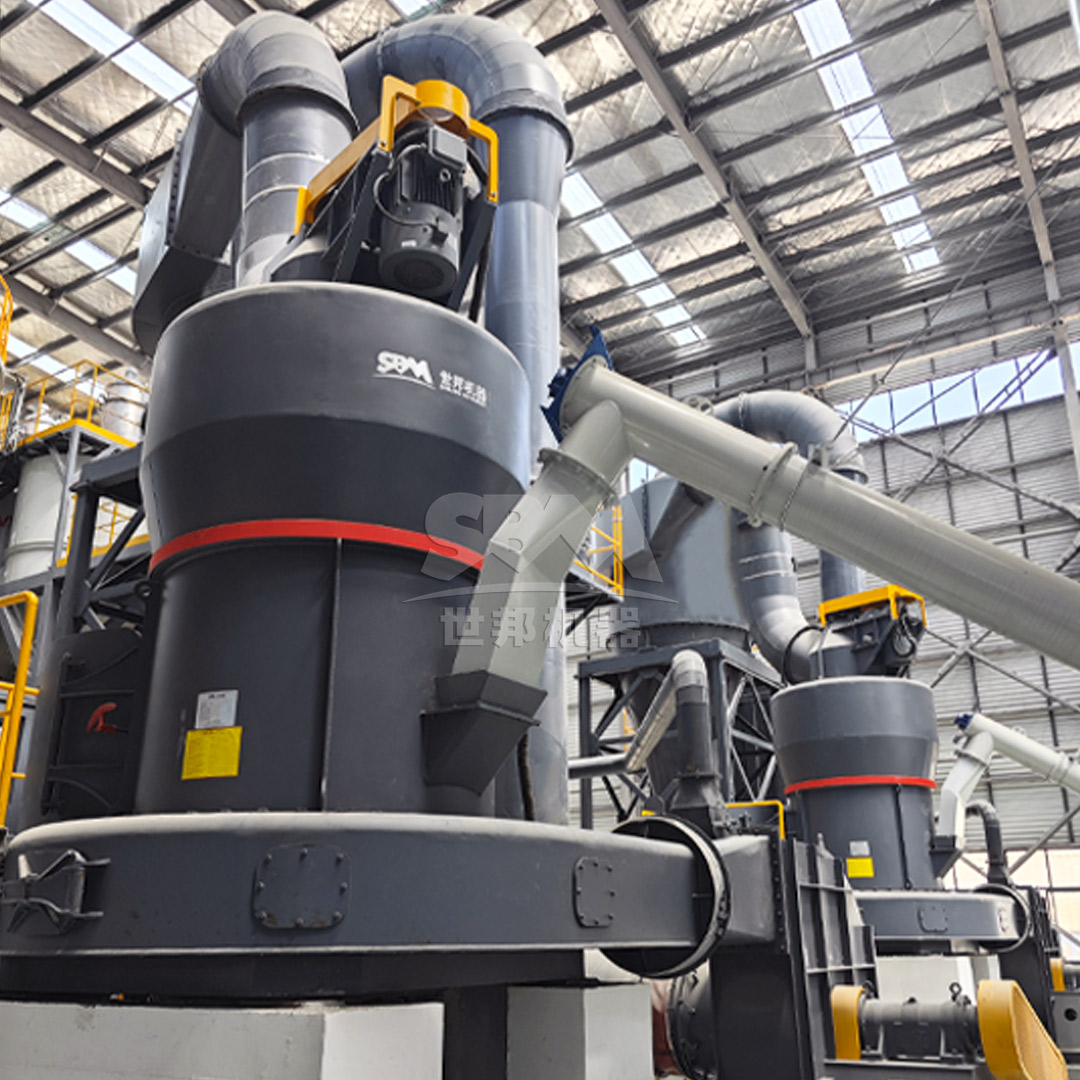
This is the most critical and energy-intensive stage, where the pre-crushed calcite is ground to its target fineness. The choice of grinding mill depends entirely on the required product fineness (mesh size) and production capacity.
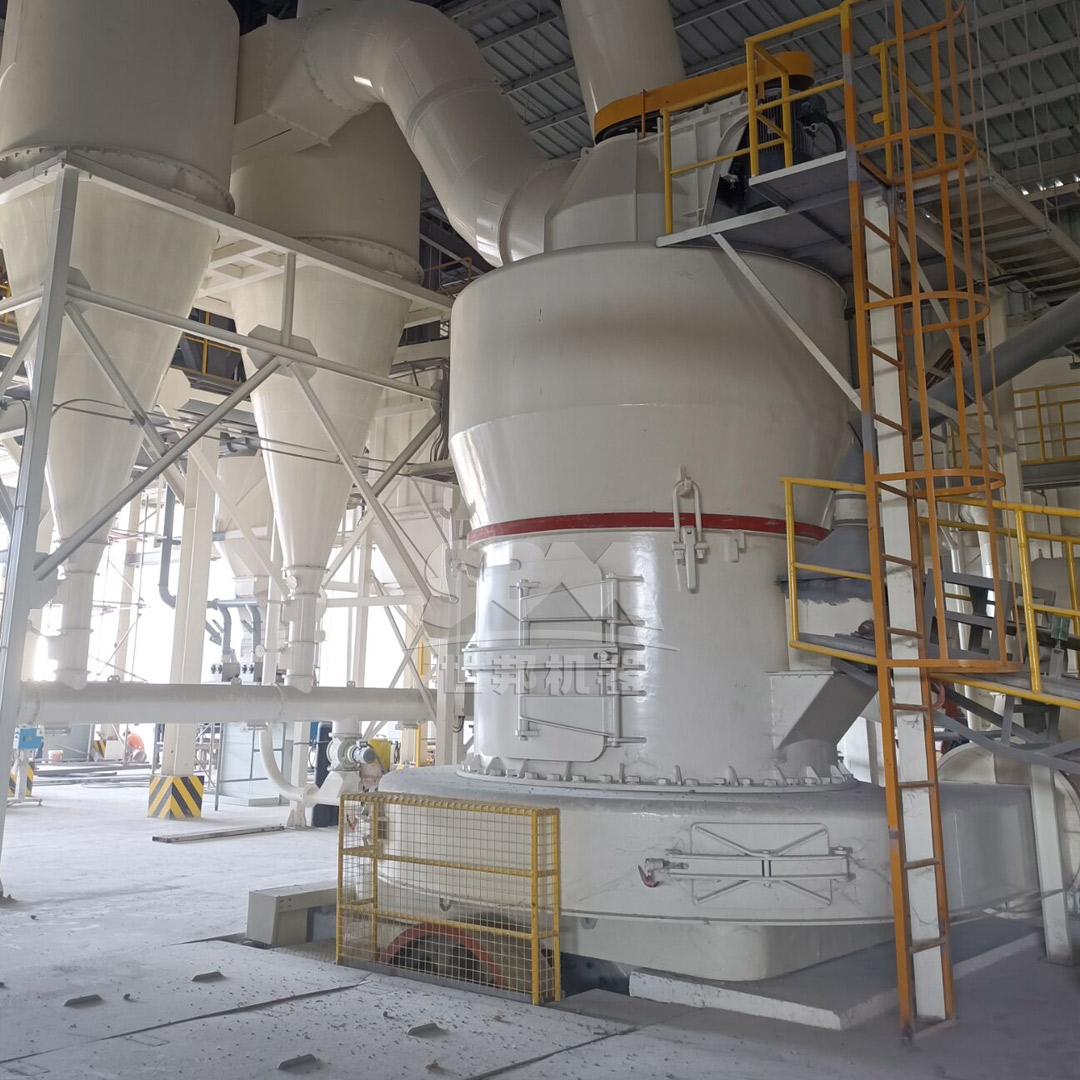
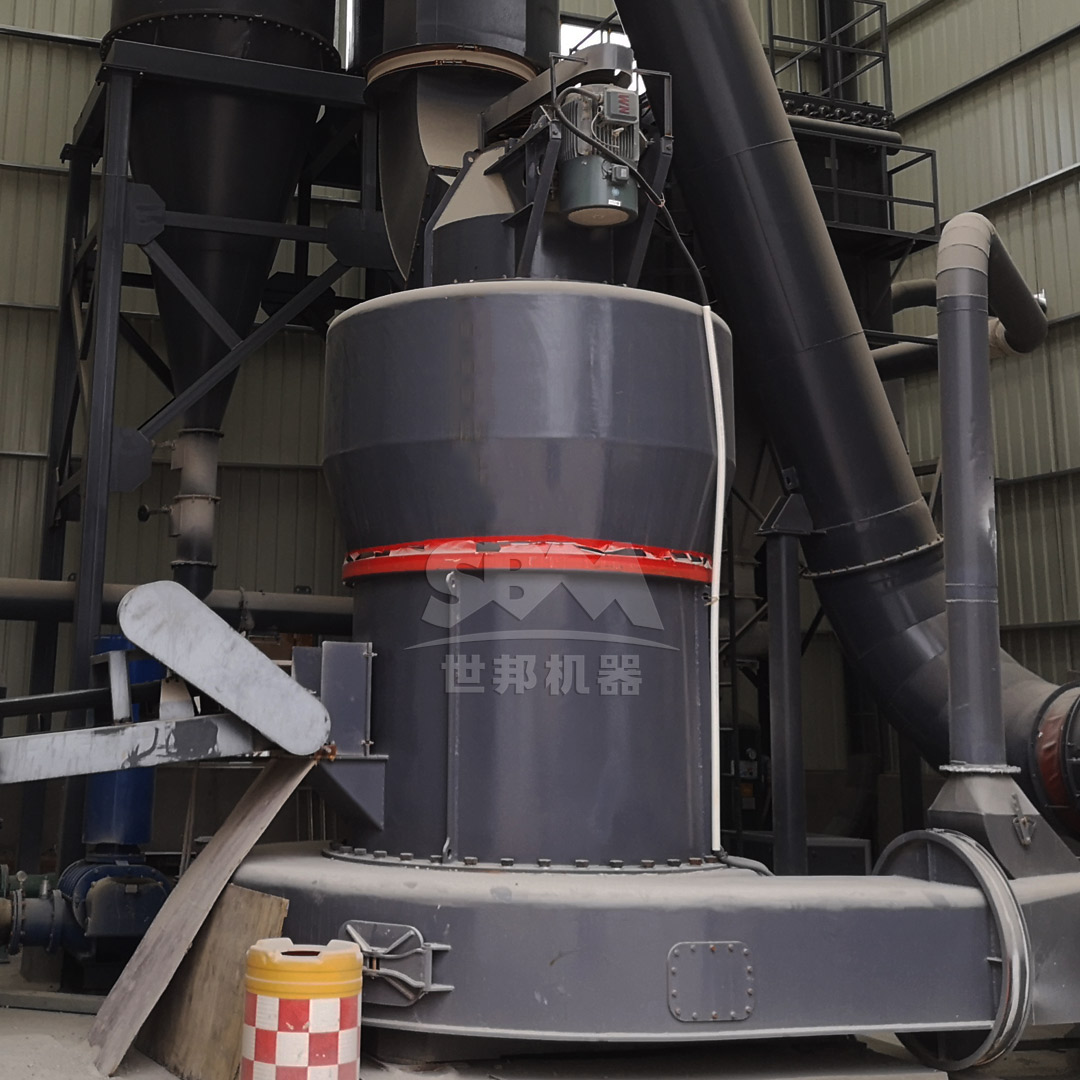
For products used in construction, animal feed, or as a filler in lower-grade applications, high-capacity, efficient mills are key.
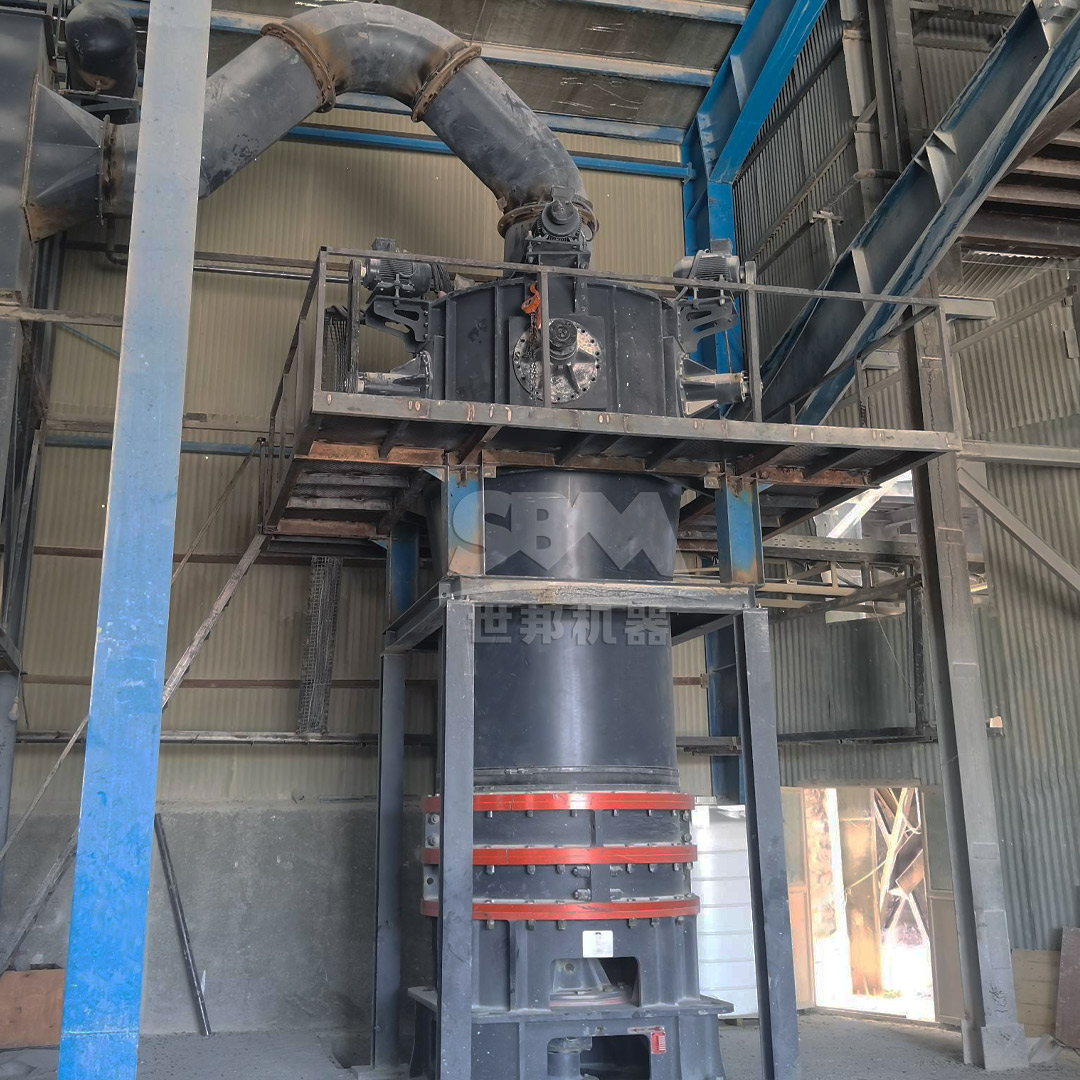
High-value applications in plastics, paints, and advanced composites demand ultra-fine powders with tight particle size distributions.
| Mill Type | Target Fineness | Key Advantage | Typical Capacity Range |
|---|---|---|---|
| MTW European Mill | 30-325 mesh | High Efficiency & Low Wear | 3-45 t/h |
| SCM Ultrafine Mill | 325-2500 mesh | Precise Classification & Energy Saving | 0.5-25 t/h |
| Ball Mill | 0.074-0.8mm | Wide Application & Stability | 0.65-450 t/h |
Classification is often integrated into modern mills (like the SCM or LUM). Stand-alone classifiers, such as dynamic air classifiers or turbo classifiers, are used to separate the ground powder into precise fractions, ensuring the final product meets strict top-size cut points. The classifier is crucial for product consistency.
After grinding and classification, the powder is conveyed via screw conveyors or pneumatic systems to storage silos. Automated packaging systems then bag the product for shipment. Dust control at every transfer point is essential for product yield, worker safety, and environmental compliance.
Choosing machinery is not a one-size-fits-all decision. Key factors include:
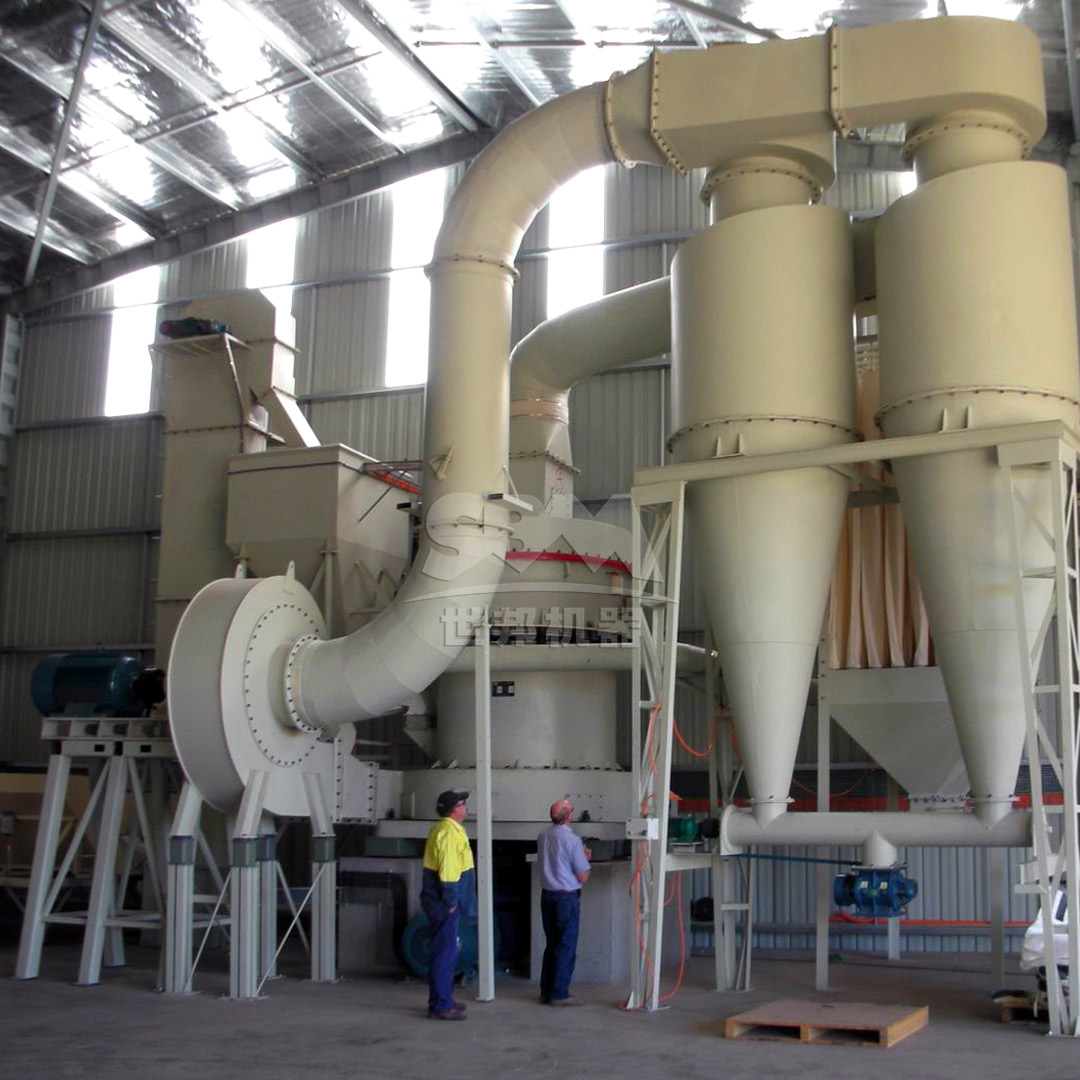
The production of high-quality calcite powder is a sophisticated process that relies on a well-designed circuit of specialized equipment. From robust crushers to high-efficiency grinding mills and precise classifiers, each machine plays a vital role. For producers aiming for the high-volume, medium-fineness market, the MTW Series European Trapezium Mill represents a benchmark in reliability and efficiency. For those competing in the high-value, ultra-fine powder segment, investing in advanced technology like the SCM Series Ultrafine Mill is critical to achieving superior product quality with optimal energy consumption. A thorough analysis of product goals and a careful selection of machinery are the foundational steps to building a successful and profitable calcite processing operation.