January 19, 2026
Introduction
Kaolin, a versatile industrial mineral prized for its whiteness, fine particle size, and chemical inertness, is a cornerstone material for ceramics, paper, paints, plastics, and advanced composites. The transformation of raw kaolin clay into a high-value product hinges on efficient and precise processing, with grinding and classification being the most critical stages. The selection of appropriate milling technology directly impacts product fineness, particle size distribution (PSD), energy consumption, and overall operational cost. This guide provides a professional overview of the grinding equipment and production line configurations essential for modern kaolin processing, from coarse crushing to ultra-fine powder production.
The Kaolin Processing Workflow
A typical kaolin production line follows a logical sequence to purify, size, and dry the clay. The grinding circuit is its heart.
- Crushing & Primary Size Reduction: Large chunks of raw kaolin are first reduced to a manageable feed size (typically below 50mm) using crushers like jaw crushers or hammer mills.
- Beneficiation (Purification): This may involve washing, degritting, magnetic separation, or chemical bleaching to remove impurities like quartz, iron oxides, and organic matter, enhancing brightness and purity.
- Drying: The moisture content of the clay is reduced in rotary dryers or flash dryers to prepare it for efficient dry grinding.
- Grinding & Classification (The Core Stage): The dried clay is fed into a grinding mill to achieve the target fineness. An integrated classifier (air separator) continuously removes fine particles that meet specification, returning oversized material for further grinding. This closed-circuit operation is key to efficiency.
- Surface Modification (Optional): For specialized applications, the kaolin powder may undergo surface treatment with silanes or other agents to improve compatibility with polymer matrices.
- Packing & Storage: The final product is stored in silos and packaged for shipment.
| Processing Stage |
Typical Equipment |
Key Objective |
| Primary Crushing |
Jaw Crusher, Hammer Mill |
Reduce raw ore to <50mm |
| Beneficiation |
Hydrocyclones, Magnetic Separators |
Remove impurities, increase brightness |
| Drying |
Rotary Dryer, Flash Dryer |
Reduce moisture for dry grinding |
| Grinding & Classification |
Ball Mill, Raymond Mill, Vertical Roller Mill, Ultrafine Mill |
Achieve target fineness and PSD |
| Surface Treatment |
Modification Reactors |
Enhance functional properties |
Key Grinding Technologies for Kaolin
The choice of mill depends on the required product fineness (mesh or microns), capacity, and energy efficiency goals.
1. Coarse to Medium Grinding (600 – 45μm / 30 – 325 mesh)
For producing fillers and extenders in the paint and rubber industries.
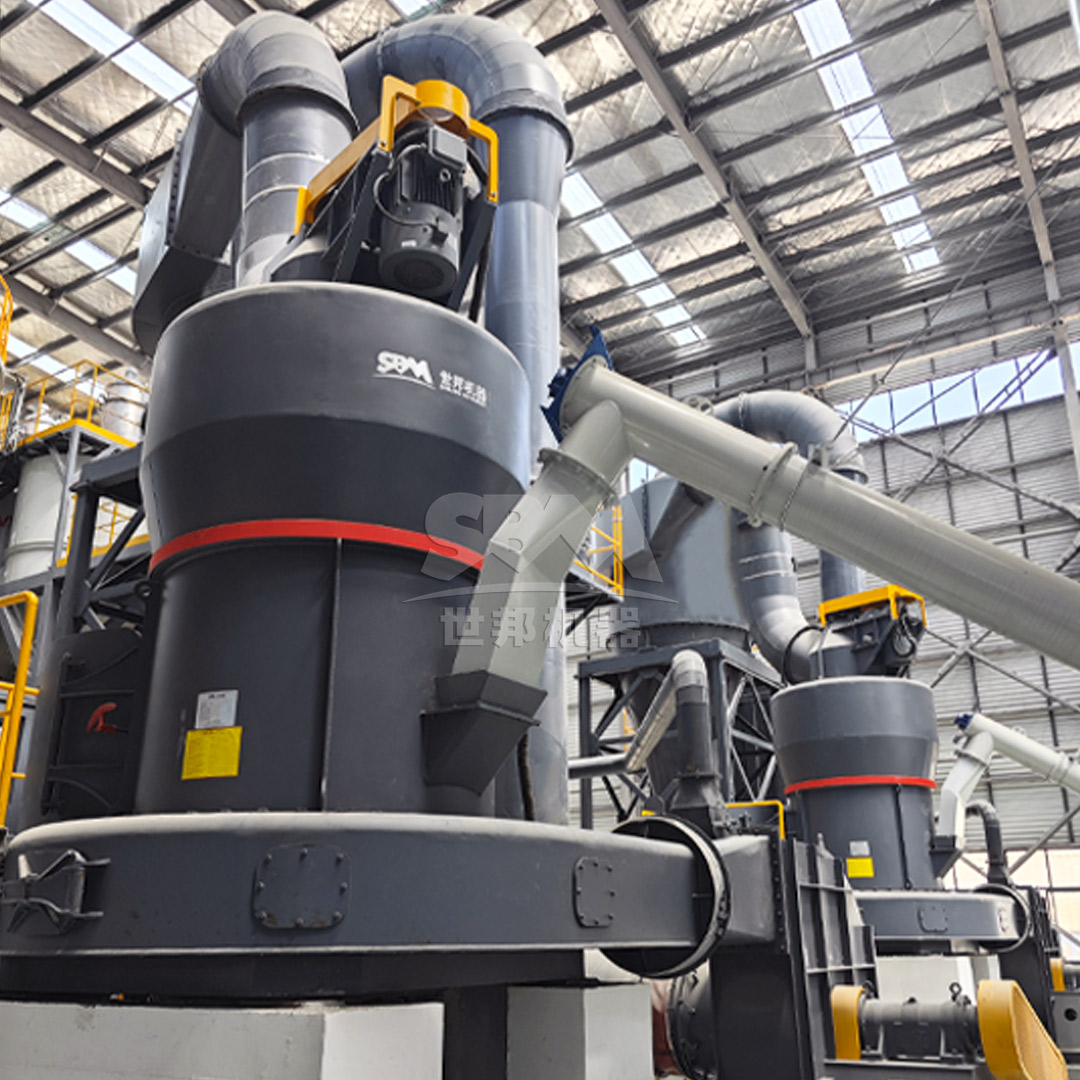
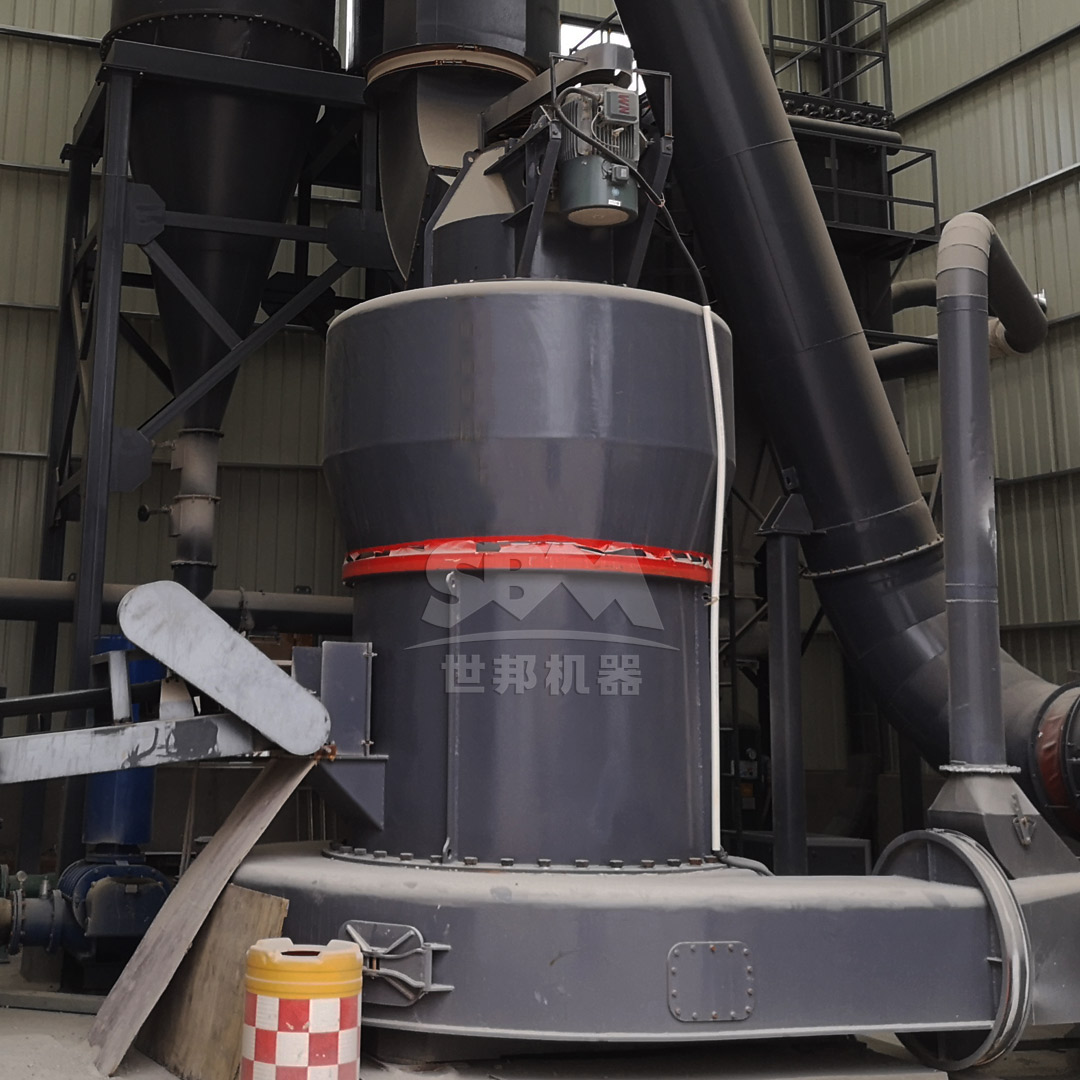
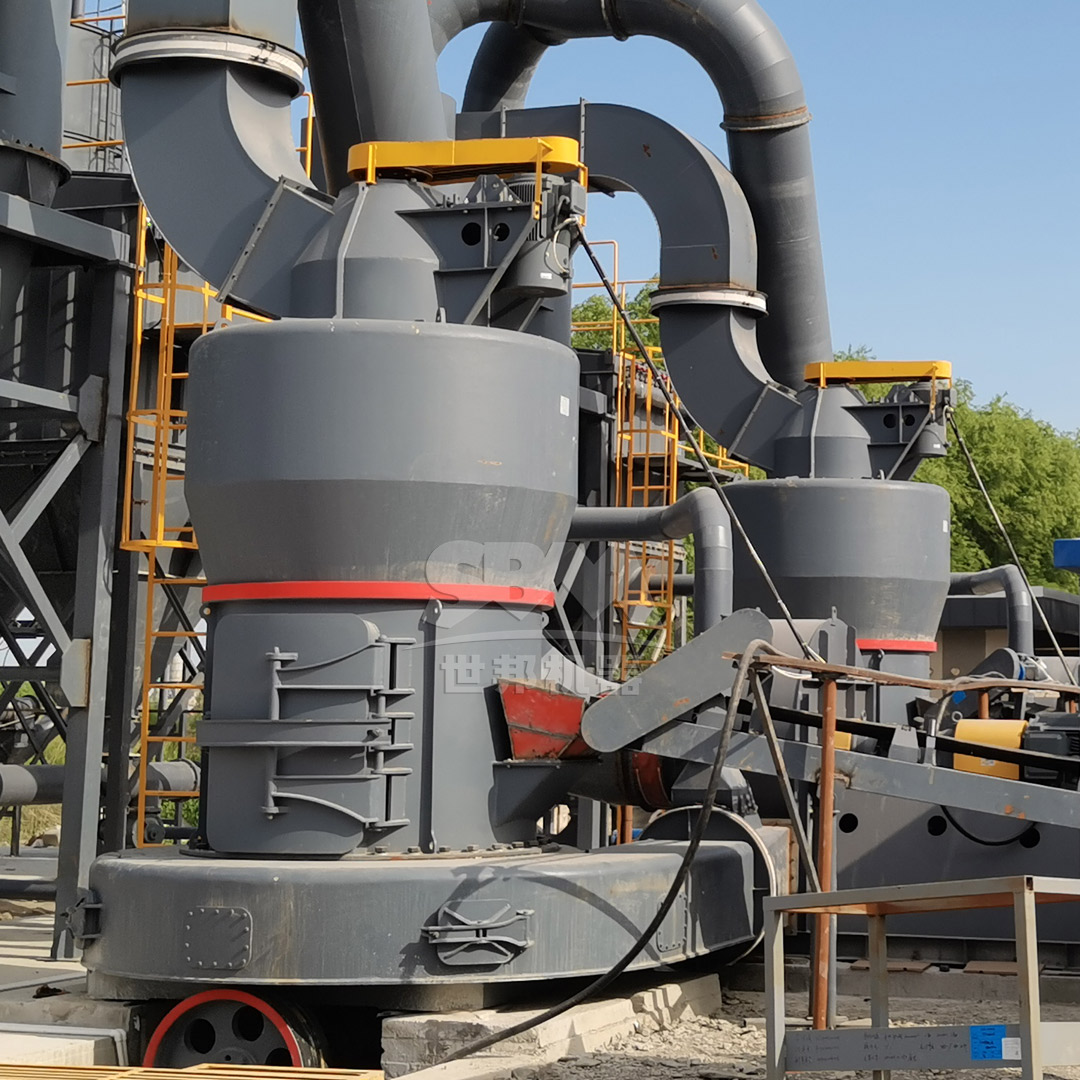
- Raymond Mill (Pendulum Roller Mill): A long-established technology using spring-loaded rollers to crush material against a stationary ring. Suitable for moderate fineness and capacity. Modern versions like the MTW Series European Trapezium Mill offer significant improvements. Its integral bevel gear drive achieves up to 98% transmission efficiency, while the optimized arc air duct and anti-wear shovel design reduce energy loss and maintenance costs. With a fineness range of 30-325 mesh and capacities from 3 to 45 tons per hour, it’s a robust and efficient choice for standard kaolin powder production.
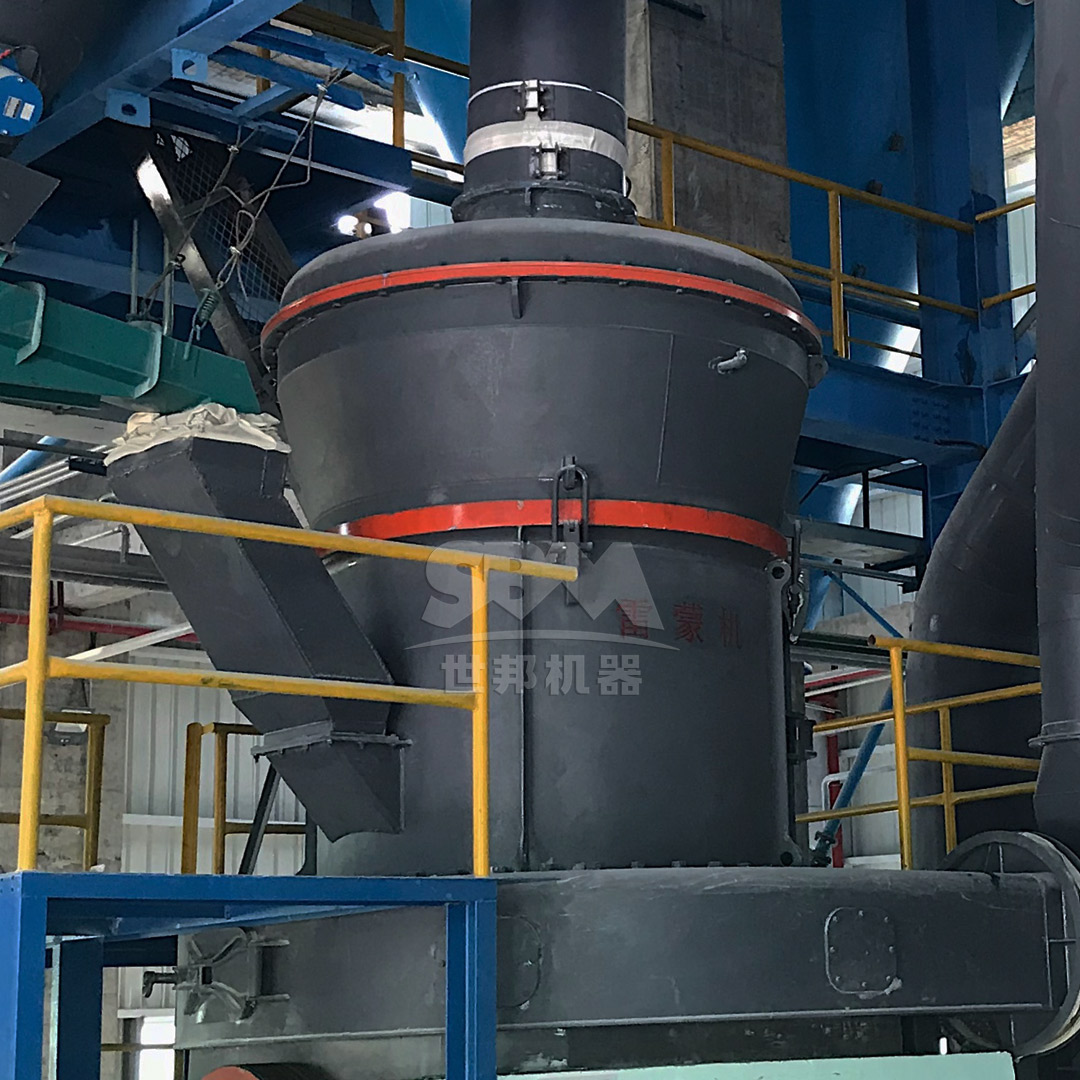
- Vertical Roller Mill (VRM): A more modern, energy-efficient alternative for medium to large-scale production. Material is ground between rollers and a rotating table. VRMs like the LM Series offer integrated crushing, grinding, and drying (with hot air), reducing footprint by 50% and energy consumption by 30-40% compared to traditional ball mills. Their intelligent control systems ensure stable operation and product consistency.
2. Fine to Ultrafine Grinding (<45μm – 5μm / >325 – 2500 mesh)
Essential for high-performance paper coatings, specialty ceramics, and advanced polymer composites where particle size and surface area are critical.
- Ball Mill: A workhorse for wet or dry grinding, using steel balls as the grinding media. It can achieve fine sizes but is less energy-efficient for ultrafine grinding due to high energy consumption and potential for over-grinding. Best suited for applications where precise top-size control is less critical.
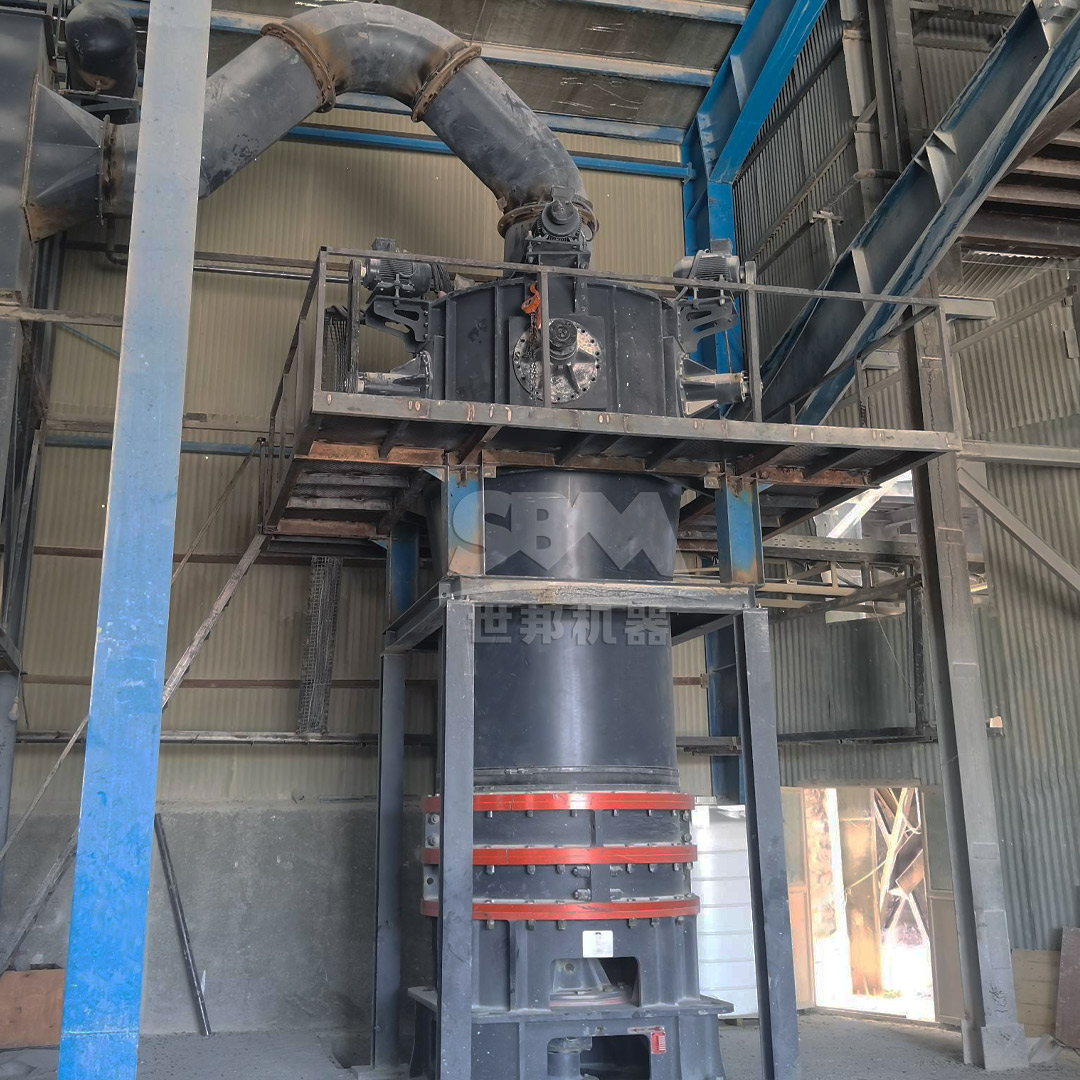
- Ultrafine Grinding Mills: This is the technology of choice for high-value, superfine kaolin products. These mills combine intense mechanical grinding forces with high-precision air classification.
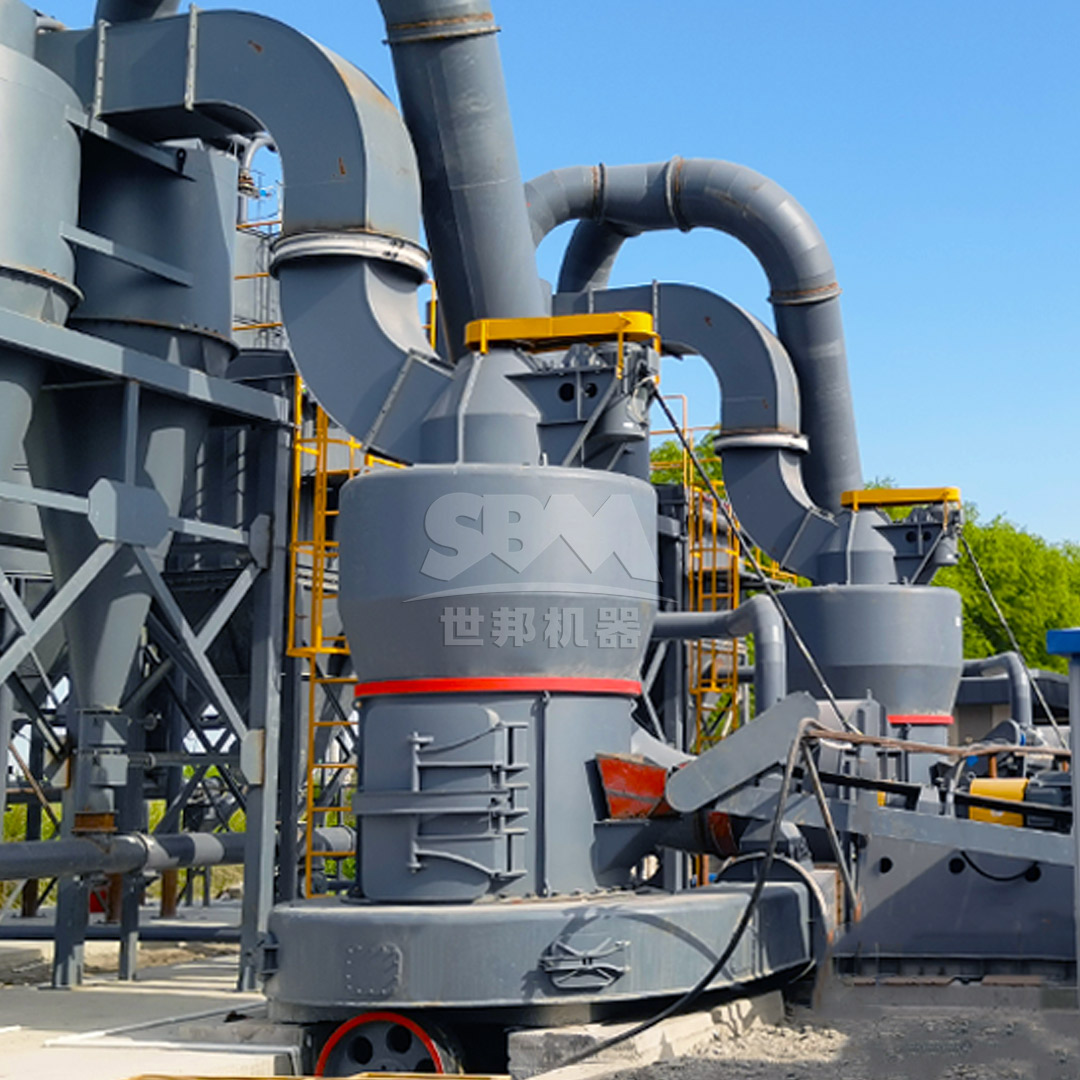
For operations demanding the highest levels of fineness and uniformity, the SCM Series Ultrafine Mill represents a top-tier solution. Engineered specifically for producing powders in the range of 325 to 2500 mesh (45-5μm), it operates on a layered grinding principle where material is crushed by roller pressure against rotating grinding rings. Its standout feature is the high-precision vertical turbine classifier, which ensures sharp particle size cuts and eliminates coarse powder contamination in the final product. Furthermore, it delivers remarkable efficiency, offering capacity twice that of jet mills while consuming 30% less energy. The durable design, featuring special material rollers and rings, along with an eco-friendly pulse dust collection system, makes it an ideal, reliable core for advanced kaolin processing lines aiming for the premium market.
3. Ancillary Equipment: Hammer Mills & Classifiers
- Hammer Mills: Used primarily for initial size reduction of dried kaolin lumps before fine grinding. They offer high reduction ratios and are simple in design.
- Air Classifiers: Integral to modern grinding circuits. Whether built into the mill (like in VRMs or SCM mills) or as standalone units, they control the final product’s top size by separating fine particles from the grinding circuit. Their precision dictates the sharpness of the PSD.
Designing an Efficient Kaolin Production Line
Building an optimal line requires more than selecting individual machines. Key considerations include:
- Feed Material Characteristics: Moisture content, hardness (Mohs scale of kaolin is ~2.0), feed size, and impurity levels.
- Product Specifications: Target fineness (d97 or mesh), particle size distribution, brightness, and required capacity (TPH).
- Grinding Circuit Configuration: A closed-circuit system with a mill and classifier is standard for efficiency. Pre-drying might be integrated (as in VRMs) or a separate step.
- System Integration & Automation: Modern lines use PLC controls to monitor motor load, temperature, pressure, and fineness, allowing for stable, unmanned operation and consistent quality.
- Environmental & Economic Factors: Dust collection systems (like pulse jet bag filters) are mandatory. The total cost of ownership (TCO), including energy, wear parts, and maintenance, must be calculated. Energy-efficient mills like VRMs and Ultrafine Mills offer lower TCO despite potentially higher initial investment.
Conclusion
The evolution of kaolin processing is closely tied to advancements in grinding technology. Moving from traditional, energy-intensive methods to intelligent, integrated systems is crucial for profitability and product quality. For coarse to medium grinding, modernized Raymond Mills like the MTW Series or efficient LM Vertical Roller Mills provide excellent solutions. For producers targeting the high-value, ultrafine kaolin market, investing in advanced technology such as the SCM Series Ultrafine Mill is a strategic decision that pays dividends through superior product uniformity, lower energy consumption, and reduced operational costs. Ultimately, a successful kaolin operation is built on carefully matching the grinding equipment’s capabilities to the specific product goals, ensuring a competitive edge in a demanding global market.