Magnesite, a magnesium carbonate mineral (MgCO3), is a crucial raw material for the production of magnesia (MgO), which finds extensive applications in refractory, agricultural, chemical, and construction industries. The value and performance of magnesia are intrinsically linked to its purity and particle size distribution. Consequently, the grinding stage is a pivotal process in magnesite beneficiation, transforming raw ore into fine powders suitable for further processing or direct application. Selecting the appropriate grinding mill is paramount for achieving optimal product quality, operational efficiency, and cost-effectiveness. This article delves into the grinding requirements of magnesite ore and explores the key equipment solutions, with a focus on advanced milling technology.
Magnesite ore presents specific challenges in the grinding circuit. Its hardness typically ranges from 3.5 to 4.5 on the Mohs scale, making it moderately abrasive. The primary objectives of magnesite grinding are:
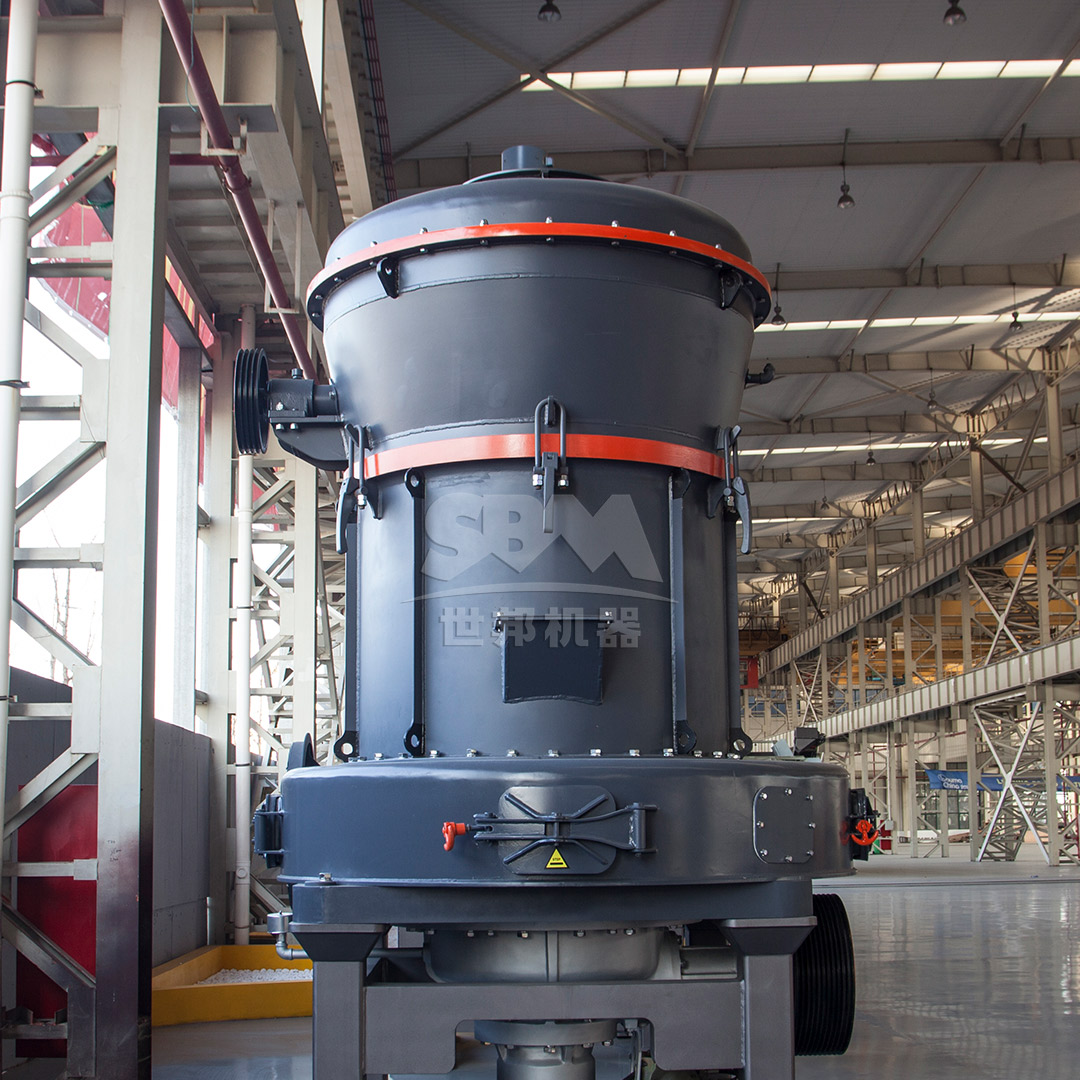
Various mill types can be employed for magnesite processing, each with its own advantages and optimal application ranges.
The traditional workhorse for mineral grinding, ball mills operate on the principle of impact and attrition. They are versatile and can handle a wide range of feed sizes. However, for magnesite, their lower energy efficiency and potential for higher iron contamination due to steel ball media wear make them less ideal for high-purity, fine-grinding applications compared to more modern technologies.
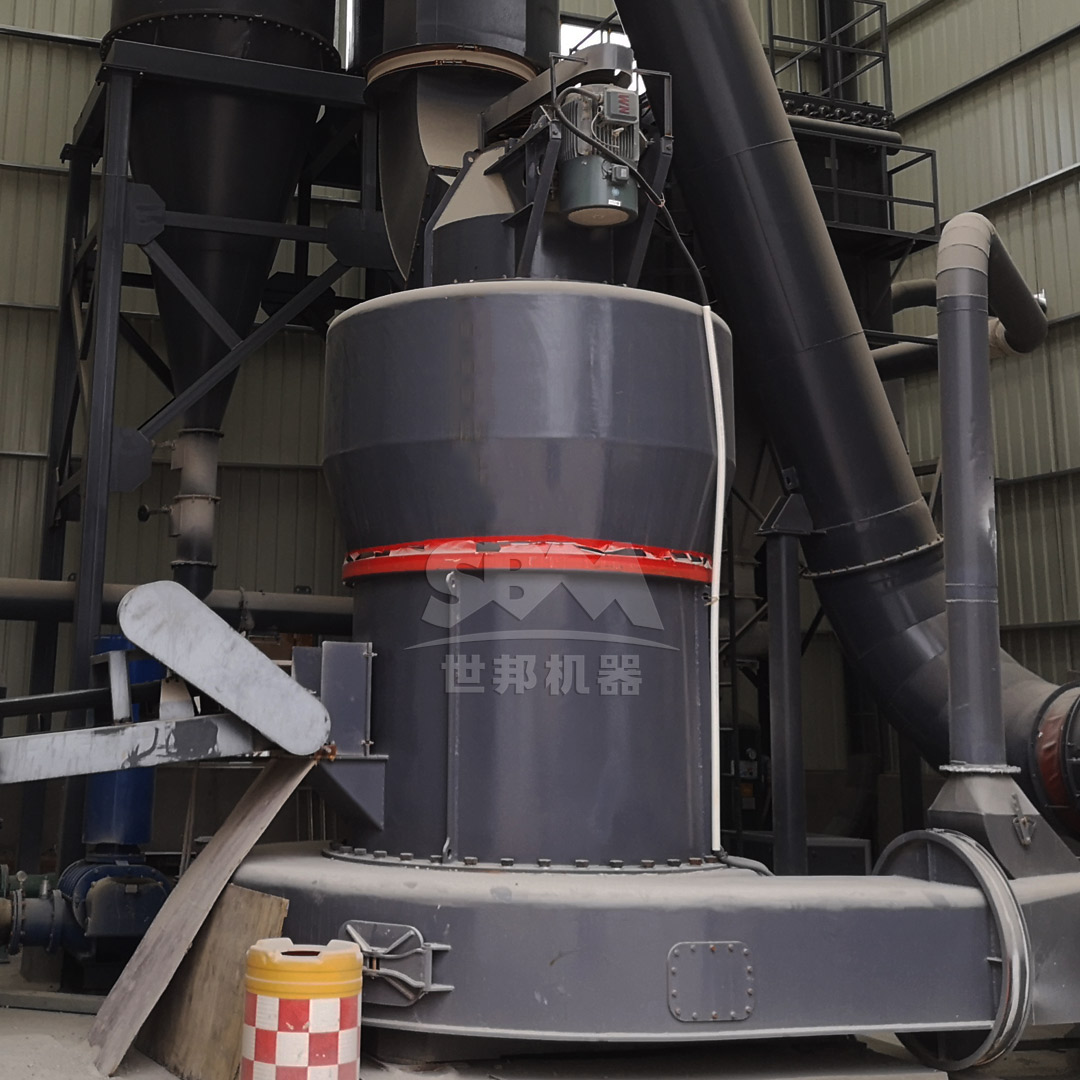
VRMs have become a preferred choice for large-scale magnesite grinding. They utilize a bed-compression grinding principle where material is ground between a rotating table and rollers. Key advantages include:
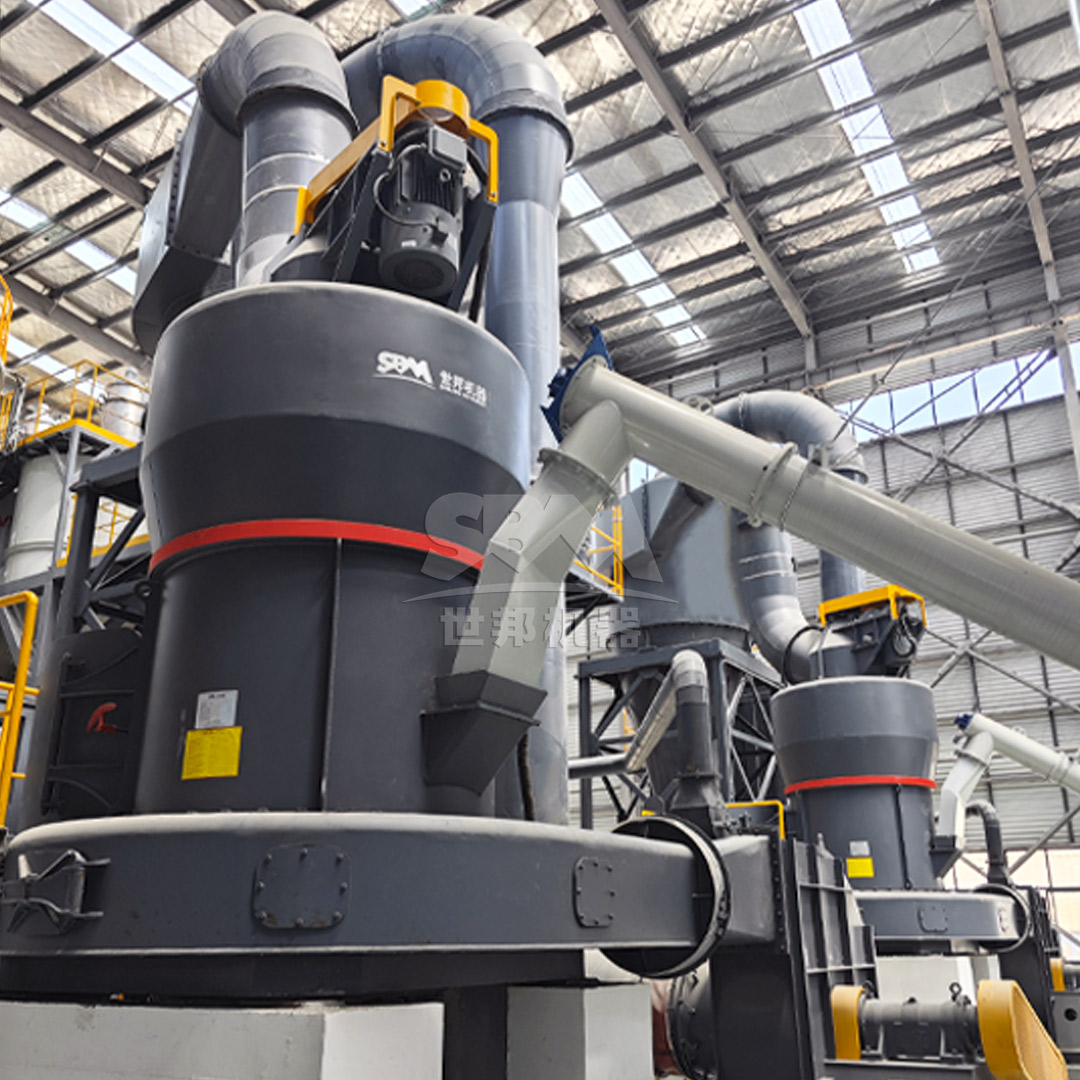
Our LM Series Vertical Roller Mill is exceptionally well-suited for processing magnesite. With an integrated design that crushes, grinds, dries, and classifies in a single unit, it reduces floor space by 50%. Its non-contact design between rollers and the grinding table, coupled with wear-resistant materials, extends component life significantly—a critical factor for abrasive ores like magnesite. The intelligent control system ensures stable operation and consistent product fineness, which can be adjusted from 30 to 325 mesh (up to 600 mesh for special models).
| Model | Grinding Table Diameter | Capacity (t/h) | Main Power (kW) | Feed Size (≤mm) |
|---|---|---|---|---|
| LM190K | Φ1900mm | 23-68 | 500 | 45 |
| LM220K | Φ2200mm | 36-105 | 800 | 50 |
| LM280K | Φ2800mm | 50-170 | 1250 | 50 |
For producing high-value, reactive magnesia powders with fineness exceeding 325 mesh (45μm), ultrafine grinding technology is indispensable. These mills are designed to generate fine and ultra-fine particles with a narrow size distribution.
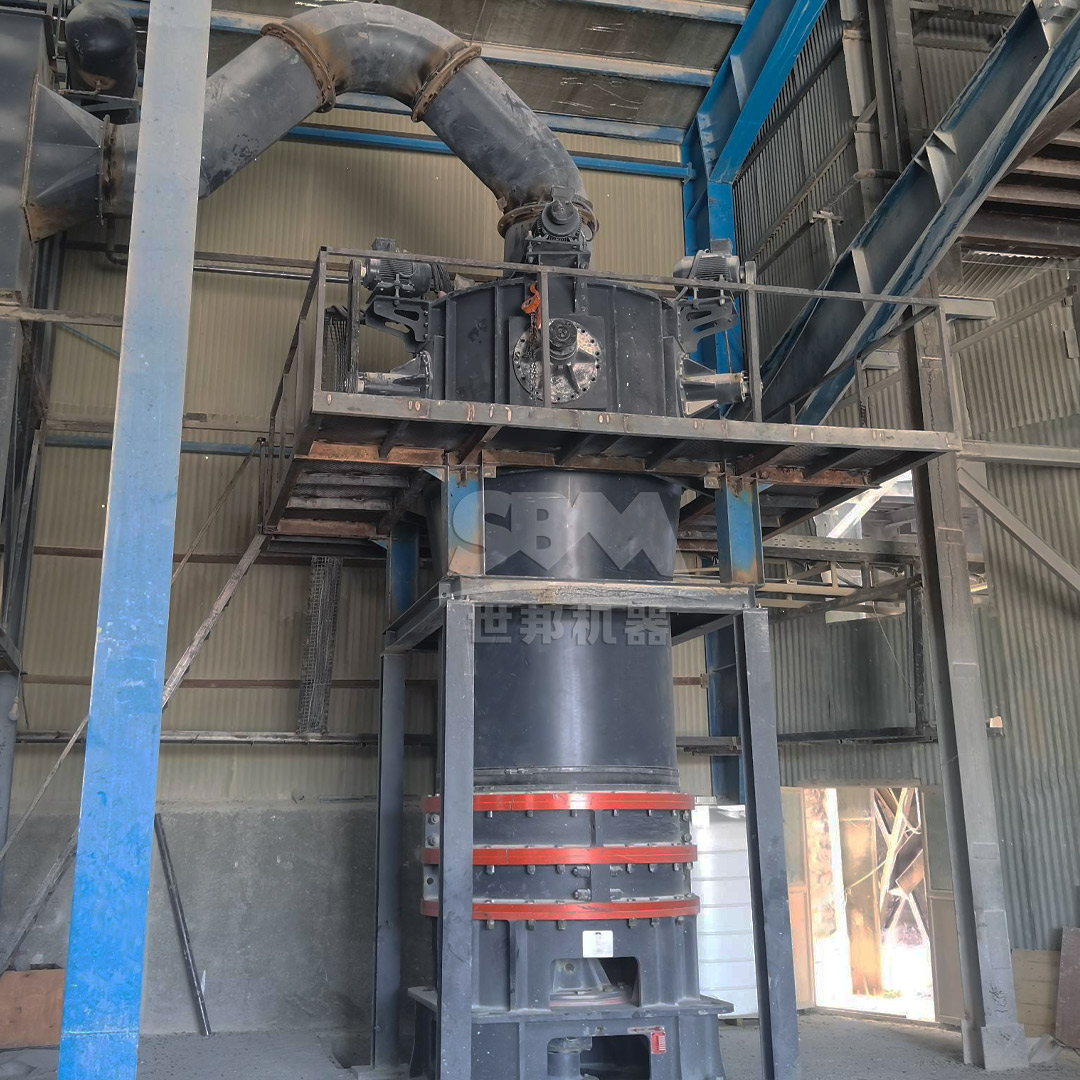
Our flagship solution for this application is the SCM Series Ultrafine Mill. It is engineered to produce powders between 325 and 2500 mesh (45-5μm) with high efficiency. Its core advantages directly address magnesite’s grinding needs:
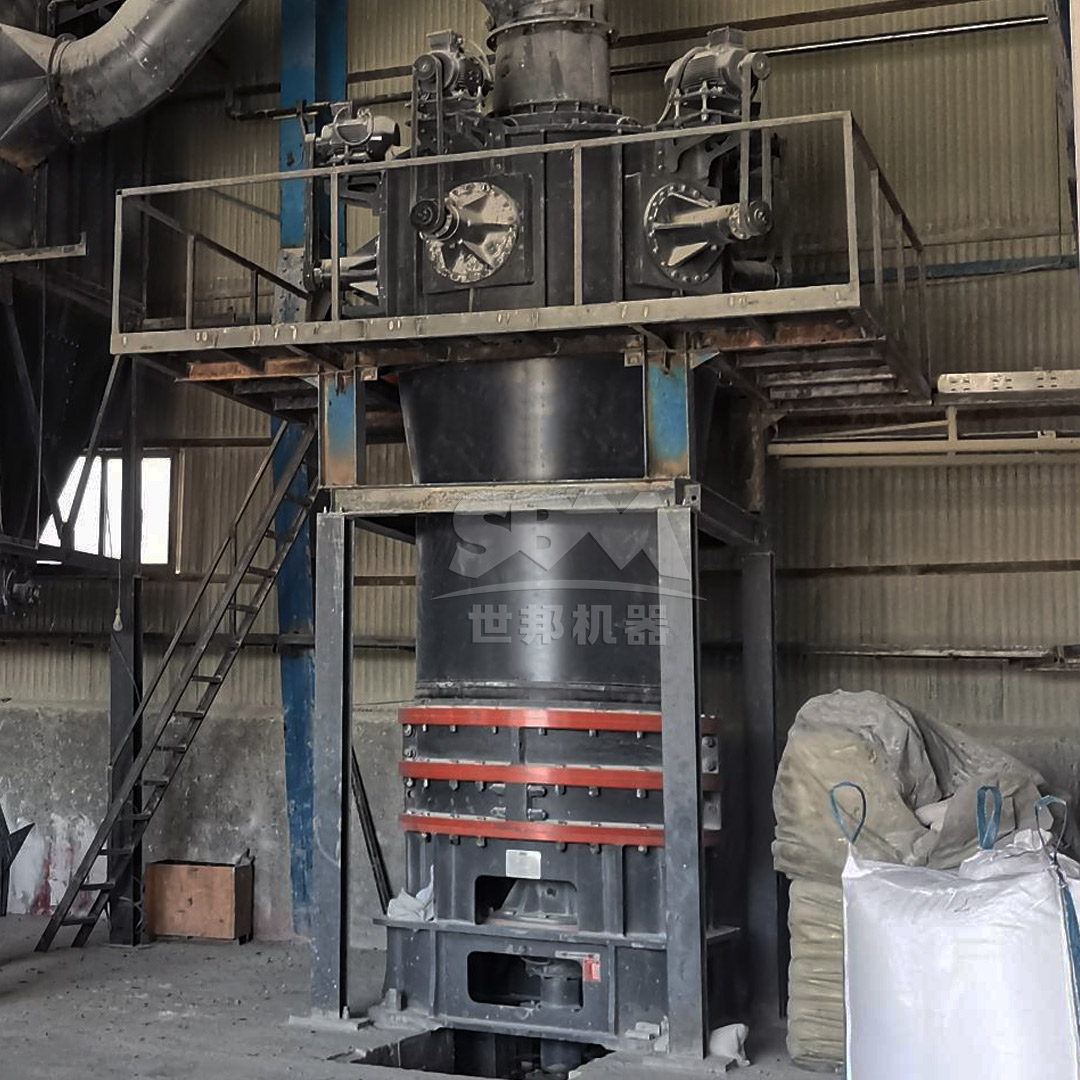
The choice of mill depends on the final product specification and plant scale.
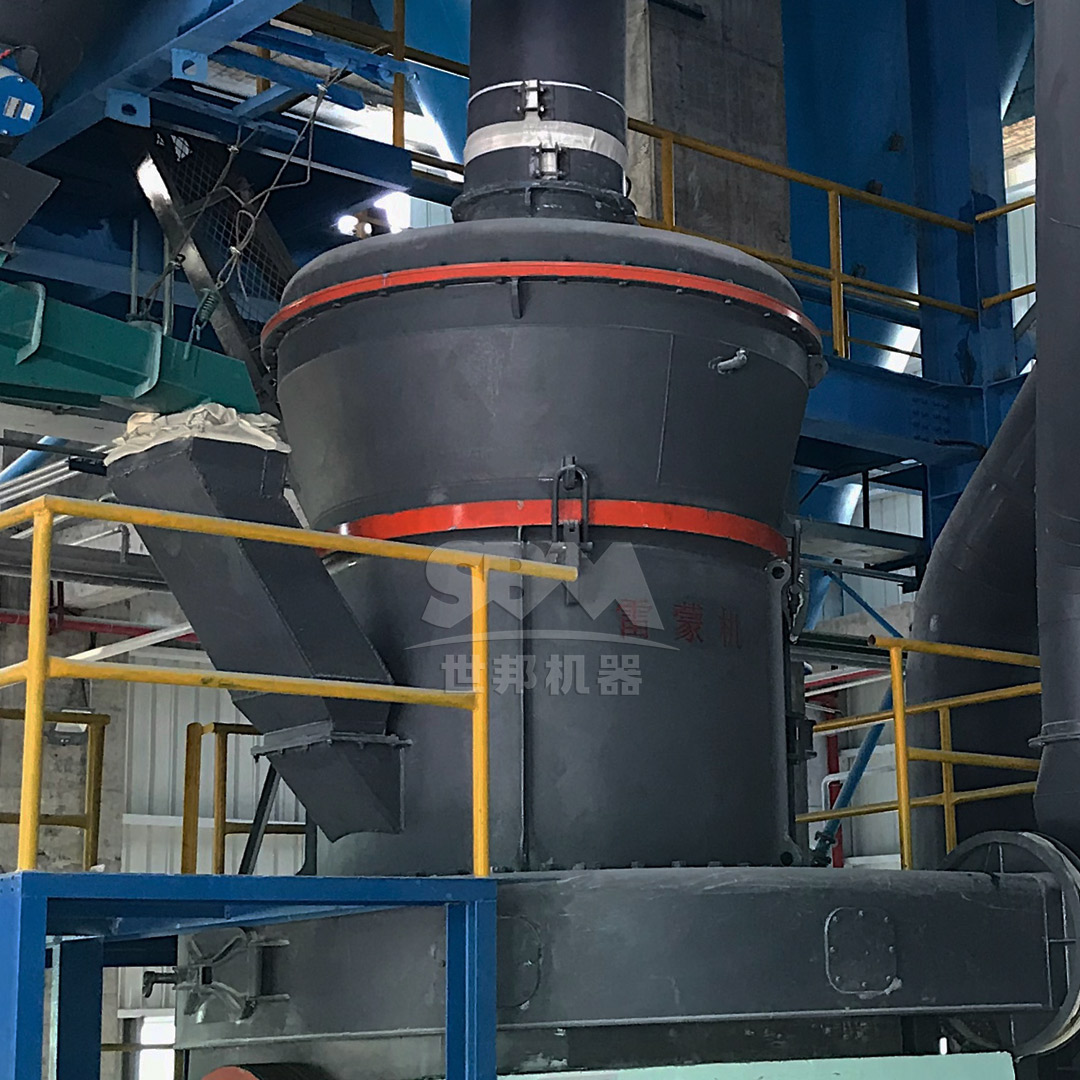
Investing in the right grinding technology is a strategic decision for any magnesite processing operation. Moving beyond traditional ball mills to advanced solutions like Vertical Roller Mills and Ultrafine Mills can yield substantial benefits in product quality, energy consumption, operational cost, and environmental performance. Our LM Series and SCM Series mills are engineered to meet the specific demands of the magnesite industry, offering a reliable, efficient, and future-proof path to producing high-quality magnesia products for global markets. By leveraging these advanced grinding systems, producers can enhance their competitiveness and ensure sustainable growth.